


As the landscape of SEO continues to evolve, understanding the shift from traditional keywords to broader topics is essential for a successful content strategy. Instead of focusing solely on specific keywords, today’s SEO emphasizes topic-based SEO, which takes into account the relationship between various concepts and the context in which they are searched. This allows for improved relevance and better search intent optimization.
The concept of topical authority SEO highlights the importance of creating content that comprehensively covers a subject area. By developing content clusters, brands can establish their expertise within a topic while optimizing for semantic search. This approach not only satisfies search engine algorithms but also enhances the user experience by providing valuable and interconnected information.
Furthermore, the transition to topic optimization requires a strategic approach to content planning. Utilize entity-based SEO and leverage topic mapping techniques to ensure that all content reflects topical relevance. Continuous analysis of search intent and user queries will further align your content with audience needs, establishing your brand as a credible source of information.
For insights on future trends, explore SEO trends in 2026. Additionally, consult resources like Moz’s Beginner’s Guide to SEO for foundational knowledge on evolving strategies.
Defining Topics vs. Keywords
Understanding the difference between topics and keywords is crucial for maximizing SEO effectiveness. Topics represent broader themes encompassing various related concepts, while keywords are specific phrases that users enter into search engines. Emphasizing topic-based SEO allows for a better grasp of user intent and preferences, facilitating enhanced topical relevance SEO. Rather than merely targeting individual keywords, implementing a topic clusters strategy enables content to be linked logically, creating a more comprehensive resource. This method not only boosts search visibility but also builds topical authority, establishing your site as an expert in key areas that align with user inquiries, thereby improving overall SEO and user engagement.
The Evolution of Search Algorithms
The evolution of search algorithms has significantly shifted the focus from mere keyword matching to understanding user intent through topics. Modern search engines utilize advanced techniques, such as semantic search, which comprehends the context of queries rather than just analyzing strings of characters. This paradigm shift has enabled Google and other search platforms to evaluate content more holistically, allowing them to reward comprehensive content that demonstrates topical authority.
As a result, optimizing for topic clusters SEO has become imperative. By creating interconnected content that covers various aspects of a subject, businesses can enhance their topical relevance SEO. To stay ahead, ensure your SEO content strategy aligns with these algorithmic changes, as explained in this resource on context-driven search. With each algorithm update, understanding user intent deeper will drive more effective content creation.
Why ‘Topics Not Keywords’ Matters in Modern SEO

Understanding the significance of “Topics Not Keywords” in modern SEO is essential as we look toward 2026. This concept shifts the focus from individual keywords to broader themes that enhance content relevance and coherence. By prioritizing topics, marketers can create content that answers complex user queries, improving both visibility and engagement.
Moreover, adopting a topic-based SEO approach cultivates an environment where search engines prioritize relevance over volume. Rather than simply stuffing articles with keywords, focusing on related topics allows for comprehensive coverage of subjects. This will ultimately enhance your site’s authority, positioning it as a trusted source for specific niches.
Furthermore, a strategy that emphasizes topical authority SEO integrates various aspects of a topic, encouraging deeper exploration by the audience. This approach is vital as users increasingly seek comprehensive answers in a single search, thus emphasizing content clusters SEO that are interconnected and thematically cohesive. By aligning your content with user intent and interests, you can significantly improve your search engine rankings.
In addition, as search engines embrace semantic search, it becomes imperative for brands to optimize their content accordingly. Tools that allow for better topic optimization SEO will help in structuring content in a way that reflects true user needs. Resources such as Moz’s guide on semantic search provide valuable insights in this area.
Ultimately, transitioning to a “Topics Not Keywords” strategy not only meets the demands of evolving search algorithms but also enhances user satisfaction by providing meaningful, interconnected content.
The Role of Search Intent in Topic Optimization
Understanding search intent is fundamental in shaping your topic optimization strategy. It involves analyzing what users wish to achieve when entering a query. By aligning your content with these intentions, you can effectively cater to user needs, enhancing engagement and retention.
To optimize for search intent, consider the following:
- Identify User Intent Types: Categorize queries into informational, navigational, transactional, or commercial investigation to tailor content appropriately.
- Create Relevant Content: Develop content that directly addresses identified intents, ensuring it provides answers, solutions, or insights.
- Utilize Structured Data: Implement schema markup to aid search engines in understanding content context, thus improving visibility.
For those keen on mastering search intent, resources like Search Engine Journal’s guide on search intent offer in-depth insights. As search algorithms evolve, a strong grasp of user intent will be your competitive edge in topic-driven SEO.
Building Topical Relevance for SEO Success
Building topical relevance is crucial for establishing an effective SEO strategy in 2026. By grouping related subjects into cohesive content clusters, you can bolster your site’s authority. This approach not only enhances user experience but also aligns seamlessly with search engines’ focus on topical authority SEO.
To build strong topical relevance, consider these steps:
- Conduct Thorough Research: Identify key topics and subtopics that resonate with your audience’s needs.
- Create Comprehensive Content: Develop in-depth articles that cover various angles of a topic.
- Implement Linking Strategies: Use internal links to connect related content, enhancing semantic relationships.
Additionally, employing tools that facilitate topic optimization SEO can streamline this process. Resources like this guide on SEO trends can provide insights into emerging strategies. By prioritizing topical relevance, you position your brand as a valuable resource and improve your rankings in search results.
The Impact of AI and Semantic Search
The advancement of AI and semantic search profoundly impacts how we approach SEO content strategies. With algorithms increasingly capable of understanding context and intent, the significance of “Topics Not Keywords” becomes more pronounced. Semantic search enables search engines to interpret user queries more intelligently, resulting in higher-quality content surfacing in search results.
As AI refines content delivery based on contextual understanding, businesses must pivot to topic-based SEO. This shift encourages creators to focus on topical authority, fostering comprehensive coverage of subjects rather than isolated keywords. Furthermore, integrating tools for topic clusters SEO can significantly enhance your strategy, improving overall site structure and user engagement.
For detailed insights into AI’s influence on SEO, refer to this resource. Emphasizing topics over keywords not only aligns with algorithm changes but also establishes deeper connections with audiences, ensuring long-term relevance.
The Three-Tier Framework for Topic Optimization

To implement an effective topic optimization SEO strategy, consider adopting a three-tier framework that facilitates comprehensive content development and enhances topical authority. This framework consists of:
- Foundation Level: Begin with extensive research to identify essential topics relevant to your audience’s interests and needs. Use tools that analyze search trends and user behavior to clarify what subjects resonate best within your niche.
- Content Creation Level: Develop in-depth, interconnected content that dives deeper into identified topics. Create a diverse range of articles, videos, and infographics that not only inform but also engage users, offering various perspectives on each primary topic. Ensure that each piece is optimized for semantic search SEO by including relevant entities and phrases that enhance contextual understanding.
- Linking and Optimization Level: Utilize internal linking to weave together related content, establishing clear connections that enhance both semantically and structurally. This not only boosts your site’s topical relevance SEO but also aids in improving user navigation, encouraging longer site visits. Additionally, consider using topic clusters SEO to organize content around key pillars, reinforcing the thematic relevance and authority of your website.
As you build your SEO content strategy, remain responsive to user feedback and search engine algorithm changes. This adaptability is crucial for maintaining your competitive edge. Resources like this guide on context-driven search can offer further insights into effectively honing your approach in a rapidly evolving landscape.
This three-tier framework not only promotes robust content production but ensures that your strategy remains aligned with the demand for comprehensive, topic-centric information. By focusing on areas beyond mere keywords, your brand can attain a stronger online presence and enhance its credibility among audiences and search engines alike.
Tier 1: Core Topic Identification
Identifying core topics is essential for a successful topic-based SEO strategy. Start by conducting thorough audience research to uncover their primary interests and pain points. Tools like Google Trends and BuzzSumo can provide insights into trending subjects in your industry. Additionally, analyzing competitors can reveal gaps you can capitalize on, allowing you to create content that uniquely addresses user needs.
Once you have identified these topics, prioritize them based on search intent and relevance. This ensures that your content not only ranks well but also resonates deeply with your audience. For more information on SEO trends, check out this article. Implementing a rigorous core topic identification process lays a strong foundation for your overall SEO content strategy.
Tier 2: Related Subtopics and Content Clusters
To enhance your SEO strategy, consider developing related subtopics that naturally align with your core topics. Start by brainstorming potential themes or questions your audience may have. Building content clusters around these subtopics can create a rich resource hub, bolstering your topical authority strategy.
- Search Intent Analysis: Ensure each subtopic addresses specific user queries for effective search intent optimization.
- Interlinking Recommendations: Strategically link to related articles within your clusters to reinforce topical relevance SEO.
- Content Formats: Diversify the types of content offered, incorporating videos or infographics that appeal to varied learning styles.
This comprehensive approach not only enhances user engagement but also strengthens your visibility. For effective topic mapping, consider exploring resources from experts like Ahrefs to refine your methodology.
Tier 3: Advanced Topic Optimization Techniques
Advanced topic optimization techniques can significantly enhance your topic optimization SEO. One effective method is to implement entity-based SEO, where content is structured around recognized entities within your topics. This facilitates semantic search, helping search engines better understand your content’s context.
Moreover, creating a dynamic content calendar can streamline your SEO content planning, ensuring you consistently address emerging topics and queries. It allows timely updates, enhancing user relevance. Incorporating tools like AI insights can also optimize your strategy by predicting content performance based on user behavior trends.
By employing these advanced techniques, you solidify your site’s recognition as an authoritative resource in your niche, aligning perfectly with future SEO demands.
Implementing Your Topic-Based SEO Strategy
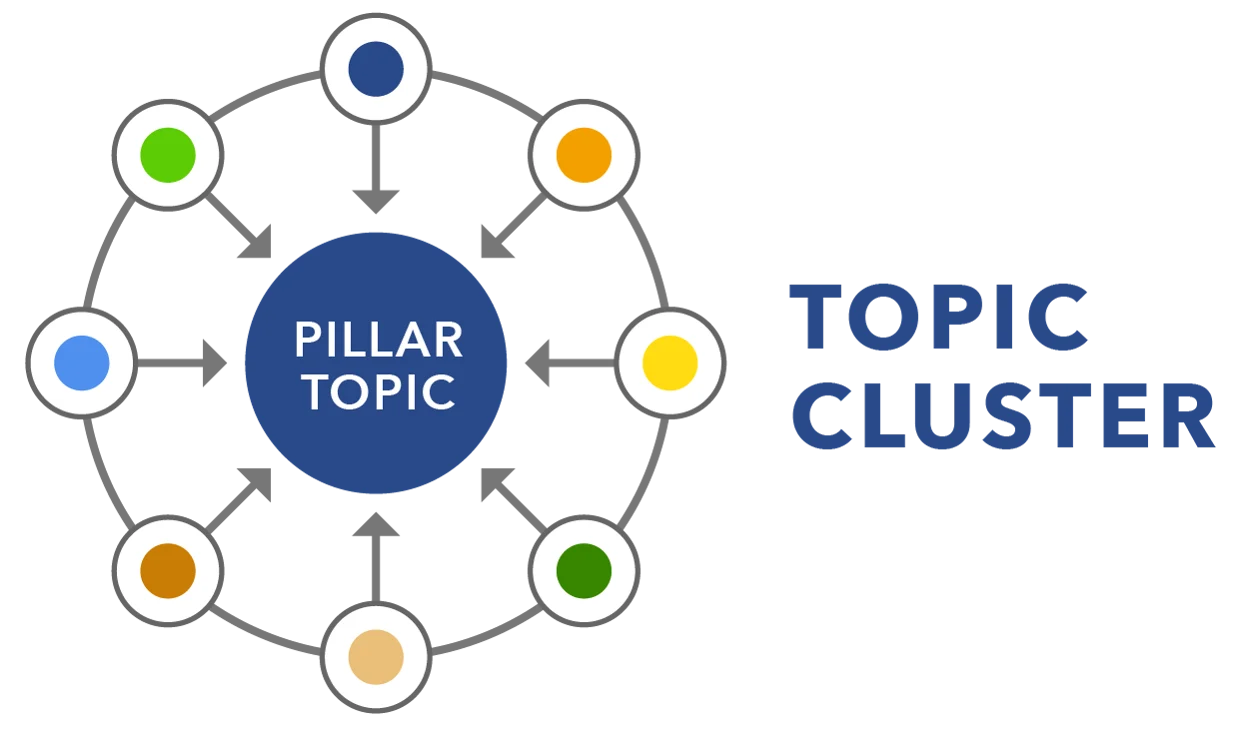
To successfully implement your topic-based SEO strategy, it’s crucial to prioritize comprehensive content planning. Begin by creating a structured outline that defines your core topics and associated subtopics. This not only clarifies your content direction but also ensures a systematic approach in addressing all facets of your subjects, which is particularly beneficial for semantic SEO.
Next, utilize tools such as context-driven search tools to further enhance your understanding of what users are searching for. Conduct keyword research with a focus on topics rather than single keywords, as this practice aligns with the evolving search algorithms that favor topic clusters over isolated keywords.
Once you have your topic clusters defined, create an internal linking structure that connects related content. This not only helps Google to crawl and index your site more effectively but also improves user experience through easy navigation. For optimal results, ensure each piece of content within a cluster supports the others, reinforcing your overall topical authority.
Incorporate various formats in your content strategy, providing a mix of articles, videos, podcasts, and infographics. Diversifying content formats caters to different preferences, enhancing user engagement, and increasing dwell time. Videos, for instance, can elucidate complex topics quickly, making them easier for users to digest.
Moreover, as you develop your content, pay attention to how you answer common questions within the industry. Engage with your audience through comments and social media to understand what queries emerge. This can lead to the creation of FAQ pages or dedicated posts that address these common questions, establishing your site as a valuable resource.
Monitoring your metrics is also essential. Use analytics tools to assess which topics are performing well and adjust your content strategy based on these insights. For instance, if a certain subtopic garners significant interest, you might consider expanding it into a full series or creating more in-depth articles around it.
Finally, consider the importance of topical relevance in your writing. Every piece of content should maintain a clear focus that aligns with its primary topic. This alignment not only aids in SEO success but also ensures your audience remains engaged and informed. As search engines become increasingly sophisticated, practicing nuanced approaches to topic-driven SEO will secure your competitive edge in the digital landscape.
By executing these steps thoughtfully, you solidify a robust foundation for your SEO content strategy, ensuring that your topics not only resonate but also rank effectively in 2026 and beyond.
Conducting Topic Research and Mapping
To conduct effective topic research and mapping, start by identifying overarching themes relevant to your audience. Utilize tools that analyze search intent and content performance, allowing you to gather insights into user behavior and preferences. This step is crucial for implementing topic-based SEO, as it sets the groundwork for your content strategy.
Next, categorize these themes into specific subtopics. Create a visual representation or a mind map to illustrate how these topics interconnect. This method aids in developing a structured approach that reflects the relationships between your primary topics and their supporting content. By employing a topic cluster model, you enhance your site’s topical authority.
Additionally, leverage existing content to identify gaps. Reviewing analytics can reveal what users are interested in but aren’t currently finding on your site. This can lead to focused content creation that aligns with emerging SEO trends. For further guidance on topic optimization, consider insights from Ahrefs on effective topic mapping strategies.
Creating Content Clusters and Topic Silos
Creating content clusters and topic silos is an essential strategy for enhancing your site’s topical authority. Begin by identifying a central topic that encapsulates your main theme. From there, develop clusters of related subtopics, each contributing valuable insights while reinforcing the primary topic. This approach enables search engines to understand the breadth of your content, improving your site’s visibility.
Once you establish these clusters, focus on organizing them into silos. A silo structure means grouping content to create a natural hierarchy. For instance, if your main topic is “digital marketing,” relevant subtopics could include “SEO,” “social media,” and “email marketing.” Each subtopic should link back to the main topic page, creating an interconnected web of content that boosts both user engagement and SEO performance.
Moreover, regularly updating these clusters keeps your content fresh and relevant. Utilize analytics tools to monitor user interactions and adjust topics as needed. This practice not only enhances your content’s topical relevance but also improves its ranking in semantic search results, ensuring your strategy remains robust as SEO evolves into 2026 and beyond.
Measuring Performance and Adjusting Strategies
To effectively measure performance and adjust your SEO strategies, start by analyzing user engagement metrics such as bounce rate, time on page, and conversion rates. These insights reveal how well your topics resonate with your audience, guiding necessary adjustments. Utilize tools like Google Analytics for tracking these metrics and understanding content performance.
Additionally, incorporate feedback loops, where user comments and social shares inform your content direction. Regularly revisit your topic clusters to assess their relevance, adjusting as search intent and trends change. For deeper insights into measuring SEO effectiveness, explore resources like this article on context-driven search, and review guides from Moz to refine your approach.
Common Pitfalls in Topic-Based SEO and How to Avoid Them

Despite the advantages of topic-based SEO, several common pitfalls can hinder your strategy’s effectiveness. One major issue is the tendency to over-complicate topics, leading to a diluted focus. Ensure that each topic cluster remains tightly related to a core subject. Avoid the trap of straying too far from your main theme, as this can confuse both users and search engines.
Another challenge is neglecting keyword research entirely. While the focus should be on topics, understanding relevant keywords is still crucial for organic visibility. Conduct thorough keyword analysis in conjunction with your topic research to ensure proper coverage of user search intent. Tools like AI-powered SEO tools can enhance this process by identifying semantic relationships between keywords.
Additionally, failing to regularly update and refresh your content can lead to reduced engagement. Search engines prioritize fresh, relevant information, so make it a point to revisit and enhance your clusters periodically. Finally, monitor your content’s performance meticulously. Use analytics to pinpoint underperforming topics and be willing to pivot your strategies when necessary. By addressing these pitfalls, you’ll strengthen your topical authority and improve overall SEO effectiveness.
Neglecting User Intent
Neglecting user intent can undermine any SEO content strategy, particularly when focusing on topics instead of keywords. Understanding why a user searches for information is crucial in crafting relevant content. If your content deviates from addressing the specific queries of your target audience, engagement will suffer. This not only affects user satisfaction but also impacts your site’s ranking, as search engines prioritize high-quality, intent-driven results.
To optimize for search intent effectively, consider implementing entity-based SEO. This approach ensures your content aligns with the underlying themes driving user searches. Additionally, keeping user intent at the forefront of your content planning can boost visibility in semantic search results and enhance your overall topic authority as the SEO landscape evolves.
Over-optimization of Topics
Over-optimization of topics can lead to a fragmented and ineffective SEO strategy. Striving for topical authority means maintaining a focused narrative within your content clusters. If you attempt to force multiple themes or ideas into a single topic, you risk diluting your message. This confusion can alienate the very audience you’re trying to engage.
It’s essential to balance depth and breadth. Aim for comprehensive coverage of your core topic while avoiding unnecessary tangents. Regular analysis of your topic performance is critical. By using analytics tools, you can identify and refine these areas, ensuring that your content remains relevant and coherent. For more insights on this approach, check out resources like this article.
Remember, a clear focus not only enhances user experience but also boosts your search visibility by aligning closely with semantic search principles.
Future Trends in SEO: What’s Next for Topic-Driven Strategies?

As we move toward 2026, the future of SEO content strategy will increasingly revolve around the concept of “Topics Not Keywords.” This shift signifies a deeper understanding of user behavior and search intent, prioritizing thematic relevance over standalone keywords. Content creators must employ **topic optimization SEO** strategies that enhance user engagement and improve SERP visibility.
One significant trend will be the rise of topical authority SEO. By building clusters of content that revolve around a central theme, brands can establish themselves as credible sources. This cluster model encourages comprehensive exploration of relevant topics, improving both user satisfaction and overall SEO efficacy.
Moreover, the integration of semantic search SEO will drive the need for meaningful connections between related topics. By aligning content with the semantic intent behind queries, brands can respond effectively to user needs. This is where context-driven approaches will play a crucial role, allowing marketers to deliver tailored content that resonates with their audience.
We can also anticipate enhanced tools for SEO topic mapping, facilitating the efficient organization of content across various clusters. As the industry evolves, leveraging analytics to gauge topical performance will become vital. Regular assessments will ensure that the content remains aligned with ongoing shifts in user preferences and search algorithms.
Ultimately, a successful topic-driven SEO strategy will depend on understanding the intricate relationship between search intent and user engagement, paving the way for sustainable growth in organic visibility and authority.
The Rise of Voice Search and Its Implications
As voice search becomes increasingly prevalent, its implications for SEO cannot be underestimated. Voice-activated devices are changing how users interact with search engines, shifting from keyword-based inquiries to more conversational queries. This transition necessitates a strong emphasis on search intent optimization and the creation of content that addresses user questions in a natural, accessible manner.
To thrive in this evolving landscape, content must be optimized for brevity and clarity, featuring direct answers to common questions. Implementing a topic-based SEO approach ensures that your content aligns with the thematic interests of your audience. Incorporating structured data can further enhance visibility, providing search engines with clearer context about your content.
As documented by Search Engine Journal, creating content clusters around specific topics is crucial for capitalizing on voice search. This strategy strengthens your site’s overall authority while addressing the natural language patterns users adopt when searching vocally.
By adapting to these voice search trends, brands can forge deeper connections with their audience, ensuring relevance and sustaining organic growth.
Incorporating Visual Search in Topic Strategies
As visual search technology advances, integrating it into your SEO content strategy will become essential. This format allows users to engage with content through images and videos, thus shifting the focus from simple text-based keywords to more immersive topics. By understanding the elements of visual search, such as image recognition and tagging, brands can enhance user experience and engagement.
To optimize for visual search, consider the following:
- Use high-quality visuals: Ensure images are clear and relevant to the topic.
- Implement structured data: Use schema markup to provide context, enhancing your chances of appearing in visual search results.
- Create engaging video content: Videos improve dwell time and can capture user attention through multiple senses.
For further insights, refer to current SEO trends that emphasize the growing importance of visual mediums in engaging audiences effectively.
Frequently Asked Questions
What does “Topics Not Keywords” mean? This concept emphasizes the importance of focusing on broader themes rather than individual keywords. By grouping related content, brands can enhance their topical relevance and authority.
How can I implement topic-based SEO? Start by identifying core topics relevant to your audience. Create content clusters that address these themes, ensuring content is interlinked and provides comprehensive coverage to users. This approach strengthens your site’s authority in those topics.
What is the role of topical authority? Topical authority refers to the reputation your site builds within specific subjects. Achieving this requires consistent, high-quality content that answers user queries effectively, as highlighted by Moz.
How does “Topics Not Keywords” affect SEO strategy? It shifts the focus from merely optimizing for keywords to understanding user intent and delivering value through contextual, topic-driven content strategies. As trends evolve, staying ahead is crucial.
For further strategies, consider exploring topic optimization and the importance of search intent through detailed planning in your SEO content strategy.
What are the benefits of a topic-centered SEO approach?
A topic-centered SEO approach offers several benefits. It enhances user experience by providing comprehensive information around specific themes, improving engagement. Additionally, it boosts search visibility as engines favor sites with clear topical relevance. This strategy also positions brands as authorities within their niches, encouraging organic traffic growth and fostering user loyalty.
How can I effectively implement topic clusters?
To effectively implement topic clusters, first, identify your main topics that resonate with your audience. Then, create related subtopics that can be interlinked, forming a cohesive network of content. This strategy enhances your site’s authority and improves user experience by guiding visitors through a logical information journey, thereby increasing engagement and retention.
Additionally, employing AI tools can help analyze user intent and optimize content structure for maximum impact.
Is keyword research still relevant?
Keyword research remains relevant but is evolving. Instead of just identifying search terms, focus on understanding the context behind queries and user intent. This approach facilitates the creation of topic clusters that resonate more with audiences. For a deeper dive into the transformation of SEO, check out how AI is transforming SEO.
Embracing the ‘Topics Not Keywords’ Methodology
As we approach 2026, embracing the ‘Topics Not Keywords’ methodology will be vital for brands looking to thrive in the evolving landscape of SEO. This strategy not only focuses on optimizing content around themes but also aligns closely with user intent and search behavior. By establishing topical authority, businesses can engage their audience through comprehensive content that answers their specific questions.
Implementing this approach requires a shift in mindset. Instead of targeting isolated keywords, prioritize developing topic clusters that collectively address broader subjects. These clusters allow for interlinking articles, creating a robust network that enhances user experience and reinforces authority in those areas. Content that directly answers user queries not only garners trust but also increases dwell time, signaling to search engines the value of your content.
Moreover, utilizing semantic search techniques and understanding entity-based SEO can greatly enhance your topical relevance. By effectively mapping out your content strategy based on clear themes, brands can anticipate user needs and optimize for search intent. For a more in-depth analysis of upcoming SEO trends, explore the latest SEO trends.
Ultimately, the transition to a topic-driven SEO landscape signifies a paradigm shift. To stay competitive, invest in quality content that embodies this holistic, user-centric approach, ensuring long-term success and relevance in search results.


