

The digital landscape is undergoing its most significant transformation in a decade. As we approach 2026, the rules of search engine optimization (SEO) are being rewritten not incrementally, but fundamentally. The catalyst? The pervasive integration of artificial intelligence into the very fabric of how people find information.
Gone are the days when ranking on the first page of Google was the ultimate goal. Today, searchers are increasingly met with AI-generated answers directly on the search results page, pulling from websites but often providing the information without a click. Our data reveals that these AI Overviews now appear in 25.8% of all U.S. searches, a figure that skyrockets to over 54% for more complex, long-tail queries. This shift is driving a dramatic rise in zero-click searches, which now account for a staggering 58% of all Google searches in the U.S., fundamentally challenging the traditional link-click model of SEO.
Simultaneously, the search ecosystem itself is exploding beyond a single search bar. Users are turning to social platforms like TikTok for visual tutorials, generative AI tools like ChatGPT for detailed explanations, and forums like Reddit for authentic, first-hand experiences—with Reddit seeing a nearly 40% year-over-year traffic increase from this shift. For businesses, this means your visibility is no longer contested in one arena but across a sprawling digital battlefield.
This blog post is your strategic map to this new terrain. We’ve distilled the chaos into the 12 most critical SEO trends you must master in 2026. For each trend, we move beyond just identifying the “what” to provide you with the “how”—actionable, data-backed strategies designed to protect your organic visibility, earn valuable clicks, and drive real ROI in an age of AI-driven search. Let’s begin.
1. Optimizing for AI Overviews

The most disruptive force in SEO today is the proliferation of AI Overviews (formerly Search Generative Experience) in search results. These are comprehensive, AI-generated answers that appear at the very top of Google, synthesizing information from multiple sources to directly satisfy a user’s query without requiring a click. Our analysis of 2.37 million U.S. keywords reveals that AI Overviews now appear in 25.8% of all searches, a presence that intensifies to 54.7% for long-tail queries of seven words or more. This represents a fundamental shift from a “10 blue links” model to an “answer-first” paradigm, making optimization for these AI-generated boxes critical for visibility.
To adapt, your strategy must evolve from targeting clicks to competing for citations within the Overview itself. The goal is to become one of the sources the AI references. This requires a two-pronged approach:
First, shift your content targeting. Move beyond top-of-funnel, simple question-based queries (like “what is…”) that AI Overviews easily answer. Instead, prioritize middle-of-funnel and bottom-of-funnel content that addresses complex comparison, evaluation, or in-depth procedural guidance. For example, instead of targeting “what is SEO,” create content around “comparing enterprise SEO software suites for SaaS in 2026.”
Second, architect your content for AI consumption.
-
Structure for Clarity: Use explicit headings (H2, H3), bulleted lists, and clear definitions. AI models parse well-structured information more easily.
-
Authoritative Sourcing: Cite reputable, primary sources within your content. This builds a network of trustworthy information that AI systems value.
-
Comprehensive Coverage: Anticipate and answer related subtopics within a single, in-depth piece. Become the definitive resource on a subject to increase your chances of being synthesized into the answer.
-
Technical Hygiene: Ensure flawless site crawlability through a robust robots.txt file, XML sitemap, and clean internal linking so Google’s AI can easily discover and index your content.
2. Optimizing E-E-A-T Signals
As AI Overviews and generative search engines like ChatGPT prioritize delivering trustworthy information, the classic concept of E-A-T (Expertise, Authoritativeness, Trustworthiness) has evolved into E-E-A-T, where the first ‘E’ stands for Experience. Google’s systems are increasingly trained to identify and value content that demonstrates first-hand, lived experience, especially for topics where it matters most (Your Money or Your Life – YMYL). In 2026, E-E-A-T is not just a guideline but the cornerstone of ranking in both traditional and AI-driven search.
Optimizing for E-E-A-T requires demonstrable proof, not just claims. Here’s how to build these signals:
Experience: This is the new frontier. Google’s algorithms and quality raters look for evidence that content creators have genuine, practical experience with the topic.
-
Strategy: Incorporate case studies, personal anecdotes, data from original experiments, and “lessons learned” from real-world application. For a product review, detail your month-long testing process with photos and raw data. For a “how-to” guide, show the failed attempts and why your recommended method works.
Expertise: Demonstrate formal or demonstrated proficiency in the subject matter.
-
Strategy: Feature content created by credentialed experts. Use detailed author bios that highlight relevant qualifications, years in the field, certifications, and notable achievements. For an organization, showcase collective expertise through team pages, white papers, and industry speaking engagements.
Authoritativeness: Establish your brand or authors as a leading voice in the industry.
-
Strategy: Cultivate authoritative backlinks from respected institutions, media, and industry bodies. Be cited by others. Create cornerstone content that becomes a standard reference. Engage in peer-reviewed publications or speak at major conferences to build this reputation at scale.
Trustworthiness: This encompasses the security, transparency, and reliability of your website and content.
-
Strategy: Ensure your site uses HTTPS. Clearly display contact information, privacy policies, and return policies (if applicable). Correct errors transparently and update content with current dates. Show customer testimonials, client logos, and any industry awards or badges.
3. Building a Presence on Forums
A pivotal 2026 search development is Google’s explicit elevation of forum content from platforms like Reddit, Quora, and niche community sites. This shift is a direct response to the growing user preference for authentic, first-hand experiences and peer discussions over corporate marketing content. The impact is substantial: Reddit reported a nearly 40% year-over-year increase in organic search traffic following this algorithmic adjustment. Google now often dedicates a special “Forum” block in its results, siphoning significant traffic away from traditional organic listings.
To combat this traffic diversion and harness its power, you must develop an active, value-driven forum strategy. This is not about promotion, but about authentic engagement.
1. Identify and Integrate: Find where your target audience congregates. This may be subreddits like r/Entrepreneur for business software, specialized forums like Stack Overflow for developers, or Quora spaces. Lurk first to understand community norms, recurring pain points, and the tone of discussion.
2. Provide Genuine Value, Not Links: Your goal is to become a recognized, helpful community member.
-
Answer Questions Thoroughly: Offer detailed, actionable advice without always linking to your site. The goal is to build reputation.
-
Share Unique Insights: Post case studies, interesting data, or personal experiences that spark discussion. Frame it as “Here’s what we found…” rather than “Here’s our product.”
-
Engage in Discussions: Comment meaningfully on other users’ posts. Authority is built through consistent, helpful participation.
3. Strategic Content Promotion (When Relevant): Only share your content when it is the perfect, unbiased solution to a user’s question. Disclose your affiliation transparently. For example, “My agency wrote a detailed guide on this exact problem, which breaks down the steps you mentioned. You can find it here [link]. The key takeaways are…”
4. Leverage Forum Insights for Content Creation: Use forums as a powerful research tool. Analyze the language, questions, and problems users discuss to inform your on-site content strategy. Creating articles or videos that directly answer the top-voted questions from a relevant subreddit is a proven method to capture aligned search intent.
4. YouTube SEO and Video Strategy Optimization

The search results page (SERP) is becoming a multimedia experience. Google is increasingly surfacing relevant YouTube videos directly within organic search results, making video optimization a non-negotiable pillar of a holistic SEO strategy in 2026. This trend aligns with the demand for first-hand experience and trusted source commentary, similar to the forum phenomenon. A page with a relevant video not only enhances user engagement but also signals depth and authority to search algorithms. Therefore, your strategy must be dual-faceted: integrating video on your website and mastering YouTube as a search platform in its own right.
On-Page Video Integration Strategy:
-
Target High-Intent Pages: Embed custom video on key commercial and informational pages (product demos, complex tutorials, service explanations). This can significantly increase dwell time and reduce bounce rates.
-
Optimize Video Assets: Never upload a “naked” video. Use descriptive, keyword-rich file names (e.g.,
how-to-install-floating-floor-2026.mp4). Create a detailed transcript and closed captions, which provide crawlable text content for search engines. -
Wrap with Valuable Text: Always surround embedded videos with comprehensive, well-written text content. The video should complement the article, not replace it. This creates a richer resource that can rank for a wider array of queries.
YouTube SEO Optimization Strategy:
-
Keyword-Centric Publishing: Conduct keyword research specifically for YouTube using tools like the platform’s search suggest, VidIQ, or TubeBuddy. Optimize the core trio:
-
Title: Place the primary keyword at the front, make it compelling, and keep it under 60 characters.
-
Description: Write a detailed description (200+ words) using the target keyword naturally in the first two sentences. Include timestamps, links to related resources, and a clear call-to-action.
-
Tags: Use a mix of broad and specific tags, including your target keyword, related terms, and your brand name.
-
-
Engagement as a Ranking Signal: YouTube’s algorithm prioritizes watch time and user engagement. Use compelling custom thumbnails with high contrast and readable text. Encourage likes, comments, and subscriptions with clear asks. Use end screens and cards to keep viewers in your content ecosystem.
5. Doubling Down on Traditional SEO Strategies
In the rush to adapt to AI and new SERP features, a critical mistake would be to neglect the foundational, traditional SEO strategies that continue to form the bedrock of search visibility. Google’s core algorithms still reward technical excellence, relevant content, and local relevance. In 2026, the winning approach is not to replace the old with the new, but to integrate them into a layered, multifaceted campaign.
Core Areas Requiring Sustained Investment:
-
Technical SEO: This is the non-negotiable infrastructure. A site that cannot be crawled and indexed efficiently will fail regardless of content quality.
-
Action: Conduct quarterly audits for site speed (Core Web Vitals), mobile responsiveness, crawl errors, indexation issues (via Google Search Console), and secure site architecture (HTTPS, clean URL structures).
-
-
Targeted Content Creation: The principle of creating valuable content that answers user intent is timeless.
-
Action: Continue developing high-quality, geo-targeted service pages for local businesses, comprehensive product or category pages for ecommerce, and authoritative blog content that addresses your audience’s pain points. As noted by experts, short-form content like FAQs remain highly effective for capturing specific queries.
-
-
On-Page Optimization: While evolving, core on-page elements remain critical signals.
-
Action: Meticulously optimize title tags, meta descriptions, header tags (H1-H3), and image alt text with user intent and keywords in mind. Ensure internal linking strategically passes relevance and helps users navigate.
-
-
Link Building (E-E-A-T Focused): Earning backlinks from authoritative sites is still a powerful trust signal.
-
Action: Shift focus from quantity to quality. Pursue links through digital PR, data-driven original research (“skyscraper technique”), and creating truly link-worthy assets that demonstrate Experience and Expertise.
-
6. Zero-Click Searches
A direct consequence of AI Overviews, Featured Snippets, and enriched local packs is the rise of the zero-click search—where a user’s query is answered directly on the SERP, eliminating the need to visit a website. Data indicates that 58% of Google searches in the U.S. now end without a click. This trend necessitates a fundamental mindset shift: the goal is no longer just to “get the click,” but to dominate the SERP real estate itself and become the source of the answer, whether a click follows or not.
Your content must be engineered for this environment using a zero-click framework:
-
Target SERP Features Aggressively: Optimize content to capture Featured Snippets (paragraph, list, table) and appear in “People Also Ask” boxes. Structure answers clearly and concisely at the beginning of a section, using the exact question as the H2 or H3 header.
-
Provide Immediate, Scannable Value: Assume the user will only read the first 100 words. State the definitive answer or conclusion upfront. Use bullet points, numbered steps, bolded key terms, and tables to make information instantly digestible. This format is what Google extracts for snippets and Overviews.
-
Branding as a SERP Asset: When your content is sourced for a zero-click answer, your brand name is still visible. Make it recognizable and synonymous with authority. This builds top-of-mind awareness, so when the user does need to click (for a deeper dive, a purchase, or a contact), your brand is the default choice.
-
Strategize for the Next Step: Within a zero-click-optimized page, include compelling hooks for further engagement. After providing the quick answer, use phrases like “For a detailed breakdown with case studies…” or “The complete toolset required for this method includes…” This converts the satisfied zero-click searcher into a engaged site visitor when their intent deepens.
7. Taking an OmniSEO® Approach
The era of optimizing for a single search engine is over. Today, the “search landscape” encompasses Google, AI chatbots (ChatGPT, Copilot), social platforms (TikTok, Instagram Search), forums, YouTube, and smart devices. Users are fragmenting their queries across these platforms based on intent—turning to Reddit for unfiltered reviews, ChatGPT for complex explanations, and TikTok for quick visual tutorials. In 2026, the winning strategy is OmniSEO®: a holistic approach that optimizes your brand’s visibility and authority across every platform where your audience seeks information.
Implementing an OmniSEO® framework requires a unified yet platform-specific strategy:
-
Content Atomization & Adaptation: Repurpose a core piece of expertise into formats native to each platform. A flagship research report becomes:
-
An authoritative article on your site (for Google).
-
A YouTube video summary with key charts.
-
A thread on X (Twitter) or LinkedIn highlighting key findings.
-
An infographic for Pinterest and Instagram.
-
A Q&A-style post in relevant subreddits, quoting the data.
-
A prompt for your own chatbot trained on the report’s insights.
-
-
Keyword Strategy for Generative AI: Optimize for conversational, long-tail keywords that users employ in chatbots. This involves using natural language question phrases, scenario-based queries (e.g., “explain like I’m a beginner…”), and focusing on intent that seeks synthesis or advice, not just a quick fact.
-
Branding as a Cross-Platform Constant: Ensure your brand name, key messaging, and visual identity are consistent everywhere. When a generative AI cites your website as a source, or your video is shared on social search, strong branding ensures recognition and builds cumulative authority across the ecosystem.
-
Tracking & Measurement: Move beyond Google Analytics. Establish KPIs for visibility across platforms—track impressions in AI answer citations, share of voice in forum discussions, viewership from YouTube search, and reach from social media hashtag searches. The goal is aggregate brand visibility, not just website traffic.
8. Leveraging AI Tools to Enhance Search Strategy
In 2026, leveraging AI tools is no longer a competitive advantage but a baseline requirement for efficiency and scale. The strategic focus shifts from whether to use AI to how to deploy it effectively to augment human expertise. A significant 86% of SEO professionals now use AI tools to enhance their strategy, primarily for automating labor-intensive tasks and uncovering insights from large datasets.
The effective integration of AI follows a “human-in-the-loop” model:
For Strategic Planning & Insight:
-
Use Case: Employ AI-powered market intelligence tools (like MarketMuse, BrightEdge) to analyze content gaps at scale, predict emerging topic clusters, and reverse-engineer the ranking factors of top-performing competitors.
-
Human Role: Interpret the data, apply business context, and make strategic creative decisions AI cannot.
For Content Creation & Optimization:
-
Use Case: Utilize large language models (LLMs) to generate content outlines, draft meta descriptions and alt text, create multiple headline variants for A/B testing, and expand on bullet points into initial drafts. Tools like HubSpot AEO can help monitor brand mentions across platforms like ChatGPT and Gemini, compare visibility against competitors, and highlight which content updates are most likely to improve inclusion in AI-driven responses.
-
Human Role: Provide the core expertise, firsthand experience (E-E-A-T), and final editorial oversight. The human adds nuance, verifies facts, injects brand voice, and ensures the content meets genuine user intent.
For Technical & Link-Building Efficiency:
-
Use Case: Deploy tools to audit thousands of URLs for technical issues, predict crawl budget optimization, or analyze backlink profiles to identify personalized outreach opportunities.
-
Human Role: Prioritize the findings based on business impact, build genuine relationships for link-building, and solve complex technical architecture problems.
Critical Rule: AI is a powerful assistant for efficiency and scale, but it is not a substitute for experience, empathy, and strategic judgment. The output must always be guided, refined, and validated by human professionals.
9. Optimizing for Personalized Search
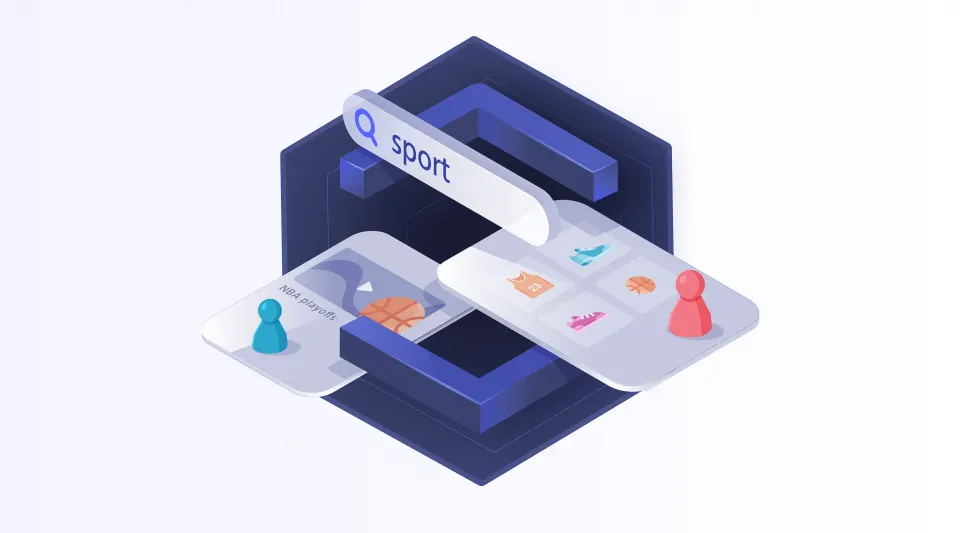
Google’s Search Personalization feature, which allows users to toggle on results tailored to their search history and demonstrated preferences, adds a new layer of complexity to SEO. While not all results are personalized, it can affect ranking order and the prominence of specific content types (e.g., prioritizing video results for a user who frequently watches them). The core strategy for 2026 is not to “game” personalization, but to create such deeply relevant, audience-centric content that you become a favored result for your target user segment.
Your optimization strategy should focus on becoming the preferred choice for both algorithms and individual users:
-
Deep Audience Segmentation & Content Tailoring: Leverage your first-party data (newsletter subscribers, customer personas, CRM data) to understand nuanced audience segments. Create content pillars that address the specific needs, pain points, and search behaviors of each segment, rather than a monolithic audience.
-
Signal Reinforcement Through Engagement: Google’s personalization algorithms pay attention to user engagement signals with your site. Encourage and foster returning visitors through:
-
Email Newsletters: Drive consistent, engaged traffic back to your site.
-
Loyalty or Community Programs: Increase direct navigation and branded searches.
-
Highly Relevant Internal Linking: Keep users within your ecosystem, demonstrating sustained interest.
-
-
Content Format Diversity: Cater to varied user preferences within your niche. If your analytics show a segment engages deeply with tutorials, double down on video and step-by-step guides. For another segment that prefers quick answers, optimize for featured snippets and concise listicles. By covering a topic in multiple formats, you increase your surface area for personalized preference matching.
-
Local & Contextual Signals: For local businesses, personalization is heavily influenced by location and past local search activity. Ensure your Google Business Profile is impeccable, with regular posts and Q&A engagement. Gather positive, keyword-rich reviews that reinforce your relevance for local personalized queries.
10. Taking a Bigger Focus on Local SEO

In 2026, “near me” searches have evolved beyond Google Maps. The rise of conversational AI platforms like ChatGPT, Copilot, and Gemini means users are now asking, “Find a reliable plumber near Seattle” in a chat interface. This shift makes a robust local SEO strategy essential not just for map pack visibility, but for inclusion in AI-generated local recommendations. Your business must be discoverable wherever local intent is expressed, which requires a multi-faceted approach.
1. Dominate Your Google Business Profile (GBP) Ecosystem: Your GBP is your primary digital storefront for local and AI search.
-
Completeness & Accuracy: Ensure every field—hours, services, attributes, and products—is meticulously filled and updated in real-time.
-
Strategic Keyword Use: Integrate core service keywords naturally into your GBP description and posts. Use Google’s Q&A feature to post and answer common questions preemptively.
-
Rich Media & Posts: Regularly upload photos of your team, workplace, and projects. Use the Posts feature for announcements, offers, and events, signaling an active, engaged business to both users and algorithms.
2. Build Locally Relevant Content and Links:
-
Create Locally-Targeted Pages: Develop dedicated service area pages or blog content that addresses local issues, events, or news. For example, “A Guide to Historic Home Roofing in [City Name]” demonstrates hyper-local expertise.
-
Earn Local Citations & Backlinks: Ensure consistent Name, Address, and Phone Number (NAP) information across authoritative local directories (Chamber of Commerce, industry associations). Pursue backlinks from local news sites, bloggers, and community organizations.
3. Manage Reviews with Strategy: Reviews are a critical E-E-A-T signal for local search.
-
Solicit Reviews Proactively: Implement a streamlined process to ask satisfied customers for reviews.
-
Respond to All Reviews: Engage professionally with both positive and negative feedback. This demonstrates responsiveness and commitment to customer experience, factors weighed by ranking systems.
11. Optimizing for Social Search

Social media platforms are no longer just for networking; they are vertical search engines with distinct algorithms and user intent. Users increasingly bypass traditional search to find visual tutorials on TikTok, expert opinions on LinkedIn, or product reviews on Instagram. Optimizing for social search means creating platform-native content designed to be discovered within each app’s search function, driving brand awareness and community engagement that often feeds back into traditional SEO signals.
1. Understand Platform-Specific Search Intent:
-
TikTok/Instagram Reels: Users search for quick, visual “how-to” guides, trending challenges, product demos, and entertainment.
-
YouTube: Users seek in-depth tutorials, reviews, and educational content (as previously covered).
-
Pinterest: Users search for inspiration and ideas (e.g., “modern kitchen remodel ideas,” “fall wardrobe essentials”).
-
LinkedIn: Users look for industry insights, company news, and professional expertise.
2. Create Search-Optimized Social Content:
-
Keyword-Inclusive Captions: Research trending keywords and hashtags within each platform. Use them naturally in your video descriptions, post captions, and Pinterest pin titles.
-
Optimize Visual & Audio Elements: Use on-screen text and graphics that reinforce the search topic, as many users watch with sound off. For video, include spoken keywords.
-
Leverage All Native Features: Use Instagram’s keyword-searchable alt text for images, create themed YouTube Shorts from long-form content, and utilize Pinterest’s detailed pin descriptions.
3. Foster Community and Cross-Promotion:
-
Engage in Comments: Active discussion in comments signals engagement and can boost visibility in search results within the platform.
-
Encourage User-Generated Content (UGC): Create branded hashtags and challenges. UGC expands your content library and provides authentic social proof that others will search for.
-
Promote Across Channels: Guide your website audience to your social profiles and vice-versa. A strong, searchable social presence builds brand recognition that can influence click-through rates on traditional SERPs.
12. Having a Solid Technical Infrastructure
All advanced SEO strategies—from AI optimization to video integration—are built upon a solid technical foundation. A site plagued by slow speed, poor mobile experience, or crawl errors cannot effectively rank, regardless of content quality. In 2026, technical SEO is the critical enabler that allows your strategic efforts to be recognized and rewarded by search engines. It ensures your site is accessible, understandable, and deliverable to both users and AI crawlers.
1. Prioritize Core Web Vitals & User Experience (UX): Google’s user-centric metrics are non-negotiable ranking factors.
-
Largest Contentful Paint (LCP): Ensure speedy loading of main content (<2.5 seconds). Optimize images, use a CDN, and leverage browser caching.
-
First Input Delay (FID)/Interaction to Next Paint (INP): Ensure page interactivity (<100 milliseconds). Minimize JavaScript execution time and break up long tasks.
-
Cumulative Layout Shift (CLS): Prevent visual instability during loading (<0.1). Always include size attributes for images and videos, and avoid inserting content above existing elements.
2. Ensure Flawless Crawlability and Indexation: Make it easy for Googlebot to discover and understand your site.
-
Site Architecture: Maintain a logical, shallow site structure with clean internal linking.
-
Robots.txt & XML Sitemaps: Audit your robots.txt file to avoid accidentally blocking critical resources. Keep a dynamically updated XML sitemap and submit it via Google Search Console.
-
Canonicalization & Rendering: Properly implement canonical tags to avoid duplicate content issues. Ensure your site is rendered correctly for JavaScript-heavy frameworks so content is visible to search engines.
3. Implement Structured Data (Schema Markup): This is your direct line of communication with search engines.
-
Action: Use schema.org vocabulary to mark up key content types—articles, local business info, products, FAQs, how-tos, and events. This helps Google understand context and increases eligibility for rich results and knowledge panels, which are crucial in a zero-click search environment.
4. Adopt a Mobile-First Philosophy: With mobile-first indexing, your site’s mobile version is the benchmark.
-
Action: Design with a true mobile-first approach. Test on real mobile devices, ensure touch elements are spaced appropriately, and avoid intrusive interstitials that degrade the mobile experience.
How to Calculate SEO ROI
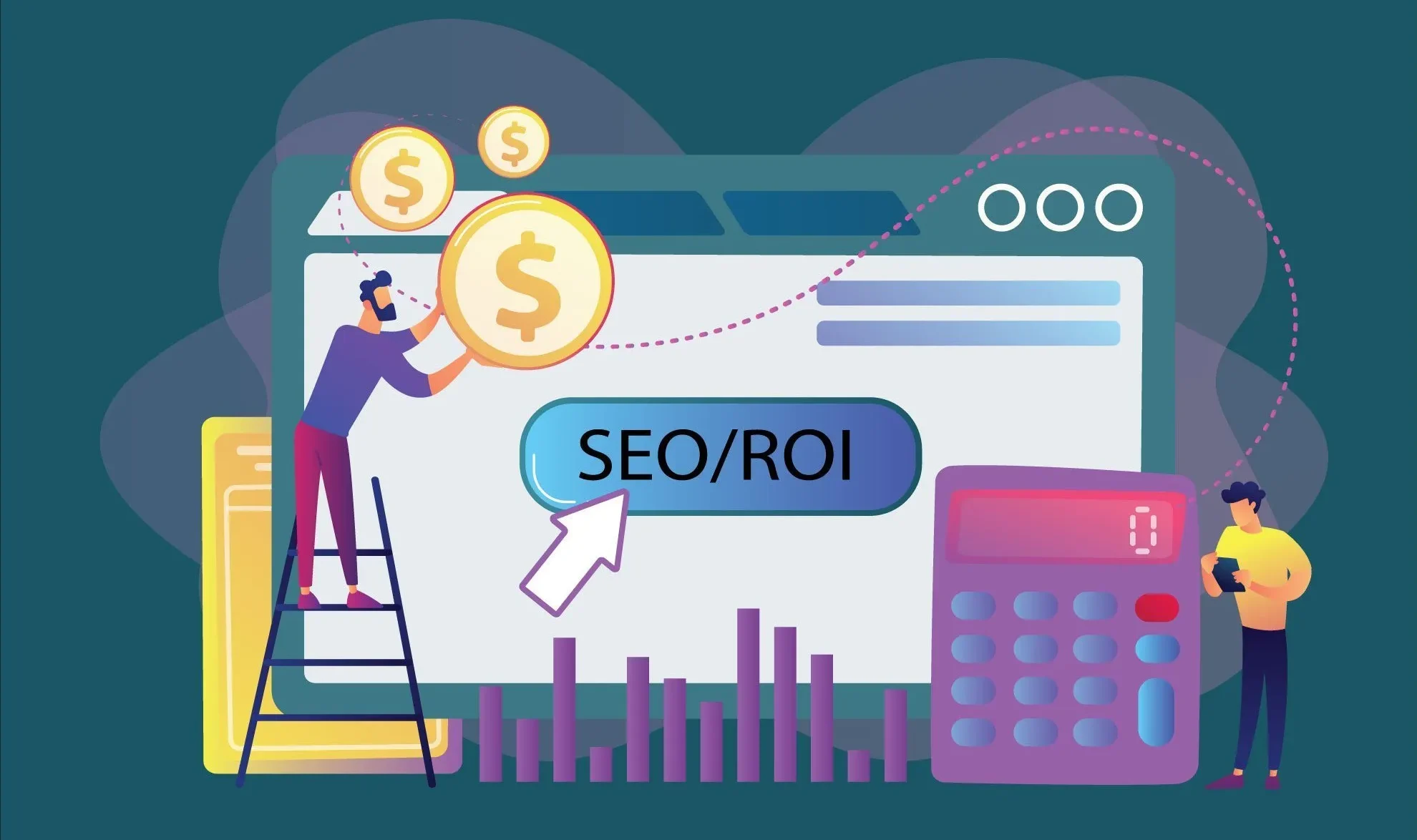
Calculating SEO Return on Investment (ROI) in 2026 requires moving beyond simplistic metrics like raw traffic volume. With the prevalence of zero-click searches and AI Overviews, the traditional click-through model is incomplete. A modern ROI calculation must attribute value to brand visibility, authority building, and multi-channel engagement that may not result in an immediate session.
The foundational formula remains: SEO ROI = [(Value from SEO – Investment in SEO) / Investment in SEO] x 100. The complexity lies in accurately defining the “Value from SEO.”
1. Defining and Tracking the “Value”:
-
Direct Revenue: The most straightforward metric. Use Google Analytics 4 (GA4) to track conversions (purchases, leads, sign-ups) sourced from organic search. Assign a monetary value to each conversion.
-
Assisted Revenue & Multi-Channel Influence: Attribute value to organic search that initiates or assists in a conversion path that later concludes via direct traffic, branded search, or social media. GA4’s cross-channel reporting is essential here.
-
Non-Revenue Value (Critical for 2026): Assign proxy monetary values to key visibility metrics:
-
Branded Search Lift: An increase in searches for your brand name indicates growing brand authority. Calculate the estimated cost of generating equivalent awareness through paid advertising.
-
SERP Feature Visibility: Appearing in an AI Overview, Featured Snippet, or forum block has value, even without a click. Track impressions for these features and assign a value based on estimated CPM (Cost per Thousand Impressions) of display advertising.
-
Content Asset Performance: A cornerstone article that earns high-authority backlinks builds equity. Estimate the cost of acquiring similar links through a paid outreach campaign.
-
2. Calculating the Investment:
-
Hard Costs: Agency/consultant fees, SEO software subscriptions (Ahrefs, SEMrush, etc.), content production costs, and technical development hours.
-
Internal Labor Costs: The fully loaded cost (salary, benefits, overhead) of internal team members dedicated to SEO strategy, content creation, and technical management.
3. The 2026 Calculation in Practice:
Imagine you invest $5,000 monthly in SEO. In a month, you track:
-
$15,000 in direct organic revenue.
-
A 30% increase in branded searches, valued at $2,000 (based on equivalent PPC cost).
-
Your content is cited in 50,000 AI Overview impressions, valued at $1,000 (based on a $20 CPM).
Total Value = $15,000 (Direct) + $2,000 (Brand) + $1,000 (Visibility) = $18,000.
Investment = $5,000.
SEO ROI = [($18,000 – $5,000) / $5,000] x 100 = 260%.
This holistic model captures the full spectrum of SEO’s impact in the modern search ecosystem.
High-ROI SEO Strategies to Prioritize in 2026
Given the trends, prioritize strategies that build sustainable authority and maximize visibility across the fragmented search landscape. The highest ROI will come from efforts that compound over time and serve multiple objectives simultaneously.
1. Invest in “E-E-A-T Showcase” Content: Creating deep, experiential content that demonstrates first-hand expertise (the first ‘E’ in E-E-A-T) has the highest long-term ROI.
-
Action: Allocate resources to data-driven original research, detailed case studies with transparent results, and “why it didn’t work” posts. This content earns high-quality backlinks, gets cited by AI, and builds unmatched trust, serving all 2026 trends at once.
2. Systematize Content for AI and Zero-Click SERPs: Optimizing existing high-performing content for SERP features is a high-leverage activity.
-
Action: Audit top pages for opportunities to win Featured Snippets by adding clear, concise answers in structured formats (lists, tables, steps). Expand content to comprehensively cover subtopics, making it the most likely source for AI Overviews. This protects your traffic from zero-click erosion.
3. Build a Video Hub from Top-Performing Content: Repurposing proven written content into video formats captures YouTube and in-SERP video traffic.
-
Action: Identify your 10 best-performing blog articles. Script and produce high-quality video summaries or tutorials based on them. Optimize them for YouTube SEO and embed them back into the original articles. This doubles the content’s reach and taps into the growing preference for video.
4. Implement a Strategic Local SEO Foundation: For local businesses, this remains one of the highest-ROI activities.
-
Action: Beyond basic GBP setup, invest in generating genuine customer reviews, creating locally focused landing pages for each major service area, and building citations from local industry associations. This solidifies visibility for both map searches and AI-driven local queries.
5. Develop an OmniSEO® Content Repurposing Workflow: Maximize the return from every piece of core content.
-
Action: Create a system where a single flagship piece of research or expertise is atomized into a YouTube video, a LinkedIn article, a Twitter/X thread, a Pinterest infographic, and a community post. This multiplies visibility across all search platforms with incremental effort.
FAQs about SEO Trends in 2026
Q: With AI answering so many queries, is traditional SEO dead?
A: No, it’s evolving. Traditional SEO fundamentals (technical health, keyword intent, quality content) are more important than ever as the baseline for being considered by AI. The focus is expanding from “ranking on page one” to “being the source that AI and users trust.” SEO is now about optimizing for visibility across a wider array of digital touchpoints, including AI assistants and social platforms.
Q: How important are backlinks in the age of AI search?
A: Extremely important. Backlinks from authoritative sites remain a core signal of trust and authority (the ‘A’ in E-E-A-T) for both traditional algorithms and AI systems determining source credibility. The emphasis, however, has shifted even more towards quality and relevance over quantity.
Q: My site doesn’t have a blog. Can I still do SEO?
A: Yes, but your tactics differ. Focus intensely on technical SEO and on-page optimization of your core service or product pages. Optimize your Google Business Profile (for local businesses), build a strong backlink profile through business partnerships and digital PR, and ensure your site provides an exceptional user experience. For many businesses, “blogging” can be replaced by creating deep, authoritative “resource” or “guide” pages that serve a similar purpose.
Q: How do I optimize for something like an AI Overview that I can’t control?
A: You optimize by becoming the most comprehensive, authoritative, and trustworthy source on a topic. By structuring your content clearly, demonstrating E-E-A-T, and covering a subject in depth, you increase the likelihood that an AI will select your information as a citation. It’s about optimizing the factors you can control: your content’s quality and relevance.
Q: With 58% of searches resulting in zero clicks, how do I get traffic?
A: Target the other 42%, and aim to be the brand users remember. Focus on commercial and middle-funnel intent queries where users are more likely to seek a website (e.g., “buy,” “compare,” “reviews”). For zero-click informational queries, ensure your brand name is visible in the answer (through citations in AI Overviews or snippets). This builds top-of-mind awareness, so when the user is ready to click, they choose you.
Partner with Pro Real Tech #1 SEO Agency Today!
Mastering the complex SEO landscape of 2026 requires a strategic partner. Pro Real Tech is your premier digital agency, equipped to transform the trends discussed—from AI optimization and E-E-A-T to OmniSEO®—into your competitive advantage.
We offer comprehensive solutions through a proven, three-stage process: First, we Research your project with tailored market analysis. Next, we Evaluate and refine the strategy for maximum impact. Finally, we implement for the Best Results using cutting-edge technology. Our full-service expertise covers the essential pillars of modern search success: Digital Marketing & SEO, Web Design & Development for a flawless technical foundation, and Video Production to capture video and social search traffic.
With a track record of 100% client satisfaction and a portfolio of successful transformations, we provide the integrated strategy needed to elevate your brand and achieve high ROI in 2026. Contact Pro Real Tech today to begin building your digital success story.
Read More: The Future of Social Media Trends in 2026


