

The social media landscape is undergoing a fundamental transformation. As we look toward 2026, a single, powerful shift is redefining every strategy: social platforms are no longer just for connection and entertainment—they are the primary engines of discovery, research, and decision-making. Users are bypassing traditional search engines, typing questions directly into the search bars of TikTok, YouTube, and Instagram, seeking authentic answers from real people and creators.
This evolution is accelerated by artificial intelligence, which is actively curating and prioritizing content based on its utility and clarity. For brands and marketers, this means the old rules of chasing viral moments and vanity metrics are becoming obsolete. Success in 2026 will belong to those who create structured, searchable, and genuinely helpful content that aligns with user intent. This blog post will explore the key trends driving this new era, providing a roadmap for adapting your strategy to thrive where discovery now begins: within the social feed itself.
Social Platforms Are Becoming Discovery Engines

The most significant trend defining social media’s future is its metamorphosis into a primary discovery engine. Consumers, particularly younger demographics, now instinctively turn to platforms like TikTok, YouTube, Instagram, and even Reddit to research purchases, learn new skills, and understand complex topics. This represents a monumental shift from the traditional “top of funnel” marketing model, where discovery started on Google.
This behavior is driven by a desire for authentic, experiential information. Instead of a brand’s polished product description, users want to see a real person using the item in their home. Instead of a static FAQ page, they seek a 60-second video tutorial that solves a specific problem. Platforms have responded by heavily investing in and optimizing their native search functionalities. For instance, TikTok Search now delivers results blending videos, users, sounds, and live shopping, creating a rich, multimedia answer to a query.
Implications for brands are profound:
-
Content Must Answer Questions: Your social content strategy must pivot from broadcasting messages to anticipating and answering your audience’s specific questions. Think in terms of “how to,” “review,” “best for,” and “why use” formats.
-
SEO Extends to Social: Optimizing for in-platform search is as critical as traditional SEO. This includes using relevant keywords in video captions, on-screen text, and hashtags, and creating clear, descriptive profiles.
-
Authenticity Over Production Value: The discovery mindset favors raw, trustworthy content over high-budget productions. User-generated content (UGC), creator collaborations, and behind-the-scenes footage gain more traction in discovery feeds.
Your social media profile is becoming your new homepage, and your videos and posts are your top-ranking landing pages. Winning the discovery battle means being the best, most helpful answer when a user searches within a social app.
AI Is Reshaping What Use rs See Across Social
Artificial Intelligence is the invisible architect of the modern social media experience, moving far beyond simple recommendation algorithms. In 2026, advanced Large Language Models (LLMs) and computer vision AI actively parse, interpret, and rank content based on its perceived quality, helpfulness, and relevance to user intent.
This means the AI determines not just if you see content, but which version of an idea you encounter. Platforms are experimenting with AI that can summarize comment threads, generate key takeaways from long-form videos, and even surface content that best explains a concept from a pool of thousands of videos. The core metric for reach is shifting from “engagement at any cost” to “utility and clarity.”
For content creators and brands, this creates a new set of rules for visibility:
-
Prioritize “Helpfulness” as a Core Metric: AI models are trained to identify content that genuinely solves problems. Clear step-by-step guides, well-structured tutorials, and thorough comparisons are weighted more heavily than vague, engagement-bait posts.
-
Structure for Machine and Human Understanding: Use clear titles, chapters (in videos), bullet points in captions, and on-screen text. This structured data helps AI accurately categorize and surface your content for relevant searches. Think in terms of E-E-A-T (Experience, Expertise, Authoritativeness, Trustworthiness) principles from the SEO world, now applied to social.
-
Intent is King: AI matches content with user intent. Your content must signal its purpose clearly—is it a tutorial, a review, or an opinion? Using language that matches how users phrase their queries (e.g., “easy dinner recipe for two”) is crucial.
-
The Decline of “Gaming” the Algorithm: Tactics like keyword stuffing, spammy hashtags, or encouraging meaningless engagement (“comment ‘YES’ below”) are increasingly ineffective and can be penalized by smarter AI. The focus must return to substantive content creation.
AI is acting as a quality filter for the social ecosystem. It rewards depth, clarity, and value, creating a powerful incentive for creators and brands to raise the standard of what they publish. The era of posting for the sake of posting is over; the era of posting with purpose has begun.
Social Search Is Overtaking Traditional Search for Early Research

A fundamental shift in user behavior is reshaping the digital landscape: social search is becoming the starting point for the consumer research journey. Users, especially Generations Z and Alpha, are increasingly bypassing Google to type queries directly into platforms like TikTok, Instagram, and YouTube. They are not just searching for accounts or hashtags; they are seeking answers, tutorials, product recommendations, and authentic reviews in the format they find most digestible—video and community-driven content.
This trend is fueled by a growing preference for human-centric, experiential answers over algorithmic link lists. A traditional search engine provides a series of links to websites, which the user must then vet and explore. A social search, however, delivers immediate video results where real people demonstrate, explain, and opine, offering multi-sensory proof and perceived transparency. Platforms have rapidly adapted to this “search mode.” TikTok’s “Search” and Instagram’s “Search in Explore” now function as sophisticated discovery portals, while YouTube handles over 1.5 billion educational searches every single day, solidifying its role as a primary knowledge repository.
For businesses, this represents both a challenge and an opportunity. The implication is that a brand’s social media presence is now its most critical search engine optimization (SEO) asset. Key strategies must include:
-
Keyword Optimization for Social Platforms: Conducting keyword research specifically for social search. Tools like TikTok’s Creative Center or YouTube’s search suggest feature reveal what questions users are asking on those platforms. These queries often differ from Google searches, leaning more conversational (e.g., “what to wear in Paris vlog” vs. “Paris packing list”).
-
Creating Evergreen, Problem-Solving Content: The goal is to build a searchable library of content that answers your audience’s perennial questions. This means creating tutorials, detailed reviews, side-by-side comparisons, and “how-to” guides that remain relevant over time.
-
Structuring Content for Scannability: Use clear titles, on-screen text, chapter timestamps (on YouTube), and detailed captions with keywords. This structure helps both users and platform AI quickly understand the content’s value and context.
The “zero-click” search experience is migrating from Google to social media. Brands that optimize their content to be the final, satisfying answer within the app itself will capture users at the critical moment of discovery.
Short-Form Video Is Evolving Into a Research Format
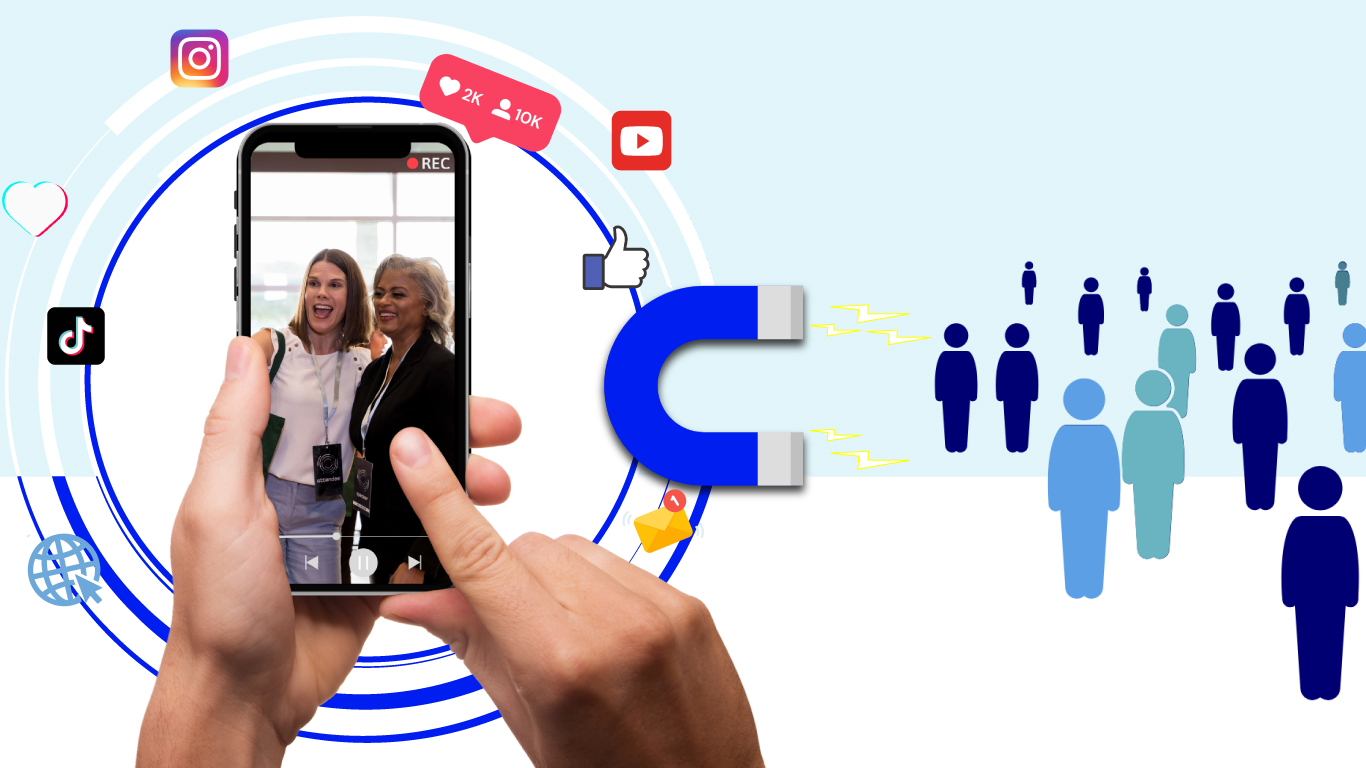
Short-form video, exemplified by TikTok and Instagram Reels, has matured beyond its origins as a pure entertainment medium. Its core strength—delivering high-impact messages in seconds—is now being harnessed for rapid-fire research and comparative analysis. Users are leveraging these brief clips as visual search results to efficiently learn, evaluate, and make informed decisions.
The evolution is from distraction to utility. A 45-second video can serve as a potent research tool in several ways:
-
Micro-Tutorials & Life Hacks: Quick demonstrations of a product’s setup, a software tip, or a cooking shortcut.
-
Visual Product Reviews & “Get Ready With Me” (GRWM): Dense, authentic showcases of a product’s real-world application, from makeup routines to tech unboxings.
-
Side-by-Side Comparisons: Directly contrasting two products, services, or methods in a clear, visual format that text or long-form video cannot match for speed.
-
Problem-Agitation & Solution: Quickly highlighting a common pain point and immediately presenting a product or method as the solution.
This shift demands a change in content strategy. The viral dance or comedy sketch may build awareness, but utility-driven short-form video builds trust and drives decision-making. The production ethos for this format prioritizes clarity and authenticity over high-gloss polish.
To excel in this research-oriented short-form video space:
-
Lead with Value in the Hook: The first 1-2 seconds must explicitly state the information or solution the video provides (e.g., “The mistake everyone makes with this serum,” or “Here’s a $30 alternative to the viral $200 gadget”).
-
Maximize Visual Clarity: Use close-ups, text overlays, arrows, and split screens to make the key information impossible to miss, even without sound.
-
Encourage a Searchable Action Frame: End the video by prompting a related search or directing viewers to your profile for more answers, keeping the research journey alive within the platform. Phrases like “Search ‘[Keyword]’ for more tips” or “Check my playlist for full tutorials” are effective.
-
Foster a “Thread” Mentality: Create series of videos that delve deeper into a topic, encouraging users to view your profile as a curated knowledge hub on that subject.
Short-form video is becoming the fastest way to deliver a “proof of concept.” For brands, it is no longer optional content; it is a fundamental component of a modern, search-optimized social strategy designed to intercept users in their active research phase.
YouTube Is Becoming a Primary Research Destination

YouTube has systematically evolved from an entertainment hub into the internet’s preeminent visual library and research platform. For a growing majority of users, especially those aged 18-44, YouTube is the first stop for in-depth learning, product validation, and skill acquisition. The platform’s core strength lies in its ability to deliver context-rich, demonstrative knowledge that text-based search results or short clips cannot match. This behavior, often termed “search and solve,” sees users turning to YouTube for everything from software troubleshooting and academic subject reviews to comprehensive product teardowns and “before you buy” analyses.
This shift positions YouTube uniquely in the consumer journey—it’s where interest transforms into considered intent. A user might discover a product on TikTok but will then go to YouTube for the 15-minute deep-dive review that examines long-term durability, compares it to three competitors, and shows unedited real-world use. The platform satisfies a critical need for substantive proof before a decision is made.
For brands and creators, success on YouTube now hinges on a documentary-style approach to content creation. The strategy must focus on building a search-optimized repository of trust.
Key strategic imperatives include:
-
Prioritizing Evergreen, Tutorial-Based Content: The algorithm rewards content with lasting value. Creating comprehensive guides, detailed tutorials, and analytical reviews that answer “how” and “why” questions ensures a consistent, compounding traffic stream over time.
-
Mastering YouTube SEO: This goes beyond keywords. It involves optimizing video titles and descriptions with natural language queries, creating detailed chapters within videos (using timestamps), designing custom thumbnails that promise specific value, and encouraging viewer retention through compelling storytelling. The goal is to clearly signal to YouTube’s AI exactly what problem your video solves.
-
Embracing a “Show, Don’t Just Tell” Ethos: The most effective research content provides visual proof. This means screen recordings for software, hands-on demonstrations for products, and using graphics to explain complex data. Authenticity is key; overly produced, advertisement-like content often performs poorly against more genuine, creator-style presentations.
-
Developing Series and Playlists: By organizing related research content into structured playlists (e.g., “Ultimate Guide to Home Espresso” or “2026 Smartphone Comparison Series”), you become a destination for users seeking a masterclass on a topic, significantly increasing watch time and authority.
YouTube is no longer a supplementary channel. It is a critical credibility engine. Brands that invest in becoming authoritative, helpful educators on the platform will capture high-intent users at the most decisive stage of their journey.
Creators Are Becoming the New Trust Layer

In an digital ecosystem saturated with branded messaging and AI-generated content, human creators have emerged as the indispensable layer of trust and social proof. Audiences, skeptical of traditional advertising, increasingly rely on the perceived authenticity, relatable expertise, and unbiased opinions of creators to guide their decisions. This represents a fundamental power shift: influence is no longer about reach alone; it’s about contextual credibility and community trust.
Creators act as cultural translators and product validators. They demystify complex products, showcase real-life applications, and provide unfiltered feedback in a language and style their community understands. A positive review from a trusted creator in a niche community—be it sustainable living, PC building, or indie skincare—carries more weight than a multimillion-dollar celebrity endorsement or a brand’s own claims.
This trend is fundamentally changing brand marketing dynamics:
-
From Campaign-Based to Relationship-Driven: Successful partnerships are moving beyond one-off sponsored posts to long-term collaborations, ambassador programs, and even product co-creation. This allows the creator’s audience to see a genuine, evolving relationship with the brand, which feels more authentic than a transactional ad.
-
The Rise of Nano and Micro-Influencers: While mega-influencers offer scale, brands are increasingly prioritizing nano (1K-10K followers) and micro-influencers (10K-100K followers) for higher engagement rates, stronger community bonds, and perceived authenticity within hyper-specific niches. Their recommendations are seen as peer advice rather than celebrity endorsement.
-
Trust as a Measurable KPI: Metrics are evolving beyond impressions and likes. Brands now measure creator campaign success through affiliate sales conversions, audience sentiment analysis in comments, branded search lift, and the quality of user-generated content (UGC) inspired by the collaboration. The focus is on tangible proof of trust and influence.
-
Authenticity as Non-Negotiable: Audiences have become adept at detecting inauthentic partnerships. Scripted, overly polished creator content that doesn’t align with the creator’s usual style often backfires. The most effective content gives creators creative freedom to present the product in their own authentic voice, including honest drawbacks when applicable.
For brands, the mandate is clear: integrate creators into your core marketing strategy, not as a promotional channel, but as a primary conduit for building credibility. This means investing time in finding the right alignment, fostering true partnerships, and leveraging creator-generated content across all marketing touchpoints—from social ads to website landing pages. In 2026, a creator’s endorsement is not just marketing; it is the most valuable form of social proof and the new cornerstone of brand trust.
Social Behavior Is Splitting by Generation
The social media landscape is no longer monolithic; it is fragmenting along generational lines, with distinct age cohorts developing fundamentally different platform preferences, content consumption habits, and underlying intents for use. This divergence necessitates a move away from one-size-fits-all social strategies toward precision targeting and tailored content formats for each key demographic. Ignoring these behavioral splits means your content will fail to resonate with large segments of your potential audience.
Understanding these generational paradigms is crucial for effective communication:
-
Gen Z (Ages 11-26): The Native Researchers & Community Seekers
For this generation, social platforms are integrated tools for daily life. They exhibit platform-specific intent: using TikTok and Instagram Reels for discovery and trend-based search (“outfit inspo,” “study tips”), YouTube for deep-dive learning and reviews, and platforms like Discord and smaller community apps for sustained interaction with niche interests. Their behavior is characterized by a low tolerance for inauthenticity, a preference for raw, creator-led content over brand broadcasts, and the use of social features (like Q&A stickers and polls) for direct participation. They don’t just consume; they co-create culture. -
Millennials (Ages 27-42): The Hybrid Engagers & Validation Seekers
Millennials often bridge old and new social norms. They use platforms like Facebook and Instagram primarily for connection, life updates, and curated identity, but actively leverage YouTube, Reddit, and expert Instagram accounts for product research, hobbyist deep-dives, and parental advice. They value a mix of entertainment and utility, responding well to expert-driven content, detailed testimonials, and brands that demonstrate authentic values and social responsibility. For them, social proof in the form of reviews and community discussions is a critical trust signal before purchase. -
Gen X (Ages 43-58) & Baby Boomers (59+): The Purpose-Driven Users
These cohorts typically use social media with more defined, pragmatic goals. They are more likely to use Facebook as a central hub for news, group-based community interaction (e.g., neighborhood groups, hobby clubs), and following established brands or news outlets. YouTube serves as a primary destination for how-to content related to home improvement, health, and tutorials. Their content preferences lean toward longer-form, informative, and well-produced material from authoritative sources. While they are adopting newer platforms, their primary driver is functionality and clear value over trend participation.
Strategic Imperative for Brands:
The key is platform and format segmentation. A successful 2026 strategy must map content to platform-specific, generation-specific behaviors.
-
For Gen Z: Invest in authentic, fast-paced, value-driven short-form video on TikTok/Reels and foster community in niche spaces.
-
For Millennials: Blend high-quality visual storytelling on Instagram with in-depth expert content on YouTube and engage in meaningful conversations on Reddit or X.
-
For Older Demographics: Focus on clear, helpful long-form video and written content on Facebook and YouTube, emphasizing trust, clarity, and substantive information.
A unified brand message is still essential, but its expression must be adapted to fit the native language and behavioral norms of each generation’s preferred digital habitats.
Algorithms Prioritize Structured, Searchable Content
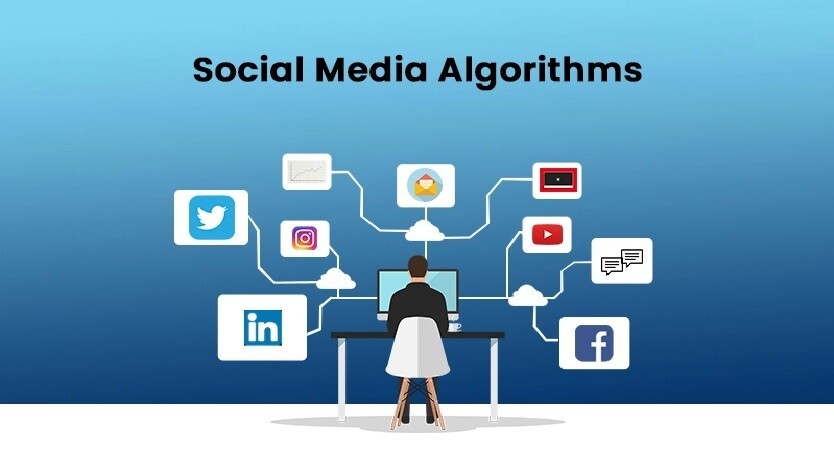
The era of algorithms rewarding mere engagement—likes, comments, and shares—is giving way to a more sophisticated paradigm. Platform AI now acts as a quality filter, designed to identify and elevate content that demonstrates clear utility, intent-matching, and comprehensible structure. The primary goal of algorithms in 2026 is to efficiently satisfy user queries, whether explicitly typed into a search bar or implied by their viewing patterns. Consequently, content that is easily “read,” categorized, and understood by both AI and humans gains a decisive advantage in reach and visibility.
This shift means that technical content structure has become a primary lever for organic growth. The most impactful elements include:
-
Explicit Signaling: Using clear titles, detailed descriptions with natural keywords, and hashtags that function as topical categories (not spam). This metadata is the first data point the algorithm uses to understand your content’s subject.
-
Internal Organization: For video, this means adding timestamps and chapters (on YouTube) or text recaps (on LinkedIn and Instagram). For text posts, it involves using headings, bullet points, and bolded key phrases. This structure helps AI parse the content’s logic and allows users to quickly find the value they seek, boosting retention metrics.
-
Visual and Audio Clarity: Clean on-screen graphics, legible text overlays, and clear speech improve “watch time” and “view duration”—critical ranking signals. AI-powered transcription and translation features also rely on clear audio to function accurately, further extending your content’s potential reach.
The concept of “Searchable Content” is now central. This means creating each piece of content as a permanent answer to a probable question. The mindset shifts from “What will get a reaction right now?” to “What will someone be searching for six months from now, and how can my content be the best answer?”
To optimize for this algorithmic environment, implement these tactics:
-
Adopt an “Answer-First” Content Model: Begin the creative process by identifying a specific user question or search intent. Frame your title, hook, and content structure to address that query directly and comprehensively.
-
Perform Social-First Keyword Research: Use the search suggestion features within TikTok, YouTube, and Instagram to discover the exact phrases your audience uses. These conversational, long-tail queries should form the backbone of your content topics and captions.
-
Repurpose with Structure in Mind: When adapting a long-form YouTube video into short clips, don’t just cut for excitement. Cut to provide a self-contained answer to a sub-question, ensuring each short video is fully optimized with its own descriptive caption and relevant keywords.
-
Audit for Clarity and Scannability: Review your own content. Can a user (or an AI) understand the core value within the first 3 seconds? Is the information organized for easy digestion? Removing friction for the viewer directly aligns with algorithmic goals.
The algorithm is no longer a mysterious gatekeeper to be tricked. It is a partner in distribution that rewards publishers who contribute clear, well-organized, and genuinely useful information to the platform’s ecosystem. By structuring your content for both discovery and comprehension, you build a sustainable foundation for organic reach that compounds over time.
AI-Assisted Content Workflows Are Becoming Standard

In 2026, the use of Artificial Intelligence in social media marketing has matured from a novel experiment into the essential infrastructure of scalable content operations. AI is no longer just a tool for generating generic posts; it is an integrated partner throughout the entire content lifecycle—from strategic planning and creation to optimization and analysis. This shift is driven by the need for relentless consistency and relevance in an algorithmically-driven environment, where publishing helpful, search-optimized content daily is a baseline requirement for visibility.
The modern AI-assisted workflow creates a powerful synergy between human creativity and machine efficiency. Brands leveraging this symbiosis achieve a significant competitive edge in both speed and strategic alignment.
The Integrated AI Workflow in Practice:
-
Strategic Planning & Ideation: AI tools analyze search trends, competitor content gaps, and audience sentiment across platforms to generate data-backed content calendars. They can identify emerging questions in your niche that haven’t been fully answered, ensuring your strategy is proactive rather than reactive.
-
Content Creation & Drafting: Writers and creators use LLMs (Large Language Models) as collaborative assistants to overcome blank-page syndrome, draft initial video scripts, write multiple versions of captions for A/B testing, and adapt a single core piece of content (e.g., a blog or webinar) into dozens of platform-specific formats (TikTok hooks, Twitter threads, LinkedIn articles, Instagram carousels).
-
Production & Editing: AI-powered video and audio tools drastically reduce production time. Features like automated clip creation from long-form videos, AI voiceovers, real-time subtitle generation, and even AI-generated B-roll footage (using platforms like Luma Dream Machine or Pika) allow small teams to produce high-volume, professional-looking content.
-
Optimization & Publishing: Before hitting “publish,” AI tools audit content for platform-specific best practices: suggesting optimal posting times, recommending hashtag clusters, analyzing headline emotional sentiment, and ensuring keyword density aligns with search intent.
-
Performance Analysis & Iteration: Post-publication, AI goes beyond basic metrics. It can perform sentiment analysis on comments, cluster audience feedback into thematic groups, predict the long-term performance of content types, and recommend precise iterations for future work.
Critical Consideration: The Human-in-the-Loop Model
The most successful teams use a “human-in-the-loop” framework. In this model, AI handles data-heavy, repetitive tasks and initial ideation, while humans provide the crucial elements of brand voice, nuanced emotional intelligence, creative direction, and ethical oversight. The final output is always reviewed, edited, and approved by a human strategist to ensure it aligns with brand values and connects on a human level. The goal is not to replace the creative team, but to amplify their capabilities, freeing them to focus on high-level strategy and authentic community engagement.
Community and Social Proof Are Replacing Vanity Metrics

The prevailing metric of success is undergoing a radical transformation. Follower counts and like totals—classic “vanity metrics”—are increasingly seen as empty indicators that offer little insight into true business impact or brand health. In their place, the depth of community engagement and the weight of authentic social proof have become the paramount measures of value. This reflects a broader user shift toward trusting networks and peer validation over top-down advertising.
A robust, active community provides compounding benefits that vanity metrics cannot: higher customer lifetime value, powerful word-of-mouth marketing, direct product feedback, and a sustainable buffer against algorithm changes. Social proof—manifested through user-generated content (UGC), detailed reviews, and creator endorsements—serves as the critical trust layer that converts passive viewers into customers.
Strategies for Cultivating Community and Social Proof:
-
Foster Niche Spaces, Not Just Broadcast Channels: Move conversations from public comments into dedicated, brand-managed spaces like Instagram Subscriber Chats, Facebook Groups, or Discord servers. These spaces allow for deeper discussion, exclusive content, and peer-to-peer support, transforming customers into a cohesive community.
-
Incentivize and Showcase UGC Systematically: Create branded hashtags, run challenges, and feature user content prominently on your profile and in your ads. Tools that streamline UGC rights management and repurposing are becoming essential. A gallery of real customer photos is far more persuasive than a studio shoot.
-
Highlight Micro-Proof: Beyond major influencer posts, celebrate and share the small, genuine moments: a customer’s thank-you message, a creative way someone used your product, or a before-and-after story. This “in-the-wild” proof feels most relatable.
-
Measure What Matters: Shift your KPIs to track community health metrics: active participants in groups, repeat engagement rates, share-of-voice in niche conversations, UGC conversion rates, and sentiment analysis. Track how content featuring customer proof performs against branded content in driving sales or lead generation.
The underlying principle is that trust is built in the comments section, not just on the timeline. Brands that invest in facilitating real conversations, responding thoughtfully to feedback, and empowering their audience to become co-creators build intangible equity that cannot be bought with ads. In 2026, your community is not just an audience; it is your most valuable marketing asset and your most credible sales team.
FAQs
1. With AI creating so much content, how can my brand maintain a unique and authentic voice?
Authenticity in the age of AI comes from the human-led editorial layer. Use AI as a draftsman and data analyst, but insist that all final content is filtered through a human editor who imbues it with your brand’s specific personality, values, and nuanced understanding of your audience. Your unique voice is defined by your choices, stories, and community interactions—elements AI can assist with but cannot originate. Document your brand voice guidelines explicitly and use them to prompt and refine all AI-generated output.
2. My brand sells a complex B2B service. Are short-form video and social search still relevant?
Absolutely. The format and intent adapt, but the principle remains. Decision-makers in all fields use social platforms for research. For B2B, this means creating short-form videos that explain complex concepts simply, showcase client case study highlights, or answer common industry questions. Platforms like LinkedIn and YouTube are primary research destinations for professionals. The key is to provide value and insight, positioning your brand as a thoughtful leader, not just a seller.
3. How do I start building a community if I have a small following?
Start micro. A community doesn’t require thousands of people; it requires engaged people. Begin by identifying your 10-20 most passionate existing customers or followers. Invite them into a private group or chat. Ask for their feedback, share exclusive early information, and facilitate conversations among them. Nurture this core group deliberately. Their active participation will create a model for new members and generate authentic social proof that is more valuable than a large, passive following.
4. With generational splits in platform use, should I abandon platforms where my core audience isn’t the dominant age group?
Not necessarily. The decision should be based on strategic intent and resource allocation. You may maintain a presence on a platform like Facebook not to reach Gen Z, but to serve an older demographic for customer service, community support (via Groups), or longer-form storytelling. The strategy and content format on that platform should, however, be specifically tailored for that audience’s behavior, not a copy-paste of your TikTok strategy.
5. What’s the single most important adjustment I should make to my strategy for 2026?
Shift your mindset from “creating content for a feed” to “building a searchable library of answers.” Every piece of content should be conceived as a permanent, helpful resource designed to be discovered through search. Invest time in understanding the specific questions your audience asks on each platform and become the best source for those answers. This approach aligns perfectly with algorithmic priorities, builds lasting trust, and ensures your work delivers value long after it’s published.
Conclusion
The social media landscape of 2026 is defined by a single, irreversible paradigm shift: social platforms have become the primary engines of discovery and decision-making. This is not merely a new trend to accommodate, but a fundamental change in how consumers seek information, validate choices, and place their trust. The passive scroll has been replaced by the active search, and entertainment value is now inextricably linked to utility.
As we’ve explored, this new era is built on interconnected pillars: the rise of social search as the new top of the funnel, the transformation of short-form video and YouTube into essential research libraries, and the algorithmic prioritization of structured, helpful content. These technical shifts are powered by the human elements that truly decide success: the authentic trust wielded by creators and the robust social proof generated by genuine communities.
For brands and marketers, the path forward requires a foundational rethink. The strategies that won attention in the past—prioritizing production polish over substance, chasing vanity metrics, and broadcasting generic messages—are becoming obsolete. The winning formula for 2026 is to become a consistently helpful resource. This means building a search-optimized library of content that answers your audience’s real questions, leveraging AI to scale quality and insight, and investing in human-centric relationships with both creators and your own community.
The opportunity is immense for those who adapt. By aligning your strategy with the user’s intent to discover, learn, and validate, you position your brand not as an interruption, but as a welcome solution. The future of social media belongs not to the loudest voices, but to the most helpful ones. The time to build that foundation of trust and utility is now.
Read More: Micro Influencer Marketing: How Small Creators Drive Results


