


Pay-per-click (PPC) advertising is one of the most effective ways to generate traffic, leads, and sales quickly. But even the most well-planned PPC campaigns can lose momentum over time. That’s because audiences get tired of seeing the same ads repeatedly, engagement drops, and costs start creeping up — a phenomenon known as ad fatigue.
In this guide, we’ll explain what ad fatigue is, why it happens, how to identify it early, and — most importantly — actionable strategies to keep your campaigns performing efficiently and your audience engaged.
What Is Ad Fatigue?
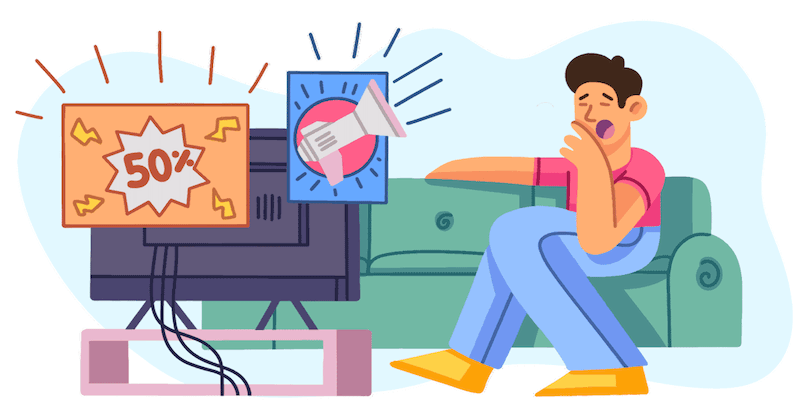
Ad fatigue occurs when your target audience has seen your ad so often that it no longer captures their attention, leads to lower engagement, and ultimately reduces campaign performance. In simple terms, people become “tired” of your ad — even if it’s well-designed or highly relevant.
This can manifest as decreased click-through rates (CTR), increased cost-per-click (CPC), stagnating conversions, and audience annoyance. In competitive digital environments where dozens of brands fight for attention, ad fatigue can silently erode your ROI if not addressed proactively.
Why Does Ad Fatigue Happen?
Ad fatigue isn’t a sudden slowdown that only hits long-running campaigns. It can occur relatively quickly — sometimes in just a few weeks — depending on audience size, ad frequency, and creative freshness. Understanding why ad fatigue happens is key to preventing it before performance declines.
Here Are the 6 Main Causes of Advertising Fatigue and Why They Hurt Your Campaigns
1. Overexposure to Ads
When the same audience sees your ad repeatedly within a short period, familiarity turns into irritation. This is especially true for smaller audience segments or narrow targeting groups. High frequency without variety can make your message feel stale and push users to scroll past or worse, switch off entirely.
Impact:
-
Declining engagement rates
-
Increased ad blindness
-
Negative audience sentiment
2. Poor Audience Targeting
If your targeting is too broad or not sufficiently segmented, your ads may be served to people who aren’t genuinely interested in your offer. Even if frequency is low, poor targeting can mimic fatigue because irrelevant ads don’t resonate — leading users to disengage quickly.
Impact:
-
High bounce rates
-
Wasted ad spend
-
Low conversion rates
3. Invasive Ad Formats
Certain ad formats — like pop-ups, auto-play video ads with sound, or full-page interstitials — can feel intrusive if overused. When users perceive your ads as disruptive rather than helpful, irritation sets in faster, accelerating fatigue.
Impact:
-
Ad avoidance behavior
-
Shorter attention spans
-
Negative brand impressions
4. Repetitive Creative Assets
The visuals, messaging, and offers within your ads need to stay fresh. Using the same image, headline, and value proposition across weeks or months may cause your audience to tune out simply because there’s nothing new or compelling to grab their interest.
Impact:
-
Lower click-through rates
-
Stagnant engagement
-
Reduced interest over time
5. Lack of Personalization in Paid Search Marketing
Generic ads that don’t feel tailored to specific audience segments fail to make an emotional or contextual connection. When all visitors see the same broad ad regardless of their interests or behavior, engagement drops — and fatigue sets in sooner.
Impact:
-
Poor user experience
-
Reduced relevance
-
Lower conversion potential
6. Long Campaign Durations Without Updates
Running campaigns for extended periods without refreshing creative assets, rotating offers, or adjusting messaging can make even good ads feel old. Consumer preferences change rapidly, and campaigns that once resonated may feel out of touch if left stagnant.
Impact:
-
Performance decay over time
-
Ineffective messaging
-
Higher overall campaign costs
5 Signs Your Ads Are Suffering
Even the most well-built PPC campaigns don’t fail overnight — ad fatigue creeps in gradually. But when you know the performance red flags to watch for, you can spot fatigue early and take action before your budget is wasted and ROI collapses. Below are the five most common signs that your PPC ads may be suffering from fatigue, along with what each signal really means for your campaign performance.
1. Drop in Click-Through Rate (CTR)
One of the earliest and most reliable indicators of ad fatigue is a decline in CTR. At the start of a campaign, compelling creatives and messaging typically deliver strong engagement. But as the same audience repeatedly sees an ad, they become less likely to interact with it.
Even if impressions stay steady or rise, a downward trend in CTR — especially over multiple days — usually means your audience is tuning out the creative or offer. This decline signals that the ad is losing its ability to capture attention and entice users to click.
Why it matters:
-
Lower CTRs directly impact your ad relevance and performance scores on platforms.
-
Ads with falling engagement often pay more for the same placement because algorithms interpret low CTR as poor quality.
2. Rising Cost-Per-Click (CPC)
When engagement decreases, the cost of delivering the same ad often rises. Platforms like Google Ads and Meta (Facebook & Instagram) use performance quality signals — such as CTR — to determine how much advertisers pay for clicks.
If an ad is no longer generating strong engagement, the platform may increase CPC to compensate for lower relevancy scores. This is a sign that your campaign is losing efficiency — you’re paying more for less.
What to watch for:
-
Steady CPC increases while impressions remain the same.
-
Higher CPC without strategic bid changes.
3. Lower Conversion Rates
A tired ad might still get people to click — but if those clicks aren’t converting into meaningful actions (like purchases, sign-ups, or downloads), that’s a signal that the message isn’t resonating anymore.
Conversion rates can drop even while impressions and CTR appear stable. This means your audience may be clicking out of habit or curiosity, but the ad isn’t compelling enough to drive outcomes anymore.
Why this hurts:
-
Lower conversions reduce ROI even with stable traffic.
-
It suggests that your offer, CTA, or landing experience isn’t aligned with user expectations — a hallmark of ad fatigue.
4. High Ad Frequency
Ad frequency is the average number of times a user sees the same ad. As this number increases, the likelihood of engagement decreases — especially once frequency hits 3 or more per user.
High frequency means the same people are seeing the same creative repeatedly. It’s a clear signal that your audience has been overexposed. While frequency differs by campaign goal and platform, sustained high levels without creative rotation almost always indicate fatigue.
Monitoring frequency helps you:
-
Limit overexposure to the same users.
-
Decide when to rotate or pause creatives.
5. Negative Audience Feedback
Sometimes metrics don’t tell the whole story — but people do. Negative reactions in comments, a spike in ad hides, or direct complaints about “seeing the same ad too much” are human signals that your campaign has crossed the line from helpful to irritating.
Negative feedback can:
-
Harm brand sentiment.
-
Increase costs, as negative interactions affect ad relevance scores.
-
Signal that it’s time to change up messaging and format immediately.
Together, these five signs paint a comprehensive picture of ad fatigue: declining engagement, rising costs, and diminishing returns. Identifying these early lets you refresh your campaigns before performance suffers seriously or budget is wasted.
8 Proven Strategies for Fighting Ad Fatigue
Ad fatigue doesn’t have to be a death sentence for your PPC campaigns. With thoughtful optimization and proactive management, you can breathe new life into tired ads, engage audiences more effectively, and stretch your budget further. Below are eight proven strategies that help you stay ahead of ad fatigue and maintain long-term performance.
1. Refresh Your Creatives Regularly
Your audience gets bored of seeing the same visuals and messaging over time. Even if an ad was performing well initially, familiarity diminishes its impact. Changing elements like images, headlines, CTAs, and even color schemes can make a campaign feel fresh again.
Best practices:
-
Rotate creatives every 2–4 weeks, or sooner if performance drops.
-
Plan a pipeline of visuals and messages — don’t wait until performance tanks to start creating.
-
Use seasonal and trend-based updates to maintain relevance.
Tip: Always test new creatives against current ones. Sometimes a small tweak — like swapping a static image for a short video — can dramatically improve engagement.
2. Test New Ad Formats
If your audience is used to one type of ad, a new format can grab attention just by being different. Switching between static images, video ads, carousel ads, and interactive formats refreshes how your message is presented.
Why it works:
-
Different formats appeal to different viewer preferences.
-
Ad platforms often reward interactive or dynamic formats with better performance.
Examples:
-
Move from a single image to a carousel showcasing multiple product features.
-
Test short video clips or animated graphics in place of static visuals.
3. Adjust Your Targeting
Ad fatigue is more likely when the same people see your ads over and over. Expand or refine your audience to reduce repetition and reach fresh potential customers.
Targeting strategies:
-
Expand interests or demographic criteria.
-
Test lookalike audiences to reach similar prospects.
-
Use exclusion lists to prevent showing ads to users who’ve already converted or shown negative feedback.
Advanced tip: Segment your audiences and tailor messages to each group. Highly relevant ads reduce the perception of repetition because each segment sees content more meaningful to them.
4. Rotate Your Offers
Even if your creative is engaging, promoting the same price, discount, or value proposition permanently can lead to audience desensitization. Switch up your offers to give users new reasons to act.
Ideas for rotation:
-
Alternate between discounts, free shipping, bundled offers, and exclusive content.
-
Introduce time-limited promotions regularly.
-
Tie offers to real-world events — like seasons, holidays, or industry trends.
Fresh offers keep the value message exciting, helping your audience stay engaged with your ads.
5. Limit Ad Frequency
Most platforms let advertisers cap how often a user sees the same ad within a given timeframe. Setting frequency limits prevents overexposure and keeps your ads from feeling intrusive.
Recommended frequency:
-
Keep frequency around 2–3 impressions per user before rotating creative or shifting audiences.
-
For awareness campaigns, slightly higher frequency can be acceptable; for direct-response campaigns, lower caps help keep efficiency high.
Frequency capping protects your ad performance and brand perception, especially on social networks where users are sensitive to repetitive content.
6. Revisit Your Ad Schedule
Sometimes ad fatigue isn’t just about the creative — it’s about when your audience sees your ads. Experiment with scheduling to serve ads at optimal times and reduce repetitive exposure during low-activity periods.
What to test:
-
Weekdays vs. weekends
-
Morning, afternoon, and evening time slots
-
Peak engagement hours based on historical data
Adjusting schedules ensures your ads are seen when your audience is most receptive, improving performance while limiting unnecessary impressions.
7. Use Campaign Automation
Automation tools can reduce manual workload and help campaigns react faster to performance shifts. Platforms like Google Ads and Meta offer automated bidding and creative rotation features that optimize delivery in real time.
Automation benefits:
-
Bid adjustments based on live performance
-
Dynamic creative rotation using machine learning
-
Alerts when key metrics — like CTR or frequency — fall outside healthy ranges
Pro tip: Use automation to assist your strategy, not replace human oversight. Regular performance reviews ensure algorithms align with your campaign goals.
8. Monitor Metrics Closely
Ad fatigue often starts before major performance drops show up. By continuously tracking your key metrics — especially CTR, CPC, conversion rates, and frequency — you can respond quickly when early warning signs appear.
Key metrics to watch:
-
CTR Trends: Sudden drops may signal that your creative no longer attracts attention.
-
CPC Changes: Rising costs often indicate decreasing relevance.
-
Conversion Patterns: Lower conversions at similar traffic levels show your landing message or offer needs updating.
-
Frequency: High average impressions per user mean you’re showing the same ad too often.
Data-Driven Tips:
-
Set performance thresholds that trigger creative rotation or targeting changes automatically.
-
Visualize trends over time to identify gradual fatigue before it hurts performance significantly.
7 Creative Optimization Tips to Keep Your Ads Relevant
Keeping your PPC ads relevant is essential for capturing attention, boosting engagement, and preventing ad fatigue. As audiences become savvier and attention spans shorten, creativity and relevance aren’t just nice-to-have — they determine whether your campaigns succeed or stagnate. Below are seven powerful optimization strategies that help ensure your ads stay fresh, compelling, and performance-driven.
1. A/B Test Everything
A/B testing (also called split testing) is the cornerstone of creative optimization because it lets you scientifically compare what works and what doesn’t. Rather than guessing which headline, image, or CTA will perform best, you can create controlled tests and let real audience data decide.
What you should test:
-
Headlines and taglines
-
Ad copy length and tone
-
Images vs. short videos
-
Call-to-action buttons
-
Color schemes and layout
-
Offers, deals, or pricing language
How A/B testing combats ad fatigue:
When you continually test and refine elements of your ad, you’re not only finding better performers — you’re refreshing your creative arsenal before ads become stale. Over time, this builds a library of variations that can be rotated to keep content engaging.
Best Practices for A/B Testing:
-
Test only one variable at a time to isolate measurable impact.
-
Run tests long enough to reach statistical significance (don’t pause too early).
-
Implement top performers and iterate again.
This ongoing cycle of testing and refining boosts performance and keeps content from becoming repetitive.
2. Use Dynamic Creatives
Dynamic creative ads automatically assemble combinations of headlines, visuals, and CTAs to show each user the version most likely to resonate with them. Instead of delivering a fixed creative to everyone, dynamic ads customize in real time based on user behavior, preferences, and platform signals.
Benefits of Dynamic Creatives:
-
Personalized experiences at scale
-
Higher relevance and engagement
-
Reduced creative fatigue because users see the version tailored to their interests
Platforms like Google Ads’ responsive search ads or Meta’s dynamic ads allow you to upload multiple creative assets and messaging variations. The system then automatically tests and serves the best-performing combinations.
Why it helps with PPC fatigue:
Dynamic creatives constantly refresh the user experience because no two users necessarily see the same ad. This reduces overexposure of a single static creative and keeps the experience feeling new and tailored.
3. Incorporate Seasonal and Trend-Based Messaging
Audiences pay more attention to content that feels timely and relevant to current moments. Aligning your ads with seasonal trends, holidays, cultural events, or industry movements makes your messaging feel current — not recycled.
Examples of seasonal and trend hooks:
-
New Year promotions
-
Summer or holiday sales
-
Back-to-school or Black Friday deals
-
Trending pop culture references
-
Industry event tie-ins
By updating your ad creative to match the world outside the screen, you capitalize on heightened audience interest and cultural relevance.
How this combats ad fatigue:
Static messaging that never changes becomes predictable — and predictable messaging is easily ignored. Seasonal refreshes show your audience that your brand is active, responsive, and attentive to what matters now.
4. Leverage User-Generated Content (UGC)
User-generated content — like photos, reviews, testimonials, or unboxing videos created by real customers — can be incredibly persuasive and refreshing. Unlike polished brand creative, UGC feels authentic, relatable, and less “ad-like,” which boosts trust and engagement.
Ways to incorporate UGC:
-
Feature customer photos or short clips in social media ads
-
Highlight authentic customer reviews in search or display creatives
-
Create video compilations of user experiences
Why UGC works:
-
Builds social proof
-
Feels more natural than brand-produced content
-
Adds diversity to your creative library
In environments where your audience sees commercials constantly, UGC stands out because it feels less like advertising and more like genuine recommendation.
5. Keep Branding Consistent But Flexible
Your brand identity — including tone, colors, font, logo, and overall style — should be instantly recognizable across ads. Consistency builds brand recall. But within that consistency, you must be flexible enough to innovate creative execution.
How to balance consistency and freshness:
-
Maintain visual branding while refreshing layouts or visuals
-
Keep brand voice steady but adapt copy to match trends or events
-
Use the same color schemes but experiment with different imagery and formats
-
Change call-to-action language without deviating from core messaging
The goal is to ensure your audience recognizes your brand immediately, but doesn’t feel like they’re seeing the same ad over and over.
6. Tell Micro-Stories
Storytelling isn’t just for long-form content — it works beautifully in PPC ads too. Instead of simply stating a product benefit, use micro-stories to emotionally engage users. Micro-stories are brief narratives that connect a problem, solution, and outcome in a few words or seconds.
Examples of micro-stories in ads:
-
“From overwhelmed to organized — see how Sam got it done.”
-
“Cut your tax prep time in half — find out how.”
-
“Meet the only backpack you’ll carry for years.”
Micro-stories shift the focus from features to outcomes, making the message more human and memorable.
By weaving narrative elements into headlines, visuals, or video scripts, you make each ad more compelling and less likely to be skipped or ignored.
7. Optimize for Each Placement
Different platforms and placement types require different creative formats and messaging strategies. An ad that crushes it on one placement might flop on another if adjusted incorrectly.
Common placement examples:
-
Mobile feed ads vs. desktop display ads
-
Stories vs. in-stream video
-
Search text ads vs. display banners
Tips for optimizing placements:
-
Create vertical, square, and horizontal variations of creatives
-
Tailor copy length to match placement (shorter for mobile, longer on web)
-
Adjust CTAs based on platform behavior (e.g., “Swipe up” for stories)
By optimizing for placement, you ensure your ad feels native to each environment — which increases engagement and reduces the feeling of repetition.
Platform-Specific Tactics

While universal optimization practices are essential, each advertising platform has its own audience behaviors, creative norms, and performance nuances. Below are specific strategies tailored to major PPC platforms to help you combat ad fatigue where it matters most.
1. Google Ads
Google Ads dominates search intent, which means audiences on this platform are actively looking for solutions. This makes relevance and timely messaging crucial.
Best practices for Google Ads:
-
Use Responsive Search Ads (RSAs): Provide multiple headlines and descriptions so Google’s AI can optimize combinations in real time.
-
Rotate new keyword-specific ad copies: Tailor messaging to intent — e.g., “Buy Now,” “Compare Features,” “Limited Time Deal.”
-
Update sitelink extensions and callouts frequently: These small tweaks keep ad snippets fresh and informative.
-
Monitor search term reports: Add negative keywords and refine targeting to ensure your ads engage the right audience segments.
Google’s machine learning performs better with a diverse set of creatives, so frequent updating and variety are essential to prevent ad fatigue on search.
2. Meta Platforms (Facebook and Instagram)
On Meta platforms, creative variety is paramount because users scroll quickly and expect visually engaging content.
Key strategies:
-
Rotate image, video, and carousel formats: Multiple visual formats reduce repetition and increase click potential.
-
Split test placement optimization: Meta allows you to serve different creatives to feed, stories, reels, and in-stream.
-
Leverage Meta’s dynamic creative tool: The system assembles and tests variations automatically, boosting relevance.
-
Refresh audience segments frequently: Audiences can quickly saturate. Exclude people who have seen your ads recently to expose fresh users.
Meta rewards high engagement with better delivery and lower costs — so creative freshness directly impacts performance and cost efficiency.
3. TikTok
TikTok users expect entertainment, authenticity, and creativity. Ads that feel too traditional or overly polished can be ignored.
Recommended approaches:
-
Use short, punchy videos: 6–15 seconds is often the ideal range.
-
Leverage native TikTok formats: Use sounds, trends, and captions familiar to the platform’s community.
-
Include UGC or influencer-style content: This feels more natural and less like a conventional ad.
-
Test storytelling hooks: Quick starts and strong hooks within the first 2–3 seconds retain attention.
Because TikTok’s algorithm favors watch time and engagement, creativity and cultural relevance play an even greater role in preventing ad fatigue.
4. LinkedIn
LinkedIn’s professional audience responds best to value-first, educational messages rather than overt sales pitches.
What works well:
-
Thought leadership content: Whitepapers, industry insights, case studies.
-
Carousel ads with step-by-step content: These keep users engaged longer per impression.
-
Video clips with expert voices: Short interviews or expert tips can feel more engaging and less repetitive.
-
Precise targeting: Use job titles, industries, and company sizes to deliver highly relevant content.
Because LinkedIn ad costs tend to be higher, relevance and content value are even more critical to avoid ad fatigue and expensive wasted impressions.
5. X (formerly Twitter)
Twitter’s fast-moving feed requires bold messages that cut through noise instantly.
Effective tactics:
-
Use concise, powerful copy: Shorter text resonates better.
-
Visual hooks: Standout graphics or short clips grab attention in scrolling feeds.
-
Rotate hashtags wisely: Keep topics fresh while maintaining relevance.
-
Engage with trends: Tie your ads into relevant conversations or trending topics.
On X, timing and relevance often outperform polished visuals — authenticity matters, and freshness is key.
Elevate Your PPC Campaigns With Strategic Expertise
Managing PPC campaigns effectively requires more than launching ads and monitoring clicks. It demands continuous testing, creative evolution, audience refinement, and data-driven decision-making to stay ahead of ad fatigue and shifting market trends.
Partnering with experienced PPC specialists can dramatically improve campaign performance and long-term scalability. With expert guidance, you gain access to advanced optimization strategies, structured testing frameworks, and proactive performance monitoring that keeps your ads relevant and engaging.
Pro Real Tech delivers comprehensive PPC management services tailored to your specific business goals. Our approach prioritizes measurable results, audience engagement, and long-term growth — ensuring your campaigns stay competitive in an ever-evolving digital landscape.
Get in touch today to discover how strategic PPC management can help you maximize ROI and accelerate business growth.
FAQs About PPC Ad Fatigue
WHAT IS AD FATIGUE IN PPC ADVERTISING?
Ad fatigue in PPC advertising occurs when your target audience sees the same ad too many times, causing engagement to decline and performance metrics to deteriorate. Overexposure reduces attention, lowers click-through rates (CTR), and can increase cost-per-click (CPC) as ad platforms interpret falling engagement as declining relevance.
In paid search and paid social campaigns, ad fatigue is not just about repetition — it’s about diminishing impact. Even a well-designed, high-performing ad can lose effectiveness if it remains unchanged for too long or reaches a saturated audience.
HOW DO YOU KNOW WHEN A PPC AD IS FATIGUED?
There are several measurable indicators that signal ad fatigue:
-
Declining CTR: A consistent drop suggests users are ignoring the ad.
-
Rising CPC: Platforms may charge more as engagement weakens.
-
Lower conversion rates: Clicks no longer translate into meaningful actions.
-
High ad frequency: The same users are seeing your ads too often.
-
Negative feedback: Increased hides, skips, or unfavorable comments.
The key is monitoring trends over time rather than reacting to single-day fluctuations. When multiple metrics decline simultaneously, fatigue is likely the cause.
WHAT CAUSES PPC AD FATIGUE?
PPC ad fatigue typically stems from a combination of factors:
-
Overexposure to the same creative
-
Small or highly targeted audience segments
-
Repetitive messaging and visuals
-
Long campaign durations without refreshes
-
Poor audience segmentation
-
Lack of personalization in messaging
-
Overuse of intrusive ad formats
When campaigns lack variation — in creative, offers, or targeting — users become desensitized. Modern consumers are exposed to thousands of ads daily, so freshness and relevance are essential to maintain attention.
HOW DOES AD FATIGUE AFFECT PAID SEARCH MARKETING PERFORMANCE?
Ad fatigue can significantly impact paid search marketing in several ways:
-
Reduced Quality Scores: Lower CTRs signal reduced relevance, which can increase CPC.
-
Higher Advertising Costs: As engagement drops, platforms may require higher bids to maintain placement.
-
Lower ROI: More budget is spent for fewer conversions.
-
Brand Perception Risks: Overexposure can make brands appear repetitive or intrusive.
-
Audience Burnout: Saturated users are less likely to convert even when presented with future offers.
Ultimately, fatigue reduces efficiency. You spend more to achieve less — which undermines campaign scalability and long-term growth.
HOW OFTEN SHOULD PPC ADS BE REFRESHED TO PREVENT AD FATIGUE?
There is no universal refresh schedule, as it depends on audience size, platform, and campaign objectives. However, general guidelines include:
-
Every 2–4 weeks for high-budget or high-frequency campaigns.
-
Immediately when CTR drops consistently over several days.
-
When frequency exceeds healthy levels (commonly 2–3 impressions per user in short timeframes).
-
At the start of new seasons, promotions, or major marketing initiatives.
Proactive refreshes are more effective than reactive ones. Building a creative pipeline ensures you always have new variations ready before performance declines.
CAN AUTOMATION HELP WITH FIGHTING AD FATIGUE?
Yes — when used strategically, automation can play a major role in reducing and preventing ad fatigue.
Modern PPC platforms offer:
-
Automated creative rotation
-
Dynamic ad variations
-
AI-powered bidding strategies
-
Performance alerts
-
Real-time audience adjustments
Automation helps identify declining metrics quickly and optimize delivery based on engagement patterns. For example, responsive search ads dynamically test multiple headlines and descriptions, reducing reliance on a single static message.
However, automation should complement — not replace — strategic oversight. Human analysis remains essential for creative direction, messaging decisions, and brand alignment.
Read More: The Ultimate Guide to Creating High-Value Lead Magnets


