

Email marketing remains one of the most powerful tools for nurturing leads and guiding potential customers through every phase of the buyer’s journey. Unlike one-off promotional messages, a strategic email nurturing approach helps you build trust, deliver value, and stay top-of-mind as prospects move from initial awareness to a purchasing decision — and even beyond. Today’s buyers are more informed and autonomous than ever; they research solutions independently and form opinions long before they ever speak to a salesperson. That’s why your email strategy must match the evolving needs and mindset of leads at each stage, offering the right content at the right time to keep them engaged and moving toward conversion.
Emails can educate, inspire, clarify, and persuade — but only if they align with what leads are thinking and feeling at each funnel stage. In this post, we’ll explore how to pinpoint each stage of the buyer’s journey, tailor your email messaging accordingly, and nurture leads effectively from first contact to final purchase.
Understanding the Buyer’s Journey and the Sales Funnel
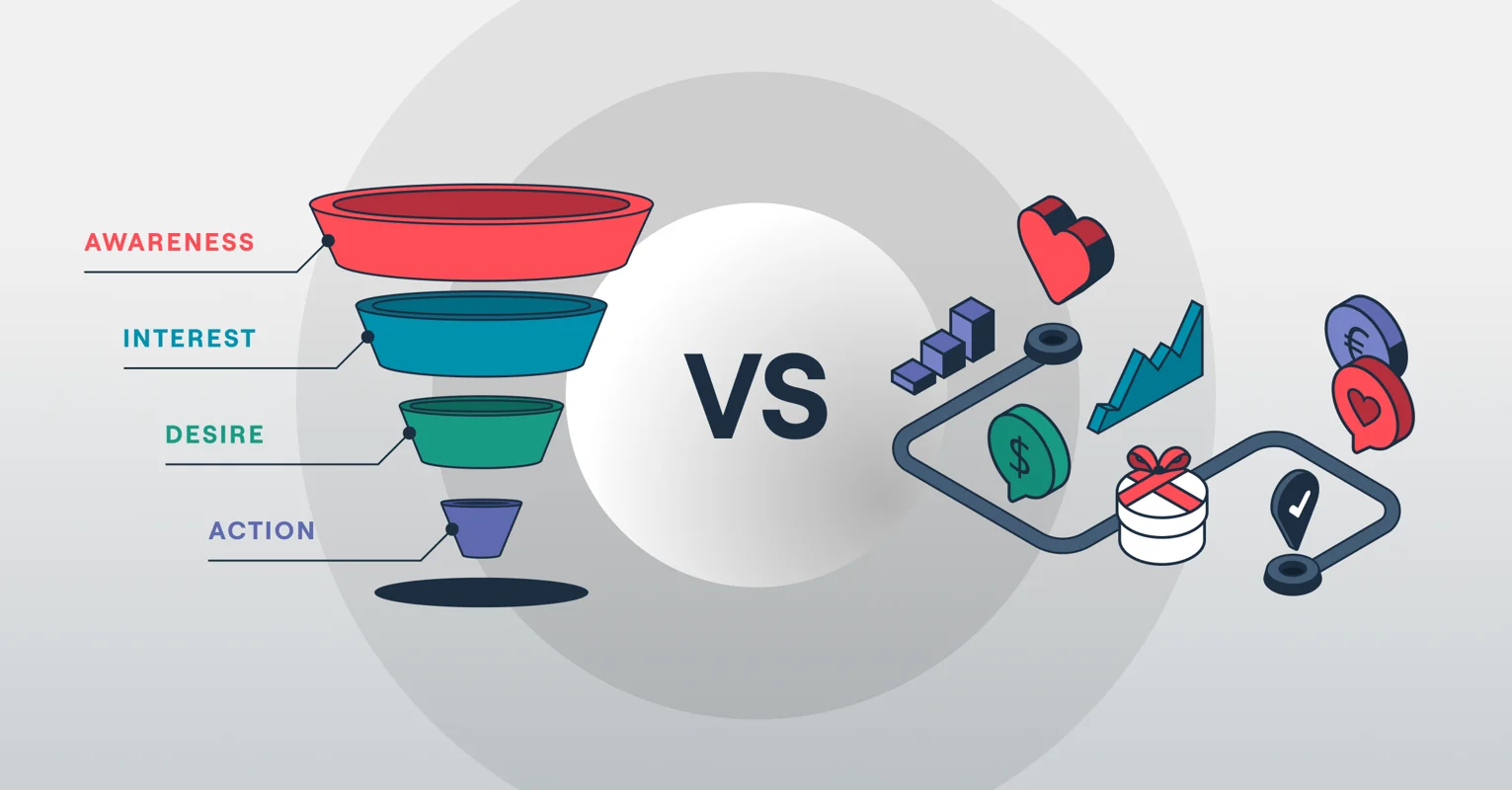
The buyer’s journey describes the path prospects take from becoming aware of a problem to making a decision about a solution. Most marketers simplify this journey into three core stages within the sales funnel: Awareness, Consideration, and Decision. Understanding these stages — and how email can support each — is essential for crafting messages that nurture leads effectively.
Awareness
At the Awareness stage, prospects realize they have a problem, need, or opportunity but haven’t yet explored specific solutions. They might have just discovered your brand (e.g., by subscribing to your newsletter or downloading an introductory resource) and are seeking helpful, educational information rather than sales pitches. Emails here should introduce your business, clarify the problem they’re facing, and provide valuable insights that help them understand the broader context — not push them to buy. Content could include educational articles, general guides, or industry insights that position you as a credible resource.
Consideration
In the Consideration stage, leads understand their problem more clearly and are actively evaluating possible solutions. This is when they compare approaches, features, and providers — including you and your competitors. Email content at this stage should help them assess options thoughtfully, showcase your expertise, and demonstrate how your offerings align with their needs. Examples include in-depth case studies, comparison guides, webinars, and product demos. These emails build trust and move prospects closer to choosing your solution.
Decision
During the Decision stage, leads are prepared to make a purchase choice. They’ve gathered information and narrowed down their options, and now your email messaging should make selecting your solution feel confident and easy. This often means offering persuasive, conversion-oriented content — such as free trials, personalized proposals, testimonials, clear pricing, and limited-time incentives — that reassures prospects and removes last-minute doubts. The goal is to convert interested leads into paying customers by reinforcing value and prompting action.
The Importance of Segmentation and Personalization in Email Marketing
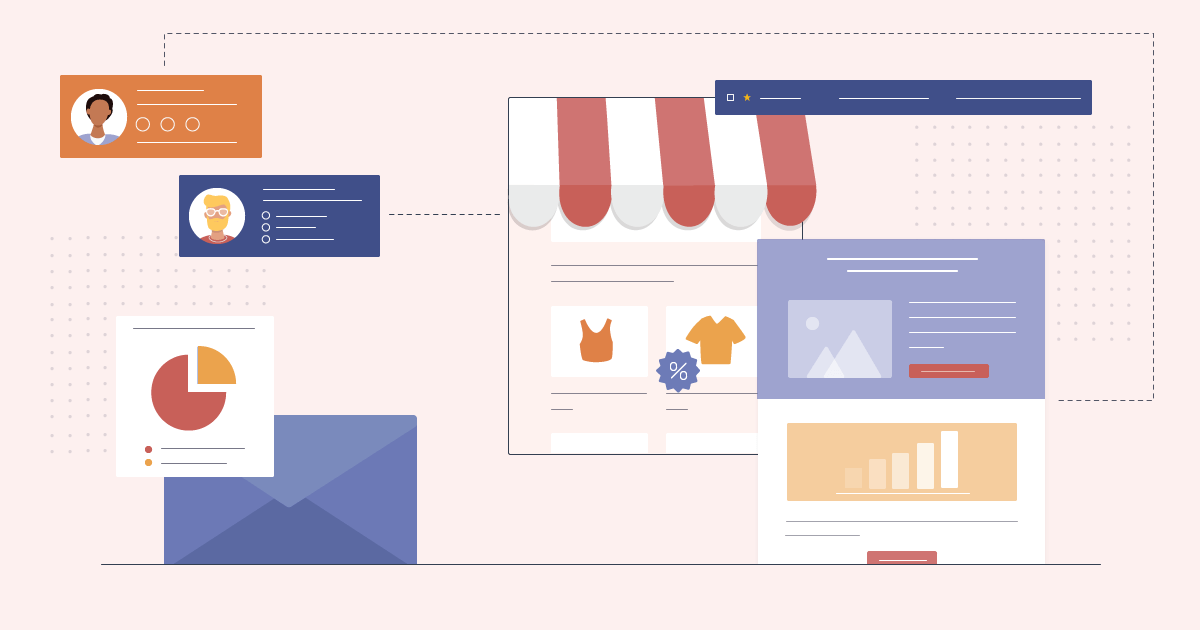
In modern email marketing, why you send a message matters just as much as what you send — and this is where segmentation and personalization become essential.
Rather than blasting every lead with the same email, successful email marketing recognizes that your audience consists of many different types of people with different needs, interests, and positions in the buyer’s journey. When you tailor your emails to match those differences, engagement rates improve dramatically, subscribers stay longer, and leads move more effectively toward conversion.
Understanding Segmentation
Segmentation is the practice of dividing your email list into smaller groups based on shared characteristics so you can send more relevant content.
Instead of treating all email subscribers the same, segmentation recognizes that people who have just signed up, downloaded a lead magnet, browsed pricing pages, or attended a webinar are at differing readiness levels — and should be treated differently.
Common Ways to Segment Your Email List
-
Demographics: Age, gender, location, job title, industry
-
Behavioral Data: Pages visited, downloads, webinar attendance
-
Engagement Level: Opens, clicks, repeat interactions
-
Lead Source: Paid ad subscribers vs organic signups
-
Firmographics (B2B): Company size, revenue tier, tech stack
By structuring your email lists this way, you can align each message with the motivations and challenges of its recipient. For example, a new lead who just downloaded a basic guide shouldn’t receive the same messaging as someone who has repeatedly visited your pricing page — yet this is still common with non-segmented lists.
Segmentation also boosts deliverability and interaction: when people only receive content that resonates with them, they are more likely to open, click, and progress — which signals to email providers that your messages are wanted. This results in fewer unsubscribes and better overall performance.
Understanding Personalization
Personalization goes deeper than simply inserting a subscriber’s name in an email subject line (though that still helps). It treats each lead as an individual with specific interests and needs.
Personalization in email can include:
-
Addressing the lead by name or company
-
Recommending content based on actions (e.g., pages they viewed)
-
Tailoring the email sequence based on where leads are in the funnel
-
Showing products or solutions that match their expressed interests
For example, if a lead has downloaded a guide about solving a particular pain point, your next email might offer a case study showing how others used your solution to solve that exact problem. That level of relevance dramatically increases the likelihood that the lead engages.
Modern automation platforms allow you to personalize not only content but timing, based on triggers such as opening an email, clicking a link, or revisiting your site. The result is a conversation that feels timely and meaningful — not repetitive and generic.
Together, segmentation and personalization transform email marketing from a broadcast tool into a sophisticated nurturing engine that respects where leads are and what they need most.
Email Marketing Strategies to Use for Each Stage
Understanding what your audience needs to know at each step of the buyer’s journey is critical. Below, we explore effective strategies for using email at the Awareness, Consideration, Decision, and Retention stages.
Awareness Stage
At the Awareness stage, prospects are just beginning to recognize they have a problem or need. They might have subscribed to your mailing list, downloaded a lead magnet, or attended a webinar — but they are not yet ready to buy.
Your emails should focus on answering questions like:
-
What problem am I trying to solve?
-
Why does it matter?
-
How do others view this challenge?
What to Send at this Stage
-
Educational Content: Blog articles, industry insights, explainer videos that help them understand their problem.
-
Introductory Guides: Tip sheets, checklists, or “problem + context” resources.
-
Non-Promotional Messages: The goal isn’t to sell yet — it’s to build trust and demonstrate value.
By focusing first on value and education, you position your brand as a helpful ally — not just a seller. This encourages prospects to engage with future emails and move deeper into the funnel.
Example Strategy:
Send a short welcome sequence following subscription that shares quick tips, educational resources, and links to useful blog posts. Keep the tone helpful and use data from their initial signup to tailor the content.
Consideration Stage
In the Consideration stage, leads are actively researching and comparing solutions. They know their problem and are evaluating options; your mission is to guide them toward seeing your solution as one of the best fits.
At this phase, emails should shift from general education to solution-oriented content.
What to Send at this Stage
-
Case Studies: Real examples of how your product helped similar customers.
-
Webinars or Demo Invitations: Interactive content that deepens understanding.
-
Comparison Guides: Show how your solution stacks up against competi tors — without blatant selling.
-
Testimonials and Reviews: Social proof that builds credibility.
This stage is about helping leads feel confident in what you offer relative to their alternatives. Tailoring the content based on what the lead has already engaged with makes these emails more effective and personalized.
Example Strategy:
Use behavioral triggers — for example, if someone clicks links related to product features — to enroll them in a mid-funnel sequence that progressively shares deeper content relevant to their interests.
Decision Stage
At the Decision stage, leads are close to choosing a solution. They may be comparing pricing, features, and benefits — and they need that final push toward conversion.
Email at this stage should reduce friction and make taking the next step feel easy and worthwhile.
What to Send at this Stage
-
Promotional Offers: Exclusive discounts, limited-time deals.
-
Free Trials/Consultations: Give them a risk-free way to experience your solution.
-
Custom Proposals or Quotes: These speak directly to the lead’s specific situation.
-
Clear Calls to Action: Make it obvious what you want them to do next — and why now is the right time.
Because leads here are more invested, your emails can be more assertive while still focusing on value and clarity. Include testimonials, ROI statistics, or concise product advantages that reaffirm their choice.
Example Strategy:
Send a decision-stage email series that starts with a free trial offer, follows with a reminder featuring customer success stories, and concludes with a time-sensitive incentive.
Retention Stage
While most models focus on the three core stages of the buyer’s journey, modern customer lifecycle thinking expands to retention — the period after purchase where your focus shifts to engagement, loyalty, and repeat business.
Retention emails are not about selling again immediately; they’re about delivering value, reinforcing satisfaction, and encouraging long-term loyalty.
What to Send at this Stage
-
Onboarding Sequences: Help new customers get the most out of their purchase.
-
Helpful Tips & Resources: Show how to use features or services more effectively.
-
Upsell/Cross-sell Offers: Only after delivering genuine value — and based on previous behavior.
-
Loyalty Rewards/Exclusive Access: Make long-term customers feel appreciated.
Emails focused on retention strengthen relationships, reduce churn, and often generate the highest lifetime value from your list.
Example Strategy:
Automate a post-purchase sequence that starts with a thank-you and onboarding guide, moves into value tips, and later invites customers to exclusive offers or community participation.
Using Email Automation to Deliver the Right Message at the Right Time
Email automation is what transforms a basic email strategy into a scalable, intelligent lead-nurturing system. Instead of manually sending campaigns or relying on one-size-fits-all newsletters, automation allows you to deliver contextually relevant messages triggered by user behavior, timing, and position in the buyer’s journey.
Modern buyers expect relevance. They don’t want generic blasts — they expect brands to understand their needs and respond accordingly. Email automation makes this possible by using workflows, triggers, and conditional logic to ensure the right message reaches the right person at exactly the right moment.
What Is Email Automation?
Email automation refers to pre-built sequences or workflows that are automatically triggered by specific actions or criteria. These triggers may include:
-
Subscribing to a newsletter
-
Downloading a resource
-
Clicking a specific link
-
Visiting a pricing page
-
Abandoning a cart
-
Completing a purchase
-
Not engaging for a set period
Instead of waiting for a marketing team to manually respond, automation tools detect these behaviors and immediately send the next appropriate email in the sequence.
This approach ensures continuity in communication. For example, a lead who downloads an educational guide at the Awareness stage can automatically be enrolled in a nurture series that progressively introduces deeper insights, related resources, and eventually solution-focused content.
Why Automation Matters in Lead Nurturing
Automation aligns perfectly with the buyer’s journey because it:
-
Responds to Behavior in Real Time
When a lead takes action, they’re actively engaged. Automated emails capitalize on this engagement window, increasing the likelihood of interaction and progression through the funnel. -
Maintains Consistency Across the Funnel
Without automation, leads may slip through the cracks. Automation ensures no opportunity is missed, whether someone just signed up or revisited your site after weeks of inactivity. -
Scales Personalization
Automation platforms allow segmentation and personalization rules to be built into workflows. This means thousands of subscribers can receive tailored messaging simultaneously — without manual effort. -
Shortens the Sales Cycle
By guiding leads with timely and relevant content, automation reduces friction and helps them move from awareness to decision more efficiently.
Types of Automated Email Workflows to Implement
To effectively nurture leads at every stage, consider building these core automation sequences:
1. Welcome Series (Awareness Stage)
A welcome sequence is often the first automated workflow a subscriber experiences. This series should:
-
Thank them for subscribing
-
Deliver the promised lead magnet
-
Introduce your brand’s value proposition
-
Provide educational resources
-
Encourage the next step (such as exploring your blog or following on social channels)
This stage is not about selling. It’s about building trust and setting expectations for future communication.
2. Educational Drip Campaign (Awareness → Consideration)
This sequence gradually educates subscribers about their pain points and possible solutions. Each email builds upon the previous one, increasing engagement and positioning your brand as a knowledgeable authority.
Content may include:
-
Industry insights
-
How-to guides
-
FAQs
-
Problem/solution explanations
Drip campaigns help move leads from simply recognizing a problem to actively evaluating potential solutions.
3. Behavior-Triggered Nurture Sequence (Consideration Stage)
When leads interact with specific product pages or click on feature-focused links, automation can trigger emails that:
-
Provide case studies
-
Share testimonials
-
Offer demo invitations
-
Deliver comparison guides
This type of workflow ensures that your messaging adapts to expressed interest rather than assumptions.
4. Decision-Stage Conversion Series
If a lead repeatedly visits pricing pages or starts a trial but doesn’t convert, automation can send:
-
Reminder emails
-
Limited-time offers
-
Social proof highlights
-
Answers to common objections
-
Personalized consultation invitations
These emails focus on reducing hesitation and providing clarity to finalize the decision.
5. Post-Purchase & Retention Workflow
Automation shouldn’t stop at conversion. A post-purchase sequence can:
-
Thank customers
-
Provide onboarding instructions
-
Share product usage tips
-
Request feedback
-
Offer complementary products
This strengthens long-term relationships and increases lifetime value.
Timing and Cadence: Why “Right Time” Matters
Automation is not only about content — it’s about timing. Sending emails too quickly can overwhelm subscribers; sending them too slowly may cause loss of interest.
Best practices include:
-
Sending welcome emails immediately after signup
-
Spacing educational emails 2–4 days apart
-
Adjusting frequency based on engagement levels
-
Pausing or slowing campaigns for inactive subscribers
Behavior-based timing (such as triggering emails after a link click) often performs better than rigid schedules because it aligns with genuine interest.
Using Conditional Logic for Advanced Personalization
Advanced automation allows for conditional branching. For example:
-
If a subscriber clicks on a pricing link → send a comparison email.
-
If they don’t open the previous email → resend with a different subject line.
-
If they download an advanced guide → skip basic educational emails.
This logic ensures each subscriber experiences a journey that feels intentional and relevant.
Automation, when implemented strategically, creates a seamless nurturing path that supports leads from first interaction to loyal customer — without overwhelming your team.
2 Tips for Tracking and Optimizing Email Campaigns
Email marketing is not a “set it and forget it” channel. Continuous measurement and optimization are necessary to improve engagement, conversions, and overall ROI.
1. Use Analytics to Improve Engagement
Analytics provide the insights needed to understand how subscribers interact with your emails. Without data, it’s impossible to refine your strategy effectively.
Key Metrics to Monitor
Open Rate
Indicates how compelling your subject lines and preview text are. Low open rates may suggest poor subject line clarity or list quality issues.
Click-Through Rate (CTR)
Measures how engaging and relevant your content is. If opens are high but clicks are low, your message or call-to-action may need improvement.
Conversion Rate
Tracks how many recipients complete the desired action (purchase, download, signup). This is the ultimate indicator of campaign effectiveness.
Bounce Rate
High bounce rates may signal outdated or low-quality email lists.
Unsubscribe Rate
A spike in unsubscribes may indicate overly frequent emails or irrelevant content.
Engagement Over Time
Monitoring trends helps identify whether campaigns are improving or declining in performance.
How to Use Analytics Strategically
-
Compare subject line performance to refine messaging tone.
-
Identify high-performing content topics and replicate success.
-
Segment disengaged users and re-engage them differently.
-
Analyze which funnel stage emails drive the most conversions.
By consistently reviewing these metrics, you can adapt content and timing based on real behavior rather than assumptions.
2. Optimize Your Email Campaigns Using Engagement Data
Tracking performance is only the first step. Optimization turns insights into measurable improvements.
A/B Testing
A/B testing (split testing) allows you to experiment with:
-
Subject lines
-
CTA wording
-
Email layout
-
Send times
-
Personalization elements
For example, testing urgency-based subject lines versus curiosity-driven ones can reveal what resonates best with your audience.
Refining Segmentation
If analytics show that certain segments engage more than others, refine your targeting. Consider:
-
Creating micro-segments based on behavior
-
Removing inactive subscribers from regular campaigns
-
Personalizing content for high-value leads
Better segmentation leads to higher engagement and lower churn.
Improving Call-to-Action Clarity
Engagement data often reveals whether CTAs are effective. If click rates are low, consider:
-
Making CTAs more benefit-focused
-
Reducing competing links
-
Increasing visual prominence
-
Simplifying messaging
Adjusting Frequency
If unsubscribe rates rise, test reducing frequency. If engagement is strong, consider increasing targeted follow-ups.
Re-Engagement Campaigns
Use data to identify inactive subscribers and send tailored re-engagement emails. These might include:
-
“We miss you” messages
-
Special offers
-
Preference update options
Optimization is an ongoing process. Regular testing and refinement ensure your email strategy remains aligned with evolving subscriber expectations.
3 Common Mistakes in Email Marketing (and How to Avoid Them)
Even with automation and analytics, certain mistakes can undermine your email nurturing strategy.
1. Sending Generic, Non-Segmented Emails
One of the most damaging mistakes is treating your entire email list as a single audience. Generic emails often feel irrelevant, resulting in low engagement and high unsubscribe rates.
Why It’s Harmful
-
Leads at different funnel stages have different needs.
-
Irrelevant messaging reduces trust.
-
Engagement declines, affecting deliverability.
How to Avoid It
-
Segment by funnel stage and behavior.
-
Use dynamic content blocks tailored to user interests.
-
Continuously refine lists based on engagement data.
When subscribers feel understood, they’re far more likely to respond positively.
2. Overloading Subscribers with Too Many Emails
While consistency is important, excessive frequency can overwhelm your audience.
Signs You’re Sending Too Many Emails
-
Rising unsubscribe rates
-
Increasing spam complaints
-
Declining open rates
Over-communication often leads subscribers to disengage entirely.
How to Avoid It
-
Set clear expectations during signup.
-
Allow subscribers to choose email frequency preferences.
-
Monitor engagement trends and adjust cadence accordingly.
-
Prioritize value over volume.
A well-timed, high-quality email will outperform multiple rushed messages.
3. Neglecting Mobile Optimization
With a majority of emails opened on mobile devices, ignoring mobile design can significantly reduce engagement.
Common Mobile Mistakes
-
Tiny fonts
-
Overly wide layouts
-
Buttons too small to tap
-
Long paragraphs
-
Slow-loading images
How to Avoid It
-
Use responsive email templates.
-
Keep subject lines concise.
-
Use short paragraphs and clear headings.
-
Make CTAs large and easy to click.
-
Test emails across multiple devices before sending.
Mobile-friendly design ensures that subscribers can easily consume and act on your message — regardless of device.


