


In today’s digital landscape, more traffic doesn’t automatically mean more customers — unless those visitors take a meaningful action. That’s where lead magnets play a crucial role in modern marketing strategies. A lead magnet is more than just a freebie; it’s a strategic exchange that helps businesses collect valuable contact information from people who are genuinely interested in what they offer. Once you capture that information, you gain permission to nurture these prospects through targeted follow‑ups, guiding them from initial curiosity to loyal customers.
Effective lead magnets can serve as the foundation of email list growth, audience engagement, and long‑term customer relationships. They work across industries — from SaaS and e‑commerce to education and consulting — helping brands attract the right people, build trust, and ultimately increase conversions. In this guide, you’ll learn not only what lead magnets are but how to create high‑value ones that add genuine benefit for your audience.
What Are Lead Magnets?

A lead magnet is a piece of high‑value content, tool, or offer that you provide to potential customers for free in exchange for their contact details — typically an email address. This exchange creates a win‑win situation: the audience gets something useful, and you gain a qualified lead that can be nurtured through your marketing funnel.
Unlike generic promotional content, a lead magnet is designed to be:
-
Valuable — It must solve a real problem or deliver insight that your target audience truly wants.
-
Relevant — It speaks directly to a specific need, challenge, or goal of your ideal customers.
-
Immediate — Users should recognize the benefit quickly, often with instant access or fast results.
Why Lead Magnets Matter
Lead magnets are essential because they help you:
-
Turn anonymous visitors into leads by collecting their contact information in a meaningful exchange.
-
Build trust and authority before you even begin a sales conversation by demonstrating expertise and commitment.
-
Segment and nurture audiences based on interests, engagement, and behavior patterns.
-
Increase conversion rates by attracting people who are already interested in your core offerings or niche.
Common Types of Lead Magnets
Lead magnets come in various formats, each tailored to audience preferences and business goals. Some popular examples include:
-
Ebooks or guides — In‑depth written resources on a relevant topic.
-
Checklists and templates — Practical tools that help users complete tasks faster.
-
Webinars and video tutorials — Interactive learning experiences.
-
Free trials or demos — Hands‑on access to a product or service.
-
Discounts or special offers — Financial incentives that also build a customer list.
When done well, lead magnets don’t just capture emails—they start relationships that can lead to long‑term engagement and sales.
How to Create a Lead Magnet?

Creating a lead magnet that truly attracts and converts requires a strategic approach. The process isn’t just about giving away free content — it’s about offering something of genuine value that aligns with your audience’s needs and your business goals. Below is a detailed breakdown of the first two steps in this process.
Step 1: Identify Your Audience
Before you create any lead magnet, you need a deep understanding of your audience. The more precisely you know your target audience, the more relevant and effective your lead magnet will be.
Key Actions to Identify Your Audience:
-
Define Buyer Personas
-
A buyer persona is a semi-fictional representation of your ideal customer. Include demographics (age, location, profession), psychographics (interests, goals, challenges), and behavioral patterns (online habits, purchase tendencies).
-
Example: A SaaS company might have a persona like “Marketing Manager Mary,” who is focused on lead generation and campaign optimization.
-
-
Understand Pain Points and Goals
-
Identify the specific problems your audience faces and the outcomes they desire.
-
This ensures your lead magnet addresses a pressing need and provides a tangible solution.
-
-
Analyze Existing Data
-
Use analytics from your website, social media, and email campaigns to understand what content your audience engages with most.
-
Tools like Google Analytics, Hotjar, or social media insights can reveal topics, formats, and channels that resonate.
-
-
Survey and Ask Directly
-
Conduct short surveys or polls to gather feedback on what your audience values most.
-
Ask questions like: “What resource would help you achieve [desired outcome]?” or “What is your biggest challenge in [specific area]?”
-
Tip: The clearer your audience definition, the easier it will be to design a lead magnet that feels personalized, practical, and irresistible.
Step 2: Choose the Right Type of Lead Magnet
Once you know your audience, the next step is to select a format that matches their needs, preferences, and the problem you’re solving. The type of lead magnet can significantly affect engagement and conversion rates.
Popular Types of Lead Magnets:
-
Ebooks and Guides
-
Best for audiences looking for in-depth information or tutorials.
-
Great for thought leadership and providing actionable insights.
-
-
Checklists and Templates
-
Highly practical and actionable, these help users complete tasks efficiently.
-
Example: A content marketing checklist or a social media calendar template.
-
-
Webinars and Video Tutorials
-
Offer interactive learning and allow direct engagement with your brand.
-
Perfect for complex topics that require demonstration or step-by-step guidance.
-
-
Free Trials, Samples, or Demos
-
Effective for SaaS, e-commerce, or subscription-based businesses.
-
Let users experience your product’s value firsthand before committing to a purchase.
-
-
Discounts and Special Offers
-
Attractive for audiences ready to make a purchase but needing a small incentive.
-
Often works well in combination with other lead magnets to build your email list.
-
-
Quizzes and Assessments
-
Engaging and interactive, they provide personalized feedback to the user.
-
Example: A “Marketing Readiness Assessment” that identifies gaps and offers solutions.
-
How to Choose the Right Type:
-
Match the Format to the Problem:
-
If the audience wants quick answers, choose checklists or templates.
-
If they need detailed guidance, consider an ebook or guide.
-
-
Consider Accessibility and Ease of Use:
-
Make sure the lead magnet is easy to access, consume, and apply.
-
Avoid formats that require significant effort unless the perceived value is very high.
-
-
Think About Your Business Goals:
-
Are you nurturing leads over time (ebooks, email courses) or driving immediate action (discounts, demos)?
-
Align your choice with the stage of the buyer’s journey.
-
Pro Tip: Sometimes a combination of formats works best. For instance, an ebook paired with a downloadable template can increase perceived value and engagement.
Step 3: Create Compelling Content
Once you’ve identified your audience and chosen the right type of lead magnet, the next crucial step is creating content that provides real value. A high-quality lead magnet doesn’t just attract clicks—it delivers a solution, insight, or experience that resonates deeply with your target audience.
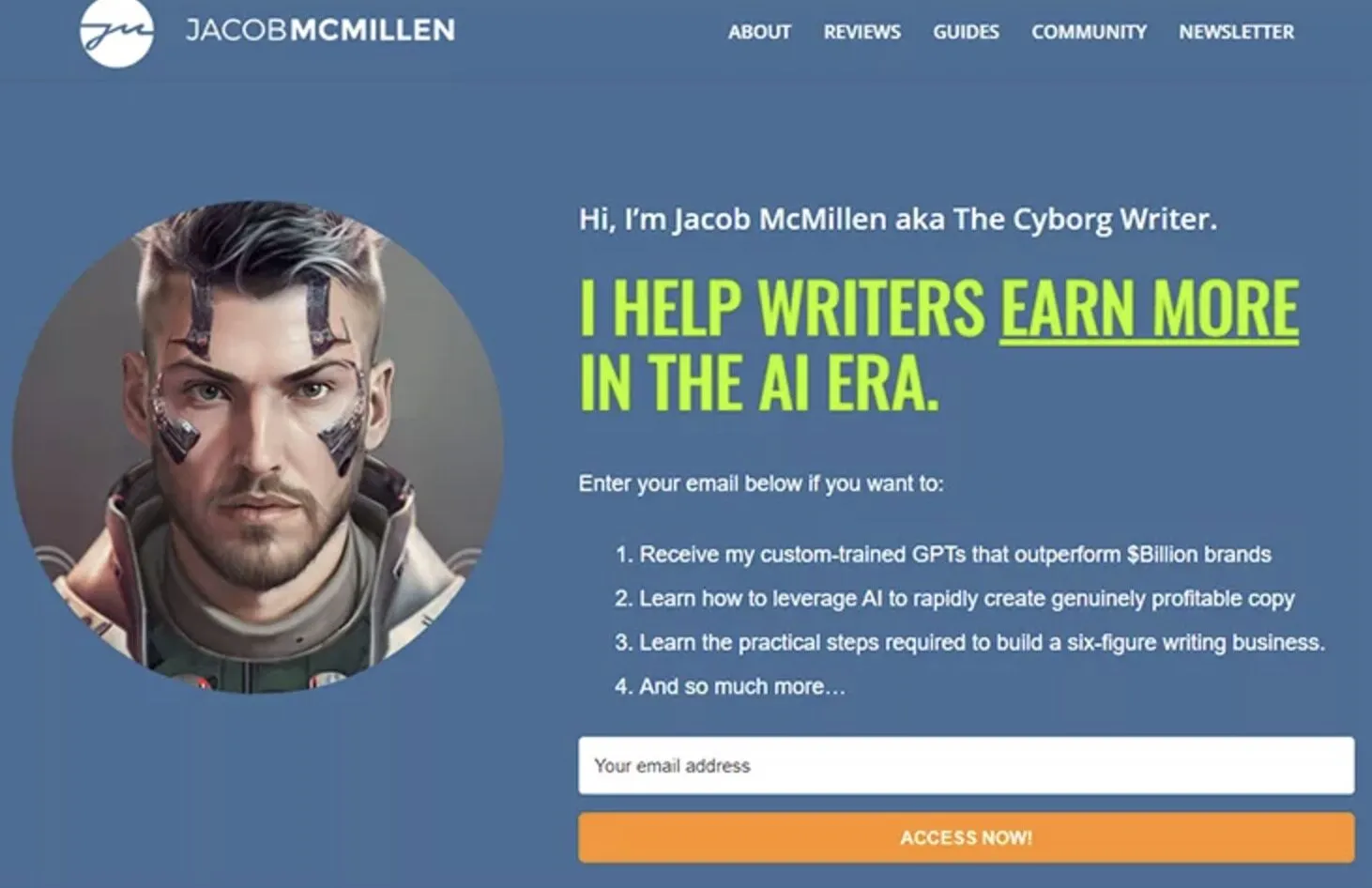
Key Principles for Compelling Content
-
Focus on Solving a Specific Problem
-
The content should address a clear pain point or goal of your audience.
-
Example: If your audience struggles with email engagement, a “7-Day Email Marketing Checklist” directly solves that issue.
-
-
Keep It Actionable and Practical
-
Audiences love content they can implement immediately. Include step-by-step instructions, actionable tips, templates, or tools.
-
Avoid vague, generic advice that doesn’t provide tangible results.
-
-
Make It Easy to Consume
-
Format matters: use clear headings, bullet points, visuals, and short paragraphs to make the content scannable.
-
Include downloadable assets like PDFs, worksheets, or slides for quick access.
-
-
Use Professional Design and Branding
-
Even the best content loses impact if it looks unpolished.
-
Maintain brand colors, fonts, and consistent formatting to enhance credibility.
-
-
Incorporate Data and Examples
-
Back up your claims with statistics, case studies, or examples.
-
Real-life scenarios help users understand how to apply your insights.
-
-
Include a Clear Call to Action (CTA)
-
End your lead magnet with a next step: signing up for a course, joining an email sequence, or trying your product.
-
The CTA should feel like a natural continuation, not a hard sell.
-
Pro Tip: Test different versions of your content with small segments of your audience to see what format, language, and layout resonate best.
Step 4: Design Your Lead Magnet Landing Page
Even the best lead magnet can fail if your landing page isn’t optimized for conversion. Your landing page is where prospects exchange their contact information for your offer, so it must be clear, persuasive, and frictionless.
Essential Elements of a High-Converting Landing Page
-
Compelling Headline
-
Immediately communicate the benefit of your lead magnet.
-
Example: “Download the Ultimate Guide to Boost Your Email Conversions by 30%.”
-
-
Clear Value Proposition
-
Explain what the user will gain and why it matters to them.
-
Highlight outcomes and benefits rather than features alone.
-
-
Engaging Visuals
-
Include images, mockups, or graphics that showcase your lead magnet.
-
For ebooks, a 3D book cover or a screenshot can make it more tangible.
-
-
Simple and Short Form
-
Ask for only the essential information, usually a name and email address.
-
The shorter the form, the higher the likelihood of conversion.
-
-
Trust Signals
-
Use testimonials, brand logos, or statistics to build credibility.
-
Example: “Trusted by over 10,000 marketers worldwide.”
-
-
Strong Call to Action (CTA)
-
Make your CTA button stand out visually and use action-oriented text.
-
Examples: “Get My Free Guide,” “Download Now,” or “Claim Your Checklist.”
-
-
Mobile Optimization
-
Ensure your landing page looks and performs well on mobile devices.
-
Most users will access your content via smartphones, and a poor mobile experience can kill conversions.
-
Best Practices for Landing Page Success
-
A/B Test Headlines and CTA Texts: Small changes can have a large impact on conversion rates.
-
Use Analytics: Track click-throughs, form submissions, and bounce rates to continuously optimize performance.
-
Maintain Consistency: Ensure the landing page aligns with your lead magnet’s content and branding for a seamless user experience.
By combining high-value content with a strategically designed landing page, your lead magnet becomes a powerful tool for attracting and converting high-quality leads.
Step 5: Promote and Spread the Word
Creating a high-value lead magnet is only half the battle; getting it in front of the right audience is what drives leads and conversions. Promotion ensures that your effort reaches users who will actually benefit from and engage with your content.
Strategies to Promote Your Lead Magnet
-
Leverage Your Website and Blog
-
Place CTAs, banners, or pop-ups strategically on high-traffic pages.
-
Write blog posts related to your lead magnet topic and link directly to the landing page.
-
-
Email Marketing
-
Share your lead magnet with your existing subscribers as a value-added resource.
-
Use it to re-engage inactive subscribers or nurture new ones through automated sequences.
-
-
Social Media Channels
-
Promote your lead magnet across platforms where your audience is active (LinkedIn, Instagram, Twitter, TikTok, etc.).
-
Use posts, stories, and pinned links to encourage downloads or sign-ups.
-
-
Paid Advertising
-
Run targeted ads on Google, Facebook, or LinkedIn to reach your ideal audience.
-
Use A/B testing to optimize ad copy, imagery, and targeting.
-
-
Partnerships and Collaborations
-
Collaborate with influencers, industry experts, or complementary brands to expand reach.
-
Guest blogs, co-hosted webinars, or joint promotions can amplify visibility.
-
-
SEO Optimization
-
Ensure your landing page and related content are search-friendly.
-
Optimize for keywords your audience is actively searching for to attract organic traffic.
-
Pro Tip: Track which channels bring the most qualified leads, and focus efforts on those platforms for maximum ROI.
Step 6: Track KPIs for Ongoing Optimization
The work doesn’t stop once your lead magnet is live. Monitoring performance ensures that it continues to deliver results and helps you make data-driven improvements over time.
Key KPIs to Track
-
Conversion Rate
-
Percentage of visitors who submit their information in exchange for the lead magnet.
-
Indicates how compelling your offer and landing page are.
-
-
Traffic Sources
-
Identify which channels (organic, paid, social, email) are driving the most conversions.
-
Helps allocate marketing resources efficiently.
-
-
Engagement Metrics
-
Monitor downloads, clicks within the lead magnet, and follow-up email opens.
-
High engagement signals strong content value.
-
-
Lead Quality
-
Measure how many leads move further down the sales funnel or convert into paying customers.
-
Quality often matters more than quantity.
-
-
Bounce and Exit Rates
-
Evaluate whether users leave the landing page without interacting.
-
High rates indicate issues with copy, design, or alignment with audience expectations.
-
-
A/B Test Results
-
Continuously experiment with headlines, CTA buttons, form fields, or even content format.
-
Incremental improvements can significantly increase conversions over time.
-
Best Practices for Optimization
-
Regularly Review Data: Check KPIs weekly or monthly to spot trends and areas for improvement.
-
Refine Content: Update your lead magnet with fresh insights, updated statistics, or additional resources.
-
Re-target Visitors: Use retargeting campaigns for users who visited the landing page but didn’t convert.
Pro Tip: Treat your lead magnet as a living asset — consistently monitoring and refining it will keep it relevant, effective, and highly valuable to your audience.
Build Smarter Campaigns That Deliver Results with Pro Real Tech

A powerful lead magnet can open the door, but lasting growth depends on what happens afterward. Every element—messaging, design, performance tracking, and conversion strategy—plays a critical role in driving meaningful results.
Pro Real Tech brings all these elements together. From digital marketing strategy and lead generation to email marketing and persuasive copywriting, we structure campaigns to maximize impact. Using data-driven insights—through user behavior analytics, experience testing, and in-depth conversion rate optimization audits—we ensure your lead generation funnel stays effective and continuously improves.
Whether you’re launching a new campaign or optimizing an existing one, Pro Real Tech builds marketing systems that do more than capture attention—they generate measurable business outcomes.
Partner with Pro Real Tech today and transform your marketing strategy into real, trackable growth.
Frequently Asked Questions About Lead Magnets
How Do I Know When to Update My Lead Magnet?
Updating your lead magnet ensures it remains relevant, accurate, and valuable to your audience. Signs it’s time to refresh include:
-
Outdated Information: Statistics, trends, or best practices have changed since publication.
-
Declining Engagement: Fewer downloads, sign-ups, or interactions indicate it’s losing appeal.
-
Audience Feedback: Requests for clarification, additional content, or new formats from users.
-
Product/Service Changes: Updates in your offerings should be reflected in your lead magnet to remain aligned with your business.
Best Practice: Review your lead magnets at least every 6–12 months, or sooner if your industry evolves rapidly.
Should I Create Separate Lead Magnets for Different Products or Services?
Yes. Tailoring lead magnets for specific products, services, or audience segments increases relevance and conversion rates.
-
Segmented Targeting: Each lead magnet addresses the unique pain points of a particular audience.
-
Higher Conversions: Relevant content resonates more, encouraging sign-ups and engagement.
-
Nurturing Specific Journeys: Different lead magnets can guide leads along distinct paths in your sales funnel.
Tip: Map each lead magnet to a particular stage of the buyer journey—awareness, consideration, or decision—to maximize effectiveness.
Can I Still Use a Lead Magnet If I Have Nothing to Give Away for Free?
Absolutely. Lead magnets don’t have to be costly or tangible. The key is perceived value. Examples include:
-
Knowledge-based Offers: Guides, checklists, or tips you already have in your expertise.
-
Interactive Tools: Calculators, quizzes, or self-assessments that provide insights.
-
Exclusive Access: Early product previews, private communities, or insider content.
Remember: Even simple, actionable insights can become a high-value lead magnet if they solve a problem or save time for your audience.
What’s the Best Way to Consistently Promote a Lead Magnet?
Consistent promotion is crucial to ensure your lead magnet reaches the right audience. Strategies include:
-
Multi-channel Promotion: Website CTAs, blogs, social media, email campaigns, and paid ads.
-
Content Integration: Embed mentions of your lead magnet in blog posts, newsletters, and social posts.
-
Automation: Use email workflows to nurture leads who engage with your content.
-
Periodic Refreshes: Re-promote during seasonal campaigns, new product launches, or updates to the lead magnet.
Tip: Measure performance across channels to focus on the highest-performing promotion methods.
How Do I Make Sure the Message in My Lead Magnet Truly Connects?
To ensure your lead magnet resonates:
-
Align With Audience Needs: Focus on their specific problems, desires, and goals.
-
Use Clear and Simple Language: Avoid jargon; clarity builds trust and accessibility.
-
Deliver Immediate Value: Users should gain actionable insights or results quickly.
-
Test and Iterate: Collect feedback, track engagement metrics, and refine content accordingly.
Pro Tip: Incorporate storytelling, examples, or case studies to make the content relatable and memorable.
Read More: 10 Landing Page Mistakes That Kill Conversions (and How To Fix Them)


