

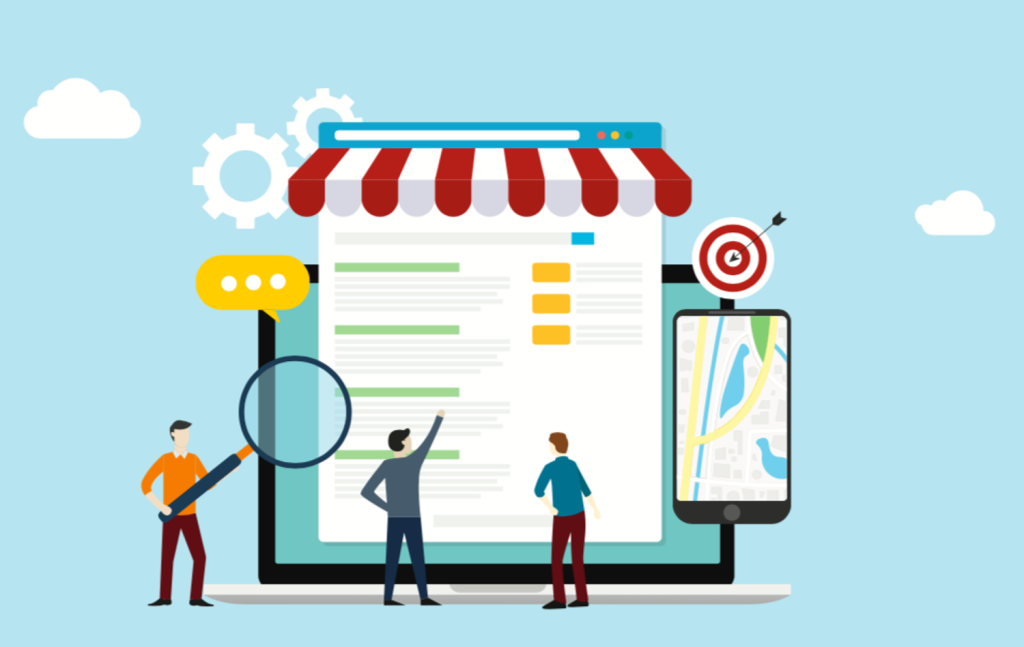
In 2025, the influence of Artificial Intelligence (AI) on local marketing strategies is more evident than ever. Businesses, whether small neighborhood cafes or mid-sized service providers, are embracing AI to create more efficient, targeted, and engaging campaigns. What once required hours of manual effort—audience research, campaign planning, and content creation—can now be done faster and smarter with AI tools.
AI has become the silent partner behind the scenes, shaping how local businesses attract and retain customers. It is driving data-informed decisions, powering customer interactions, and tailoring experiences down to the individual level. One of the most significant changes is the shift toward hyper-personalization, where AI analyzes data in real-time to deliver marketing messages that feel uniquely crafted for each customer.
This section explores how AI is revolutionizing local marketing through hyper-personalization, transforming everything from email campaigns to how businesses connect with community values and preferences.
AI-Driven Hyper-Personalization
Hyper-personalization goes beyond simply using a customer’s name in an email. In 2025, it means understanding individual preferences, behavior patterns, location data, purchasing history, and even time-of-day interaction trends. AI tools take these insights and create meaningful, localized experiences that resonate deeply with each customer.
Let’s take a look at how AI is enabling this transformation in three key areas: personalized email campaigns, localization of marketing messages, and enhanced customer experience.
Personalized Email Campaigns
AI-powered email marketing has grown exponentially more intelligent in recent years. Today, it’s not about sending one message to your entire mailing list; it’s about sending the right message to the right person at the right time.
1. Smart Segmentation
AI tools analyze customer data and automatically segment audiences based on demographics, purchase history, browsing behavior, and more. This allows marketers to tailor emails for specific customer groups, like sending a “winter furnace tune-up” reminder to homeowners in colder regions while offering “AC cleaning services” to those in warmer climates.
2. Predictive Send Times
AI determines when each individual is most likely to open their emails. Using historical interaction data, it automatically adjusts send times for higher open rates. A local bakery might discover that customers open emails with discount offers most frequently around 3 PM, just before they leave work.
3. Personalized Recommendations
By analyzing past purchases and browsing behavior, AI can recommend the most relevant products or services. For instance, if a customer frequently buys dog grooming products, the next email might include a discount for a local pet spa.
4. Dynamic Email Content
AI-driven email platforms can create emails with content that changes based on who opens it. A gym might send out a newsletter promoting classes—but the actual class featured (yoga, spinning, or boxing) depends on what the user has shown interest in before.
All of this leads to more engaging emails that don’t feel like mass communication but rather a one-on-one conversation between the brand and the consumer.
Localization of Marketing Messages
Localization used to mean translating a message into the local language. But in 2025, it means much more. AI now enables businesses to adapt their marketing strategies based on community values, local events, customer behaviors, and even real-time weather conditions.
1. Geo-Fencing and Real-Time Offers
With geo-fencing, AI tracks when a customer is near a local store or competitor. Businesses can then trigger location-based notifications or discounts. For example, a coffee shop may offer a 10% discount to passersby during morning rush hours.
2. Cultural and Regional Relevance
AI analyzes local holidays, trends, and preferences to create content that connects culturally. If a city celebrates a local fair, a retail store might launch a campaign tied to that event—featuring relevant products, local slang, or community references.
3. Hyper-Localized Ad Targeting
Through platforms like Google Ads and Meta, AI helps businesses run hyper-local campaigns, showing different ads to people based on their ZIP code, neighborhood, or even street. An HVAC company could promote heating services in hilly neighborhoods while showcasing cooling options in city-center apartments.
4. Weather-Based Marketing
AI can integrate weather forecasts into campaigns. A clothing store may promote raincoats and umbrellas a day before a forecasted storm in a particular region. This level of relevance boosts click-through and conversion rates dramatically.
By aligning messages with what’s happening in the customer’s immediate environment, businesses become more relatable and trustworthy.
Enhanced Customer Experience
At its core, hyper-personalization aims to create an unforgettable customer experience. AI plays a huge role in analyzing how each person interacts with a brand—both online and offline—to make that experience more intuitive, enjoyable, and helpful.
1. Personalized Website Content
Websites can now greet returning visitors with customized landing pages. For example, a user in Miami looking for solar panel installation might see case studies and testimonials from local customers, while someone in Seattle could see information focused on rainwater harvesting systems.
2. AI-Powered Loyalty Programs
AI tailors loyalty rewards based on individual preferences. A local juice bar might learn that one customer consistently buys wheatgrass shots and send them a personalized “Buy 2, Get 1 Free” deal. Another customer who visits every Tuesday gets a reward tailored to their weekly routine.
3. Personalized SMS and App Notifications
Instead of generic push notifications, AI customizes app messages based on user behavior. If someone hasn’t visited a fitness center in two weeks, they might receive a motivational message with a free pass for a group class they used to enjoy.
4. Sentiment Analysis and Feedback Loops
AI tools analyze customer feedback from social media, review platforms, and surveys to understand sentiment. If negative reviews increase around service delays in a specific region, AI flags it in real time. Business owners can then respond proactively, improving service and turning a poor experience into a loyal relationship.
5. Seamless Cross-Channel Experiences
Customers today move between websites, mobile apps, physical stores, and social media seamlessly. AI connects the dots across these channels. If a customer adds a product to their cart on the website but doesn’t purchase, the same product could appear in their Instagram feed the next day with a discount.
This kind of intuitive interaction removes friction and builds stronger brand connections.
Voice Search Optimization
Voice search has become a defining element of local marketing strategies in 2025. With smart speakers, voice assistants on smartphones, and in-car AI systems more deeply integrated into daily routines, the way people search for local businesses has shifted dramatically. Today, nearly 60% of local searches are initiated by voice, and this number continues to rise.
Voice queries are typically longer, more conversational, and often loaded with intent. For example, instead of typing “best pizza NYC,” a user might say, “Hey Google, where can I get the best pepperoni pizza near Times Square right now?” AI helps marketers adapt their strategies to these changes in consumer behavior.
Why Voice Search Matters for Local Marketing
Voice search optimization isn’t just about ranking high—it’s about being the first result, often the only one read aloud. With screenless interactions, only the top answer gets the user’s attention, so businesses need to align their content with voice-centric algorithms to stay competitive.
Key reasons voice search matters:
-
Mobile-first behavior: Most voice searches happen on smartphones when users are on the go.
-
Local intent: Voice queries are often location-specific, such as “near me,” “open now,” or “closest.”
-
Immediate action: Users making voice searches typically convert faster—they want directions, store hours, or product availability now.
How To Optimize for Voice-Driven Local Searches
Voice search optimization in 2025 requires a mix of technical SEO and natural language strategy. Here are several effective steps:
1. Focus on Long-Tail, Conversational Keywords
Voice queries are natural and full of context. Use AI tools to analyze how real people speak when they search. Incorporate long-tail phrases like:
-
“Where can I buy organic dog food near me?”
-
“What’s the best place for a haircut in downtown Seattle?”
Create FAQ pages that answer these exact phrases.
2. Use Structured Data Markup (Schema)
AI-powered search engines rely heavily on structured data to deliver fast, accurate answers. Add schema markup to your website to help search engines understand:
-
Your business type
-
Opening hours
-
Customer reviews
-
Services
-
Location and directions
Rich snippets improve the chance your result will be selected by voice assistants.
3. Optimize Your Google Business Profile
Keep your Google Business Profile (GBP) updated and complete. Voice assistants often pull from this data. Ensure your:
-
Address, hours, and phone number are correct
-
Business categories are accurate
-
Customer reviews are regularly responded to
-
Images and service descriptions are optimized
4. Improve Page Load Speed & Mobile Experience
Voice searches mostly happen on mobile, so speed and usability are crucial. Compress images, reduce unnecessary scripts, and use AI tools to test and refine mobile UX.
5. Create Localized Content
Develop blog posts, landing pages, and service pages with local references. For example, a cleaning company in Brooklyn might create content like:
-
“5 Cleaning Tips for Brownstone Homes in Park Slope”
-
“Top Cleaning Services Near Barclays Center – What Locals Say”
This helps your content match the intent behind voice-based searches.
Predictive Analytics for Local Trends
AI is taking the guesswork out of marketing by introducing predictive analytics—a technique that uses historical and real-time data to forecast future trends. In local marketing, this means understanding what local customers want before they even search for it.
How Predictive Analytics Enhances Local Strategies
-
Customer Behavior Forecasting
AI tools analyze purchase history, location data, online behavior, and social media activity to predict what services or products a customer is likely to need next. For example, if a customer buys allergy medication in April every year, predictive models can trigger timely ads or offers just before their expected purchase window. -
Seasonal Demand Insights
Local businesses can better prepare for high-demand periods. A landscaping company might use weather forecasts and past job bookings to predict which neighborhoods will need lawn treatments after a heavy rain season. -
Inventory and Staffing Optimization
Retailers and service businesses use AI insights to stock products or schedule staff based on predicted customer flow. This leads to better service delivery and customer satisfaction. -
Hyper-Targeted Campaign Planning
By knowing what locals are likely to want, marketers can pre-build campaigns. For example, a gym could pre-plan promotions for back-to-school season when parents have more free time.
Chatbots and Conversational AI
Gone are the days of clunky website chat windows. In 2025, AI-powered chatbots and conversational assistants have become essential tools for local businesses. They offer 24/7 customer support, increase engagement, and convert visitors into customers—all while reducing labor costs.
What Makes Conversational AI Different in 2025?
Modern chatbots are more than rule-based scripts. They’re powered by Natural Language Processing (NLP), sentiment analysis, and machine learning. They can:
-
Understand slang, local terms, and emotional tone
-
Ask follow-up questions
-
Schedule appointments
-
Recommend services
-
Provide personalized responses based on browsing history or past interactions
Use Cases for Local Businesses
-
Appointment Booking
A salon chatbot can ask “What service are you looking for today?” and guide users to book a haircut or facial in under 60 seconds—day or night. -
Customer Support
Restaurants use chatbots to answer common questions like “Do you have gluten-free options?” or “Are you open on holidays?” instantly, freeing up staff. -
Local Offers and Deals
Conversational bots can offer real-time discounts. For instance, a pizza place might use a chatbot that says, “Hi! It’s Taco Tuesday—want 20% off your next order?” -
Lead Qualification
Chatbots can qualify visitors before handing them off to human staff. A real estate agent’s site might ask users what neighborhoods they’re interested in, what their budget is, and whether they’re buying or renting. -
Multichannel Integration
AI-powered assistants work across websites, SMS, Facebook Messenger, Instagram DMs, and more—ensuring consistent and seamless communication
AI in Local SEO Automation
Local SEO can be overwhelming, especially for small businesses trying to manage everything manually. Thankfully, in 2025, AI is streamlining the process, automating many of the core tasks and delivering faster, more accurate results.
Here are the major ways AI is transforming Local SEO Automation:
Citation Management Made Easy
Local citations (mentions of your business name, address, and phone number across directories) are vital for search rankings. Inconsistent or outdated information can confuse both search engines and customers.
AI tools now handle:
-
Real-time citation monitoring: Detect changes or inconsistencies across directories like Yelp, Bing, Yellow Pages, Apple Maps, and industry-specific platforms.
-
Bulk updates: AI platforms can update hundreds of listings simultaneously, ensuring consistency.
-
Error correction: AI identifies and fixes duplicate or incorrect listings automatically.
-
Voice assistant compatibility: AI ensures citations are optimized for Siri, Google Assistant, and Alexa results.
Smarter Review Analysis
Reviews play a massive role in local rankings and consumer trust. AI helps manage reviews at scale with advanced sentiment analysis and automation features.
Benefits of AI-Powered Review Management:
-
Instant Sentiment Analysis
AI analyzes thousands of reviews to detect trends—positive or negative—around specific services or staff members. -
Auto-Responses
Custom AI templates allow businesses to auto-respond to common review scenarios while still sounding personal. -
Flagging Problem Areas
If negative feedback starts to cluster around wait times or pricing, AI alerts the business immediately. -
Encouraging Happy Customers to Leave Reviews
AI identifies satisfied customers post-purchase and prompts them (via email or SMS) to leave positive feedback on high-visibility platforms like Google or Yelp.
Keyword Research That Works Harder
Traditional keyword research is slow and often misses local nuances. AI is turning this on its head by:
-
Context-Aware Suggestions
AI doesn’t just find keywords—it understands user intent. It knows that someone searching “quick AC repair Brooklyn” needs immediate help, not educational content. -
Competitor Analysis
AI tools analyze your local competitors’ keyword strategies and provide actionable insights to outperform them. -
Voice Search Keywords
AI generates long-tail, voice-specific keywords based on real user queries, perfect for optimizing for “near me” searches. -
Dynamic Keyword Tracking
Local search trends can shift fast. AI tracks these changes and automatically adjusts your keyword strategy for seasonal terms or emerging services.
The Future of Local Marketing: Embracing Innovation to Strengthen the Human Connection
We’re in an era where innovation evolves by the minute. Breakthrough tools like ChatGPT-5 and next-gen AI are changing the way brands connect with people. But the true power lies not in simply keeping pace—it’s in using these tools to build deeper, more authentic connections.
AI offers a powerful way to personalize content, tailor campaigns, and adapt quickly in a fast-changing market. It’s not here to replace the human touch—it’s here to enhance it.
At Pro Real Tech, we help brands harness innovation with clarity and purpose. Let’s turn cutting-edge tech into stronger customer relationships and measurable growth. Reach out today—your future-ready marketing journey starts here.


