

The hospitality industry is more competitive than ever, with travelers relying heavily on online research to book their stays. In this digital age, having a strong hotel digital marketing strategy is no longer optional—it’s essential for attracting guests, increasing bookings, and building brand loyalty.
From search engine optimization (SEO) and social media marketing to email campaigns and paid advertising, digital marketing offers hotels powerful tools to reach their target audience effectively. This guide explores the best hotel digital marketing strategies, why they matter, and how you can implement them to maximize occupancy rates and revenue.
What is Hotel Marketing and Why is It Important?
Hotel marketing refers to the strategies and tactics used to promote a hotel, resort, or accommodation business to potential guests. Unlike traditional marketing, modern hotel marketing heavily relies on digital channels to engage travelers at every stage of their booking journey.
Why Hotel Marketing Matters:
-
Increased Visibility – With most travelers searching online for accommodations, a strong digital presence ensures your hotel appears in search results and on booking platforms.
-
Higher Bookings & Revenue – Effective marketing drives direct bookings, reducing dependency on third-party platforms (like OTAs) and their high commission fees.
-
Brand Loyalty – Engaging content, personalized offers, and excellent guest experiences encourage repeat stays and positive reviews.
-
Competitive Edge – Standing out in a saturated market requires smart targeting, compelling storytelling, and optimized online listings.
In today’s digital-first world, hotels that neglect marketing risk losing bookings to competitors who leverage SEO, social media, and data-driven advertising.
What Makes Hotel Digital Marketing Unique?

Hotel digital marketing differs from other industries due to the highly competitive, experience-driven, and seasonal nature of hospitality. Travelers don’t just book a room—they book an experience, making emotional engagement and trust critical. Here’s what sets hotel digital marketing apart:
1. Visual & Experiential Focus
-
Hotels must showcase their property through high-quality images, 360° virtual tours, and videos to help guests visualize their stay.
-
User-generated content (UGC), like guest photos and videos, plays a huge role in building credibility.
2. Real-Time Demand & Dynamic Pricing
-
Unlike retail or SaaS, hotel bookings fluctuate based on seasonality, events, and last-minute demand, requiring dynamic pricing strategies.
-
Digital marketing must adapt with time-sensitive promotions (e.g., flash sales, weekend deals) to maximize occupancy.
3. Heavy Reliance on Reviews & Reputation
-
90% of travelers read reviews before booking (BrightLocal). A single negative review can significantly impact conversions.
-
Hotels must actively manage Google My Business, TripAdvisor, and OTA profiles to maintain a positive online reputation.
4. Multi-Channel Booking Journey
-
Guests research across OTAs (Booking.com, Expedia), metasearch engines (Google Hotels), and direct websites before booking.
-
A strong omnichannel presence ensures visibility at every touchpoint.
5. Personalization & Local Targeting
-
Marketing campaigns must cater to different traveler segments (business, leisure, families) with tailored messaging.
-
Geotargeting helps attract nearby guests for last-minute bookings or local events.
6. Direct Bookings vs. OTA Dependency
-
While OTAs drive traffic, they charge 15–30% commissions. Hotels use SEO, retargeting ads, and loyalty programs to encourage direct bookings.
7. Seasonal & Event-Based Campaigns
-
Marketing strategies shift based on holidays, festivals, or local conferences (e.g., wedding packages in summer, ski resort promotions in winter).
By leveraging these unique aspects, hotels can craft hyper-targeted, emotionally compelling campaigns that convert lookers into bookers.
Best Practices for Hotel Marketing
To stay ahead in the competitive hospitality industry, hotels must implement data-driven and guest-centric marketing strategies. Below are the most effective best practices to boost visibility, engagement, and direct bookings.
1. Optimize for Search Engines (SEO)
-
Conduct keyword research to target high-intent search terms like “luxury hotels in [location]” or “pet-friendly resorts near me.”
-
Optimize meta titles, descriptions, and headers with relevant keywords.
-
Create location-specific landing pages to attract travelers searching for accommodations in your area.
-
Improve page load speed and ensure mobile responsiveness for better user experience.
2. Leverage the Power of Content Marketing
-
Publish engaging blog posts such as “Top 10 Romantic Getaways in [City]” or “Family-Friendly Activities Near Our Hotel.”
-
Use storytelling to highlight unique guest experiences, local culture, and hotel amenities.
-
Incorporate video content, such as virtual tours, guest testimonials, and behind-the-scenes footage.
3. Maximize Social Media Engagement
-
Share visually appealing content on Instagram and Pinterest, including high-quality photos, reels, and stories.
-
Run targeted Facebook and Instagram ads focusing on special offers, events, and seasonal promotions.
-
Engage with followers by responding to comments, sharing user-generated content, and hosting live Q&A sessions.
4. Implement Email Marketing Campaigns
-
Send personalized offers to past guests, such as loyalty discounts or anniversary packages.
-
Use segmented email lists to tailor messages for different traveler types (business, leisure, families).
-
Automate email sequences for abandoned cart recovery, post-stay follow-ups, and seasonal promotions.
5. Utilize Pay-Per-Click (PPC) Advertising
-
Run Google Ads targeting high-intent keywords like “book a hotel in [city]” or “best beach resorts.”
-
Use retargeting ads to re-engage visitors who browsed your website but didn’t book.
-
Allocate budget strategically across Google Ads, Facebook Ads, and metasearch platforms like Google Hotels.
6. Enhance Online Reputation Management
-
Encourage satisfied guests to leave positive reviews on Google, TripAdvisor, and Booking.com.
-
Respond professionally to all reviews, addressing concerns and thanking guests for feedback.
-
Showcase testimonials and ratings prominently on your website and social media.
7. Offer Special Deals and Packages
-
Create limited-time promotions, such as early-bird discounts, weekend getaways, or bundled experiences.
-
Partner with local attractions to offer exclusive packages (e.g., “Stay 3 Nights, Get a Free Spa Treatment”).
-
Promote these deals through email, social media, and your website’s booking engine.
8. Streamline the Booking Process
-
Ensure your website has a fast, secure, and user-friendly booking system.
-
Offer multiple payment options and a clear cancellation policy.
-
Implement a chatbot or live chat support to assist guests with real-time queries.
By following these best practices, hotels can attract more guests, increase direct bookings, and build long-term customer loyalty.
How Agencies Can Help with Hotel Marketing
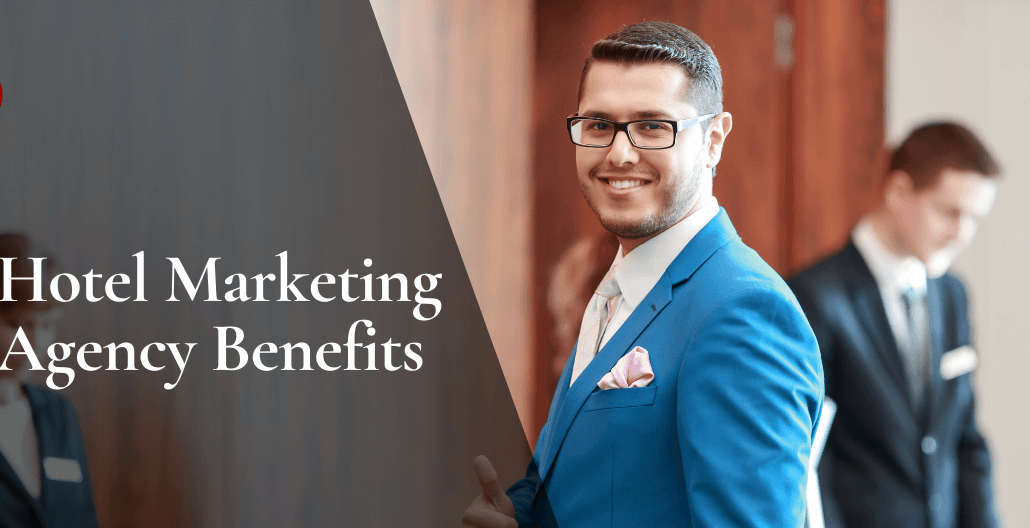
Managing a hotel’s digital marketing requires expertise, time, and resources. Many hotels partner with specialized agencies to maximize their online presence and revenue. Here’s how a professional agency can elevate your hotel marketing strategy:
1. Strategic Planning and Market Analysis
-
Agencies conduct in-depth competitor research and audience analysis to identify growth opportunities.
-
They develop customized marketing plans based on your hotel’s unique strengths and target demographics.
2. Search Engine Optimization (SEO) Expertise
-
Agencies optimize your website for higher search rankings, targeting relevant keywords and local search terms.
-
They improve technical SEO, content structure, and backlink profiles to increase organic traffic.
3. Paid Advertising Management
-
Agencies create and manage PPC campaigns on Google Ads, Facebook, and metasearch platforms.
-
They optimize ad spend by analyzing performance data and adjusting bids for maximum ROI.
4. Social Media and Content Marketing
-
Agencies design engaging social media calendars, ensuring consistent branding and audience interaction.
-
They produce high-quality content, including blogs, videos, and email campaigns, to nurture leads.
5. Reputation and Review Management
-
Agencies monitor and respond to online reviews, maintaining a positive brand image.
-
They implement strategies to encourage more guest reviews and address negative feedback professionally.
6. Data-Driven Performance Tracking
-
Agencies use analytics tools to measure campaign success, tracking metrics like website traffic, conversion rates, and revenue per booking.
-
They provide detailed reports and insights to refine strategies continuously.
7. Direct Booking Optimization
-
Agencies help reduce dependency on OTAs by improving your website’s booking engine and implementing retargeting ads.
-
They create loyalty programs and special offers to incentivize direct reservations.
8. Emerging Technology Integration
-
Agencies stay updated with the latest trends, such as AI-powered chatbots, voice search optimization, and virtual reality tours.
-
They implement innovative solutions to enhance guest engagement and streamline operations.
Partnering with a skilled marketing agency allows hotels to focus on delivering exceptional guest experiences while experts handle lead generation, brand visibility, and revenue growth.
FAQs
1. What is the most effective digital marketing strategy for hotels?
A combination of SEO, paid advertising, and social media marketing tends to be most effective. However, the best strategy depends on your hotel’s unique needs, location, and target audience. A data-driven approach that optimizes for direct bookings while maintaining OTA visibility often yields the best results.
2. How can hotels improve their online reputation?
-
Actively monitor and respond to all reviews (positive and negative)
-
Encourage satisfied guests to leave reviews through follow-up emails
-
Showcase testimonials on your website and social media
-
Address service issues promptly to prevent negative experiences
3. What’s more important for hotels: SEO or paid ads?
Both are crucial. SEO provides long-term, sustainable traffic, while paid ads deliver immediate visibility and bookings. A balanced approach using SEO for organic growth and strategic paid campaigns for promotions or peak seasons works best.
4. How often should hotels post on social media?
Ideal posting frequency:
-
Instagram: 3-5 times per week
-
Facebook: 3-4 times per week
-
Twitter: Daily
-
LinkedIn: 2-3 times per week
Quality and engagement matter more than quantity – focus on visually appealing, shareable content.
5. What metrics should hotels track in digital marketing?
Key performance indicators include:
-
Website traffic and bounce rate
-
Conversion rate (visitors to bookings)
-
Average daily rate (ADR)
-
Revenue per available room (RevPAR)
-
Cost per acquisition (CPA)
-
Return on ad spend (ROAS)
-
Online review scores and sentiment
6. How can hotels reduce dependency on OTAs?
-
Improve direct booking incentives (discounts, perks)
-
Invest in SEO and retargeting campaigns
-
Develop a strong loyalty program
-
Offer exclusive packages only available on your website
-
Provide exceptional service that encourages repeat direct bookings
Conclusion
In today’s digital-first travel landscape, effective hotel marketing requires a strategic, multi-channel approach that connects with potential guests at every stage of their journey. From optimizing your online presence for search engines to crafting compelling social media content and managing your reputation, each element plays a vital role in driving bookings and building brand loyalty.
The most successful hotels understand that digital marketing isn’t just about selling rooms – it’s about creating memorable experiences before guests even arrive. By implementing the strategies outlined in this guide, from SEO and content marketing to paid advertising and reputation management, you can position your property for sustained success in an increasingly competitive market.
Remember that hotel digital marketing is an ongoing process that requires regular analysis and adaptation. Stay attuned to emerging trends, continuously test new approaches, and always keep the guest experience at the center of your efforts. With the right strategies in place, your hotel can thrive in the digital age, attracting more guests, increasing direct bookings, and ultimately boosting your bottom line.


