


Pay-Per-Click (PPC) advertising is a powerful tool for franchises looking to drive localized leads while maintaining brand consistency. However, managing PPC for a multi-location business comes with unique challenges—from geo-targeting and budget allocation to ensuring compliance with brand guidelines.
Whether your franchise operates under a corporate-run, franchisee-managed, or hybrid PPC model, a strategic approach can maximize ROI, avoid internal competition, and boost local visibility. In this guide, we’ll break down proven franchise PPC strategies, from keyword research and campaign structuring to hyper-local ad copy and performance tracking.
Understanding the Franchise PPC Model

Franchise PPC (Pay-Per-Click) advertising requires a tailored approach to balance brand consistency with localized marketing. Unlike single-location businesses, franchises must coordinate campaigns across multiple locations while avoiding internal competition and wasted ad spend.
There are three primary models for managing franchise PPC:
1. Corporate-Run PPC Campaigns
In this model, the franchisor (corporate team) centrally controls all PPC efforts.
Pros:
✔ Brand Consistency – Ensures uniform messaging and compliance with brand guidelines.
✔ Bulk Discounts – Leverages enterprise-level ad spend for better platform discounts.
✔ Data-Driven Optimization – Centralized reporting simplifies performance tracking.
Cons:
✖ Less Local Flexibility – Franchisees can’t tailor ads to specific community needs.
✖ Slower Adjustments – Local market shifts may take longer to address.
Best For:
National brands with strict compliance requirements (e.g., McDonald’s, Hilton).
2. Franchisee-Managed PPC Campaigns
Here, individual franchise owners run their own PPC campaigns independently.
Pros:
✔ Hyper-Local Targeting – Ads can reflect neighborhood-specific promotions or events.
✔ Quick Adaptability – Franchisees can adjust bids and keywords based on real-time demand.
Cons:
✖ Inconsistent Branding – Risk of off-message or non-compliant ads.
✖ Higher Costs – Missed bulk-bidding opportunities and potential duplicate keywords.
Best For:
Service-based franchises with strong local competition (e.g., cleaning services, dental clinics).
3. Hybrid Model
A balanced approach where corporate sets guidelines, but franchisees handle execution.
How It Works:
-
Corporate provides pre-approved ad templates, keyword lists, and budget rules.
-
Franchisees customize locally (e.g., city-specific offers) while adhering to brand standards.
Pros:
✔ Brand Control + Local Relevance – Maintains consistency while allowing flexibility.
✔ Shared Learning – High-performing local strategies can be scaled network-wide.
Cons:
✖ Requires Training – Franchisees need PPC education to avoid missteps.
Best For:
Mid-sized franchises (e.g., Anytime Fitness, Ace Hardware).
Keyword Research for Franchise PPC
Effective keyword research is the foundation of any successful PPC campaign. For franchises, it’s even more critical—balancing brand visibility, local search intent, and competitor strategies requires a smart approach. Below, we break down the best keyword strategies for franchise PPC success.
1. Branded vs. Non-Branded Keywords
Branded Keywords
-
Include your franchise name (e.g., “McDonald’s near me”, “Burger King delivery”).
-
Why They Matter:
✔ High conversion rates (searchers already know your brand).
✔ Defends against competitors bidding on your brand terms.
Non-Branded Keywords
-
Generic terms related to your industry (e.g., “fast food near me”, “best burger in [city]”).
-
Why They Matter:
✔ Expands reach to new customers.
✔ Drives discovery in competitive markets.
Best Practice:
-
Bid aggressively on branded terms to dominate your own brand searches.
-
Use non-branded keywords with geo-modifiers (e.g., “plumber in Austin”) to attract local leads.
2. Long-Tail Keywords for Local Optimization
Long-tail keywords (3+ words) are crucial for franchises because they:
✔ Reduce CPC (less competition than broad terms).
✔ Improve conversion rates (more specific intent).
Examples for Franchises:
-
*”24-hour gym membership in Miami”*
-
“best pizza delivery in downtown Chicago”
-
“emergency HVAC repair near me”
Pro Tip:
Use tools like Google Keyword Planner, AnswerThePublic, or SEMrush to find long-tail variations with local intent.
3. Competitor Bidding Strategy
Franchises must monitor competitors to avoid wasted spend and missed opportunities.
How to Do It:
-
Identify Competitor Keywords
-
Use SpyFu or SEMrush to see which keywords rivals are bidding on.
-
-
Bid Smartly
-
Avoid bidding wars on low-converting terms.
-
Target competitor brand terms only if you offer a clear advantage (e.g., “Cheaper than Pizza Hut”).
-
-
Negative Keywords
-
Exclude irrelevant searches (e.g., “jobs at Starbucks” if you’re a coffee franchise).
-
4. Automating Keyword Optimization
Manual keyword management is time-consuming—automation helps franchises scale efficiently.
Tools & Tactics:
-
Google Ads Scripts – Auto-pauses underperforming keywords.
-
Smart Bidding (Target ROAS, Maximize Conversions) – Uses AI to adjust bids in real-time.
-
Third-Party Platforms (Optmyzr, WordStream) – Provides automated keyword suggestions.
Best Practice:
Set up alerts for sudden ranking drops or competitor surges.
Structuring PPC Campaigns for Multi-Location Franchises
Running PPC for multiple franchise locations requires strategic organization to maintain brand consistency while optimizing for local performance. A well-structured account prevents internal competition, improves budget allocation, and enhances geo-targeting precision. Here’s how to structure campaigns effectively across all levels:
1. Account-Level Structuring
Best Practice: Use a single master account with location-based labels or sub-accounts.
Why This Works:
✔ Centralized control over brand messaging
✔ Shared negative keyword lists prevent internal competition
✔ Easier performance comparison across locations
Implementation:
-
Set up as a Manager Account (MCC) in Google Ads
-
Group locations by:
▪ Region (West Coast/East Coast)
▪ Business type (retail vs. service-based)
▪ Performance tier (high/medium/low volume)
2. Campaign-Level Structuring
Optimal Approaches:
Option A: Location-Specific Campaigns
-
One campaign per city/region (e.g., “Chicago_Plumbing_Franchise”)
-
Best for: Franchises with distinct local competitors
Option B: Service/Product-Based Campaigns
-
Group by offering (e.g., “HVAC_Installation_National”)
-
Best for: Franchises with standardized services
Key Settings:
-
Enable location insertion in ads
-
Set location-specific ad schedules (e.g., longer hours for 24/7 locations)
3. Ad Group Structuring for Multi-Location Targeting
Winning Formula:
-
Theme-based ad groups (e.g., “Emergency_Plumbing”)
-
Location modifiers in keywords (e.g., “plumber {near {City}}”)
-
Dynamic ad customizers:
{=Location.Details(City)} Plumbing Services | 24/7
Avoid:
-
Mixing cities in the same ad group
-
Generic ads without location references
4. Budget & Bidding Considerations
Allocation Strategies:
| Method | Best For | Example |
|---|---|---|
| Equal Share | Uniform markets | $500/location |
| Performance-Based | Varying demand | +20% for top performers |
| Seasonal Adjustments | Holiday peaks | +50% Dec for gift stores |
Bidding Tactics:
-
Use location bid adjustments (e.g., +15% for urban areas)
-
Implement portfolio bidding for automated cross-campaign optimization
-
Set shared budgets for sister locations in similar markets
Pro Tip:
Leverage Google’s Local Campaigns for businesses with physical locations – they automatically optimize across Search, Display, and Maps.
Geo-Targeting and Localized Ads for Franchise PPC
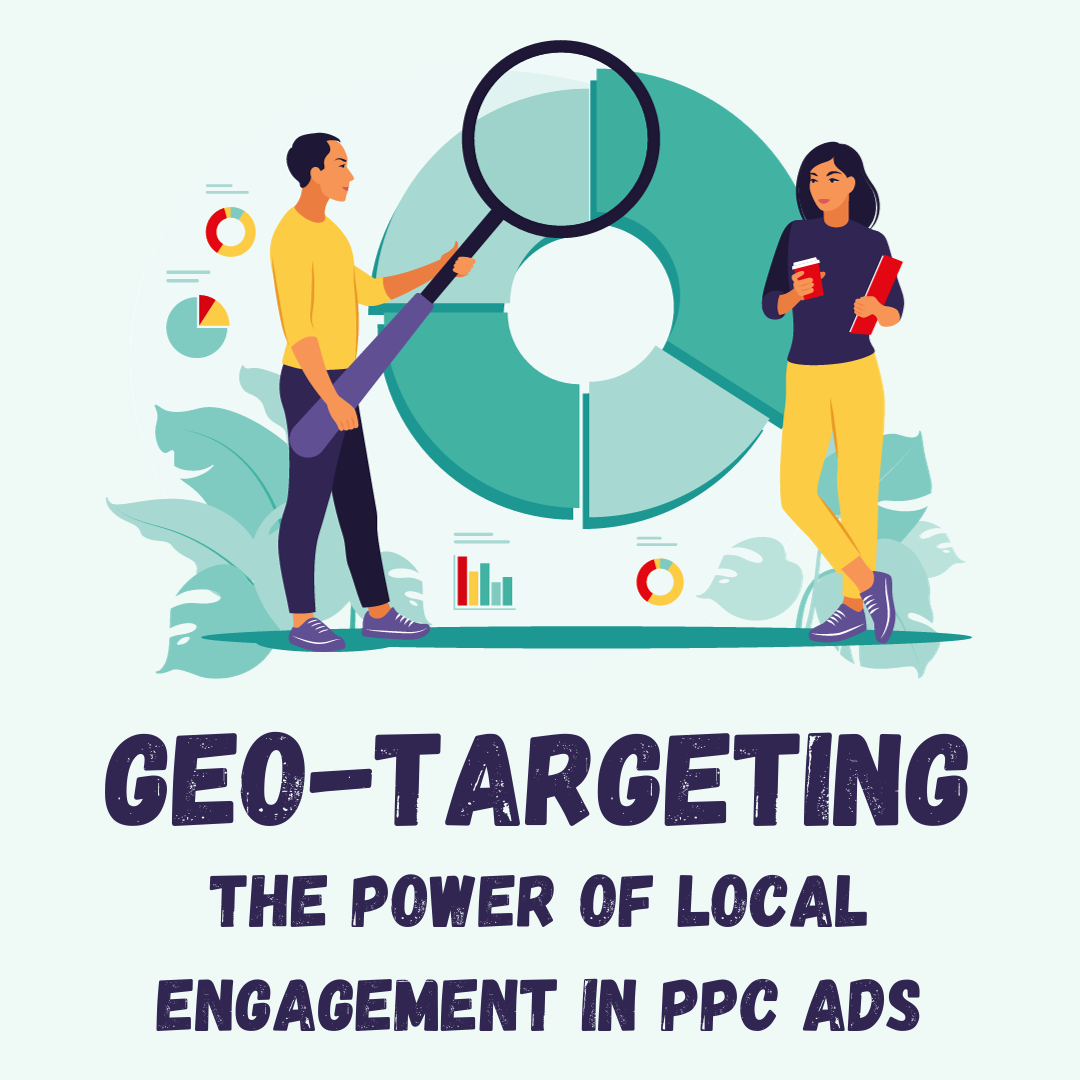
For franchises, geo-targeting isn’t just helpful—it’s essential. Proper location targeting ensures your ad spend reaches the right customers while avoiding wasted impressions outside your service areas. Here’s how to optimize geo-targeting and craft hyper-localized ads that convert.
Types of Geo-Targeting for Franchise PPC
1. Radius Targeting (Proximity-Based)
-
Targets users within a set distance (e.g., 5-10 miles) of each location
-
Best for: Service-area businesses (plumbing, pest control)
-
Pro Tip: Adjust radii based on population density (smaller in cities, larger in rural areas)
2. City/Neighborhood Targeting
-
Pinpoints specific municipalities or ZIP codes
-
Best for: Retail franchises with multiple urban locations
-
Example: A pizza chain running different promotions for downtown vs. suburban stores
3. Location Groups (Bulk Targeting)
-
Upload all franchise addresses as a single target group
-
Best for: Nationwide brands with 100+ locations
-
Platform Tools:
-
Google Ads Location Groups
-
Facebook Store Visits Campaigns
-
4. Exclusion Targeting
-
Blocks ads from showing in:
-
Competitor territories
-
Other franchisee’s exclusive areas
-
Low-converting regions
-
5. IP Address Targeting
-
Serves ads based on users’ IP locations
-
Best for: B2B franchises targeting business districts
Best Practices for Localized Ads
1. Dynamic Location Insertion
Automatically customize ads with the user’s nearest location:
{=Location.Details(City)} Plumbing | 24/7 Emergency Service
→ Renders as “Denver Plumbing | 24/7 Emergency Service”
2. Localized Ad Copy Formulas
-
For Service Franchises:
“Same-Day {Service} in {City} | {FranchiseName}” -
For Retail Franchises:
“Visit Our {Neighborhood} Location | {PromoCode}”
3. Location-Specific Extensions
-
Google My Business Integration: Auto-pulls address/phone
-
Click-to-Call Buttons: “Call Our {City} Store Now”
4. Local Landing Pages
Match ad messaging to dedicated pages for each location with:
✔ Neighborhood testimonials
✔ Store-specific photos
✔ Local team bios
5. Community-Driven Ad Content
-
Reference local events:
“Supporting {City} Food Bank This Weekend!” -
Highlight area-specific needs:
“Winterizing Homes in {Region} Since 2010”
Geo-Targeting Pitfalls to Avoid
✖ Overlapping Territories: Two franchisees bidding on the same ZIP code
✖ Broad Targeting: Showing “Miami” ads to users in Fort Lauderdale
✖ Static Ads: Using generic copy like “Serving All of Texas”
Budgeting & Bidding Strategies for Franchise PPC
Effective budget allocation and smart bidding are crucial for maximizing franchise PPC performance across multiple locations. Here’s how to optimize your spend:
Account-Level Budget Allocation
-
Equal distribution model:
-
Assign equal budgets to each location
-
Best for franchises with similar market potential
-
-
Performance-based model:
-
Allocate more budget to high-converting locations
-
Adjust monthly based on ROI metrics
-
-
Seasonal allocation:
-
Increase budgets for locations with seasonal demand spikes
-
Example: More spend for coastal locations in summer
-
Smart Bidding Strategies
-
Portfolio bidding:
-
Set shared targets across multiple campaigns
-
Allows automatic budget shifting between locations
-
-
Location bid adjustments:
-
Urban areas: +10-20% bid boosts
-
Rural areas: -10-15% reductions
-
-
Dayparting strategies:
-
Service franchises: Higher bids during business hours
-
Retail franchises: Evening/weekend boosts
-
Budget Protection Tactics
-
Set campaign spending limits
-
Use shared budgets for related locations
-
Implement automated rules for overspend alerts
Ad Copy & Landing Page Best Practices
High-Converting Ad Copy Techniques
-
Localized messaging:
-
“24/7 AC Repair in [City]”
-
“Visit Our [Neighborhood] Location”
-
-
Unique value propositions:
-
“Locally Owned, Nationally Trusted”
-
“Same-Day Service Guarantee”
-
-
Action-oriented CTAs:
-
“Get Your Free Estimate Today”
-
“Schedule Your [Service] Now”
-
Landing Page Optimization
-
Location-specific pages:
-
Unique URLs for each franchise
-
Local testimonials and team photos
-
-
Conversion elements:
-
Above-the-fold contact forms
-
Click-to-call buttons
-
Clear service area maps
-
-
Content best practices:
-
Local keywords in H1 tags
-
Neighborhood references
-
Consistent NAP (Name, Address, Phone)
-
A/B Testing Framework
-
Test variables:
-
Headlines with/without location modifiers
-
Different CTA button colors
-
Long-form vs short-form content
-
-
Measurement:
-
Track bounce rates by location
-
Monitor form completion rates
-
Analyze time-on-page metrics
-
Performance Tracking
-
Essential metrics:
-
Cost-per-lead by location
-
Phone call duration
-
Form submission quality
-
-
Reporting tools:
-
Google Analytics location reports
-
Call tracking software
-
Heat mapping tools
-
These strategies ensure your franchise PPC efforts deliver maximum local impact while maintaining brand consistency across locations.
Tracking & Measuring PPC Success for Franchises
Effective measurement is critical for optimizing franchise PPC performance across multiple locations. Here’s how to properly track and analyze your results:
Key Performance Indicators (KPIs) to Monitor
-
Location-Specific Metrics
-
Cost per acquisition (CPA) by store/region
-
Click-through rate (CTR) variance across locations
-
Conversion rate differences by geography
-
-
Campaign-Level Metrics
-
Impression share lost to budget/rank
-
Quality score trends
-
Competitive overlap percentage
-
-
Business Impact Metrics
-
Foot traffic from ads (tracked via Google Ads store visits)
-
Phone call conversions
-
Lead quality scores
-
Essential Tracking Tools
-
Conversion Tracking Setup
-
Unique phone numbers per location
-
Separate thank-you pages for each franchise
-
CRM integration with lead source tracking
-
-
Advanced Measurement Solutions
-
Call tracking software (CallRail, Invoca)
-
Store visit measurement (Google Ads)
-
Multi-touch attribution modeling
-
-
Reporting Frameworks
-
Automated dashboards by location
-
Weekly performance snapshots
-
Competitive benchmark reports
-
Optimization Strategies
-
Data-Driven Adjustments
-
Shift budgets to top-performing locations
-
Pause underperforming keywords by market
-
Adjust bids based on local competition
-
-
Testing Framework
-
Geo-specific ad copy tests
-
Location-based landing page variations
-
Bid strategy experiments by region
-
Common PPC Mistakes Franchises Should Avoid

Steer clear of these costly errors that plague many franchise PPC campaigns:
Structural Mistakes
-
Poor Account Organization
-
Mixing locations in single campaigns
-
No clear naming conventions
-
Missing location labels/tags
-
-
Inefficient Budget Allocation
-
Equal budgets regardless of market potential
-
No seasonal adjustments
-
Failure to reallocate based on performance
-
Targeting Errors
-
Geo-Targeting Issues
-
Overlapping service areas
-
Too broad/narrow radius targeting
-
Not excluding competitor territories
-
-
Audience Mismanagement
-
Ignoring local audience signals
-
Not excluding existing customers
-
Failing to target by purchase intent
-
Optimization Oversights
-
Neglecting Localization
-
Generic ad copy across locations
-
No location-specific extensions
-
Centralized landing pages only
-
-
Measurement Gaps
-
No call tracking implementation
-
Missing conversion values
-
Failure to track offline conversions
-
-
Bidding Problems
-
Manual bidding at scale
-
No portfolio bid strategies
-
Ignoring location bid adjustments
-
Best Practices to Implement
-
Centralized Control with Local Flexibility
-
Brand-approved templates
-
Shared negative keyword lists
-
Local bid adjustment permissions
-
-
Regular Audits
-
Monthly account health checks
-
Competitive analysis
-
Franchisee compliance reviews
-
-
Continuous Education
-
Franchisee training programs
-
Best practice documentation
-
Performance sharing sessions
-
By avoiding these common pitfalls and implementing proper tracking, franchises can significantly improve their PPC ROI while maintaining brand consistency across locations.
FAQs
1. Should each franchise location have its own PPC campaign?
While not always mandatory, we recommend location-specific campaigns for:
-
Franchises with distinct local competitors
-
Businesses offering location-specific promotions
-
Markets with unique seasonal demands
For smaller franchises, location groups with bid adjustments may suffice.
2. How do we prevent franchisees from competing against each other in PPC?
-
Implement shared negative keyword lists
-
Establish exclusive geo-targeting zones
-
Use franchise-specific landing pages
-
Set clear brand bidding guidelines
3. What’s the ideal way to structure a franchise PPC account?
We recommend a 3-tier structure:
-
Account Level: Shared settings/conversion tracking
-
Campaign Level: Group by location or service type
-
Ad Group Level: Thematic organization with local modifiers
4. How much should a franchise spend on PPC?
Typical ranges:
-
Local service franchises: $1,000-$3,000/month per location
-
Retail franchises: $2,500-$5,000/month per location
-
National brands: $10,000+/month (centralized)
Always base budgets on market size and historical CPA benchmarks.
5. How can we measure offline conversions from PPC?
-
Call tracking: Unique numbers per campaign/location
-
CRM integration: Tagged lead sources
-
Google’s Store Visits: For physical locations
-
Promo codes: Campaign-specific offers
Conclusion
Franchise PPC success requires strategic balance between centralized brand control and local market adaptability. By implementing the right account structures, geo-targeting precision, and performance tracking, franchises can:
✔ Maximize local relevance while maintaining brand consistency
✔ Eliminate internal competition between locations
✔ Optimize budgets based on real performance data
✔ Convert more customers with hyper-targeted messaging
The key is continuous optimization – regularly reviewing location-level metrics, testing localized ad variations, and adapting to market changes.
Next Steps:
-
Audit your current PPC structure using this guide’s framework
-
Implement location-specific tracking if not already in place
-
Schedule monthly optimization reviews with franchisees
For franchises ready to scale their digital presence, these PPC strategies create a competitive advantage that drives both local and system-wide growth.
Read More: How Semantic Search Works & How to Future-Proof Your Content


