


For decades, the digital marketing playbook has been simple: create content, optimize for search engines, and drive as much website traffic as possible. Traffic was the undisputed king of metrics, the primary indicator of success, and the number we all fought to increase. But the landscape of search is undergoing a seismic shift, driven by the rapid integration of artificial intelligence.
With the advent of Google’s AI Overviews and other generative AI experiences, users are getting answers directly on the search results page (SERP)—no click required. This fundamental change is challenging the very value of a click and forcing marketers to rethink their goals. What if your content provides the perfect answer, earns a prime spot in an AI Overview, and helps thousands of users… but your traffic analytics show zero new visits?
This paradox reveals a new reality: Visibility is now more important than website traffic. It’s no longer just about who visits your site; it’s about who sees, trusts, and is influenced by your brand, even if they never click through. This article will explore why this shift is happening, what metrics you should be tracking instead, and how to optimize your strategy for the new era of AI-powered search.
Why Website Traffic Isn’t the End-All Metric Anymore
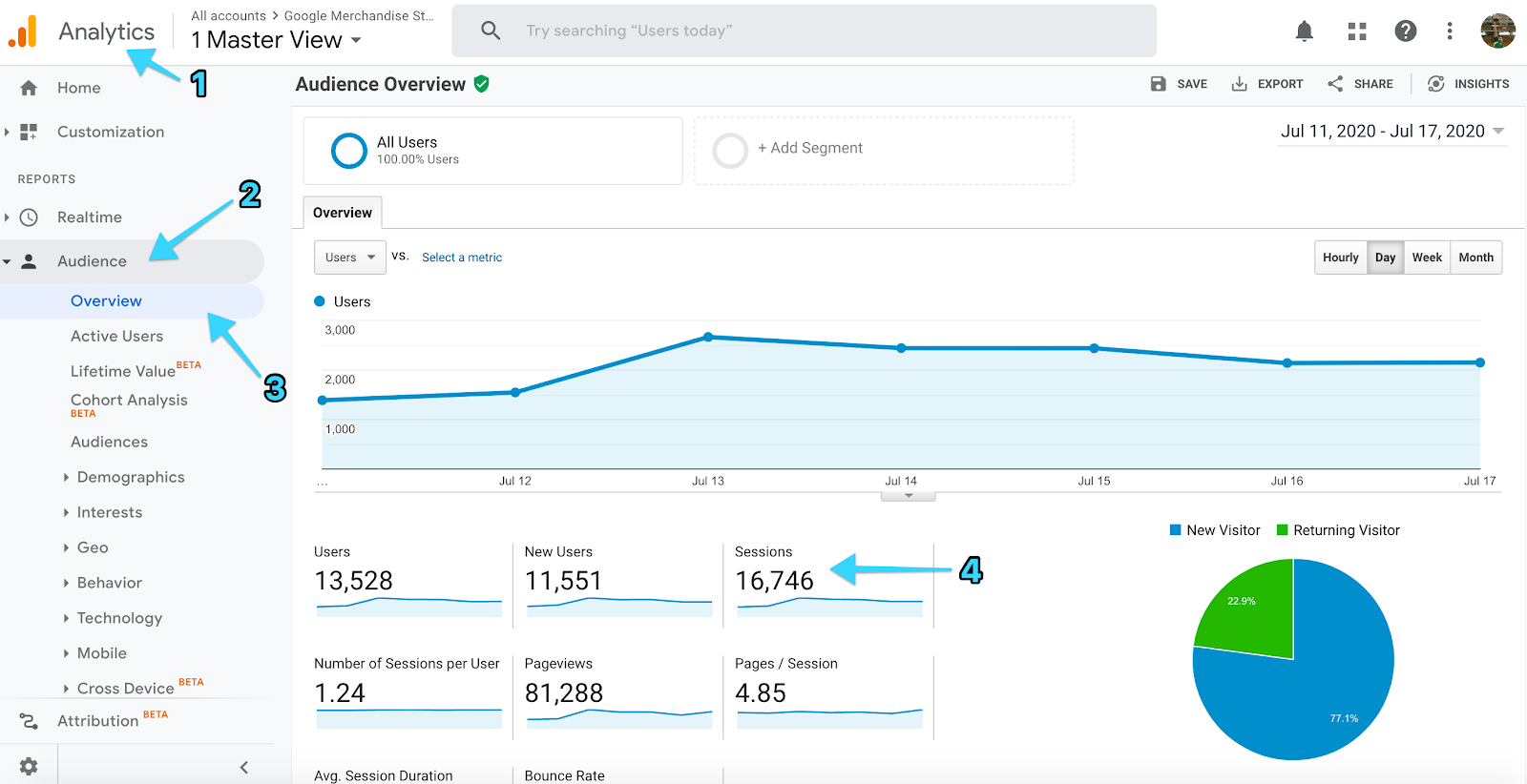
The obsession with traffic is becoming outdated. While it’s not irrelevant, its value as the north star metric is diminishing for several critical reasons:
-
The Rise of Zero-Click Search: Generative AI and featured snippets are designed to answer queries instantly. When Google’s AI Overview pulls data from your article to answer a user’s question directly on the SERP, that’s a success for the user and for your content’s accuracy. However, it registers as an “impression” at best in your analytics, often with no associated click. Your content provided value but generated no “traffic.”
-
Traffic is a Lagging Indicator: A visit to your website is the result of influence and visibility. It happens at the end of the user’s discovery journey. By focusing solely on traffic, you’re ignoring all the prior steps where your brand built awareness and trust—steps that are becoming more visible and measurable in their own right.
-
It Measures Quantity, Not Quality or Impact: A massive spike in traffic from a viral post means little if those visitors don’t engage, trust your brand, or convert. You can have high traffic with low influence, and conversely, high influence (through AI mentions and brand recognition) with lower, but far more qualified, traffic.
-
The User Journey is Multi-Channel and Non-Linear: A user might see your brand mentioned in an AI Overview, hear about you on a podcast, see a social media post, and then later type your brand name directly into Google. That final “direct traffic” visit was influenced by multiple touchpoints that traffic data alone can’t fully attribute or value.
Focusing only on traffic is like judging a book only by its cover—you’re missing the deeper story of influence and authority. The new goal is to be the most credible and visible source, whether that influence results in an immediate click, a future branded search, or simply a user trusting the answer you provided.
Visibility Is the New Influence
The paradigm is shifting from driving visits to building influence. In this new model, visibility isn’t just a means to get a click; it is the primary vehicle for establishing brand authority and trust. Winning the AI era means understanding that influence is exerted before a user ever decides to visit your website.
Visibility Happens Before the Click
Think about the modern search experience. A user has a question. They type it into Google and are presented with a results page that may include an AI Overview, featured snippets, video carousels, and knowledge panels. Their eyes scan the page, absorbing information from multiple sources.
Your brand’s name or content appearing authoritatively in any of these prime SERP real estate areas is a moment of truth. This is visibility. It’s the critical first impression that happens in the half-second before the user decides to click, scroll, or ask a follow-up question. It’s the moment you establish credibility and become a known entity. The click is merely a potential secondary action; the influence was already established the moment your content was seen and processed.
Why This Matters More Than Ever
This shift matters profoundly because the search engines themselves are now designed to prevent clicks. Google’s mission is to answer queries as efficiently as possible, and AI Overviews are the ultimate expression of that goal. For marketers, this means:
-
The Battlefield Has Moved: The competition is no longer just for the #1 organic spot; it’s for inclusion in the answer itself. Your content isn’t just competing with other websites; it’s competing for a highlight in the AI-generated answer.
-
Brand Building at Scale: Being consistently visible for a wide range of queries, even without clicks, builds top-of-mind awareness across your entire target audience. Users subconsciously begin to recognize your brand as a go-to expert in your field.
-
The Trust Signal: When Google’s AI chooses your content as a credible source to form its answer, it is effectively endorsing your expertise. This algorithmic trust is a powerful currency that is far more valuable than a single click.
Influence Without the Visit Is Still a Win
We must decouple success from the click. A user who gets their question answered by an AI Overview powered by your content has had a positive experience with your brand. You solved their problem. This is a win that delivers tangible value:
-
You’ve Built Trust: You were helpful without asking for anything in return (a click). This builds goodwill and positive brand association.
-
You’ve Planted a Seed: The next time that user has a more complex question or is ready to buy, your brand name will be the one they remember. They are more likely to skip the generic search and look for you directly—a branded search.
-
You’ve Won the Audience: You reached a user who may never have clicked on a traditional “10 Best…” blog post. You engaged them at the exact moment of their need, precisely how they wanted to be engaged.
In the new search ecosystem, a click is a conversion, but visibility is brand building. And brand building is what creates sustainable, long-term growth immune to the constant changes of algorithm updates.
5 Alternative Metrics to Track
As the definition of success evolves, so must our key performance indicators (KPIs). Moving beyond sheer traffic volume requires a new dashboard focused on visibility and influence. Start tracking these five critical metrics to get a true picture of your brand’s impact in the age of AI search.
1. Impression Share
What it is: Impression Share (IS) is a metric from Google Search Console that shows the percentage of times your website appeared in search results for your keywords, out of the total number of times it could have appeared. It’s broken down into two components: Search Impressions (raw number of appearances) and Search Impression Share (the percentage).
Why it matters now: In a world of zero-click search, an “impression” is often the conversion. A high impression share means you are winning visibility for crucial queries, even if those impressions don’t lead to clicks. Monitoring trends in your impression share, especially for high-intent keywords, tells you if you’re maintaining your foothold on the SERP as AI features evolve.
2. Mentions in AI Overviews
What it is: This is the new gold standard for visibility. It refers to actively tracking when your brand, website, or content is cited as a source within Google’s AI Overviews or other generative AI search features.
Why it matters now: A mention here is a direct signal from Google that your content is deemed highly authoritative and credible enough to be a source for its answers. This is the ultimate form of “influence without a click.” While tools for tracking this are still emerging, you can use manual searches for your core topics, monitor your Google Search Console performance for queries triggering AI Overviews, and employ brand monitoring tools (like Mention, Brand24, or SEMrush’s Brand Monitoring) to look for citations.
3. Branded Search Volume
What it is: The number of people specifically searching for your brand name, product names, or branded phrases (e.g., “Ahrefs vs SEMrush” or “Nike Air Max”).
Why it matters now: A rise in branded searches is a direct lagging indicator of successful visibility. It means your efforts to appear in AI Overviews, on social media, and in content are working—people now remember your name and are seeking you out directly. This audience is highly qualified and much more likely to convert than non-branded traffic. Track this in Google Search Console and Google Analytics 4 (via the Acquisition report).
4. Direct and Referral Traffic Increases
What it is: Direct Traffic is when users type your URL directly into their browser or use a bookmark. Referral Traffic comes from other websites linking to you.
Why it matters now: While overall traffic might be stagnant or even decline due to zero-click search, a rise in these specific channels is a massive win. An increase in Direct Traffic suggests strong brand recall, likely fueled by prior visibility on SERPs. An increase in Referral Traffic means other authorities see you as a source worth citing—a key signal of topical authority that search engines (and their AI) highly value.
5. Engagement From Other Channels
What it is: Metrics that measure your brand’s influence outside of organic search, such as:
-
Social Media: Share of voice, branded hashtag use, and engagement rate (not just follower count).
-
Email: List growth rate and open rates.
-
Community: Forum mentions (e.g., Reddit, Discord), Quora citations, and YouTube video comments.
Why it matters now: Search engines, and particularly AI, are getting better at understanding a brand’s overall reputation and authority across the entire web. A strong, engaged community and social presence are signals of a living, breathing brand. This holistic authority makes it more likely for AI to deem your content a trustworthy source for its answers.
How To Optimize for Visibility (Even Without Clicks)
Winning visibility in the era of AI search requires a fundamental shift in content strategy. The goal is no longer just to rank for a keyword, but to become the most authoritative, trustworthy, and clearly presented source of information. This makes your content indispensable to both users and the AI systems that serve them. Here’s how to optimize for this new reality.
1. Create Content That’s Clear, Concise and Credible
What it is: Prioritize readability and authority above all else. AI models are designed to understand and value well-structured, factual information that directly helps users.
How to do it:
-
Clarity: Use simple language, short paragraphs, bullet points, and descriptive subheadings (H2s, H3s). Avoid jargon unless necessary and always define it.
-
Conciseness: Get to the point quickly. Answer the user’s query in the first few paragraphs. AI systems often pull from the most relevant and direct sections of a page.
-
Credibility: Cite reputable sources, link to original studies, include expert quotes, and demonstrate experience (E-E-A-T). This builds trust with both users and algorithms.
2. Use Structured Data (Schema Markup)
What it is: Schema markup is a semantic vocabulary of code (microdata) that you add to your website’s HTML. It helps search engines understand the context and meaning of your content, not just the words.
How to do it:
-
Implement relevant schema types like
Article,HowTo,FAQPage,Product, andReviewto explicitly tell search engines what your content is about. -
Use tools like Google’s Structured Data Markup Helper to generate the code and the Rich Results Test to validate it.
-
This markup is a direct line of communication to search engines, dramatically increasing the chances of your content being used for rich snippets and AI Overviews.
3. Answer Questions With Precision
What it is: Move beyond targeting keywords to directly answering the specific questions your audience is asking. AI Overviews are built to answer questions, so your content should be the best possible answer.
How to do it:
-
Use tools like AnswerThePublic, AlsoAsked.com, and Google’s “People also ask” boxes to research real user questions.
-
Structure your content to provide a direct, unambiguous answer immediately following the question. Use question-and-answer formats (like H2s for questions and paragraphs for answers) to make it easy for AI to parse.
-
Anticipate and answer follow-up questions within your content to become a comprehensive resource.
4. Focus on Topical Authority, Not Just Keywords
What it is: Topical authority is the concept of becoming a recognized expert on a broad subject matter (e.g., “organic gardening”) rather than just ranking for individual keywords within it (e.g., “how to compost”).
How to do it:
-
Create a hub of interlinked content that covers a core topic in immense depth and breadth.
-
Instead of writing one isolated article, create a pillar page that provides a high-level overview of the topic and then cluster supporting articles that delve into subtopics, all interlinked.
-
This signals to AI that your site is a comprehensive authority on the subject, making it a prime candidate for sourcing information.
5. Keep Your Content Fresh
What it is: Regularly updating and maintaining your existing content to ensure it remains accurate and relevant.
How to do it:
-
Audit your top-performing content quarterly. Update statistics, refresh examples, add new information, and improve sections based on new developments.
-
Add a “Last Updated” date to your articles. This is a strong freshness signal that both users and search engines appreciate.
-
Stale, outdated content is less likely to be deemed credible enough for AI systems to feature.
6. Strengthen Brand Identity Across Channels
What it is: Building a recognizable and reputable brand beyond your website.
How to do it:
-
Maintain a consistent brand voice, style, and messaging across your website, social media profiles, email newsletters, and guest articles.
-
Engage with your community on social platforms and forums. A strong, recognizable brand is more likely to be mentioned and cited across the web.
-
These off-site signals contribute to your overall authority and reputation, which search engines use to assess the trustworthiness of your on-site content.
Final Takeaway
While website traffic still matters, it’s no longer the ultimate measure of success.
True growth now comes from visibility. Visibility builds influence. Influence establishes trust. And trust drives sustainable growth. Whether you’re analyzing traffic patterns or optimizing for conversions, the future belongs to a visibility-first strategy.
Ready to future-proof your brand? Pro Real Tech’s digital marketing solutions leverage cutting-edge SEO, content strategy, and AI to ensure you remain visible, relevant, and ahead of the curve.
Contact us today. Let’s build what truly matters: lasting visibility, unwavering trust, and long-term growth.
FAQs
HOW DOES GOOGLE’S AI OVERVIEW IMPACT TRADITIONAL SEO STRATEGIES?
Google’s AI Overview fundamentally shifts the goal of SEO from simply earning clicks to earning citations and demonstrating authority. Traditional tactics focused solely on keyword density and backlink volume are less effective. The new strategy prioritizes:
-
EEAT (Experience, Expertise, Authoritativeness, Trustworthiness): Demonstrating real-world expertise is paramount for being selected as a source.
-
Answer-Focused Content: Creating content that directly and clearly answers questions, not just targets keywords.
-
Visibility Over Clicks: Valuing impressions and brand mentions in the AI Overview itself as a primary success metric, even if they don’t generate a traditional site visit.
WHAT IS AI SEO, AND HOW IS IT DIFFERENT FROM SEO?
AI SEO (also known as AI-Optimized SEO) is the practice of optimizing content and websites specifically for visibility within generative AI search interfaces like Google’s AI Overviews, Perplexity, and Bing AI.
The key difference from traditional SEO is the audience:
-
Traditional SEO optimizes for two audiences: human users and Google’s ranking algorithms.
-
AI SEO optimizes for three audiences: human users, Google’s algorithms, and the AI language models that power overviews and answers. This requires a greater emphasis on factual accuracy, clear sourcing, structured data, and establishing topical authority to be chosen as a credible source for AI-generated responses.
HOW CAN I TRACK IF MY BRAND IS MENTIONED IN AI OVERVIEWS?
Tracking this directly is still emerging, but a multi-pronged approach is effective:
-
Manual Checks: Perform searches for your core branded and non-branded keywords to see if you appear in AI Overviews.
-
Google Search Console: Monitor the “Search Results Performance” report. Filter for queries where the “Impressions” are high but “Clicks” are low or zero—this can be a strong indicator your content is being featured in zero-click AI answers.
-
Advanced Analytics: Look for a correlation between spikes in branded search volume or direct traffic and your SEO efforts, suggesting increased brand recognition from visibility.
-
Brand Monitoring Tools: Use tools like Mention, Brand24, or Semrush’s Brand Monitoring tool to alert you to any online mention of your brand, which could include citations in AI-generated text.
WHY ARE BRANDED SEARCHES BECOMING A KEY METRIC IN 2025?
Branded searches are a direct measure of brand recall and intent. In 2025, as AI Overviews satisfy more informational queries without a click, they become a critical metric because:
-
They Measure Influence: A user performing a branded search has already been influenced by your visibility elsewhere (e.g., in an AI Overview, on social media).
-
They Signal High Intent: Someone searching for your brand name is already familiar with you and is much closer to a conversion than a user making a generic search. This traffic is highly qualified.
-
They Are a Lagging KPI for Visibility: An increase in branded searches is proof that your strategy of building visibility and authority in AI-powered results is working effectively.
WHAT CONTENT STRATEGIES HELP IMPROVE VISIBILITY IN AI-POWERED SEARCH RESULTS?
The best strategies focus on becoming an authoritative source that AI can easily understand and trust:
-
Target Question-Based Queries: Create content that directly answers “who,” “what,” “why,” “how,” and “when” questions.
-
Employ Clear, Concise Language: Use straightforward sentences, bullet points, and numbered lists to make your answers easy to parse.
-
Implement Schema Markup: Use structured data to explicitly tell search engines the meaning of your content (e.g.,
FAQPage,HowTo,Article). -
Build Topical Authority: Create a comprehensive cluster of content around a core topic to signal deep expertise.
-
Cite Credible Sources: Back up your claims with links to authoritative references and data.


