

Email marketing is entering a more sophisticated phase in 2026. The channel is no longer simply about sending promotional messages to a large subscriber list and measuring opens and clicks. Modern email programs increasingly depend on deliverability, relevant personalization, consented data, automation, customer behavior and the quality of the overall subscriber experience.
This shift is partly driven by changes in inbox technology. Major mailbox providers are placing greater emphasis on authentication, sender reputation, spam complaints and recipient choice. For example, Google’s current sender guidelines require authentication and other technical standards, while high-volume senders must meet additional requirements such as SPF, DKIM, DMARC alignment and one-click unsubscribe for marketing messages. Google also advises senders to keep reported spam rates below 0.1% and avoid reaching 0.3% or higher.
At the same time, artificial intelligence is changing how marketers create, analyze and personalize campaigns. AI can help identify patterns in customer behavior, recommend content, predict likely actions and assist with message creation. However, the most effective use of AI is not simply generating more emails. It is using data and automation to make each communication more useful and timely.
Privacy is also becoming a central part of the future of email marketing. Businesses have less reason to depend on opaque third-party tracking and more incentive to build direct relationships with subscribers. First-party data collected through a company’s own channels and zero-party data voluntarily provided by customers can give marketers valuable insight while creating greater transparency around how information is used.
As a result, the future of email marketing is likely to be defined by a simple principle: send fewer irrelevant messages and create more meaningful interactions. The following trends show how email marketing is evolving and what businesses should consider when building their strategies for 2026 and beyond.
Trend 1: Deliverability Becomes a Bigger Priority
Deliverability is becoming one of the most important foundations of successful email marketing. A beautifully designed campaign has little value if it never reaches the inbox.
In 2026, marketers need to think beyond the basic question of whether an email was technically sent. Email delivery means a receiving server accepted the message, while email deliverability concerns whether that message successfully reaches the intended inbox rather than being filtered into spam, rejected or otherwise diverted.
Mailbox providers increasingly evaluate multiple signals when deciding how to handle incoming messages. These can include authentication, domain reputation, sending behavior, recipient engagement and spam complaints. Google’s current requirements illustrate how technical compliance has become an important part of modern email operations. All senders to personal Gmail accounts must use SPF or DKIM authentication, while bulk senders must implement SPF, DKIM and DMARC. Bulk senders must also meet requirements involving domain alignment and one-click unsubscribe for marketing and subscribed messages.
Email authentication is now fundamental
Three technologies are particularly important:
- SPF (Sender Policy Framework): Helps receiving servers verify which systems are authorized to send email on behalf of a domain.
- DKIM (DomainKeys Identified Mail): Adds a cryptographic signature that allows receiving systems to verify that the message was authorized by the sending domain and has not been improperly altered.
- DMARC (Domain-based Message Authentication, Reporting and Conformance): Builds on SPF and DKIM and allows domain owners to specify how receiving systems should handle messages that fail authentication checks.
Google recommends using SPF, DKIM and DMARC to improve email authentication and reduce the risk of messages being rejected or classified as spam.
For marketers, this means deliverability can no longer be treated as something to address after a campaign starts underperforming. Authentication should be part of the email infrastructure from the beginning.
Sender reputation matters more than sending volume
Another important change is the growing importance of recipient behavior. Sending more messages does not automatically create better results. If subscribers repeatedly ignore, delete or report messages as spam, the sender can create negative signals that make future campaigns harder to deliver.
Google specifically advises bulk senders to keep user-reported spam rates below 0.1% and prevent them from reaching 0.3% or higher.
This changes how marketers should think about list growth. A smaller database of genuinely interested subscribers can be more valuable than a much larger list containing inactive or poorly qualified contacts.
Businesses should therefore regularly:
- Remove invalid and repeatedly bouncing addresses.
- Identify subscribers who have stopped engaging.
- Segment inactive contacts instead of continuing to email them at the same frequency.
- Use re-engagement campaigns selectively.
- Make unsubscribing simple.
- Monitor spam complaints and authentication status.
- Maintain consistent sending practices rather than making sudden volume increases.
Unsubscribe experience becomes part of deliverability
Making it difficult for people to leave a mailing list can ultimately hurt the sender. If subscribers cannot easily find an unsubscribe option, some may simply report unwanted messages as spam.
For bulk senders, Google’s requirements include one-click unsubscribe for marketing and subscribed messages.
This supports an important strategic shift: an unsubscribe is not necessarily a marketing failure. It can be a useful signal that a subscriber no longer wants a particular type or frequency of communication.
A well-designed preference center can go even further by allowing subscribers to choose what they receive, how often they receive it or which topics interest them. This can help businesses maintain healthier lists while giving customers more control.
Deliverability should be monitored continuously
Email marketers should treat deliverability as an ongoing operational process rather than a one-time technical setup. Important areas to monitor include:
- SPF, DKIM and DMARC configuration
- Authentication and domain alignment
- Bounce rates
- Spam complaint rates
- Subscriber engagement
- Sending volume and consistency
- Inactive subscribers
- Unsubscribe rates
- Inbox placement
- Domain and IP reputation
The result is a broader definition of email performance. Instead of focusing exclusively on opens, clicks or conversions, marketers increasingly need to ask whether their messages are wanted, authenticated, relevant and consistently reaching the right audience.
In other words, the future of email marketing begins with earning permission to reach the inbox and maintaining the technical and behavioral signals that demonstrate those messages deserve to be there.
Trend 2: AI Supports Smarter Personalization
Artificial intelligence is becoming an important part of email marketing, but its most valuable role is moving beyond simple content generation. In 2026, AI can support marketers across audience analysis, content recommendations, send-time optimization, segmentation, predictive modeling, testing and personalization.
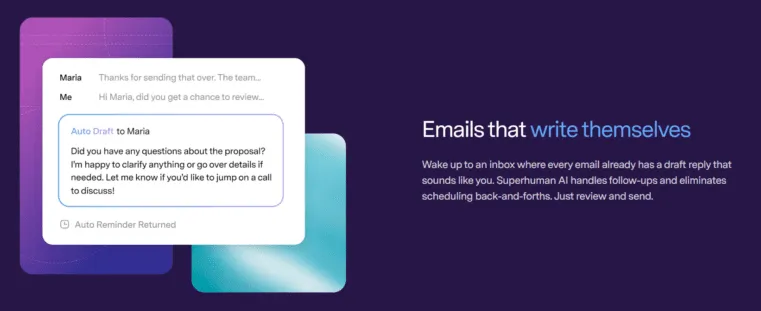
The goal is not to make every email look artificially customized. The goal is to use available customer signals to determine what information is most relevant, when it should be delivered and which action is most appropriate.
Traditional personalization often starts with basic information such as a subscriber’s first name. While this can make an email feel more personal, it provides limited value by itself. AI-enabled personalization can work with much broader behavioral and contextual signals.
For example, an ecommerce business could potentially distinguish between a subscriber who:
- Frequently purchases a particular product category,
- Has browsed products without purchasing,
- Recently abandoned a cart,
- Has not interacted with the brand for several months,
- Regularly buys during promotional periods, or
- Has shown interest in a specific topic.
Instead of sending all of these customers the same promotional email, marketers can use these signals to create more relevant experiences.
AI can help marketers understand customer intent
One of the biggest opportunities is using AI to identify patterns across large amounts of customer data.
A traditional marketer might manually create segments such as “recent customers” or “newsletter subscribers.” AI can help identify more complex behavioral patterns, such as customers who repeatedly engage with educational content before purchasing or subscribers whose engagement decreases after receiving promotional-heavy campaigns.
These insights can then inform segmentation and campaign decisions.
For example:
Customer behavior → AI analysis → audience segment → personalized content → appropriate timing → measurable outcome
This approach makes personalization more dynamic than simply inserting a subscriber’s name into a template.
AI can assist with content recommendations
AI can also help determine which products, articles, offers or educational resources may be most relevant to an individual subscriber.
A retailer, for example, could use purchase and browsing signals to recommend complementary products. A SaaS company could recommend educational content based on the features a customer uses. A publisher could prioritize articles related to topics a subscriber repeatedly reads.
The important distinction is that AI should support relevance, not create unnecessary complexity.
A personalized email does not need to contain dozens of dynamically generated elements. Sometimes the most effective personalization may simply be sending a more relevant message to a narrower audience.
AI can improve testing and optimization
AI can also support the optimization process itself.
Instead of manually testing every possible combination of subject lines, content variations and audience segments, marketers can use AI-assisted systems to identify patterns in campaign performance and suggest promising alternatives.
Potential applications include:
- Subject-line generation and testing
- Content variation
- Audience segmentation
- Send-time recommendations
- Product recommendations
- Churn or inactivity prediction
- Conversion propensity scoring
- Campaign performance analysis
- Next-best-action recommendations
However, marketers should still validate AI-generated recommendations against actual campaign data. AI can identify patterns, but it does not automatically understand a company’s brand positioning, customer expectations or business objectives.
Human oversight remains important
AI-powered personalization creates a significant opportunity, but it also creates risks if marketers allow automation to operate without appropriate controls.
Poorly implemented AI can produce recommendations that feel intrusive, repetitive or inaccurate. A customer may also become uncomfortable if an email reveals more behavioral knowledge than they expected the company to have.
This is why effective personalization should follow a value-for-data principle: the more information a business uses, the clearer the customer benefit should be.
Marketers should ask:
- Does this personalization make the message genuinely more useful?
- Would the customer reasonably expect us to use this information?
- Is the data accurate and current?
- Are we collecting or using more information than necessary?
- Can customers control their communication preferences?
- Is a human reviewing important automated decisions?
AI should therefore act as a decision-support and personalization layer rather than replacing marketing judgment.
The future is predictive, not merely personalized
The next stage of email personalization is likely to focus less on “Who is this person?” and more on “What is this person most likely to need next?”
That could mean recognizing when a customer may need a product replenishment reminder, when a subscriber is ready for more advanced educational content or when a previously engaged customer is showing signs of becoming inactive.
This moves email marketing from static segmentation toward predictive, behavior-driven communication.
The strongest programs will combine AI capabilities with clean data, clear customer permissions, thoughtful segmentation and human oversight. AI can make personalization faster and more scalable, but the underlying objective remains the same: deliver information that is useful to the recipient.
Trend 3: First-Party and Zero-Party Data Shape Targeting
As privacy expectations increase and businesses face greater limitations around third-party tracking, first-party and zero-party data are becoming increasingly valuable assets for email marketing.
The two concepts are related but different.
First-party data is information a business collects directly through its own interactions with customers or prospects. Examples include purchase history, website activity, account information, email engagement, customer-service interactions and product usage data.
Zero-party data is information that customers intentionally and proactively provide to a business, such as their preferences, interests, communication frequency, product needs or survey responses.
The distinction matters because zero-party data gives customers a more explicit role in defining how they should be marketed to.
First-party data creates a stronger customer picture
A company can collect first-party data from many direct interactions, including:
- Website visits
- Purchases
- Account registrations
- Email engagement
- Product usage
- Customer-service interactions
- Event registrations
- Downloads
- Loyalty programs
- Subscription activity
- On-site searches
When these signals are connected responsibly, marketers can create more useful audience segments.
For example, instead of targeting everyone who subscribed to a newsletter, a company might distinguish between subscribers who are new, highly engaged, recently purchased, interested in a specific product category or becoming inactive.
This makes email targeting more relevant without requiring marketers to rely on unknown third-party audiences.
Zero-party data gives customers more control
Zero-party data is particularly useful because the customer actively tells the business what they want.
A company might ask subscribers:
Which topics would you like to receive?
Or:
How often would you like to hear from us?
Or:
Which products are you most interested in?
The answers can directly influence future email campaigns.
This approach can improve relevance while making the data-collection process more transparent. Rather than trying to infer every preference from tracking behavior, businesses can simply ask customers when appropriate.
For example, a clothing retailer could allow subscribers to select preferred categories, styles and shopping frequency. A software company could ask subscribers whether they want product updates, tutorials, industry insights or promotional offers.
Preference data can improve both personalization and deliverability
First-party and zero-party data are not only useful for targeting. They can also help businesses avoid sending irrelevant messages.
Suppose a subscriber chooses to receive educational content twice a month but not promotional offers. A business that respects that preference has a better opportunity to maintain a positive relationship than one that continues sending every campaign.
This matters because modern deliverability increasingly rewards responsible sending behavior. Google explicitly recommends that senders make it easy for recipients to unsubscribe and periodically confirm that recipients still want to receive messages.
The broader lesson is that data quality and customer preference are connected. Better information can produce better segmentation, which can produce more relevant messages, which can reduce unwanted engagement signals.
Businesses should collect data with a clear purpose
More data is not automatically better data.
Organizations should collect information because it supports a legitimate business or customer-experience purpose, not simply because the technology makes collection possible.
Privacy regulators emphasize transparency and meaningful choice in direct marketing. For example, current UK guidance states that organizations should explain how information will be used, collect it fairly and respect people’s marketing preferences.
For email marketers, this means forms and signup processes should clearly communicate what subscribers are agreeing to receive. Consent should not be hidden inside vague language or assumed simply because someone provided an email address for another purpose. Current guidance also emphasizes that consent should be freely given, specific, informed and based on a clear affirmative action where consent is required.
Build a permission-based data strategy
A strong first-party and zero-party data strategy can include:
- Create clear signup forms. Explain what subscribers will receive.
- Ask useful preference questions. Only request information that can improve the customer experience.
- Use preference centers. Give subscribers control over topics and frequency.
- Connect relevant customer signals. Combine purchase, engagement and preference data where appropriate.
- Keep data accurate. Update or remove outdated information.
- Respect consent and opt-outs. Do not continue marketing after a valid unsubscribe.
- Explain data practices clearly. Make privacy information accessible and understandable.
- Avoid unnecessary collection. Do not gather sensitive or excessive information merely for personalization.
Businesses should also be cautious about purchased email lists. Current guidance from the UK Information Commissioner’s Office states that bought-in lists used for electronic marketing must have valid consent that specifically covers the organization and the intended marketing method where consent is required. Publicly available contact information also does not automatically mean that a person has consented to receive marketing emails.
The future of targeting is based on relationships
The move toward first-party and zero-party data represents a broader change in email marketing. Instead of asking, “How much external data can we collect about this person?”, successful brands are increasingly asking, “What information can we responsibly learn through our relationship with this customer?”
That approach can produce more accurate segmentation, more transparent personalization and stronger customer trust.
In 2026 and beyond, the most valuable email databases will not necessarily be the largest ones. They will be the ones containing accurate, permission-based and actionable information that helps businesses understand what subscribers actually want.
Trend 4: Automation Moves Toward Lifecycle Journeys
Email automation is moving beyond simple scheduled campaigns and basic trigger emails. In 2026, the stronger approach is to build lifecycle journeys that respond to where a customer is in their relationship with a business, what they have done, what they need next and how they respond to previous communications.
Traditional automation might send one welcome email after signup, a reminder after cart abandonment or a birthday message once a year. Lifecycle automation connects these individual triggers into a broader customer journey. Instead of treating every interaction as a separate campaign, marketers can create a sequence that changes according to customer behavior.

Image: Most popular automated emails by business model (Source)
For example, a SaaS company might structure a journey like this:
Signup → Welcome email → Product education → Feature engagement → Usage-based message → Upgrade opportunity → Customer retention → Re-engagement
The customer does not necessarily receive every message. Their behavior determines which path they follow.
From campaign automation to behavioral journeys
The key difference is that traditional campaigns are usually marketer-led, while lifecycle journeys are increasingly customer-behavior-led.
A campaign may say:
Send this promotional email to the entire segment on Friday.
A lifecycle journey asks:
What has this customer done, what stage are they in and what should happen next?
That allows automation to react to signals such as:
- A new subscription
- A completed purchase
- A product viewed repeatedly
- An abandoned cart
- A first product-use milestone
- A lack of engagement
- A renewal approaching
- A customer-service interaction
- A change in subscription status
- A preference update
- A period of inactivity
The result is a more contextual email experience.
Lifecycle automation can support every stage of the customer relationship
A comprehensive lifecycle strategy can include several stages.
1. Acquisition and signup
The relationship begins when someone subscribes, creates an account or otherwise gives permission to receive communication. A welcome sequence can introduce the brand, explain what the subscriber can expect and encourage an initial action.
2. Onboarding
New customers often need education rather than immediate promotional messages. Onboarding emails can introduce important features, provide tutorials, answer common questions and encourage customers to reach an early success milestone.
3. Engagement
Once a customer becomes familiar with the product or service, automation can deliver content based on interests, usage and previous engagement.
4. Conversion
When a subscriber demonstrates purchase intent, automated messaging can provide relevant information, product recommendations, reminders or offers without treating every subscriber as equally ready to buy.
5. Retention
Existing customers can receive product education, helpful resources, renewal reminders, loyalty communications and relevant recommendations.
6. Re-engagement
If engagement decreases, the automation can change communication frequency or send a targeted re-engagement message rather than continuing to send the same campaigns indefinitely.
7. Win-back
For customers who have already stopped purchasing or subscribing, a carefully designed win-back sequence can attempt to rebuild the relationship.
This approach makes automation more strategic. The objective is not to automate as many emails as possible. It is to automate the right communication at the right stage.
AI makes lifecycle journeys more adaptive
AI can make these journeys increasingly sophisticated by helping marketers identify behavioral patterns, predict likely actions and determine which content may be relevant to different customer groups.
For example, instead of waiting until a customer becomes completely inactive, a predictive system may identify declining engagement and place that customer into an earlier retention journey.
Similarly, an ecommerce business could distinguish between someone who repeatedly browses a category and someone who has already purchased from that category. The two customers may need completely different communications.
However, AI should support the journey rather than remove human oversight. Automated decisions should be based on reliable data, clear business rules and appropriate privacy controls.
Good automation also knows when not to send
One of the most important developments in lifecycle email is the idea that a customer does not need an email simply because an automation rule can send one.
A customer who has just purchased may not need another promotional message five minutes later. Someone who has already completed an action may not need a reminder to do it again. A subscriber who has reduced engagement may need fewer messages rather than more.
Effective lifecycle automation therefore includes:
- Entry conditions — when someone enters a journey
- Exit conditions — when someone should leave it
- Behavioral branches — different paths based on actions
- Frequency controls — limits on how many messages someone receives
- Suppression rules — situations where messages should not be sent
- Goal conditions — actions that indicate success
- Fallback logic — what happens when the expected behavior does not occur
This prevents automation from becoming an uncontrolled stream of messages.
Measure journeys by customer outcomes
Lifecycle automation also changes how email performance should be evaluated.
Instead of measuring every email independently, businesses can examine whether the entire journey produces meaningful outcomes.
Useful measurements can include:
- Activation rate
- Conversion rate
- Purchase frequency
- Customer retention
- Renewal rate
- Revenue per subscriber
- Engagement over time
- Re-engagement rate
- Unsubscribe rate
- Spam complaint rate
- Customer lifetime value
The future of automation is therefore less about “How many emails can we send automatically?” and more about “How effectively can automation help customers move through their journey?”
Trend 5: Interactive Content Makes Emails More Engaging
Email is becoming more interactive as marketers look for ways to reduce the gap between reading a message and taking action.
Traditional email often follows a simple pattern:
Read → Click → Leave email → Complete action on website
Interactive email experiences can sometimes shorten that journey by allowing certain actions to happen directly within the message or by making the email itself more dynamic.
Examples can include:
- Image carousels
- Accordion sections
- Interactive product displays
- Polls and surveys
- Quizzes
- Ratings
- Product selectors
- Countdown elements
- Expandable content
- Animated buttons or visual effects
- In-email forms where supported
- Dynamic recommendations
The objective is not to add animation simply because it looks impressive. Interactive elements should make the email more useful, easier to navigate or more engaging.
Interactive email can reduce friction
Consider an online retailer announcing a new product collection.
A conventional email might display one image and ask the recipient to click through to the website.
An interactive version could allow the subscriber to browse several products within the email, explore different categories or interact with product imagery before deciding whether to visit the website.
Similarly, a B2B company could use a short interactive questionnaire to help subscribers identify which solution best fits their needs.
These experiences can make email feel less like a static message and more like an extension of the customer’s digital experience.
AMP and interactive email technologies
Technologies such as AMP for Email have demonstrated how email can support more dynamic experiences in compatible environments. AMP emails can allow users to interact with content and update information without necessarily leaving the message.
Potential applications include:
- Completing forms
- Responding to invitations
- Browsing dynamic information
- Managing subscriptions
- Interacting with content
- Performing certain actions directly from the email
However, marketers should not assume that every recipient’s email client supports every interactive feature. Email rendering remains fragmented across providers and applications.
That makes progressive enhancement important.
The essential message and call to action should still work when advanced interactive functionality is unavailable.
Don’t sacrifice usability for novelty
Interactive content can easily become counterproductive if it makes an email confusing or slow.
A good interactive email should have:
- A clear primary objective
- Simple navigation
- Obvious calls to action
- Fast-loading assets
- Accessible text alternatives
- A functional fallback
- Strong mobile performance
- Compatibility testing across major email clients
Marketers should also consider whether the interaction provides meaningful value.
For example, an interactive quiz that helps a customer select the right product can be useful. An animation that simply moves continuously around the screen may add visual noise without improving the experience.
Interactivity should support conversion, not distract from it
The best interactive email experiences connect the interaction to a measurable customer objective.
A retailer might use a product carousel to increase product discovery. A publisher could use a poll to learn about subscriber interests. A SaaS company could use an interactive feature comparison to help users understand which plan is appropriate.
This means marketers should evaluate interactive elements based on outcomes such as:
- Click-through rate
- Completion rate
- Product engagement
- Conversion rate
- Time spent interacting
- Preference data collected
- Revenue generated
- Unsubscribe or complaint rates
Interactive content is therefore becoming another tool for creating useful email experiences, rather than simply a visual trend.
Trend 6: Mobile-First and Accessible Design Become Standard
Email design in 2026 needs to work across smartphones, tablets, desktops and assistive technologies. Mobile responsiveness is no longer an optional enhancement because many recipients encounter email on smaller screens or switch between devices throughout the day.
A mobile-first approach means designing the core experience around the constraints of a small screen and then expanding it for larger displays.
This is different from creating a desktop email and simply shrinking it.

Mobile-first email design starts with simplicity
A mobile-friendly email should make the primary message immediately understandable.
Important principles include:
- Use a clear visual hierarchy.
- Keep important copy concise.
- Use readable font sizes.
- Make buttons large enough to tap comfortably.
- Avoid overcrowding the layout.
- Keep important content near the top.
- Use responsive layouts rather than fixed-width designs.
- Optimize images for performance.
- Maintain adequate spacing between interactive elements.
- Test emails on actual mobile devices and different email clients.
A subscriber should not have to zoom in, scroll sideways or repeatedly tap a tiny link to understand the message.
Accessibility becomes part of good email design
Accessibility is broader than adding alternative text to images. Email marketers should consider how people with visual, motor, cognitive or other disabilities interact with messages.
The Web Content Accessibility Guidelines (WCAG) provide an important framework for accessible digital content. While email-client capabilities vary, many of the same principles are directly relevant to email design.
For example, marketers should provide:
- Meaningful alternative text for important images
- Sufficient color contrast
- Clear headings and content hierarchy
- Descriptive link text
- Logical reading order
- Accessible buttons
- Text that remains understandable without visual styling
- Avoidance of information conveyed through color alone
A promotional email should not communicate something like “Click the green button for the discounted option” if color is the only way to distinguish that option.
Accessible design also improves the general user experience
Accessibility and usability often reinforce each other.
A clear heading benefits screen-reader users and people quickly scanning an email. Strong contrast helps people with visual impairments and users reading a message outdoors. Larger tap targets help people with motor difficulties as well as anyone using a phone with one hand.
This makes accessibility a practical design consideration rather than simply a compliance exercise.
Images should enhance rather than carry the entire message
A common mistake is placing the entire message inside one large image.
If images are blocked, the recipient may see almost nothing. Screen-reader users can also have difficulty understanding image-heavy content when meaningful information is not provided as text.
A stronger approach is to use HTML text for essential information and images as supporting visual content.
For example, instead of placing this entire message inside an image:
20% OFF ALL WINTER PRODUCTS — SHOP NOW
the email should contain the headline, offer details and call to action as actual text and HTML elements, with imagery supporting the presentation.
Test accessibility and rendering together
An email can look perfect on one device and break on another. It can also be visually attractive while creating accessibility problems.
Testing should therefore cover:
- Mobile and desktop layouts
- Different screen sizes
- Major email clients
- Dark-mode behavior
- Image blocking
- Keyboard navigation where supported
- Screen-reader interpretation
- Link and button usability
- Text scaling
- Loading performance
The future of email design is consequently not simply mobile-first. It is mobile-first, accessible, responsive and resilient across different environments.
Trend 7: Privacy, Consent and Preference Centers Build Trust
Privacy is becoming a central component of email marketing strategy rather than a legal consideration handled separately by a compliance team.
As marketers collect more customer information and use increasingly sophisticated personalization and automation, subscribers need to understand what they are signing up for, what information is being used and how they can change their preferences.
This makes transparency and customer control important competitive advantages.
Consent needs to be clear and meaningful
Consent requirements vary by jurisdiction and by the type of communication, so businesses should follow the rules applicable to their audience and obtain appropriate legal advice where necessary.
As one current example, the UK’s Information Commissioner’s Office states that consent for direct marketing should be freely given, specific, informed and unambiguous, with a clear affirmative action rather than silence or pre-ticked boxes.
This means businesses should avoid signup experiences where marketing permission is hidden in lengthy terms or automatically selected.
A stronger signup process clearly communicates:
- Who is collecting the information
- What types of emails the subscriber will receive
- How frequently they may receive them
- What the information will be used for
- How they can withdraw consent or unsubscribe
The exact requirements will depend on the applicable privacy and marketing laws.
Preference centers give subscribers more control
An unsubscribe link provides an essential exit, but a preference center can provide a more flexible alternative for subscribers who still want to hear from the business but want greater control over the experience.
A useful preference center might allow subscribers to select:
- Topics of interest
- Product categories
- Email frequency
- Newsletter types
- Promotional versus educational content
- Preferred communication channels
- Language or regional preferences
For example, instead of forcing someone to choose between receiving every email and receiving none, a business could allow them to select “monthly updates” rather than “weekly promotions.”
This can help preserve valuable customer relationships while respecting individual communication preferences.
Unsubscribing should be easy
A difficult unsubscribe process can damage trust and potentially contribute to spam complaints.
Google’s current sender requirements state that bulk senders’ marketing and subscribed messages must support one-click unsubscribe, and Google recommends making it easy for recipients to opt out. It also advises senders to keep spam rates below 0.1% and avoid reaching 0.3% or higher.
The ICO similarly states that recipients should have a simple way to opt out and should not be required to create an account or log in simply to unsubscribe from electronic marketing.
This creates an important strategic principle:
Making unsubscribe easy can protect the quality of the remaining audience.
Someone who no longer wants marketing emails is unlikely to become a valuable subscriber simply because the unsubscribe button is hidden.
Preference data can improve personalization
Privacy and personalization do not have to be opposing goals.
A preference center can actually provide valuable first-party and zero-party data. When subscribers voluntarily tell a business what they want, marketers can use that information to make future campaigns more relevant.
For example:
Subscriber chooses: Product updates + monthly frequency
Marketing system responds: Sends product-related emails once per month
Or:
Subscriber chooses: Educational content + weekly frequency
Marketing system responds: Prioritizes tutorials and educational resources
The customer gets more control, while the business gains better information for segmentation.
Privacy should be built into the customer journey
Privacy should not begin and end with the signup form.
Businesses should consider privacy throughout the email lifecycle:
- Collection: Ask only for information that has a clear purpose.
- Consent: Clearly explain what subscribers are agreeing to where consent is required.
- Storage: Protect customer information appropriately.
- Segmentation: Use data responsibly and within the expectations established with customers.
- Personalization: Avoid personalization that feels intrusive or disproportionate.
- Preference management: Allow subscribers to change communication choices.
- Unsubscribe: Make opting out straightforward.
- Suppression: Ensure opted-out contacts are not accidentally reintroduced into marketing campaigns.
Current ICO guidance emphasizes collecting information fairly and transparently and respecting people’s preferences, including their right to object to direct marketing.
Trust becomes part of email performance
The future of email marketing is not simply about maximizing opens, clicks or conversions. A sustainable strategy also needs to protect the relationship between the sender and subscriber.
When people understand why they are receiving an email, can control what they receive and can easily leave when they choose, the relationship becomes more transparent.
That is especially important as AI, behavioral data and automation make email targeting more sophisticated. The more intelligently a business can personalize communication, the more important it becomes to give customers meaningful control over that personalization.
Trend 8: Email Connects More Closely With Other Channels
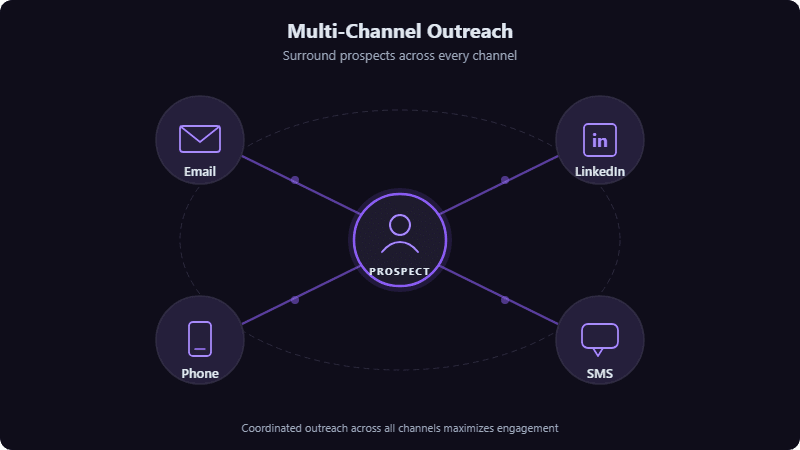
Email is no longer an isolated marketing channel. In 2026, its greatest value increasingly comes from how well it connects with websites, SMS, mobile apps, social media, paid advertising, customer service, ecommerce platforms and other customer touchpoints.
This shift is part of the broader move toward omnichannel customer experiences. Customers may discover a brand through social media, visit its website, receive an email, interact with an SMS message and eventually purchase through an app or physical store. If each channel operates independently, the customer can receive repetitive or contradictory messages.
A connected strategy attempts to make these interactions work together.
Recent industry research continues to identify email as a central customer-communication channel while highlighting the growing importance of data, lifecycle tracking and customer lifetime value.
Email becomes part of a broader customer journey
Instead of asking, “What email should we send?”, marketers increasingly need to ask:
“What should happen across channels based on what this customer has already done?”
For example, consider an online retailer:
- A customer views a product on the website.
- The customer receives a relevant email later.
- They add the product to their cart.
- The marketing system pauses the promotional email sequence.
- An abandoned-cart message is triggered.
- The customer purchases.
- Promotional messages for that product are suppressed.
- A post-purchase email provides usage information.
- An SMS reminder may be sent when appropriate.
- A later email recommends complementary products.
The important part is not simply the number of channels involved. It is the coordination between them.
Email and SMS can complement each other
Email is well suited to longer-form content, product education, newsletters and detailed offers, while SMS can be useful for shorter, time-sensitive communications.
A coordinated strategy might use:
- Email for product education
- SMS for urgent reminders
- Push notifications for app-related activity
- Website personalization for returning visitors
- Paid advertising for broader acquisition
- Customer service for individual support
However, businesses should not automatically send the same message through every channel. Customers can quickly become frustrated when one promotion appears in their inbox, text messages, push notifications and social feeds simultaneously.
The goal should be channel coordination rather than channel duplication.
Behavioral signals can trigger cross-channel actions
A customer’s activity in one channel can determine what happens in another.
For example:
Website behavior → Email recommendation
Email click → Website personalization
Purchase → Email suppression + post-purchase journey
SMS response → CRM update
App activity → Personalized email
Customer-service interaction → Marketing suppression
This type of orchestration can make communications feel more timely because the business responds to what the customer has actually done.
Email also supports paid media and retargeting
First-party customer data can help businesses create more coordinated audiences across marketing platforms. For example, customers who have already purchased can be excluded from certain acquisition campaigns, while highly engaged subscribers may be eligible for relevant retention or cross-sell campaigns.
This requires careful attention to consent, privacy rules and platform-specific requirements. First-party data is increasingly important because it gives businesses information collected directly through their own customer relationships rather than relying entirely on third-party sources.
The important principle is to use customer information to create a more coherent experience, not to follow people everywhere with advertisements.
Omnichannel measurement is becoming more important
Another challenge is attribution.
If a subscriber receives an email, visits a website through a search result, later sees an advertisement and finally purchases through an app, which channel deserves credit?
Simple last-click reporting may not provide a complete picture.
Businesses should increasingly evaluate email alongside metrics such as:
- Customer lifetime value
- Assisted conversions
- Repeat purchase rate
- Conversion rate
- Revenue per customer
- Retention
- Cross-channel engagement
- Customer acquisition cost
- Journey completion
- Unsubscribe and complaint rates
This creates a more realistic view of email’s role in the customer journey.
The future is coordinated, not channel-specific
The strongest email programs will increasingly operate as part of a broader customer experience system.
Email remains valuable because it provides a direct, permission-based communication channel. But its effectiveness can become even greater when the information gathered through email helps inform other channels—and when activity on those channels informs future email communication.
The result is a move from multichannel marketing, where businesses simply use many channels, toward omnichannel orchestration, where those channels work together around the customer.
Trend 9: Customer Data Platforms Improve Segmentation
As businesses collect information from more customer touchpoints, another challenge becomes increasingly important: how do you turn fragmented data into useful customer segments?

A Customer Data Platform, or CDP, is designed to help solve this problem.
A CDP can collect customer information from multiple systems, resolve identities and create a unified customer profile that can then support segmentation, personalization, activation and reporting. A recent 2026 explanation from the Digital Marketing Institute describes CDPs as systems that bring together data from areas such as marketing, sales, customer service and commerce and use identity resolution to build persistent customer profiles.
Why traditional segmentation can become limiting
Basic email segmentation may divide subscribers into categories such as:
- New subscribers
- Existing customers
- Non-customers
- Active subscribers
- Inactive subscribers
These segments are useful, but they can become too broad as a business grows.
Imagine that an ecommerce company has 100,000 customers. Simply placing all customers into one “customer” segment tells marketers very little.
Within that group could be:
- First-time buyers
- High-value repeat customers
- Recently inactive customers
- Customers who only purchase during sales
- Customers interested in one product category
- Customers who have returned products
- Customers with upcoming renewals
- Customers who have expressed specific preferences
A CDP can help connect these signals and make them available for more refined segmentation.
CDPs create a more complete customer profile
Customer information is often distributed across multiple systems:
Website + CRM + ecommerce + email + mobile app + customer service + loyalty program
When these systems remain disconnected, marketers may see different pieces of the same customer.
A CDP attempts to connect these records through identity resolution and create a more unified view.
For example:
A customer opens three product emails, visits the pricing page twice, uses a free trial feature frequently and contacts customer support about an advanced feature.
If these signals remain separate, an email marketer may see only “engaged subscriber.”
A connected customer profile could reveal that the person is a highly engaged trial user who may be approaching a purchase decision.
That information can support a more relevant campaign.
Segmentation becomes more dynamic
Modern segmentation is increasingly based on behavior and lifecycle stage, rather than static demographic information alone.
A business might create segments such as:
- Customers who purchased within the last 30 days
- Subscribers who clicked three or more campaigns
- Customers showing signs of churn
- High-value customers who have not purchased recently
- Trial users who have reached a specific product milestone
- Subscribers interested in a particular product category
- Customers likely to respond to educational content
- Customers eligible for a loyalty offer
These segments can change automatically as customer behavior changes.
That matters because a subscriber’s status is not permanent.
Someone who was inactive last month could become highly engaged today. A first-time customer could become a repeat buyer. A trial user could become a paying customer.
CDPs can support AI-powered segmentation
AI can add another layer to customer data by identifying patterns that may be difficult to discover manually.
For example, a business could use predictive models to identify customers who are:
- Likely to purchase
- At risk of churning
- Likely to respond to a particular offer
- Interested in a particular category
- Ready for an upgrade
- Likely to become high-value customers
Recent research and industry work increasingly combine customer segmentation with predictive modeling to make marketing interventions more targeted.
However, prediction should not automatically determine every marketing decision. Data quality, model accuracy, privacy requirements and business context still matter.
CDPs are only as good as their data
Implementing a CDP does not automatically produce better email marketing.
If customer events are incomplete, duplicated, incorrectly mapped or collected without appropriate permissions, the resulting profiles can still be inaccurate.
A strong CDP strategy therefore requires:
- Clean data sources
- Consistent customer identifiers
- Reliable event tracking
- Clear data governance
- Appropriate consent management
- Defined segmentation rules
- Regular data-quality checks
- Integration with email and marketing systems
The technology is only one part of the solution.
Better segmentation should lead to better experiences
The purpose of segmentation is not to create hundreds of tiny audiences simply because the technology allows it.
Every segment should have a reason to exist.
For example:
Segment: Customers who purchased a laptop recently
Goal: Improve post-purchase experience
Content: Setup guides, accessories and support resources
Or:
Segment: Trial users who have not completed onboarding
Goal: Increase activation
Content: Educational guidance and product walkthroughs
Or:
Segment: High-value customers showing declining engagement
Goal: Retention
Content: Relevant loyalty or customer-success communication
This approach connects segmentation directly to customer needs.
CDPs can strengthen omnichannel email strategies
The relationship between Trend 8 and Trend 9 is particularly important.
An omnichannel strategy needs customer information to move between systems. A CDP can act as a central layer that helps organize information from multiple customer touchpoints and make it available for activation. IDC describes CDPs as an important part of creating unified, omnichannel customer experiences, including capabilities for segmentation, AI and activation.
This means the future of email segmentation is increasingly connected to the broader customer-data infrastructure.
Better data → better profiles → better segments → better personalization → more relevant customer journeys.
Trend 10: Ethical Email Marketing Reduces Noise and Builds Loyalty
As inboxes become increasingly crowded, one of the biggest opportunities for brands is surprisingly simple: send emails that people actually want to receive.
The future of email marketing is not necessarily about sending more messages. It is about increasing the value of each message.
Industry research in 2026 highlights a more competitive inbox environment, with marketers increasingly focused on relevance, timely communication, customer relationships and measurable value.
This makes ethical email marketing more than a compliance issue. It becomes a strategy for protecting long-term customer relationships.
More email does not automatically mean more revenue
Businesses sometimes increase sending frequency because they believe more opportunities to promote products will produce more conversions.
But excessive communication can create:
- Subscriber fatigue
- Lower engagement
- More unsubscribes
- More spam complaints
- Reduced trust
- Brand irritation
- Lower long-term customer value
A customer who repeatedly receives irrelevant messages may stop paying attention even when an important email eventually arrives.
The goal should therefore be to find the right communication frequency for each audience and journey, rather than establishing one aggressive schedule for everyone.
Relevance is an ethical responsibility
Ethical email marketing starts with relevance.
Before sending a campaign, marketers should ask:
- Does the recipient have a reason to receive this?
- Is the content consistent with what they signed up for?
- Is the offer appropriate for their customer stage?
- Is the frequency reasonable?
- Are we using customer data in a way they would reasonably expect?
- Can the recipient easily change their preferences?
- Can they unsubscribe without unnecessary friction?
These questions help transform email from interruption-based marketing into relationship-based communication.
Permission should remain meaningful
A subscriber giving permission to receive email does not necessarily mean they want unlimited messages forever.
Preferences can change.
Someone might initially want weekly product updates but later prefer a monthly newsletter. Another subscriber may want educational content but not promotional offers.
This is why preference centers and clear unsubscribe mechanisms are important components of ethical marketing.
The underlying principle is simple:
Permission should be respected, not exploited.
Responsible personalization avoids being intrusive
Personalization can increase relevance, but excessive personalization can create discomfort.
For example, using a customer’s first name may feel normal. Referencing a very specific behavioral detail that the customer did not expect the brand to know may feel invasive.
Marketers should therefore distinguish between:
Useful personalization
“Based on the products you purchased, here are compatible accessories.”
and
Potentially intrusive personalization
“We noticed you visited this exact product page three times yesterday and didn’t buy it.”
The second message may be technically possible, but the customer experience may be very different.
Ethical personalization should focus on customer value and reasonable expectations.
AI makes ethical judgment even more important
AI can make it easier to generate content, identify segments and automate campaigns. That also creates a risk of producing more marketing noise at greater speed.
If an organization previously sent 10 irrelevant campaigns per month, AI could make it possible to produce 100.
That is not progress.
The better use of AI is to help marketers determine:
- Which subscribers actually need a message
- Which content is most relevant
- When communication should be suppressed
- Which customers need additional support
- Which campaigns are becoming repetitive
- Which segments are becoming disengaged
In other words, AI should help reduce unnecessary communication, not industrialize it.
Ethical email marketing focuses on long-term value
Short-term metrics can sometimes encourage aggressive marketing.
A campaign may generate immediate clicks or sales while simultaneously increasing unsubscribes or reducing trust.
A more sustainable strategy considers long-term measurements such as:
- Customer retention
- Customer lifetime value
- Repeat purchases
- Subscriber engagement
- Unsubscribe rate
- Complaint rate
- Preference changes
- Conversion quality
- Revenue per subscriber
This creates a healthier definition of email success.
Build an email culture around value
Businesses can reduce email noise by adopting practical rules such as:
- Define the purpose before sending. Every campaign should have a clear reason.
- Segment before broadcasting. Not every subscriber needs every message.
- Respect frequency preferences. Let customers control communication where practical.
- Use suppression rules. Avoid sending redundant messages after customers complete an action.
- Clean inactive audiences. Do not repeatedly target people who clearly no longer engage.
- Make unsubscribe easy. An unwilling subscriber is not a healthy marketing audience.
- Review automated journeys regularly. Old workflows can continue sending unnecessary messages.
- Use AI with human oversight. Automation should improve relevance rather than simply increase output.
- Measure long-term outcomes. Don’t optimize solely for immediate clicks.
- Protect customer data. Collect and use information responsibly.
The result is an email program that respects attention rather than competing aggressively for it.
Loyalty becomes the long-term advantage
When customers consistently receive useful information at an appropriate frequency, email can become a valued part of the relationship.
That could mean:
- Helpful educational content
- Relevant recommendations
- Early access to products
- Personalized offers
- Useful reminders
- Product updates
- Loyalty benefits
- Customer success resources
The strongest email brands will therefore not necessarily be the brands that appear in the inbox most often. They will be the brands whose emails recipients recognize, trust and choose to engage with.
Building a Stronger Email Marketing Plan for 2026-27
A future-ready email marketing plan should bring together strategy, audience data, content, automation, personalization and performance measurement. Start by defining your target audiences, understanding their needs and interests, and determining the specific action you want each subscriber to take.
Effective email marketing does not always require complicated technology or elaborate campaigns. Often, meaningful improvements come from strengthening the fundamentals—writing more compelling subject lines, maintaining a healthy email list, creating relevant segments, delivering valuable offers and using clear calls to action. It is also important to evaluate more than open rates. Click-through rates, conversions, revenue, unsubscribe rates, spam complaints and lead quality can provide a more complete picture of campaign performance and customer engagement.
Pro Real Tech helps businesses develop and manage email marketing campaigns that bring strategy, content, automation, segmentation and performance tracking together. Our team can help improve list quality, create targeted campaigns, personalize email communication and align your email marketing efforts with broader digital marketing objectives.
If you want to make email a more effective channel for customer engagement, lead nurturing and revenue growth, connect with Pro Real Tech’s email marketing specialists and build a strategy designed for long-term results.
Frequently Asked Questions (FAQs)
What Is Email Marketing?
Email marketing is a digital marketing method that uses email to communicate with customers, prospects or subscribers. Businesses can use it for newsletters, promotions, product updates, educational content, onboarding, transactional communication and customer retention.
Effective email marketing goes beyond sending mass messages. Modern strategies use segmentation, automation, personalization, customer data and behavioral signals to make communication more relevant.
Why Is Email Marketing Still Important in 2026-27?
Email remains important because it provides businesses with a direct communication channel they can use to build relationships with people who have chosen to hear from them.
In 2026, email is also becoming more integrated with CRM systems, customer data platforms, websites, ecommerce, SMS and other channels. Current industry research continues to show strong confidence in email as a customer-engagement channel, while highlighting the importance of segmentation, lifecycle tracking, data and customer lifetime value.
Its long-term value comes from being measurable, permission-based, highly segmentable and adaptable to different stages of the customer journey.
What Are the Top Email Marketing Trends for 2026-27?
Some of the most important trends include:
- Deliverability and sender reputation
- AI-assisted personalization
- First-party and zero-party data
- Lifecycle-based automation
- Interactive email experiences
- Mobile-first and accessible design
- Privacy and consent management
- Omnichannel integration
- Customer Data Platforms
- Ethical, lower-noise communication
Together, these trends show a movement toward email that is more relevant, automated, privacy-conscious and customer-centric.
How Can Businesses Improve Their Email Marketing Strategy?
Start with the fundamentals before adding advanced technology.
Businesses should:
- Authenticate their sending domains properly.
- Build permission-based subscriber lists.
- Segment audiences based on meaningful characteristics and behavior.
- Create lifecycle automation.
- Personalize content where it provides genuine value.
- Optimize emails for mobile devices and accessibility.
- Use first-party and zero-party data responsibly.
- Connect email with other customer channels.
- Monitor conversions and long-term customer outcomes.
- Regularly remove or suppress disengaged contacts.
The most sophisticated technology will not compensate for poor data, weak targeting or irrelevant content.
What Are Some Effective Email Marketing Ideas?
Effective ideas depend on the business and customer lifecycle, but common examples include:
- Welcome sequences
- Educational newsletters
- Product recommendations
- Abandoned-cart emails
- Onboarding campaigns
- Customer milestone messages
- Post-purchase education
- Replenishment reminders
- Event invitations
- Personalized product updates
- Loyalty campaigns
- Re-engagement sequences
- Customer surveys
- Preference-based newsletters
- Exclusive offers for high-value customers
The strongest idea is usually the one that solves a specific customer need rather than simply filling the content calendar.
What Should an Email Marketing Plan Include?
A practical email marketing plan should include:
- Business objectives
- Target audiences
- Customer segments
- Value proposition
- Content strategy
- Email frequency
- Lifecycle journeys
- Personalization approach
- Data and consent strategy
- Deliverability requirements
- Testing plan
- Key performance indicators
- Reporting process
- Optimization schedule
It should also define what the business will not send. Controlling unnecessary communication is increasingly important as inbox competition increases.
What Is an Email Marketing Campaign Strategy?
An email marketing campaign strategy is the plan for deciding who receives an email, why they receive it, what the email communicates, when it is sent and what action the recipient should take.
A strong strategy usually follows this process:
Objective → Audience → Segment → Message → Offer/content → Timing → Delivery → Measurement → Optimization
For example, a campaign designed to reactivate inactive customers will have a different audience, message and success metric from a campaign designed to onboard new subscribers.
What Email Marketing Tactics Help Improve Engagement?
Useful tactics include:
- Audience segmentation
- Relevant personalization
- Strong and accurate subject lines
- Useful content
- Clear calls to action
- Mobile-first design
- Interactive elements where appropriate
- Lifecycle automation
- Preference-based targeting
- Consistent but controlled frequency
- A/B testing
- Re-engagement campaigns
- Behavioral triggers
However, engagement should not be reduced to opens alone. Privacy technologies have made open-rate data less reliable in some contexts, so marketers should also examine clicks, conversions, revenue, retention, unsubscribes and other meaningful outcomes.
What Is the Difference Between Email Trends and Email Best Practices?
Email trends describe emerging changes in technology, consumer behavior, platforms or marketing approaches.
Email best practices are established methods that generally help marketers maintain quality, relevance, usability and performance.
For example, AI-powered personalization is a major trend, while maintaining accurate customer data and respecting subscriber preferences are enduring best practices.
Trends can change quickly. Best practices provide the underlying foundation that should remain useful even as technologies evolve.
Why Are Trends in Email Marketing Focused on Privacy and Data?
Modern email marketing increasingly relies on customer data for personalization, segmentation and automation. At the same time, customers and regulators expect greater transparency and control over personal information.
First-party data is particularly valuable because it is collected directly through a company’s own customer relationships. Businesses can use information from websites, apps, email interactions, purchases and other owned channels to improve personalization and customer experiences.
Privacy therefore isn’t separate from the future of email marketing. It is becoming part of how businesses build trust, data quality and sustainable customer relationships.
The direction is clear: the future of email is not simply about sending more sophisticated messages. It is about creating more relevant communication with better data, stronger customer control, coordinated channels and greater respect for the recipient’s attention.


