

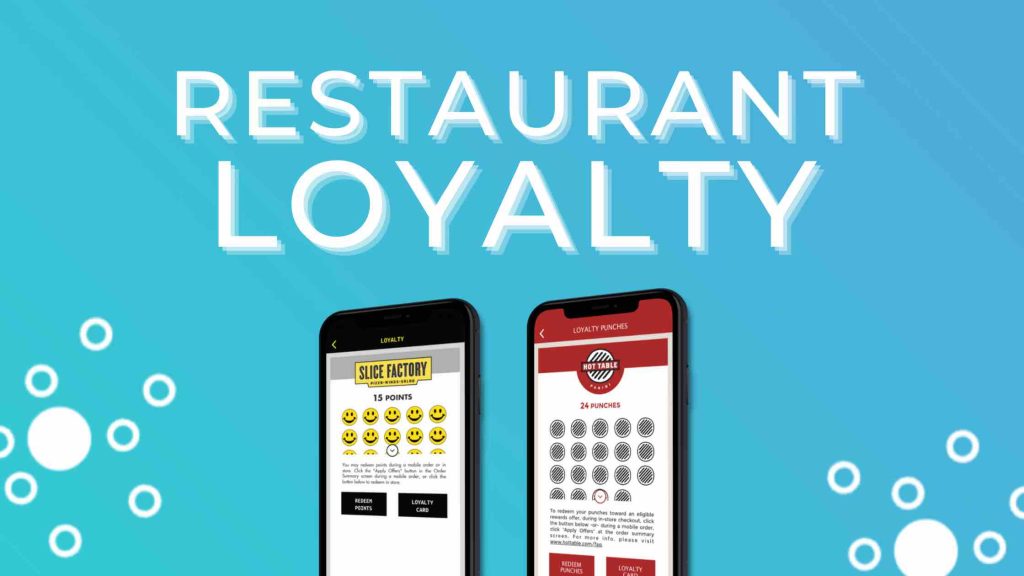
In the competitive world of restaurant marketing, standing out in local search results is often the difference between a packed dining room and empty tables. Traditionally, owners have focused on tactics like keyword-optimized websites and claiming their Google Business Profile to attract nearby customers. However, a powerful, often underutilized strategy sits at the intersection of customer loyalty and search engine algorithms: the restaurant loyalty program.
Far more than just a tool for driving repeat visits, a well-structured loyalty program actively fuels the very signals that search engines like Google use to determine local rankings. These programs do more than reward a free coffee after ten purchases; they systematically generate positive reviews, increase customer engagement, and encourage frequent mentions of your restaurant’s name, address, and phone number (NAP) across digital platforms. This creates a virtuous cycle where happy, loyal customers become vocal advocates, whose online behavior tells search engines that your establishment is a relevant, popular, and authoritative choice.
This guide will delve into the symbiotic relationship between loyalty initiatives and local SEO. We will explore how online reputation management and search optimization work in concert, detail the specific ranking signals that loyalty programs strengthen, and provide actionable marketing strategies to transform your loyal patrons into your most powerful asset for climbing the local search results.
How Online Reputation Management and SEO Work Together in Local Search

Local search engine optimization (SEO) and online reputation management (ORM) are not separate disciplines; they are two deeply interconnected pillars of a successful modern restaurant marketing strategy. Understanding their synergy is key to unlocking why a loyalty program is so effective.
At its core, local SEO is the process of optimizing your online presence so that your restaurant appears when potential customers in your area search for terms like “best Italian dinner near me” or “weekend brunch.” Search engines aim to provide the most useful and relevant results, and they rely on a multitude of signals to determine which businesses deserve top placement. While technical factors like a mobile-friendly website and accurate NAP citations are foundational, the decisive signals are increasingly behavioral and reputation-based.
This is where online reputation management comes in. ORM is the active practice of shaping public perception of your restaurant by monitoring and influencing what is said about you online—primarily through reviews, ratings, social media mentions, and overall sentiment. Search engines interpret this reputation data as a direct indicator of quality, relevance, and trust.
Here’s how they work together in a continuous cycle:
-
Reputation as a Ranking Factor: Search engines, especially Google, explicitly use review quantity, quality (star rating), recency, and sentiment as key local ranking factors. A restaurant with a steady stream of fresh, positive reviews is sending a strong signal of popularity and customer satisfaction, which search engines reward with higher visibility.
-
SEO Enhances Reputation Discovery: Effective local SEO ensures that your Google Business Profile and other listings are complete, accurate, and visible. This makes it easier for satisfied customers to find the places where they can leave a review (like your Google or Yelp profile). Without this foundational SEO work, even the happiest customer may struggle to contribute to your online reputation.
-
ORM Fuels SEO Content and Engagement: User-generated content from reviews and social media provides fresh, keyword-rich content for your profiles. When customers mention your “amazing fish tacos” or “cozy patio seating,” they are naturally incorporating the very search terms potential customers use. Furthermore, high engagement rates (responding to reviews, posting regularly) signal to algorithms that your business is active and attentive, further boosting credibility.
-
The Trust and Click-Through Cycle: A strong reputation directly influences user behavior in the search results. A restaurant with a 4.7-star rating and 200+ reviews will garner significantly more clicks than a competitor with a 4.0-star rating and 15 reviews, even if the latter is listed slightly higher. This higher click-through rate (CTR) is itself a powerful ranking signal, telling Google that its users find your listing appealing and trustworthy.
For restaurants, this means you cannot simply “set and forget” your Google Business Profile or focus solely on technical website SEO. You must actively cultivate a positive reputation. A loyalty program is the engine for this cultivation. It systematically creates a core group of repeat customers who are not only more likely to leave positive reviews but are also more engaged with your brand across multiple digital touchpoints. By intentionally designing your loyalty program to encourage these behaviors, you directly feed the reputation signals that search engines crave, creating a self-reinforcing loop that boosts your local search visibility and drives sustainable growth.
How Loyalty Programs Strengthen the Signals That Influence Local SEO
While local search algorithms are complex, they fundamentally seek to answer one question: “Which business is the most relevant, trustworthy, and popular choice for this searcher’s specific query and location?” A well-executed restaurant loyalty program directly and powerfully strengthens the core signals used to answer that question. It transforms satisfied customers into active participants in your SEO strategy, generating authentic signals that search engines interpret as strong indicators of quality.
Increased Reviews
Reviews are arguably the most significant reputation-based ranking factor in local SEO. Search engines view a steady stream of positive, recent reviews as a primary indicator of a business’s credibility and customer satisfaction. Loyalty programs are a potent engine for generating these crucial reviews.
-
Higher Propensity to Review: Loyalty members are, by definition, your most satisfied and invested customers. They have a vested interest in seeing your business succeed and feel a stronger emotional connection. This makes them 3-4 times more likely to leave a review compared to a one-time visitor.
-
Natural, Positive Sentiment: Reviews from loyal patrons tend to be more detailed, authentic, and enthusiastic. They often mention specific menu items, staff members, or the overall experience, which naturally incorporates relevant keywords and builds rich, useful content around your listing.
-
Volume and Velocity: A consistent loyalty program ensures a baseline of repeat customer traffic. This translates into a more consistent and reliable flow of review opportunities. Search engines don’t just look at the star rating; they assess the quantity and recency of reviews. A business that gains 5-10 new, positive reviews each month sends a far stronger ranking signal than one with sporadic review activity.
-
Direct Solicitation Channel: Your loyalty app or program provides a perfect, permission-based channel to politely request reviews. A post-visit email or in-app notification saying, “You just earned points for your visit! Let other food lovers know about your experience,” is highly effective because it targets an already-engaged audience.
More Engagement
Engagement refers to the actions users take when they interact with your business online. High engagement tells search engines that your business is interesting, relevant, and worthy of prominence. Loyalty programs create multiple layers of valuable engagement.
-
Direct Interaction with Your Profiles: Loyalty members frequently check their points balance, view rewards, or look up locations via your Google Business Profile or website. This increased direct traffic and interaction (“website clicks,” “direction requests”) are positive behavioral signals.
-
Social Media Amplification: Loyal customers are more likely to follow you on social media, like and share your posts, and tag your restaurant in their own content (e.g., “Using my reward for this free dessert!”). This social engagement often funnels back to search engines, demonstrating popularity and brand authority.
-
Email & SMS Interaction: Loyalty programs are built on communication channels like email and text. High open and click-through rates on your communications (e.g., “Your double points window is open!”) signal an actively interested audience. While these metrics aren’t a direct public ranking factor, the foot traffic and online activity they drive are.
-
Dwell Time & Website Interaction: When members log into a loyalty portal on your website or browse to claim an offer, they spend more time on your site (“dwell time”). This reduces bounce rates and indicates to search engines that your site provides value, improving its perceived authority.
Consistent NAP Mentions
NAP stands for Name, Address, and Phone Number. Citation consistency—having your exact NAP information uniformly listed across the web—is a foundational local SEO signal. Inconsistencies confuse search engines and erode trust, harming your rankings.
-
User-Generated Citations: Loyal customers become brand advocates. When they mention your restaurant in blog posts, forum recommendations (“You have to try the pizza at [Restaurant Name] on [Street Address]”), social media check-ins, or even casual online conversations, they are creating powerful, natural citations. These are seen as highly trustworthy by algorithms.
-
Strengthening Core Listings: Every time a customer uses your app to find your address, clicks “Call” from your Google Profile to ask about a reservation using a loyalty reward, or texts a friend your location, they are reinforcing the accuracy and usage of your primary NAP data.
-
Combating Incorrect Information: A dedicated base of regulars will often be the first to spot and report incorrect information online (e.g., an old address listed on a third-party site). This active community helps you maintain a clean, consistent online presence, which is critical for local search accuracy.
A loyalty program builds a self-reinforcing SEO engine. It cultivates a community that actively boosts your review profile, engages with your digital assets, and advocates for your brand across the web. These are not manipulative “tricks”; they are genuine, user-driven signals that search engines are designed to recognize and reward with higher local visibility.
4 Loyalty Program Marketing Strategy Tips That Enhance Visibility in Local Searches
Building a loyalty program is one thing; optimizing it to actively improve your local search presence is another. The following strategic tips are designed to ensure your program doesn’t just reward customers, but also generates the tangible signals that search engines prioritize, driving greater visibility in “near me” searches and local map packs.
Tip #1. Encourage Reviews
A loyalty program provides the perfect, permission-based relationship to ask for feedback. The goal is to systematically and seamlessly integrate review generation into the customer journey.
-
Strategic Timing is Everything: The optimal moment to ask is when the positive experience is freshest in the customer’s mind. Automate a post-visit email or SMS (24-48 hours after their check) that thanks them for using their loyalty account and gently directs them to leave a review. For example: “Thanks for dining with us and earning points! We’d be thrilled if you could share your experience on Google to let others know what to expect.”
-
Make the Process Frictionless: Do not send customers on a scavenger hunt. Provide direct, clickable links to your most important review platforms—primarily your Google Business Profile. One-click convenience dramatically increases conversion rates. Consider offering a modest loyalty point bonus (e.g., 50 bonus points) for a verified review to show appreciation for their time.
-
Leverage the In-App/In-Program Space: If you have a dedicated loyalty app or member portal, include a “Leave a Review” section within it. This capitalizes on a user already engaged with your brand digitally.
-
Train Staff to Onboard and Prompt: When staff signs up a new member, they should mention, “As a member, you’ll occasionally get invites to share your feedback to help us improve.” This sets the expectation. For highly satisfied verbal feedback, a server can say, “That’s so wonderful to hear! If you’d like to share that on our Google page, it would really help us out.”
Tip #2. Feature Loyalty Perks
Your loyalty benefits shouldn’t be a secret. Publicly showcasing them serves as both a powerful acquisition tool and a catalyst for online engagement that search engines notice.
-
Optimize Your Google Business Profile: Use the “Posts” feature on your GBP to announce new rewards, double-point weekends, or exclusive member-only dishes. These posts are visible in your local listing and can include compelling images, driving direct engagement (clicks) on the platform that most influences your local ranking.
-
Integrate into Social Media Content: Regularly feature loyalty perks in your social content. Create posts about “Member Mondays” or showcase a customer redeeming a fantastic reward. Encourage user-generated content with hashtags like #[YourRestaurant]Rewards. This social activity and tagging create brand mentions and local buzz that feed into your online authority.
-
Highlight on Your Website & Landing Pages: Dedicate clear, compelling copy on your website’s homepage and a dedicated page to your loyalty program. Explain the benefits using location-relevant keywords (e.g., “Join the Downtown Bistro Coffee Club” or “Earn rewards at our Lakeside location”). This provides search engines with relevant content to index and assures potential customers of your value.
-
Email Marketing with Localized Offers: Use your email list to send targeted offers that drive foot traffic during slow periods. For example, “Extra points for lunch visits this week!” This increases visit frequency and concentrated local engagement, signaling sustained popularity to search algorithms.
Tip #3. Stay Proactive About Reputation Management
Your loyalty program gives you a direct line to your most valuable customers, turning them into reputation ambassadors and providing critical feedback. Proactive management is key.
-
Monitor and Respond to All Reviews, Especially from Members: Use review management tools to alert you to new feedback. Prioritize responding to reviews from loyalty members—thanking them for positive reviews and addressing any concerns in negative reviews with an offer to discuss it offline. Public, professional responses show potential customers and search engines that you are attentive and care about customer experience.
-
Address Negative Feedback Privately and Promptly: If a loyalty member has a poor experience, follow up via their membership channel (email or app message). A message like, “We saw your recent feedback and are truly sorry we missed the mark. Please accept [a personalized reward] as our apology,” can turn a detractor back into a promoter, potentially leading them to update or amend their review.
-
Incorporate Feedback into Operations: Use the aggregated feedback from your loyal customers—your most honest critics—to make meaningful improvements to service, menu items, or the program itself. This leads to better experiences, which naturally generate better future reviews and stronger positive sentiment online.
Tip #4. Create Simple Rewards
Complexity is the enemy of participation. A simple, transparent, and immediately understandable program lowers the barrier to entry and encourages the frequent, habitual engagement that drives local SEO signals.
-
Easy-to-Understand Earning Structure: Use a straightforward point-per-dollar system (e.g., 1 point per $1 spent). Avoid tiered systems with confusing rules for casual diners. The goal is for a customer to intuitively know their status and next reward.
-
Achievable and Desirable Redemption: The first reward should be within easy reach (e.g., a free appetizer after 5 visits). This creates an early “win” that hooks the customer. Ensure rewards are items customers genuinely want, like popular menu items or a percentage-off discount, not obscure or low-value options.
-
Low-Friction Redemption: The redemption process must be seamless. Ideally, points are automatically tracked and rewards are easily applied at checkout via the app or by providing a phone number. Any friction at the moment of reward will cause frustration and drop-off in usage.
-
Clear Communication: Simplicity extends to communication. Use your program’s interface and receipts to clearly state: “You spent $45. You earned 45 points. You need 55 more points for a free dessert.” This clarity encourages repeat visits to achieve the next goal, driving the consistent engagement and visit frequency that underpins strong local performance.
By implementing these four strategies, you transform your loyalty program from a passive points system into an active local search marketing engine. It becomes a structured approach to generating reviews, boosting engagement, managing reputation, and fostering the repeat customer behavior that search engines interpret as strong, authentic signals of a business’s local relevance and authority.
Turn Customer Loyalty Into Tangible Local Search Growth
While loyalty programs generate powerful signals that search engines reward, their impact on your visibility depends entirely on execution. To achieve consistent local growth, businesses require a strategic system, not just good intentions.
This is where integrated expertise becomes essential. Professional local SEO services transform customer engagement into measurable results by systematically optimizing the key factors search engines prioritize: review generation, reputation management, and local search authority. This disciplined approach allows you to climb the rankings while actively shaping your brand’s online story.
Effective execution is built on a complete local growth foundation:
-
Consistent Review Generation
-
Comprehensive Review Monitoring
When your loyalty initiatives and local SEO strategy are fully aligned, growth becomes predictable. Success requires the right structure, technology, and expertise to connect these elements at scale.
Ready to transform your loyal customers into your greatest competitive advantage in local search? Let’s discuss a strategy for measurable growth.
Frequently Asked Questions About Loyalty Programs and Search Rankings
WHAT ROLE DO LOYALTY PROGRAMS PLAY IN LOCAL VISIBILITY?
Loyalty programs serve as a strategic engine for generating the authentic, user-driven signals that local search algorithms prioritize. They systematically encourage the specific behaviors—like leaving positive reviews, frequent engagement with business profiles, and online brand mentions—that search engines interpret as indicators of relevance, popularity, and authority. Essentially, they turn your happiest customers into active participants in your local SEO strategy, boosting your visibility in “near me” searches and local map results.
WHY IS REPEAT ENGAGEMENT IMPORTANT FOR SEARCH EXPOSURE?
Search engines interpret repeat engagement as a strong signal of business quality and relevance. When customers frequently visit your website, click on your Google Business Profile for directions or hours, interact with your posts, or use your loyalty app, it demonstrates sustained interest. This consistent activity tells algorithms that your business is a active, important, and useful result for local queries, helping to maintain and improve your ranking position over competitors with less engaged audiences.
HOW DOES CUSTOMER TRUST INFLUENCE ONLINE DISCOVERABILITY?
Trust is a cornerstone of local search rankings. It is measured through metrics like review sentiment, star ratings, and the consistency of business information. A loyalty program cultivates trust by fostering positive, repeated experiences. This trusted relationship makes members more likely to leave 5-star reviews, defend your brand online, and consistently choose you. Search engines then correlate this high trust signal with a lower risk of poor user experience, rewarding your business with greater discoverability.
CAN LOYALTY EFFORTS SUPPORT VISIBILITY WITHOUT PAID ADVERTISING?
Absolutely. While paid advertising can boost visibility quickly, loyalty efforts build organic, sustainable visibility. The reviews, engagement, and local citations generated by a loyal customer base are powerful organic ranking factors. This creates a foundation of visibility that persists regardless of ad spend. A strong loyalty program essentially uses your existing customer asset to fund your organic search presence, reducing long-term dependence on paid channels.
WHY DO SEARCH ENGINES VALUE CUSTOMER BEHAVIOR?
Search engines aim to predict and provide the best possible result for a user’s query. Customer behavior is the most direct feedback loop for what is “best.” Actions like clicking on a listing, spending time on a website, calling a business, or returning for multiple visits are tangible proofs of satisfaction. Search engines value this behavioral data because it moves beyond what a business says about itself to how real people actually interact with it, making the results more reliable and useful.
HOW DO LOYALTY PROGRAMS SUPPORT BRAND RECOGNITION?
Loyalty programs reinforce brand recognition through consistent, positive touchpoints. Members see your brand name each time they check points, receive an offer, or use a reward. This repeated exposure increases top-of-mind awareness. In local search, this is critical because when users recognize your brand name in the search results or local pack, they are significantly more likely to click on it—a behavior (click-through rate) that itself is a positive ranking signal.
WHAT SEPARATES STRONG LOYALTY PROGRAMS FROM WEAK ONES?
Strong loyalty programs are designed with explicit marketing and visibility goals in mind. They are simple to join and use, proactively encourage desired actions (like reviews), and are fully integrated into the customer journey and staff training. Weak programs are often passive, complex, and siloed—merely a transactional points system. The strong program views every member interaction as an opportunity to strengthen a local search signal, while the weak program only tracks a sale.
WHEN SHOULD LOYALTY PROGRAMS ALIGN WITH VISIBILITY GOALS?
Alignment should happen at the program’s inception. The design phase is when you can build in mechanisms for review generation, social sharing, and data collection. Trying to retrofit an existing program for visibility is less effective. Every element, from the sign-up process and reward structure to communication streams, should be crafted with the dual purpose of rewarding the customer and enhancing local search signals.
WHY IS CONSISTENCY IMPORTANT FOR CUSTOMER ENGAGEMENT?
Consistency builds habit and expectation. In local SEO, a steady, predictable stream of engagement signals to search engines that your business is reliably relevant. Sporadic bursts of activity are less powerful than a consistent pattern of visits, reviews, and online interactions. A loyalty program, by offering ongoing reasons to return and engage, provides this crucial consistency, helping to stabilize and grow your local search presence over time.
HOW CAN LOYALTY PROGRAMS SUPPORT COMPETITIVE DIFFERENTIATION?
In competitive markets, many restaurants may have similar SEO basics (claimed profiles, websites). A loyalty program provides a unique layer of competitive advantage by generating a superior volume and quality of ranking signals. Your program can help you amass more positive reviews, higher engagement rates, and greater local brand buzz than a competitor without one. This user-generated competitive moat is difficult for others to replicate quickly.
WHAT IMPACT DOES PROFESSIONAL SUPPORT HAVE ON LOYALTY-DRIVEN VISIBILITY?
Professional marketing or SEO support can optimize the integration between your loyalty program and your local search strategy. Experts can ensure loyalty data is used to improve local listing content, target review solicitation effectively, and respond to reputation issues strategically. They can also implement tracking to measure how loyalty member actions directly correlate with search ranking improvements, allowing for data-driven refinements to maximize visibility ROI.
WHY DO GROWING BUSINESSES INVEST IN SEO SUPPORT?
Growing businesses invest in SEO support to scale their visibility efforts efficiently and correctly. As a loyalty program expands, the volume of data and customer touchpoints increases. SEO professionals can systematize the process of converting that customer activity into search engine authority, manage complex citation landscapes, and navigate algorithm changes. This allows the business owner to focus on operations while ensuring the loyalty program’s full potential for driving discoverability is realized.
HOW DO LOYALTY PROGRAMS SUPPORT LONG-TERM CUSTOMER VALUE?
Loyalty programs directly increase Customer Lifetime Value (LTV) by increasing visit frequency and purchase size. From a local search perspective, a high-LTV customer is worth exponentially more. They contribute numerous reviews over time, generate constant engagement signals, and become brand advocates for years. This long-term stream of positive signals provides compounding SEO benefits, continually reinforcing your local authority and making your visibility more durable.
HOW DO LOYALTY PROGRAMS SUPPORT LOCAL SEARCH MARKETING AT THE DECISION STAGE?
The “decision stage” is when a potential customer is comparing a few final options in the local pack. At this critical moment, your loyalty program contributes decisive social proof. A searcher will see the volume of positive reviews largely driven by loyal members. They may also see posts or offers highlighting attractive loyalty perks. This can be the final differentiator that tips the scale, convincing the searcher that your restaurant is not only popular but also rewards its customers, leading to the click and visit.
Read More: How Google Web Guide Is Transforming SERPs and What It Means for Your SEO Strategy


