


Focus Keywords are the main search terms a page is built around. In simple terms, this is the primary query you want Google to connect with that specific page. It gives your content a clear direction, so your title, headings, copy, and supporting details all work toward one search intent.
A good target phrase is not just a word you like. It should match what your audience is actually typing into search engines. It also needs to fit the page’s goal. A blog post may target an informational query, while a product page may target a buying term. Google’s own guide on creating helpful content supports this people-first approach: Google Search Central.
Think of it as the main topic signal for one URL, not a list of every phrase you want to rank for. Related terms, synonyms, and long-tail variations should support that main topic naturally. [Internal Link: Keyword clustering guide]
- SEO blog example: A post about beginner SEO may target “on-page SEO checklist” and include related phrases like meta tags, headings, and internal links.
- SaaS landing page example: A CRM tool page may target “sales CRM software” while also using terms like pipeline tracking and lead management.
- E-commerce example: A product page for running shoes may target “women’s trail running shoes” and support it with size, grip, and waterproof details.
This is where many sites go wrong. They try to optimize one page for several unrelated searches, which weakens relevance. A stronger approach is one page, one core topic, backed by closely connected terms. If you want to learn how search demand and page intent work together, see Moz’s keyword research guide and [Internal Link: Search intent guide].
A focus keyword is the single search phrase that best sums up what a page is about. It acts like a clear target for your content, helping search engines understand the page’s main topic and helping readers know they are in the right place.
Rather than stuffing one term everywhere, use one primary query with closely related phrases that support it. For example, a blog post might center on “email marketing tips,” a SaaS page on “project management software,” and a product page on “leather office chair.”
A primary search term helps shape every key part of a page, from the title and headings to the examples and call to action. When that core phrase is clear, the content stays focused and easier to understand. Search engines also get a stronger topic signal.
For example, a blog targeting “technical SEO audit” should not drift into link building. Meanwhile, a SaaS page for “team chat software” should center on messaging features, not project planning.
Even in 2026, Focus Keywords still matter because search engines need a clear topic signal for each page. AI results, entity understanding, and semantic search are stronger now, but they still reward pages with a defined main query and tight supporting terms.
A blog targeting “local SEO audit” can rank better when the topic stays narrow. A SaaS page for “employee scheduling software” converts better when messaging matches search intent. An online store page for “ergonomic desk chair” performs better when product details support that core topic. [Internal Link: Keyword mapping guide]
Focus Keywords vs. Related Terms
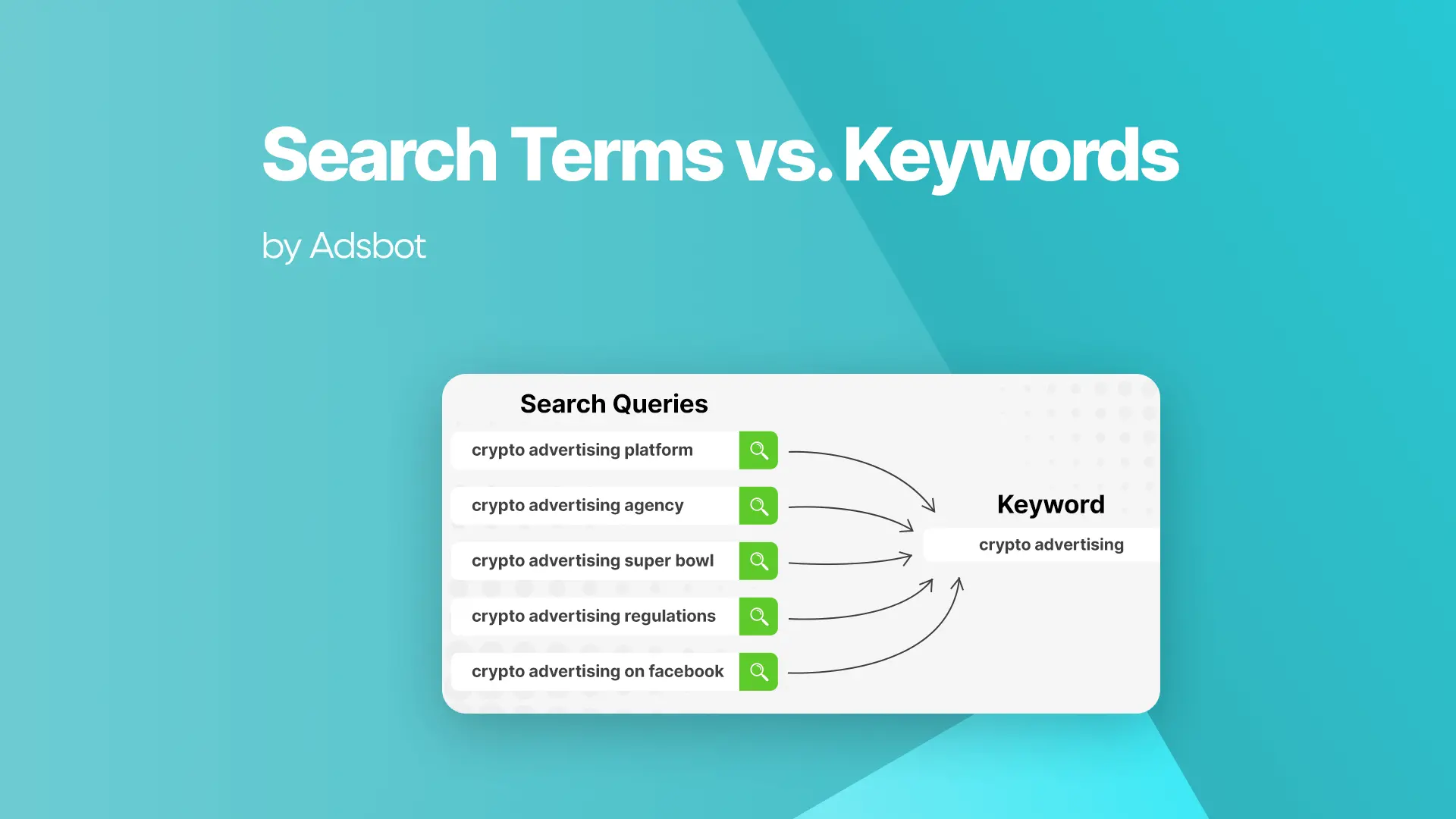
A primary keyword is not the same as every phrase that appears on the page. The main query gives the page a clear center. Related terms add depth, context, and natural language that helps both readers and search engines understand the full topic.
Think of it this way: the core phrase tells what the page is mainly about, while supporting phrases explain the subtopics, features, questions, and use cases around it. That difference matters because a page can rank for many searches without trying to force all of them into the title, URL, and headings.
Main term vs. supporting terms
Focus Keywords are usually the best single match for the page’s main intent. Related keywords are close variations, longer phrases, and semantic terms that connect to the same topic.
- Main term: “email marketing software”
- Related terms: email automation tool, newsletter platform, campaign tracking, subscriber management
- Supporting questions: how to automate emails, best email tool for small business
This mix helps a page sound complete instead of repetitive. It also reduces the risk of keyword stuffing, which still hurts clarity in 2026.
Why the difference matters
An SEO blog post may target “keyword clustering” as the main query, then naturally include topic clusters, semantic grouping, and search intent mapping. That approach gives the article broader reach without losing focus. [Internal Link: Keyword clustering guide]
A SaaS landing page might center on “help desk software” but also use terms like ticket routing, customer support platform, SLA tracking, and shared inbox. Those related phrases match real buyer language and can improve conversions.
An e-commerce page for “wireless gaming mouse” may also mention low latency, programmable buttons, battery life, and ergonomic grip. Each phrase supports the product topic, but none should replace the main target of the page.
How to use them together
Start with one clear primary query. Then add closely connected keyword variations where they fit naturally: headings, body copy, image alt text, FAQs, and internal anchor text. Do not mix in unrelated searches just because they have volume.
Google’s guidance on helpful content supports this topic-first approach: .For deeper research workflows, see Keyword mapping guide and Ahrefs’ keyword research guide.
Focus keyword vs. primary keyword
A focus keyword is often the exact phrase you optimize around inside an SEO tool. A primary keyword is the broader main query the page is meant to rank for. In many cases, they are the same, but not always.
For example, a blog post may use “best CRM for startups” as the main target, while the tool tracks “startup CRM.” A product page may center on “running shoes for flat feet,” even if the tracked term is “flat feet running shoes.” The goal is the same: one clear topic, matched to search intent. [Internal Link: On-page SEO guide]
Focus keyword vs. secondary keywords
A focus keyword is the main phrase you want a page to rank for. Secondary keywords are close variations, subtopics, and related questions that add context without changing the page’s core intent.
For example, a page targeting Focus Keywords might also include target keyword, primary term, SEO keyword, and keyword selection. An SEO blog can rank for “how to choose a target keyword” while still staying centered on one main idea. A Shopify product page for “organic dog treats” may also use grain-free snacks and natural dog rewards. [Internal Link: Search intent guide]
This balance helps search engines understand the topic and helps readers find fuller answers.
Focus keyword vs. topic clusters and entities
Focus Keywords point to one main query for a page. Topic clusters organize many related pages around a larger subject. Entities are the people, places, products, or concepts search engines connect to that subject.
Think of it this way: one article may target “email marketing tips,” while the cluster also includes automation, subject lines, and list growth. Meanwhile, entities like Mailchimp, open rates, and A/B testing help Google understand context. Google’s structured data guide supports this entity-based view.
Use one target term per page, then support it with related pages and clear context signals. [Internal Link: Topic cluster guide]
Real example: one page, one main intent, many supporting terms
Take one page about “best email marketing software.” The main intent is comparison, not setup tips or pricing alone. Supporting terms can include email tools for small business, Mailchimp alternatives, automation features, and free email platforms.
- SEO blog: “best email marketing software” supported by “top tools” and “email automation platforms.”
- SaaS page: “project management app for teams” supported by “task tracking” and “team collaboration software.”
- E-commerce page: “women’s trail running shoes” supported by “grip,” “water-resistant,” and “lightweight.”
This keeps one clear goal while widening relevance.
Why Focus Keywords Matter for SEO
Picking the right main search term matters because it gives each page a clear job. Search engines do not want to guess what a page is about. Readers do not want to dig through mixed messages either. A strong target phrase helps both sides understand the page fast.
That clarity improves rankings, clicks, and conversions. When your content matches one core search intent, Google can connect it to the right query. Users also feel they landed in the right place, which can lower bounce rates and increase time on page. Google’s helpful content guidance supports this idea.
How one clear target helps
- Better topical relevance: Your title, headings, copy, and supporting terms work together around one subject.
- Stronger intent match: A page can serve one need well, whether that is learning, comparing, or buying.
- Cleaner site structure: You avoid publishing several pages that compete for the same query. [Internal Link: Keyword cannibalization guide]
- Easier optimization: Internal links, metadata, and content updates become more focused. [Internal Link: On-page SEO checklist]
Here is where many sites go wrong: they target broad ideas instead of specific search needs. An SEO blog that aims for “SEO tips” may struggle, but a page built around “local SEO tips for dentists” has a clearer audience and a better chance to rank. A SaaS landing page targeting “CRM software” is often too wide, while “CRM for real estate teams” speaks to a defined buyer. An e-commerce store may see better results from “waterproof hiking backpack 30L” than from “hiking backpack.”
Focus Keywords also help you measure success. You can track rankings, clicks, and conversions against one primary theme instead of guessing which query drove results. That makes content audits and updates much easier over time. [Internal Link: Content audit guide]
In short, Focus Keywords are not just an SEO box to fill in. They shape page relevance, user experience, and business outcomes when chosen with care.
How focus keywords improve topical clarity
Topical clarity means every page sends one strong signal. When your main term, related phrases, and page sections all support the same subject, search engines can classify the content faster. Readers benefit too because the message feels consistent from the title to the final call to action.
For example, a blog post about local SEO for dentists should not drift into general marketing advice. Likewise, a SaaS page for CRM for real estate teams should stay centered on that use case. Focus Keywords help keep content tight, relevant, and easier to rank. [Internal Link: Search intent guide]
How they shape on-page optimization and internal linking
A primary term also guides on-page SEO choices. It helps you write a tighter title tag, cleaner URL, sharper headings, and image alt text that stays on topic without stuffing. Related phrases then support the page naturally. Google’s title link guidance is useful here.
Internal linking gets better too. A blog about local SEO can link to a service page using descriptive anchor text, while a SaaS feature page can point to a pricing or comparison guide. An e-commerce category page may link to size, shipping, and product care content. [Internal Link: Internal linking guide] [Internal Link: Keyword clustering guide]
How they support search intent and conversions
Good keyword choices connect the page to the reason behind the search. Informational queries need clear answers, while commercial and transactional searches need proof, benefits, and a strong next step. That alignment often lifts both engagement and sales. For example, a blog targeting “how to fix crawl errors” should teach first, while a SaaS page for “CRM for real estate teams” should drive demos. Google’s helpful content guidance supports this approach.
What focus keywords do not guarantee
A strong target term does not guarantee rankings, traffic, or sales on its own. Search results still depend on content quality, search intent match, site authority, page speed, links, and competition.
For example, a helpful SEO blog can miss page one if stronger sites cover the same topic better. A SaaS landing page may rank yet fail to convert if the offer is weak. An e-commerce page can target the right phrase but lose clicks because of poor titles or reviews. On-page SEO guide can help you spot these gaps.
How to Choose the Right Focus Keyword
Choosing the best target term is less about finding the highest search volume and more about matching one page to one clear goal. A smart choice helps the page rank for the right queries, attract the right visitor, and move that visitor toward the next step. That is why this process should start with strategy, not a keyword tool.
Before you pick anything, ask three simple questions. What does the searcher want? What do you want this page to do? Can your site realistically compete for that query in 2026? If one of those answers is weak, the keyword is usually weak too.
Start with the page goal
Every page needs one main job. A blog post may aim to educate. A landing page may aim to book demos. A product page may aim to drive sales. The keyword should support that goal, not fight it.
If the page is meant to convert, avoid broad informational terms that attract casual readers. On the other hand, if the page is a guide, do not force a buyer keyword into it. Search intent and business purpose should point in the same direction. [Internal Link: Search intent guide]
- Blog post: choose problem-solving or how-to phrases.
- Service page: choose commercial phrases with clear need.
- Product page: choose transactional terms with product detail.
- Category page: choose broader buying phrases with strong product relevance.
Check search intent first
Search results tell you what Google believes users want. That makes the search engine results page one of the best research tools you have. Look at the top results for your candidate phrase and study the pattern.
Are the results mostly blog posts, product pages, category pages, videos, or tools? Do they answer beginner questions or compare vendors? Is the query local, commercial, or purely informational? If your page type does not match the result pattern, pick another target term.
Google explains this idea in its guidance on creating helpful content.
A simple rule helps here: do not try to rank a product page for a query where users clearly want a tutorial. Likewise, do not use a blog article to chase a term where searchers want pricing or product comparisons.
Balance volume, difficulty, and value
High search volume looks exciting, but it can be misleading. Many broad terms are hard to rank for and bring weak conversion intent. A lower-volume phrase often brings better visitors because it is more specific.
Instead of chasing the biggest number, weigh three factors together:
- Search demand: enough interest to justify the page.
- Competition: a realistic chance to earn visibility.
- Business value: potential to drive leads, sales, or qualified traffic.
For many sites, the best option is a mid-volume long-tail query with clear intent. It is easier to rank, easier to satisfy, and often easier to convert. [Internal Link: Long-tail keyword guide]
Look for topic fit, not exact-match obsession
One mistake many teams still make is picking a phrase just because it appears in a keyword tool. A better method is to choose a term that fits the topic cluster around the page. That means the page can naturally include related questions, supporting phrases, and close variants.
Focus Keywords should act like a center point, not a cage. If your target term is too narrow, the page may feel forced. If it is too broad, the content may drift and fail to satisfy any one need well.
Use Google Search suggestions, People Also Ask, and related searches to test whether the topic has strong semantic support. You can also review Google Search Console data if the site already has some visibility is a useful starting point.
Use real-world checks
A keyword may look strong in a tool but still be the wrong choice. That is why manual review matters. Check the live search results, the ranking domains, and the quality of the pages already winning.
- Can your content be more useful than what ranks now?
- Does your brand have enough authority for that space?
- Can you offer a clearer angle, better examples, or fresher data?
- Will the term still matter to your audience through 2026 and beyond?
If the answer is no across the board, move to a more specific keyword target.
Examples of smart keyword selection
SEO blog example: A marketing site first considered “SEO tips,” but the term was broad and crowded. The team switched to “technical SEO checklist for small sites.” Search volume was lower, but intent was clearer. The page earned qualified traffic and attracted newsletter signups because the topic matched a real problem.
SaaS landing page example: A CRM company wanted to target “best CRM.” That phrase was too competitive and favored review pages. Instead, they built a page around “CRM for real estate teams.” The match between product, audience, and intent was much tighter, which improved demo requests.
E-commerce example: An online store targeted “running shoes” on a product page and struggled. The query favored category pages from major brands. After shifting the page strategy to “women’s waterproof trail running shoes,” the page aligned better with buyer intent and began converting more efficiently.
Build a simple selection framework
To choose well and stay consistent, score each candidate phrase against a few practical factors:
- Intent match: does it fit the page type?
- Audience fit: is this what your ideal visitor would search?
- Topic depth: can you cover it fully and clearly?
- Competition level: can your site compete?
- Conversion potential: does it support a business outcome?
- Internal link support: can related pages strengthen it?
This approach is often more useful than trusting search volume alone. It also makes content planning easier across blogs, service pages, and product pages. [Internal Link: Content strategy guide]
In short, the right keyword is not always the biggest or most popular one. It is the one that best matches search intent, page purpose, site strength, and business value. When those signals line up, your page has a much better chance to rank, earn clicks, and deliver results.
Start with the page’s core goal
Before you pick a target term, define what this page must do. Is it meant to teach, drive signups, book demos, or sell a product? That goal should guide your keyword choice more than raw search volume.
For example, a blog post may target an educational query, while a SaaS page should focus on high-intent terms tied to product value. An online store product page needs buyer-ready phrases, not broad research terms. Strong Focus Keywords support the page’s job, audience stage, and next step. If the keyword attracts the wrong visitor, even good rankings will not help much. [Internal Link: Search intent guide]
Confirm search intent before anything else
Check the search intent before you commit to any target phrase. Ask a simple question: what does the searcher want right now? If the results page is full of guides, a product page will struggle. If it shows category pages, a blog post is the wrong fit.
- Informational: “what are focus keywords”
- Commercial: “best keyword research tools”
- Transactional: “buy rank tracker software”
Look at Google’s top results, SERP features, and title patterns. An SEO blog should match guide-style results. A SaaS page should match solution-focused queries. An e-commerce page should match shopping terms. This step saves time and prevents weak rankings. Google’s helpful content guidance is a useful reference. [Internal Link: SERP analysis guide]
Balance search volume, difficulty, and business value
Next, weigh three numbers together: demand, ranking difficulty, and business impact. A term with huge traffic may be too competitive or too broad to convert. On the other hand, a lower-volume phrase can bring better leads if it matches a clear need.
- SEO blog example: “keyword research tips” has high volume, but “keyword research for local businesses” may be easier and more qualified.
- SaaS example: “CRM software” is tough, while “CRM for small law firms” can drive stronger demo requests.
- E-commerce example: “running shoes” is broad, but “women’s waterproof trail running shoes” has clearer buying intent.
Choose Focus Keywords that offer realistic wins and real revenue potential. Check tools like Google Trends and compare against your sales goals. [Internal Link: Keyword difficulty guide]
Prioritize specificity over broad vanity terms
Broad terms look attractive, but they often bring weak-fit traffic and tougher competition. A more specific target usually matches intent better and gives your page a clearer job.
- SEO blog: Instead of “SEO tips,” target “SEO tips for real estate agents.”
- SaaS page: Instead of “project management software,” use “project management software for architects.”
- E-commerce page: Instead of “office chair,” choose “ergonomic office chair for short people.”
These longer phrases may have less volume, but they often convert better. Strong Focus Keywords should attract the right visitor, not just more visitors. Use modifiers like audience, use case, location, or problem. Google’s advice on creating useful, people-first content also supports this approach.
Use SERP analysis to validate the keyword
Before you lock in a term, study the live results page. Search your target phrase in an incognito window and review the top 10 pages. Look for content type, freshness, domain strength, and SERP features like featured snippets, videos, or product grids.
- SEO blog example: If “Focus Keywords” shows beginner guides, a deep technical post may be a poor fit.
- SaaS example: If “email marketing automation” returns comparison pages, a direct sales page may struggle.
- E-commerce example: If “wireless earbuds for running” shows category pages, do not target it with a single product page.
This check helps confirm ranking potential and content fit. Use Google Search Console and [Internal Link: Content gap analysis guide] to spot missed angles.
Check whether your site can realistically rank
Even a good term can fail if your site lacks the strength to compete. Compare your domain, backlink profile, and topical depth with the pages already ranking. A newer blog may win with a narrow how-to query, while a trusted brand can target broader search terms.
- SEO blog example: A new site should target “technical SEO checklist for Shopify” before chasing broader Focus Keywords.
- SaaS example: A startup may rank faster for “HIPAA email tool for clinics” than “email software.”
Use Ahrefs Website Authority Checker and [Internal Link: Topical authority guide] to judge your odds honestly.
Mini case study: choosing between a broad and long-tail keyword
A quick example shows the trade-off clearly. An online store first considered “running shoes,” but the term was too broad, highly competitive, and unclear in intent. Instead, it chose “women’s trail running shoes for wide feet.” That phrase had lower volume, yet it matched a clear buyer need and led to stronger conversions.
- Broad term: More searches, weaker fit, harder to rank.
- Long-tail term: Fewer searches, stronger intent, easier to win.
For most sites in 2026, better Focus Keywords are the ones that match a specific problem. Google’s helpful content guidance supports this strategy.
A quick focus keyword selection checklist
- Intent match: Does the query fit your page type and the searcher’s goal?
- Realistic difficulty: Can your site compete with the pages ranking now?
- Business value: Will this term attract visitors who may convert?
- Specific wording: Add clear modifiers like audience, feature, problem, or location.
- Evidence: Confirm demand in Google Trends and [Internal Link: Keyword research guide].
If a term fails two or more checks, choose a better keyword target.
How Many Focus Keywords Should a Page Have?
In most cases, one page should have one primary keyword target and a small group of close variations. That keeps the page clear for readers and easier for search engines to understand. Trying to rank one URL for too many unrelated terms often weakens the page.
A good rule is simple: use one main term, then support it with 3 to 6 related phrases, subtopics, and natural variants. Those can include long-tail versions, question keywords, and topic modifiers. This approach gives your content range without making it unfocused.
- SEO blog example: A post targeting “site audit checklist” can also cover “technical audit steps,” “SEO audit template,” and “how to audit a website.”
- SaaS landing page example: A page for “project management software for agencies” may also include “agency workflow tool” and “client project tracking software.”
- E-commerce example: A category page for “men’s waterproof hiking boots” can support terms like “lightweight hiking boots” and “trail boots for rain.”
The key is relevance. If the phrases share the same intent, they can live on one page. If they point to different needs, build separate pages instead. For example, “best CRM for startups” and “how CRM works” should not usually be forced into one URL.
When using Focus Keywords, avoid stuffing the exact phrase again and again. Google is better at understanding related language in 2026, so semantic coverage matters more than repetition. Use Google’s SEO Starter Guide and [Internal Link: Keyword clustering guide] to group terms the right way. [Internal Link: On-page SEO guide] can help you map one main topic to each page.
Why one primary focus keyword usually works best
One primary keyword usually works best because it gives the page a clear job. Search engines can match the topic faster, and readers stay on track. When one URL tries to target several different intents, rankings often split or stall.
For example, an SEO blog post aimed at “keyword clustering” should not also chase “technical SEO audit.” A SaaS page for “team chat software” should not target “video conferencing tools” too. Keep one main target, then support it with close variants.
When close variants can belong on the same page
Close variants can stay on one page when the meaning and search intent are nearly identical. Think singular vs. plural, small wording changes, or reordered phrases. For example, “email subject line tester” and “subject line test tool” fit one SaaS page. An e-commerce page can target “running shoes for flat feet” and “flat foot running shoes” together.
- Same need, same stage, same page.
- If the SERPs differ a lot, split them.
When multiple keywords signal keyword cannibalization
Keyword cannibalization often shows up when two or more URLs compete for the same search intent. One week your blog post ranks, then your landing page replaces it. Traffic, clicks, and conversions become unstable.
- SEO blog: “keyword research template” and “free keyword research template” split rankings.
- SaaS: a feature page and comparison page both target “CRM for freelancers.”
- E-commerce: two similar category pages chase the same boot query.
Audit overlapping pages in Google Search Console and [Internal Link: Content audit guide].
Where to Use Focus Keywords Without Over-Optimizing

You do not need to place your main search term in every line to help a page rank. Smart placement matters more than repetition. In 2026, search engines use page structure, context, and related terms to understand topic relevance.
A good rule is simple: put your primary phrase where users expect it, then write naturally everywhere else. That keeps the page clear, readable, and less likely to look spammy.
Best places to add your main term
- Title tag: Use the core phrase once, preferably near the beginning if it fits naturally.
- H1: Make the page topic obvious with a clear headline.
- Intro paragraph: Mention it early, but only once if possible.
- URL slug: Keep it short and descriptive.
- Meta description: Add the term if it reads well and improves click appeal.
- One or two subheadings: Use a close variation, not the exact same wording every time.
- Image alt text: Only when the image truly shows that concept.
- Anchor text: Internal links should sound natural, not forced. See [Internal Link: On-page SEO guide].
After that, rely on supporting language. Use related phrases, common questions, product details, benefits, and topic-specific terms that match search intent.
How this looks in real pages
SEO blog example: A post about keyword clustering can place the main term in the title, H1, intro, and one subheading. The rest of the article can use variations like “search terms,” “topic groups,” and “intent-based clusters.” That gives full coverage without sounding robotic. [Internal Link: Keyword clustering guide]
SaaS landing page example: A page targeting “project management software for agencies” should use the phrase in the title and hero copy, then shift into natural support terms like “client workflows,” “task tracking,” and “team deadlines.” This often improves conversions because the copy sounds human.
E-commerce product page example: A category page for waterproof hiking boots can use the core term in the title, H1, short intro, and filters. Product descriptions can then mention “wet-weather traction,” “ankle support,” and “breathable lining” instead of repeating the same phrase.
What to avoid
- Do not force the exact term into every heading.
- Avoid repeating it in every image alt tag.
- Do not stuff footer links or navigation with the same anchor text.
- Skip awkward copy written only for search engines.
If you want a simple check, read the page out loud. If the wording sounds unnatural, reduce repetition. Google’s helpful content guidance and SEO Starter Guide both support writing for people first. For deeper placement tips, see [Internal Link: Meta tags guide] and [Internal Link: Internal linking guide].
Use focus keywords in the title, H1, and intro naturally
Place Focus Keywords in the title, H1, and opening lines only if they fit the sentence. Search engines use these spots to confirm the page topic, while readers use them to decide if they should stay. A clear headline like “How to Choose the Right SEO Keyword” works better than a stuffed version. In the intro, add the main phrase once, then switch to natural terms like target query, primary term, or search topic. For title writing tips, see Google’s title link guidance.
Add them to subheads only where they help clarity
Use subheads to guide readers, not to repeat the same phrase. In most pages, adding the exact term to one helpful subheading is enough. Other sections can use clear variants such as “primary keyword,” “search intent,” or “related terms.” For example, an SEO guide might use “Match Search Intent First,” while a SaaS page could use “Features Teams Actually Need.” This keeps headings useful and skimmable.
Optimize URLs, meta tags, and image attributes carefully
Keep URLs short, readable, and close to the page topic. A slug like /focus-keywords-guide is better than a long string with dates or filler words. Write a unique title tag and meta description that match search intent and invite clicks. For images, use clear file names and alt text that describes what is shown, not a keyword list.
- SEO blog: /seo-keyword-research-basics often outperforms /blog/post-12345.
- SaaS page: “CRM for nonprofits” in the title tag can lift qualified clicks.
- E-commerce: Alt text like “women’s waterproof trail shoe in blue” helps image search.
See Image SEO guide and Google’s snippet guidance.
Strengthen relevance with internal anchors and supporting terms
Internal links help search engines connect your page to related topics. Use descriptive anchor text that sounds natural, such as “keyword mapping,” “search intent examples,” or “on-page SEO basics,” instead of repeating Focus Keywords every time. Supporting terms in nearby copy also strengthen context.
- SEO blog: Link “topic clusters” to [Internal Link: Keyword clustering guide].
- SaaS page: Link “CRM setup checklist” to a product use-case page.
- E-commerce: Link “waterproof hiking shoes” to a related category page.
See Google’s link best practices for more.
Example: a well-optimized page versus a stuffed page
A clean page reads naturally and stays on topic. An overstuffed page repeats the same search term in every line, which feels awkward and unhelpful. For example, an SEO blog that says “keyword research tips for beginners” once in the title and early copy usually performs better than a version that forces it into every heading. Likewise, a SaaS landing page focused on “team chat software” should explain benefits first. See On-page SEO checklist.
Keyword Mapping and Content Planning
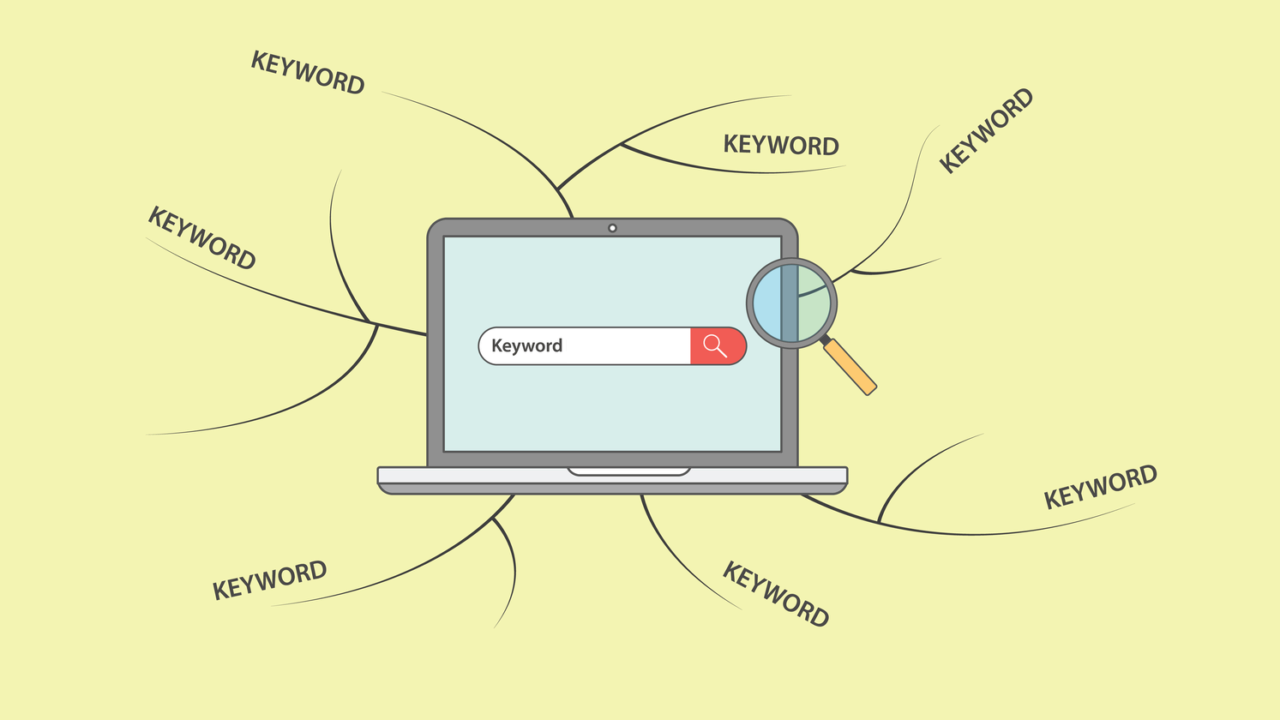
Turn research into a page plan
Keyword mapping means assigning one main search theme to one page. This step stops pages from competing with each other. It also helps you decide what to create, update, merge, or remove.
Start with a simple sheet. List each target query, its intent, the best page type, and the URL you want to rank. Then add related terms, common questions, and internal links. This gives every page a clear job in your site structure.
In most cases, one page should target one core topic, not every variation. That does not mean using only one phrase. It means covering the topic with natural supporting terms, subtopics, and examples. Focus Keywords work best when they guide content planning instead of controlling every sentence.
Build clusters around intent
Group related terms by what the searcher wants. Informational terms usually fit blog posts, commercial terms fit comparison pages, and transactional terms fit product or service pages. This makes your content easier to scale in 2026, especially as search results become more intent-driven and AI summaries pull from well-structured pages.
- SEO blog example: Map “what are focus keywords” to a guide, then support it with pages on keyword research, search intent, and on-page SEO.
- SaaS example: Map “project management software for agencies” to a landing page, while “how agencies manage client work” fits a blog post.
- E-commerce example: Map “men’s waterproof hiking boots” to a category page, while “best hiking boots for wet weather” fits a buying guide.
This approach reduces overlap and gives internal links a clear path. See [Internal Link: Content hub strategy] for a practical template.
Prioritize what to publish first
Not every topic deserves a new page. Check if you already have a page that matches the query. If yes, improve it before creating another one. If no page fits, add the topic to your content calendar based on business value, ranking difficulty, and search demand.
A smart content plan often includes:
- High-intent pages that can drive leads or sales
- Supporting articles that answer early-stage questions
- Refreshes for old pages with declining traffic
- Internal links between related pages
For planning at scale, use Content audit guide and review Ahrefs’ keyword mapping overview.
Assign one focus keyword per page or intent
Give each page one main target based on a single search intent. When a page tries to rank for mixed goals, relevance gets weak and other pages may compete with it. A blog post can answer “how to choose a target term,” while a tool page should target a product-led query.
- SEO blog: one guide for “keyword research basics,” not the same page for audits and clustering.
- SaaS page: one landing page for “CRM for startups,” not a broad software roundup.
Use Focus Keywords as the page’s anchor, then add close variants and related questions. See [Internal Link: Search intent guide].
Build clusters around related search needs
Create small topic groups that answer closely related questions, not just similar phrases. A cluster helps one main page rank better because support articles add context, links, and depth. This also makes Focus Keywords easier to scale across a site without cannibalizing pages.
- SEO blog: Build a pillar on keyword research, then add posts on SERP analysis, search intent, and content briefs.
- SaaS site: Support a team collaboration page with articles on onboarding, workflow templates, and use cases.
- E-commerce: Pair a category page with size guides, care tips, and comparison content.
Use [Internal Link: Topic cluster guide].
Prevent cannibalization with a keyword map
A keyword map helps you stop two URLs from chasing the same query. First, list every live page, its main term, search intent, and page type in one sheet. Next, flag overlaps and decide which URL should win.
- SEO blog: If two posts target “Focus Keywords” and “target keywords,” merge them or set one as support content.
- SaaS site: Keep a pricing page and a feature page on different terms to avoid mixed signals.
- E-commerce: Separate category, product, and buying-guide targets.
Mini workflow: mapping focus keywords across a small site
Start with a simple sheet: URL, page type, main term, intent, and status. Then map one primary topic to each live page. Next, add close variants as secondary targets, not new pages.
- SEO blog: /keyword-research-guide/ = “keyword research basics”; /search-intent/ = “search intent explained.”
- SaaS site: /crm-for-startups/ = startup CRM term; /crm-pricing/ = pricing intent.
- E-commerce: /running-shoes/ = category query; /running-shoes-size-guide/ = support content.
This quick process keeps Focus Keywords organized as your site grows.
Advanced Focus Keyword Strategies for 2026
Use SERP signals, not guesswork
In 2026, advanced keyword selection starts with the search results page itself. Search volume still matters, but it should not drive the final choice alone. Look at what Google already ranks, then match the winning format, angle, and depth.
Check the top results for patterns. Are they guides, product pages, tools, comparison posts, or category pages? Notice featured snippets, People Also Ask boxes, video results, and shopping features. These clues show what users expect.
- SEO blog example: A page targeting “content brief template” may rank better as a downloadable template page, not a long theory article.
- SaaS example: A landing page for “project management software for agencies” should include feature comparisons, proof, and pricing cues if competing pages do the same.
- E-commerce example: A page for “waterproof hiking boots men” needs filters, reviews, shipping details, and clear category intent, not a blog-style intro.
Prioritize business value
Not every high-intent query is worth equal effort. Strong keyword strategy now weighs ranking potential against revenue value, lead quality, and content upkeep. This helps you choose terms that support traffic and results.
Try a simple scoring model with four points: relevance, intent strength, competition level, and business impact. A lower-volume term with clear buying intent may beat a broad phrase with weak conversion value.
- Mini case: A B2B SaaS company chose “invoice automation software for small business” over a wider accounting term. Traffic was lower, but demo requests increased because the query matched the product closely.
For planning help, see [Internal Link: SEO prioritization framework].
Refresh terms with live data
Advanced teams do not set a keyword once and forget it. They review Search Console, paid search data, and on-page engagement to find better supporting terms. This reveals rising phrases, missed subtopics, and new question-based searches.
If a page gets impressions for useful variants, add them naturally to headings, FAQs, examples, or image alt text. Do not force exact-match wording everywhere. A broader language set often improves relevance more than repeating one phrase.
- Mini case: An online store updated a tent category page with terms like “4-season,” “lightweight,” and “backpacking.” Rankings improved because the page matched how buyers searched.
The best advanced approach is simple: choose terms based on real SERP evidence, clear business value, and ongoing performance data. That is how smart teams keep Focus Keywords useful as search behavior changes.
Use SERP features to refine keyword targeting
SERP features can sharpen targeting before you publish. If a query shows a featured snippet, structure a short answer near the top. When People Also Ask appears, add clear question-based sections. If image packs or videos dominate, build visual content into the page.
- SEO blog example: For “how to write meta descriptions,” a page can win more clicks with a short definition, steps, and an infographic.
- SaaS example: For “CRM for real estate,” map results may signal local intent, not just software research.
Optimize for semantic coverage, not exact-match repetition
Search engines now judge topic depth more than exact phrasing. Instead of repeating Focus Keywords, cover the subject with related terms, common questions, and close variants. This makes the page sound natural and helps it rank for more searches.
- SEO blog example: A post targeting “title tag tips” also used “page titles,” “click-through rate,” and “SERP headlines.”
- SaaS landing page example: A CRM page added “pipeline management,” “sales tracking,” and “team follow-up.”
Adapt focus keywords for AI search and answer engines
AI search tools often pull short answers, summaries, and cited facts from pages. Because of that, your keyword target should match natural questions, not just a short phrase. Build content around clear intent, direct answers, and strong context.
- SEO blog example: A page targeting “meta description length” added a 40-word answer box and gained more visibility in AI summaries.
- E-commerce example: A running shoe page used phrases like “best for flat feet” and “daily training,” which matched buyer questions better.
Use Focus Keywords lightly, then support them with entities, FAQs, and sourceable facts. See Google’s helpful content guidance and FAQ schema guide.
Case example: refreshing an old article with a better focus keyword
An update can lift traffic fast when the original term is too broad or mismatched. One SEO blog changed a post from “keyword research” to “keyword research for small business” and rewrote the intro, headings, and FAQ. Clicks improved because the page matched clearer intent. A SaaS article shifted from “CRM tips” to “CRM onboarding checklist” and gained more qualified visits. Even an e-commerce guide can benefit, such as changing “running shoes” to “running shoes for knee pain.” Review Search Console, refresh weak sections, and align Focus Keywords with what users actually want. See [Internal Link: Content refresh guide].
Common Focus Keyword Mistakes
Many pages fail because the target term is chosen well, but used poorly on the page. Small mistakes can weaken relevance, hurt clicks, and confuse search engines.
- Going too broad: A vague target like “marketing” or “CRM” is hard to rank for and often brings mixed intent.
- Ignoring the page type: A product page should not chase an informational query. A blog post should not target a buy-now term.
- Stuffing the exact phrase: Repeating the same wording in every heading and paragraph makes content sound forced.
- Targeting the same term on multiple pages: This creates keyword cannibalization and splits ranking signals. See [Internal Link: Keyword cannibalization guide].
- Skipping search intent checks: If the results show guides and your page is a category page, the match is weak.
Real examples make these mistakes easier to spot. An SEO blog targeted “SEO tools” with a long tutorial, but the results were mostly list posts and product roundups. Rankings stayed low until the page angle changed. A SaaS landing page used “project management tips” as its main target, even though the page was built to sell software. After shifting to a commercial phrase, demo signups improved. An e-commerce store optimized several shoe pages for the same running term, and none performed well until each page focused on a clearer variation.
Before publishing, check title tags, H1s, internal anchors, and page purpose. Make sure your Focus Keywords support the page, not control it. Review Google Search Central SEO basics and use [Internal Link: Search intent guide] to avoid preventable errors.
Choosing a keyword that does not match intent
A keyword can look perfect on paper but fail if the searcher wants something else. When results show guides, reviews, or product pages, your content should match that format and goal. For example, a SaaS homepage targeting “how to manage remote teams” will struggle because users want advice, not a sales pitch. An online store using “best trail running shoes” on a category page may also miss the mark. Check the SERP first and compare page types.
Targeting terms that are too broad or too competitive
Broad terms often look appealing, but they are usually the hardest to win. A page targeting “email marketing” or “laptops” competes with huge brands, mixed intent, and massive link profiles. Instead, narrow the target to a specific need or audience. An SEO blog may rank faster for “email subject lines for nonprofits.” A SaaS page can target “email automation for real estate teams.” An e-commerce page might use “gaming laptops under $1,000.”
Forcing exact matches into every element
Exact-match use in every tag, heading, and sentence can hurt readability and trust. Search engines now understand context, so forced repetition adds little value. Instead, place the main term in key spots, then vary the wording naturally across the page. For example, an SEO blog can pair the target with “keyword targeting” and “search terms.” A SaaS page might use “primary query” and “buyer intent.”
How to Track Focus Keyword Performance
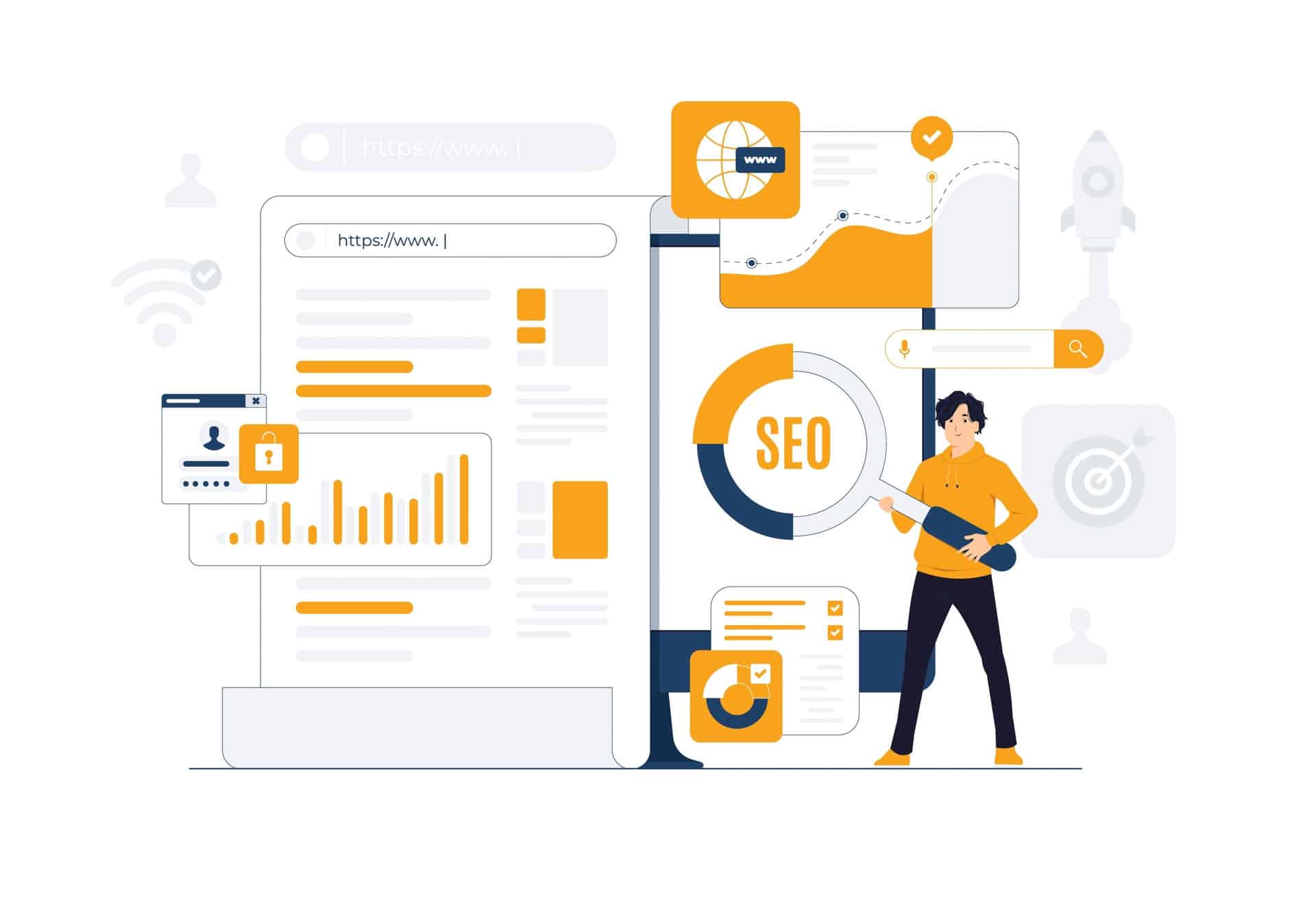
Tracking results helps you see whether your target term is bringing the right traffic, not just more traffic. Start with four simple metrics: rankings, clicks, impressions, and conversions. Google Search Console is the best first stop because it shows the exact queries that trigger your page. Use it with Google Analytics 4 to measure signups, sales, leads, or other actions.
- Rankings: Check average position, but do not treat it as the only goal.
- Clicks and impressions: Rising impressions with low clicks often point to a weak title tag or meta description.
- Engagement: Look at bounce patterns, scroll depth, and time on page in your analytics tool.
- Conversions: Measure whether visits from that query lead to revenue or leads.
A few real examples show why this matters. An SEO blog ranked on page one for a target phrase, but Search Console showed low click-through rate. After rewriting the title to match user intent, clicks increased without a ranking jump. A SaaS landing page brought steady traffic from a product-related query, yet trial starts were low. The team changed the page copy and CTA, and conversions improved. An e-commerce product page gained impressions for several long-tail searches, which revealed new subcategory ideas.
Review performance every month, and compare changes after major edits. Watch for keyword drift too. Sometimes a page starts ranking for a related term instead of the one you planned. If that new query converts better, it may be the stronger target. Use [Internal Link: SEO reporting guide] and [Internal Link: Google Search Console guide] for setup help. You can also review Google Search Console and Google Analytics 4 documentation for official guidance.
Monitor rankings, clicks, and impressions
Check these three signals together, not in isolation. Rankings show visibility, impressions show how often you appear, and clicks show whether searchers choose your result. If impressions rise but clicks stay flat, test a clearer title and meta description. When rankings drop after an update, review intent match, internal links, and page freshness.
- Weekly: Watch position changes for your main search term and close variants.
- Monthly: Compare click-through rate, query mix, and landing page performance.
- Quarterly: Refresh Focus Keywords if search behavior or page goals change.
Measure engagement and conversion impact
Do not stop at traffic. Check whether visitors actually engage and take action. In GA4, review engaged sessions, scroll depth, form starts, purchases, or demo requests by landing page and query theme. A blog post may earn clicks but few email signups. A SaaS page might get fewer visits yet drive more trials. An online store page can attract broad searches but convert better after matching product copy to buying intent. See GA4 engagement metrics.
Know when to keep, update, or replace a focus keyword
Keep a target term when it still matches intent, brings qualified traffic, and supports page goals. Update it when search wording shifts, the SERP changes, or the page starts ranking for a closer variation. Replace it when another query clearly performs better.
- Keep: A SaaS feature page ranks, converts, and matches buyer intent.
- Update: An SEO blog post gains clicks from a newer phrase. See [Internal Link: Keyword clustering guide].
- Replace: An e-commerce page converts better for a specific product modifier. Compare trends in Google Trends.
Final Thoughts
Choosing the right target term is not about picking the highest volume phrase. It is about matching search intent, page purpose, and business value. The best Focus Keywords help search engines understand your page and help visitors find the answer they need.
Start with one clear primary term. Then support it with close variants, related questions, and useful subtopics. That approach gives you a stronger page without forcing the same phrase again and again. It also keeps your content flexible as search behavior changes in 2026.
- Be specific: Choose a keyword that fits one page, not your whole site.
- Stay practical: Favor relevance and conversion potential over raw traffic.
- Keep testing: Review results and refine when a better query appears.
For next steps, see Google’s helpful content guidance.
Start with one page goal. Next, list 5 to 10 search terms that match that goal. Check intent, search results, and difficulty before you pick a primary phrase. Then choose close variants and questions to support it. For example, a SaaS page may target “team time tracking software,” while a store page may use “waterproof hiking backpack 30L.”
Now turn research into updates. Refresh the title tag, H1, intro, subheads, image alt text, and internal anchors so the page matches the search term and user intent. Then tighten thin sections, add missing FAQs, and improve calls to action.
- Blog example: Add a comparison table and FAQ. See [Internal Link: On-page SEO checklist].
- SaaS example: Rewrite hero copy to match buyer language.
- E-commerce example: Add specific product details and schema. Review Google structured data guidance.


