

Customer acquisition has become more complex than ever in 2026. Buyers now use multiple channels, compare many options, and expect personalized experiences before making a decision. This shift has changed how businesses attract and convert new customers.
Today, growth is not just about getting more traffic. It is about bringing the right people and guiding them through a clear journey. Companies that focus on smart acquisition strategies can build steady revenue over time. Those that ignore it often struggle to grow or even survive.
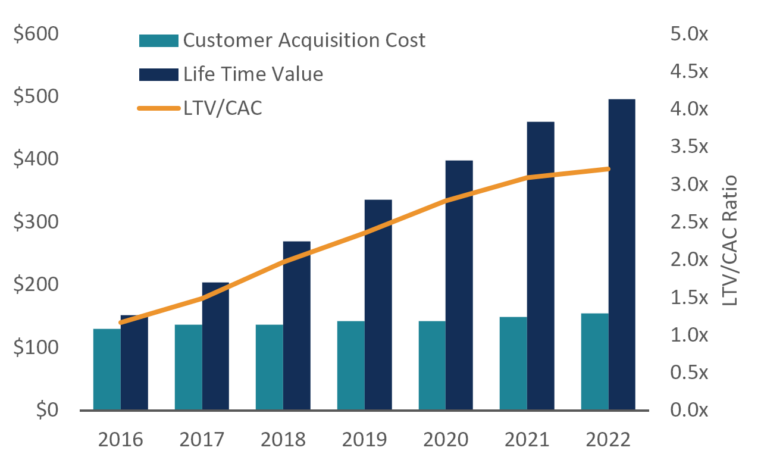
At the same time, costs are rising. Reports show that customer acquisition costs have increased significantly in recent years due to higher competition and advertising expenses . This makes it even more important to use efficient and data-driven methods.
A strong approach to customer acquisition helps businesses connect with the right audience, build trust, and turn interest into real sales. It also creates a system that supports long-term growth, not just short-term wins.
In this guide, you will learn how customer acquisition works, why it matters, and how to use proven strategies to grow your revenue in a sustainable way.
What Is Customer Acquisition?
Customer acquisition is the process of finding, attracting, and converting new customers for your business. It starts when someone first hears about your brand and ends when they become a paying customer.
This process includes many steps. It may involve marketing campaigns, content, ads, emails, or direct sales efforts. The goal is simple: turn potential buyers into real customers.
In simple terms, customer acquisition means bringing people into your business and convincing them to choose your product or service over others.
It is not just about selling once. A good acquisition strategy also builds trust from the start. This helps create long-term relationships and repeat customers.
Customer acquisition often works alongside lead generation and customer retention:
- Lead generation brings in potential customers
- Customer acquisition converts them into buyers
- Retention keeps them coming back
Businesses use different channels to acquire customers. These include search engines, social media, paid ads, email marketing, and referrals. Each channel plays a role in reaching people at different stages of their journey.
In 2026, successful customer acquisition depends on understanding customer behavior, using data, and delivering personalized experiences at every step.
Why Customer Acquisition Is Critical for Revenue Growth
Customer acquisition is one of the most important drivers of business growth. Without new customers, a business cannot increase sales or expand its reach.
Every company loses customers over time. Some stop buying, while others switch to competitors. To balance this loss, businesses must continuously bring in new customers.
Here are the key reasons why customer acquisition matters for revenue growth:
1. Drives Continuous Revenue
New customers bring new sales. The more customers you acquire, the more revenue you can generate. This creates a steady flow of income for your business.
Without new customers, revenue stays flat or even declines over time.
2. Supports Business Expansion
Customer acquisition allows businesses to enter new markets and reach new audiences. This helps companies grow beyond their current limits and scale faster.
It also increases brand visibility, which attracts even more potential customers.
3. Builds Competitive Advantage
In a crowded market, businesses compete for attention. Strong customer acquisition strategies help you stand out and attract more buyers than your competitors.
This gives you an edge and strengthens your market position.
4. Improves Long-Term Profitability
When done right, customer acquisition leads to higher lifetime value. A customer who trusts your brand is more likely to buy again and spend more over time.
This means your initial acquisition effort can generate profit for years.
5. Fuels Sustainable Growth
Growth is not just about quick wins. Sustainable growth requires a system that keeps bringing in quality customers.
A well-planned acquisition strategy ensures that your business grows steadily without relying on short-term tactics.
The Customer Acquisition Funnel
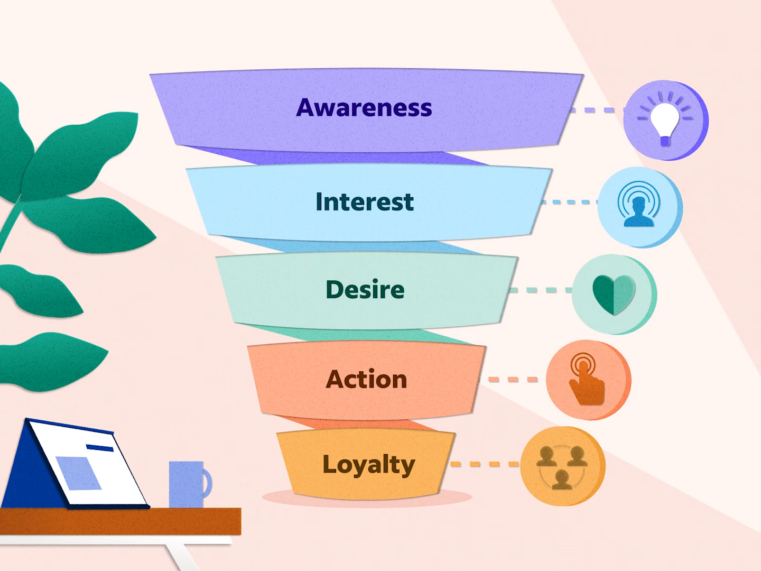
The customer acquisition funnel is a structured model that shows how people move from first discovering your brand to becoming paying customers. It helps businesses understand the full journey and improve each step to increase conversions.
In 2026, the funnel is no longer simple. Customers interact with brands across many channels before making a decision. Because of this, businesses must track and optimize every stage carefully.
A well-built funnel allows you to:
- Identify where potential customers drop off
- Improve messaging at each stage
- Allocate marketing budget more effectively
- Increase conversion rates and reduce acquisition costs
Key Stages of the Customer Acquisition Funnel
1. Awareness (Top of Funnel)
This is the first stage. People discover your brand through channels like search engines, social media, ads, or content.
At this point, they may not even know they need your product. Your goal is to grab attention and create interest.
Common methods:
- SEO and blog content
- Social media posts
- Paid ads
- Influencer marketing
The focus here is visibility and education, not selling.
2. Interest (Engagement Stage)
Now, people start to engage with your brand. They visit your website, follow your social accounts, or sign up for emails.
This stage shows that your message matches their needs.
Your goal:
- Provide helpful content
- Build curiosity
- Encourage deeper interaction
Tactics include:
- Lead magnets (guides, ebooks)
- Email subscriptions
- Retargeting ads
3. Consideration (Evaluation Stage)
At this stage, potential customers compare your product with others. They research features, pricing, and reviews.
Trust becomes very important here.
To move them forward:
- Share case studies and testimonials
- Offer product demos or free trials
- Provide comparison content
The goal is to prove your value and reduce doubts.
4. Conversion (Decision Stage)
This is where the customer takes action. They make a purchase, sign up, or request a service.
Your job is to make the process simple and clear.
Effective strategies:
- Strong calls-to-action
- Easy checkout process
- Limited-time offers
- Clear pricing
Even small improvements here can increase revenue.
5. Retention and Advocacy
Modern funnels do not end at conversion. After purchase, customers can become repeat buyers and even promote your brand.
Happy customers often refer others, which brings new leads into your funnel.
Key actions:
- Loyalty programs
- Follow-up emails
- Referral incentives
This stage helps improve long-term profitability and reduces future acquisition costs.
A strong customer acquisition funnel connects all these stages into one smooth journey. When each step works well, businesses can turn more prospects into loyal customers while keeping costs under control.
7 Proven Customer Acquisition Strategies
To achieve sustainable revenue growth in 2026, businesses must go beyond basic marketing. They need a mix of data, technology, and customer-focused strategies.
Here are seven proven methods that drive real results.
1. Customer Research and Intent Mapping
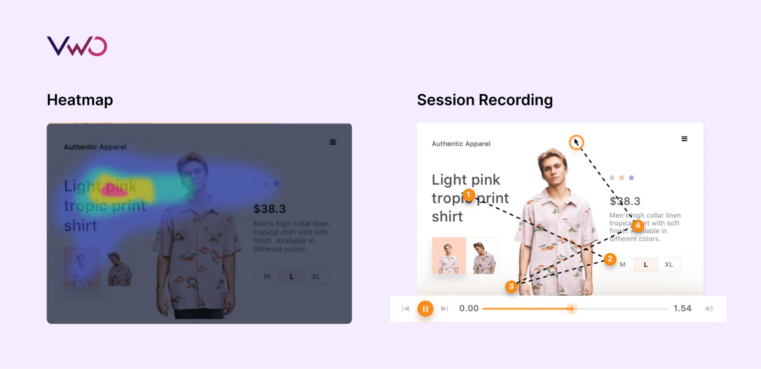
Everything starts with understanding your audience. Without clear insights, even the best campaigns can fail.
Customer research helps you learn:
- Who your ideal customers are
- What problems they face
- What solutions they are searching for
Intent mapping takes this further. It identifies what users want at each stage of their journey.
For example:
- A user searching for “best CRM tools” is in research mode
- A user searching for “buy CRM software” is ready to purchase
By aligning your content and offers with intent, you can attract high-quality leads and improve conversions.
Businesses that use behavioral data and segmentation often see better results because they target the right people at the right time.
2. Lead Generation and Conversion Optimization
Getting traffic is not enough. You need to turn visitors into leads and leads into customers.
Lead generation focuses on capturing user information. This can be done through:
- Landing pages
- Forms and pop-ups
- Free resources (ebooks, tools, trials)

Once leads enter your system, conversion optimization becomes key.
This includes:
- Improving landing page design
- Testing headlines and CTAs
- Reducing friction in forms
- Using clear value propositions
Small changes can make a big difference. For example, simplifying a form can increase conversions significantly.
A strong system ensures that no potential customer is wasted.
3. SEO and AI-Driven Visibility
Search engines remain one of the most powerful acquisition channels. But in 2026, SEO has evolved.
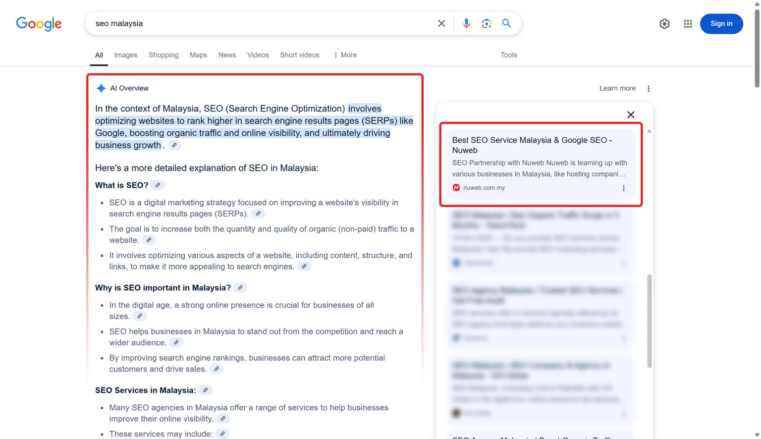
Now, visibility is not just about keywords. It includes:
- Search engine results
- AI-generated answers
- Voice search
- Featured snippets
SEO helps attract users who already have intent. These users are more likely to convert.
At the same time, AI plays a major role:
- AI tools analyze user behavior
- They personalize content
- They predict what users want
This combination allows businesses to reach the right audience with the right message.
Organic traffic also has a long-term advantage. Unlike paid ads, it continues to bring visitors over time with lower costs.
4. Content Marketing for Authority and Trust
Content marketing is one of the most effective ways to build trust.
Instead of pushing sales, you provide value. This helps position your brand as an expert.
Types of content include:
- Blog posts
- Videos
- Case studies
- Guides and tutorials
Good content answers real questions and solves real problems.
Over time, this builds authority. When customers trust your brand, they are more likely to choose you.
Content also supports other strategies like SEO, social media, and email marketing. It works as a foundation for your entire acquisition system.
5. Social Media and Paid Social Advertising
Social media is a powerful channel for reaching large audiences.
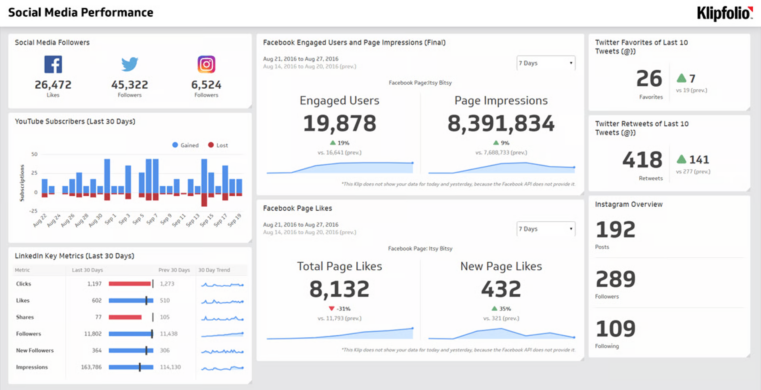
It helps businesses:
- Build brand awareness
- Engage with users
- Promote content
- Run targeted ads
Paid social advertising allows precise targeting based on:
- Interests
- Behavior
- Demographics
This ensures your message reaches the right people.
Organic and paid strategies should work together. Organic builds trust, while paid ads drive quick results.
In today’s competitive market, social media also plays a key role in influencing buying decisions.
6. Email Marketing and Automation
Email marketing remains one of the highest ROI channels.
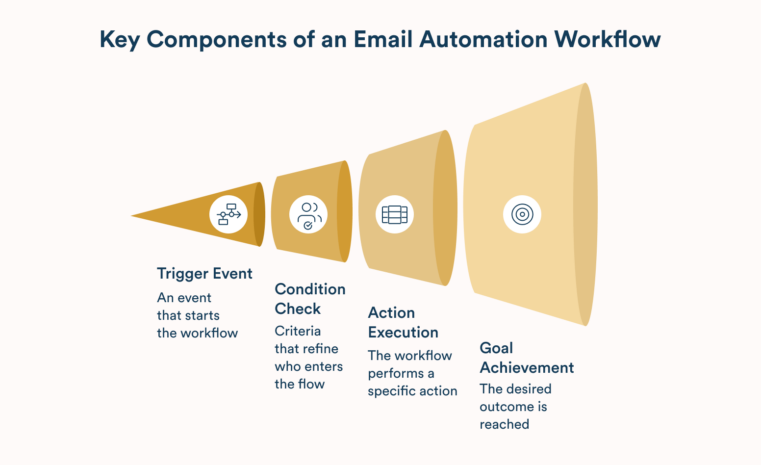
It allows direct communication with potential customers. More importantly, it helps nurture leads over time.
With automation, businesses can:
- Send personalized messages
- Trigger emails based on behavior
- Guide users through the funnel
Examples include:
- Welcome emails
- Follow-up sequences
- Abandoned cart emails
Automation saves time and improves efficiency. It ensures that leads receive the right message at the right moment.
This increases the chances of conversion.
7. Strategic Link Building and Authority Development
Link building is essential for improving online visibility and credibility.
When other websites link to your content, it signals trust to search engines. This improves your rankings and drives more traffic.
But in 2026, quality matters more than quantity.
Effective strategies include:
- Guest posting
- Digital PR
- Partnerships and collaborations
- Creating shareable content
Authority development goes beyond links. It includes:
- Building a strong brand
- Earning customer trust
- Maintaining consistent messaging
A strong online presence helps attract more organic traffic and high-quality leads.
These seven strategies work best when combined. Each one supports the others, creating a complete system for customer acquisition.


