


In today’s digital marketplace, your online reputation isn’t just a reflection of your business—it’s a core asset that directly influences customer trust, purchasing decisions, and long-term success. A single negative review can deter potential customers, damage credibility, and undermine marketing efforts that took months to build. What makes this particularly challenging is that once a negative review is posted publicly, the damage has often already been done, and playing defense through responses alone is rarely enough to fully restore confidence.
This reality has prompted a fundamental shift in reputation management strategy—from reactive response to proactive prevention. Instead of waiting to address complaints after they surface, forward-thinking businesses are exploring how to anticipate dissatisfaction and intervene before it ever reaches public review platforms. This is where artificial intelligence enters the conversation, offering tools that promise to detect early warning signs of customer discontent. But can technology truly predict human dissatisfaction with meaningful accuracy? And if so, what role should human judgment continue to play in managing customer relationships?
How AI Predicts Negative Reviews

The concept of predicting negative reviews might sound like science fiction, but current AI systems employ a combination of sophisticated technologies to make this possible. These systems don’t rely on crystal balls but instead process vast amounts of data to identify patterns that typically precede negative feedback.
The Core Technologies Powering Predictive Analysis
At the heart of AI’s predictive capabilities are three interconnected technologies:
-
Sentiment Analysis AI: This technology evaluates customer communications—including support tickets, chat transcripts, email correspondence, and social media mentions—to determine whether the expressed sentiment is positive, neutral, or negative. Beyond simple keyword matching, advanced sentiment analysis examines word choice, intensity modifiers, and contextual clues to gauge customer emotion with increasing sophistication.
-
Natural Language Processing (NLP): NLP enables machines to understand, interpret, and generate human language in meaningful ways. This allows AI systems to recognize context, detect subtle tones, and identify customer intent. For instance, NLP helps distinguish between a genuine complaint and a sarcastic compliment that might otherwise confuse simpler systems.
-
Machine Learning for Reviews: Through machine learning algorithms, AI systems become more accurate over time by analyzing historical customer interactions. These models identify behavioral patterns, common complaint trajectories, and early warning signs that typically indicate a negative review is likely. The system essentially learns from past data to predict future outcomes.
The Predictive Process in Action
So how do these technologies work together in practice? AI systems typically follow a multi-step process:
First, they perform comprehensive customer feedback analysis, scanning diverse communication channels for signals of dissatisfaction. This might include detecting repeated complaints about shipping delays, product defects, or pricing concerns across multiple customer interactions.
Next, through AI-driven review monitoring, systems continuously track brand mentions across major platforms like Google, Yelp, and social media in real time. This ensures businesses are alerted to emerging issues as they develop, not days after they’ve escalated.
Perhaps most innovatively, AI employs review sentiment prediction models that analyze linguistic patterns, tone, and even customer purchasing behavior to forecast the likelihood of a particular customer leaving a negative review.
Consider this practical example: A customer contacts support about a malfunctioning product. The AI system analyzes their messages using sentiment analysis and detects increasing frustration in their word choices and sentence structures. The system then cross-references this with the customer’s purchase history and typical behavior patterns. Recognizing the warning signs, it flags this interaction as high-risk for a negative review. The business receives an alert and can proactively reach out with a solution—perhaps a replacement or refund—before the customer’s frustration culminates in a public one-star review.
The Limitations of AI in Review Prediction
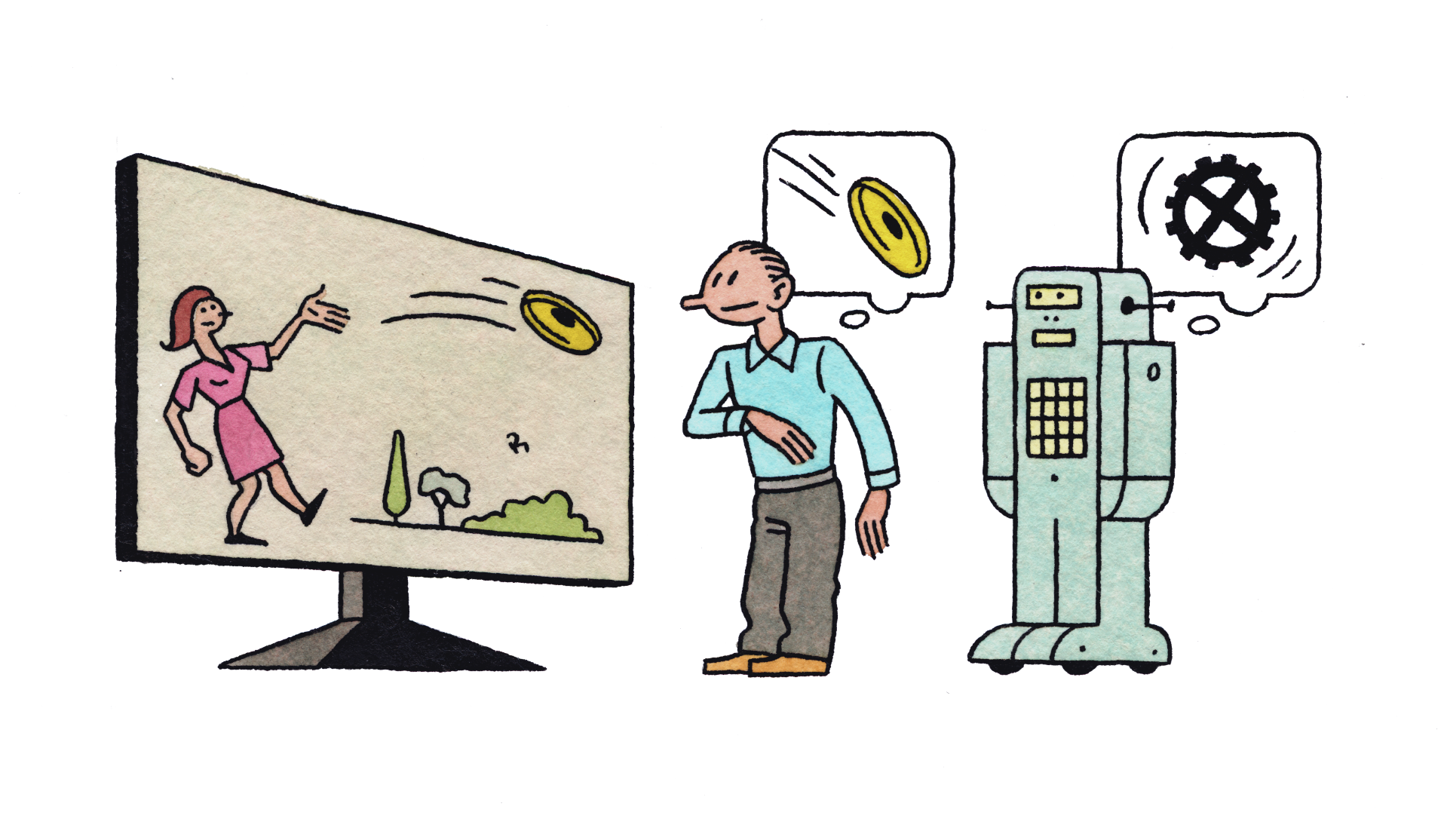
Despite impressive technological advances, AI systems for review prediction face significant challenges that businesses must acknowledge when implementing these solutions.
1. Context Misinterpretation
AI frequently struggles with linguistic nuances that humans naturally understand. Sarcasm, humor, irony, and cultural references can confuse even sophisticated algorithms. For instance, a customer comment like “Oh fantastic, my package arrived only two weeks late!” might be incorrectly categorized as positive due to the word “fantastic,” when any human would immediately recognize the sarcastic complaint. This limitation can lead to missed warnings or unnecessary alerts.
2. Industry-Specific Nuances
Language varies dramatically across different sectors, and AI may misinterpret terms without proper contextual training. In the hospitality industry, a review describing food as “smoky” could be positive for barbecue but concerning for other cuisines. In healthcare, a patient describing a procedure as “uncomfortable but expected” represents neutral or even positive feedback (acknowledging realistic outcomes), whereas an AI might flag it as negative. These industry-specific understandings require tailored training that generic systems may lack.
3. False Positives and Negatives
Like any detection system, AI for review prediction generates errors. It might incorrectly flag neutral feedback as negative—such as a comment stating “The service was adequate”—triggering unnecessary interventions. Conversely, it might miss genuine dissatisfaction expressed in unusually mild language. These errors can waste resources on one hand or allow damaging reviews to slip through on the other.
4. Lack of True Emotional Intelligence
Perhaps the most significant limitation is AI’s inability to genuinely understand human emotion. While it can analyze patterns in word choice and identify sentiment markers, it cannot truly empathize with customer frustration, detect subtle disappointment in a voice (in audio interactions), or understand the complex emotional journey that leads to a negative review. This limitation affects both prediction accuracy and the appropriateness of any automated responses.
Why Manual Review Management Still Matters
Even as AI transforms reputation management, human oversight brings irreplaceable value to the process. Research indicates that customers highly value human empathy in interactions, with many willing to wait longer for a personal response rather than receive an immediate AI-generated reply.
Areas Where Human Judgment Excels
-
Emotional Intelligence and Nuance Detection: Human reviewers naturally recognize sarcasm, humor, cultural context, and underlying emotions that AI frequently misses. They can read between the lines of customer feedback to understand what’s truly being communicated, not just the literal meaning of the words.
-
Industry and Cultural Expertise: Experienced professionals bring knowledge of industry-specific terminology, trends, and customer expectations that allow for more accurate assessment of feedback. They understand that certain expressions have different meanings in different contexts—knowledge that takes AI systems extensive training to approximate.
-
Personalized Customer Engagement: Human interactions can build stronger customer relationships through genuine empathy and adaptable problem-solving. A skilled representative can acknowledge dissatisfaction thoughtfully, validate customer concerns, and craft responses that not only address the immediate issue but strengthen long-term loyalty.
-
Identifying Authenticity in the Age of AI-Generated Content: As online spaces face increasing challenges with fake and AI-generated reviews, human discernment becomes crucial for authenticity verification. One 2025 study of real-estate platforms found nearly one in four agent reviews showed characteristics of AI generation. Human reviewers are better equipped to spot these inauthentic patterns and maintain the integrity of feedback systems.
The Challenges of Pure Manual Management
That said, exclusive reliance on manual review management presents its own substantial challenges in today’s digital environment. The sheer volume of online conversations—with 500 million daily posts on X (formerly Twitter), billions of active social media users, and constant review generation—makes comprehensive manual monitoring nearly impossible for most businesses. Without technological assistance, important signals are inevitably missed in the noise.
Additionally, manual processes are inherently time-consuming, potentially leading to delayed responses that allow customer frustration to solidify into negative reviews. As businesses grow, scaling manual review management requires significant increases in staffing and training, creating operational inefficiencies and consistency challenges across platforms and team members.
Integrating AI Efficiency with Human Judgment
When comparing AI and manual review management, the most effective approach isn’t an either/or proposition but a strategic integration of both capabilities.
Comparative Effectiveness Across Key Metrics
-
Speed & Scalability: AI processes thousands of reviews and mentions instantly, operating 24/7 without fatigue. Manual management is inherently slower and struggles to scale efficiently. A hybrid approach allows AI to handle the volume while humans focus on nuanced cases.
-
Accuracy & Nuance: AI excels at detecting broad patterns and trends but struggles with contextual subtleties. Humans understand emotional nuance and industry specifics but may miss patterns in large datasets. Together, they cover each other’s blind spots.
-
Cost Efficiency: AI reduces labor costs but requires investment in technology and training. Manual management incurs ongoing staffing expenses. A combined approach optimizes resource allocation, using technology for initial filtering and humans for complex judgments.
-
Customer Experience: AI provides immediate but sometimes impersonal interactions. Humans deliver thoughtful, personalized responses but more slowly. A blended approach can offer timely acknowledgment through automation followed by personalized human engagement.
Implementing a Hybrid Management System
The most effective reputation management strategy leverages AI and human capabilities in a coordinated workflow:
-
AI as First Responder and Filter: Deploy AI systems to monitor all incoming feedback across platforms continuously, flagging potential issues based on sentiment analysis and prediction algorithms. This ensures no concern slips through due to volume.
-
Human Judgment for Nuanced Assessment: Have trained staff review AI-flagged content to apply contextual understanding, emotional intelligence, and industry knowledge. They determine which situations require intervention and what form that should take.
-
Strategic Division of Responsibilities: Use AI for routine monitoring, initial sentiment categorization, and collecting data on emerging trends. Reserve human effort for personalized customer engagement, complex case resolution, and strategic decision-making based on AI-generated insights.
-
Continuous Feedback Loop: Ensure human corrections and assessments feed back into the AI system, continuously improving its accuracy and reducing false positives/negatives over time.
This integrated approach recognizes that customers ultimately seek both timely and genuinely understanding responses to their concerns. Technology provides the scale and speed, while human judgment provides the empathy and adaptability that transform negative experiences into positive relationship-building opportunities.
Stay on Top of Your Online Reputation With Pro Real Tech
Your reputation shouldn’t be left to chance. Anticipate concerns and protect your brand’s image with a smart blend of AI speed and human insight. With Pro Real Tech’s advanced tools for real-time monitoring and authentic customer engagement, you can build a stronger, more trusted presence. Start shaping your story proactively—reach out to learn more.
Feel free to let me know if you would like a version adjusted for a specific platform, like a social media post or a sales email.
Proactive Reputation Management as Competitive Advantage
The question of whether AI can predict negative reviews has evolved from theoretical speculation to practical implementation. Current technology can indeed identify patterns and signals that frequently precede negative feedback, enabling businesses to address concerns before they escalate into public criticism. However, this capability comes with important limitations that prevent AI from being a complete solution.
The most forward-thinking businesses recognize that reputation management is transitioning from damage control to relationship optimization. By combining AI’s analytical power with human emotional intelligence, companies can create a proactive system that not only prevents negative reviews but strengthens customer relationships in the process.
This hybrid approach represents more than just technological adoption—it reflects a deeper understanding that customer feedback, whether positive or negative, is ultimately a form of communication. The businesses that will thrive in the increasingly transparent digital marketplace are those that learn to listen effectively (through technology), interpret accurately (through human judgment), and respond constructively (through integrated systems) to this continuous conversation.
As online reputation continues to directly impact business success, the ability to anticipate concerns rather than merely react to them may well become one of the most significant competitive advantages in the digital economy. The future belongs not to those who avoid negative reviews, but to those who build systems ensuring most concerns never need to become reviews at all.
Read More: Google Ads’ New “Sponsored” Label: What It Means for Advertisers


