

In the digital age, a brand’s reputation is no longer shaped solely by advertising, pricing, or product quality. Instead, it is increasingly defined by what customers say online. Reviews on platforms like Google, Yelp, Trustpilot, Facebook, and industry-specific marketplaces have become one of the most powerful decision-making tools for modern consumers.
While positive reviews can drive growth, negative reviews can quickly erode trust, reduce conversions, and damage brand perception. No business — regardless of size or industry — is immune to this risk. Even companies that deliver excellent service most of the time will eventually encounter dissatisfied customers.
The key difference between brands that suffer from negative reviews and those that remain resilient lies in one crucial factor: customer loyalty.
Loyalty program members are not just repeat customers. They are emotionally invested, experienced, and engaged advocates who can protect your brand when criticism arises. This article explores why loyalty members are your best defense against negative reviews and how businesses can strategically leverage loyalty programs to strengthen reputation, trust, and long-term success.
The Growing Power of Online Reviews in Consumer Decisions
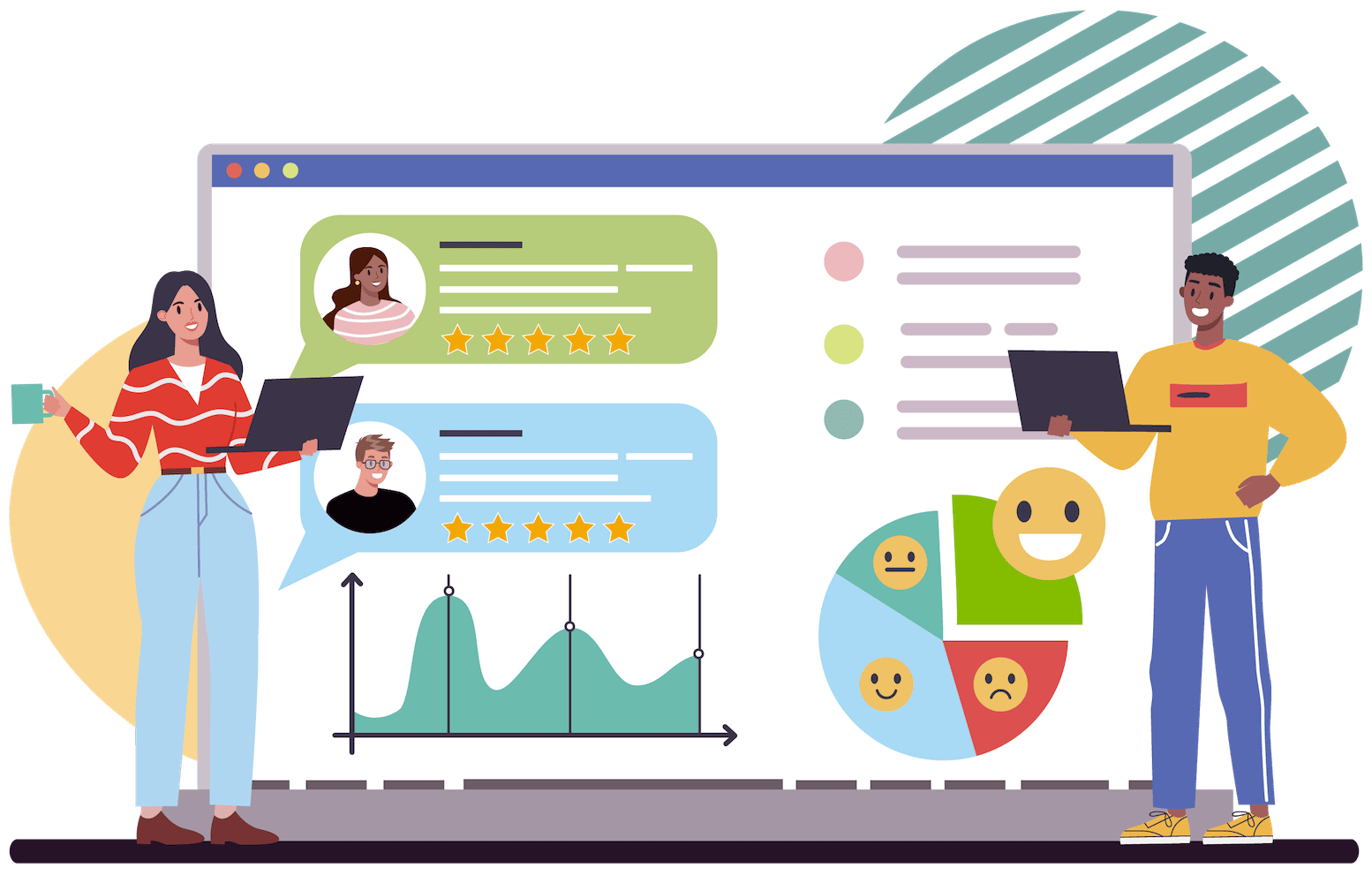
Before understanding the role of loyalty program members, it’s essential to recognize the influence online reviews have on modern purchasing behavior.
Today’s consumers rarely make decisions blindly. Whether choosing a restaurant, booking a hotel, subscribing to software, or hiring a service provider, they rely heavily on the experiences of others. Reviews provide social proof, reduce uncertainty, and help buyers feel confident in their choices.
Several trends make reviews especially impactful:
-
Consumers trust peer opinions more than brand messaging
-
Star ratings influence click-through rates and conversions
-
Negative reviews often receive more attention than positive ones
-
Search engines prominently display ratings alongside results
A single negative review may not seem significant, but when left unbalanced or unaddressed, it can shape public perception in harmful ways. This is where loyalty members play a critical role.
Why Negative Reviews Happen — Even to Great Businesses
Negative reviews are not always the result of poor service or low-quality products. In many cases, they stem from:
-
Unrealistic customer expectations
-
Isolated service failures
-
External factors beyond the brand’s control
-
Emotional reactions during stressful situations
-
Miscommunication or misunderstanding
Occasional dissatisfaction is inevitable. What matters is not eliminating negative feedback entirely, but ensuring it does not become the dominant narrative around your brand.
Loyal customers help create that balance.
Who Are Loyalty Program Members?
Loyalty program members are customers who have chosen to engage with your brand repeatedly and intentionally. Unlike first-time buyers, they have experienced your business across multiple touchpoints and over longer periods of time.
Key characteristics of loyalty members include:
-
Repeated purchases or visits
-
Familiarity with your processes and values
-
Emotional connection to the brand
-
Willingness to engage beyond transactions
-
Higher tolerance for occasional issues
Because of this long-term relationship, loyalty members evaluate your business differently than casual or one-time customers.
How Loyalty Members Naturally Counter Negative Reviews
1. They Provide Context and Balance
One of the biggest problems with negative reviews is that they often lack context. A single bad experience can appear more severe when readers have no reference point.
Loyalty members help solve this problem by sharing reviews that reflect a broader, more balanced experience. Their feedback often includes:
-
Long-term satisfaction
-
Consistency in quality or service
-
Recognition of occasional issues as exceptions, not norms
When potential customers read these reviews alongside negative ones, they gain a clearer and more accurate understanding of what to expect.
2. They Are More Forgiving of Isolated Mistakes
Emotionally invested customers are more likely to view problems as temporary setbacks rather than permanent flaws. Instead of reacting impulsively, they often:
-
Reach out privately before leaving public criticism
-
Give the business a chance to fix the issue
-
Frame complaints constructively rather than aggressively
This behavior significantly reduces the likelihood of emotionally charged, damaging reviews that can harm brand perception.
3. They Actively Defend the Brand
Loyal customers often feel a sense of ownership or pride in the brands they support. When they see unfair, exaggerated, or misleading negative reviews, many feel compelled to respond.
These responses are powerful because they are:
-
Unprompted
-
Authentic
-
Based on real, long-term experiences
Prospective customers often trust these replies more than official brand responses, making loyal members invaluable reputation defenders.
4. They Increase the Volume of Positive Reviews
Reputation is not only about individual reviews — it’s about patterns. Loyalty members help ensure a steady flow of positive feedback, which:
-
Stabilizes average star ratings
-
Pushes negative reviews lower in visibility
-
Reinforces trust and credibility
A business with hundreds of balanced, thoughtful reviews appears far more trustworthy than one with only a handful — even if a few are negative.
Why Loyalty Reviews Carry More Credibility
Not all reviews are created equal. Readers can often tell the difference between a rushed complaint and a well-considered evaluation.
Loyalty member reviews tend to be:
-
More detailed
-
More specific
-
More balanced
-
More believable
They often reference multiple experiences, staff interactions, or long-term outcomes. This depth makes their feedback especially influential for potential customers conducting research.
Turning Loyalty Programs Into Reputation Engines

A loyalty program should do more than reward repeat purchases. When designed strategically, it can become a powerful reputation-building tool.
1. Encourage Feedback at the Right Moments
Timing matters when requesting reviews. Loyalty members are most receptive after positive interactions such as:
-
Redeeming a reward
-
Receiving personalized service
-
Experiencing a smooth resolution to a problem
By aligning review requests with these moments, businesses increase the likelihood of thoughtful, positive feedback.
2. Make Reviewing Simple and Accessible
Even loyal customers may not leave reviews if the process is inconvenient. To remove friction:
-
Use direct links to review platforms
-
Add QR codes to receipts or emails
-
Send mobile-friendly review prompts
-
Integrate review requests into loyalty apps
The easier the process, the higher the participation.
3. Recognize and Appreciate Advocacy
While reviews should never be bought or manipulated, recognition is always appropriate. Businesses can:
-
Thank customers publicly for feedback
-
Offer loyalty points as appreciation (without tying rewards to positive sentiment)
-
Highlight customer stories in newsletters or social media
This reinforces positive behavior and encourages ongoing engagement.
Using Loyalty Data to Identify Brand Advocates
Loyalty programs generate valuable insights that can help identify customers most likely to defend your brand. Indicators include:
-
High purchase frequency
-
Long membership duration
-
Frequent reward redemptions
-
Engagement with emails or app notifications
By focusing outreach on these segments, businesses can cultivate a core group of advocates who consistently support the brand online.
How Loyalty Members Reduce the Impact of Negative Reviews
Negative reviews tend to be most damaging when:
-
They go unanswered
-
They appear isolated but dominant
-
There are few positive reviews for comparison
Loyalty members reduce this impact by:
-
Adding volume and consistency to positive feedback
-
Offering alternative perspectives
-
Reinforcing trust through authenticity
Even when potential customers read negative reviews, the presence of strong loyalty-driven feedback helps them contextualize criticism and move forward with confidence.
The Psychological Effect of Loyalty on Customer Behavior
Loyalty is not just transactional — it is emotional. Emotionally loyal customers are more likely to:
-
Attribute problems to temporary factors
-
Separate employees from systems
-
Remain patient during service disruptions
This mindset dramatically reduces reactive negativity and encourages constructive dialogue instead of public frustration.

Reputation Management Is Easier With Loyal Customers
Managing online reputation requires constant monitoring, responses, and improvement. Loyalty members make this process easier by:
-
Providing early warnings about issues
-
Offering constructive suggestions
-
Supporting businesses during difficult periods
Their feedback is often more actionable than anonymous complaints, allowing businesses to improve before problems escalate.
Turning Negative Experiences Into Loyalty-Building Moments
Ironically, how a business handles problems can strengthen loyalty even more than flawless service.
When loyal members experience issues and see them resolved quickly and respectfully, they often become even stronger advocates. These recovery stories frequently appear in reviews and carry significant persuasive power.
A well-handled mistake can result in:
-
Positive follow-up reviews
-
Increased trust
-
Stronger emotional bonds
Long-Term Benefits of Loyalty Programs
While protecting against negative reviews is a major advantage, loyalty programs offer broader benefits that reinforce reputation indirectly.
Increased Customer Lifetime Value
Loyal customers spend more over time and are less price-sensitive.
Stronger Word-of-Mouth Marketing
Satisfied members recommend brands to friends, family, and colleagues.
Better Data for Personalization
First-party data enables tailored experiences that improve satisfaction.
Greater Brand Stability
A loyal customer base provides consistency during market changes or challenges.
All of these factors contribute to stronger reviews, better ratings, and improved public perception.
Negative Reviews Are Inevitable — Damage Is Not
No business can eliminate criticism entirely. The goal is resilience, not perfection.
A strong loyalty program ensures that when negative reviews appear, they are:
-
Balanced by authentic positive feedback
-
Contextualized by long-term experiences
-
Addressed by a supportive customer community
This transforms reviews from a vulnerability into a strategic advantage.
Loyalty Is Reputation Insurance
In a world where online opinions shape consumer behavior, loyalty program members are one of the most valuable assets a business can have. They are not just repeat buyers — they are storytellers, defenders, and ambassadors.
By investing in loyalty programs that prioritize engagement, appreciation, and meaningful relationships, businesses can:
-
Reduce the impact of negative reviews
-
Build trust at scale
-
Strengthen long-term brand credibility
Ultimately, loyalty is not just about rewards or discounts. It is about building a community of customers who believe in your brand — and are willing to stand up for it when it matters most.
Read More: Top Tracking Issues We Help Our Clients With


