

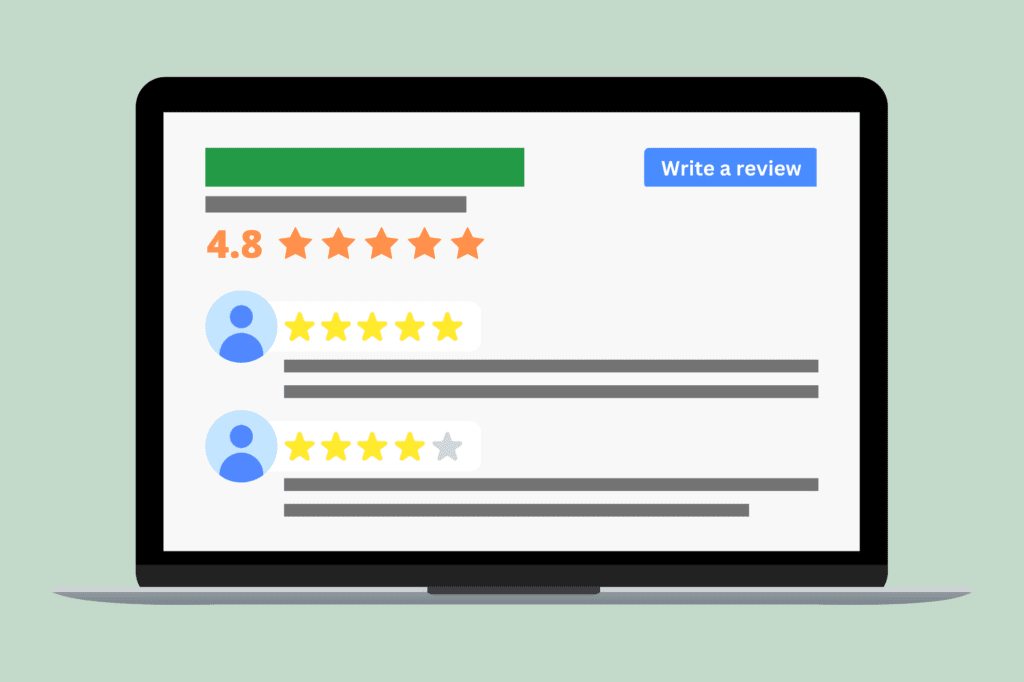
Google Reviews are one of the most powerful pieces of content for local businesses. They help customers decide where to spend their money and influence how Google ranks businesses in local search results. But lately, many business owners are noticing something troubling: reviews that once showed up on their profiles are suddenly disappearing without clear explanation. This trend is not just a random glitch — it reflects deeper changes in how Google enforces its review policies and filters out content it deems suspicious or non-authentic.
Businesses of all sizes are reporting sudden drops in review counts, sometimes in large batches, with little transparency about why the removals happen. This can leave owners confused and worried about their online reputation. Because reviews also play a role in local search signals, losing them can reduce trust from customers and potentially affect how a business appears in Google Search and Maps. In this article, we explore the reasons behind disappearing reviews, what recent policy changes mean, and why understanding these shifts is crucial to maintaining a strong local SEO presence.
Why Are Google Reviews Disappearing Suddenly?
Many businesses have experienced reviews vanishing seemingly overnight, and it often feels like something changed without warning. While occasional removals have always occurred, recent patterns suggest more systematic enforcement at play. Google has been tightening its review moderation systems, relying heavily on automated filters and machine learning to detect “suspicious activity.”
These systems monitor how reviews are submitted, how frequently they arrive, and whether they resemble authentic customer feedback. When Google’s algorithms detect review patterns that look unusual — for example, large clusters of reviews in a short period or similarities in wording across reviews — they may flag and remove them. This means that even legitimate reviews can sometimes disappear if their submission behavior resembles what Google considers artificial or manipulated.
Business owners often see this as unfair or mysterious because Google provides limited detail on why specific reviews are removed. In reality, Google continually refines its filters and enforcement thresholds — meaning actions that once passed unnoticed may now trigger moderation. These changes are part of Google’s broader effort to protect the integrity of its review ecosystem.
What Changed in Google’s Review Policies?
Google’s review policies haven’t just been enforced more strictly — they’ve also been updated to cover a wider range of behaviors that the company views as harmful to review quality and trustworthiness. The key changes fall into three main areas:
Content Patterns That Suggest Manipulation
Google uses advanced signals to look for patterns that may indicate artificial review activity. These patterns include sudden spikes in review volume, reviews coming from closely related accounts or similar locations, and repetitive or templated language across multiple reviews. Even if reviews are from actual customers, clusters of activity that seem coordinated can trigger filters and lead to removals.
Incentives and Selective Solicitation Restrictions
Policies now clearly prohibit businesses from offering incentives — such as discounts, freebies, gift cards, or other rewards — in exchange for reviews. Google also targets “selective solicitation,” where a business asks only certain customers (typically satisfied ones) to leave reviews. This practice, sometimes called review gating, is considered manipulative because it systematically excludes unhappy customers from contributing their honest feedback.
Discouraging Negative Reviews
Beyond simply banning incentives, Google is also focused on preventing businesses from discouraging negative reviews. Policies make it clear that businesses cannot redirect dissatisfied customers away from public review channels, filter customers before requesting reviews based on satisfaction, or otherwise interfere with the free expression of honest opinions. Practices that suppress negative feedback risk violating Google’s guidelines and can lead to review removals or other consequences.
These policy shifts reflect Google’s broader goal: to ensure review content remains a reliable, unbiased reflection of real customer experiences. While this improves trust for consumers, it also means that businesses must be more careful than ever about how they generate and manage reviews.
How Missing Reviews Impact Your Reputation and Local SEO

When Google reviews suddenly disappear — whether due to stricter policy enforcement, algorithm filtering, or technical issues — the impact goes far beyond simple numbers on your business profile. Reviews are one of the most visible signals customers use when deciding which local business to trust and engage with. Losing them can affect customer perception, click-through rates, and even how Google ranks your business in search results.
Lower Review Counts Mean Lower Perceived Trust
One of the first things potential customers notice on your business listing is your star rating and total number of reviews. A high review count paired with a strong rating creates confidence — it tells people that many customers have interacted with you and had something to say about it. When the number of reviews drops suddenly, even if your average rating stays the same, the change can cause doubt. A business that once showed hundreds of reviews may suddenly appear less established or relevant than competitors with steady or rising review sets.
Humans naturally judge popularity and credibility from social proof. When that social proof shrinks, so does trust — especially in competitive markets where consumers compare multiple businesses before making decisions. This trust drop can discourage new customers from clicking on your profile, calling you, or visiting your website, simply because the business looks less active or less recommended.
Reduced Clicks and Conversions
Reviews don’t just influence perception — they actively drive customer actions. In local search results, users often compare businesses by star ratings and review volume before clicking through. A business with more reviews and higher ratings will typically generate higher click-through rates (CTR), leading to more phone calls, more direction requests, and more visits to the website.
When your review count drops:
-
Searchers may skip your profile in favor of competitors with more visible social proof.
-
Potential customers may assume your service has declined or your business is less popular than before.
-
Conversion rates can fall because fewer people trust your business enough to take the next step — whether that’s booking, calling, or visiting.
Even small differences matter. Research shows that customers favor businesses with both high ratings and large volumes of reviews. A dip in either metric can reduce engagement, which may translate into fewer leads and fewer sales opportunities.
Local SEO Visibility Can Be Affected
While Google never publicly reveals the precise weight of every ranking factor, review quantity, quality and recency are widely recognized as meaningful signals in local search algorithms. Reviews help:
-
Demonstrate ongoing customer engagement — a sign that your business is active and relevant.
-
Boost local search relevance by telling Google what your business offers and how customers feel about it.
-
Improve visibility in features like the Local Pack and Google Maps where review signals play a significant role.
A noticeable decrease in reviews can weaken these signals. With fewer reviews to evaluate, Google’s algorithm might rate your profile as less authoritative or less relevant compared with competitors that maintain strong, consistent review activity. This can result in lower placement in map results or reduced visibility in local queries — especially in highly competitive categories.
Over time, this weaker visibility compounds the problem: fewer clicks, fewer reviews, and even less traffic. In the era of AI and dynamic local search features, maintaining a healthy review profile is essential not just for reputation but for sustained discoverability.
In summary, missing reviews can harm both customer trust and search performance. They make your business look less active and decrease the social proof that many customers rely on. They also affect your presence in local SEO features, making it harder to attract organic clicks, visits, and conversions.
5 Ways Businesses Can Protect Their Reviews

Because reviews play such a pivotal role in both reputation and local search visibility, it’s critical for businesses to actively protect and manage them. Preventing review loss isn’t just about gathering more reviews — it’s about ensuring the reviews you earn stay visible, reflect genuine customer experience, and strengthen your online presence over time.
1. Encourage Genuine Reviews — Without Incentives
One of the most common reasons reviews are removed is that they appear to violate Google’s policies — especially if they seem incentivized or selectively solicited. Offering discounts, freebies, or rewards in exchange for reviews is strictly against the guidelines and increases the risk of Google flagging them as manipulated or unauthentic.
Instead:
-
Encourage all customers to leave feedback — not just the happiest ones.
-
Make it easy to review by providing clear instructions on how to leave a review from their phone or email.
-
Send follow-up requests via email or SMS after a purchase or service.
The goal is to generate organic, authentic reviews that reflect real experiences. Reviews that come from actual customer voices are less likely to be filtered or removed, and they help build a diverse, credible review profile.
2. Monitor Reviews Regularly
Vigilant monitoring allows you to spot disappearing or newly flagged reviews as soon as possible. Quickly noticing changes gives you time to investigate whether reviews were removed by policy enforcement or due to technical issues.
To monitor effectively:
-
Regularly check your Google Business Profile dashboard for fluctuations in review count and star ratings.
-
Use third-party review tracking tools that send alerts when changes occur.
-
Keep an internal log of your reviews so you know what’s missing if something changes.
By tracking reviews over time, you can identify patterns, spot potential issues early, and respond swiftly when reviews are removed or hidden.
3. Respond Strategically to All Reviews
Replying to reviews — both positive and negative — is a powerful reputation practice that benefits trust and SEO. Engaged responses tell customers that you value feedback and help Google see that interactions are legitimate and meaningful.
Effective responses should:
-
Acknowledge the reviewer’s experience — thank them for praise or address concerns professionally.
-
Include helpful information or solutions when appropriate.
-
Avoid defensive or aggressive language that could discourage others from leaving feedback.
When customers see that you actively care about feedback, it increases their confidence in your business and encourages others to share honest reviews in the future.
4. Use Google’s Review Appeal Tools Carefully
If you believe a review was incorrectly removed — especially one that’s clearly genuine and complies with policies — you can appeal directly through Google Business Profile support.
When filing an appeal:
-
Provide clear supporting evidence such as transaction records, booking confirmations, or screenshots.
-
Explain calmly and factually why the review reflects a real customer experience.
-
Be patient — review appeal processes can take several days or weeks.
While appeals don’t guarantee restoration, a well-documented case often improves your odds. Be cautious not to over-appeal trivial issues, as repeated appeals can be flagged as abuse.
5. Strengthen Your Reputation Infrastructure
Protecting reviews means building a long-term, resilient reputation strategy rather than relying solely on Google reviews alone.
Consider these steps:
-
Encourage reviews on multiple platforms such as Yelp, Facebook, or industry-specific review sites.
-
Archive your reviews using software that keeps a backup copy, ensuring you always have a record even if something disappears on Google.
-
Educate your staff and customers about why honest feedback matters and how to leave reviews that follow platform rules.
Diversifying your review ecosystem and strengthening your internal processes reduces risk. If a chunk of reviews disappears on one platform, you still maintain social proof and credibility elsewhere.
Review Stability Requires Active Management
Google’s review environment is constantly evolving. Enforcement systems are becoming more advanced, and policy standards continue to tighten. Because of this, review visibility can shift over time. Reviews that once remained untouched may now be filtered if they trigger updated detection systems.
This does not mean businesses should stop collecting reviews. It means review management must be intentional and compliant. A structured approach that focuses on ethical acquisition, consistent monitoring and thoughtful responses is far more effective than passive review collection.
Businesses that treat review management as an ongoing strategy — not a one-time effort — are better prepared for enforcement cycles and algorithm adjustments. Strong internal processes, diversified review channels and regular monitoring create stability even when Google updates its systems.
If your business has experienced missing reviews or fluctuating counts, take this as a signal to reinforce your reputation strategy. Proactive management today will protect your visibility and credibility tomorrow.
Contact Pro Real Tech to help safeguard your online reputation and build a resilient local SEO foundation that adapts to Google’s evolving systems.
Frequently Asked Questions (FAQs) About Missing Google Reviews
WHY DID MY GOOGLE REVIEWS DISAPPEAR?
Google reviews can disappear for several reasons, and in most cases, it is tied to automated filtering or policy enforcement. Google uses advanced systems to detect suspicious patterns, policy violations and inauthentic activity. If a review appears to break guidelines — even unintentionally — it may be removed.
Common reasons include:
-
The reviewer’s account was flagged for spam or unusual activity.
-
The review came from a sudden spike in submissions that triggered filters.
-
The content included prohibited material such as promotional links, inappropriate language or irrelevant information.
-
The business engaged in practices like incentivizing reviews or selectively requesting feedback from only happy customers.
In some cases, reviews may temporarily disappear due to system updates or technical glitches. However, most removals happen because Google’s systems detected something that did not align with its review policies.
HOW CAN I RECOVER DELETED GOOGLE REVIEWS?
Recovering deleted reviews is possible in limited situations. The first step is to confirm whether the review truly violates any guidelines. If the review was genuine and followed all policies, you can submit an appeal through your Google Business Profile support dashboard.
When filing an appeal:
-
Provide clear details about the missing review.
-
Share supporting proof such as invoices, booking confirmations or service records.
-
Keep your explanation factual and professional.
If the removal was caused by a reviewer’s account issue, only the reviewer can resolve it. In that case, you may politely ask the customer to check their account status or repost the review if appropriate.
Keep in mind that not all removed reviews can be restored. That is why prevention and compliance are more effective than trying to reverse removals later.
WHY DID MY GOOGLE BUSINESS PROFILE REVIEW COUNT SUDDENLY DROP?
A sudden drop in review count usually means multiple reviews were filtered at once. This often happens during enforcement cycles when Google updates its spam detection systems or tightens policy thresholds.
Large drops may occur if:
-
Several reviews were posted within a short time frame.
-
Reviews came from similar IP locations or newly created accounts.
-
Your business unknowingly violated review policies, such as offering incentives.
Even legitimate reviews can be caught in bulk filtering if they resemble suspicious activity patterns. While frustrating, this reflects Google’s effort to maintain review quality and platform trust.
If your review count drops significantly, review your recent acquisition practices and ensure your methods align fully with Google’s guidelines.
WHAT IS THE IMPACT OF MISSING GOOGLE REVIEWS ON LOCAL SEO?
Missing reviews can affect both perception and search performance. Reviews are a key local ranking factor and also influence user behavior.
Potential impacts include:
-
Lower social proof, which reduces customer trust.
-
Decreased click-through rates from search results.
-
Reduced engagement signals such as calls, direction requests and website visits.
-
Possible declines in local pack visibility if review volume and freshness weaken.
While losing a few reviews may not drastically change rankings, consistent drops or large removals can weaken your overall local authority. Maintaining a steady flow of authentic, policy-compliant reviews is essential for long-term local SEO stability.


