


A good reputation has always been a valuable business asset, but in 2026, its meaning has evolved significantly. In the past, companies could shape public perception primarily through advertising campaigns, carefully crafted brand messaging, and public relations efforts. While those elements still matter, they no longer have the same level of influence they once did. Today’s consumers, business partners, investors, and even search engines rely on a much broader range of publicly available information to determine whether a company is trustworthy.
The rise of review platforms, social media discussions, AI-powered search experiences, and real-time customer feedback has transformed reputation into a highly visible and continuously evaluated business metric. Every interaction, review, response, and customer experience contributes to how a brand is perceived online. As a result, reputation is no longer something organizations simply manage—it is something they must actively earn and maintain every day.
Modern consumers conduct extensive research before making purchasing decisions. They compare reviews, examine customer experiences, evaluate how businesses respond to criticism, and assess whether a company’s actions align with its promises. Even a strong marketing campaign can be undermined by poor customer sentiment, unresolved complaints, or inconsistent experiences across digital platforms.
At the same time, artificial intelligence is changing how people discover information. AI-driven search engines and recommendation systems increasingly analyze reputation signals when determining which businesses deserve visibility. Companies that consistently demonstrate trustworthiness, transparency, and customer satisfaction are more likely to benefit from increased exposure and consumer confidence.
In this environment, a good reputation is no longer defined by what a business says about itself. It is defined by what customers, employees, partners, and the broader public collectively say about that business through measurable and verifiable signals.
Understanding what constitutes a good reputation in 2026 is essential for organizations that want to attract customers, strengthen loyalty, improve search visibility, and create sustainable long-term growth.
The Signals of a Good Reputation in 2026

A strong reputation in 2026 is built on a collection of trust signals that are visible across the digital ecosystem. Rather than relying on a single factor, stakeholders evaluate multiple indicators to determine whether a business is credible, reliable, and worthy of their trust.
Consistent Review Quality
Online reviews remain one of the most influential reputation indicators. Potential customers often evaluate both the quantity and quality of reviews before making purchasing decisions. Businesses with a steady flow of recent, authentic, and detailed reviews typically earn greater trust than organizations with outdated or inconsistent feedback.
Review quality matters more than perfect ratings. Consumers increasingly recognize that a business with a few critical reviews can still be trustworthy if it demonstrates transparency and consistently delivers positive experiences. Authenticity often outweighs perfection.
Strong Review Velocity
Review velocity refers to the frequency with which a business receives new reviews. Organizations that consistently generate customer feedback appear more active, relevant, and engaged than businesses with stagnant review profiles.
A healthy stream of reviews also signals that a company continues to serve customers successfully over time. This ongoing validation contributes to credibility and helps establish confidence among prospective buyers.
Responsive Customer Engagement
How a business responds to feedback has become a major reputation signal. Consumers pay close attention to whether organizations acknowledge complaints, address concerns professionally, and engage constructively with their audience.
Timely and respectful responses demonstrate accountability. Even when negative feedback cannot be completely resolved, a thoughtful response can significantly improve public perception and showcase a company’s commitment to customer satisfaction.
Positive Sentiment Across Multiple Platforms
Reputation is no longer measured solely on review websites. Customers discuss brands on social media, community forums, industry-specific platforms, and various online channels.
A business with positive sentiment across multiple touchpoints generally appears more trustworthy than one that performs well in only a single location. Consistent positive experiences create a unified reputation profile that reinforces credibility.
Transparency and Authenticity
Consumers increasingly expect businesses to operate transparently. Companies that openly communicate policies, pricing, service limitations, and customer expectations often build stronger trust than organizations that attempt to hide imperfections.
Authenticity has become a competitive advantage. Modern audiences are highly skilled at identifying overly polished messaging that lacks substance. Genuine communication helps establish stronger relationships and long-term credibility.
Operational Consistency
A good reputation ultimately depends on delivering consistent experiences. Customers expect businesses to fulfill promises, maintain service quality, and provide reliable support.
If customer experiences regularly align with brand messaging, trust grows naturally. Conversely, a gap between marketing claims and actual performance can quickly damage reputation regardless of advertising investment.
Digital Discoverability
Search visibility has become increasingly connected to reputation. Businesses that earn positive engagement, high-quality reviews, authoritative mentions, and favorable sentiment are more likely to appear prominently in search results and AI-generated recommendations.
As search technologies continue to evolve, reputation signals are becoming a critical component of online discoverability. Visibility and trust are now closely interconnected.
Employee and Employer Reputation
Job seekers, customers, and business partners often evaluate how organizations treat employees. Employer review platforms, workplace culture discussions, and employee advocacy can significantly influence public perception.
A company that demonstrates ethical leadership, positive workplace practices, and employee satisfaction often benefits from stronger overall reputation and increased stakeholder trust.
Why the Definition of a ‘Good Reputation’ Has Changed

The definition of a good reputation has changed because the way people gather information has fundamentally transformed. In previous decades, businesses controlled much of the narrative surrounding their brands. Traditional advertising, media coverage, and corporate communications often shaped public perception.
Today, information flows more freely than ever before.
Customers can instantly access reviews, compare competitors, read independent opinions, watch user-generated content, and evaluate a company’s history before making a decision. This shift has redistributed influence from organizations to consumers.
The Rise of Consumer-Controlled Information
Modern buyers trust peer experiences more than promotional messaging. Reviews, testimonials, community discussions, and social proof often carry greater weight than advertisements because they are perceived as independent and authentic.
As a result, reputation is increasingly shaped by customer experiences rather than brand-generated content.
AI Is Changing Information Discovery
AI-powered search experiences are reshaping how people find and evaluate businesses. Rather than reviewing dozens of websites, users can receive summarized recommendations generated from large collections of public information.
These systems often analyze reputation-related signals such as reviews, sentiment patterns, customer satisfaction indicators, and overall credibility. Businesses with stronger trust signals are more likely to benefit from favorable visibility.
Increased Demand for Transparency
Consumers expect greater accountability from organizations than ever before. They want clear communication, ethical business practices, responsive customer service, and evidence that companies stand behind their promises.
Businesses that fail to meet these expectations can face rapid reputational consequences due to the speed and reach of digital communication channels.
Reputation Has Become a Business Performance Indicator
Historically, reputation was often viewed as an intangible asset. In 2026, it functions as a measurable business performance indicator that directly affects revenue, customer acquisition, retention, partnerships, hiring, and long-term growth.
Organizations increasingly track review trends, sentiment data, response rates, customer satisfaction metrics, and brand perception indicators alongside traditional business KPIs.
Trust Is the New Competitive Advantage
As markets become more crowded and consumers gain access to more information, trust has emerged as one of the most powerful differentiators. Products and services can often be replicated, but a strong reputation built on consistent positive experiences is far more difficult for competitors to duplicate.
Businesses that earn trust through transparency, reliability, and customer-focused operations position themselves for sustainable success in an environment where reputation influences nearly every stage of the buyer journey.
In 2026, a good reputation is not simply about being well-known or well-liked. It is about being consistently trusted by customers, employees, partners, search systems, and the wider public based on verifiable evidence and real-world experiences.
4 Benefits of Having a Good Reputation

A strong reputation is no longer simply a branding advantage—it is a measurable business asset that directly influences growth, profitability, customer acquisition, and long-term sustainability. In 2026, reputation affects how customers discover businesses, how quickly they make purchasing decisions, and whether they choose one company over another.
Organizations with a positive reputation often experience advantages that extend beyond marketing performance. Trust influences every stage of the customer journey, from initial awareness to post-purchase loyalty.
1. Higher Conversion Rates
One of the most significant benefits of having a good reputation is its ability to increase conversion rates.
Before making a purchase, most consumers research businesses online. They read reviews, compare ratings, examine customer experiences, and evaluate how companies interact with their audience. When potential buyers encounter strong trust signals, they feel more confident moving forward with a purchase decision.
A positive reputation reduces uncertainty. Instead of questioning whether a business can deliver on its promises, customers see evidence that others have already had positive experiences. This social validation creates confidence and removes many of the objections that typically delay purchasing decisions.
In today’s digital environment, conversion optimization is no longer limited to website design or sales copy. Reputation has become a critical conversion factor because trust directly impacts consumer behavior.
Businesses with strong reputational signals often benefit from:
- Increased website-to-lead conversion rates
- Higher lead-to-customer conversion rates
- Greater customer confidence
- Improved checkout completion rates
- More inquiries and consultation requests
- Higher customer retention after the initial purchase
When trust is established before the first interaction, prospects are significantly more likely to become paying customers.
2. Lower Cost Per Acquisition
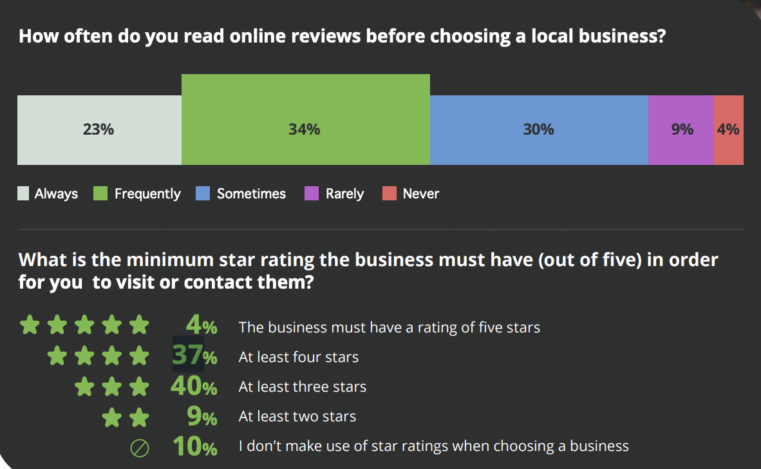
Customer acquisition costs continue to rise across most industries due to increasing advertising competition and changing digital marketing landscapes. However, businesses with strong reputations often acquire customers more efficiently than competitors.
A positive reputation creates a multiplier effect across marketing channels.
Consumers are more likely to click on search listings from businesses with strong ratings and positive reviews. Referral traffic tends to increase because satisfied customers recommend trusted brands to others. Organic search performance often improves as businesses accumulate positive engagement signals and brand mentions.
As trust increases, organizations typically require less advertising pressure to generate conversions.
This can reduce customer acquisition costs through:
- Improved organic search visibility
- Higher click-through rates
- Increased referral business
- Better conversion performance from existing traffic
- Stronger word-of-mouth marketing
- Greater customer advocacy
Rather than spending additional budget convincing skeptical prospects, reputable businesses often benefit from trust that has already been established through public perception.
3. Shorter Sales Cycles
A good reputation can significantly reduce the time required to convert prospects into customers.
In many industries, purchasing decisions involve research, comparisons, consultations, and internal discussions. Prospective customers often seek reassurance before committing to a business relationship.
When a company has a strong reputation, much of this validation has already occurred before direct contact takes place.
Potential buyers enter conversations with greater confidence because they have already reviewed positive customer experiences, observed consistent feedback patterns, and verified the company’s credibility through public sources.
As a result:
- Fewer objections need to be addressed.
- Less trust-building is required during sales conversations.
- Decision-makers feel more comfortable approving purchases.
- Prospects move through the sales funnel more quickly.
- Sales teams spend less time overcoming skepticism.
This advantage becomes particularly valuable in competitive industries where buyers evaluate multiple providers before making a final decision.
In 2026, reputation frequently serves as a form of pre-sale validation that accelerates the customer journey.
4. Stronger Competitive Positioning
Products, services, pricing models, and marketing tactics can often be replicated. Trust, however, is far more difficult for competitors to duplicate.
A strong reputation creates a sustainable competitive advantage because it reflects accumulated customer experiences over time.
When buyers compare similar businesses, reputation often becomes the deciding factor. Even when competitors offer comparable pricing or features, organizations with stronger trust signals frequently emerge as the preferred choice.
A positive reputation helps businesses:
- Differentiate themselves in crowded markets
- Defend against price-based competition
- Attract higher-quality customers
- Build stronger customer loyalty
- Increase customer lifetime value
- Establish industry authority
As AI-driven search systems and recommendation engines continue evolving, reputation is also becoming a visibility advantage. Companies that consistently demonstrate credibility and customer satisfaction are increasingly positioned as preferred recommendations within digital discovery environments.
Ultimately, a strong reputation allows businesses to compete on trust rather than simply competing on price.
5 Tips on How To Do Online Reputation Management in 2026

Online reputation management has evolved far beyond monitoring review websites and responding to occasional customer complaints. In 2026, reputation management is an ongoing operational process that combines customer experience, public engagement, digital visibility, and trust-building initiatives.
Organizations that approach reputation strategically are better positioned to strengthen customer confidence, improve discoverability, and protect long-term brand value.
1. Monitor Every Public Touchpoint
Customers interact with businesses across a growing number of platforms. Reviews, social media conversations, local listings, industry forums, video platforms, and AI-generated search experiences all contribute to public perception.
Limiting reputation monitoring to a single review platform creates blind spots that can allow issues to spread unnoticed.
Businesses should actively monitor:
- Google Business Profile reviews
- Industry-specific review sites
- Social media mentions
- Discussion forums
- Customer support channels
- News and media coverage
- Employee review platforms
- Brand mentions across the web
Effective monitoring helps organizations identify emerging issues before they become larger reputation challenges.
In today’s digital environment, reputation can change quickly. Continuous visibility into public sentiment is essential.
2. Standardize Response Protocols
How a business responds to feedback often influences public perception as much as the feedback itself.
Customers expect timely, professional, and consistent responses when concerns arise. Inconsistent communication can create confusion and erode trust.
Organizations should establish documented response protocols that define:
- Response timelines
- Escalation procedures
- Tone and communication standards
- Complaint resolution processes
- Review response guidelines
- Crisis communication workflows
Standardized processes ensure that every customer interaction reflects the organization’s commitment to accountability and professionalism.
The goal is not simply to respond quickly—it is to respond consistently and constructively.
3. Build Ethical Review Generation Systems
Authentic customer feedback remains one of the most powerful reputation assets available to businesses.
Rather than relying on occasional reviews, organizations should develop systematic and ethical processes for requesting feedback from satisfied customers.
Effective review generation systems may include:
- Automated post-purchase review requests
- Follow-up satisfaction surveys
- Service completion feedback campaigns
- Customer success outreach programs
- Review invitation workflows integrated into customer journeys
The emphasis should always be on authenticity.
Attempting to manipulate reviews, offer incentives for positive ratings, or suppress negative feedback can damage credibility and create long-term trust issues.
Businesses that consistently encourage honest customer feedback tend to build more sustainable reputational strength over time.
4. Align Operations With Public Expectations
Many reputation problems originate from operational shortcomings rather than communication failures.
If a business promises exceptional service but consistently delivers poor experiences, no amount of reputation management can compensate for the disconnect.
Modern consumers evaluate whether companies actually deliver on their promises.
Organizations should regularly assess:
- Customer service quality
- Delivery performance
- Product consistency
- Support responsiveness
- Transparency standards
- Policy fairness
- Customer satisfaction trends
Reputation management is most effective when operational performance and public messaging remain aligned.
The strongest reputations are built when customer experiences consistently reinforce brand promises.
5. Track Reputation as a Growth Metric
Many businesses still treat reputation as a reactive issue instead of a strategic performance indicator.
In 2026, leading organizations increasingly measure reputation using the same level of discipline applied to revenue, customer acquisition, and operational performance.
Key metrics may include:
- Average review rating
- Review volume growth
- Review response rates
- Customer sentiment trends
- Brand mention sentiment
- Customer satisfaction scores
- Net Promoter Score (NPS)
- Share of positive online conversations
- Search visibility indicators
- Reputation-related conversion metrics
Tracking these indicators helps leadership identify trends, evaluate initiatives, and connect reputation performance to broader business outcomes.
When reputation is treated as a measurable growth metric rather than a marketing afterthought, organizations are better equipped to build trust, improve customer experiences, and create sustainable competitive advantages.
Online Reputation Checklist

A strong reputation is not built through occasional monitoring or reactive responses. In 2026, businesses must continuously evaluate the signals that influence public trust, customer confidence, and digital visibility.
The following online reputation checklist can help organizations identify strengths, uncover vulnerabilities, and maintain a reputation that supports sustainable growth.
Monitoring and Visibility
Visibility is the foundation of effective reputation management. Businesses cannot improve what they do not actively monitor.
Use this checklist to assess monitoring performance:
- Monitor reviews across all major platforms relevant to your industry.
- Track brand mentions on social media channels.
- Monitor discussions in forums, communities, and industry-specific platforms.
- Review search engine results for branded keywords regularly.
- Track AI-generated search summaries and business recommendations when applicable.
- Set up alerts for company mentions, executive mentions, and product mentions.
- Monitor competitor reputation trends for benchmarking purposes.
- Review local listings and business profiles for accuracy.
The goal is to maintain complete awareness of how your business is being discussed across the digital ecosystem.
Rating and Review Health
Reviews remain one of the strongest public indicators of trust.
Evaluate the health of your review profile using the following criteria:
- Maintain a consistent flow of recent customer reviews.
- Monitor average ratings across platforms.
- Track review volume trends over time.
- Identify recurring themes in positive reviews.
- Identify recurring complaints or service issues.
- Ensure reviews represent genuine customer experiences.
- Compare review performance against key competitors.
- Monitor changes in rating trends that may indicate operational problems.
Review health should be evaluated based on quality, consistency, authenticity, and momentum—not simply average star ratings.
Authenticity and Sentiment
Modern consumers are highly sensitive to authenticity.
Assess whether public perception reflects genuine trust by reviewing:
- Overall sentiment trends across reviews and mentions.
- Balance between positive, neutral, and negative feedback.
- Authenticity of customer testimonials.
- Consistency between customer experiences and brand messaging.
- Customer trust indicators within feedback.
- Common praise points that reinforce credibility.
- Emerging concerns that may impact future reputation.
Strong sentiment often indicates that operational performance and customer expectations remain aligned.
Response and Engagement
How a business responds to feedback influences public trust.
Review the following areas:
- Response rates for customer reviews.
- Average response times.
- Professionalism and consistency of responses.
- Resolution rates for customer complaints.
- Escalation processes for sensitive issues.
- Customer follow-up procedures.
- Social media engagement quality.
- Crisis response readiness.
A business that engages thoughtfully with customers demonstrates accountability, transparency, and customer commitment.
Cross-Platform Consistency
Customers often evaluate businesses across multiple platforms before making decisions.
Ensure consistency in:
- Business information and contact details.
- Brand messaging and positioning.
- Customer experience quality.
- Review patterns across platforms.
- Visual branding elements.
- Customer support standards.
- Product and service descriptions.
- Public communication tone.
Inconsistent experiences create uncertainty, while consistency strengthens trust.
Operational Alignment
Reputation ultimately reflects operational reality.
Evaluate whether business operations support public expectations:
- Service quality meets advertised standards.
- Customer support processes function effectively.
- Products consistently deliver promised value.
- Delivery and fulfillment performance remain reliable.
- Customer complaints are used to improve operations.
- Employee experiences align with company values.
- Internal policies support customer satisfaction goals.
- Leadership regularly reviews reputation-related metrics.
The strongest reputations are built when internal performance consistently reinforces external messaging.
Build Trust That Grows With Your Business
In 2026, reputation influences customer decisions long before they engage with your business. Prospective customers evaluate brands through search results, online reviews, AI-generated summaries, and public feedback across multiple platforms. Every review, customer interaction, and online mention contributes to how your business is perceived.
A strong reputation is no longer defined by a few positive reviews. It is built through consistency, transparency, responsiveness, and a system that actively manages trust at every stage of the customer journey.
Many businesses already have satisfied customers. The challenge is not generating positive experiences—it’s creating a structured process to monitor, manage, and amplify them effectively.
At Pro Real Tech, we help businesses transform reputation management from a reactive task into a strategic growth initiative. Our services include:
- Review Monitoring
- Review Response Management
- Review Generation Strategies
- Local SEO Services
- Business Listing Management
- Online Reputation Management
As digital trust signals become increasingly important for search visibility, customer acquisition, and brand credibility, businesses need a reputation strategy that goes beyond surface-level metrics.
If you’re ready to build a stronger, more resilient online presence, Pro Real Tech can help you develop a reputation management framework designed for the realities of 2026 and beyond.
Contact us today to learn how we can help strengthen your brand’s reputation and drive long-term growth.
Frequently Asked Questions About Reputation Management
What Are the Most Overlooked Reputation Management Best Practices in 2026?
One of the most overlooked practices is treating reputation management as an operational responsibility rather than solely a marketing function. Many organizations focus on review responses while overlooking the underlying customer experiences that generate those reviews.
Other commonly neglected areas include monitoring sentiment across multiple platforms, tracking reputation-related performance metrics, and proactively identifying issues before they become public complaints.
Why Do Online Reputation Management Best Practices Require Executive Oversight?
Reputation affects every aspect of a business, including customer acquisition, retention, hiring, partnerships, and long-term growth.
Executive oversight ensures that reputation management receives organizational attention and resources. Leadership involvement also helps align customer experience, operations, marketing, and service teams around common trust-building objectives.
Without executive support, reputation initiatives often become fragmented and reactive.
How Often Should an Online Reputation Checklist Be Reviewed?
Core reputation indicators should be monitored continuously.
Businesses should review key metrics such as reviews, ratings, sentiment trends, and customer feedback weekly. A comprehensive reputation audit should typically be conducted monthly or quarterly depending on company size and customer volume.
Organizations operating in highly competitive industries may benefit from even more frequent evaluations.
What Makes Online Reputation Management Best Practices Different Today Compared to Five Years Ago?
Five years ago, reputation management focused heavily on reviews and social media monitoring.
In 2026, reputation management has expanded to include AI-driven search visibility, cross-platform sentiment analysis, customer experience consistency, digital discoverability, and trust signals that influence automated recommendation systems.
The scope has shifted from managing perception to managing measurable trust.
How Should Leadership Think About How To Do Online Reputation Management in a Growing Company?
Leadership should view reputation as a strategic business asset rather than a marketing initiative.
As companies grow, reputation management should be integrated into customer service, operations, product development, employee experience, and executive decision-making processes.
Organizations that scale successfully typically build systems that support consistent customer experiences while continuously monitoring public perception.
Can Small Businesses Realistically Experience the Advantages of Good Business Reputation Without a Large Marketing Budget?
Yes.
A strong reputation often creates opportunities that exceed the impact of paid advertising alone. Positive reviews, customer referrals, local search visibility, and word-of-mouth recommendations can significantly increase business growth without substantial marketing investments.
For many small businesses, trust serves as a more powerful growth driver than advertising spend.
How Do Online Reputation Management Best Practices Influence Investor or Partnership Decisions?
Investors and strategic partners increasingly evaluate public trust signals when assessing business opportunities.
Consistent positive reviews, healthy customer sentiment, strong engagement practices, and evidence of operational excellence can indicate lower business risk and stronger long-term potential.
A poor reputation may raise concerns about customer retention, operational weaknesses, or future growth limitations.
What Signals Within an Online Reputation Checklist Indicate Early Warning Signs?
Several indicators may signal emerging reputation issues:
- Sudden increases in negative reviews.
- Declining review ratings.
- Reduced customer satisfaction scores.
- Recurring complaints around specific issues.
- Increasing negative sentiment trends.
- Slower response times.
- Declining customer engagement levels.
- Growing inconsistencies across platforms.
Early identification allows businesses to address underlying issues before they significantly impact public trust.
Why Are the Benefits of a Good Reputation Increasingly Tied to Digital Discoverability?
Consumers now discover businesses through search engines, AI-generated recommendations, review platforms, local listings, and social networks.
These systems increasingly rely on trust signals when determining which businesses deserve visibility.
Companies with strong reputations often benefit from greater discoverability because positive sentiment, reviews, engagement, and credibility contribute to stronger visibility signals across digital ecosystems.
How Do Reputational Benefits Differ From Traditional Brand Equity?
Traditional brand equity focuses on awareness, recognition, and perceived value associated with a brand.
Reputation focuses on trust earned through demonstrated performance and real-world experiences.
A company may have strong brand recognition but still struggle with reputation if customers consistently report negative experiences.
A business with a strong reputation benefits from credibility, customer confidence, and public trust that directly influence purchasing decisions. In today’s marketplace, reputation increasingly serves as the practical foundation upon which long-term brand equity is built.
Read More: Google Local Review Replies Are Now Moderated: What Businesses Need To Know in 2026


