

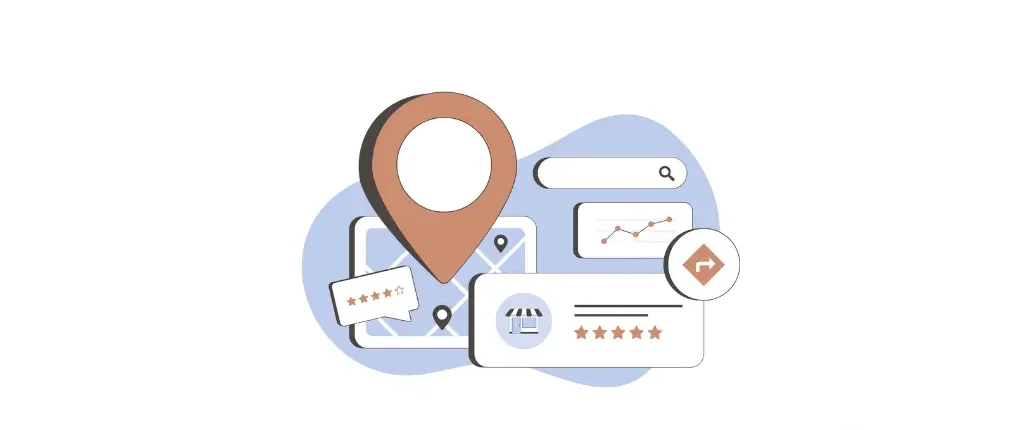
In the digital age, the old adage “all business is local” has been rewritten. It now reads: “All business is hyperlocal, and your online reputation is your new storefront.”
For years, businesses have understood the importance of online reviews. A good star rating on Google or Yelp was seen as a nice-to-have, a digital badge of honor. But the landscape has shifted dramatically. We are now in the era of hyperlocal reviews—a powerful, nuanced, and often underutilized force that can make or break a business within a specific, targeted radius.
This isn’t just about collecting five-star ratings anymore. It’s about strategically leveraging customer feedback to directly influence the consumers who are physically closest to you, right at the moment they are making a purchasing decision. This blog post will serve as your comprehensive guide to understanding the rise of hyperlocal reviews and providing a actionable blueprint to harness their power to dominate your local market.

What Are Hyperlocal Reviews and Why Do They Matter Now?
Hyperlocal reviews are customer testimonials and ratings that are discovered and consumed by users searching for businesses within a very specific geographic area. Think of a potential customer standing on a street corner, searching “best coffee shop near me” or “emergency plumber in [Your Neighborhood].” The results they see—and the reviews attached to them—are hyperlocal.
Several key trends have converged to make hyperlocal reviews the most critical element of local SEO and consumer trust:
-
The Mobile-First World: Over 60% of all online searches now happen on mobile devices. These searches are often driven by immediate intent—”I want this, and I want it now.” The “near me” search query has grown exponentially, becoming an implicit part of how we find everything from lunch to a locksmith.
-
The Evolution of Search Engines: Google and other search engines have become incredibly sophisticated at understanding user intent and location. Their primary goal is to deliver the most relevant and helpful results. For local searches, this means maps, local business listings (Google Business Profile), and—crucially—review snippets are prioritized.
-
The Crisis of Trust: In a world saturated with digital advertising, consumers have become adept at tuning out branded messages. They trust their peers. A collection of authentic, recent, and detailed reviews from people like them is more influential than any billboard or television commercial.
Beyond the Star Rating: The Multi-Layered Power of Hyperlocal Content
Many business owners fixate on the average star rating. While important, this is only the tip of the iceberg. The true power of hyperlocal reviews lies in their rich, qualitative content.
1. The Long-Tail Keyword Goldmine:
Reviews are written in the natural language of your customers. They use the specific phrases and problem-oriented keywords you might not think to target.
-
A restaurant review might mention “great gluten-free pizza crust” or “perfect for a quiet date night.”
-
An HVAC company’s review could praise “fast response for a broken AC on a holiday weekend.”
These phrases are semantic signals to search engines. When multiple reviews contain these terms, it tells Google that your business is a definitive solution for those specific needs, boosting your ranking for those hyper-relevant searches.
2. The Ultimate Social Proof and Trust Catalyst:
A five-star rating is a data point; a detailed story is a compelling narrative. Reviews that describe a positive experience—from the friendly greeting at the door to the resolution of a problem—paint a vivid picture for prospects. They answer critical questions before they’re even asked: “What is it really like to do business here?” “Will they treat me well?” “Is the product as good as it looks?”
3. Your Free, 24/7 Focus Group:
Hyperlocal reviews are an unfiltered stream of market intelligence. They tell you what you’re doing right, what you’re doing wrong, and what your local community truly values. Are people consistently praising your staff’s knowledge? That’s a core strength to highlight. Are there recurring complaints about parking? That’s an operational issue you now know to address. This is priceless feedback that Fortune 500 companies pay millions to acquire.

The Hyperlocal Domination Blueprint: A 5-Step Action Plan
Transforming your review profile from passive to dominant requires a strategic and proactive approach. Follow these five steps to build an unassailable local presence.
Step 1: Claim, Optimize, and Clean Your Digital Foundations
You cannot win a game if you don’t know where it’s being played. Your first task is to establish a commanding presence on the key hyperlocal platforms.
-
Google Business Profile (GBP): This is non-negotiable. Your GBP listing is your single most important digital asset for local search. Ensure every field is complete and accurate: hours, phone number, website, address, and attributes (e.g., “wheelchair accessible,” “women-led”). Regularly post updates, offers, and events to show you are active and engaged.
-
Other Relevant Platforms: Depending on your industry, claim and optimize your profiles on sites like Yelp, Facebook, Tripadvisor, Angi (formerly Angie’s List), and industry-specific directories like Healthgrades for doctors or Zillow for real estate agents.
-
Clean Up Inconsistencies: Ensure your business name, address, and phone number (NAP) are consistent across the entire web. Inconsistencies confuse both customers and search engines, damaging your credibility and rankings.
Step 2: Implement a Proactive (But Not Pushy) Review Generation Strategy
Waiting for reviews to trickle in is a losing strategy. You must actively guide satisfied customers to leave feedback, making the process as effortless as possible for them.
-
Timing is Everything: Ask for a review shortly after a positive interaction—when the experience is still fresh in the customer’s mind. For a restaurant, this could be an automated SMS follow-up a few hours after their visit. For a service business, it could be an email after a job is successfully completed and confirmed.
-
Make it Easy: Provide direct links. Don’t just say, “Find us on Google!” Instead, send a text or email with a clickable link that takes them straight to your review page on Google, Yelp, or Facebook. QR codes on receipts or in-store signage are also highly effective.
-
Personalize the Ask: A personal request from a staff member who provided excellent service is far more powerful than a generic mass email. Train your team to say, “Maria, we’re so glad we could help you with your plumbing issue today. If you have a moment, it would mean a lot if you could share your experience on our Google page.”
Step 3: Master the Art of the Response
How you respond to reviews—both positive and negative—is a public performance that every future prospect will see. Your responses are not just for the reviewer; they are marketing messages for everyone reading.
-
Respond to EVERYTHING: Make it a policy to respond to every single review. This shows you are listening and that you value all customer feedback.
-
Responding to Positive Reviews:
-
Be specific and grateful. Instead of “Thanks!”, try “Thank you, Sarah, for highlighting our quick installation time! We’re thrilled you’re enjoying your new system. The Johnson team appreciates your business.”
-
This reinforces the positive attributes mentioned and shows a human touch.
-
-
Responding to Negative Reviews (The Critical Test):
-
Stay Calm and Professional: Never get defensive or angry.
-
Empathize and Apologize: Start by validating their feelings. “John, we are so sorry to hear about your experience. Thank you for bringing this to our attention.”
-
Take it Offline: Provide a specific contact method to resolve the issue. “We take this very seriously. Please email me directly at manager@business.com so we can make this right.”
-
The Transformation: A well-handled negative review can actually increase trust. It demonstrates that you are accountable, responsive, and committed to customer satisfaction, even when things go wrong.
-
Step 4: Analyze, Categorize, and Operationalize Feedback
Your reviews are a data goldmine. Move beyond just reading them and start analyzing them.
-
Identify Trends: Are multiple people complaining about the same service? Are they consistently praising a specific product? Use a spreadsheet or a reputation management tool to tag and categorize feedback.
-
Share with Your Team: Make review analysis a part of your team meetings. Share positive reviews to boost morale and reinforce good practices. Share constructive criticism as a learning opportunity to improve processes and training.
-
Inform Business Decisions: This feedback loop should directly influence your operations. If reviews say your wait times are long, maybe you need to streamline your booking process. If they love a particular menu item, consider featuring it more prominently.
Step 5: Weave Reviews into Your Entire Marketing Ecosystem
Don’t silo your reviews on third-party platforms. Repurpose this powerful social proof across all your marketing channels.
-
Your Website: Create a dedicated “Testimonials” page. Embed live Google Reviews widgets to show fresh, authentic content. Feature standout review quotes on your homepage and service pages.
-
Social Media: Turn a great review into a visually appealing graphic and share it on Instagram, Facebook, or Twitter. Always tag the location.
-
Email Marketing: Include a compelling customer quote in your email newsletter or a post-purchase follow-up sequence.
-
Offline Materials: Yes, even offline! Consider adding a short, powerful testimonial to your business cards, brochures, or in-store signage.
From Participant to Powerhouse
The rise of hyperlocal reviews is not a passing trend; it is the new foundation of local consumer commerce. It has democratized marketing, putting the power of brand perception directly into the hands of your customers.
Businesses that choose to be passive—simply hoping for good reviews and dreading the bad ones—will be left behind. They will become digital ghosts, invisible to the motivated searchers right outside their doors.
But the businesses that embrace this revolution, that see every review as an opportunity to learn, to connect, and to build trust, will become local powerhouses. They will be the names that consistently top the search results, the establishments that people feel they know before they even walk in, and the trusted authorities in their community.
The blueprint is clear. Start building your hyperlocal empire today. Claim your profiles, engage with your customers, listen to their feedback, and let their voices become the most powerful marketing tool you have ever used. The path to local market dominance is paved with authentic, hyperlocal reviews.
Read More: How to Use Motion Design Without Hurting Page Speed


