

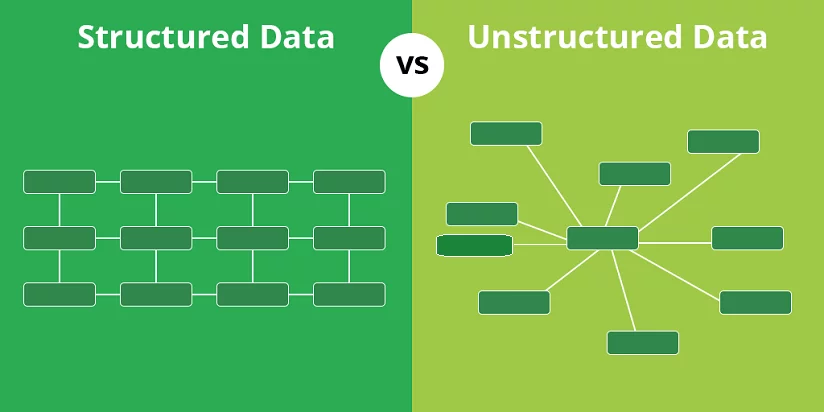
In the data-driven world, businesses must navigate vast information to stay competitive. Data forms the backbone of strategic decision-making, influencing everything from marketing campaigns to product development. However, not all data is created equal. Broadly, data can be categorized into structured and unstructured formats, each playing a unique role in how organizations function.
Understanding the distinction between these types is crucial for businesses striving for efficiency, growth, and adaptability. While structured data offers precision and organization, unstructured data provides rich, qualitative insights. Together, they create a holistic approach to problem-solving and strategy execution. In this section, we’ll dive into the details of both structured and unstructured data, exploring their characteristics, examples, and how they can be leveraged effectively.
Understanding Structured Data vs. Unstructured Data
What Is Structured Data?
Structured data refers to information that is highly organized and formatted in a way that makes it easily searchable and accessible within databases. Typically stored in rows and columns, structured data adheres to a strict schema or format, allowing computers to process and analyze it quickly.
Structured data powers many everyday digital interactions, such as searching for products online or analyzing customer behavior through dashboards. It’s an essential component for businesses seeking consistency and accuracy in their operations.
Examples of Structured Data
- Relational Databases:
- Customer records stored in a CRM (Customer Relationship Management) system, such as names, email addresses, and phone numbers.
- Financial Data:
- Transactions like sales figures, revenue, and expenditure records.
- Sensor Data:
- Temperature readings from IoT (Internet of Things) devices, such as thermostats or industrial equipment.
- Inventory Data:
- Product stock levels and SKUs in an e-commerce platform.
These examples highlight structured data’s versatility and its critical role in operational processes.
Characteristics of Structured Data
- Predefined Format: Structured data is stored in a strict format like a table, using rows and columns. Each field is assigned specific data types, such as text, numbers, or dates.
- Easily Searchable: Thanks to its schema, structured data can be queried using tools like SQL (Structured Query Language).
- High Accuracy: The rigid structure minimizes errors and ensures data consistency, making it reliable for reporting and analytics.
- Storage in Databases: Structured data is often stored in relational databases, such as MySQL, Oracle, or Microsoft SQL Server.
- Machine Readability: The standardized format allows machines to process and analyze structured data efficiently.
What Is Unstructured Data?
Unstructured data, in contrast, is information that lacks a predefined format or organization. It is not stored in rows and columns, making it more complex to process and analyze. However, it represents an overwhelming majority of the data generated daily — think emails, videos, social media posts, or PDFs.
While unstructured data requires advanced tools like AI and machine learning for analysis, it offers deep qualitative insights that structured data alone cannot provide. These insights can reveal patterns, sentiments, and trends that drive strategic decisions.
Examples of Unstructured Data
- Multimedia Files:
- Videos, photos, and audio recordings used in marketing campaigns or customer feedback.
- Text-Based Data:
- Emails, blogs, social media posts, and chat transcripts.
- Web Content:
- HTML pages, forums, and review websites.
- Scientific Data:
- Genomic sequences or research datasets from experiments.
- Log Files:
- System logs and server logs that capture user behavior but aren’t inherently organized.
These examples showcase the vast potential of unstructured data to drive decision-making across diverse industries.
Characteristics of Unstructured Data
- No Predefined Format: Unstructured data doesn’t follow a rigid schema, making it harder to store and query directly in traditional databases.
- Diverse Sources: It comes in many formats, including images, videos, and free-form text, requiring specialized tools for storage and processing.
- Large Volume: Most of the world’s data is unstructured, with an exponential increase due to digital transformation.
- Difficult to Analyze: Analyzing unstructured data demands advanced technologies like AI, natural language processing (NLP), or machine learning.
- Rich Insights: Despite its complexity, unstructured data provides qualitative information, such as customer sentiments and emerging market trends.
Semi-Structured Data
Falling between structured and unstructured data is semi-structured data, which has elements of organization but lacks a rigid schema. It doesn’t fit neatly into tables but still retains metadata or tags to provide some structure. For example, JSON files, XML documents, and emails with headers (subject, timestamp) are considered semi-structured.
Characteristics of Semi-Structured Data
- Flexibility: It’s more adaptable than structured data, making it easier to scale or modify as needed.
- Partially Organized: Metadata and tags provide loose organization, enabling easier storage and retrieval compared to unstructured data.
- Storage Compatibility: Semi-structured data can be stored in non-relational databases like MongoDB or Cassandra.
Why Semi-Structured Data Matters
Semi-structured data bridges the gap between structured and unstructured data, allowing businesses to extract value from complex datasets while maintaining some level of order.
How Structured Data Helps With Online Reputation Management
Structured data is a cornerstone of online reputation management (ORM), as it provides businesses with a way to present information in a clear, organized format that search engines and users can easily understand. By implementing structured data, businesses can improve their visibility, attract more traffic, and build credibility. Below, we explore how structured data contributes to ORM through various benefits and applications.
Increased Online Visibility
Structured data allows businesses to enhance their search engine presence by enabling features like rich snippets, knowledge panels, and carousels. When implemented correctly, structured data tags help search engines understand the context of a page’s content, ensuring it appears in relevant search results.
- Example: A restaurant using structured data can display its ratings, menu, and business hours directly on the search results page. This enhanced presentation increases the likelihood of attracting clicks from potential customers.
- Benefit to ORM: By making your content stand out, you improve brand visibility and credibility, which positively impacts your online reputation.
Increased Traffic
With structured data, businesses can provide additional details about their offerings directly on the search results page. Features like event listings, product availability, or FAQ-rich snippets allow users to find what they need without further digging.
- Example: An e-commerce store can display product prices, availability, and reviews through structured data tags, driving more qualified traffic to their website.
- Benefit to ORM: Increased traffic translates to more opportunities for positive customer interactions, reviews, and conversions, which can enhance your online image.
Showcase Your Awards
Structured data offers a unique way to highlight achievements and certifications. Businesses can use schema markup to display awards, certifications, and industry recognitions in search results, creating an impression of authority and trustworthiness.
- Example: A digital marketing agency might showcase its “Best Agency Award 2024” in search results, reinforcing its credibility.
- Benefit to ORM: Showcasing awards builds trust with potential customers and improves perceptions of your brand, giving you a competitive edge.
Quantify Customer Feedback
One of the most effective ways to build trust is by showcasing customer reviews and ratings. Structured data enables businesses to display star ratings and review snippets directly in search results.
- Example: A hotel chain that uses structured data for reviews can display its 4.8-star rating and glowing testimonials on search pages.
- Benefit to ORM: Displaying positive feedback directly in search results can influence consumer decisions and establish your brand as trustworthy and customer-focused.
Measure Marketing Success
Structured data not only helps you present your business effectively but also provides a way to track the performance of your content in search results. By combining structured data with analytics tools, you can gain insights into user behavior, such as click-through rates and impressions.
- Example: A retail business can monitor how product-rich snippets perform in search results and optimize the content to improve visibility and engagement.
- Benefit to ORM: By measuring success, you can refine your strategies, ensuring your brand continues to maintain a positive reputation in search results.
Leverage the Google Rich Results Test
Google provides tools like the Rich Results Test to verify whether your structured data is implemented correctly and eligible for enhanced search features. Using this tool ensures your content is optimized for rich snippets, improving visibility and engagement.
- Example: A blog using FAQ schema markup can test its implementation to ensure the FAQs appear in a rich snippet format on Google search results.
- Benefit to ORM: Accurate and optimized structured data minimizes errors and ensures your brand consistently appears in a favorable light.
The Importance of Unstructured Data for Online Reputation Management
Unstructured data plays a pivotal role in online reputation management (ORM) by providing deep qualitative insights that structured data alone cannot offer. This data, which includes customer reviews, social media posts, videos, and other non-tabular formats, allows businesses to understand public perception and take actionable steps to enhance their reputation. Below, we explore how unstructured data supports ORM through sentiment analysis, rich media insights, trust-building, and risk identification.
Sentiment Analysis
Unstructured data is invaluable for performing sentiment analysis, a technique used to evaluate the tone and emotion behind user-generated content. Businesses can analyze reviews, social media mentions, and comments to gauge whether public sentiment about their brand is positive, negative, or neutral. For instance, a sudden surge in negative tweets about a product can signal issues requiring immediate attention. By tracking sentiment over time, businesses can identify patterns and respond appropriately. This proactive approach helps maintain a positive reputation and builds a stronger connection with customers.
Rich Media Insights
Unstructured data includes rich media such as images, videos, and audio files that provide nuanced insights into consumer experiences and perceptions. These media types are often shared across platforms like Instagram, YouTube, and TikTok, where customers showcase their interactions with a brand. For example, a video review of a product can highlight aspects that traditional text reviews might overlook, such as ease of use or packaging quality. Analyzing this type of unstructured data allows businesses to refine their offerings and improve customer satisfaction. Furthermore, positive visual content shared by customers acts as organic marketing, boosting trust and credibility among potential buyers.
Builds Trust
Unstructured data enables businesses to engage with customers on a personal level, fostering trust and loyalty. For instance, responding to customer queries on social media or addressing concerns in public forums demonstrates that a business values customer feedback. User-generated content such as testimonials, blog posts, and video reviews also enhances credibility, as potential customers tend to trust the opinions of their peers more than corporate advertising. By actively monitoring and leveraging unstructured data, businesses can create a transparent and customer-focused image that strengthens their reputation.
Identifies Risks and Opportunities
One of the most significant advantages of unstructured data is its ability to help identify both risks and opportunities. Monitoring unstructured data sources such as complaint forums, social media platforms, and news articles can alert businesses to emerging issues before they escalate. For example, detecting a recurring complaint about a product feature can prompt early corrective actions, preventing damage to the brand’s reputation. Conversely, analyzing trends in customer discussions can reveal unmet needs or emerging market opportunities. By acting on these insights, businesses can stay ahead of competitors and continuously improve their offerings.
Structured vs. Unstructured Data: Why You Need Both for ORM
Combining structured and unstructured data is essential for effective online reputation management (ORM). Each type offers unique insights that together create a comprehensive strategy for understanding and influencing your brand’s perception. Below, we explore how structured and unstructured data provides a holistic view of customer sentiment, enables early detection of potential reputation issues, and enhances your content strategy.
Holistic View of Customer Sentiment
Structured data provides measurable, quantitative insights, such as star ratings or survey scores, while unstructured data captures qualitative elements like emotional tone in customer reviews or social media posts. Together, they offer a complete picture of how customers perceive your brand. For example, structured data might show a product with an average rating of 4.5 stars, while unstructured data reveals that customers value its affordability but find the packaging lacking. This combined insight allows businesses to address specific pain points while amplifying strengths, ensuring a balanced and informed approach to ORM.
Early Detection of Online Reputation Issues
Structured data makes it easier to monitor metrics like the frequency of negative reviews or changes in website traffic, while unstructured data enables businesses to spot emerging trends in customer feedback. For instance, a sudden increase in complaints on social media may signal a product issue not yet reflected in structured datasets. By leveraging both types of data, businesses can proactively identify and resolve issues before they spiral into crises, safeguarding their reputation.
Enhanced Content Strategy
Structured data helps businesses display accurate and relevant information in search results, improving visibility and engagement. Unstructured data, on the other hand, offers creative inspiration for crafting content that resonates with the audience. For instance, analyzing customer questions from unstructured sources like forums can guide FAQ development, while structured insights help prioritize the topics most searched by users. Together, they enable a data-driven approach to content creation that builds credibility and enhances brand perception.
At Pro Real Tech, we offer reputation management solutions backed by advanced analytics tools and a team of experts. We extract valuable insights from structured and unstructured sources to develop an ORM strategy for your business that delivers results.
Contact us today to get started!


