

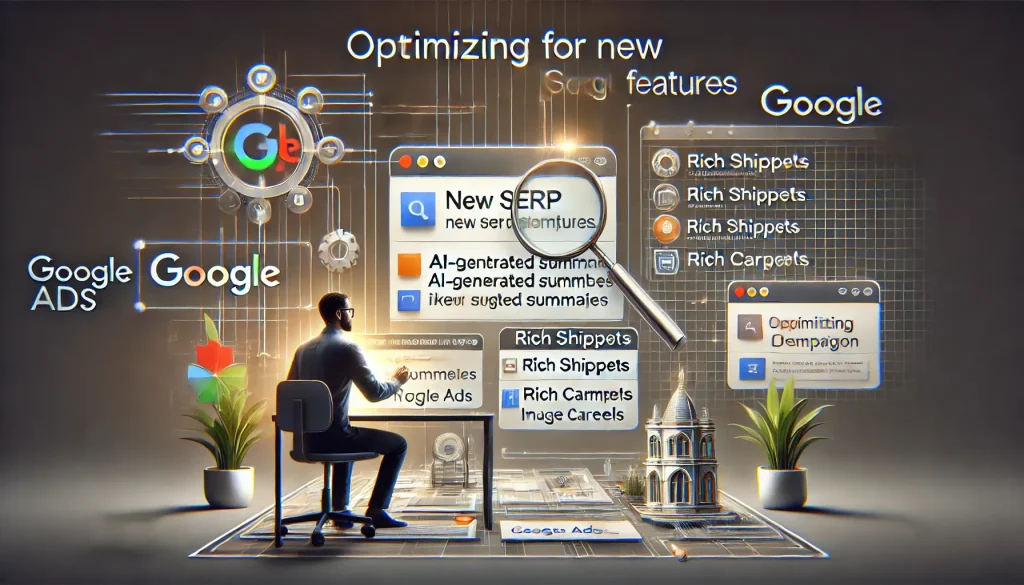
The search engine landscape is changing faster than ever. What once worked to drive organic traffic may not be enough in today’s world of AI-driven search results, evolving algorithms, and dynamic SERP (Search Engine Results Page) features.
If your website depends heavily on organic search, understanding how to adapt is crucial. This comprehensive guide explores why SERP changes affect website traffic and six actionable strategies to sustain — and even grow — your visibility in a constantly shifting environment.
Understanding the New SERP Landscape
A decade ago, search results were simple. You typed a keyword, and Google displayed ten blue links. But now, that simplicity is long gone. Modern SERPs include a mix of elements such as:
-
AI Overviews and Summaries: Automatically generated answers that appear at the top of search results.
-
Featured Snippets: Quick, extracted answers displayed before the first organic result.
-
People Also Ask (PAA): Expandable question boxes showing related queries.
-
Knowledge Panels and Local Packs: Business and entity summaries with maps and contact details.
-
Image and Video Carousels: Visual content displayed directly on the results page.
-
Discussion Tabs and Forum Results: Pulling insights from platforms like Reddit, Quora, or YouTube.
While these additions improve user experience, they also mean fewer clicks on traditional organic listings. In many cases, searchers get what they need without ever leaving Google’s page.
That’s why businesses and content creators must move from a “rank-focused” mindset to a “visibility-focused” strategy.
The Impact of SERP Changes on Click-Through Rates (CTR)
One of the most noticeable effects of evolving SERPs is the decline in click-through rates. AI summaries and featured snippets often answer a user’s query directly, reducing the incentive to visit the source website.
Research and industry data show that:
-
Top organic listings that once received 25–30% CTR may now receive 15–20%.
-
Pages below the fold suffer even more significant losses in visibility.
-
Mobile searches — now over 60% of total queries — show consistently lower CTR than desktop.
This doesn’t mean SEO is dead. It means the definition of SEO success has evolved. You’re no longer competing for just a ranking; you’re competing for attention, credibility, and engagement across multiple result types.
Redefining “Success” in Search Visibility
Traditional SEO measured success by keywords, rankings, and organic sessions. But in the new SERP environment, a “good” performance includes:
-
Brand visibility in AI summaries and rich results, even without a click.
-
Increased impressions and brand exposure across multiple SERP surfaces.
-
Improved engagement metrics such as time on page and repeat visits.
-
Traffic diversity from alternative search platforms, social media, and communities.
The new SEO goal is to be discoverable, trustworthy, and referenced everywhere relevant, not just to occupy the #1 ranking position.
Six Proven Strategies to Maintain Website Traffic Amid SERP Shifts
To adapt to these new realities, you need a comprehensive, multi-channel SEO approach. Below are six core strategies that help maintain traffic even when SERPs evolve.
1. Optimize for Featured Snippets and AI Summaries
Featured snippets and AI-generated overviews now dominate the top of search results. To appear in these high-visibility areas:
-
Answer questions directly: Provide concise, factual responses (40–60 words) early in your content.
-
Use structured formatting: Organize content with bullet points, numbered lists, and tables.
-
Include “what,” “how,” and “why” questions as subheadings to align with natural search intent.
-
Place a short summary or key takeaway box at the start of the article for easy extraction.
-
Write with clarity and precision: Avoid fluff or vague statements — direct, authoritative language works best.
Appearing in snippets or AI summaries ensures your brand is seen, even if users don’t immediately click. Over time, this builds recognition and trust that translates into future visits.
2. Use Structured Data to Enhance Search Appearance
Structured data (schema markup) helps search engines understand your content’s context, enabling richer search results. Implementing it correctly can increase visibility and engagement.
Here’s how to use it effectively:
-
Add JSON-LD markup for your articles, products, reviews, and organization details.
-
Include rating, price, author, and date information to enhance credibility and click appeal.
-
Use video, FAQ, and breadcrumb schema to appear in multiple result types.
-
Regularly test structured data using Google’s Rich Results Test to ensure validity.
Properly marked-up pages not only stand out visually but are also more likely to be referenced in AI-driven summaries.
3. Target Long-Tail and Conversational Keywords
The rise of voice search and AI assistants has shifted how people query information. Users now search with full sentences or natural phrases instead of short keywords.
To adapt:
-
Focus on long-tail keywords that mirror how people talk (e.g., “What’s the best eco-friendly detergent for sensitive skin?”).
-
Use question-based subheadings throughout your content.
-
Mine “People Also Ask” boxes for new content ideas.
-
Incorporate conversational tone — write as if speaking directly to the user.
Long-tail keywords often have lower search volume but higher conversion intent. They also face less competition and align more naturally with voice and AI search results.
4. Strengthen Your Local SEO Presence
For businesses serving specific locations, local SEO remains one of the most reliable sources of organic traffic — and one least affected by AI-driven summaries.
Here’s how to maximize it:
-
Keep your business information consistent across all directories and listings.
-
Optimize your Google Business Profile with updated hours, services, and images.
-
Encourage customer reviews — they influence both rankings and user trust.
-
Use location-based keywords in page titles, meta descriptions, and content.
-
Add local structured data markup to signal relevance to nearby searches.
Local SEO not only drives map pack visibility but also helps maintain strong brand presence in geographically relevant searches.
5. Create High-Value, Authoritative Content
Amid algorithm and SERP changes, one principle remains constant: valuable, trustworthy content wins.
To stand out in an AI-summarized world:
-
Show real expertise: Include author bios, credentials, and verifiable experience.
-
Use original insights: Data, case studies, and firsthand perspectives differentiate your content from generic posts.
-
Enhance readability: Use descriptive headers, visuals, and summaries for each major point.
-
Incorporate multimedia: Add relevant images, short videos, infographics, and interactive elements to boost engagement.
-
Update regularly: Fresh content signals ongoing authority to both users and algorithms.
Google’s ranking systems increasingly reward E-E-A-T — Experience, Expertise, Authoritativeness, and Trustworthiness. Demonstrating these attributes ensures your content maintains high visibility.
6. Diversify Your Traffic Sources
Relying solely on organic search is risky in today’s ecosystem. Instead, aim to create a resilient mix of inbound channels.
Some ideas include:
-
Leverage paid campaigns (PPC): Target high-value, commercial-intent keywords to complement organic efforts.
-
Strengthen your social media presence: Use platforms like LinkedIn, YouTube, or TikTok to reach different audiences.
-
Develop a newsletter or email list: Direct communication builds audience loyalty beyond algorithms.
-
Collaborate with creators and communities: Guest posts, podcasts, and co-marketing increase referral traffic.
-
Engage with niche forums and platforms: Contribute value where your audience already gathers.
Diversification creates multiple paths for discovery. Even if one channel experiences decline, others can sustain overall visibility and conversions.

How to Respond When CTR or Traffic Drops
Even the most proactive SEO strategies can’t completely avoid fluctuations. When you notice traffic declines, take a structured, data-driven approach to recovery.
1. Audit and Diagnose
Start with analytics tools like Google Search Console and GA4. Look for:
-
Pages where impressions remain stable but clicks fall.
-
Keywords now showing AI summaries or new SERP features.
-
Shifts in traffic between desktop and mobile.
-
Sudden changes in CTR by query type or device.
Identifying the cause helps you decide whether to update metadata, content, or targeting.
2. Refresh Meta Titles and Descriptions
Your title and description are your first impression on the SERP. A small adjustment can dramatically improve click-through rates.
Tips for optimization:
-
Use emotional triggers or clear benefits (“Save Time with These 6 SEO Tactics”).
-
Keep titles under 60 characters for best display on mobile.
-
Include the focus keyword early and naturally.
-
Test different styles — numeric, question-based, or solution-oriented.
Regularly reviewing and refreshing metadata ensures your listings stay competitive against AI-enhanced results.
3. Add Visual and Interactive Content
Visual content attracts attention and can appear in additional SERP sections.
-
Add relevant images with descriptive alt text.
-
Embed short videos explaining complex concepts.
-
Create infographics or comparison charts to simplify information.
-
Use video schema to help search engines display your clips in results.
Rich media not only improves engagement but also increases the chances of being featured in image or video carousels.
4. Measure, Adapt, and Iterate
SEO success now depends on continuous adaptation. Monitor your analytics monthly, test new ideas, and refine based on performance.
Be ready to:
-
Update older articles with new insights or statistics.
-
Consolidate low-performing pages into stronger pillar content.
-
Experiment with different content formats — guides, FAQs, listicles, videos, or case studies.
-
Align content topics with emerging user questions and search trends.
Small, consistent improvements compound over time and protect your visibility against future algorithm changes.

Future-Proofing Your SEO Strategy
Looking ahead, AI will continue reshaping how information is discovered. But while automation changes the interface, the fundamentals of trust, authority, and value never go out of style.
To future-proof your SEO efforts:
-
Think in ecosystems, not silos. Optimize across web, social, video, and local platforms.
-
Prioritize brand authority. Users trust recognizable, credible sources — especially as AI integrates reputation into results.
-
Maintain a feedback loop. Use performance data to guide ongoing optimization.
-
Keep learning. Search evolves fast; stay informed on updates and trends.
Building an adaptable SEO strategy ensures long-term stability even as SERP layouts, AI features, and user behavior shift.
Key Takeaways
-
SERPs are evolving beyond blue links — AI summaries, snippets, and visual results dominate attention.
-
Click-through rates are naturally declining, but impressions and brand visibility still matter.
-
Success now depends on appearing across multiple surfaces, not just ranking #1.
-
Structured data, conversational keywords, and quality content remain foundational.
-
Diversify your traffic sources to safeguard against search volatility.
-
Continuous testing, monitoring, and adaptation are essential for resilience.
Final Thoughts
Search is no longer about gaming the algorithm — it’s about understanding the user and meeting them where they are, whether that’s on a traditional results page, inside an AI summary, or through social discovery.
By combining technical optimization, authentic authority, and creative content strategy, you can maintain strong website traffic amid SERP changes and thrive in the next era of digital search.


