


2D animation, one of the oldest and most traditional forms, continues to captivate audiences with its charm and simplicity. This art form involves creating movement in a two-dimensional space, focusing on characters, backgrounds, and special effects. Despite the rise of 3D animation, 2D animation remains a vital and beloved medium in various industries, from entertainment and education to advertising. This guide explores the step-by-step process of creating 2D animation, offering insights into production and post-production stages.
Is 2D Animation DEAD?
In recent years, the animation industry has seen a surge in 3D Animation, leading some to question whether 2D Animation is dead. However, 2D Animation still needs to be updated. While it has evolved and is adapting to new technologies and trends, 2D Animation remains a crucial part of the industry, especially in areas like television, independent films, and mobile games. Its unique aesthetic, storytelling potential, and cost-effectiveness ensure that 2D Animation continues thriving, appealing to creators and audiences.
What is 2D Animation?
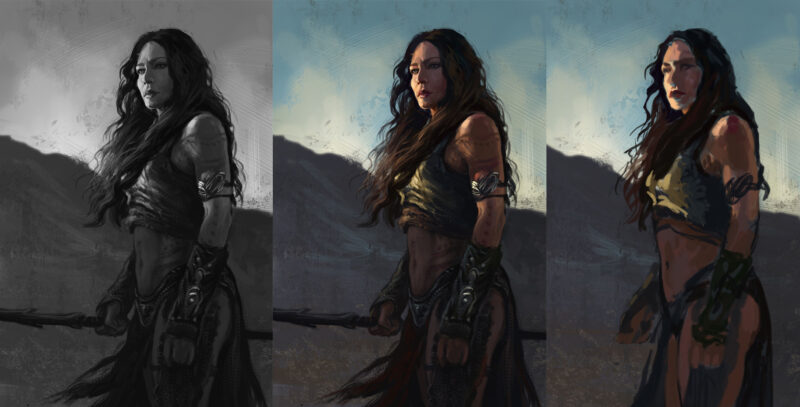
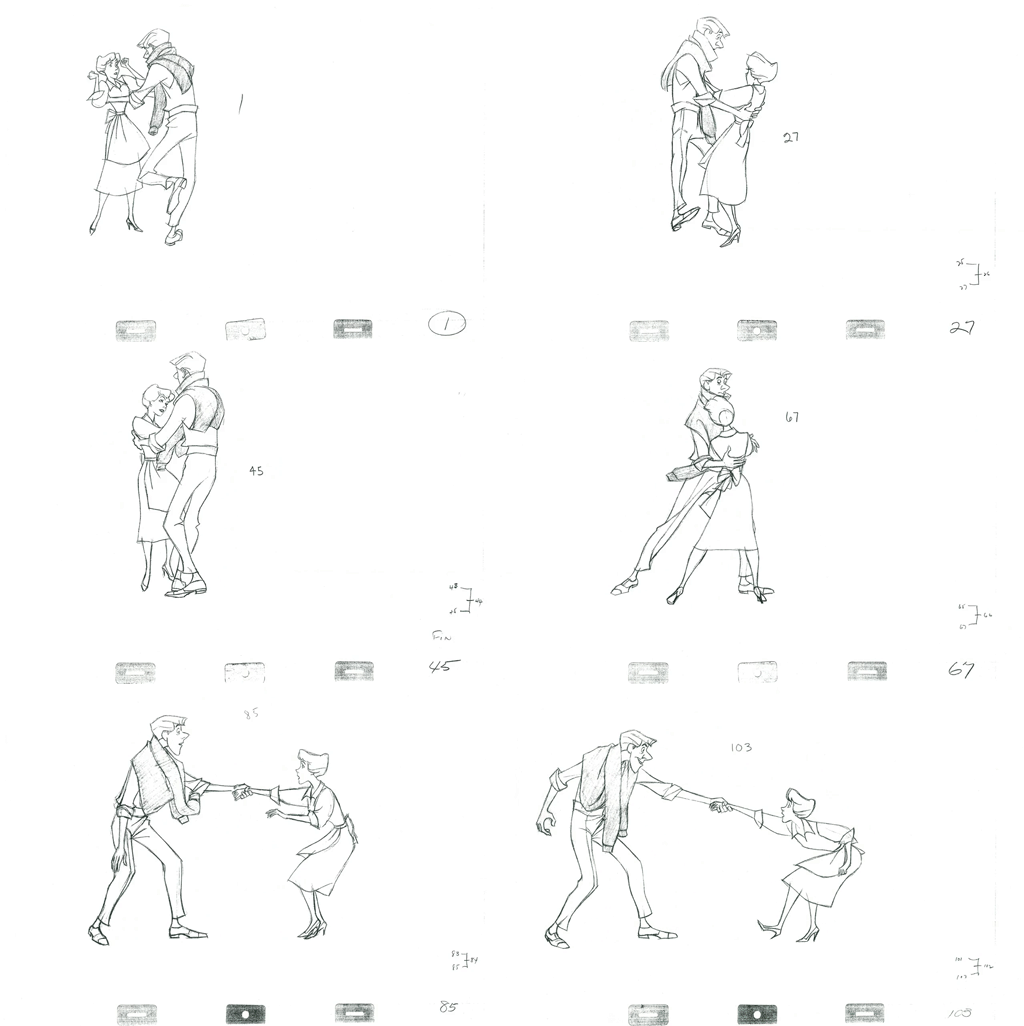
2D Animation is the process of creating motion in a two-dimensional space. This traditional form of Animation involves drawing or creating images that move in a flat environment, often focusing on characters, backgrounds, and other visual elements. The Animation is created by sequencing these images, each slightly different from the last, to create the illusion of movement. This method can be hand-drawn or digitally produced, offering endless possibilities for creativity and storytelling.
What Is the Difference Between 2D and 3D Animation?
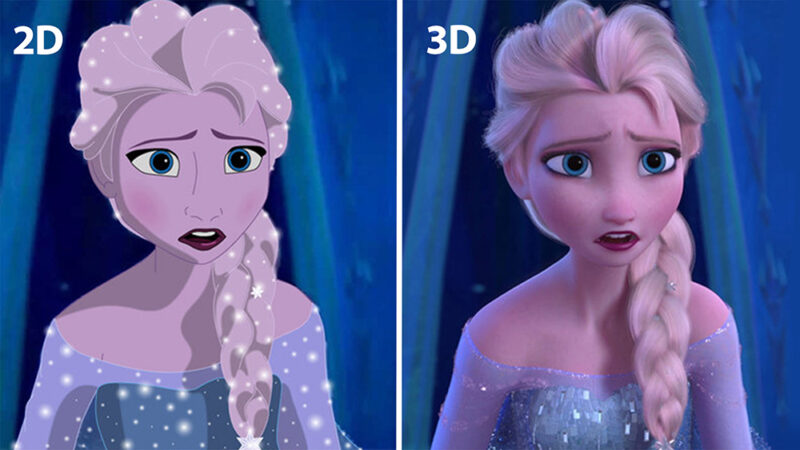
The primary difference between 2D and 3D Animation lies in the dimensionality and techniques used. 2D Animation is based on flat images, where characters and objects are drawn in two dimensions (height and width), and the focus is on the movement within a flat plane. 3D Animation, on the other hand, involves creating characters and environments in a three-dimensional space, giving them depth, height, and width. This allows for more realistic and complex visual effects, but 2D Animation offers a unique, stylistic charm that remains popular in specific genres and mediums.
Where is 2D Animation Used?
2D Animation is a versatile art form that applies to various industries. It’s widely used in television shows and movies, especially for creating animated series, children’s content, and independent films. 2D Animation is popular for mobile games, indie games, and platformers in the gaming industry due to its simplicity and stylistic appeal. Advertising also leverages 2D Animation for engaging commercials and explainer videos. Additionally, education utilizes 2D animations for instructional videos, e-learning modules, and interactive tutorials, making complex concepts easier to understand.
What Are the Different Types of 2D Cartoons?
2D cartoons come in various forms, each with its unique style and purpose. Traditional hand-drawn Animation is the classic form, where each frame is drawn by hand. Digital 2D Animation uses software to create the same effect but more efficiently. Cut-out animation involves manipulating flat, cut-out pieces of characters, often seen in shows like “South Park.” Motion graphics focus on animated graphic design, which is commonly used in advertising and informational content. Stop-motion animation involves photographing physical objects frame by frame to create movement, though it’s less common in traditional 2D cartoons.
How About 2D Anime?
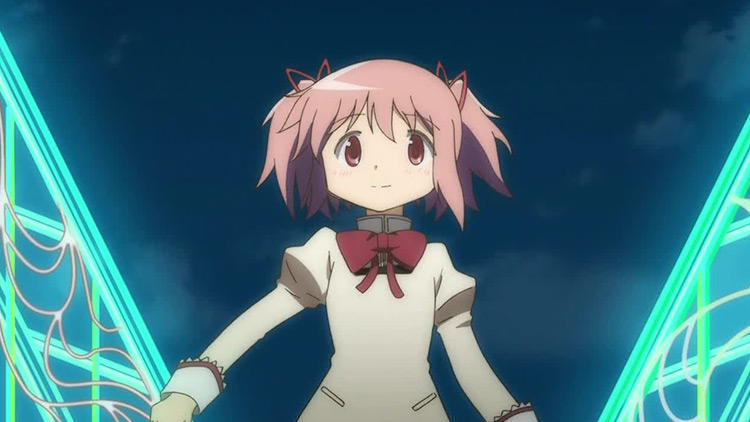
2D Anime, a style originating from Japan, is a significant subgenre of 2D Animation. Anime is characterized by its distinct art style, often featuring exaggerated facial expressions, vibrant colors, and fantastical elements. Unlike Western cartoons, Anime targets a wide range of audiences, including children, teenagers, and adults, with genres spanning from action and adventure to romance and science fiction. The production process of 2D Anime typically involves hand-drawing keyframes and using digital tools for coloring and effects, making it a unique and highly influential form of 2D Animation.
What Is the 2D Animation Creation Process (Step-By-Step Guide)?
The 2D animation creation process involves several key stages, each crucial to bringing an idea to life. Here’s a step-by-step guide:
2D Animation Production Stage
- Concept Development: The process begins with a concept or story idea. This stage involves brainstorming, writing scripts, and creating storyboards outlining key scenes and actions.
- Character Design: Characters are designed based on the script and storyboards. This includes drawing character models, developing their personalities, and defining their appearance.
- Background Design: The environments where the story takes place are created. Backgrounds are designed to complement the characters and enhance the overall visual appeal of the animation.
- Animatics: A rough version of the animation, called an animatic, is created. This combines the storyboard images with rough audio to give a sense of timing and pacing.
- Animation: The animators begin the animation process, drawing keyframes and filling in the in-between frames to create smooth motion. This is typically done using specialized animation software.
- Coloring and Inking: Once the animation is finalized, the drawings are inked and colored. This stage brings the characters and backgrounds to life, adding depth and vibrancy to the animation.
2D Animation Post-production Stage
- Compositing: In this stage, all the elements—characters, backgrounds, and effects—are combined. The compositing process ensures everything looks cohesive and the animation flows smoothly.
- Sound Design: Sound effects, voiceovers, and music are added to the animation. This audio enhances the storytelling by providing context, emotion, and atmosphere.
- Editing: The animation is edited to ensure smooth timing, pacing, and transitions between scenes. This step also involves finalizing the sound and visual effects.
- Rendering: The final animation is rendered, and the complete video is produced and ready for distribution. Rendering involves processing the entire animation into a format suitable for viewing or sharing.
- Quality Check: Before the animation is released, it undergoes a thorough quality check. This ensures no errors in the animation, audio, or visual effects.
Post-production Phase Wrap-up
The post-production phase is the final touch in the 2D animation process, ensuring the Animation is polished and ready for distribution. This stage involves compositing all the visual elements, syncing the audio, and conducting a thorough quality check. The final rendering produces the complete Animation, which is then reviewed to guarantee it meets the highest standards. This phase is crucial for delivering a seamless, engaging animation that resonates with the audience.
2D Animation in 2024
In 2024, 2D Animation continues to thrive, driven by the demand for nostalgic and stylistically unique content. The rise of digital tools has made 2D Animation more accessible, allowing independent creators and small studios to produce high-quality animations. While 3D Animation dominates blockbuster films and major gaming titles, 2D Animation retains its stronghold in television, web series, and mobile gaming. The blend of traditional techniques with modern technology ensures that 2D Animation remains a vibrant and evolving art form in the animation industry.
Frequently Asked Questions About 2D Animation
1. What software is commonly used in 2D Animation?
Popular software includes Adobe Animate, Toon Boom Harmony, and OpenToonz. These tools offer a range of features for both beginners and professionals.
2. Is 2D animation harder than 3D animation?
Both forms have their challenges. 2D requires strong drawing skills and an understanding of timing, while 3D demands knowledge of complex software and spatial awareness.
3. Can 2D Animation be used in modern digital content?
Absolutely. 2D Animation remains relevant, particularly in mobile games, online content, and indie films, where its unique style is still highly appreciated.
2D Animation With Pro Real Tech
Pro Real Tech specializes in creating high-quality 2D animations tailored to meet clients’ specific needs across various industries. Whether for marketing, education, or entertainment, their team provides end-to-end services from concept development to post-production. By combining traditional techniques with modern digital tools, Pro Real Tech delivers engaging and visually appealing animations. Our expertise ensures that each project is crafted with attention to detail, creativity, and a deep understanding of the animation process, making them a reliable partner for all 2D animation needs.


