

In an era where digital visibility is crucial for business growth, Search Engine Optimization (SEO) continues to evolve. One approach gaining significant traction is programmatic SEO, a strategy that leverages automation to create a large volume of web pages optimized for search engines. Unlike traditional SEO methods, which involve manual optimization of individual pages, programmatic SEO allows businesses to scale their efforts by using algorithms and data to generate content-rich pages dynamically.
The importance of programmatic SEO lies in its ability to target thousands of long-tail keywords simultaneously, allowing businesses to rank for a broad range of search queries with minimal manual effort. By automating content creation, data-driven page generation, and SEO optimization processes, programmatic SEO enables companies to increase organic traffic, improve lead generation, and expand their digital footprint efficiently.
What Is Programmatic SEO?
Programmatic SEO is the process of automating the creation and optimization of large volumes of content to achieve higher rankings in search engine results. It involves using software and scripts to generate web pages at scale, targeting specific keywords or user search intents based on data patterns. For example, e-commerce websites might create product pages for every variation of a product, while travel platforms could generate pages for every location or type of travel itinerary.
The foundation of programmatic SEO lies in data-driven content creation. This includes collecting data on user search behavior, identifying common search patterns, and automating the generation of landing pages that cater to those patterns. By doing so, businesses can ensure that they cover a wide array of topics relevant to their audience, without the need for manual page creation and optimization for each keyword or search intent.
Benefits of Programmatic SEO
Programmatic SEO offers several advantages that make it an appealing choice for businesses looking to enhance their digital presence and organic traffic. Here are some key benefits:
- Scalability
One of the main strengths of programmatic SEO is its ability to scale content creation. With traditional SEO, optimizing individual pages for search engine visibility can be time-consuming and resource-intensive. Programmatic SEO, however, automates the process, enabling the generation of thousands of pages targeting different long-tail keywords. This scalability is particularly beneficial for e-commerce websites, travel portals, and other data-rich industries where covering a wide array of search queries can significantly boost traffic. - Improved Search Engine Visibility
By targeting a broad range of keywords, including long-tail variations, programmatic SEO helps businesses rank for numerous search queries that may not be feasible to optimize for manually. This approach increases the chances of appearing in search results for niche or less competitive keywords, leading to higher search engine visibility. When well-executed, it can help dominate search engine results pages (SERPs) with a vast number of relevant landing pages. - Efficient Content Production
Programmatic SEO reduces the time and effort required for content production. Businesses can automate the creation of landing pages based on data templates, filling in dynamic content like product details, location-specific information, or user-generated data. This method frees up resources for other important tasks, such as content quality checks, enhancing existing pages, or developing more strategic marketing initiatives. - Data-Driven Targeting
Leveraging data in programmatic SEO allows for better targeting of user intent. By analyzing search trends, user behavior, and keyword patterns, businesses can generate content that directly addresses user needs and search intents. This data-driven approach improves the relevance of landing pages and enhances the likelihood of ranking well in search results for targeted queries. - Increased Organic Traffic and Conversions
The combined effect of ranking for a large number of long-tail keywords and efficiently producing relevant content can result in a significant increase in organic traffic. Furthermore, programmatic SEO pages designed with specific user needs in mind can lead to better user engagement and higher conversion rates. For instance, tailored landing pages for different product variations or locations make it easier for users to find exactly what they’re looking for, ultimately boosting sales and lead generation. - Cost-Effectiveness
While the initial setup of programmatic SEO may require investment in data collection and automation tools, it is cost-effective in the long run. The reduced need for manual content creation and optimization translates into lower content production costs. Additionally, the ability to generate traffic without continuous investment in paid ads provides a sustainable, long-term growth strategy.
Programmatic SEO Examples to Take Inspiration From
Some companies have successfully implemented programmatic SEO to drive growth and achieve impressive results. Here are two noteworthy examples:
1. Zapier
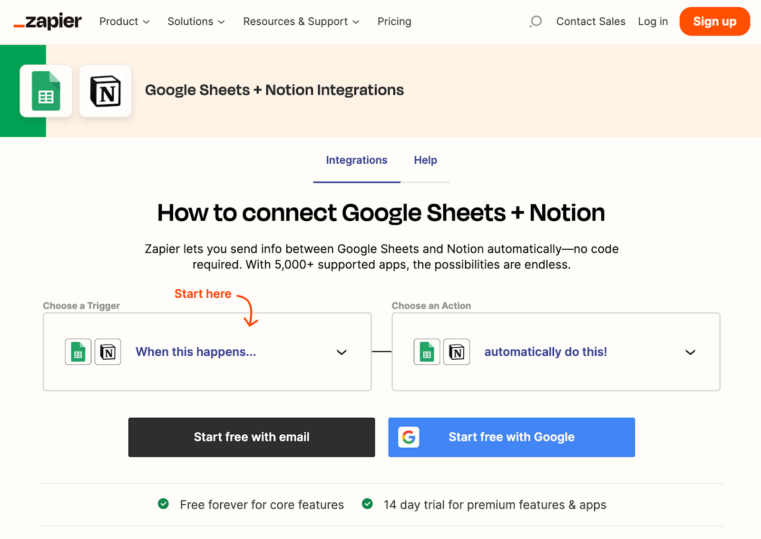
Zapier, an automation platform, is a prime example of a business that has utilized programmatic SEO effectively. The company offers a vast number of integrations between different software applications. By creating dedicated landing pages for each possible integration (e.g., “Slack integration with Google Sheets” or “Trello integration with Gmail”), Zapier captures a wide array of long-tail search queries related to software integration.
- Programmatic Approach:
Zapier generates these landing pages by using a template that automatically pulls in information about the software being integrated. Each page follows a similar structure but is customized with content specific to the applications in question. This approach allows Zapier to create thousands of relevant pages quickly, ensuring they cover a broad range of search intents. - Results:
The programmatic SEO strategy has helped Zapier attract users looking for specific automation solutions, resulting in high traffic volumes and improved organic search rankings. By catering to diverse user needs through programmatically generated pages, Zapier has managed to dominate search results for software integration-related keywords.
2. Tripadvisor

Tripadvisor, a well-known travel and review platform, also leverages programmatic SEO to scale its content and capture a wide range of search queries. The platform generates pages for individual attractions, hotels, restaurants, and activities in different locations around the world.
- Programmatic Approach:
Tripadvisor uses data collected from reviews, ratings, and user-submitted photos to create content-rich pages for each location and point of interest. These pages are programmatically generated using structured data, ensuring consistency in design while providing valuable information to users. For example, a search for “best restaurants in Paris” might lead to a programmatically generated page listing the top restaurants based on user reviews and ratings. - Results:
This approach has enabled Tripadvisor to rank for countless location-based and travel-related search queries, driving significant organic traffic. The programmatic SEO strategy allows Tripadvisor to provide personalized experiences for users, such as recommendations based on popular travel routes or seasonal activities, which enhances user satisfaction and engagement.
How to Create Programmatic SEO Pages
Programmatic SEO involves automating the creation of a large number of pages optimized for specific search queries, which requires a structured, step-by-step approach. Here’s a detailed guide on how to create programmatic SEO pages:
Step 1: Keyword Research
Keyword research is the foundation of programmatic SEO, as it helps identify the search queries to target with your automated content generation. This process should involve:
- Head Terms/Broad Terms
These are high-volume, generic keywords that attract a broad audience, such as “hotel booking” or “project management tool.” While they can drive a significant amount of traffic, they often face stiff competition. For programmatic SEO, head terms can be used as primary topics that form the basis for more specific, long-tail variations. - Modifiers
Modifiers are words or phrases that narrow down a head term. They add context and help to target a more specific user intent. For example, modifiers like “cheap,” “best,” “near me,” or “for small business” can be combined with head terms to create more targeted search queries, such as “cheap hotel booking” or “best project management tool for freelancers.” - Long-Tail Keywords
Long-tail keywords are more specific and usually consist of three or more words, like “cheap hotels in downtown Miami” or “project management software for marketing teams.” These keywords have lower search volumes compared to head terms but tend to be less competitive. Targeting long-tail keywords is crucial in programmatic SEO because it allows you to create pages that match specific user intents and capture niche search traffic. Use keyword research tools like Ahrefs, SEMrush, or Google’s Keyword Planner to identify relevant keywords. Look for patterns in user searches and explore different combinations of head terms, modifiers, and long-tail keywords. Create a comprehensive keyword list to inform your page generation strategy.
Step 2: Page Template Design
Once the keywords have been researched and compiled, the next step is to design a template that can be used to generate multiple pages programmatically. The template serves as a framework where dynamic content can be inserted based on the specific keyword or data associated with each page. Here’s how to approach page template design:
- Define Page Structure
The template should follow a consistent structure that includes essential SEO elements like title tags, meta descriptions, header tags (H1, H2, etc.), and structured data. A standard layout might include an introductory paragraph, sections with relevant subheadings, and dynamic content blocks. For example, an e-commerce site might design a product page template with sections for product details, reviews, pricing, and related products. - Dynamic Content Integration
Identify which sections of the page will feature dynamic content based on keyword variations or user data. Dynamic elements can include text, images, tables, or embedded videos that change according to the keyword being targeted. For instance, if creating location-based pages for a travel website, you might have dynamic content for city names, points of interest, and user reviews. - Ensure SEO Best Practices
The template should be designed to follow on-page SEO best practices. This includes optimizing URLs, title tags, and meta descriptions to reflect the target keywords. Internal linking strategies should also be implemented to connect programmatically generated pages with other related content, improving the overall site architecture and helping search engines understand the page’s context. Although templates ensure consistency, it’s essential to incorporate enough variability in the dynamic content to avoid issues with duplicate content. Use unique data sets, varied phrasing, and different content blocks for each page to make the content valuable and distinctive.
Step 3: Data Collection
Data collection is a crucial step in programmatic SEO, as it provides the information needed to populate your dynamically generated pages. The process involves gathering structured and relevant data that will form the content of the pages being created. Here’s how to approach data collection:
- Identify Data Sources
Determine where you will collect the data needed for your pages. Data can come from various sources, such as public datasets, internal databases, APIs, or user-generated content. For instance, an e-commerce website may collect product information from a product catalog, while a travel site could pull data from third-party APIs that provide details on hotels, attractions, and travel routes. - Focus on High-Quality and Relevant Data
The data you collect should be relevant to your target keywords and user intent. Ensure that the information is accurate, up-to-date, and comprehensive. For example, if your programmatic SEO strategy involves generating location-based content, your data should include precise geographic details, user reviews, and up-to-date listings for each location. - Data Scraping and Automation Tools
Automate data collection with tools like web scrapers or data mining software to collect large amounts of structured data quickly. Tools like Scrapy, Beautiful Soup, or Octoparse can help you gather data from websites. However, be mindful of legal considerations when using scraping methods, and ensure you have the proper permissions to access data. - Organize the Data in a Structured Format
Store the data in a structured format, such as CSV files, spreadsheets, or databases. Structured data makes it easier to integrate with your content management system (CMS) and to map the information to different sections of your page templates.
Step 4: Building a Database with Content and Labels
After collecting the necessary data, the next step is to organize it into a structured database that will feed content into your programmatic SEO pages.
- Database Design
Set up a database that can store your data in a structured and easily accessible manner. For programmatic SEO, relational databases (like MySQL or PostgreSQL) or NoSQL databases (like MongoDB) are commonly used, depending on the type and complexity of the data. Each record should correspond to a specific page or piece of content, with attributes and fields representing various data points (e.g., product name, price, location, description). - Content Labeling and Tagging
Label and tag the content fields to ensure that they match the sections of your page templates. For example, if you’re generating pages for different products, your database might have fields labeled “Product Name,” “Product Description,” “Price,” and “Category.” Labeling the content allows you to map each field in the database to the corresponding section in your template. - Content Categorization and Relationships
Group similar data together and establish relationships between different content types. For example, if your site features travel information, you could categorize data by country, city, or type of attraction (hotels, restaurants, landmarks). Establishing these relationships allows you to create interlinked pages that enhance the user experience and improve internal linking for SEO. - Automating Database Updates
Ensure that your database can be updated regularly, especially if your data changes frequently. For instance, e-commerce stores should update product availability and pricing regularly to keep pages current. Automating the update process with scripts or data integration tools can help maintain data accuracy.
Step 5: CMS Collection and Page Template Creation
With your database in place, the next step is to integrate it with a content management system (CMS) and create page templates that will be used to generate the SEO pages.
- Choose a Suitable CMS
The CMS should support dynamic content generation and database integration. Popular options like WordPress, Webflow, or custom-built CMS platforms can be configured to work with programmatic SEO strategies. For large-scale projects, headless CMS solutions like Contentful or Strapi offer more flexibility and scalability. - Set Up the CMS to Access Your Database
Configure your CMS to pull content from the database and populate the page templates. This typically involves setting up a connection between the CMS and your database using APIs or database plugins. Make sure the CMS can read the data fields and display the content in the correct sections of the templates. - Create Dynamic Page Templates
Design page templates within the CMS that incorporate dynamic elements pulled from the database. These templates should include placeholders for data fields (e.g., product name, description, location) and follow on-page SEO best practices, such as optimized headings, meta descriptions, and structured data. - Template Customization for Different Page Types
Depending on your programmatic SEO strategy, you may need multiple templates for different page types. For example, an e-commerce site might have separate templates for product pages, category pages, and blog articles. Customizing templates ensures that the content layout suits the specific type of information being presented. - Set Up URL Structures and Navigation
Programmatically generated pages should have SEO-friendly URLs that reflect the content they represent. For example, a URL structure like “example.com/category/product-name” is more user-friendly and better optimized for search engines. Additionally, ensure that generated pages are properly linked in the site’s navigation to improve user experience and SEO.
Step 6: Database Integration With the Website
After creating a structured database and setting up the content management system (CMS), the next step is to integrate the database with your website. This process involves connecting the content stored in the database to dynamically populate pages on your site. Here’s how to go about database integration:
- Establish a Connection Between the CMS and the Database
Set up your CMS to communicate with the database through an API, a database plugin, or a direct connection. This allows the CMS to pull content from the database and display it on the site dynamically. Many modern CMS platforms support database integration natively or through plugins, making the connection process more seamless. - Mapping Data Fields to Template Elements
Ensure that the data fields in your database correspond to specific elements in your page templates. For instance, a field labeled “Product Name” in the database should map to the “Product Title” section in the template. Proper mapping ensures that the correct data is displayed in the appropriate sections on each page. - Automate the Content Insertion Process
Use scripts or automated workflows within the CMS to populate the templates with data from the database. Automation tools, such as Zapier, Integromat, or custom-built scripts, can be used to update content across multiple pages quickly, saving time and reducing the chance of errors. - Implement Caching Strategies
To enhance site performance, implement caching strategies that reduce the load on the database. Caching stores a static version of the generated pages, making it quicker to serve content to users while still allowing periodic updates from the database.
Step 7: Crawl and Optimize for SEO
Once the programmatically generated pages are live, the next step is to crawl the site and optimize it for SEO. This process helps identify any technical issues that could affect the site’s search engine visibility.
- Conduct a Site Crawl Using SEO Tools
Use SEO crawling tools like Screaming Frog, Ahrefs, or Sitebulb to analyze the newly created pages for common issues such as broken links, missing meta tags, or duplicate content. A thorough crawl can reveal technical SEO issues that need to be addressed. - Optimize On-Page Elements
Ensure that on-page SEO elements, such as title tags, meta descriptions, header tags, and image alt text, are optimized for the targeted keywords. Programmatic SEO pages should follow the same best practices as manually created pages, including having unique and relevant meta descriptions, properly structured headings, and descriptive image attributes. - Address Duplicate Content and Thin Pages
Programmatically generated pages can sometimes suffer from thin or duplicate content. Use the data from the site crawl to identify pages that are too similar or lack substantial content, and enrich them with additional data or unique elements where possible. This can help avoid penalties from search engines and improve user engagement. - Set Up Internal Linking Strategies
Establish internal links between programmatically generated pages and other parts of the website. This helps distribute link equity and allows search engines to crawl the site more effectively. For example, linking category pages to related product pages can enhance the site’s architecture and user navigation.
Step 8: Site Testing and Adjustment As Necessary
After optimizing the site for SEO, it’s important to conduct thorough testing to ensure that the pages perform well and provide a good user experience.
- User Experience Testing
Test the programmatically generated pages to ensure they load correctly on various devices and screen sizes. Check for issues such as slow page load times, broken images, or improperly displayed dynamic content. Tools like Google PageSpeed Insights or GTmetrix can help identify performance bottlenecks. - A/B Testing for Content Variations
Conduct A/B tests on different versions of programmatically generated pages to determine which elements perform better. This could involve testing different headlines, call-to-action placements, or page layouts. The insights gained can be used to refine the templates and improve conversion rates. - Monitor Site Analytics and User Behavior
Use analytics tools such as Google Analytics or Hotjar to track user behavior on the newly created pages. Look for metrics like bounce rate, time on page, and conversion rates to identify areas where the content or layout could be improved. This data-driven approach ensures that adjustments are based on actual user interactions. - Regularly Update and Optimize Pages
Programmatic SEO is not a one-time effort; it requires ongoing maintenance. Continuously update the database with fresh data, and optimize the pages to reflect any changes in search trends or user behavior. Regular updates can help keep the content relevant and improve the site’s overall SEO performance.
The Drawbacks of Programmatic SEO
While programmatic SEO can be a powerful approach to scaling content creation and improving search visibility, it comes with certain challenges and potential pitfalls that need to be addressed. Here are some of the main drawbacks:
1. Potential Duplicate Content
Programmatically generated pages often use templates and similar content structures across a large number of pages, which can lead to duplicate content issues. This occurs when multiple pages on the same website contain identical or very similar content, making it difficult for search engines to determine which version is most relevant to users. Duplicate content can negatively impact SEO in several ways:
- Cannibalization of Keywords: Multiple pages competing for the same keywords may confuse search engines about which page to rank, potentially resulting in lower rankings for all pages involved.
- Reduced Crawl Efficiency: When search engine bots encounter similar content across multiple pages, it can waste valuable crawl budget, causing less frequent crawling and indexing of important pages.
To mitigate this, ensure that programmatically generated pages contain unique, valuable content by adding custom elements, such as user reviews, product details, or localized information.
2. Google Indexing Issues
Another common drawback of programmatic SEO is indexing issues. When a website has a large number of pages generated at once, search engines might not index all the pages, especially if they appear similar in content or lack valuable information. Indexing issues can manifest in the following ways:
- Slow Indexing Rates: Newly created pages may take longer to get indexed due to the sheer volume of pages. This delay can hinder a website’s ability to capitalize on SEO efforts immediately.
- Low Crawl Prioritization: If programmatically generated pages are not seen as valuable, search engines may deprioritize them, resulting in fewer pages being indexed and ranked.
To improve indexing, use tools like Google Search Console to monitor which pages are indexed and submit a sitemap. Also, ensure the generated pages offer unique and relevant content to improve their likelihood of being crawled and indexed.
3. Google Penalties for Thin or Automatically Generated Content
Google’s search quality guidelines explicitly warn against automatically generated content that offers little to no value for users. Thin content refers to pages with minimal or low-quality text that does not meet user expectations or add meaningful value. If search engines detect that your site contains a high volume of thin or low-value content, there’s a risk of penalties, which can lead to lower rankings or even removal from search results.
- Algorithmic Penalties: Google’s algorithms, such as the Panda update, specifically target sites with thin or low-quality content, downgrading their ranking potential.
- Manual Actions: If Google’s reviewers find evidence of “spammy” or low-value programmatically generated content, they can issue manual penalties that further impact site visibility.
To avoid these penalties, ensure that programmatic pages contain high-quality, relevant content that satisfies user intent. Enrich pages with multimedia, comprehensive information, or interactive features to make them more valuable.
Implement Programmatic SEO Campaign With Pro Real Tech
Pro Real Tech specializes in executing successful programmatic SEO campaigns by automating the process of creating and optimizing large volumes of pages. Our approach starts with thorough keyword research, followed by the design of custom templates that align with your business needs. We utilize advanced data collection techniques to build a robust database, which is then integrated seamlessly with your website to generate optimized content at scale.
Our expert team also ensures technical SEO practices are in place, including site crawling, indexing solutions, and resolving duplicate content issues. By partnering with Pro Real Tech, you can boost your website’s visibility, drive organic traffic, and maintain a competitive edge in search results. Let us streamline your programmatic SEO efforts for sustainable growth and higher ROI.


