

The landscape of digital advertising is on the cusp of a revolution. As we move into 2025, social media platforms are no longer just crowded town squares; they are becoming intelligent, prediction-driven marketplaces powered by sophisticated artificial intelligence. For marketers and business owners, this represents both an unprecedented opportunity and a significant challenge. The old playbook of broad targeting and generic ad creatives is rapidly becoming obsolete, replaced by a new paradigm that demands precision, authenticity, and a deep understanding of both human psychology and machine learning algorithms.
Maximizing Return on Investment (ROI) is no longer just about lowering cost-per-click or increasing click-through rates. It’s about building a holistic, AI-native advertising strategy that leverages automation, hyper-personalization, and a seamless conversion ecosystem. This comprehensive guide will walk you through the essential strategies you need to future-proof your social media ad campaigns, navigate the new features of major platforms, and turn your ad spend into a powerful engine for growth and profitability in 2025.
AI Overviews and AI Mode: What’s Changing in Search
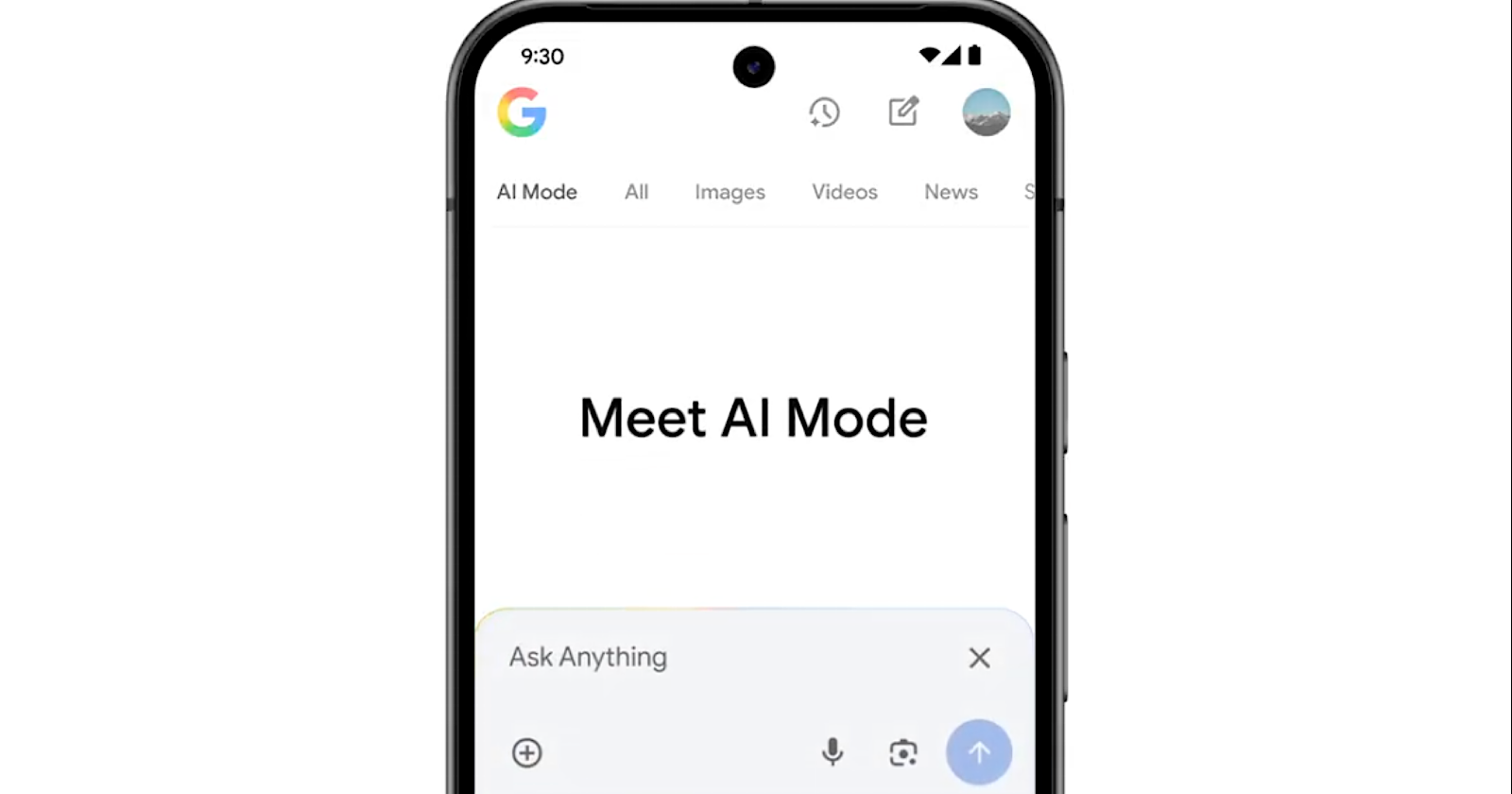
To understand the future of social media advertising, we must first look at the seismic shifts happening in search, particularly with Google’s introduction of AI Overviews (formerly known as Search Generative Experience, or SGE). This shift from a list of links to an AI-generated, conversational answer at the top of the search results page is fundamentally changing how users discover information and, by extension, products and services.
This change is not confined to Google. Social platforms are rapidly integrating similar AI-driven discovery modes. Imagine a “Social AI Mode” on platforms like Meta (Facebook and Instagram) or TikTok. Instead of scrolling through a feed, a user could ask, “Show me the best durable running shoes for trail running, under $150, that my friends have recommended.” The platform’s AI would then generate a curated overview, pulling from product catalogs, creator reviews, user-generated content, and branded posts.
For social media advertisers, this means:
-
The Battle for Top-Funnel Attention is Intensifying: If an AI can answer a user’s query instantly on the platform, the need to click through to a website diminishes. Your ad must be so compelling, so visually engaging, and so perfectly matched to the query that it earns a place within this AI-generated overview or entices a user to learn more from you directly.
-
The Rise of Zero-Click Conversions: Platforms are increasingly building out native shopping experiences. The entire customer journey—from discovery and consideration to conversion—can happen without ever leaving the app. Your ads must be optimized for these in-platform checkouts, leveraging each platform’s unique tools like Instagram Shops or TikTok Shop.
-
Data is the New Oil, Even More So: The AI models that power these overviews are trained on vast amounts of data. The brands that will win are those that provide the cleanest, most structured data about their products, services, and content through APIs and structured data markups, making it easy for AI to understand, categorize, and feature them.
Google’s Advice: Don’t Panic, Optimize Better

The core principles of marketing still apply, but they need to be executed with a new level of sophistication. The advice from industry leaders like Google can be summarized as a shift from “optimizing for algorithms” to “optimizing for people in an algorithmic world.” Partnering with a forward-thinking marketing company can help brands adapt to this shift more effectively—bridging the gap between technical SEO and user-centric content strategy.
Build Content Written for Humans First
This is the most critical rule. AI systems are increasingly adept at identifying user satisfaction. They measure signals like time spent, engagement, bounce backs to search results, and social shares to judge the quality of content. Your ad creative and the landing experience it leads to must be crafted for a human audience.
-
Ad Creative: Move beyond sterile, stock-photo ads. Use authentic video, user-generated content, and creatives that tell a story and evoke emotion. Show real people using your product and achieving a desired outcome.
-
Landing Pages: The post-click experience must deliver on the ad’s promise immediately. If your ad offers a solution to a problem, your landing page must begin solving that problem in the first second. Use clear, benefit-driven headlines, social proof, and intuitive design.
What Happens After the Click, Matters More Than Ever
Platform AI is now tracking deeper conversion events. It’s not enough to get a click; the algorithm rewards ads that lead to high-value actions like purchases, sign-ups, or content downloads. This means your attribution modeling and conversion tracking must be flawless. Use the platform’s pixel or API (such as the Conversions API) to feed back data on what users do after they click. This closed-loop system teaches the AI who your best customers are and allows it to find more people like them efficiently.
Make Your Site Easy for AI To Understand — And Showcase
While this point is directly from an SEO context, it applies to social media in a different way. On social platforms, “your site” is your profile and your content. Make it easy for the platform’s AI to categorize you.
-
Complete Your Business Profile: Fill out every single field with relevant keywords and accurate information.
-
Consistent Content Themes: Post consistently about your niche. This helps the AI understand your expertise and who to show your content (and ads) to.
-
High-Quality Media: Use high-resolution images and videos. AI can analyze visual content, so clear, well-lit product shots are easier for it to identify and potentially feature in shopping-focused AI overviews.
Add Structured Data to Highlight What Matters
For social ads driving to a website, this is non-negotiable. Implementing schema markup (like Product, Article, or FAQ schema) on your landing pages gives search engines—and by extension, their AI—a crystal-clear understanding of your content. This structured data makes it far more likely that your page will be considered a authoritative source and be pulled into AI-generated answers. For a product page, this could mean your price, availability, and reviews are directly displayed in an AI overview, dramatically increasing qualified traffic.
Trust, Authority and Freshness Are the New (Old) Game
AI systems are programmed to prioritize trustworthy sources. This translates to social media as social proof. Your ads will perform better if they come from an account that has:
-
Authority: A large, engaged following of relevant users.
-
Trust: Positive comments, shares, and user-generated tags.
-
Freshness: A regularly updated feed with recent, relevant content. An account that hasn’t posted in six months will be seen as less relevant by the AI, which could negatively impact ad delivery and cost.
Where GEO Comes In: Optimizing for the AI Layer

GEO, or Generative Engine Optimization, is the new frontier of optimization. It’s the practice of tailoring your content and data to be more likely selected and generated by AI engines. In the context of social media ads, this means:
-
Anticipating User Queries: Don’t just target keywords like “running shoes.” Think about the long-tail, conversational queries users might type into an AI search bar: “What are the best running shoes for flat feet that are good on wet pavement?” Craft your ad copy and video captions to answer these specific, problem-oriented questions.
-
Providing Clear, Concise Answers: AI summaries favor content that is well-structured and authoritative. Structure your landing page content with clear headings, bullet points, and FAQs that an AI can easily scrape and summarize. This increases the chance of your brand being featured.
-
Optimizing for “Citation”: In AI overviews, sources are often cited. Your goal is to be that cited source. This requires being the most relevant and useful result for that query, which is achieved by combining all the principles above: E-E-A-T (Experience, Expertise, Authoritativeness, Trustworthiness), structured data, and exceptional content.
Final Thoughts: SEO Isn’t Dead — It’s Just Growing Smarter
The integration of AI into social media and search does not spell the end of marketing; it signals its evolution. The fundamentals remain: know your audience, solve their problems, and build trust. The difference in 2025 is that you have a powerful AI partner on each platform that can help you do this at an unprecedented scale. However, this AI partner requires high-quality fuel—your data, your creative, and your strategic direction. By shifting your focus from simply paying for placement to building a system that is intelligible and valuable to both humans and machines, you will not only maximize your ROI from social media ads but also build a durable competitive advantage that will last far beyond the next algorithm update. Embrace the change, optimize smarter, and focus on delivering genuine value.
FAQs
HOW TO USE GOOGLE AI SEARCH?
Google AI Search (AI Overviews) is integrated directly into the main Google Search interface. For users, it’s automatic. When you perform a search on Google that benefits from a synthesized answer, an AI Overview will appear at the top of the results page. You can interact with it by asking follow-up questions or refining the original query to get more specific, conversational answers without having to perform a new search.
WHAT IS GOOGLE AI MODE AND HOW DOES IT DIFFER FROM GEMINI?
“Google AI Mode” typically refers to the AI-powered features within Google Search (like AI Overviews). Gemini, on the other hand, is Google’s conversational AI chatbot, a competitor to ChatGPT. While Gemini can perform web searches, its primary interface is a chat window. Google AI Search is about enhancing the traditional search engine results page with generative AI, while Gemini is a standalone chatbot experience.
HOW DO AI OVERVIEWS IMPACT TRADITIONAL SEARCH RESULTS?
AI Overviews occupy significant screen real estate at the top of the search results page. This pushes traditional “10 blue links” organic results further down, meaning there is increased competition for visibility. Users may have their query answered directly in the overview, reducing clicks to websites. This forces websites to aim for a “citation” within the overview or to rank for more complex, long-tail queries where a simple AI answer isn’t sufficient.
WHAT CONTENT STRATEGIES DOES GOOGLE RECOMMEND FOR AI-DRIVEN SEARCH?
Google’s recommendations center on creating helpful, reliable, people-first content. Key strategies include: demonstrating first-hand expertise (E-E-A-T), providing original research and reporting, using clear and straightforward language, organizing content so it’s easy to follow, and ensuring a positive page experience. The goal is to be the most authoritative and useful source a search AI can find.
HOW CAN ENGAGEMENT METRICS AFFECT MY VISIBILITY IN GOOGLE AI SEARCH?
While not a direct ranking factor, engagement metrics (like dwell time, low bounce rate, and social shares) are strong signals of content quality. AI systems are designed to identify user satisfaction. If users consistently engage deeply with your content after clicking from search results, it signals to the AI that your site is a valuable resource, making it more likely to be featured in future overviews and rank highly.
WHY IS STRUCTURED DATA IMPORTANT FOR OPTIMIZING CONTENT FOR AI?
Structured data (schema markup) provides a standardized, machine-readable vocabulary to describe the content on your page. It acts as a translator for AI systems, explicitly telling them, “This is a product,” “This is the price,” “This is an article by this author,” etc. This removes guesswork for the AI, dramatically increasing the accuracy with which it can understand, categorize, and potentially feature your content in rich results and AI Overviews.
IS SEO STILL RELEVANT IN AN AI-POWERED SEARCH LANDSCAPE?
Absolutely. SEO is more relevant than ever, but its focus has evolved. Technical SEO (site speed, mobile-friendliness, structured data) is critical for making your site intelligible to AI. Content SEO is now about depth, authority, and answering user questions comprehensively to become a citable source. SEO isn’t dying; it’s expanding to include both traditional ranking factors and new principles of Generative Engine Optimization (GEO).


