

In today’s digital landscape, social media has become an indispensable tool for businesses of all sizes. With billions of users worldwide, platforms like Facebook, Instagram, Twitter, and LinkedIn offer a unique opportunity to connect with potential customers, build brand awareness, and drive sales. However, simply having a presence on social media isn’t enough; a well-crafted marketing strategy is crucial to cut through the noise and effectively engage your target audience.
This guide will explore the 15 most effective ways to promote a product or market your business on social media in 2024. Whether you’re a small business owner or part of a larger marketing team, these actionable tips will help you leverage the power of social media to reach your goals. From optimizing your profiles to running influencer campaigns, you’ll find practical strategies to enhance your online presence and foster meaningful connections with your audience. Let’s dive in and discover how to elevate your social media marketing efforts!
15 Ways to Market Your Business on Social Media
1. Start with a Social Media Marketing Strategy
Before diving into social media, creating a comprehensive marketing strategy is essential. This plan should outline your goals, target audience, and key messages. Start by identifying what you want to achieve—increasing brand awareness, driving website traffic, or boosting sales. Define your target audience by researching their demographics, interests, and behaviors on social media. This information will guide your content creation and help you choose the right platforms for your business. A well-thought-out strategy will serve as a roadmap, ensuring your efforts align with your overall business objectives.
2. Choose the Right Social Media Platforms for Your Brand
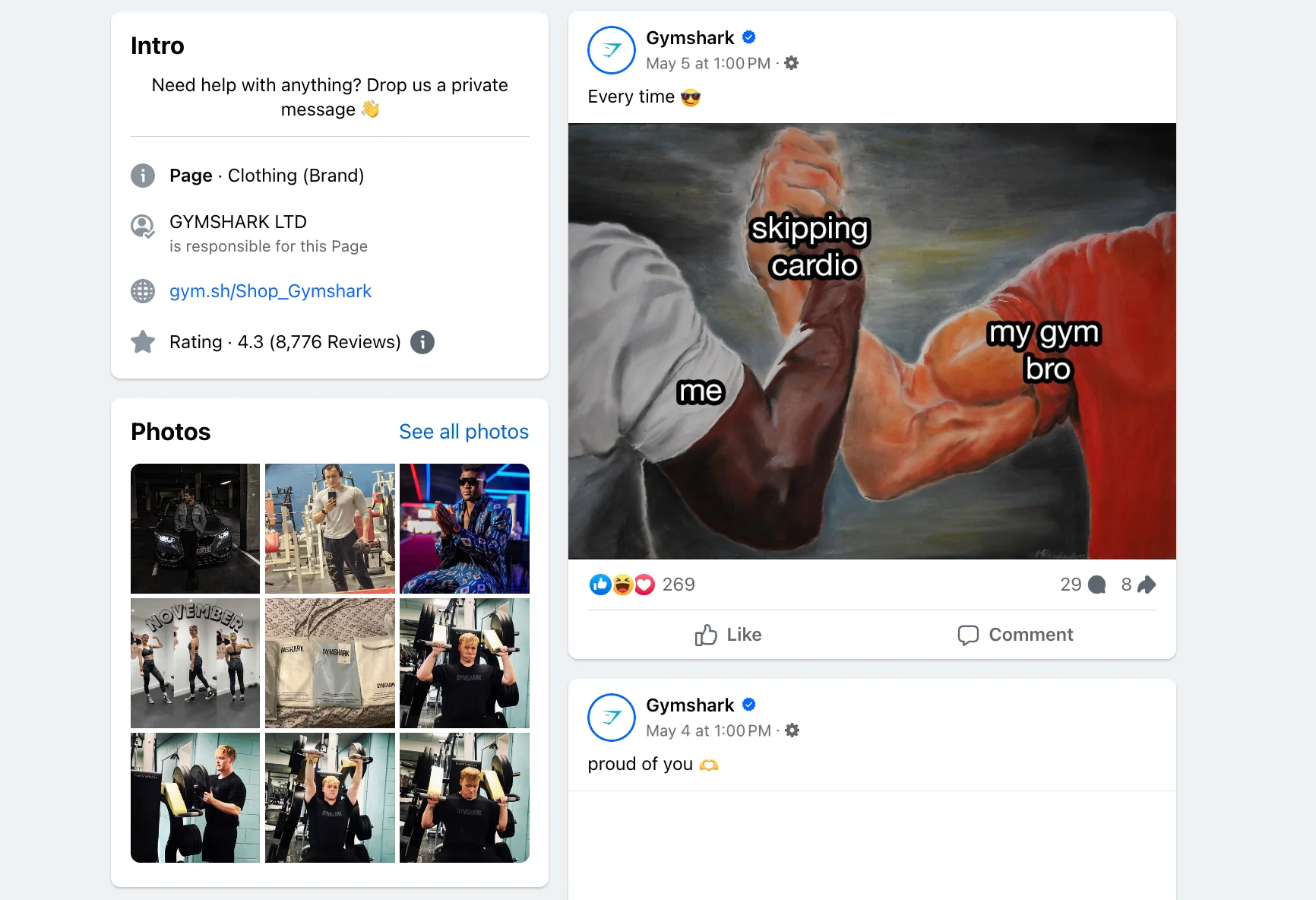
Not all social media platforms are created equal, and each caters to different audiences and content types. Select platforms that best align with your brand and goals to maximize your marketing efforts. For instance, if your target audience is primarily visual, Facebook, Instagram or Pinterest might be ideal. For B2B marketing, LinkedIn can be a powerful tool. Take the time to research where your audience spends their time and tailor your approach accordingly. By focusing your efforts on the right platforms, you can engage more effectively and foster meaningful connections with your audience.
3. Optimize Your Social Media Profiles

A well-optimized social media profile is essential for making a solid first impression and attracting potential customers. Start using high-quality images for your profile and cover photos reflecting your brand identity. Your bio should be clear, concise, and informative, highlighting what your business does and what sets it apart. Incorporate relevant keywords to improve searchability. Include a link to your website or a specific landing page to direct traffic. Consistency across all platforms regarding branding elements, such as logos and color schemes, will help reinforce your identity and make your profiles easily recognizable.
4. Introduce Yourself
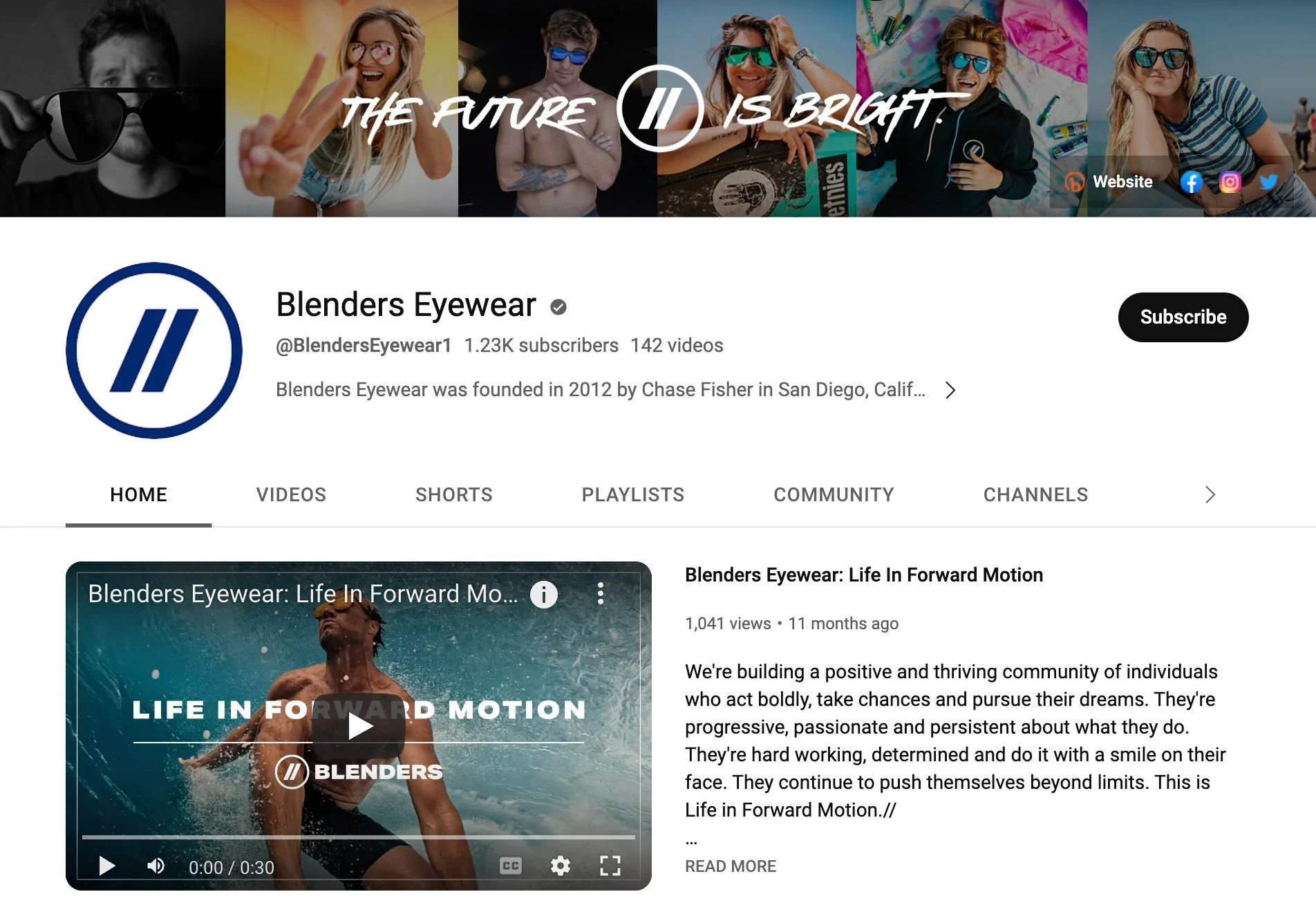
Personal connection is a crucial aspect of social media marketing. Take the time to introduce yourself and your team to your audience. Share your story, your brand’s mission, and the values that drive your business. This humanizes your brand and builds trust and rapport with your followers. Consider creating a welcome post or video highlighting your background, expertise, and what customers can expect from your business. Engaging introductions set the stage for deeper interactions and encourage your audience to become more invested in your brand.
5. Use Hashtags Strategically
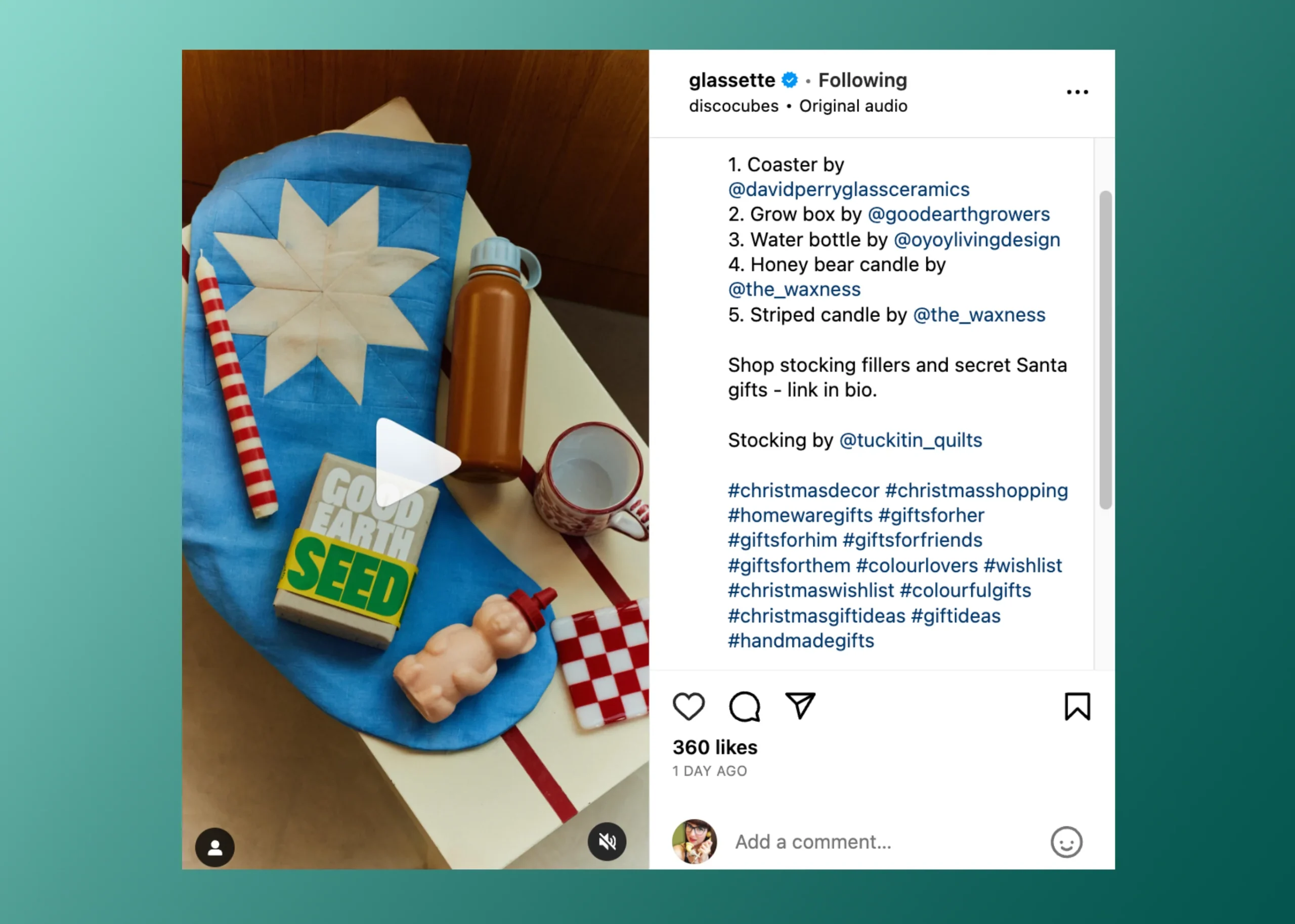
Hashtags are a powerful tool for increasing your content’s visibility and reaching a broader audience. They can help your posts gain traction and connect with users interested in specific topics when used strategically. Start by researching relevant hashtags in your industry, and consider using a mix of popular, niche, and branded hashtags. Aim for a balance; too many hashtags can appear spammy, while too few might limit your reach. Additionally, check trending hashtags to capitalize on current events or conversations. Engage with posts under these hashtags to connect with potential followers and customers, making your presence felt in your community.
6. Run Social Media Ads
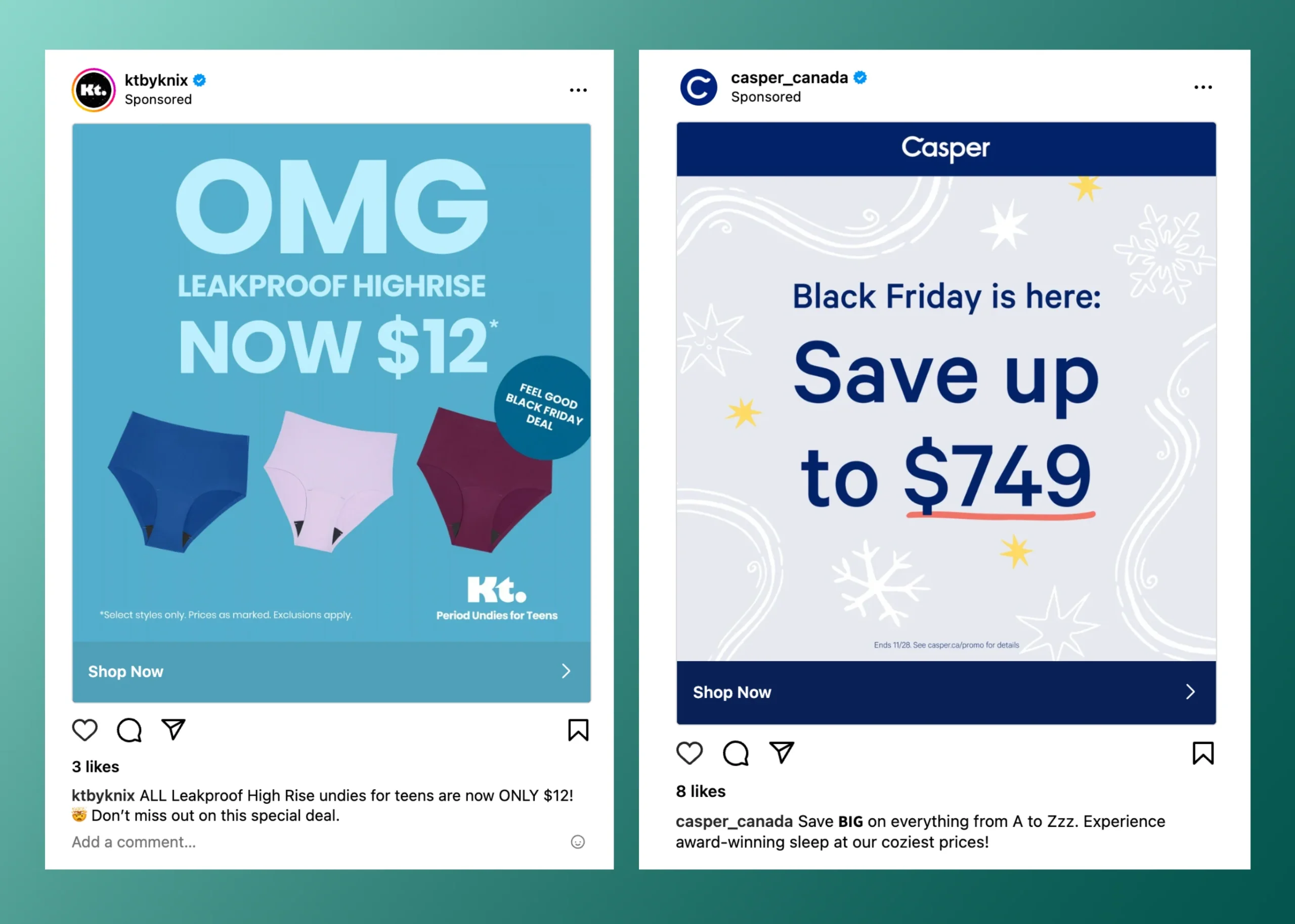
Running social media ads is an effective way to boost your reach and target specific demographics. Platforms like Facebook, Instagram, and LinkedIn offer robust advertising tools that allow you to customize your audience based on interests, location, and behavior. Start by setting clear ad goals—increasing brand awareness, driving traffic to your website, or generating leads. Create compelling ad content with strong visuals and clear calls to action. Monitor your ad performance regularly to optimize for better results, adjusting targeting and budget as needed. Social media ads can provide a significant return on investment when executed thoughtfully.
7. Run an Influencer Marketing Campaign
@inkbox #WearYourLove on your sleeve 🖤💋💭 #inkbox #temporarytattoo #tattoo #valentinesday #bodyart #heartcore #cupidcore #lovecore
Influencer marketing has become a popular strategy for businesses looking to reach new audiences authentically. Collaborating with influencers who align with your brand values can significantly amplify your message. Start by identifying influencers within your niche who genuinely connect with their followers. Reach out to discuss potential partnerships, whether through sponsored posts, product reviews, or social media takeovers. Ensure the influencer’s audience matches your target demographic for the best results. A well-executed influencer campaign increases your brand visibility and builds trust, as followers often view influencers as credible sources of information.
8. Set Up Shop
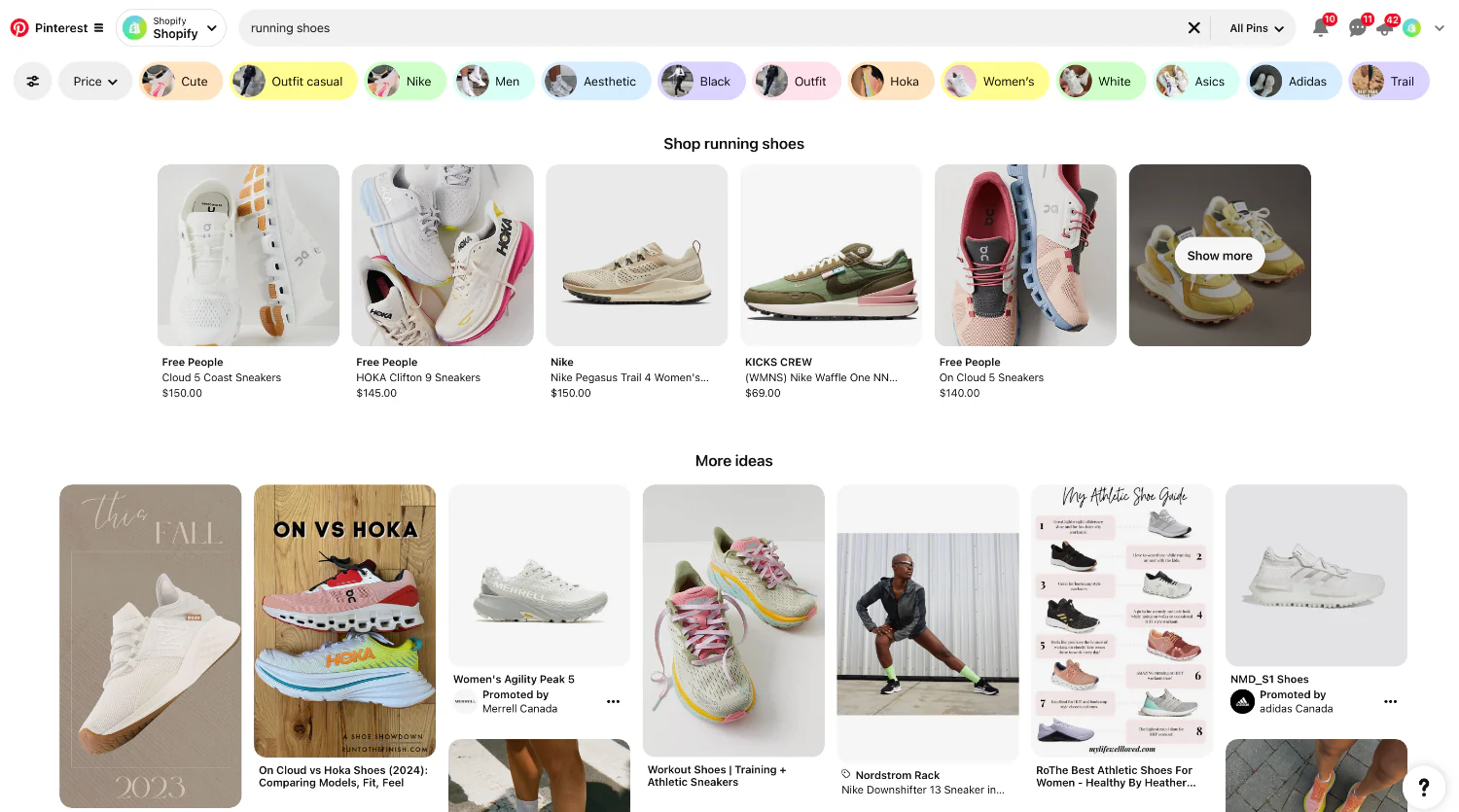
Many social media platforms offer features allowing businesses to sell products directly through their profiles. Setting up a shop on platforms like Facebook or Instagram makes it easier for customers to browse and purchase your products without leaving the app. Start by creating an engaging and visually appealing storefront that showcases your products effectively. Use high-quality images and detailed descriptions to entice potential buyers. Take advantage of features like product tagging in posts and stories to drive traffic to your shop. This streamlined shopping experience can boost conversions and enhance customer satisfaction, making it a valuable addition to your social media marketing strategy.
9. Go Live
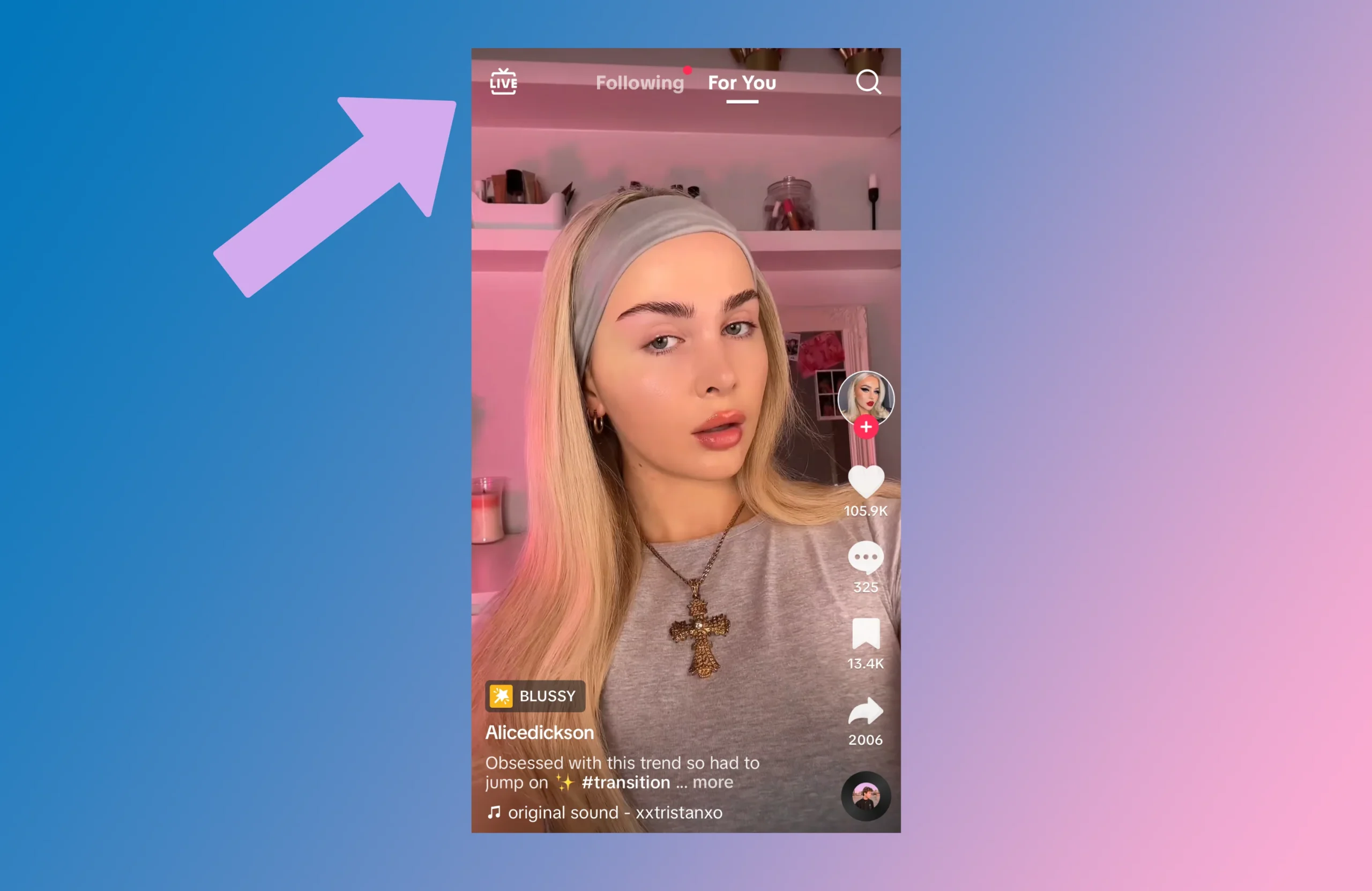
Going live on social media is an excellent way to create real-time connections with your audience. Live streaming allows you to showcase products, host Q&A sessions, or provide behind-the-scenes glimpses of your business. It encourages spontaneous interactions and gives your followers a sense of immediacy and authenticity. To make the most of live sessions, announce them in advance to generate excitement and ensure maximum participation. During the broadcast, interact with viewers by responding to comments and questions. This engagement fosters a sense of community and makes your audience feel valued, strengthening their connection to your brand.
10. Engage with Your Audience
Active engagement is key to building a loyal following on social media. Responding to comments, messages, and mentions shows your audience that you value their input and care about their experiences. Make it a priority to interact regularly by asking questions, initiating conversations, and encouraging feedback. Share user-generated content, such as customer reviews or photos, to showcase your community and foster a sense of belonging. Additionally, consider running polls or surveys to involve your audience in decision-making. By prioritizing engagement, you enhance your brand’s reputation and create meaningful relationships that can lead to increased customer loyalty and advocacy.
11. Run a Contest or Giveaway
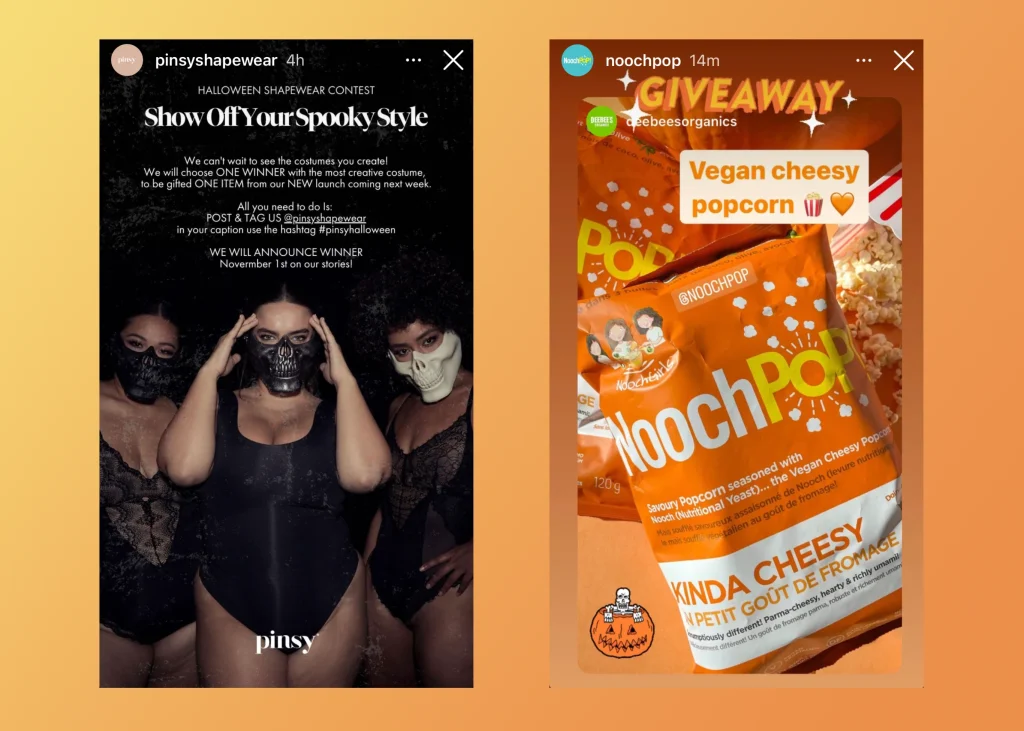
Contests and giveaways are effective strategies for boosting engagement and expanding your reach on social media. By offering a prize, you can incentivize users to interact with your brand through likes, shares, or comments. To run a successful contest, clearly outline the rules and entry requirements, such as tagging friends, following your page, or sharing your post. Promote the contest across all your social media channels to maximize visibility. Make sure the prize is relevant to your audience, as this will attract genuine interest. After the contest, announce the winner publicly to create excitement and encourage participation in future events.
12. Leverage Trends
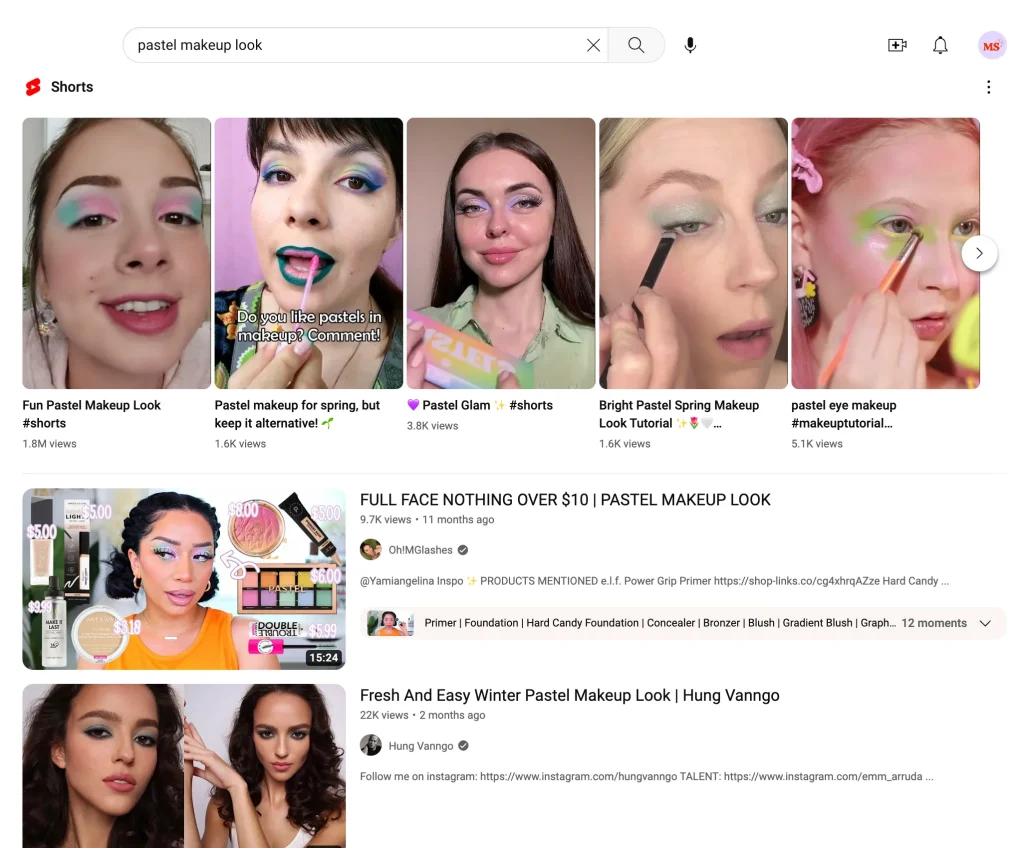
Staying current with social media trends can significantly enhance your marketing efforts. Trends often represent opportunities to connect with your audience in a relevant and timely manner. Keep an eye on trending topics, hashtags, and challenges within your industry. Participate in relevant conversations or create content that aligns with these trends to boost your visibility. Additionally, consider seasonal trends or cultural moments that resonate with your audience. By incorporating trends into your content strategy, you can demonstrate that your brand is engaged and in touch with your community, making your marketing more relatable and compelling.
13. Create Community
Building a community around your brand is essential for fostering loyalty and encouraging customer advocacy. Engage your audience by creating spaces where they can connect, share experiences, and discuss topics related to your industry. This could be through Facebook Groups, dedicated hashtags, or regular interactive posts. Encourage conversations by asking questions, hosting discussions, or sharing user-generated content. A strong community enhances brand loyalty and provides valuable feedback and insights from your audience, helping you improve your products and services.
14. Use the Right Tools
Utilizing the right social media tools can streamline your marketing efforts and enhance your overall strategy. Tools for scheduling posts, analyzing engagement, and managing interactions can save you time and provide valuable insights. Platforms like Hootsuite, Buffer, or Sprout Social allow you to plan and automate your content, while analytics tools can help you measure the performance of your posts. Consider using graphic design tools like Canva to create visually appealing content that captures attention. By leveraging the right tools, you can maximize your efficiency and effectiveness in reaching your marketing goals.
15. Test and Track Performance
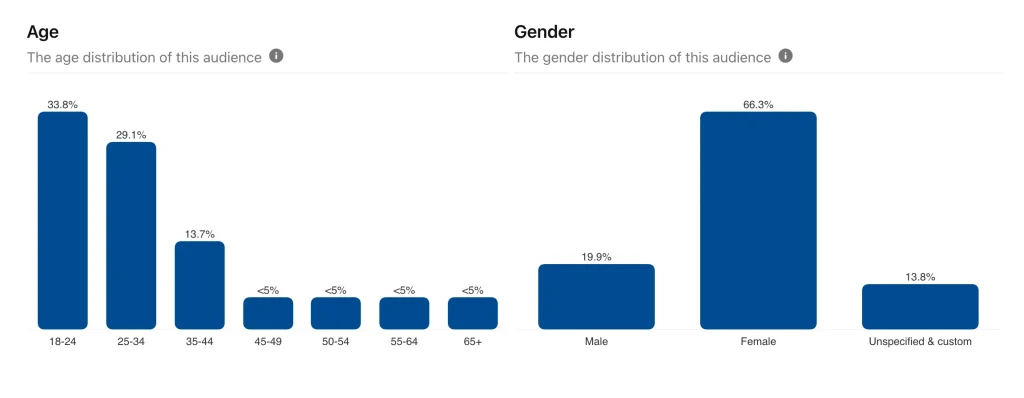
Regularly testing and tracking performance is crucial to ensure your social media marketing efforts are practical. Use analytics to assess which types of content resonate most with your audience, allowing you to refine your strategy over time. Monitor key metrics such as engagement rates, reach, and conversion rates to identify trends and areas for improvement. Experiment with different formats, posting times, and content styles to see what works best. You can make data-driven decisions that enhance your social media strategy and drive better results by continuously testing and tracking your performance.
Social Media Marketing Tips and Best Practices
Develop a Social Media Strategy for Each Platform
Crafting a tailored social media strategy for each platform is essential, as each has its unique audience and features. Start by defining your goals for each platform, such as brand awareness, lead generation, or community engagement. Research the demographics and preferences of users on each platform to tailor your content accordingly. For instance, visual platforms like Instagram and Pinterest are great for showcasing products through striking images, while LinkedIn is better suited for professional networking and B2B content. Regularly review and adjust your strategy based on performance metrics to ensure your approach remains relevant and practical.
Create a Social Media Calendar
A social media calendar is a powerful tool for organizing and scheduling your posts in advance. It helps you maintain a consistent posting schedule, ensuring your content aligns with your marketing goals and seasonal trends. Begin by outlining key dates, such as holidays, product launches, or campaigns, and plan your content around these events. Include a mix of post types, such as promotional, educational, and engagement-focused content, to keep your audience interested. A calendar helps streamline your workflow and allows for better collaboration among team members, making it easier to execute your social media strategy effectively.
Experiment with Different Platforms
Don’t limit yourself to just one or two social media platforms. Experimenting with different platforms can uncover new audiences and opportunities for engagement. Begin by researching which platforms your target demographic frequents and consider creating profiles on those platforms. Try out different content formats, such as videos on TikTok, stories on Instagram, or articles on LinkedIn, to see what resonates best with your audience. Monitor engagement and feedback to identify which platforms yield the best results for your business. This experimentation can help diversify your reach and enhance your overall social media strategy.
Stay on Top of Social Media Trends
The digital landscape constantly evolves, and staying updated on the latest social media trends is crucial for maintaining a competitive edge. Follow industry news, subscribe to relevant newsletters, and engage with thought leaders in social media to keep informed about emerging trends and best practices. Incorporating trends into your content—a viral challenge or a popular hashtag—can significantly increase your visibility and engagement. Regularly reassess your strategy to adapt to these trends and ensure your content remains fresh and relevant to your audience.
Look Into Social Media Marketing Courses
Investing in your knowledge of social media marketing through courses can provide valuable insights and skills to enhance your strategy. Many reputable platforms offer classes on various aspects of social media marketing, including content creation, advertising, and analytics. These courses often include practical exercises and case studies, allowing you to apply what you learn directly to your business. By expanding your expertise, you can stay ahead of the curve and implement more effective strategies, ultimately driving better results for your social media marketing efforts.
Market Your Business on Social Media FAQ
What are the benefits of social media marketing?
Social media marketing offers numerous benefits for businesses, including increased brand awareness, enhanced customer engagement, and improved sales. You can effectively reach and interact with potential customers by establishing a presence on platforms where your target audience spends their time. Social media allows for direct communication, fostering relationships, and building community around your brand. Additionally, it provides valuable insights through analytics, helping you understand your audience better and refine your marketing strategies. Effective social media marketing can increase visibility and a more substantial brand reputation.
What are the best ways to market on social media?
The best ways to market on social media include:
- Developing a comprehensive strategy tailored to each platform.
- Optimizing your profiles.
- Creating engaging content that resonates with your audience.
Utilize tools like hashtags to increase visibility, run targeted ads to reach specific demographics, and collaborate with influencers to tap into their follower base. Regularly engage with your audience through comments, polls, and live sessions to foster a sense of community. Additionally, running contests or giveaways can boost engagement and expand your reach, making attracting new followers and potential customers easier.
What’s the difference between paid and organic social media?
Paid social media refers to advertising efforts where businesses pay to promote their content or brand to a targeted audience. This includes sponsored posts, ads, and influencer collaborations, which can drive immediate visibility and engagement. On the other hand, organic social media involves creating and sharing content without direct payment to promote it. This includes posts, stories, and interactions that grow your audience naturally over time. While paid strategies can deliver quick results, organic growth builds lasting relationships and trust with your audience, often resulting in higher engagement and brand loyalty in the long run.
What are the best social media sites for marketing?
The best social media sites for marketing depend on your target audience and business goals. Facebook remains a top choice for reaching a broad demographic and is particularly effective for community building and targeted advertising. Instagram is ideal for visually-driven brands, particularly in the fashion, food, and travel industries. LinkedIn is essential for B2B marketing, allowing for professional networking and content sharing. Twitter is great for real-time engagement and updates, while TikTok is rapidly gaining popularity among younger audiences with its short, creative video content. Assess your audience and objectives to determine which platforms will be most effective for your marketing efforts.


