

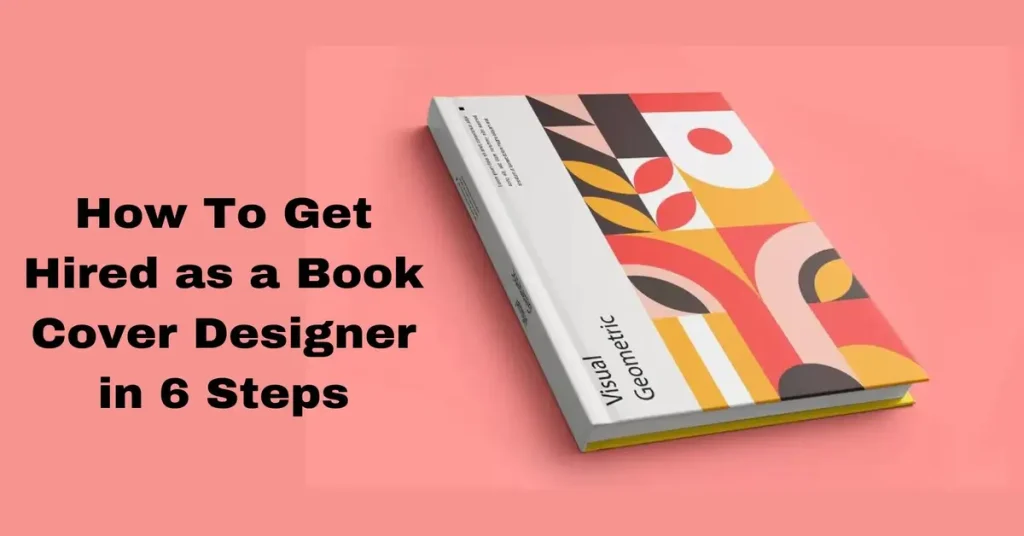
Breaking into the world of book cover design can be both an exciting and challenging journey. As a book cover designer, you’re responsible for creating the first impression that potential readers will have of a book, making your work a critical component of the publishing process. Whether you’re drawn to the artistry of visual storytelling or the opportunity to contribute to an author’s vision, becoming a book cover designer requires a unique blend of creativity, technical skill, and business acumen.
In this guide, we’ll walk you through six essential steps to help you get hired as a book cover designer. From honing your design skills to building a professional portfolio and making industry connections, these steps are designed to equip you with the knowledge and tools needed to launch a successful career in this competitive field. Whether you’re just starting or looking to refine your approach, these strategies will set you on the path to landing your dream job as a book cover designer.
What Does a Book Cover Designer Do?
A book cover designer plays a crucial role in the publishing industry by crafting the visual identity of a book. Their primary responsibility is to create a cover that captures the essence of the story, attracts potential readers, and stands out in a crowded marketplace. This involves more than just aesthetic appeal; a well-designed cover must convey the book’s genre, tone, and themes at a glance.
Book cover designers work closely with authors, publishers, and marketing teams to ensure the cover aligns with the book’s content and target audience. They consider various elements such as typography, color schemes, imagery, and layout to create a cohesive and engaging design. Additionally, they must balance creativity with practical considerations, such as ensuring the cover works in both print and digital formats.
In essence, a book cover designer is both an artist and a strategist, responsible for translating the narrative into a visual language that resonates with readers and encourages them to pick up the book. Their work is pivotal in making a book memorable and marketable.
How to Get Hired as a Book Cover Designer
Learn How to Design Covers
The first step to becoming a successful book cover designer is learning the art and craft of cover design. This involves understanding the principles of graphic design, including typography, color theory, composition, and visual hierarchy. You should also become familiar with the specific requirements of book covers, such as spine design, back cover layout, and the use of images and illustrations. Studying successful book covers across different genres can provide valuable insights into what works and why. Online courses, tutorials, and design workshops can help you build a strong foundation in these areas.
Practice Your Skills
As with any creative profession, practice is essential. Begin by experimenting with different design styles and techniques. Redesign existing book covers or create mock covers for popular books as a way to refine your skills and explore your creativity. This hands-on practice will not only improve your technical abilities but also help you develop your unique design style. The more you practice, the more confident and proficient you’ll become in creating compelling book covers that stand out.
Create a Professional Portfolio
A well-curated portfolio is your most important asset as a book cover designer. Your portfolio should showcase a range of your best work, highlighting your versatility and creativity. Include a variety of designs that demonstrate your ability to work with different genres, from fiction and non-fiction to children’s books and academic texts. Make sure your portfolio is easy to navigate, visually appealing, and accessible online. Consider creating a dedicated website or using platforms like Behance or Dribble to display your work. A strong portfolio will give potential clients or employers a clear sense of your capabilities and style.
Attend Networking Events
Networking is critical to getting hired in the design industry. Attend industry events, book fairs, and design conferences where you can meet publishers, authors, and fellow designers. These events provide opportunities to showcase your work, exchange ideas, and build valuable connections. Join professional organizations such as the Graphic Artists Guild or local design communities to expand your network. Remember, many job opportunities in the creative field come from word-of-mouth referrals and personal connections, so actively participating in the design community can open doors to new possibilities.
Market Your Abilities
Marketing yourself effectively is crucial for attracting clients and employers. Utilize social media platforms like Instagram, Twitter, and LinkedIn to share your work and connect with industry professionals. Regularly update your online presence with new projects, insights into your design process, and testimonials from satisfied clients. Consider writing blog posts or creating video content about book cover design to establish yourself as an expert in the field. The more visibility you create for yourself, the more likely you are to be noticed by potential employers or clients.
Contact Publishers or Authors
Finally, take the initiative to reach out directly to publishers and authors. Research publishing houses that align with your style and interests, and send them a personalized pitch along with samples of your work. You can also connect with self-published authors who may be looking for a designer to create a professional cover for their books. When contacting potential clients, be respectful and experienced, and clearly communicate how your design skills can benefit their projects. Proactively seeking opportunities can significantly increase your chances of getting hired as a book cover designer.
Tips for Getting Hired as a Book Cover Designer
Redesign Book Covers
One effective way to build your portfolio and demonstrate your design skills is by redesigning existing book covers. Choose books you love or those that could benefit from a fresh look, and create your version of the cover. This exercise allows you to showcase your creativity, ability to interpret a book’s theme, and understanding of genre-specific design elements. Sharing these redesigns on social media, your website, or design communities can attract attention from potential clients and employers. Redesigning book covers also helps you stay sharp and continuously refine your skills.
Have a Dedicated Workspace
Creating a dedicated workspace is essential for maintaining focus and fostering creativity. Whether it’s a home office or a section of your living space, having an area reserved solely for your design work can help you stay organized and productive. Equip your workspace with the necessary tools, such as a reliable computer, design software, and a drawing tablet. A comfortable, inspiring environment can also stimulate your creativity and make it easier to manage multiple projects efficiently. Consistency in your workspace setup can significantly enhance your ability to deliver high-quality work.
Be Respectful
In the competitive world of design, professionalism and respect go a long way. Whether you’re communicating with clients, authors, or other designers, always be courteous and responsive. Listen carefully to feedback and be open to making revisions, as this demonstrates your willingness to collaborate and improve. Building a reputation for being easy to work with can lead to repeat business and referrals, which are invaluable in a field where word-of-mouth plays a significant role. Respect also extends to meeting deadlines, adhering to project guidelines, and maintaining a positive attitude throughout the design process.
Enter Contests
Entering design contests is an excellent way to gain exposure and build your reputation as a book cover designer. Many publishers and literary organizations host contests specifically for book cover design, offering you the chance to showcase your talent on a larger stage. Even if you don’t win, participating in contests can help you improve your skills, receive valuable feedback, and connect with industry professionals. Winning or even being shortlisted in a contest can be a significant boost to your portfolio and credibility, making you more attractive to potential clients and employers.
Consider Moving
While this tip may not apply to everyone, relocating to a city with a vibrant publishing or design scene can increase your chances of getting hired. Major publishing hubs like New York, London, or Toronto offer more opportunities to network with industry professionals, attend events, and find job openings. Being in close proximity to these opportunities can make it easier to land contracts or full-time positions as a book cover designer. However, even if relocating isn’t feasible, you can still succeed by leveraging online platforms to connect with clients and showcase your work globally.
Final Thoughts
Becoming a successful book cover designer requires a blend of creativity, dedication, and strategic effort. By honing your design skills, building a solid portfolio, and actively marketing your abilities, you can position yourself as a sought-after professional in the industry. Remember, networking plays a crucial role, so attend events, enter contests, and connect with authors and publishers to expand your opportunities.
While the journey may be challenging, staying committed to your craft and continuously improving will open doors to exciting projects and career growth. Whether you’re just starting or looking to advance, following these steps will help you navigate the competitive world of book cover design and ultimately get hired for the projects you aspire to work on.


