


The way people discover businesses is changing. For years, brands focused on improving search rankings, earning backlinks, and driving website traffic. Today, a growing number of users are getting answers directly from AI-powered tools before they ever visit a website.
When someone asks an AI assistant about the best software for project management, a trusted accounting firm, or a reliable marketing agency, the response is often a summary rather than a list of links. These summaries influence first impressions, shape trust, and help users narrow down their options long before they reach a company’s website.
This shift means businesses need to pay attention not only to where they rank but also to how they are described. AI systems continuously analyze information from websites, reviews, media coverage, industry directories, customer feedback, and other publicly available sources. They use these signals to build an understanding of what a company does, who it serves, and why it may be relevant to a user’s question.
In many cases, AI-generated descriptions become a brand’s digital reputation at scale. If the information AI finds is inconsistent, outdated, or incomplete, the resulting summary may fail to communicate the company’s real strengths. On the other hand, businesses with clear positioning, strong credibility signals, and consistent messaging are more likely to receive accurate and favorable descriptions.
As AI search continues to evolve throughout 2026 and beyond, understanding how AI interprets your brand is becoming an essential part of digital marketing, reputation management, and online visibility.
How AI Search Affects Brand Trust
Trust has always been a critical factor in buying decisions. What has changed is how that trust is formed.
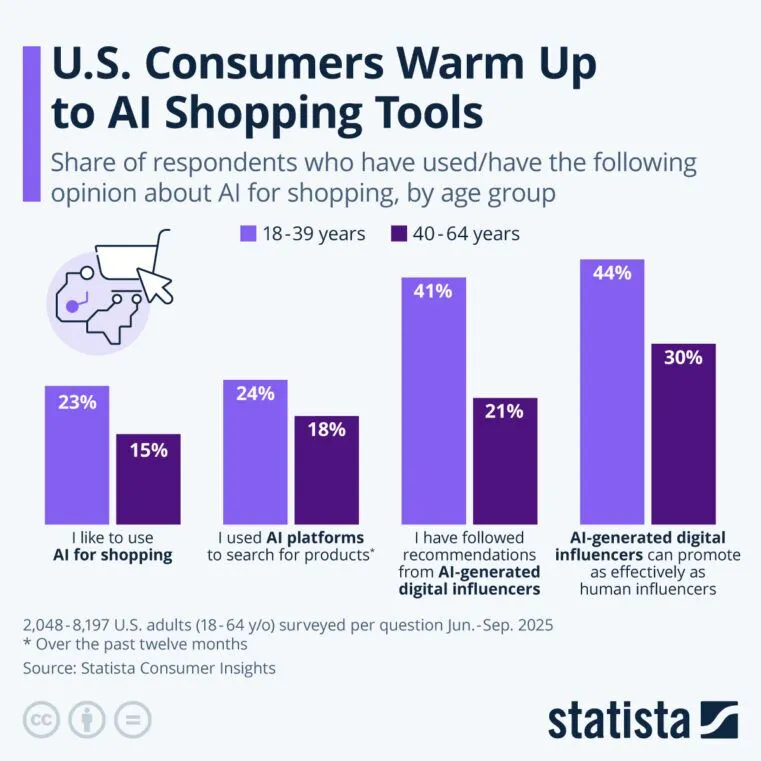
Traditional search engines allowed users to compare multiple websites and make their own judgments. AI search experiences often condense that process into a single answer, recommendation list, or summary. Instead of reviewing ten different pages, users may rely on one AI-generated explanation to decide which brands deserve further consideration.
This creates a powerful trust filter.
When an AI assistant consistently describes a company as an industry leader, specialist, innovator, or trusted provider, those descriptions can influence perception before any direct interaction occurs. Conversely, vague, generic, or incomplete summaries can make a business appear less differentiated, even if it has substantial expertise.
Several factors contribute to this trust-building effect:
AI Answers Reduce Research Friction
Users increasingly seek immediate answers rather than conducting extensive research. AI tools simplify decision-making by summarizing information from multiple sources into a single response.
Because users save time and effort, they often place significant weight on the recommendations and descriptions they receive. The language AI uses can influence which brands enter a buyer’s consideration set and which are overlooked.
First Impressions Are Formed Earlier
In traditional search, a business had an opportunity to create a first impression through its homepage, landing page, or content.
In AI search, that first impression may happen before the website visit. A user may already have assumptions about a company’s strengths, specialties, reputation, or market position based entirely on an AI-generated summary.
This makes brand accuracy more important than ever.
Repeated Descriptions Reinforce Credibility
When similar descriptions appear across multiple AI platforms, users begin to perceive those characteristics as established facts.
For example, if multiple AI tools consistently describe a software company as being known for automation and enterprise scalability, those traits become associated with the brand. Repetition strengthens credibility and influences how prospects remember the business.
Trust Is Built Through Verification
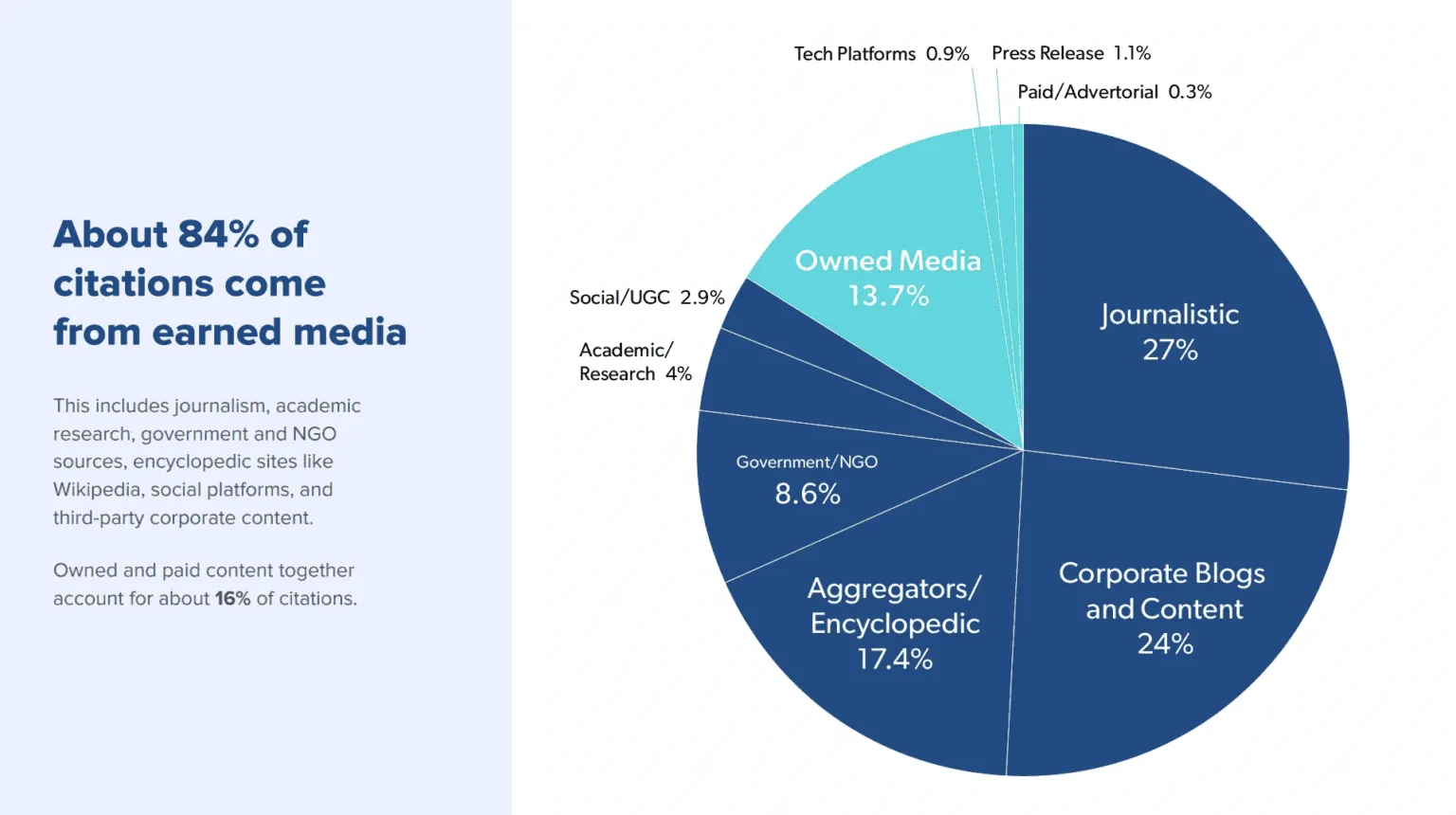
AI systems tend to favor information that appears consistently across trusted sources. As a result, companies with strong editorial coverage, positive reviews, expert contributions, customer success stories, and authoritative content often receive stronger trust signals.
The more evidence available to support a brand’s claims, the more confidence AI systems have in presenting those claims to users.
Brand Visibility and Brand Trust Are Becoming Connected
Historically, visibility and trust were often treated as separate marketing goals. Today, they are increasingly intertwined.
A business that appears frequently in AI-generated answers gains exposure, while the language used in those answers influences credibility. Visibility without trust has limited value, and trust without visibility can be difficult to scale. AI search is bringing these two concepts together.
How Do AI Tools Decide Which Brands To Recommend
AI systems do not recommend brands randomly. Their recommendations are influenced by a combination of relevance, authority, consistency, credibility, and supporting evidence found across the web.
While every AI platform uses different models and ranking systems, several common signals influence how brands are selected and described.
Relevance to the User’s Question
The first priority is matching the user’s intent.
If someone asks for project management software for remote teams, AI tools will look for brands associated with collaboration, workflow management, and distributed work environments. If the question focuses on enterprise security, the recommendations may change entirely.
Brands that clearly communicate their specialties and target audiences are easier for AI systems to match with relevant searches.
Consistent Brand Positioning
AI models build understanding by analyzing information from many different sources.
When a company consistently describes itself using similar language across its website, social profiles, industry listings, press coverage, and thought leadership content, AI systems gain a clearer understanding of what the business represents.
Inconsistent messaging creates ambiguity, making it harder for AI to confidently describe or recommend the brand.
Third-Party Validation
Independent sources often carry significant weight.
AI tools frequently look beyond a company’s own marketing materials to understand how others describe the business. Reviews, customer testimonials, media mentions, analyst reports, industry awards, professional associations, and expert commentary help validate a brand’s reputation.
When multiple independent sources support the same claims, AI systems gain greater confidence in repeating those claims.
Authority and Expertise Signals
Brands that demonstrate expertise tend to earn stronger visibility in AI-generated responses.
Authority signals can include:
- Original research
- Industry reports
- Expert-written content
- Conference presentations
- Published case studies
- Educational resources
- Recognized subject-matter experts within the organization
These assets help establish topical authority and provide evidence that a company has genuine expertise in its field.
Reputation Across the Web
AI systems often evaluate the broader online conversation surrounding a brand.
Positive customer experiences, favorable reviews, recurring industry mentions, and professional recognition contribute to a stronger reputation profile. Negative sentiment, conflicting information, or a lack of independent references can weaken confidence.
This is why reputation management increasingly influences AI visibility.
Structured and Accessible Information
AI tools perform best when information is easy to understand.
Brands that clearly explain:
- What they do
- Who they serve
- What problems they solve
- How they are different
- Why customers choose them
are easier for AI systems to interpret accurately.
Well-organized content, detailed service pages, comprehensive About pages, author profiles, FAQs, and supporting evidence all help AI generate more complete and accurate brand descriptions.
Evidence Over Marketing Claims
One of the biggest changes in AI search is the growing importance of proof.
AI systems are becoming better at distinguishing between promotional language and supported claims. A company that simply claims to be the best may receive little recognition. A company that demonstrates expertise through customer outcomes, research, reviews, certifications, and documented results provides evidence that AI can validate.
As AI search continues to evolve, brands that support their positioning with verifiable proof will generally have a stronger chance of being recommended and accurately described.
How To Optimize For AI-Generated Answers

Businesses cannot directly control what AI systems say about them. However, they can influence the information environment AI tools rely on when generating responses. The goal is not to “rank” inside AI platforms but to make your brand easier to understand, verify, and recommend.
Organizations that consistently appear in AI-generated answers typically share one trait: they provide clear, credible, and well-supported information across the web.
1. Start With a Stronger About Page
Many businesses treat their About page as a brief company history. AI systems, however, often use this page to understand a brand’s identity, positioning, expertise, and market focus.
A weak About page forces AI tools to fill information gaps using external sources. A strong About page provides a clear foundation for how your business should be interpreted.
Your About page should answer questions such as:
- What does the company do?
- Who does it serve?
- What problems does it solve?
- What industries does it specialize in?
- What makes it different from competitors?
- Who leads the organization?
- What experience or expertise supports its claims?
Avoid generic statements like “We are passionate about helping businesses succeed.” Instead, provide specific descriptions that explain your services, methodology, and expertise.
The more clearly your organization defines itself, the more accurately AI systems can summarize your brand.
2. Earn Trusted Citations
AI systems rarely rely on a company’s website alone. They look for corroborating evidence across the internet.
This means third-party mentions are becoming increasingly important.
Trusted citations can come from:
- Industry publications
- News coverage
- Professional associations
- Research reports
- Business directories
- Conference websites
- Guest articles
- Independent review platforms
- Industry awards and recognitions
When multiple reputable sources describe your business in similar ways, AI gains confidence in those descriptions.
For example, if your website claims expertise in cybersecurity and independent publications, customer reviews, and industry directories reinforce that expertise, AI systems are more likely to associate your brand with cybersecurity leadership.
The objective is consistency. Repeated validation from trusted sources strengthens your digital reputation and improves how AI interprets your business.
3. Make Leadership Visible
AI systems often look beyond the company itself and evaluate the people associated with it.
Founders, executives, consultants, researchers, and subject-matter experts can significantly influence how a business is perceived.
Visible leadership helps answer important questions:
- Who is behind the company?
- Why should users trust them?
- What expertise do they bring?
- Have they contributed meaningful insights to their industry?
Businesses can strengthen leadership visibility by:
- Publishing expert articles
- Participating in industry events
- Speaking at conferences
- Appearing on podcasts
- Contributing research and commentary
- Maintaining professional author profiles
- Sharing original insights on industry trends
When leaders become recognized voices within their fields, that authority often extends to the organization itself.
AI systems increasingly associate companies with the expertise demonstrated by their leadership teams.
4. Focus on Evidence
One of the most important shifts in AI search is the growing preference for evidence over marketing language.
AI systems are becoming better at identifying whether claims are supported by facts.
Instead of saying:
“We provide world-class service.”
Provide evidence such as:
- Customer success stories
- Case studies
- Performance metrics
- Research findings
- Industry certifications
- Customer retention statistics
- Verified reviews
- Award recognitions
Evidence helps AI systems validate the claims associated with your brand.
For example, a software company that publishes measurable customer outcomes gives AI stronger signals than a competitor relying solely on promotional messaging.
The more proof your organization provides, the easier it becomes for AI tools to understand why your business deserves attention.
How to Audit and Correct Your Brand’s AI Presence

Most businesses actively monitor search rankings, website traffic, and social media performance. Far fewer regularly evaluate how AI systems describe their brand.
That gap creates risk.
If AI-generated summaries contain inaccuracies, outdated information, incomplete positioning, or weak differentiators, those issues can influence customer perception long before prospects visit your website.
An AI brand audit helps identify these problems and uncover opportunities for improvement.
Test Multiple AI Platforms
Different AI systems use different retrieval methods, training sources, and ranking signals.
Ask several platforms questions such as:
- What does this company do?
- Who are this company’s competitors?
- What industries does this company serve?
- What makes this company different?
- What services does this company offer?
- Who leads this organization?
Document the responses and compare the results.
Patterns matter more than individual answers.
If multiple AI tools consistently repeat the same description, that language likely reflects how your brand is currently understood across the web.
Look for Recurring Themes
Pay attention to phrases that appear repeatedly.
Ask yourself:
- Are the strengths being highlighted accurate?
- Are important services being omitted?
- Is the company being positioned correctly?
- Are competitors receiving clearer descriptions?
- Is the brand being described too broadly?
AI-generated summaries often reveal gaps between how a company wants to be perceived and how it is actually understood.
Recurring themes provide valuable insight into your existing digital footprint.
Identify Missing Information
Sometimes the issue is not misinformation but incomplete information.
For example, your company may have expanded into new industries, launched new services, entered new markets, or changed positioning. Yet AI tools may continue describing the business using older information.
Review whether important topics are missing, including:
- New service offerings
- Specialized expertise
- Industry focus areas
- Geographic coverage
- Leadership changes
- Certifications and partnerships
- Recent achievements
Missing information often indicates that supporting signals have not yet spread widely across trusted sources.
Audit Your Digital Evidence
If AI descriptions lack depth or specificity, examine the supporting evidence available online.
Review:
- About pages
- Service pages
- Leadership bios
- Press mentions
- Review platforms
- Industry listings
- Author profiles
- Published research
- Case studies
Ask whether these assets clearly communicate your expertise and market position.
The stronger your evidence base, the stronger the foundation AI systems can use when describing your brand.
Update and Expand Authoritative Sources
Correcting AI perceptions usually requires improving the information ecosystem rather than attempting to influence AI tools directly.
Focus on:
- Updating outdated website content
- Clarifying brand messaging
- Expanding leadership profiles
- Publishing original insights
- Improving case studies
- Earning additional industry mentions
- Strengthening review generation efforts
- Creating content that demonstrates expertise
As these signals become more visible and consistent, AI systems gradually develop a more accurate understanding of the business.
Monitor Changes Over Time
AI search is constantly evolving.
Descriptions that appear today may change as new information becomes available and AI systems update their understanding.
For this reason, AI brand auditing should become a recurring process rather than a one-time project.
Quarterly reviews can help organizations:
- Detect inaccuracies early
- Measure improvements in brand visibility
- Identify emerging reputation issues
- Track changes after rebranding efforts
- Evaluate how new content influences AI-generated summaries
The businesses that succeed in AI search will not be the ones trying to manipulate AI systems. They will be the ones providing the clearest, most trustworthy, and most verifiable information across the web. As AI becomes a primary source of discovery, managing how your brand is understood by these systems will become an essential part of modern digital strategy.
Strengthen Your Brand’s AI Presence With Pro Real Tech
Businesses that understand how AI influences brand perception are better equipped to shape the impressions customers form through AI-generated answers. As AI search tools become a larger part of the discovery process, the information available about your company across the web increasingly determines how your business is described, recommended, and trusted.
Pro Real Tech helps businesses improve the signals that AI systems use to evaluate credibility and expertise. Our goal is to help ensure your brand is represented accurately, consistently, and competitively across modern search experiences.
Our services include:
- Review monitoring
- Review response management
- Review generation
- AI SEO
- Local SEO
- Online reputation management
In addition to these services, we leverage proprietary tools designed to measure AI visibility, identify reputation gaps, and track brand performance across AI-driven search platforms. We help organizations evaluate how they appear in tools such as ChatGPT, Gemini, and Google AI Overviews while uncovering opportunities to strengthen trust signals and improve brand positioning.
Whether you are managing a growing local business, an established company, or a multi-location organization, maintaining a strong AI presence requires ongoing attention. Clear messaging, credible reviews, authoritative mentions, and consistent brand signals all contribute to how AI systems interpret and describe your business.
If you want to improve how your brand is understood, recommended, and trusted in AI-powered search, Pro Real Tech can help. Contact our team today to learn how a stronger reputation strategy can support your visibility and credibility across the evolving AI search landscape.
Frequently Asked Questions About AI Brand Mentions
How does AI describe your brand?
AI describes your brand by analyzing information from websites, reviews, media coverage, business directories, social profiles, customer feedback, and other publicly available sources. It looks for recurring themes and trusted signals to generate summaries that explain what your business does, who it serves, and what differentiates it from competitors.
How to fix AI-generated brand summaries?
Start by identifying inaccuracies across major AI platforms. Then strengthen the sources AI relies on by updating your website, improving your About page, publishing expert content, expanding leadership profiles, and earning mentions from trusted third-party sources. Over time, more consistent information can lead to more accurate AI-generated descriptions.
Do AI mentions matter more than Google rankings?
Not necessarily. Google rankings still drive visibility and traffic, but AI mentions increasingly influence how users perceive brands before they click. Businesses should view traditional SEO and AI visibility as complementary strategies rather than competing priorities.
How to audit brand in AI search?
Ask multiple AI tools to describe your company, compare you with competitors, and explain your services. Record the responses, identify recurring language, and note any missing or incorrect information. This process helps reveal how AI currently understands your brand.
What signals do AI engines use for reputation?
AI systems commonly evaluate review sentiment, media mentions, industry recognition, expert contributions, customer feedback, business listings, leadership visibility, and the consistency of information across trusted sources. These signals help AI assess credibility and authority.
Why should businesses pay attention to recurring language in AI answers?
Repeated descriptions often reveal how AI systems collectively interpret a business. If the same strengths, weaknesses, or positioning statements appear across multiple platforms, they can shape customer perception and influence purchasing decisions.
Who inside a company should oversee its presence in AI tools?
Responsibility often falls to marketing, SEO, brand, communications, or reputation management teams. However, organizations benefit most when leadership, marketing, public relations, and customer experience teams work together to manage brand signals across the web.
Why do some businesses get described in generic terms by AI tools?
Generic descriptions usually occur when a company lacks clear positioning or sufficient supporting evidence online. If AI cannot identify unique expertise, specialization, or differentiators, it may default to broad industry labels that fail to distinguish the business from competitors.
Can leadership visibility influence how a business is described by AI?
Yes. Executives, founders, and subject-matter experts often contribute to a company’s perceived authority. Articles, interviews, speaking engagements, research, and professional profiles can strengthen both personal and organizational credibility within AI-generated summaries.
Should brands monitor AI results after a rebrand or service change?
Absolutely. AI systems may continue referencing outdated information long after a rebrand, merger, service expansion, or strategic shift. Monitoring AI-generated answers helps ensure that new messaging is being recognized and reflected accurately.
Why do competitors sometimes appear more clearly in AI answers than your business?
Competitors may have stronger authority signals, clearer messaging, more third-party citations, better review profiles, or greater industry visibility. AI tools often reward brands that provide abundant, consistent, and verifiable information across multiple sources.
What makes AI descriptions feel incomplete even when the facts are technically correct?
AI summaries are designed to be concise. They may accurately describe a company while omitting important context, differentiators, expertise, or recent developments. This often happens when critical information is not consistently reinforced across trusted sources that AI can reference.
Read More: How To Reduce Low-Quality Leads From Your Website


