

In today’s online world, people rarely click through many search results before forming an opinion about a company. Instead, search engines now use artificial intelligence (AI) to create short summaries of what they find on the web. These AI summaries show up right at the top of search results and give users a quick idea of what a brand is like. Because of this, AI search summaries have become one of the first things customers see when they look up a business online.
These summaries matter a lot. They can influence how customers think about a brand before they ever visit its website. AI systems look at large amounts of information — including online reviews, social media posts, and public opinions — and then create a condensed overview. This overview often shapes people’s first impressions, especially for new customers.
For brands, this creates both new opportunities and challenges. Good summaries can build trust quickly and lead to more interest from customers. But if the summary is outdated, incomplete, or skewed negative, it can harm a brand’s reputation. That’s why understanding how AI search summaries work has become essential for businesses that want to stay competitive and trusted online.
What Are AI Search Summaries?
AI search summaries are short, automatically generated pieces of text that appear near the top of search results when someone asks a question or looks up a brand. Instead of showing just a list of links, modern search engines now provide a quick, AI‑created narrative that pulls together information from multiple public sources. These summaries are designed to give users a clear snapshot of a topic or brand without needing to read through many pages.
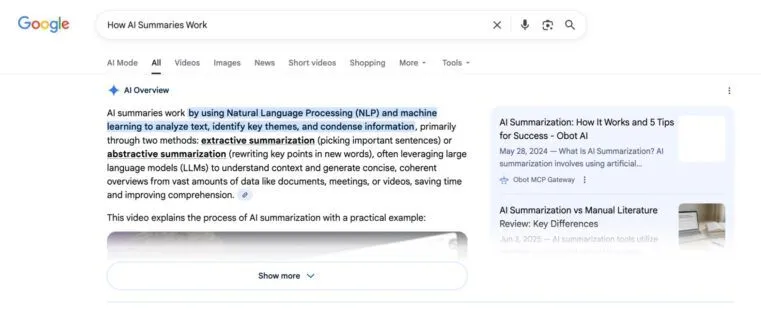
These summaries use advanced AI technology, often combining large language models with signals from search data, reviews, and public content to choose the most relevant points. Rather than just presenting links, they interpret patterns and signals across the web to form one concise answer. This means that a brand’s reputation can be shaped directly by what the AI distills from different online sources.
Because these summaries appear so prominently, they carry a lot of influence. Many users will trust the information they see there and may not scroll down to read individual reviews or website content. For brands, this shift means that a business’s online reputation is no longer just about ranking well in search engines — it’s also about how well they appear in these AI‑generated summaries.
How AI Evaluates Brands

AI does not judge a brand the same way people do. Instead of just looking at star ratings or simple rankings, AI systems scan vast amounts of public information to form a big picture of a brand’s reputation. This evaluation shapes how AI search summaries describe brands when users look them up.
Here’s a breakdown of how that evaluation takes shape:
Patterns Over Individual Reviews
AI looks beyond single reviews or scores. While star ratings still matter, modern AI systems analyze patterns in customer feedback across many platforms. This means they pay attention to themes that show up again and again in what people say about a brand. AI studies the language, sentiment, and meaning within reviews — not just the numbers. For example, repeated mentions of “friendly service” or “long wait times” will signal to AI whether the experience is typically positive or negative. This pattern‑based analysis is far richer than merely calculating an average rating.
Consistency Across Platforms
To form reliable conclusions, AI compares brand mentions from multiple review sites, social media, forums, and other public spaces. If a brand has mostly positive feedback on one platform but mixed or negative feedback elsewhere, AI may see conflicting narratives. These inconsistencies weaken trust indicators and make it harder for the AI to confidently describe the brand. On the other hand, if reviews and comments tell a similar story across different places online, AI is more likely to view the brand as trustworthy and consistent.
Recency and Repetition
AI gives more weight to recent feedback because it reflects the brand’s current performance. New reviews and comments help AI understand what customers think now rather than relying on outdated information. However, older feedback isn’t ignored when similar themes keep appearing — this shows that a brand’s strengths or weaknesses are persistent and real over time. In that way, AI balances both fresh and historical insights to create a more accurate reputation signal.
AI evaluates brands by identifying patterns, checking consistency across platforms, and prioritizing recent and repeated themes. This deep, data‑driven analysis allows AI systems to form a broad, dynamic picture of brand reputation — which then influences how summaries describe a brand to potential customers.
4 Best Practices for Influencing AI Search Summaries
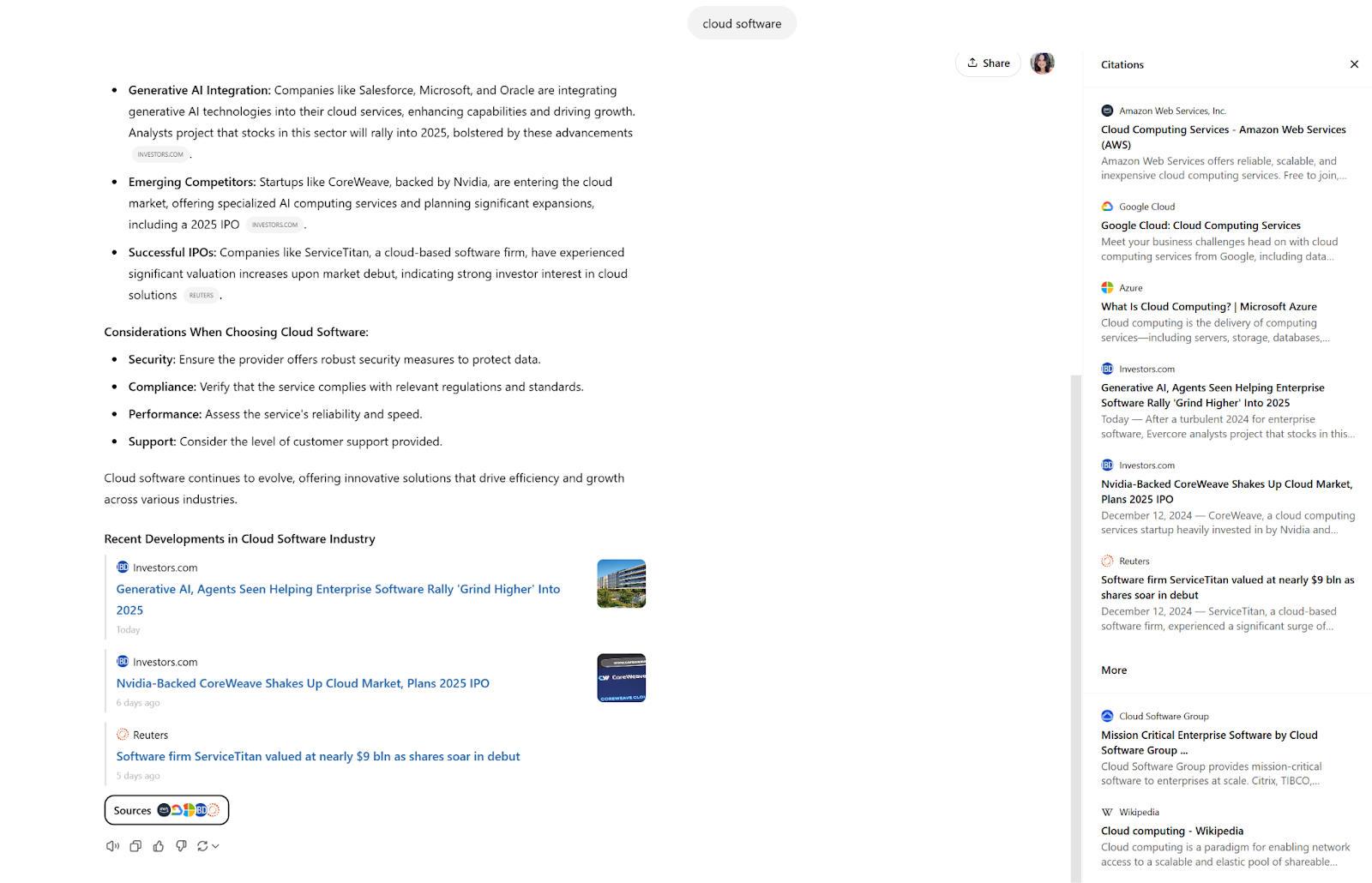
AI search summaries don’t form on their own. They depend on the quality and consistency of data available across the web. While you can’t directly edit what an AI writes, you can influence the signals it uses to form those summaries. Below are four up‑to‑date, detailed strategies to help shape how AI systems interpret and present your brand online in 2026 and beyond.
1. Monitor Sentiment Across Platforms
AI evaluates your brand based on signals from many publicly available sources, not just one review site. This includes social media posts, niche forums like Reddit or Quora, industry review platforms, blogs, and even comment threads.
To influence AI summaries effectively, you must track sentiment across all major channels with real‑time tools. Modern reputation monitoring platforms use AI themselves to categorize sentiment, detect patterns, and alert you to sudden changes, helping you spot problems early and act before negative trends solidify.
Regular analysis lets you see which narratives are growing and how consistently positive or negative themes appear over time. This gives you a clear picture of what AI is “reading” about your brand across the digital landscape.
2. Encourage Detailed Reviews
AI doesn’t just count stars — it reads words. Detailed reviews with clear, specific feedback give better context for AI sentiment analysis. Vague ratings like “good service” offer limited insight, while reviews that explain what was good or what was improved give AI richer data points to work with.
For example, a review stating: “The team resolved my issue within two hours and offered a follow‑up call” gives meaningful information about responsiveness and customer focus. AI systems pick up on those kinds of detailed topics, which can steer summaries toward positive patterns instead of superficial star counts.
Encourage your customers to mention specifics like product features they liked, employee help they received, or times when your service exceeded expectations. These narrative details enrich the dataset AI models evaluate and help shape more accurate summaries.
3. Respond to Reviews Publicly
AI also looks at engagement — how brands interact with their audience. Public responses to reviews signal that you are actively managing your reputation, taking feedback seriously, and addressing issues.
A thoughtful reply to a negative review, such as acknowledging the issue and offering a solution, shows accountability. Responses that are timely and empathetic reinforce credibility and highlight your commitment to customers. Generic or no responses can be interpreted as inattentive, which may weaken trust in AI summaries.
AI systems increasingly factor responsiveness into how they perceive brand reputation. Engaging consistently with reviewers — both happy and unhappy — helps generate a more balanced, dynamic view of how your brand operates.
4. Address Recurring Issues at the Root
When AI systems detect the same criticism repeated across platforms, they treat it as a signal — and repeated negative themes can heavily influence summaries.
Instead of just replying to complaints on review boards, take action to resolve the underlying issues at scale. If slow delivery or support delays are common complaints, tackle those operational challenges head‑on. As negative themes diminish over time, AI models will pick up on the absence of those patterns and reflect that in future summaries.
This practice has two benefits: it improves your actual customer experience and transforms long‑term sentiment trends. AI evaluates both sentiment and consistency, so reducing the recurrence of problems across platforms can strengthen positive signals and reduce negative ones.
Strengthen Brand Authority with High‑Quality Content
Although not part of your original list, creating structured, authoritative content is crucial too. AI prefers clear, factual, and well‑organized sources such as FAQ pages, expert articles, and consistent brand bios. Clear “source‑of‑truth” pages help AI models correctly interpret what your brand stands for and avoid conflicting information across the web.
Centralize Reputation Control With Pro Real Tech
Managing your brand’s reputation in the digital age requires more than occasional review replies or social posts. To shape how AI search summaries interpret your brand, a centralized and strategic reputation management approach is essential. That’s where Pro Real Tech’s Online Reputation Management (ORM) services come in — designed to help businesses protect and elevate their reputation across the online ecosystem.
What Pro Real Tech Offers
Pro Real Tech provides a full suite of ORM services that go beyond simple review tracking. Their approach is personalized and proactive, meaning they tailor strategies based on your business’s specific challenges and goals rather than using generic solutions. The main aim is to build, protect, and strengthen your brand’s online presence so it aligns with how you want customers and AI systems to perceive your business.
Here are the key components of Pro Real Tech’s ORM services:
• Review Service
Pro Real Tech helps ensure that online reviews truly reflect your business’s strengths. They assist in managing reviews across platforms by promoting authentic positive feedback and addressing negative feedback constructively, which improves trust and credibility online.
• Upvote Service
This service boosts positive engagement with your content on various online platforms, increasing visibility and social proof — two factors that can influence how AI systems interpret your reputation.
• Ranking Service
Improving your search engine rankings makes your brand more visible. Pro Real Tech uses strategic techniques to help your business appear higher in search results, which strengthens how your online presence is perceived by both users and AI.
• Business Page Listing
Accurate and optimized business listings across directories help ensure that key brand information is consistent and compelling. Consistency across platforms feeds into stronger AI evaluation signals.
• Content Management
Pro Real Tech helps curate and manage your online content to maintain a positive narrative. Effective content management means your brand’s story is told in a controlled, favorable way that supports trust and authority.
• Crisis Management
When negative situations arise — like bad reviews, misinformation, or unexpected public responses — Pro Real Tech’s crisis team works to mitigate damage quickly and restore a positive brand image.
• Google My Business Optimization
Optimizing your Google Business Profile helps improve local visibility and trust, which is especially important for local search rankings and local AI search summaries.
• Social Media Management
Pro Real Tech manages your social media presence with engaging content and positive interactions. Strong social engagement not only builds community but also feeds important reputation signals into AI models.
How Our Process Works
-
Consultation & Audit – They begin with a detailed consultation and online presence audit to understand your needs.
-
Competitor Analysis – Reviewing competitors helps shape a strategy that positions you more effectively.
-
Tailored Strategy Development – Based on findings, they create a customized ORM plan.
-
Review & Social Management – Implemented strategies focus on review oversight and social media optimization.
-
Continuous Monitoring and Reporting – Ongoing tracking and updates allow for optimization over time.
-
Crisis Planning – Advanced planning means your brand is ready to respond quickly to reputation threats.
Benefits of Using Pro Real Tech’s ORM
Partnering with a professional ORM provider like Pro Real Tech can improve your digital strategy in several ways:
-
Boost Trust and Credibility: A clearer, more positive online image increases confidence among potential customers.
-
Improve Search Visibility: Better rankings and cleaner online signals help both users and AI systems recognize your brand’s credibility.
-
Increase Local and Global Reach: Their strategies help businesses grow visibility both locally and internationally.
-
Enhance Customer Relationships: Structured engagement and response strategies foster stronger connections with your audience.
-
Competitive Advantage & Growth: A well‑managed reputation lays the foundation for increased sales, customer retention, and long‑term success.
By centralizing your reputation control with Pro Real Tech, you gain a partner that not only reacts to negative signals but actively builds and sustains a positive digital presence — a factor that directly influences how AI search summaries portray your brand in the modern search landscape.
Frequently Asked Questions About AI Search Brand Summaries
WHAT ARE AI SEARCH SUMMARIES AND WHY ARE THEY BECOMING MORE COMMON?
AI search summaries are short, automatically generated narratives that appear at the top of search results to quickly present key insights about a brand or topic. They combine information from multiple sources like online reviews, social posts, and public listings into one concise answer. These summaries are becoming more common because search engines and AI assistants now aim to provide instant, synthesized answers that users trust and find useful — rather than just giving a list of links. As AI becomes integrated into search results and chat responses across the web, these summaries increasingly act as the first impression a user sees.
HOW DOES AI BRAND REPUTATION MANAGEMENT DIFFER FROM TRADITIONAL REPUTATION STRATEGIES?
Traditional reputation management typically focuses on individual platforms, like responding to reviews on one site or managing social media comments manually. AI‑driven reputation management, by contrast, analyzes patterns across many sources simultaneously — including reviews, forums, news, and social platforms — to form a comprehensive, dynamic view of brand perception. Instead of reacting after problems occur, AI can monitor sentiment in real time, detect trends, and predict issues before they escalate. This makes reputation management far more proactive, data‑driven, and scalable than traditional approaches.
WHY ARE ONLINE REPUTATION AI TOOLS BECOMING ESSENTIAL FOR MODERN BUSINESSES?
Online reputation AI tools are essential because modern brand perception no longer lives on just a few websites or social platforms — it lives everywhere online. AI tools can scan millions of mentions in real time, identify shifts in sentiment, and flag potential issues far faster than human teams alone. They also provide insights into emerging trends and help businesses respond before problems damage public perception. This real‑time visibility is critical in an era where a single review or news item can spread rapidly and influence customer behavior.
HOW DO AI‑GENERATED SEARCH SNIPPETS AFFECT USER DECISION‑MAKING?
AI‑generated search snippets can heavily influence how users interpret a brand before they click any links. Many users read these summaries as the primary source of information, trusting the concise narrative more than individual search results below. Research shows that when AI summaries appear at the top of search results, users’ attitudes and expectations align with what those summaries convey. This means an AI snippet can shape a person’s perception — positive or negative — before they explore further content about the brand.
WHAT ROLE DOES AI REPUTATION MONITORING PLAY IN LONG‑TERM BRAND STABILITY?
AI reputation monitoring provides ongoing visibility into how people perceive your brand over months and years. Continuous scanning of customer sentiment helps businesses detect recurring issues, track changes in perception, and act before negative themes become widespread. This kind of sustained oversight supports brand stability by enabling iterative improvements, faster responses to feedback, and strategic planning for future reputation risks. In contrast, ad‑hoc reputation checks can miss key trends that build up over time.
WHY IS AI‑DRIVEN REPUTATION ANALYSIS IMPORTANT BEYOND SEARCH VISIBILITY?
AI reputation analysis isn’t just for improving search appearances; it affects marketing, customer trust, customer experience, and strategic decision‑making. AI systems help identify how different aspects of your brand — sentiment, credibility, engagement — perform across diverse channels. This wide lens gives marketers and leaders actionable insights that go beyond search metrics alone. AI analysis can influence how a brand is perceived in recommendations, voice assistants, local search, and even customer service experiences.
WHY IS UNDERSTANDING HOW AI EVALUATES BRANDS IMPORTANT FOR LEADERSHIP TEAMS?
Leadership teams need to understand AI evaluation because these systems now influence first impressions at scale. AI doesn’t just compile data — it interprets patterns across platforms and decides what signals are most relevant for reputation. Executives who understand this process can allocate resources wisely, shape corporate messaging proactively, and align teams around reputation goals that affect both customer perception and long‑term growth.
WHAT DOES REPUTATION MANAGEMENT WITH AI MEAN IN PRACTICAL TERMS?
Reputation management with AI means using technology to automatically monitor, analyze, and respond to brand mentions across digital channels. Rather than manually checking each review site, social feed, and forum, AI tools scan vast datasets instantly, classify sentiment, highlight trends, alert teams to risks, and sometimes even suggest optimal responses. It’s a shift from manual effort to strategic oversight, where AI handles large‑scale analysis and humans focus on decision‑making and action.
HOW DOES BRAND REPUTATION MANAGEMENT AI SOFTWARE CHANGE HOW BUSINESSES BUILD CREDIBILITY?
AI reputation management software shifts the focus from reactive fixes to strategic credibility building. Instead of only correcting mistakes after they arise, businesses can now use AI to detect sentiment trends early, reinforce positive signals, and shape consistent messaging across online platforms. This helps brands build trust over time by encouraging authentic engagement, reducing response times, and aligning their digital presence with customer expectations. AI software essentially makes reputation a dynamic asset rather than a static score.
WHY IS THE IMPACT OF AI ON BRAND IMAGE BECOMING A STRATEGIC CONCERN?
AI’s influence on brand image is strategic because today’s customers increasingly rely on AI‑generated summaries, recommendations, and snippets as their first source of information. If AI misrepresents a brand — due to outdated data, biased sources, or incomplete context — it can negatively shape user perception before a customer even visits a website or reads a review. As AI becomes more embedded across search, assistants, and recommendation engines, the ability to manage how these systems interpret your brand becomes essential for competitive positioning and long‑term success.


