

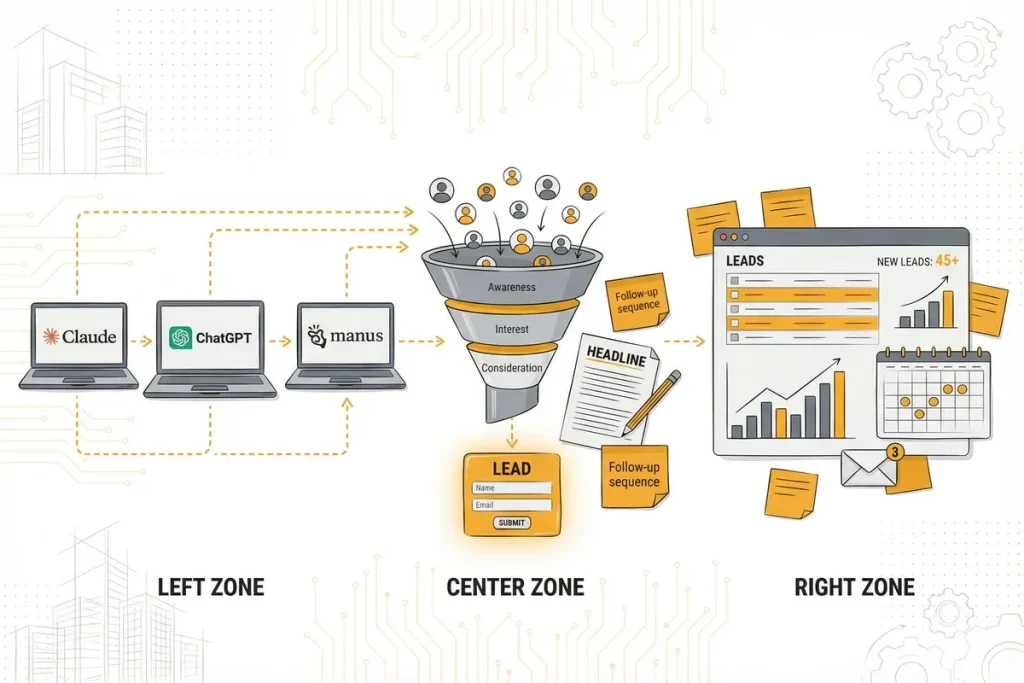
Lead generation in 2026 looks nothing like it did just a few years ago. What was once a slow, manual process driven by cold outreach, static forms, and delayed follow-ups has evolved into a dynamic, data-driven system powered by artificial intelligence (AI). Today’s buyers are more informed, independent, and impatient—they research across multiple channels, compare options on their own, and expect immediate, relevant responses.
This shift in buyer behavior has forced businesses to rethink how they attract and convert prospects. AI is now at the center of that transformation. Instead of waiting for users to fill out forms or respond to campaigns, companies can now identify intent signals early, personalize interactions at scale, and engage leads in real time.
AI is turning lead generation from a reactive process into a proactive system. It enables marketers and sales teams to move faster, reduce guesswork, and focus on high-value opportunities. As a result, AI-driven lead generation is no longer a competitive advantage—it’s quickly becoming a baseline requirement for businesses that want to stay relevant in 2026.
Lead Generation in 2026: From Manual Tactics to AI-Driven Systems
Traditional lead generation relied heavily on manual effort. Teams built lists, launched campaigns, waited for responses, and then followed up—often with significant delays. This approach worked when competition was lower and customer journeys were simpler. But in today’s fast-moving digital environment, it breaks down quickly.
In 2026, lead generation has shifted toward AI-driven systems that operate continuously and intelligently. These systems connect data from multiple sources—websites, ads, email interactions, CRM platforms, and even offline touchpoints—to create a unified view of each prospect.
The key transformation includes:
- From waiting to predicting: AI identifies buying intent before prospects explicitly reach out
- From manual scoring to real-time prioritization: Leads are ranked dynamically based on behavior
- From delayed response to instant engagement: Businesses can respond within seconds, not hours
- From generic outreach to hyper-personalization: Messaging adapts to each user’s actions and preferences
This shift is driven by the complexity of modern buying journeys. Research shows that a significant portion of the decision-making process now happens before a prospect ever speaks to sales, meaning businesses must engage earlier and smarter.
Ultimately, lead generation is no longer about pushing prospects through a funnel. It’s about building intelligent systems that can detect, interpret, and act on signals in real time—creating a seamless path from awareness to conversion.
How AI Is Used in Lead Generation Today
AI is already deeply embedded in modern lead generation workflows, often working behind the scenes to improve efficiency, accuracy, and outcomes. Rather than replacing teams, it enhances their ability to scale and make better decisions.
1. Identifying and Qualifying Leads
AI analyzes vast amounts of behavioral and demographic data to determine which prospects are most likely to convert. It evaluates signals such as website activity, content engagement, and interaction patterns to prioritize high-quality leads.
- Predictive lead scoring replaces static scoring models
- Intent data helps identify prospects earlier in the journey
- Qualification happens automatically through AI-driven interactions
2. Automating Repetitive Tasks
A large portion of traditional lead generation involves repetitive work—data entry, list building, follow-ups, and segmentation. AI automates these tasks, freeing up teams to focus on strategy and relationship-building.
Examples include:
- Auto-generating outreach messages
- Enriching contact data in real time
- Categorizing and routing inbound leads
3. Enabling Real-Time Engagement
Speed has become a critical factor in lead conversion. AI enables businesses to respond instantly through chatbots, automated messaging, and conversational interfaces.
- Website visitors can be engaged immediately
- Questions are answered in real time
- Leads are qualified without human delay
This real-time capability significantly increases conversion rates and improves user experience.
4. Personalizing Outreach at Scale
AI allows companies to deliver highly personalized experiences across multiple channels—something that would be impossible to do manually at scale.
- Emails, ads, and landing pages adapt to user behavior
- Messaging aligns with the prospect’s stage in the journey
- Content recommendations are tailored dynamically
5. Improving Decision-Making With Data
AI doesn’t just execute tasks—it provides insights. By analyzing patterns across campaigns and channels, it helps teams understand what works and where to optimize.
- Identifies high-performing channels
- Detects drop-off points in the funnel
- Recommends next-best actions for each lead
In 2026, AI in lead generation is not a single tool or feature—it’s an interconnected system that powers every stage of the process. From identifying opportunities to closing deals, AI enables businesses to operate faster, smarter, and with far greater precision than ever before.
How AI Impacts Each Stage of Lead Generation
In 2026, lead generation is no longer a rigid funnel—it’s a dynamic, AI-powered system that adapts to user behavior in real time. Instead of treating all prospects the same, AI analyzes intent signals, engagement patterns, and contextual data to guide each user through a personalized journey.
Let’s break down how AI transforms each stage of the lead generation process.

Awareness Stage
At the awareness stage, the goal is to attract the right audience—not just more traffic. AI plays a crucial role here by identifying high-intent users earlier than ever before.
AI systems analyze:
- Search behavior and keyword intent
- Content consumption patterns
- Social and ad engagement signals
This allows businesses to target users who are already showing early buying signals—even before they actively reach out.
Key AI-driven improvements in awareness:
- Smarter targeting: AI identifies audiences most likely to convert instead of broad, generic targeting
- Content optimization: AI tools suggest topics, keywords, and formats that attract high-quality leads
- Predictive acquisition: Businesses can reach prospects while they’re still researching solutions
For example, AI-powered SEO and ad platforms can detect which users are researching specific problems and serve highly relevant content or ads instantly.
👉 The result: Instead of attracting large volumes of low-quality traffic, companies generate fewer but more qualified leads from the start.

Consideration Stage
Once a prospect becomes aware of a solution, the focus shifts to engagement, nurturing, and qualification. This is where AI truly shines.
AI tracks how users interact with:
- Website pages
- Emails and campaigns
- Product demos or pricing pages
It then uses this data to understand intent and personalize the experience.
Key AI capabilities at this stage:
1. Behavioral Tracking and Intent Detection
AI monitors user behavior in real time—such as repeat visits, time spent on pages, and engagement depth—to determine how close a lead is to making a decision.
2. Predictive Lead Scoring
Instead of static scoring models, AI evaluates hundreds of data points to rank leads based on conversion probability.
- Accuracy can reach 85–92% with machine learning models
- Sales teams can focus only on high-value prospects
3. Personalized Content and Messaging
AI dynamically adjusts:
- Website content
- Email sequences
- Product recommendations
This creates a 1:1 personalized experience at scale, increasing engagement and trust.
4. Automated Nurturing
AI-driven workflows send the right message at the right time, based on user behavior.
- Follow-ups are triggered automatically
- Messaging evolves as the prospect moves through the journey
👉 The result: Leads are no longer “managed”—they are continuously nurtured with relevant, timely interactions.
Conversion Stage
The conversion stage is where AI delivers some of its most measurable impact. Speed, timing, and relevance are critical—and AI optimizes all three.
Key AI-driven improvements in conversion:
1. Real-Time Engagement
AI chatbots and conversational tools interact with users instantly.
- Visitors are engaged 24/7 without delays
- Questions are answered immediately
- Leads are qualified in real time
Studies show that chatbot engagement can increase conversion rates significantly, with some reporting 4X higher conversions compared to traditional methods.
Additionally, responding quickly matters: leads contacted within minutes are dramatically more likely to convert.
2. Intelligent Lead Routing
AI automatically routes leads to the right sales rep or funnel based on:
- Lead score
- Behavior
- Industry or use case
This ensures high-value leads receive immediate attention.
3. Conversion Optimization
AI continuously tests and optimizes:
- Landing pages
- CTAs
- Messaging
It learns what works and adapts in real time to improve results.
4. Sales Enablement
AI provides recommendations to sales teams:
- Best time to follow up
- Best messaging approach
- Likelihood of closing
👉 The result: Businesses close deals faster, with higher efficiency and less manual effort.
Takeaway
Across all stages, AI transforms lead generation from a linear funnel into an intelligent, responsive system.
- At the awareness stage, it finds the right audience
- At the consideration stage, it nurtures and qualifies leads
- At the conversion stage, it accelerates decision-making
The biggest shift is this:
👉 AI doesn’t just generate leads—it understands them, prioritizes them, and guides them toward conversion automatically.
Real-World Examples of AI in Lead Generation
AI in lead generation is not theoretical—it’s already delivering measurable results across industries. Here are four of the most impactful real-world applications in 2026.
1. AI Chatbots Qualifying Leads in Real Time
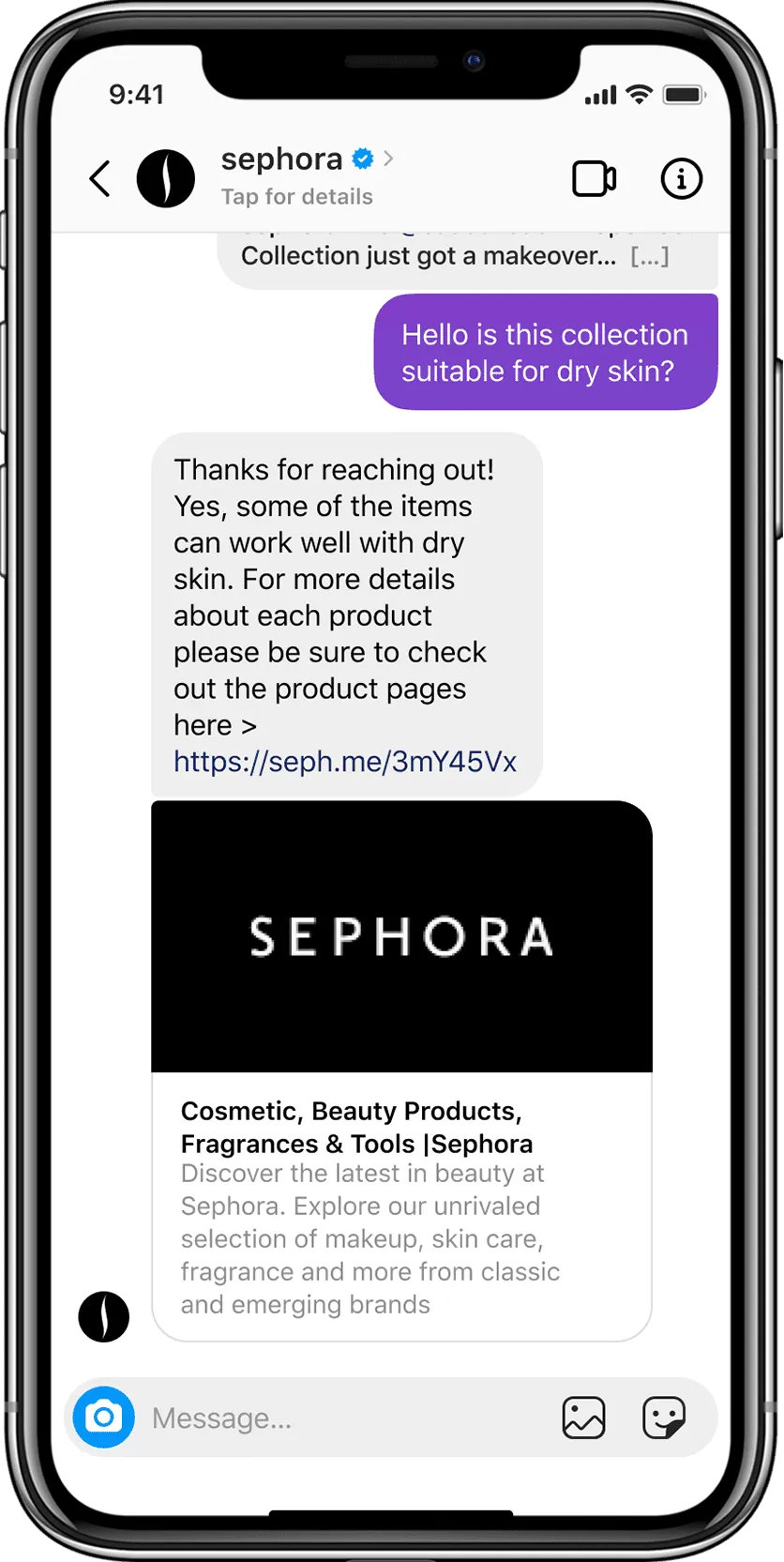
AI chatbots have become a frontline tool for lead generation. Instead of static forms, businesses now use conversational interfaces to interact with visitors instantly.
What they do:
- Ask qualifying questions
- Capture contact information
- Recommend solutions
- Book meetings automatically
These systems operate 24/7 and remove friction from the user journey.
Impact:
- Up to 30% increase in lead conversion rates
- Faster qualification without human intervention
- Improved user experience
AI chatbots turn passive website visitors into actively engaged leads within seconds.
2. Predictive Lead Scoring to Prioritize High-Converting Prospects
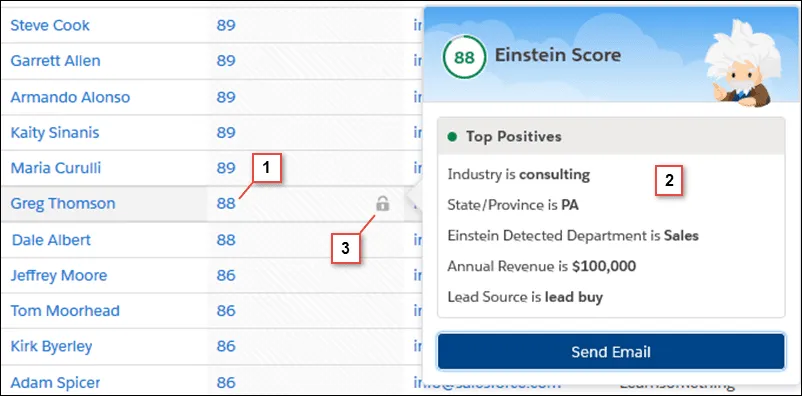
Predictive lead scoring is one of the most valuable AI applications.
Instead of relying on assumptions, AI analyzes:
- Historical customer data
- Behavioral patterns
- Engagement signals
It then assigns a score based on the likelihood of conversion.
Real-world impact:
- Businesses see 50% more lead conversions with predictive scoring
- Sales teams spend less time on low-quality leads
- Conversion rates increase significantly
This allows companies to focus on the top 20% of leads that drive most revenue.
3. Dynamic Website Content Based on User Behavior
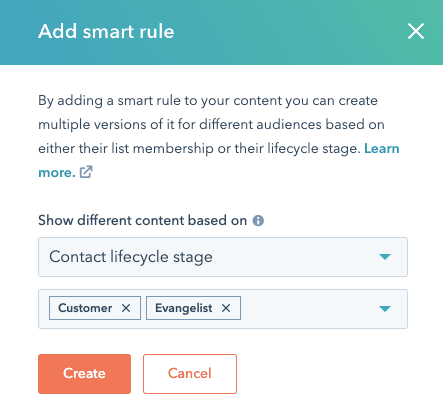
Modern websites are no longer static—they adapt in real time using AI.
How it works:
- AI tracks user behavior (pages visited, time spent, actions taken)
- Content changes dynamically based on interests and intent
Examples include:
- Personalized landing pages
- Customized product recommendations
- Tailored messaging
Impact:
- Higher engagement rates
- Better user experience
- Increased likelihood of conversion
This level of personalization was impossible manually—but AI makes it scalable.
4. Automated Outreach Tailored to User Activity and Engagement
AI has transformed outbound and follow-up strategies.
Instead of sending generic emails, AI systems:
- Analyze user behavior and engagement history
- Generate personalized messages
- Optimize send times for higher response rates
What this enables:
- Hyper-personalized email campaigns
- Automated follow-ups triggered by user actions
- Consistent nurturing across channels
Impact:
- Higher open and response rates
- Improved lead nurturing efficiency
- Increased conversions
AI ensures that every interaction feels relevant—without requiring manual effort.
Why AI Is So Effective for Lead Generation
AI’s effectiveness in lead generation comes down to one core advantage:
👉 It can process, analyze, and act on data at a scale and speed that humans simply cannot match.
Here’s why that matters in 2026:
1. Data-Driven Precision
AI eliminates guesswork by analyzing massive datasets in real time.
- Identifies patterns humans miss
- Detects buying intent early
- Continuously improves through learning
This leads to better targeting and higher-quality leads.
2. Speed and Real-Time Decision Making
In modern lead generation, timing is everything.
AI enables:
- Instant responses to inquiries
- Real-time personalization
- Immediate lead qualification
Faster engagement directly correlates with higher conversion rates.
3. Scalability Without Losing Personalization
Traditionally, personalization and scale were trade-offs. AI removes that limitation.
Businesses can now:
- Personalize messaging for thousands of leads simultaneously
- Maintain consistency across channels
- Deliver relevant experiences at every touchpoint
4. Continuous Optimization
AI systems don’t stay static—they improve over time.
They continuously:
- Test strategies
- Analyze outcomes
- Optimize campaigns
This creates a self-improving lead generation engine that becomes more effective over time.
5. Alignment Between Marketing and Sales
AI bridges the gap between marketing and sales teams by:
- Providing shared data and insights
- Aligning lead scoring and qualification
- Ensuring only high-quality leads reach sales
This results in better collaboration and improved ROI.
Business Benefits of AI-Driven Lead Generation
AI-driven lead generation isn’t just a technological upgrade—it fundamentally improves how businesses attract, qualify, and convert leads. In 2026, the biggest advantage is not volume, but precision, speed, and efficiency across the entire pipeline.
Below are the most impactful business benefits, explained in depth:
Higher-Quality Leads Through Better Targeting
One of the biggest problems with traditional lead generation was poor targeting—large volumes of leads with low conversion potential. AI solves this by focusing on intent-driven targeting.
AI systems analyze:
- Behavioral data (pages visited, time spent, engagement patterns)
- Firmographic data (industry, company size, role)
- Intent signals across channels (search, ads, content interactions)
This allows businesses to identify prospects who are actively researching or ready to buy, not just casually browsing.
Real impact:
- Companies using AI report 50–70% increases in qualified leads
- Fewer but more valuable leads enter the pipeline
- Sales teams spend time on opportunities that actually convert
AI also detects patterns humans often miss—such as timing, behavior sequences, or engagement depth—making lead qualification far more accurate.
👉 The result: Businesses shift from “more leads” to better leads, improving conversion rates across the funnel.
Faster Lead Response and Qualification
Speed has become a critical factor in lead generation. In 2026, prospects expect instant responses, and delays often result in lost opportunities.
AI eliminates this bottleneck by enabling:
- Real-time lead capture and engagement via chatbots
- Instant lead scoring and qualification
- Automated routing to the right sales team
Instead of waiting hours or days, leads can now be engaged within seconds of showing interest.
Why this matters:
- Faster responses significantly increase conversion rates
- Leads are qualified immediately, reducing friction
- Sales teams can act while intent is still high
AI also reduces the time required to move leads through the pipeline. Organizations using AI see 20–30% shorter sales cycles due to better timing and prioritization.
👉 The result: Businesses convert leads faster and reduce the risk of losing them to competitors.
Improved Personalization Across Channels
Modern buyers expect personalized experiences—but delivering them manually at scale is impossible. AI makes true personalization scalable.
AI enables businesses to:
- Customize website content in real time
- Personalize email campaigns based on behavior
- Adapt messaging across ads, landing pages, and outreach
Instead of generic messaging, each prospect receives content tailored to their:
- Industry
- Interests
- Stage in the buying journey
This level of personalization leads to significantly higher engagement. In fact, personalized outreach can generate 3–5× higher response rates compared to generic campaigns.
A major shift in 2026 is the move toward “segment of one” marketing, where AI creates individualized experiences for each user based on data insights.
👉 The result: Stronger relationships, higher engagement, and increased likelihood of conversion.
More Efficient Use of Marketing Budget
AI improves not only performance—but also cost efficiency. Traditional lead generation often wastes budget on:
- Low-quality leads
- Poor targeting
- Inefficient campaigns
AI minimizes this waste by optimizing every stage of the process.
Key efficiency improvements:
- Targeting only high-intent audiences
- Reducing cost per acquisition (CPA)
- Automating repetitive tasks
- Continuously optimizing campaigns
Businesses using AI report up to 60% lower acquisition costs due to improved targeting and efficiency.
AI also reallocates resources more effectively by identifying:
- High-performing channels
- Underperforming campaigns
- Opportunities for optimization
👉 The result: Businesses achieve better ROI with less spend, making marketing efforts more sustainable and scalable.
Overall Business Impact
When combined, these benefits create a powerful outcome:
- Higher-quality leads
- Faster conversions
- Stronger customer relationships
- Lower acquisition costs
AI transforms lead generation into a predictable, scalable growth engine rather than an inconsistent, manual process.
Where AI Can Backfire Without Human Oversight: Breaking Trust and Violating Compliance
Despite its advantages, AI is not without risks. When used incorrectly—or without proper human oversight—it can damage trust, reduce effectiveness, and even create legal issues.
AI works best as an augmentation tool, not a complete replacement for human judgment.
1. Over-Automation Can Damage Trust
One of the biggest risks is relying too heavily on automation.
AI can generate:
- Emails
- Messages
- Responses
- Outreach campaigns
But when overused, this leads to:
- Generic or repetitive messaging
- Lack of authenticity
- “Spam-like” interactions
Many businesses fall into the trap of scaling outreach without improving relevance—resulting in lower engagement and trust.
👉 The reality: AI can scale communication, but trust still depends on human relevance and authenticity.
2. Poor Data Quality Leads to Bad Decisions
AI is only as good as the data it uses. If the data is inaccurate, outdated, or incomplete, AI systems can:
- Target the wrong audience
- Misclassify leads
- Deliver irrelevant messaging
This not only wastes resources but can also harm brand perception.
For example:
- Sending the wrong offer to the wrong audience
- Misinterpreting user intent
- Prioritizing low-value leads
👉 Without proper data governance, AI can amplify mistakes instead of solving them.
3. Compliance and Privacy Risks
AI-driven lead generation relies heavily on data—often including personal and behavioral information.
This raises serious concerns around:
- Data privacy regulations (GDPR, etc.)
- Consent management
- Ethical data usage
Improper use of AI can lead to:
- Unauthorized data collection
- Non-compliant tracking
- Legal penalties
Businesses must ensure that AI systems operate within clear compliance frameworks and respect user privacy.
👉 Trust is not just about messaging—it’s about how responsibly data is handled.
4. Lack of Transparency in AI Decisions
AI models often operate as “black boxes,” meaning it’s not always clear how decisions are made.
This can create challenges such as:
- Difficulty explaining why a lead was prioritized
- Lack of visibility into scoring models
- Reduced accountability
For sales and marketing teams, this lack of transparency can reduce confidence in AI outputs.
👉 Human oversight is essential to validate and interpret AI-driven insights.
5. Misalignment Between Marketing and Sales
If AI systems are not properly aligned with business goals, they can create disconnects between teams.
For example:
- Marketing may generate leads that sales considers unqualified
- AI scoring may not reflect real-world sales outcomes
- Automation may prioritize volume over quality
Without alignment, AI can create more noise instead of better results.
6. Over-Reliance on AI Reduces Strategic Thinking
AI is powerful—but it should not replace strategic decision-making.
Businesses that rely too heavily on AI risk:
- Losing human creativity
- Ignoring qualitative insights
- Becoming overly dependent on automation
The most successful companies in 2026 use AI to enhance human expertise—not replace it.
5 Actionable Steps to Get Started With AI in 2026
Adopting AI for lead generation in 2026 doesn’t require a complete system overhaul. The most successful businesses start small, focus on impact, and scale strategically. AI works best when it is integrated into existing workflows—not forced on top of them.
Here are five practical, high-impact steps to get started:
1. Pick One Use Case With Measurable Impact
The biggest mistake companies make is trying to implement AI everywhere at once. In reality, AI adoption should begin with one clear, measurable use case.
Common starting points include:
- AI chatbots for lead capture
- Predictive lead scoring
- Automated email outreach
- Data enrichment and prospecting
For example, AI tools can automate prospect research and outreach—tasks that traditionally consume up to 38% of a sales team’s time.
Why this matters:
- Easier to measure ROI
- Faster implementation
- Lower risk
👉 Start with a problem like “slow lead response” or “low-quality leads,” then apply AI to solve that specific issue.
2. Use AI to Prioritize Leads Instead of Replacing Your Process
AI should enhance your current system—not replace it overnight.
Instead of removing your existing lead generation workflow, use AI to:
- Score and prioritize leads
- Identify high-intent prospects
- Filter out low-quality leads
Modern AI systems analyze behavior, intent signals, and engagement patterns to determine who is most likely to convert and when.
This approach ensures:
- Sales teams focus on high-value opportunities
- Existing processes remain stable
- Adoption feels natural, not disruptive
👉 Think of AI as a decision-support system, not a replacement for your strategy.
3. Tie AI Into Acquisition and Conversion Systems
AI delivers the most value when it is connected across your entire funnel—not used as a standalone tool.
In 2026, effective lead generation operates as a multi-layer system, including:
- Prospecting and data enrichment
- Intent tracking and signals
- Outreach and engagement
- Conversion and optimization
To make AI work effectively:
- Integrate it with your CRM
- Connect it to marketing automation tools
- Sync it with website and analytics platforms
This ensures that:
- Data flows seamlessly across systems
- Leads are tracked consistently
- AI decisions are based on complete information
👉 The goal is not just automation—it’s end-to-end intelligence across acquisition and conversion.
4. Define Governance Before Scaling
AI without governance can quickly create problems—especially around data quality, compliance, and brand consistency.
Before scaling AI, define clear rules for:
- Data usage and privacy compliance
- AI-generated content review
- Lead qualification criteria
- Messaging guidelines
This is critical because AI systems rely heavily on data—and poor data or misuse can lead to inaccurate targeting or compliance risks.
Key governance practices:
- Ensure clean, accurate data inputs
- Monitor AI outputs regularly
- Maintain human oversight in decision-making
👉 Governance ensures AI remains effective, ethical, and aligned with business goals.
5. Measure What Matters
AI success is not about activity—it’s about outcomes.
Instead of tracking vanity metrics (like total leads), focus on:
- Lead quality and conversion rates
- Cost per acquisition (CPA)
- Sales cycle length
- Revenue generated from AI-driven leads
AI systems continuously learn and improve—but only if they are measured correctly.
In 2026, high-performing teams rely on data-driven feedback loops to refine AI performance over time.
👉 The key is to measure impact, optimize continuously, and scale what works.
A Practical Path to Stay Competitive With AI in 2026
AI is redefining lead generation by pushing the limits of what businesses can achieve at scale. It enables brands to identify high-intent prospects earlier, deliver highly relevant messaging, and engage audiences in real time—matching the expectations of today’s fast-moving buyers. The companies that remain competitive won’t be those chasing every new tool or trend. Instead, success will come from building a connected, intelligent system where data-driven insights translate into smarter prioritization, timely interactions, and frictionless conversions.
If your next step is to turn AI-powered lead generation into a structured, results-driven system with clear governance, Pro Real Tech can help bring everything together.
Explore Pro Real Tech’s services to strengthen every stage of your funnel—from CRO strategies that improve on-site conversions to SEO that enhances discoverability. With advanced AI SEO solutions, you can prepare for the growing impact of AI-driven search, while content marketing and professional content writing help you create messaging that aligns with real audience intent. Additionally, Pro Real Tech web chat solutions allow you to capture, engage, and qualify inbound leads faster and more efficiently.
To gain deeper insights into how AI platforms interpret and surface your brand, Pro Real Tech also offers a human-led, AI-assisted solution designed to track and improve your visibility across large language models and AI-powered search environments.
If you’re ready to implement AI responsibly and effectively, reach out to Pro Real Tech today and take the next step toward smarter, more scalable lead generation.
Frequently Asked Questions (FAQs) on How AI Is Changing Lead Generation in 2026
WHAT ARE AI LEAD GENERATION TOOLS?
AI lead generation tools are software platforms that use machine learning and data analysis to identify, attract, and convert potential customers.
They can:
- Find and verify contact data
- Analyze user behavior and intent
- Automate outreach and follow-ups
- Score and prioritize leads
Examples include tools for prospecting, email automation, chatbots, and CRM intelligence.
HOW IS AI FOR LEAD GENERATION DIFFERENT IN 2026?
In 2026, AI is no longer just an add-on—it’s a core system driving the entire lead generation process.
Key differences:
- Real-time data analysis instead of static reports
- Predictive insights instead of reactive actions
- Full-funnel integration instead of isolated tools
Modern AI systems can detect intent, personalize interactions, and optimize campaigns automatically—something that wasn’t possible just a few years ago.
WHAT IS THE DIFFERENCE BETWEEN AI TOOLS FOR LEAD GENERATION AND AUTOMATION TOOLS?
While both improve efficiency, they are fundamentally different:
- Automation tools follow predefined rules (e.g., send email after form submission)
- AI tools analyze data, learn patterns, and make decisions dynamically
In simple terms:
👉 Automation executes tasks
👉 AI decides what tasks should be executed and when
DOES LEAD GENERATION WITH AI WORK FOR SMALL BUSINESSES?
Yes—AI is increasingly accessible to small businesses.
Many tools now offer:
- Affordable pricing tiers
- Easy integrations
- No-code or low-code setup
In fact, AI can be especially valuable for small teams by:
- Reducing manual workload
- Improving targeting
- Increasing efficiency without hiring more staff
IS AI B2B LEAD GENERATION ONLY FOR ENTERPRISE COMPANIES?
No. While enterprise companies benefit from large datasets, AI is now widely used by:
- Startups
- Small and mid-sized businesses
- Agencies
Platforms like all-in-one lead generation tools combine data, outreach, and analytics—making AI accessible without enterprise-level resources.
WHAT ARE THE BEST AI TOOLS FOR LEAD GENERATION?
Some of the most widely used AI lead generation tools in 2026 include:
- Apollo.io (all-in-one prospecting and outreach)
- ZoomInfo (data and intent intelligence)
- Clay (data enrichment and workflows)
- Instantly (email outreach automation)
The best tool depends on your specific use case—prospecting, outreach, or conversion.
WHAT ARE THE BEST AI LEAD GENERATION TOOLS FOR MARKETING AND SALES TEAMS?
For marketing teams:
- AI content and personalization tools
- Landing page optimization platforms
- Chatbots for lead capture
For sales teams:
- Prospecting and enrichment tools
- Predictive lead scoring systems
- Outreach automation platforms
A strong 2026 stack typically includes tools for discovery, engagement, nurturing, and optimization.
HOW DOES LEAD GENERATION USING AI WORK IN 2026?
AI-powered lead generation works by combining multiple capabilities:
- Identifying prospects using data and intent signals
- Engaging them through personalized interactions
- Scoring and prioritizing based on behavior
- Automating follow-ups and nurturing
- Optimizing campaigns continuously
This creates a fully integrated system that runs in real time, rather than a step-by-step manual process.
WHAT IS THE BEST WAY TO START USING AI FOR LEAD GENERATION WITHOUT DISRUPTING EXISTING WORKFLOWS?
The best approach is gradual integration:
- Start with one use case (e.g., lead scoring or chatbots)
- Integrate AI into your current tools (CRM, email, website)
- Keep human oversight in place
- Scale based on results
This ensures:
- Minimal disruption
- Faster adoption
- Measurable improvements
👉 The goal is not to replace your workflow—but to make it smarter, faster, and more effective with AI.
Read More: Adaptive Content That Matches User Intent in Real Time


