

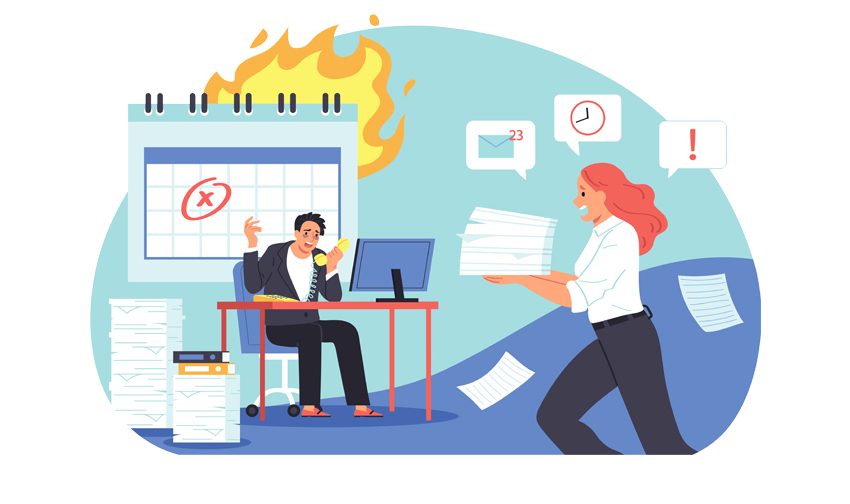
In the home services industry—where trust and reputation dictate purchasing decisions—marketing budgets are often treated like emergency levers. A slow quarter? Slash brand awareness spend and double down on lead-generation ads. A competitor’s promo going viral? Redirect funds to performance channels overnight. But these knee-jerk reactions come with hidden costs.
Unlike e-commerce, where impulse buys thrive, home services (think HVAC, plumbing, or roofing) follow a longer, more deliberate customer journey. Homeowners research, compare reviews, and wait for “the right moment” before committing to a $10K roof replacement or a $5K furnace installation. When brands abruptly shift budgets away from top-of-funnel efforts—content, local SEO, or community sponsorships—they risk starving their future pipeline for short-term gains.
This piece dives into why home service companies are uniquely vulnerable to reactive budgeting, how over-prioritizing conversion channels can backfire, and what savvy brands do to balance immediate leads with sustainable growth.
The Quick Fix That Isn’t
Many home service marketers fall into a dangerous trap: treating conversion channels like PPC and direct-response ads as a magic bullet for sluggish revenue. The logic seems sound—cut “soft” branding expenses and redirect every dollar into ads that promise measurable leads. After all, if you’re spending $2,000 a month on billboards and can’t track a direct return, why not shift that budget to Google Ads, where clicks and calls feel like tangible wins?
But this approach ignores a critical reality: conversion channels don’t create demand—they harvest it. Paid search, for example, thrives on existing intent. When a homeowner types “emergency plumber near me,” they’re already in crisis mode. If your brand hasn’t built recognition through consistent top-of-funnel efforts (SEO, local content, or word-of-mouth), you’ll either:
-
Lose the click to a competitor with stronger reviews or name recognition, or
-
Pay exorbitant CPCs to outbid competitors for that last-minute intent.
Worse, over-relying on performance ads erodes profitability over time. As more contractors chase the same finite pool of high-intent keywords, costs rise, and margins shrink. One HVAC company we analyzed increased its Google Ads spend by 300% year-over-year—only to see cost per lead spike by 220% because they’d neglected organic search and reputation building.
The irony? Brands that maintain a balanced strategy (e.g., blending educational YouTube videos with retargeting ads) often see lower customer acquisition costs. Why? Their content nurtures latent demand, making their conversion channels more efficient when homeowners are ready to act.
Why Home Services Are Uniquely Vulnerable
Home service businesses operate in a market where purchase decisions are:
Infrequent but High-Stakes
A homeowner might hire a roof replacement company once every 15–20 years. Unlike a coffee shop that can rely on habitual buyers, contractors can’t bank on repeat transactions from the same customer. This makes brand recall essential—if they’re not top-of-mind when the need arises, they’ll miss their only shot at that sale.
Emotionally Driven
A flooded basement or broken AC in peak summer isn’t just a transaction; it’s a stress-fueled emergency. Customers default to brands they recognize or those repeatedly recommended (even indirectly via blogs or social media). Companies that vanish from community visibility between crises lose this trust advantage.
Hyper-Local
National chains can absorb the inefficiencies of constant budget shifts. But for local HVAC or plumbing businesses, every dollar counts. Redirecting funds from local SEO (which builds steady, free traffic) to paid ads is like selling your house to rent it back at a higher price—you gain short-term liquidity but sacrifice long-term equity.
Seasonal Demand Swings
Many contractors face feast-or-famine cycles (e.g., HVAC in summer, roofing post-storms). Panic-shifting budgets to performance marketing during peaks often means overspending on crowded channels, while neglecting off-season brand-building that could ease future demand spikes.
The takeaway? Home services aren’t just selling fixes—they’re selling peace of mind. And trust isn’t something you can buy with a maxed-out ad budget the week a storm hits.
The Funnel Is Finite. Use It Wisely.
Every home services business operates within a limited pool of potential customers. In any given market, there are only so many homeowners needing a new roof, furnace replacement, or emergency plumbing services each year. This makes funnel management a zero-sum game—what you gain in immediate conversions through aggressive ad spending often comes at the expense of long-term sustainability.
The Diminishing Returns of Over-Optimization
When companies pour disproportionate budgets into conversion channels like paid search or lead-generation ads, they encounter three predictable problems:
-
Cannibalization of Organic Efforts
-
Heavy investment in branded keywords (e.g., “YourCompanyName HVAC”) steals traffic that could have come through free organic search.
-
One plumbing brand found that 60% of their Google Ads clicks were for searches that already ranked organically—effectively paying for visits they would have gotten for free.
-
-
Escalating Costs for Generic Keywords
-
High-intent keywords like “water heater repair near me” become bidding battlegrounds.
-
Without brand equity to fall back on, companies are forced to outspend competitors just to stay visible, driving up cost-per-acquisition unsustainably.
-
-
The “Empty Pipeline” Effect
-
Conversion channels harvest existing demand but don’t replenish it.
-
A roofing company that abandons educational blog content to fund more Facebook leads may see a 3-month spike in conversions—followed by a 40% drop when the pool of informed, ready-to-buy customers dries up.
-
The 70/30 Rule for Funnel Health
Data from top-performing home service brands suggests allocating:
-
70% of marketing efforts to demand generation (SEO, local content, community engagement)
-
30% to conversion capture (PPC, retargeting, lead forms)
This balance ensures a steady influx of new prospects while efficiently monetizing intent.
What Smart Brands Do Instead
Leading home service companies avoid the boom-and-bust cycle of reactive budgeting by embracing three counterintuitive strategies:
1. Invest in “Always-On” Brand Building
-
Local SEO as a Foundation
-
Optimizing Google Business Profiles and building localized content (e.g., “Guide to Winterizing Your Pipes in [City]”) dominates organic search long after publication.
-
-
Educational Video Content
-
A plumbing company creating YouTube tutorials on “How to Unclog a Drain Without Chemicals” builds trust with homeowners before emergencies strike.
-
2. Leverage Retargeting, Not Just Cold Traffic
-
Pixel-Based Audience Nurturing
-
Visitors who read a furnace maintenance blog post get retargeted with seasonal tune-up offers—capitalizing on nurtured intent rather than expensive cold leads.
-
-
Review Generation Programs
-
Post-service emails offering a $50 discount on future work in exchange for Google reviews compound visibility over time.
-
3. Measure What Actually Matters
-
Track “Time to Decision”
-
83% of homeowners research multiple providers before hiring (HomeAdvisor). Brands tracking multi-touch attribution realize their “conversion” often started with an unbranded search 6 months prior.
-
-
Calculate Customer Lifetime Value (CLV)
-
While a kitchen remodeler might only serve a client once, their referrals and reviews generate 3–5X the value of the initial job. Smart brands budget accordingly.
-
Case Study: The HVAC Company That Stopped Chasing Leads
One Midwest HVAC contractor reduced Google Ads spend by 55% and reallocated funds to:
-
A library of seasonal maintenance checklists (ranked for 120+ local keywords)
-
Sponsorships of youth sports teams (drove 27% of annual “word-of-mouth” leads)
Result: 18% lower cost-per-acquisition within 12 months, with 40% of customers citing “recognized your name before we needed you” as their reason for calling.
Profitability in home services isn’t about shouting loudest when demand peaks—it’s about being the name homeowners remember when they’re ready to act. The brands that thrive are those that resist short-term panic and invest in becoming synonymous with trust in their communities.
The High Cost of Short-Term Thinking
For home service businesses, peak seasons like Q2 are make-or-break moments—your version of Q4 for retailers. But if you sacrifice long-term brand building to chase immediate leads, you’re gambling your entire growth on a shrinking pool of in-market customers. When that demand dries up, you’ll pay a premium to rebuild momentum.
True marketing success isn’t about quick fixes—it’s about creating a sustainable funnel that fuels consistent growth. Instead of reactive spending, focus on strategies that work year-round. Need a media plan that balances short-term conversions with lasting impact? Let’s discuss how to future-proof your pipeline.


