


Content marketing has changed significantly in recent years. Publishing random blog posts around isolated keywords is no longer enough to build sustainable search visibility or audience trust. Modern search engines and AI-powered discovery systems now prioritize websites that demonstrate deep expertise, topical relevance and structured content ecosystems. That is why content pillars have become one of the most important foundations of successful digital marketing strategies.
A content pillar is more than just a long-form article. It acts as the central hub for a broader topic, connecting multiple related pieces of content into a unified structure that helps users and search engines understand your expertise. Instead of creating disconnected posts, businesses now build interconnected topic clusters that support authority, improve navigation and increase visibility across traditional search results and AI-generated answers.
In 2026, this approach matters even more because search behavior continues to evolve. Users increasingly ask conversational questions through AI assistants and search engines that rely heavily on semantic understanding, contextual relevance and content depth. Websites with well-organized pillar content are more likely to appear in AI summaries, featured snippets and topical search results because they provide comprehensive coverage of a subject.
High-performing content pillars also support long-term growth. They help businesses organize their websites more effectively, strengthen internal linking strategies and create better user journeys. Instead of competing with individual pages, brands can build entire knowledge hubs around their services, products or industry expertise. This improves topical authority, increases engagement and creates more opportunities for organic traffic growth over time.
Whether you run a business website, SaaS company, ecommerce brand or agency, understanding how to create and optimize content pillars can dramatically improve your content marketing results. From stronger SEO performance to better lead generation and audience retention, pillar content provides the structure needed to compete in today’s AI-driven search landscape.
What Are Content Pillars?
Content pillars are comprehensive, authoritative pieces of content built around a broad core topic that is important to your audience and business. They serve as the main hub within a content cluster strategy, linking to multiple supporting articles that explore related subtopics in greater detail.
Think of a content pillar as the central foundation of a topic ecosystem. The pillar page covers the subject broadly while supporting cluster pages dive deeper into specific questions, use cases or niche areas. All related content is strategically interconnected through internal links, creating a clear structure that improves user experience and search engine understanding.
For example, a digital marketing company may create a pillar page about “Email Marketing.” That pillar could then connect to supporting articles about welcome emails, email automation, segmentation, deliverability, subject line optimization and campaign analytics. Together, these pages form a complete topical cluster that demonstrates expertise across the subject.
Modern content pillars are designed for both humans and search systems. They help readers quickly navigate a topic while also signaling expertise, depth and relevance to search engines and AI platforms. This structured approach supports topical authority, which has become increasingly important for ranking in competitive search environments.
A strong content pillar usually includes:
- A broad overview of the main topic
- Clear navigation and content structure
- Internal links to related cluster articles
- Comprehensive and well-researched information
- SEO optimization for primary and semantic keywords
- Helpful visuals, examples and multimedia elements
- Updated information that stays relevant over time
Unlike traditional standalone blog posts, content pillars are intentionally built to support an entire topic strategy. They are typically longer, more detailed and designed to answer multiple related questions within one organized framework.
Content pillars also help search engines better understand content relationships across a website. Search algorithms increasingly evaluate how pages connect and support each other rather than ranking pages in isolation. Websites with strong pillar-cluster structures often perform better because they demonstrate expertise across a full subject area instead of targeting scattered keywords independently.
Types of Content Pillars
Not all content serves the same purpose. Some content is designed to educate audiences, while other pieces focus on building engagement, increasing visibility or generating conversions. This is where content pillars become essential. They help brands organize their messaging into consistent themes that align with audience interests and business goals.
A strong content strategy usually combines multiple pillar types to create a balanced content ecosystem. Instead of publishing repetitive promotional posts, businesses can diversify their content approach while maintaining a consistent brand voice and topical focus.
The most effective content strategies in 2026 typically revolve around four primary content pillar categories: educational, entertainment, promotional and engagement-focused content. Together, these pillars help businesses attract new audiences, nurture trust, improve visibility and increase conversions across search engines, social media platforms and AI-powered discovery systems.
1. Educational Content Pillar
Educational content pillars focus on teaching, informing and solving problems for your target audience. This type of content is often considered the foundation of long-term content marketing success because it helps establish expertise, authority and trust.

Educational content answers common questions, explains industry concepts and provides actionable insights that audiences can immediately use. Search engines and AI-driven platforms increasingly favor helpful, experience-driven educational content because it directly aligns with user intent and knowledge discovery.
This pillar is especially valuable for improving:
- Organic search visibility
- Topical authority
- AI search discoverability
- Audience trust
- Long-term evergreen traffic
Educational pillar content often performs well because users actively search for solutions, tutorials and expert guidance online. When businesses consistently publish high-quality educational content, they become recognized as reliable information sources within their industry.
Examples of educational content include:
- Step-by-step tutorials
- Beginner guides
- Industry explainers
- Best practices
- Expert tips
- Research-based articles
- FAQs
- Case studies
- Data-driven insights
For example, a cybersecurity company might create educational pillar content about password security, phishing prevention and cloud security best practices. A fitness brand may publish guides about workout routines, recovery methods and nutrition planning.
Modern educational content should also be optimized for semantic SEO and conversational search. Instead of targeting only exact-match keywords, successful brands now focus on answering broader user questions and covering related subtopics comprehensively. This improves the likelihood of appearing in featured snippets, AI-generated answers and voice search results.
2. Entertainment Content Pillar
Entertainment content pillars are designed to capture attention, encourage sharing and make audiences emotionally connect with your brand. This type of content focuses less on direct education and more on creating enjoyable experiences that improve brand recall and audience engagement.

In today’s crowded digital environment, entertainment has become a major driver of visibility. Social platforms and recommendation algorithms prioritize content that keeps users engaged for longer periods, generates reactions and encourages interaction. Because of this, entertaining content often plays a critical role in increasing reach and audience growth.
Entertainment content can include:
- Memes
- Trending topics
- Behind-the-scenes moments
- Brand storytelling
- Funny short-form videos
- Interactive challenges
- Relatable posts
- Viral trends
- Creative campaigns
However, effective entertainment content still needs to align with your brand identity and audience interests. Random viral content may generate temporary attention, but strategically aligned entertainment content helps build lasting brand recognition.
For example, SaaS companies often use humor to simplify complex software concepts on social media. Ecommerce brands may create entertaining product demonstrations or trend-based short videos to attract younger audiences. Meanwhile, lifestyle brands frequently rely on storytelling and relatable content to strengthen emotional connections with followers.
Entertainment content is particularly effective on platforms like TikTok, Instagram Reels and YouTube Shorts, where algorithms heavily reward engagement signals such as watch time, shares and comments. In many cases, entertaining content acts as the entry point that introduces new audiences to your brand before educational or promotional content guides them further through the customer journey.
3. Promotional Content Pillar
Promotional content pillars focus on showcasing your products, services, offers or solutions while encouraging audiences to take action. Although promotional content is sales-oriented, high-performing brands avoid overly aggressive messaging and instead emphasize value, benefits and problem-solving.
One of the biggest mistakes businesses make is publishing only promotional content. Modern audiences expect brands to provide value beyond direct selling. This is why successful content strategies usually balance promotional content with educational and engagement-focused pillars. Many marketers follow an approximate 80/20 approach where most content delivers value while a smaller portion directly promotes products or services.
Promotional content can include:
- Product launches
- Service announcements
- Product demonstrations
- Customer testimonials
- Success stories
- Free trial campaigns
- Limited-time offers
- Case studies
- Comparison content
- Webinar promotions
The most effective promotional content focuses on outcomes rather than features alone. Instead of simply listing product specifications, strong promotional content demonstrates how a product solves real customer problems or improves efficiency.
For example, a project management software company may publish a case study showing how a client reduced workflow delays using its platform. An ecommerce brand might create comparison videos that demonstrate why a product performs better than alternatives.
In 2026, promotional content is increasingly integrated with personalization and behavioral targeting. AI-driven platforms allow businesses to tailor promotional messaging based on audience interests, engagement history and search behavior. This makes promotional content more relevant and less intrusive than traditional advertising approaches.
4. Engagement Content Pillar
Engagement content pillars focus on building relationships, encouraging interaction and creating a sense of community around your brand. Rather than broadcasting information one way, this content type encourages conversations and audience participation.

Engagement-driven content has become increasingly important because digital platforms now prioritize interaction signals such as comments, discussions, shares and community participation. Content that sparks meaningful engagement often receives greater algorithmic visibility across social media and content discovery platforms.
This pillar helps businesses:
- Build stronger audience loyalty
- Increase community participation
- Improve brand trust
- Encourage user-generated content
- Gather customer insights
- Improve retention rates
Examples of engagement content include:
- Polls and surveys
- Q&A sessions
- Live streams
- AMA (Ask Me Anything) sessions
- Interactive stories
- Community discussions
- User-generated content campaigns
- Contests and giveaways
- Opinion-based posts
For example, a skincare brand may ask followers to share their skincare routines or product experiences. A B2B company might host live Q&A sessions discussing industry challenges and trends. Fitness brands frequently encourage community participation through transformation challenges and accountability groups.
Engagement content also supports valuable first-party data collection. As privacy regulations evolve and third-party tracking becomes more limited, businesses increasingly rely on direct audience interactions to better understand customer interests and preferences.
Additionally, engagement content strengthens brand authenticity. Audiences are more likely to trust brands that actively communicate, respond to questions and encourage community participation rather than simply pushing promotional messages.
Why Are Content Pillars Important?
Content pillars have become one of the most important elements of modern digital marketing because they help businesses organize expertise, improve discoverability and create better user experiences. Instead of producing disconnected articles around isolated keywords, pillar strategies build structured topic ecosystems that support long-term authority and sustainable organic growth.
As search engines and AI-powered platforms become more sophisticated, websites are increasingly evaluated based on topical depth, semantic relationships and overall content quality. High-performing pillar structures help meet these expectations while also making content creation more efficient and scalable.
Here are the biggest reasons content pillars matter in today’s search landscape.
1. Streamline Content Creation
One of the biggest advantages of content pillars is that they create a clear framework for content planning. Instead of constantly searching for random blog ideas, businesses can organize content around central themes and supporting subtopics.
This approach simplifies editorial planning because every new article contributes to a larger topic cluster. Teams can identify content gaps more easily, avoid duplication and create content that serves a strategic purpose.
For example, if your pillar topic is “Email Marketing,” supporting content ideas naturally emerge, including:
- Email segmentation
- Welcome email automation
- Deliverability optimization
- Subject line strategies
- Email analytics
- Personalization techniques
This structured process makes content marketing more scalable and consistent.
2. Boost Audience Engagement
Content pillars improve user experience by helping visitors navigate related information more easily. Instead of forcing users to search for disconnected articles, pillar pages guide them through an organized content journey.
When readers can easily access related resources, they tend to spend more time on the website, explore additional pages and engage more deeply with the brand. Strong internal linking also reduces friction by connecting users directly to relevant supporting content.
Modern audiences expect comprehensive, easy-to-navigate information hubs. Pillar content meets these expectations by creating a centralized destination for topic exploration.
3. Establish Industry Authority
Publishing isolated articles may generate occasional traffic, but it rarely builds true authority. Content pillars help businesses demonstrate expertise across an entire subject area rather than individual keywords.
Search engines increasingly evaluate topical authority when determining rankings. Websites with interconnected content clusters are often viewed as more trustworthy and knowledgeable because they cover topics comprehensively.
This authority-building effect also improves brand perception among users. When visitors consistently find high-quality educational resources on your site, your brand becomes associated with expertise and reliability.
4. Improve AI Search and SEO Performance
AI-powered search systems have fundamentally changed how content is discovered and evaluated. Modern search engines now analyze semantic relationships, topical coverage and contextual depth instead of relying solely on keyword matching.
Content pillars support these systems because they create clear topic structures and interconnected knowledge networks. AI systems are more likely to cite websites that provide comprehensive coverage and organized information architecture.
Well-structured pillar content also improves:
- Internal linking signals
- Crawl efficiency
- Keyword coverage
- Semantic relevance
- Featured snippet opportunities
- AI citation visibility
As AI-generated search experiences continue growing, pillar-based strategies are becoming essential for maintaining visibility.
5. Ensure Efficient Resource Allocation
Creating high-quality content requires significant time, research and budget. Content pillars help businesses maximize these investments by building reusable topic ecosystems instead of producing short-lived standalone posts.
A single pillar page can support dozens of supporting articles, social media assets, videos, downloadable resources and lead magnets. This creates stronger long-term returns from content production efforts.
Businesses can also prioritize updates more effectively because pillar structures make it easier to identify outdated information and refresh important topic clusters.
6. Generate Higher Leads and Conversions
Strong content pillars do more than attract traffic. They guide users through the customer journey by providing educational value at multiple stages of decision-making.
Because pillar pages address broad topics comprehensively, they naturally attract users with high informational intent. Supporting cluster pages can then guide those users toward product pages, consultations, demos or lead-generation offers.
This creates a more strategic conversion pathway compared to disconnected blog content. Users who consume multiple interconnected resources often develop stronger trust and higher purchase intent over time.
Businesses using pillar strategies frequently see improvements in:
- Organic lead generation
- Email signups
- Demo requests
- Consultation bookings
- Brand trust
- Conversion rates
Content pillars are no longer optional for brands that want sustainable visibility and long-term authority. They provide the structural foundation needed to compete in both traditional SEO and AI-driven search ecosystems.
How To Create Pillar Content
Creating high-performing pillar content requires more than writing a long article around a broad keyword. Effective pillar pages are carefully planned, strategically structured and designed to support both users and search engines. In today’s AI-driven search environment, successful pillar content must also demonstrate topical depth, semantic relevance and clear information architecture.
The best pillar strategies combine audience research, SEO planning, content organization and ongoing optimization into a scalable system that builds long-term authority. Rather than producing disconnected blog posts, businesses create interconnected content ecosystems that support discoverability, engagement and conversions.
Here is a step-by-step process for creating pillar content that performs well across modern search engines, AI-powered search experiences and user journeys.
1. Understand Your Target Audience
Every successful content pillar begins with a deep understanding of the audience it is meant to serve. Without audience research, even well-written content may fail to attract traffic or generate meaningful engagement.
Start by identifying who your ideal readers are, what challenges they face and what information they are actively searching for online. The goal is to understand search intent rather than simply targeting keywords.
Modern audiences often move through multiple stages before making decisions. Some users are looking for introductory educational content, while others want advanced solutions, comparisons or implementation guidance. Your pillar content should align with these different stages of intent.
To better understand your audience, analyze:
- Customer pain points
- Frequently asked questions
- Industry forums and communities
- Search trends
- Social media discussions
- Customer support inquiries
- Competitor content gaps
You should also examine how users phrase their searches. AI-powered search systems increasingly rely on conversational and semantic queries rather than exact-match keywords. Users now ask more natural-language questions, especially through AI assistants and voice search platforms.
For example, instead of searching “email marketing automation,” users may search:
- How can I automate customer follow-up emails?
- What is the best way to build email workflows?
- How does automated email marketing work?
Understanding these intent patterns helps shape pillar content that feels more useful, relevant and comprehensive.
Audience research also helps determine the appropriate content depth, tone and format. A beginner-focused audience may require foundational explanations, while experienced professionals may expect technical insights and advanced strategies.
2. Choose a Core Topic and Central Theme
Once you understand your audience, the next step is selecting a core topic that aligns with both user interest and business goals.
Your pillar topic should be broad enough to support multiple supporting subtopics but focused enough to maintain clear thematic relevance. If the topic is too narrow, it may not support a strong cluster strategy. If it is too broad, the content may lose clarity and become difficult to organize effectively.
Strong pillar topics usually have:
- High long-term search interest
- Multiple related subtopics
- Business relevance
- Educational value
- Conversion potential
- Opportunities for supporting content
Examples of effective pillar topics include:
- Content Marketing
- Local SEO
- Email Marketing
- AI Search Optimization
- Ecommerce SEO
- Social Media Marketing
The central theme should also reflect your expertise and services. Pillar content works best when it naturally connects to your products, solutions or industry specialization.
Modern SEO strategies increasingly emphasize topical authority rather than isolated keyword rankings. This means your topic selection should support a larger ecosystem of related content that demonstrates subject expertise across multiple areas. Search engines now evaluate how thoroughly a website covers an entire topic, not just individual phrases.
AI-driven search systems also favor well-defined topical ecosystems because they help establish contextual trust and semantic relationships between pages.
3. Conduct Thorough Keyword Research
Keyword research remains an important part of pillar content creation, but modern keyword strategies go far beyond targeting a single primary term.
Today’s search engines use semantic understanding, contextual analysis and entity relationships to evaluate content quality. That means pillar pages should target a broad network of related keywords, questions and subtopics instead of repeating one exact phrase excessively.

Start with a primary keyword that represents your core topic. Then identify:
- Secondary keywords
- Long-tail variations
- Semantic phrases
- Related questions
- User intent queries
- Conversational search patterns
- AI search prompts
For example, a pillar page about “Content Marketing” could include related terms such as:
- Content strategy
- Content planning
- Content distribution
- Blog optimization
- Topic clusters
- SEO content creation
- AI content optimization
Research should also focus on content gaps and competitor opportunities. Analyze which topics competitors cover well and where they lack depth or clarity.
Another important factor is search intent alignment. Some keywords signal informational intent, while others suggest transactional or navigational intent. A successful pillar page often combines multiple intent layers to create a more complete user experience.
Modern AI search experiences increasingly prioritize question-based searches. Including natural-language phrases and FAQ-style sections can improve visibility in conversational search environments and AI-generated summaries.
4. Create a Comprehensive Outline
A strong outline is the structural foundation of effective pillar content. Because pillar pages are usually long-form and information-rich, proper organization is essential for readability and user experience.
Your outline should break the topic into logical sections that guide users naturally through the subject. Each section should address a specific subtopic while supporting the broader theme of the pillar page.
A well-structured outline helps:
- Improve readability
- Support SEO hierarchy
- Increase engagement
- Simplify navigation
- Strengthen topical relevance
- Enhance AI content interpretation
Most high-performing pillar pages include:
- A compelling introduction
- Clear H2 and H3 sections
- Definitions and explanations
- Step-by-step guidance
- Examples and use cases
- Internal links
- Frequently asked questions
- Summary or conclusion
It is also helpful to include a table of contents for longer pages. This improves user navigation and allows search engines to better understand page structure.
Modern AI systems prefer content with clear organization because it is easier to parse, summarize and reference. Logical content flow also improves the likelihood of appearing in featured snippets and AI-generated search responses.
5. Craft Well-Researched Content
Once the outline is complete, the focus shifts to creating valuable, authoritative content. High-performing pillar pages require more than surface-level explanations. They should provide depth, clarity and practical insight.
Search engines increasingly prioritize experience, expertise, authority and trustworthiness in content evaluation. Thin or repetitive articles rarely perform well in competitive search environments.
Strong pillar content should:
- Answer user questions comprehensively
- Include accurate and updated information
- Use clear and accessible language
- Provide actionable insights
- Support claims with credible sources
- Include real-world examples
Avoid unnecessary filler content. Length alone does not create authority. The goal is to deliver meaningful value while covering the topic thoroughly.
Modern audiences also expect content to be current. Search behavior, algorithms and technologies evolve quickly, especially in digital marketing and AI-related industries. Updating statistics, examples and recommendations regularly helps maintain relevance and credibility.
AI-powered search systems also reward content that demonstrates contextual depth and subject understanding. This means discussing related concepts, supporting topics and nuanced details rather than focusing narrowly on one keyword.
6. Interlink Supporting Content (Subtopics)
Internal linking is one of the most important components of a successful pillar strategy. Pillar pages are designed to connect multiple related articles into a structured topic cluster.
Each supporting article should explore a specific subtopic in greater detail while linking back to the main pillar page. This creates a clear content hierarchy that improves navigation and strengthens topical authority.
For example, a pillar page about “Local SEO” could connect to supporting articles about:
- Google Business Profile optimization
- Local citations
- Review management
- Local keyword research
- Location landing pages
- Local link building
Strategic interlinking helps search engines understand how your content relates across the website. It also distributes authority signals throughout the cluster and improves crawl efficiency.
Users benefit as well because they can explore related information without leaving your site. This often increases session duration, engagement and conversion opportunities.
Modern search engines increasingly evaluate content ecosystems rather than isolated pages. Strong internal linking helps establish semantic relationships that support both traditional SEO and AI search visibility.
7. Optimize for SEO
SEO optimization remains essential for pillar content, but modern optimization focuses more on quality, context and user experience than keyword density.
Effective SEO optimization includes:
- Optimized title tags
- Clear meta descriptions
- Proper heading structure
- Internal linking
- Semantic keyword integration
- Mobile-friendly formatting
- Fast page speed
- Readable content layout
- Schema markup where appropriate
Content should also be optimized for AI search systems. AI-powered search experiences rely heavily on contextual understanding, entity recognition and structured information extraction.
To improve AI search visibility:
- Use clear section headings
- Answer questions directly
- Include concise summaries
- Maintain logical content flow
- Use descriptive language
- Cover related entities and concepts
Search engines increasingly prioritize content that demonstrates expertise and satisfies user intent comprehensively. Over-optimization or keyword stuffing can harm performance rather than improve it.
User experience also plays a major role in SEO success. Pages that are difficult to navigate, cluttered or slow-loading often struggle to maintain rankings.
8. Add Engaging Visuals and Multimedia
Visual content improves both engagement and information retention. Modern users expect more than plain text, especially in long-form pillar pages.
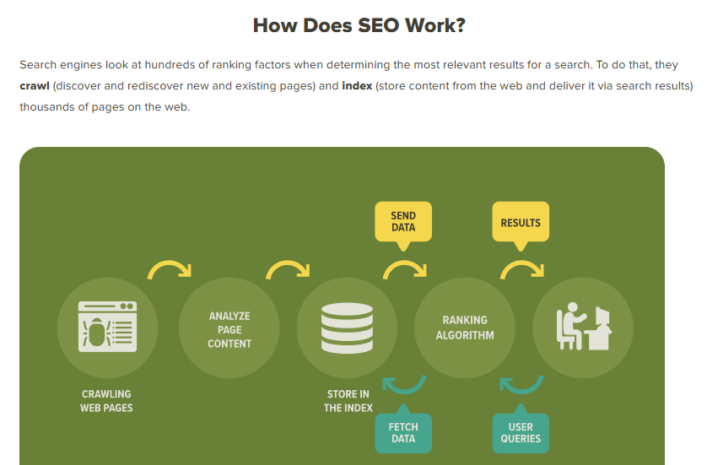
Adding visuals helps break up content while making complex topics easier to understand.
Useful multimedia elements include:
- Infographics
- Charts and graphs
- Screenshots
- Videos
- Interactive tools
- Diagrams
- Process illustrations
- Embedded tutorials
Visual assets also support SEO and AI visibility. Optimized images, descriptive alt text and multimedia engagement signals can improve discoverability across search platforms.
Video integration is especially valuable because many users prefer visual learning formats. Embedding relevant explainer videos or tutorials can increase dwell time and user interaction.
Interactive content such as calculators, templates or checklists can further improve engagement while encouraging repeat visits.
9. Promote Your Pillar Content
Even exceptional content requires promotion to gain visibility and authority. Publishing a pillar page without distribution often limits its long-term potential.
A strong promotion strategy may include:
- Email marketing campaigns
- Social media distribution
- Industry communities
- Influencer outreach
- Digital PR
- Guest posting
- Content syndication
- Paid promotion
Repurposing pillar content into smaller content formats can also expand reach. Sections of a pillar page can become:
- LinkedIn posts
- Short-form videos
- Infographics
- Email newsletters
- Webinar topics
- Podcast discussions
Promotion also supports backlink generation, which remains an important ranking factor. Comprehensive pillar pages are more likely to attract natural backlinks because they function as valuable reference resources.
In AI-driven search environments, broader brand visibility can also strengthen authority signals and increase the likelihood of being referenced across search experiences.
10. Analyze and Improve
Pillar content should never remain static. High-performing content requires ongoing monitoring, updates and optimization.
Regularly analyze performance metrics such as:
- Organic traffic
- Keyword rankings
- Engagement rates
- Bounce rates
- Conversion rates
- Backlink growth
- Internal click behavior
- AI search visibility
Content updates are especially important because search trends, algorithms and user expectations evolve continuously. Refreshing outdated information helps maintain rankings and relevance over time.
You should also identify opportunities to expand supporting cluster content as new industry trends emerge. Adding fresh subtopics strengthens topical authority and keeps the content ecosystem competitive.
Modern AI search systems increasingly reward freshness, accuracy and ongoing expertise development. Businesses that continuously improve pillar content are more likely to sustain visibility in both traditional and AI-powered search environments.
Successful pillar content is not a one-time project. It is an evolving strategic asset that supports long-term SEO growth, audience trust and digital authority.
Evergreen vs. Timely Pillar Content
Not all pillar content is designed to serve the same purpose over time. Some content is built to remain relevant for years, while other content is created to capture attention around current trends, industry updates or emerging technologies. Understanding the difference between evergreen and timely pillar content is essential for building a balanced and sustainable content strategy.
The most effective brands typically use a combination of both. Evergreen content provides long-term organic traffic and authority, while timely content helps businesses stay relevant, competitive and visible in fast-changing search environments.
What Is Evergreen Pillar Content?
Evergreen pillar content focuses on topics that remain consistently relevant over an extended period. These pages are designed to provide long-term educational value and attract steady traffic regardless of season, trends or algorithm changes.
Evergreen topics usually address foundational concepts, ongoing business challenges or essential industry knowledge that audiences will continue searching for in the future.
Examples of evergreen pillar content include:
- Beginner’s Guide to SEO
- What Is Content Marketing?
- How To Build an Email Marketing Strategy
- The Complete Guide to Social Media Marketing
These pages often become the backbone of a website’s content ecosystem because they support long-term search visibility and consistent engagement.
One of the biggest advantages of evergreen pillar content is sustainability. A well-optimized evergreen page can continue generating traffic, backlinks and leads for years with periodic updates. This makes evergreen content one of the most cost-effective long-term marketing assets.
Evergreen pillars also play a major role in topical authority. Because they cover broad foundational topics comprehensively, they help search engines and AI systems understand your expertise within a subject area. Strong evergreen content supports internal linking structures and strengthens the overall authority of related topic clusters.
However, evergreen does not mean permanent without maintenance. Even timeless topics require updates to remain accurate and competitive. Search trends, examples, statistics and best practices evolve over time, especially in industries like digital marketing, technology and AI.
Regularly refreshing evergreen pillar content helps:
- Maintain search rankings
- Improve accuracy
- Reflect current industry standards
- Increase AI search relevance
- Enhance user trust
- Expand keyword opportunities
Modern search engines increasingly prioritize freshness alongside authority. Updating evergreen pages with new examples, insights and multimedia can significantly improve long-term performance.
What Is Timely Pillar Content?
Timely pillar content focuses on current trends, industry developments, emerging technologies or time-sensitive topics. These pages are designed to capture immediate interest and capitalize on evolving search demand.
Examples include:
- AI Search Trends in 2026
- Google Algorithm Updates Explained
- Emerging Content Marketing Trends
- Best AI Tools for SEO This Year
Timely pillar content is especially valuable in fast-moving industries where audience interests and search behaviors change rapidly. Publishing current and relevant information helps position your brand as an active industry leader rather than a static educational resource.
These pages can generate significant short-term traffic spikes, social shares and engagement because they address subjects people are actively discussing.
Timely content also supports brand relevance in AI-powered search environments. AI systems increasingly surface fresh, current information for trend-based and evolving topics. Businesses that consistently publish updated industry insights may improve their visibility in AI-generated responses and news-oriented search experiences.
Another major benefit of timely pillar content is competitive differentiation. Many businesses focus heavily on evergreen resources but fail to address emerging conversations quickly. Creating high-quality timely content allows brands to establish authority early before topics become saturated.
However, timely content also has limitations. Search demand for trend-focused topics may decline as industries evolve or technologies change. Without updates, these pages can lose traffic and relevance more quickly than evergreen content.
That is why timely pillar pages often require:
- Frequent updates
- Trend monitoring
- New statistics and examples
- Expanded supporting content
- Ongoing SEO adjustments
Timely content works best when integrated into a broader pillar strategy instead of functioning independently.
Which Type of Pillar Content Is Better?
Evergreen and timely pillar content both serve important roles, and neither is universally better than the other. The right approach depends on your industry, audience behavior and business goals.
Evergreen pillar content is ideal for:
- Building long-term organic traffic
- Establishing foundational authority
- Supporting consistent lead generation
- Creating stable topic clusters
- Developing educational content hubs
Timely pillar content is ideal for:
- Capturing trending searches
- Demonstrating industry relevance
- Addressing emerging technologies
- Increasing short-term engagement
- Expanding visibility around current events
The strongest content strategies combine both formats strategically.
For example, an evergreen pillar about “Content Marketing” can be supported by timely cluster content such as:
- AI Content Marketing Trends in 2026
- Latest Search Engine Updates
- New AI SEO Optimization Techniques
- Emerging Content Distribution Platforms
This combination allows businesses to maintain long-term authority while also adapting to evolving industry conversations.
How AI Search Is Changing Pillar Content Strategy
The rise of AI-powered search experiences has made balancing evergreen and timely content even more important.
AI systems prioritize:
- Comprehensive topic coverage
- Fresh information
- Contextual relevance
- Clear content structure
- Trusted expertise
Evergreen content helps establish foundational authority, while timely content demonstrates that your expertise remains current and active.
Websites that only publish evergreen content may appear outdated in rapidly evolving industries. At the same time, websites focused only on trends may struggle to build stable authority and sustainable organic traffic.
Modern content strategies should aim to create interconnected ecosystems where evergreen pillars provide long-term stability and timely content keeps the overall cluster relevant and competitive.
Build Stronger Brand Authority With Strategic Content Pillars
Publishing random blog posts is no longer enough to compete in modern search environments. Brands need structured, data-driven content strategies that help users find relevant information while demonstrating real expertise across important topics.
Well-developed content pillars create the foundation for sustainable growth by improving topical authority, strengthening SEO performance and supporting AI-driven search visibility. They also help businesses organize their content more effectively, attract qualified audiences and guide users through meaningful customer journeys.
At Pro Real Tech, we create strategic content pillar systems designed to drive long-term results. From in-depth keyword research and topic planning to content writing, optimization and distribution, we build content ecosystems that support traffic growth, engagement and conversions.
Whether you want to improve search visibility, strengthen your industry authority or generate higher-quality leads, a well-structured pillar strategy can help you achieve those goals more effectively.
Contact Pro Real Tech today to learn how our content writing and SEO services can help you build high-performing content pillars that deliver measurable business results.
Read More: The Power of AI in Managing Multi-Location Business Reviews


