

Most people do not become customers the first time they encounter a brand. They may discover a product through Google, browse a service page, compare several options, add an item to their cart, or read a few blog posts before leaving the website. That does not necessarily mean they have lost interest. In many cases, they simply need more time, information, reassurance, or another reason to return.
This is where retargeting ads can play an important role in a digital advertising strategy. Retargeting allows businesses to reconnect with people who have already interacted with their website, app, products, content, or brand and deliver relevant advertising based on that previous interaction. Instead of spending the entire advertising budget trying to reach completely new audiences, marketers can continue engaging people who have already demonstrated some level of interest.
Retargeting can be particularly useful for businesses with longer buying journeys. A potential customer who viewed a product page but did not purchase may respond to a product-focused ad later. Someone who visited a pricing page may be ready for a stronger conversion message. A cart abandoner may simply need a reminder to complete the purchase.
In 2026, however, effective retargeting is no longer about showing the same advertisement repeatedly to every visitor. Modern campaigns depend on better audience segmentation, first-party data, relevant creative, automation, privacy-conscious tracking, and careful measurement. Google Ads, for example, now refers to remarketing audiences largely as “your data” segments, which can be built from previous interactions with a website, app, YouTube content, or customer information.
The goal is simple: reach the right previous visitor with the right message at the right stage of the buying journey.
How Retargeting Advertising Works
Retargeting advertising works by identifying people who have previously interacted with a business and placing them into an audience that can later be reached with relevant ads. The interaction might be a website visit, product view, form submission, app interaction, video engagement, or another measurable action.
The basic process looks like this:
Visitor interaction → audience collection → segmentation → ad delivery → conversion or further engagement
For example, imagine someone visits an online clothing store and views a particular pair of running shoes. They leave without purchasing. If the website has appropriate advertising and consent mechanisms in place, that visitor may become eligible for a retargeting audience. The business can then show an advertisement featuring the shoes or a related offer while the person continues browsing elsewhere.
Google’s current audience system allows businesses to create data segments containing people who have interacted with their websites or apps. Advertisers can define rules for when users enter a segment and how long they remain eligible.
Step 1: A user interacts with your business
The process starts with an interaction. Depending on the campaign and platform, this might include:
- Visiting your homepage
- Viewing a product or service page
- Spending time on a particular section of your website
- Searching for or viewing a specific product
- Adding an item to a shopping cart
- Starting but not completing a checkout
- Downloading an app
- Watching a video
- Submitting a form
- Interacting with a social media profile or advertisement
- Becoming an existing customer
This interaction provides a signal that the person may have some level of interest.
Step 2: The interaction contributes to an audience
The advertising platform or marketing system uses appropriate tracking and audience mechanisms to organize eligible users into groups.
Instead of treating every website visitor identically, marketers can create audiences based on behavior. For example:
- All website visitors
- Product-page visitors
- Pricing-page visitors
- Cart abandoners
- Previous purchasers
- Lead-form visitors
- High-value customers
- Users who viewed several pages
- Visitors who did not convert
This segmentation is one of the most important parts of modern retargeting because different behaviors represent different levels of intent.
Someone who visited your homepage once should generally receive a different message from someone who viewed a product five times and added it to their cart.
Step 3: The platform determines who can receive the ad
Once an audience has been established and meets the relevant platform requirements, it can be used in eligible campaigns.
Google Ads calls these groups data segments and allows advertisers to use them for different purposes, including reaching previous website visitors, people who interacted with YouTube content, customer lists, and users who previously engaged with a business.
Google also allows advertisers to create specific segments based on actions such as viewing a product page, abandoning a cart, or completing a purchase. These segments can then be combined with exclusions so that, for example, recent purchasers do not continue receiving ads intended for non-buyers.
Step 4: The user sees a relevant advertisement
The actual advertisement can take different forms depending on the platform:
- Search ads
- Display ads
- Video ads
- Social media ads
- Product advertisements
- Dynamic product recommendations
- Lead-generation ads
- Email reminders
The strongest campaigns connect the ad to the person’s previous action.
For instance, a visitor who looked at a specific service might see an advertisement highlighting that service rather than a generic company advertisement.
Step 5: The campaign measures the next action
Retargeting should not stop at impressions or clicks. The business should determine whether the advertising produced a meaningful outcome.
Depending on the campaign objective, this could be:
- A purchase
- A completed checkout
- A form submission
- A phone call
- A booking
- A demo request
- A subscription
- An app installation
- A repeat purchase
This information can then be used to improve audience definitions, creative, bidding, landing pages, and exclusions.
Retargeting is not simply “showing ads again”
A common misconception is that retargeting means displaying the same advertisement repeatedly to everyone who visits a website.
Effective retargeting is more strategic.
A business can create different messages for different stages of the customer journey. A new visitor might receive an educational message. A product viewer could receive a product-focused advertisement. A cart abandoner might receive a reminder. A previous customer might receive an advertisement for a complementary product.
This behavioral approach makes retargeting more useful and reduces the risk of wasting impressions on people who are unlikely to respond.
Privacy and data considerations in 2026
Privacy should be treated as a core part of retargeting rather than an afterthought. Google states that personalized advertising, including remarketing and custom audiences, is subject to additional data-collection and targeting policies. Advertisers must also follow applicable consent, privacy, security, and sensitive-category requirements.
Google’s policies also distinguish first-party data from third-party data. First-party data is information collected through a business’s own customer interactions, such as its website, app, or physical store.
For businesses, this means the future of retargeting increasingly depends on building responsible first-party data strategies rather than assuming unrestricted access to individual browsing behavior.
6 Types of Retargeting Campaigns Businesses Can Use
Retargeting is not one single campaign format. Businesses can choose different approaches depending on where their audience interacts with the brand, what information is available, and what action they want customers to take.
1. Retargeting Google Ads (Google Remarketing Ads)
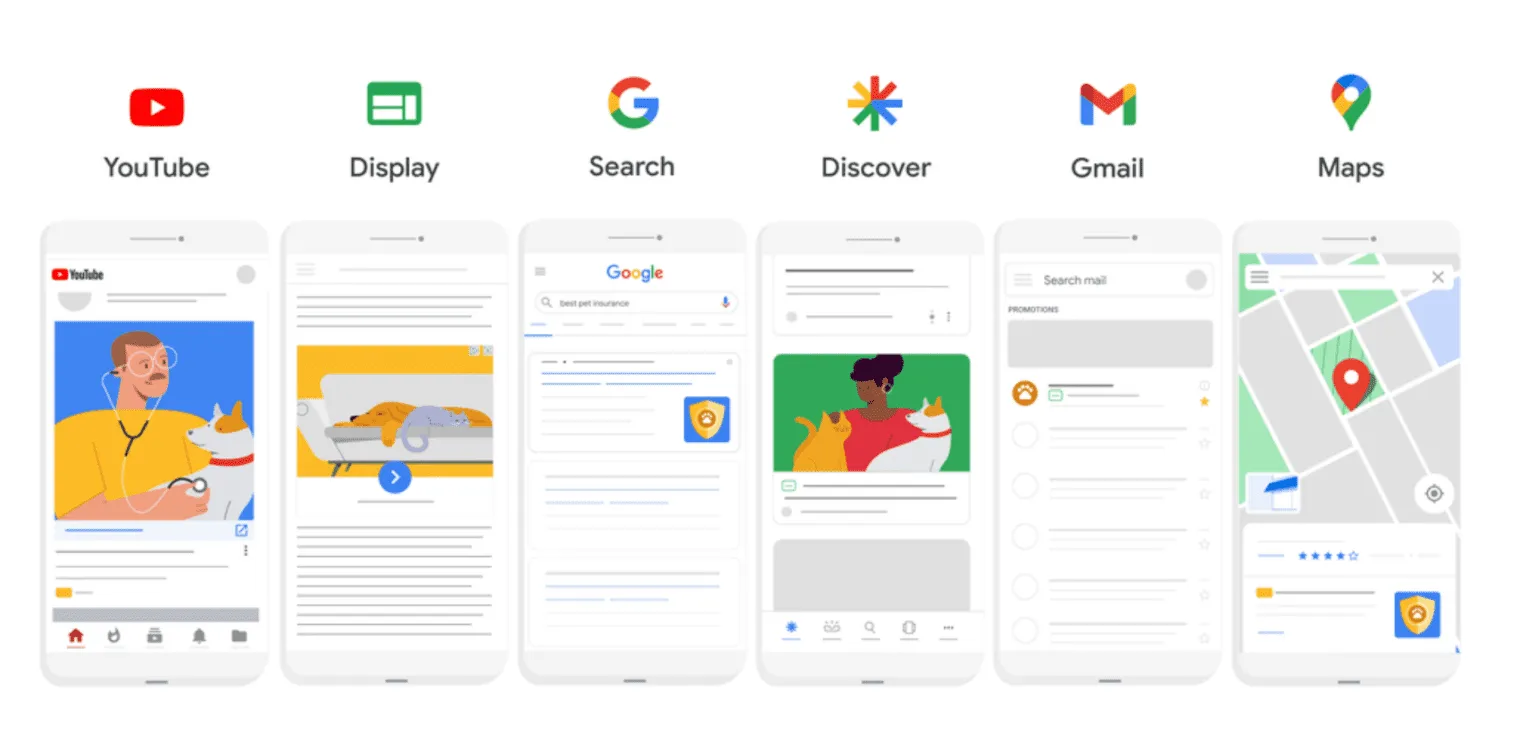
Google retargeting ads, historically called Google remarketing ads, allow businesses to reconnect with people who have previously interacted with their website, app, YouTube content, or other eligible Google properties.
Google’s current terminology increasingly refers to these audiences as your data segments. These segments can include previous website visitors and other people who have interacted with a business.
For example, an online furniture store could create separate audiences for:
- People who viewed sofas
- People who viewed dining tables
- Cart abandoners
- Previous purchasers
- Visitors who viewed several product pages
The business could then tailor campaigns around each group.
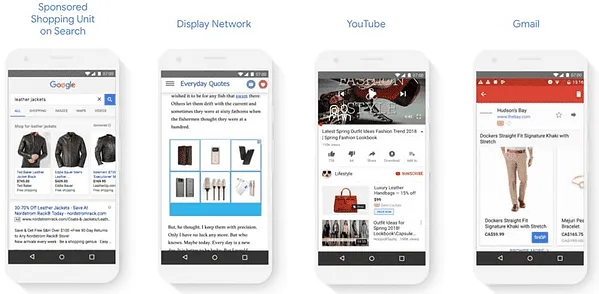
Google supports several uses of these audiences, including reaching previous website visitors, dynamic remarketing, follow-up searches, YouTube engagement, and Customer Match using customer-provided contact information.
Dynamic remarketing is particularly useful for ecommerce and businesses with multiple products or services. Instead of showing everyone the same generic advertisement, dynamic ads can incorporate products or services that users previously viewed.
For example, if someone views three laptops on an ecommerce website, dynamic retargeting can help present relevant products from the business’s catalog rather than a generic brand message.
Google also provides automatically created data segments in certain setups, including audiences such as all visitors and shopping cart abandoners.
Businesses should remember, however, that eligibility and reach depend on the campaign type, audience size, data setup, and Google’s current policies.
2. Facebook Retargeting Ads
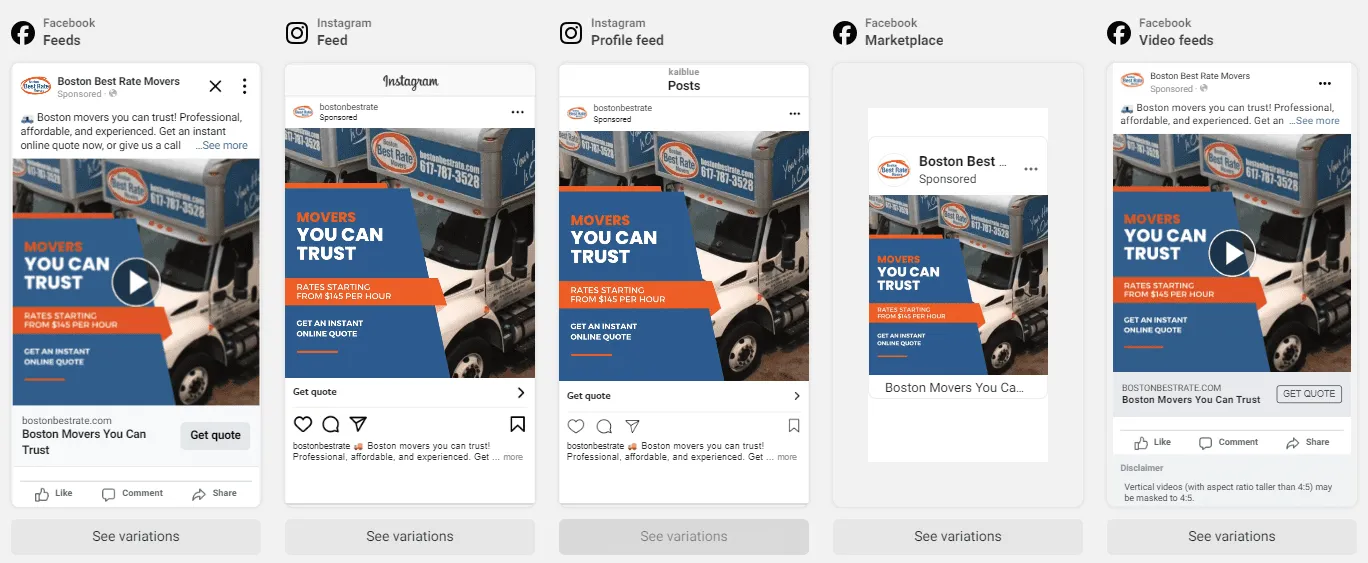
Facebook retargeting ads allow businesses to reconnect with people who have already interacted with their website, products, Facebook presence, or other eligible business assets.
A typical ecommerce example would look like this:
- A person visits an online store.
- They browse a product.
- They leave without purchasing.
- The business places eligible users into a retargeting audience.
- A relevant Facebook or Meta-platform advertisement encourages them to return.
Retargeting can be especially useful on social platforms because advertising can combine previous interactions with visually engaging creative.
For example, a fashion retailer could show a product-focused advertisement to someone who previously viewed that product. A software company might promote a demo to someone who visited its pricing page. A service business could use educational content to reconnect with people who visited a service page but did not submit a form.
The key is not to assume that every visitor needs the same advertisement.
Businesses should create meaningful audience groups and use exclusions where appropriate. A customer who already purchased a product should not continue seeing an advertisement designed specifically to convince them to make that first purchase.
3. Social Media Retargeting
Facebook is only one part of the broader social media retargeting category. Businesses can also use retargeting strategies across other social advertising environments where the platform supports eligible audience-building and advertising capabilities.
Social media retargeting can use signals such as:
- Website visits
- Product interactions
- Social engagement
- Video views
- Lead-form interactions
- Previous ad engagement
- Customer lists
- App activity
This makes social retargeting useful for both ecommerce and service-based businesses.
For example, a B2B company could retarget people who visited a whitepaper page but did not complete the form. A travel company could reconnect with people who viewed a destination page. A SaaS company could target visitors who explored pricing but did not request a demo.
Social retargeting is often most effective when the creative changes according to the audience’s previous behavior.
A person who watched a product demonstration may be ready for a case study or comparison. Someone who only visited the homepage may need a simpler introduction to the brand.
4. Email Retargeting
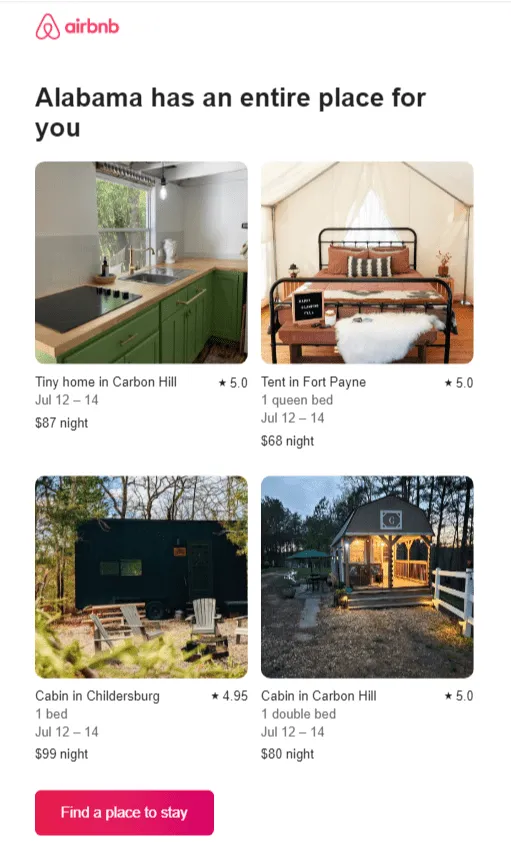
Email retargeting uses email as another way to reconnect with people who have already interacted with a business.
Unlike traditional advertising retargeting, email campaigns generally depend on having an identifiable subscriber or customer relationship and appropriate permission to communicate with that person.
Common examples include:
- Product-view follow-ups
- Cart-abandonment emails
- Browse-abandonment emails
- Re-engagement campaigns
- Post-purchase recommendations
- Renewal reminders
- Subscription reminders
- Personalized product suggestions
Email can be powerful because it allows businesses to communicate more directly than a display impression or social media advertisement.
For example, someone may browse a product but leave without buying. A properly configured email journey could later remind that subscriber about the product, provide additional information, answer common objections, or recommend related products.
The important distinction is that email retargeting should provide value rather than simply repeat the same sales pitch. A useful reminder, product comparison, customer review, tutorial, or personalized recommendation can give the recipient a reason to return.
5. Abandoned Cart Retargeting
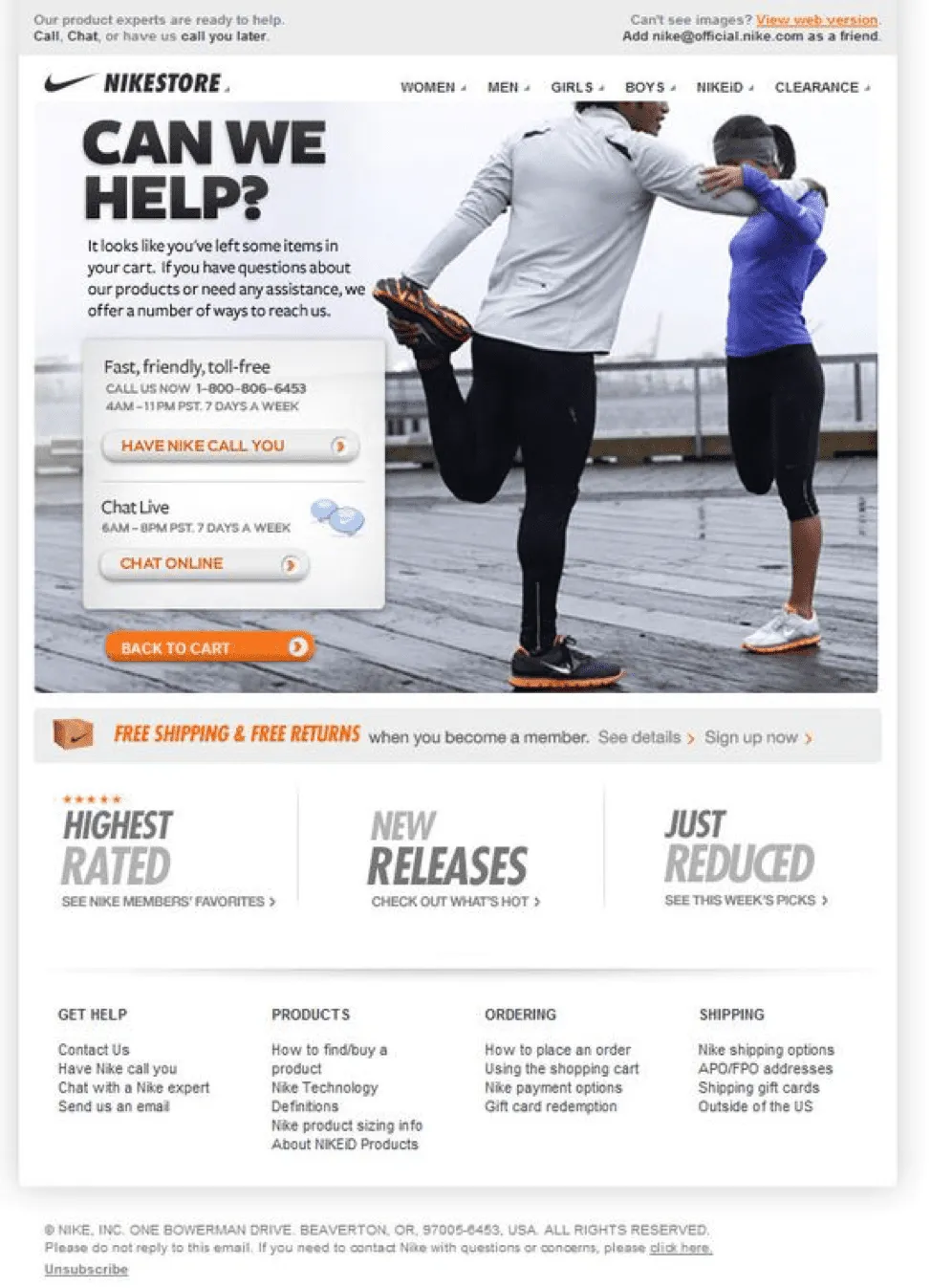
Abandoned cart retargeting focuses specifically on people who added products to their shopping cart but did not complete the purchase.
This audience is often valuable because adding an item to a cart represents stronger purchase intent than simply visiting a homepage.
A typical abandoned-cart campaign might work like this:
Product viewed → Product added to cart → Checkout abandoned → Reminder → Conversion
Businesses can use multiple channels for this strategy, including:
- Retargeting ads
- On-site messages
- Push notifications where appropriate
- Dynamic product advertising
The message should address the likely reason for abandonment without creating unnecessary pressure.
For example, a reminder might emphasize:
- The product is still available
- Key product benefits
- Customer reviews
- Shipping information
- Easy checkout
- A legitimate limited-time incentive, when appropriate
Google’s data-segment tools specifically support audience strategies around cart abandoners and allow advertisers to exclude people who subsequently completed a purchase.
That exclusion is important. Once a customer purchases, continuing to show them a “complete your purchase” advertisement creates a poor experience and wastes advertising spend.
6. Dynamic and List-Based Retargeting
Dynamic and list-based retargeting represent two powerful ways to make retargeting more relevant.
Dynamic retargeting uses information about previous interactions to automatically customize advertisements. For ecommerce businesses, this might mean showing the exact product a visitor viewed or related products from the catalog.
For example, if someone viewed a particular smartphone, a dynamic ad could display that phone rather than a generic advertisement for the entire store.
This approach is useful when businesses have large inventories because manually creating separate advertisements for every product would be inefficient. Google describes dynamic remarketing as a way to show ads containing products or services people previously viewed on a website or app.
List-based retargeting, on the other hand, uses a customer or prospect list that the business has collected through legitimate first-party interactions.
Potential lists might include:
- Existing customers
- Newsletter subscribers
- Qualified leads
- Previous purchasers
- High-value customers
- Trial users
- Customers approaching renewal
- Prospects who requested information
Google’s Customer Match is one example of a list-based approach, allowing customer-provided contact information to be used for eligible advertising across Google products when users are matched appropriately.
List-based retargeting can be especially useful for businesses with established CRM systems because it allows advertising to be connected more closely with the customer lifecycle.
For instance, a software company could create different campaigns for trial users, paying customers, inactive customers, and qualified leads. Each group could receive a different message based on its relationship with the business.
The major advantage of both dynamic and list-based retargeting is relevance. Instead of treating every visitor as an identical prospect, the campaign can respond to what the business already knows about the customer’s interaction.
However, businesses must handle customer information responsibly. Google requires advertisers using personalized advertising and customer data to comply with applicable data-use and targeting policies.
Ultimately, the strongest retargeting campaigns in 2026 are built around intent, relevance, timing, and responsible data use. Whether the channel is Google Ads, Facebook, another social network, email, or a dynamic product campaign, the objective is the same: reconnect with people who have already shown interest and give them a compelling reason to take the next step.
What Does Retargeting Do for Your Campaign?
Retargeting can turn previous website interactions into additional opportunities to engage, convert, and retain customers. Instead of relying entirely on new traffic, a retargeting campaign allows businesses to reconnect with people who have already demonstrated some level of interest. This can make advertising more relevant and help businesses get more value from traffic they have already paid to acquire.
The impact of retargeting depends on how audiences are segmented, how relevant the advertisements are, and how effectively campaigns are measured. When implemented strategically, retargeting can support several stages of the customer journey.
1. Create Awareness
Retargeting can strengthen brand awareness by keeping your business visible after a potential customer leaves your website or interacts with your content.
A person may visit your website while researching a product but may not be ready to purchase. They could be comparing competitors, waiting for payday, discussing the purchase with someone else, or simply collecting information. If the business disappears from their consideration immediately after the first visit, another competitor may capture the sale.
Retargeting gives brands an opportunity to remain visible during that consideration period.
For example, a customer researching project management software might visit several software websites in one afternoon. A retargeting campaign can continue presenting useful messages about a particular platform after the visitor leaves. Instead of immediately pushing for a purchase, the campaign could highlight a case study, product demonstration, feature comparison, or educational resource.
This makes retargeting more than a direct-response tactic. It can also reinforce brand recognition.
However, awareness-focused retargeting should still be controlled. Showing the same advertisement repeatedly does not necessarily build positive awareness. Excessive exposure can cause ad fatigue and make the brand feel intrusive. Frequency management and creative rotation are therefore important parts of an effective campaign.
2. Generate Conversions
One of the biggest reasons businesses use retargeting is to recover potential customers who did not convert during their first interaction.
Visitors who have already viewed products, explored pricing, read service information, or started a checkout generally have more context than someone encountering the brand for the first time. Retargeting allows advertisers to build on that previous interaction.
For example, a SaaS company could create separate audiences for:
- Pricing-page visitors
- Demo-page visitors
- Free-trial users
- People who downloaded a resource
- People who started but did not complete a signup
Each group can receive a different conversion message.
A pricing-page visitor might be ready for a demo or consultation. A person who downloaded an educational guide may need more nurturing before receiving a sales-focused message. A trial user may need onboarding information or a reminder to activate an important feature.
This is why effective retargeting is closely connected to customer intent. The goal is not simply to advertise again but to identify what the person is most likely to need next.
Conversion-focused retargeting can also address common purchase objections. Depending on the business, creative might emphasize:
- Product benefits
- Customer reviews
- Demonstrations
- Guarantees
- Free trials
- Shipping information
- Service capabilities
- Case studies
- Frequently asked questions
The best message depends on what prevented the user from converting initially.
3. Reduce Cart Abandonment
Cart abandonment is a major challenge for ecommerce businesses. A customer may add products to a cart and then leave without completing the purchase for many different reasons, including unexpected costs, complicated checkout processes, comparison shopping, lack of trust, or simply distraction.
Retargeting can help bring these shoppers back.
A business can create an audience specifically for users who added products to their cart but did not complete the transaction. Advertisements or email messages can then remind them about the products they left behind.
Dynamic retargeting is particularly useful here because advertisements can feature products that the customer actually viewed or added to their cart.
For example, instead of showing a generic advertisement saying “Shop Now,” an ecommerce business could show the specific product with supporting information such as its benefits, ratings, availability, or shipping details.
The campaign can also use exclusions. Once someone completes the purchase, they should normally be removed from the abandoned-cart audience so that they no longer receive messages telling them to finish an order.
This improves both advertising efficiency and customer experience.
Retargeting should not be used as a substitute for fixing a poor checkout experience, however. If customers consistently abandon carts because of complicated forms, unexpected shipping charges, slow pages, or limited payment options, advertising alone will not solve the underlying problem.
4. Increase Customer Lifetime Value
Retargeting is not only about recovering lost prospects. It can also support customer retention and repeat purchases.
Once someone becomes a customer, businesses can create appropriate audiences for future marketing activities. Depending on the product and customer journey, this could involve promoting:
- Complementary products
- Upgrades
- Renewals
- Subscription plans
- Accessories
- Related services
- New product launches
- Loyalty offers
For example, someone who purchased a laptop could later be shown advertisements for compatible accessories. A customer who bought a skincare product could receive recommendations for related products. A software customer approaching renewal could receive information about an upgraded plan.
This can increase customer lifetime value by creating additional opportunities after the initial transaction.
The key is timing. Retargeting existing customers immediately with irrelevant advertisements can be counterproductive. Customer audiences should reflect the customer’s previous purchase and likely next need.
5 Retargeting Best Practices to Maximize Ad Spend
Retargeting can become expensive if businesses target large audiences without considering intent, relevance, frequency, or performance. The following practices can help make campaigns more efficient and reduce wasted impressions.
1. Segment Audiences by Intent
One of the most important retargeting best practices is to stop treating every previous visitor as the same type of prospect.
Website behavior provides useful clues about intent. Someone who visited your homepage once has a different level of intent from someone who viewed several products, visited your pricing page, or started checkout.
Create audience segments based on meaningful actions, such as:
- All website visitors
- Product viewers
- Service-page visitors
- Pricing-page visitors
- Repeat visitors
- Cart abandoners
- Lead-form starters
- Previous customers
- High-value customers
You can then assign different messages and campaign objectives to each group.
For example, broad website visitors might receive educational or awareness-oriented creative, while high-intent visitors receive stronger conversion-focused messaging.
Audience exclusions are equally important. Consider excluding recent purchasers from acquisition-focused campaigns, existing customers from first-purchase promotions, or converters from campaigns designed specifically to recover abandoned actions.
Better segmentation generally creates a better relationship between advertising spend and customer intent.
2. Use Dynamic Ads and Remarketing Lists
Dynamic ads can make retargeting more relevant by adapting advertisements according to the products or services users previously interacted with.
This is especially valuable for ecommerce businesses with large product catalogs. Rather than manually creating a different advertisement for every product, dynamic campaigns can use product feeds and audience signals to deliver more personalized creative.
For example, someone who viewed a particular pair of shoes may see those shoes again, while another visitor who viewed a different product receives a different recommendation.
Remarketing or customer lists can also support more targeted campaigns. Businesses with legitimate first-party customer data can create audiences based on customer relationships, such as existing customers, leads, trial users, or previous purchasers, subject to platform requirements and applicable privacy rules.
Google’s current terminology commonly uses data segments for audiences built from previous interactions, while Customer Match allows eligible customer-provided information to be used for advertising across supported Google products.
The important principle is to use data to improve relevance rather than simply increase the number of people you can target.
3. Test and Optimize Creative
Even a well-segmented audience can stop responding when it sees the same advertisement repeatedly.
Creative testing should therefore be an ongoing part of retargeting.
Test different elements such as:
- Headlines
- Images
- Videos
- Product presentation
- Calls to action
- Offers
- Social proof
- Value propositions
- Landing pages
For example, one version of a retargeting ad could focus on product benefits while another emphasizes customer reviews. A third could highlight a free trial or consultation.
Testing should have a clear purpose. Rather than changing everything at once, isolate important variables when possible so that you can better understand what contributed to performance changes.
Creative should also reflect audience intent. A first-time website visitor may respond to educational messaging, while someone who abandoned checkout may need a direct reminder or reassurance.
Refreshing creative can also help reduce ad fatigue, particularly when audiences are relatively small.
4. Track Performance
Retargeting should be evaluated based on business outcomes rather than impressions alone.
Depending on the campaign, important metrics may include:
- Click-through rate
- Conversion rate
- Cost per conversion
- Return on ad spend
- Revenue
- Cost per acquisition
- Average order value
- View-through or assisted conversions
- Repeat purchase rate
- Customer lifetime value
The most useful metrics depend on the campaign’s objective.
For example, a campaign designed to recover abandoned carts should be evaluated differently from one designed to increase awareness among previous visitors.
Businesses should also compare retargeting performance with prospecting campaigns. A high conversion rate does not automatically mean a campaign is highly profitable. Retargeting audiences often contain people who were already close to converting, so marketers should consider the incremental value generated by the campaign rather than assuming every conversion was caused entirely by the advertisement.
Tracking also helps identify underperforming audiences. If a large audience generates clicks but very few meaningful conversions, the problem could be poor segmentation, weak creative, an unsuitable offer, or a landing-page issue.
5. Control Frequency
Frequency refers to how often people are exposed to an advertisement. Retargeting audiences are typically smaller than broad prospecting audiences, which means the same users can potentially see an advertisement multiple times.
Too little exposure may fail to create enough recognition. Too much can lead to ad fatigue, wasted impressions, negative brand perception, and declining performance.
Businesses should therefore monitor frequency alongside conversion and engagement metrics.
Frequency controls can include:
- Setting campaign frequency limits where supported
- Limiting audience membership duration
- Excluding recent converters
- Rotating creative
- Separating high-intent and low-intent audiences
- Adjusting campaign budgets
- Shortening retargeting windows for certain products
The ideal frequency depends on the industry, buying cycle, product price, and audience. A low-cost impulse purchase may require a different retargeting window from a high-value B2B service with a six-month sales cycle.
The goal is not to maximize impressions. It is to generate meaningful additional interactions without overwhelming the audience.
Tailored Retargeting Ads to Drive More Conversions
Whether you’re launching your first retargeting campaign or looking to improve the performance of an existing one, Pro Real Tech can help you build a strategy designed around your audience and business goals.
When you work with our team, you get:
- Retargeting expertise and experience: We understand how to create relevant, engaging ads that align with your audience’s behavior, interests, and stage in the buying journey.
- Advanced retargeting tools and audience insights: We use campaign data to understand visitor behavior, identify high-intent audiences, and deliver ads to people who are most likely to take action.
- Continuous campaign optimization: We monitor campaign performance, test different strategies, refine targeting, and make data-driven adjustments to help maximize conversions and get more value from your advertising budget.
Beyond retargeting, Pro Real Tech provides pay-per-click (PPC) marketing, social media advertising, helping businesses create a connected paid media strategy across multiple channels.
Ready to turn previous website visitors into new customers? Talk to the Pro Real Tech team today and discover how tailored retargeting campaigns can support your conversion goals.
Frequently Asked Questions (FAQs) About Retargeting Ads
What Are Retargeting Ads?
Retargeting ads are advertisements shown to people who have previously interacted with a business, such as visiting its website, viewing a product, engaging with content, or becoming a customer. The goal is to reconnect with these users and encourage a relevant next action.
Retargeting can be used for awareness, lead generation, purchases, abandoned-cart recovery, repeat purchases, and other conversion objectives.
How Do Retargeting Campaigns Work?
Retargeting campaigns work by creating eligible audiences from previous customer or visitor interactions. Users are then segmented according to their behavior and can be reached with advertisements on supported platforms.
For example, a visitor views a product, leaves the website, and later becomes eligible for a retargeting audience. The business can then show a relevant advertisement designed to encourage the visitor to return.
The exact technology, eligibility requirements, audience duration, and targeting capabilities vary by platform.
What Is Retargeting in Digital Marketing?
Retargeting in digital marketing is the practice of reconnecting with people who have previously interacted with a brand through digital channels.
Interactions can include website visits, product views, app activity, social engagement, video views, form interactions, or previous purchases.
Retargeting is generally used to move people further through the customer journey instead of repeatedly starting the relationship from scratch.
What Is the Difference Between Retargeting vs. Remarketing?
The terms retargeting and remarketing are often used interchangeably, although marketers sometimes use them to describe different tactics.
Traditionally, retargeting has often referred to paid advertising shown to previous website visitors or other engaged audiences, while remarketing has frequently been associated with email-based customer re-engagement.
However, the distinction is not universal. Different platforms and marketers use the terminology differently.
Google itself has also shifted its terminology toward “your data” segments for audiences based on previous interactions, while many marketers still use “remarketing” when describing these campaigns.
The most important distinction is therefore the strategy and audience being used rather than the label.
What Are the Main Types of Retargeting?
Common types of retargeting include:
- Google Ads retargeting — Reconnects with eligible previous visitors and other audiences across supported Google advertising environments.
- Facebook retargeting — Uses eligible audience signals to reconnect with previous website, product, or platform interactions.
- Social media retargeting — Uses supported social advertising platforms to reach previously engaged audiences.
- Email retargeting — Uses email to reconnect with subscribers or customers based on previous actions.
- Abandoned-cart retargeting — Targets shoppers who added products to a cart but did not complete their purchase.
- Dynamic retargeting — Automatically adapts product or service advertisements according to previous interactions.
- List-based retargeting — Uses eligible first-party customer or prospect lists to reach defined audiences.
How Does Retargeting Google Ads Help Businesses?
Google Ads retargeting helps businesses reconnect with people who previously interacted with their website, app, YouTube content, or other eligible Google properties.
Businesses can create different data segments based on user actions and use them in eligible campaigns. For example, an ecommerce company can create audiences for product viewers, cart abandoners, or previous purchasers and develop different campaigns for each group.
Google also supports dynamic remarketing and Customer Match for eligible advertisers, allowing businesses to create more relevant audience strategies.
How Does Email Retargeting Support Conversions?
Email retargeting supports conversions by allowing businesses to follow up with subscribers or customers after meaningful interactions.
Examples include abandoned-cart reminders, product-view follow-ups, re-engagement emails, personalized recommendations, renewal reminders, and post-purchase campaigns.
Because email allows businesses to provide more information than a typical display advertisement, it can be useful for addressing objections, explaining product benefits, and encouraging customers to return.
Effective email retargeting should remain relevant, permission-based, and useful rather than becoming a sequence of repetitive sales messages.
Why Is Abandoned Cart Retargeting Important?
Abandoned-cart retargeting is important because cart abandoners have already demonstrated relatively strong purchase intent.
They have typically moved beyond simple awareness and selected one or more products. A timely reminder can bring them back to complete the purchase.
Businesses can use dynamic advertisements and email campaigns to show the abandoned products or provide information that addresses potential purchase concerns.
However, businesses should also investigate why customers abandon carts. Retargeting can recover some lost purchases, but it should not replace improvements to checkout usability, pricing transparency, shipping information, payment options, or website performance.
What Retargeting Tools Do Businesses Use?
Businesses can use a combination of advertising platforms, analytics systems, customer-data platforms, ecommerce tools, and email marketing software for retargeting.
Common categories include:
- Google Ads
- Meta advertising tools
- Social media advertising platforms
- Email marketing platforms
- Ecommerce platforms
- Customer relationship management systems
- Analytics and conversion-tracking tools
- Product-feed and catalog management systems
- Customer data platforms
The right toolset depends on the business model, advertising channels, customer journey, audience size, and data infrastructure.
A small ecommerce business may only need an ecommerce platform, email system, analytics setup, and one or two advertising platforms. A larger organization may connect advertising platforms with a CRM and customer-data infrastructure to create more sophisticated audience segments.
What Is the Difference Between Retargeting vs. Remarketing?
There is no single industry-wide definition that completely separates retargeting from remarketing.
In many marketing discussions, retargeting refers primarily to paid advertisements delivered to people who previously interacted with a website or digital property. Remarketing may be used more broadly and can include email campaigns designed to re-engage existing prospects or customers.
However, the terminology varies by platform and organization. Google historically used “remarketing” extensively for its audience products but now increasingly uses terms such as your data segments in Google Ads.
Therefore, when planning a campaign, focus less on the label and more on four practical questions:
- Who are you trying to reach?
- What did they previously do?
- What should they do next?
- Which channel can deliver the most relevant message?
That approach makes the strategy clearer regardless of whether the campaign is called retargeting, remarketing, customer re-engagement, or something else.
Read More: How AI Overviews Are Surfacing Negative Reviews — And What Brands Should Do About It


