


In today’s competitive local search landscape, simply having a website is no longer enough. Businesses must establish a strong digital presence across multiple platforms to be visible where customers are actively searching. This is where local citation building becomes a foundational part of modern SEO strategy.
Local citation building helps search engines verify your business information, ensuring your name, address, and phone number (NAP) are accurate and consistent across the web. These mentions act as trust signals, reinforcing your business’s legitimacy and improving your chances of appearing in local search results and map listings.
As search algorithms evolve in 2026, the focus has shifted from quantity to quality. It’s no longer about listing your business everywhere—it’s about being present on relevant, authoritative platforms with consistent and reliable information. When done correctly, citation building not only boosts rankings but also enhances visibility, credibility, and customer trust.
What Is Local Citation Building?
Local citation building is the process of creating and managing online mentions of your business across directories, websites, apps, and social platforms. These mentions typically include your business’s Name, Address, and Phone number (NAP) and may also feature additional details like your website, hours, and services.
A local citation can appear in many places, including:
- Business directories (e.g., listing platforms and maps)
- Social media profiles
- Industry-specific websites
- Local blogs or news articles
In simple terms, any online reference to your business’s core details qualifies as a local citation—even if it doesn’t include a clickable link.
Local citation building goes beyond just creating listings. It involves:
- Ensuring all information is accurate
- Maintaining consistency across platforms
- Updating outdated or incorrect details
- Expanding your presence on relevant and high-quality sites
These actions collectively help search engines confirm that your business is real, active, and located where it claims to be.
Why Local Citations Matter in Local SEO
Local citations play a critical role in how search engines evaluate and rank businesses in local search results. They directly influence trust, visibility, and authority—three essential components of local SEO success.
Here’s why they matter:
1. Build Trust and Credibility
Search engines cross-check your business information across multiple sources. When your NAP details are consistent, it signals that your business is legitimate and trustworthy.
2. Improve Local Search Rankings
Citations contribute to key ranking factors such as prominence and authority. Businesses with accurate and widespread citations are more likely to rank higher in local results and map packs.
3. Enhance Discoverability
Listings on directories and platforms allow potential customers to find your business beyond search engines. Many users search directly on apps, maps, and review sites, increasing your visibility across multiple channels.
4. Support Data Accuracy for Search Engines
Search engines rely on consistent data to understand your business. Inconsistent or outdated information creates confusion, which can negatively impact rankings and visibility.
5. Strengthen Your Local Presence
Citations act as digital proof of your location and relevance within a specific area. The more consistent and high-quality mentions you have, the stronger your local authority becomes.
The Role of Consistency in NAP
Consistency in Name, Address, and Phone number (NAP) is one of the most critical factors in successful local citation building. Search engines rely heavily on this data to verify the legitimacy, location, and reliability of a business. When your NAP information is identical across all platforms, it creates a strong signal of trust and accuracy.
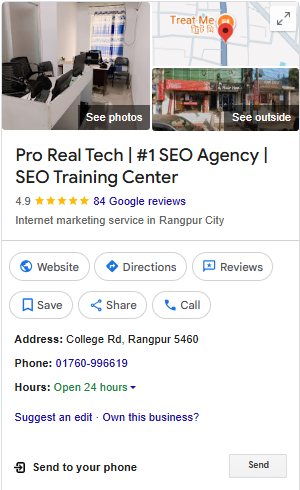
From a search engine’s perspective, consistency acts as confirmation. If your business name is written slightly differently across listings, or if your address and phone number vary, it can create confusion. This inconsistency weakens your credibility and may reduce your chances of appearing in local search results or map listings.
For example, even small differences—like using “Street” vs. “St.” or listing different phone numbers—can impact how search engines interpret your business data. While these variations may seem minor, they can fragment your online presence and dilute ranking signals.
Maintaining consistent NAP information provides several key benefits:
- Improves Search Engine Trust: Uniform data across platforms helps search engines confidently validate your business details.
- Boosts Local Rankings: Accurate and consistent citations contribute to stronger local SEO performance.
- Enhances User Experience: Customers are more likely to trust and contact a business when information is clear and consistent.
- Prevents Data Conflicts: Consistency reduces the risk of duplicate listings or incorrect information spreading across directories.
To maintain NAP consistency effectively, businesses should create a standardized format for their information and use it everywhere—on directories, social profiles, websites, and listings. Regular audits are also essential to identify and fix outdated or inconsistent data.
In 2026, consistency is no longer optional—it’s a core requirement for building authority and maintaining visibility in local search.
2 Types of Local Citations
Local citations generally fall into two main categories: structured and unstructured. Both play an important role in strengthening your local SEO, but they function in different ways and appear on different types of platforms.
1. Structured Citations
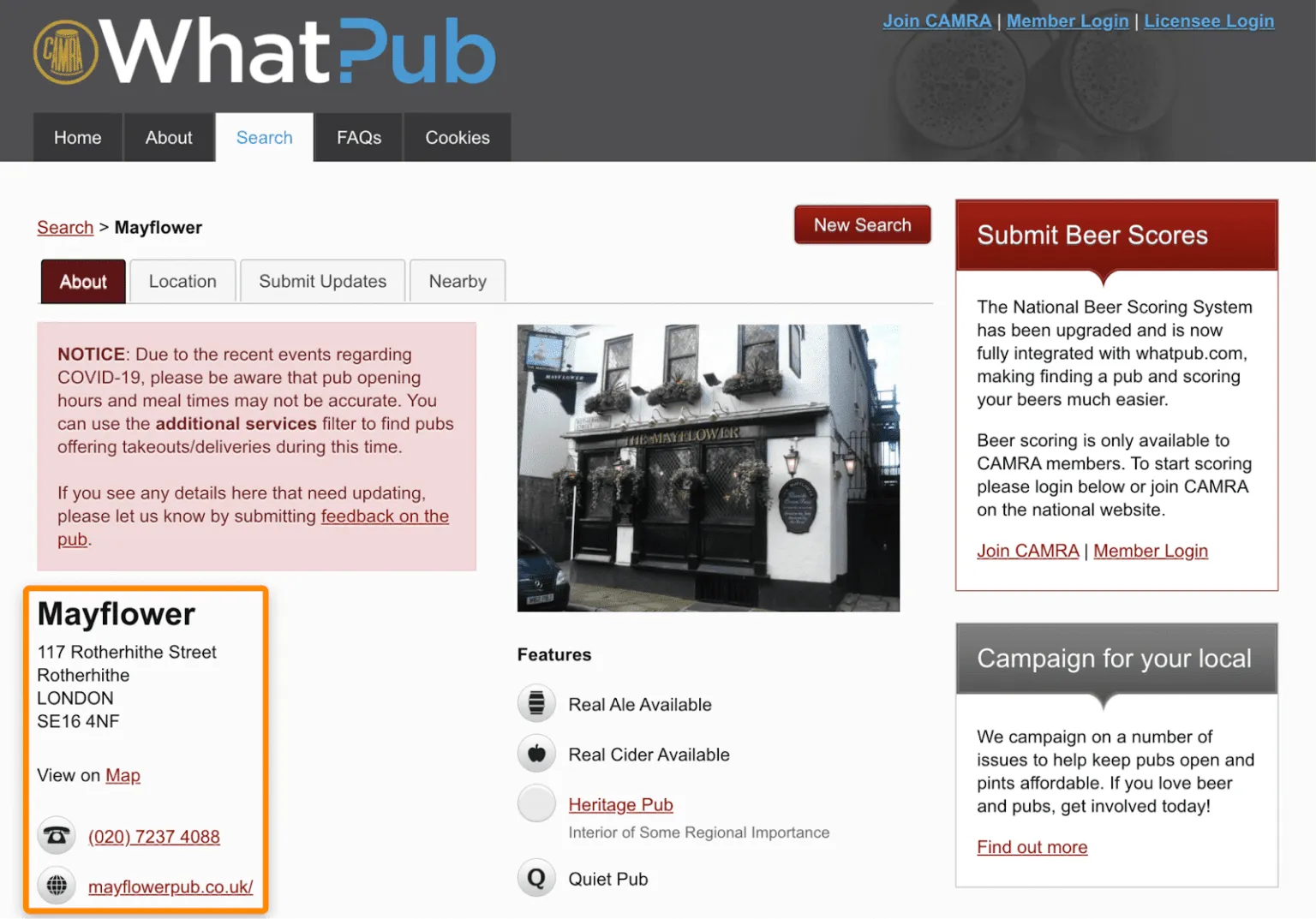
Structured citations are the most common type of local citation. They appear in a standardized format on business directories, listing platforms, and databases where your business details are clearly organized into specific fields.
These listings typically include:
- Business name
- Address
- Phone number
- Website URL
- Business category
- Operating hours
Because structured citations follow a consistent format, they are easy for search engines to read, compare, and verify. This makes them a strong and reliable ranking signal in local SEO.
Common examples of structured citation sources include:
- Online business directories
- Map-based platforms
- Review websites
- Industry-specific listing sites
Structured citations are especially valuable because they provide clear, consistent data that helps search engines confirm your business identity and location. They also often allow users to take direct actions, such as calling your business, visiting your website, or getting directions.
To maximize their effectiveness, businesses should focus on:
- Submitting to high-authority and relevant platforms
- Completing all available fields in each listing
- Keeping information accurate and up to date
2. Unstructured Citations
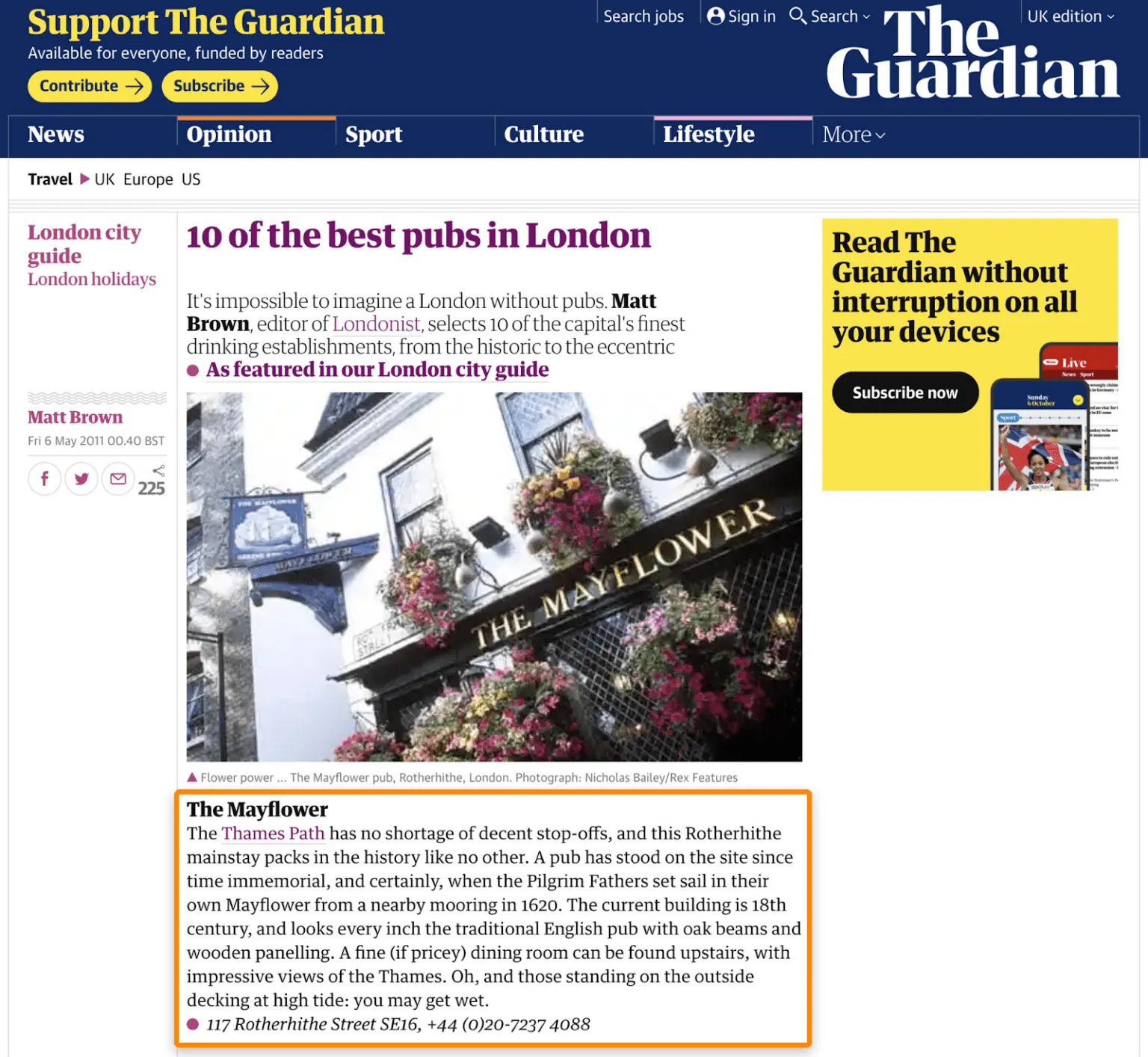
Unstructured citations are mentions of your business that appear in a less formal or standardized way. Unlike structured citations, they are not confined to specific fields or directories.
These citations can appear in:
- Blog posts
- News articles
- Press releases
- Social media mentions
- Online forums
For example, a local blog writing about “the best restaurants in town” and mentioning your business name and location would count as an unstructured citation—even if it doesn’t include a full NAP format or a link.
While unstructured citations may seem less direct, they are still highly valuable. They contribute to your overall online presence and help search engines understand your business’s relevance within a local context.
Key benefits of unstructured citations include:
- Contextual relevance: They often appear alongside related topics, strengthening your association with specific services or locations.
- Brand exposure: They introduce your business to new audiences through content-driven platforms.
- Authority signals: Mentions on reputable websites or media outlets can enhance your credibility.
In modern local SEO, a balanced approach works best. Structured citations build a strong foundation of accurate data, while unstructured citations add depth, context, and authority to your online presence.
How to Build Local Citations Effectively in 5 Steps

Building local citations is not just about listing your business across as many platforms as possible—it’s about doing it strategically, accurately, and consistently. A well-executed citation strategy strengthens your local SEO foundation, improves visibility, and ensures your business information is trustworthy across the web.
Below is a detailed, step-by-step approach to building local citations effectively in today’s SEO landscape.
1. Identify Relevant Platforms
The first step in citation building is choosing the right platforms. Not all directories or websites carry the same value, and listing your business on irrelevant or low-quality sites can do more harm than good.
Start by focusing on high-authority and widely trusted platforms. These include general business directories, map services, and well-known listing sites. These platforms are often the first places search engines check when verifying your business information.
Next, look for industry-specific directories. For example, a restaurant should prioritize food and review platforms, while a legal firm should focus on legal directories. These niche platforms send stronger relevance signals to search engines because they are closely aligned with your business category.
You should also consider location-based platforms, such as local directories, regional business listings, and community websites. These help reinforce your geographic relevance and strengthen your presence in a specific area.
When identifying platforms, keep these factors in mind:
- Domain authority and credibility
- Relevance to your industry
- Popularity among your target audience
- Ability to provide complete business information
A focused approach—prioritizing quality over quantity—will deliver far better results than submitting your business to hundreds of low-value directories.
2. Claim and Verify Business Listings
Once you’ve identified the right platforms, the next step is to claim and verify your business listings. Many directories may already have partial or auto-generated listings for your business, especially if your business has been mentioned online before.
Claiming your listing gives you control over the information displayed. Verification ensures that you are the legitimate owner of the business and allows you to manage updates, respond to reviews, and access additional features.
Verification methods vary by platform but commonly include:
- Phone verification (via call or SMS)
- Email confirmation
- Postcard verification sent to your business address
- Domain or website verification
Completing this step is crucial because unclaimed listings can contain outdated or incorrect information, which can negatively affect your local SEO.
Additionally, claimed and verified listings often perform better in search results because they are considered more trustworthy. They also allow you to enhance your profile with additional details such as:
- Business categories
- Photos and videos
- Operating hours
- Services and products
This not only improves your search visibility but also increases user engagement and conversions.
3. Ensure Absolute Accuracy
Accuracy is the backbone of successful citation building. Even the smallest inconsistency in your business information can weaken your SEO efforts and create confusion for both search engines and customers.
Your NAP (Name, Address, Phone number) must be identical across all platforms. This includes formatting, spelling, abbreviations, and punctuation. For example, using “Ave” on one listing and “Avenue” on another can create inconsistencies that dilute your credibility.
Beyond NAP, you should also ensure consistency in:
- Website URL
- Business description
- Categories and services
- Opening hours
- Email address
To maintain absolute accuracy:
- Create a master document with your standardized business information
- Use this document whenever submitting or updating listings
- Avoid making changes without updating all platforms simultaneously
It’s also important to regularly audit your citations. Over time, data aggregators, third-party edits, or platform updates can introduce errors or duplicates. Conducting periodic checks helps you identify and correct these issues before they impact your rankings.
In today’s search environment, search engines prioritize data reliability. Accurate and consistent information strengthens your authority and improves your chances of appearing in local search results.
4. Track and Monitor
Building citations is not a one-time task—it’s an ongoing process that requires continuous tracking and monitoring. Without proper oversight, your listings can quickly become outdated, duplicated, or inconsistent.
Tracking allows you to:
- Identify missing or incomplete listings
- Detect duplicate entries
- Monitor changes made by third parties
- Ensure consistency across all platforms
You can track citations manually by maintaining a spreadsheet of all your listings, including login details, URLs, and status updates. However, as your business grows, this process can become time-consuming and complex.
That’s why many businesses use tools or systems to automate monitoring. These tools help:
- Scan the web for existing citations
- Highlight inconsistencies or errors
- Track performance and visibility
- Alert you to new or duplicate listings
Monitoring also includes keeping your information up to date. Any changes—such as a new phone number, address, or business hours—must be reflected across all platforms immediately. Failing to update listings can lead to lost customers and reduced trust.
Additionally, tracking helps you measure the effectiveness of your citation strategy. By analyzing which platforms drive traffic, calls, or engagement, you can refine your efforts and focus on the most impactful sources.
5. Consider a Local Citation Builder Or Specialist
While it’s possible to manage citations manually, it can be a time-intensive and detail-oriented process—especially for businesses with multiple locations or a large online presence.
This is where local citation builders or specialists come in. These professionals or services are designed to streamline the process, ensuring accuracy, consistency, and efficiency at scale.
A citation builder or specialist can help with:
- Identifying high-quality and relevant platforms
- Submitting and optimizing listings
- Fixing inconsistencies and duplicates
- Managing updates across multiple directories
- Monitoring and maintaining citations over time
Using a professional service is particularly beneficial if:
- You lack the time or resources to manage citations manually
- Your business operates in multiple locations
- You need to clean up inconsistent or duplicate listings
- You want faster and more scalable results
However, not all services are equal. When choosing a citation builder or specialist, consider:
- Their experience and track record
- The quality of platforms they use
- Whether they focus on manual submissions or automation
- Their approach to accuracy and consistency
Even if you choose to outsource, it’s important to stay involved. Provide accurate business information, review submissions, and ensure that your brand is represented correctly across all platforms.
4 Common Mistakes to Avoid in Local Citation Building

Even with a solid strategy in place, many businesses undermine their local SEO efforts by making avoidable citation mistakes. These errors can confuse search engines, reduce trust signals, and ultimately hurt your visibility in local search results. Understanding and fixing these issues is essential for maintaining a strong and reliable online presence.
1. Duplicate Listings
Duplicate listings occur when the same business appears multiple times on a single platform or across different directories with slightly varied details. This is one of the most common and damaging citation issues.
Duplicates often happen when:
- Listings are auto-generated by platforms
- Businesses re-submit without checking existing entries
- Data aggregators distribute inconsistent information
The problem with duplicates is that they split your authority. Instead of one strong listing, you end up with multiple weaker ones. Search engines may struggle to determine which version is correct, leading to reduced trust and lower rankings.
Duplicates can also frustrate customers. They might encounter outdated contact details or conflicting information, which can lead to missed opportunities or lost business.
How to avoid it:
- Search for existing listings before creating new ones
- Claim and merge duplicate entries whenever possible
- Regularly audit directories to identify and remove duplicates
2. Inconsistent Information
Inconsistent business information—especially your NAP (Name, Address, Phone number)—can significantly weaken your local SEO performance. Even small variations can send mixed signals to search engines.
Common inconsistencies include:
- Different business name formats (e.g., abbreviations vs. full name)
- Old vs. updated addresses or phone numbers
- Variations in formatting (e.g., “Road” vs. “Rd.”)
Search engines rely on consistency to validate your business. When your data doesn’t match across platforms, it creates uncertainty and reduces your credibility.
Impact of inconsistency:
- Lower local search rankings
- Reduced trust from search engines
- Confusion for potential customers
How to avoid it:
- Create a standardized version of your NAP
- Use the same format across all listings
- Update all platforms immediately when changes occur
- Perform regular audits to catch and fix inconsistencies
3. Neglecting Key Platforms
Not all citation sources are equal. One major mistake businesses make is either ignoring important platforms or focusing too much on low-quality directories.
Missing out on key platforms—such as major directories, maps, and industry-specific sites—means losing valuable opportunities to build authority and visibility.
On the other hand, relying heavily on irrelevant or spammy directories can dilute your SEO efforts and may even harm your credibility.
Why this matters:
- High-authority platforms carry stronger ranking signals
- Industry-specific sites improve relevance
- Popular platforms are often where customers actively search
How to avoid it:
- Prioritize well-known and trusted directories
- Focus on platforms relevant to your industry and location
- Avoid low-quality or suspicious listing sites
- Build a balanced citation profile instead of chasing volume
4. Ignoring Updates
Local citations are not a “set it and forget it” task. Businesses frequently make the mistake of creating listings once and never updating them again.
However, business information changes over time. You may:
- Move to a new location
- Change your phone number
- Update business hours
- Add new services
If these updates are not reflected across all your citations, outdated information will spread across the web. This not only confuses customers but also weakens your SEO signals.
Consequences of ignoring updates:
- Loss of customer trust
- Missed calls or visits
- Negative user experience
- Reduced search engine confidence
How to avoid it:
- Update all listings immediately after any business change
- Schedule periodic audits (quarterly or biannually)
- Monitor listings for third-party edits or inaccuracies
- Use tracking tools or services to maintain consistency
Local Citation Building Is a Foundational Pillar of Local SEO Success
Building and maintaining a strong local presence is one of the biggest challenges for small and medium-sized businesses today. Local citation building plays a crucial role in overcoming that challenge by ensuring your business information is accurate, consistent, and easily discoverable by both search engines and potential customers.
Whether you choose to handle citation management yourself or work with a professional team like Pro Real Tech, keeping the following key principles in mind will help you achieve long-term success:
- Prioritize NAP consistency: One of the most effective ways to build trust with search engines and customers is by ensuring your business name, address, and phone number remain identical across every platform.
- Use a mix of structured and unstructured citations: Strengthen your online presence by combining listings on authoritative directories, niche-specific platforms, and organic mentions in blogs, news articles, and local content.
- Conduct regular audits: Periodically reviewing your listings helps you identify and fix inaccuracies before they impact your rankings. A consistent audit system ensures your data remains clean and up to date.
- Avoid common pitfalls: Duplicate listings, incomplete profiles, and ignoring high-value platforms can weaken your overall citation strategy and limit your visibility.
- Stay proactive with updates: Local SEO is an ongoing process. Any changes to your business information—such as address, phone number, or hours—should be updated across all listings without delay.
- Maintain ownership and engagement: Take control of your listings, respond to customer reviews, and stay active within your local community to build trust and credibility.
Mastering local citation building may seem complex at first, but with a structured approach and a strong focus on consistency, it becomes a powerful driver of local SEO growth. When executed correctly, it can significantly boost your visibility, attract more local customers, and generate high-quality leads.
Ready to Grow Your Local Presence?
If you want to save time, avoid costly mistakes, and get faster results, Pro Real Tech can help. From building accurate citations to managing and optimizing your local SEO strategy, our team ensures your business stands out where it matters most.
Get in touch with Pro Real Tech today and take the next step toward dominating your local search results.
Frequently Asked Questions (FAQs) on Local Citation Building
WHAT IS A LOCAL CITATION AND WHY DOES IT MATTER FOR LOCAL SEO?
A local citation is any online mention of your business’s core details—typically your name, address, and phone number. These mentions help search engines verify your business’s legitimacy and location.
They matter because they act as trust signals. The more accurate and consistent your citations are across the web, the more confidence search engines have in your business. This directly influences your ability to rank in local search results and map listings.
HOW MANY LOCAL CITATIONS DOES A BUSINESS NEED TO RANK HIGHER?
There is no fixed number of citations required to rank higher. What matters more is the quality, relevance, and consistency of your citations rather than sheer volume.
A strong strategy focuses on:
- Listing your business on major authoritative platforms
- Building citations on industry-relevant directories
- Maintaining consistent and accurate information
In many cases, a smaller number of high-quality citations can outperform a large number of low-quality ones.
WHAT IS THE DIFFERENCE BETWEEN STRUCTURED AND UNSTRUCTURED LOCAL CITATIONS?
Structured citations appear in organized formats on directories and listing platforms, where your business details are placed in specific fields (like name, address, phone, and website).
Unstructured citations, on the other hand, are informal mentions of your business within content such as blog posts, news articles, or social media. They don’t follow a fixed format but still contribute to your online presence and authority.
Both types are important—structured citations provide clarity and consistency, while unstructured citations add context and credibility.
HOW DO I CHECK IF MY LOCAL CITATIONS ARE ACCURATE?
You can check citation accuracy by conducting a manual audit or using specialized tools.
Manual checks involve:
- Searching your business name online
- Reviewing listings across directories
- Comparing details for consistency
For larger or more complex citation profiles, tools can help:
- Scan the web for your listings
- Identify inconsistencies or duplicates
- Highlight missing or incomplete information
Regular audits are essential to ensure your data remains accurate and up to date.
SHOULD I USE A LOCAL CITATION BUILDER OR MANAGE CITATIONS MANUALLY?
The choice depends on your resources, time, and business size.
Manual management is suitable if:
- You have a small business with limited listings
- You want full control over every submission
- You have time to maintain and update citations regularly
Using a citation builder or specialist is ideal if:
- You manage multiple locations
- You need to scale quickly
- You want to save time and reduce errors
- You need help fixing duplicates and inconsistencies
In many cases, a hybrid approach works best—handling key listings manually while using tools or services to manage scale and ongoing monitoring.
Read More: Marketing Fundamentals: How To Create Your First Strategy


