

Marketing has changed fast in recent years. What worked before does not always work today. In the past, brands planned campaigns months ahead. They fixed budgets, messages, and timelines before launch. Then they waited until the end to review results.
Today, this approach is losing power.
Customers now move quickly. Trends change in days, not months. People switch between apps, devices, and platforms all the time. At the same time, marketing tools now provide real-time data. Brands can see what works and what fails instantly.
Because of this, fixed campaigns struggle to keep up.
Modern marketing is no longer about setting a plan and sticking to it. It is about adjusting, testing, and improving while the campaign is still running. Businesses that fail to adapt often waste budget and miss opportunities.
This shift is why static campaigns are slowly fading. In their place, flexible and data-driven strategies are rising.
What Is Static Marketing?
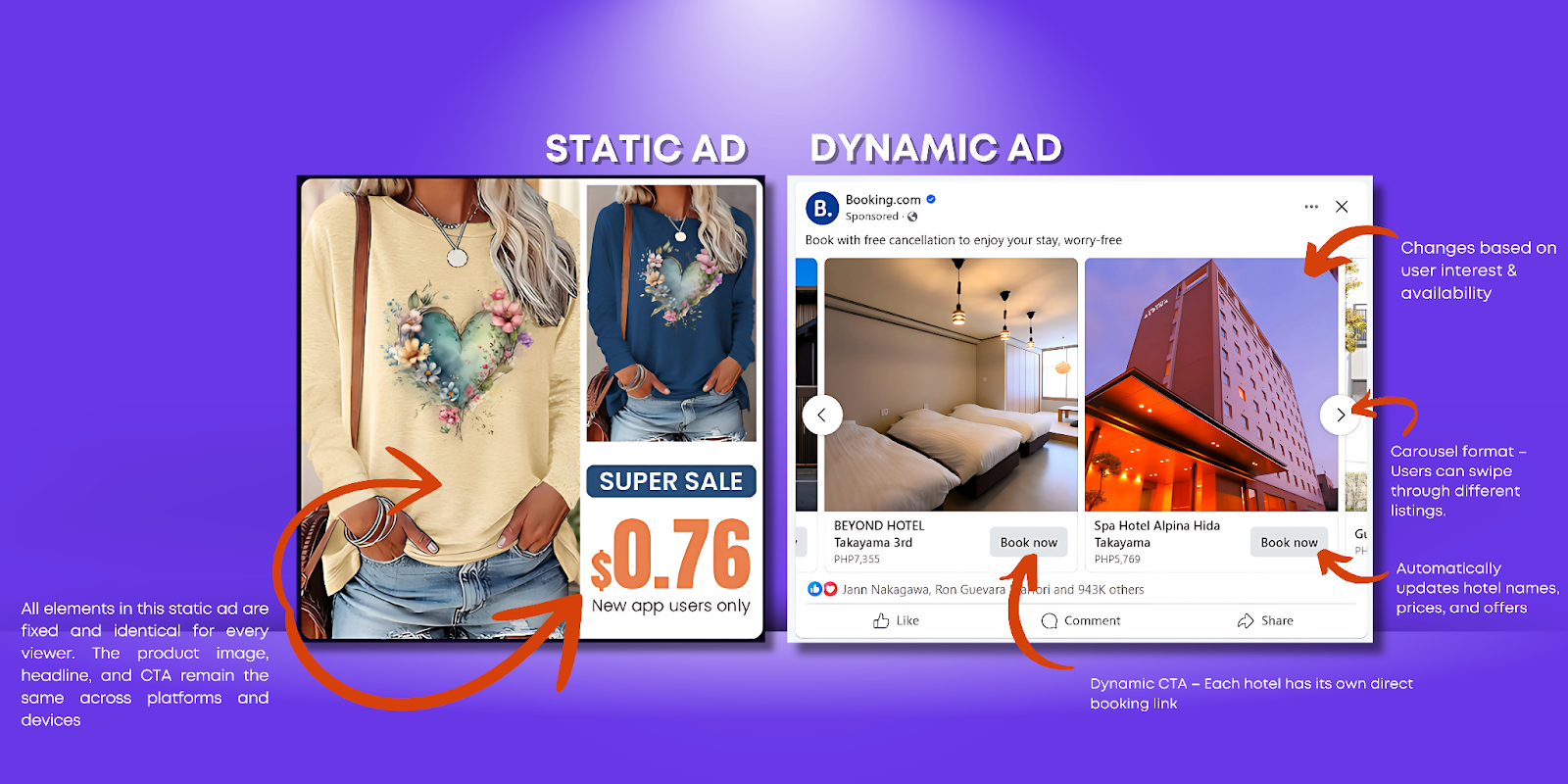
Static marketing is a traditional way of running campaigns. In this method, everything is planned before launch and rarely changes after that.
This includes:
- Fixed campaign timelines
- Pre-approved content and messaging
- Set audience targeting
- Locked budgets
- Performance review after the campaign ends
Once a campaign goes live, it usually stays the same from start to finish.
This approach worked well in the past. Markets were stable, and customer behavior changed slowly. Brands had time to plan and execute without making many adjustments.
But static marketing depends on one big idea — stability.
It assumes that customer needs, platform rules, and market trends will stay the same during the campaign. Today, that assumption is no longer true.
In simple terms, static marketing delivers the same message to everyone and does not adapt to change.
5 Reasons Why Static Campaigns Are Failing
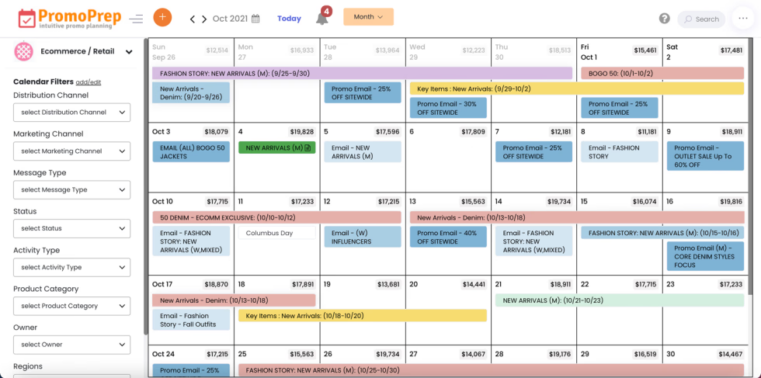
1. Consumer Behavior Shifts Faster Than Campaign Cycles
Customer behavior is not slow anymore. It changes quickly.
People search, compare, and decide faster than ever. Trends on social media can rise and disappear within days. What people care about today may not matter next week.
Static campaigns cannot keep up with this speed.
When a campaign message is fixed weeks before launch, it can become outdated very quickly. By the time the campaign ends, the audience may have already moved on.
This creates a big gap between what brands say and what customers want.
2. Real-Time Signals Go Unused
Modern marketing tools provide constant data. Brands can track clicks, views, engagement, and conversions in real time.
But static campaigns do not use this data properly.
Instead of making changes during the campaign, teams often wait until the end to review results. By then, the budget is already spent.
This delay creates a major problem.
Brands collect valuable insights but fail to act on them when it matters most. Real-time signals are ignored, and opportunities are lost.
3. Platforms Update Algorithms Constantly
Digital platforms change all the time.
Search engines update ranking systems. Social media platforms adjust how content is shown. Paid ads platforms change bidding and targeting rules.
These updates can happen without warning.
A campaign that performs well today may stop working tomorrow. Static campaigns are not built to handle these sudden changes.
Because they are fixed, they cannot adapt quickly. This leads to lower reach, poor engagement, and wasted ad spend.
4. Personalization Is No Longer Optional
Today’s customers expect personalized experiences.
They want content that matches their needs, behavior, and interests. Generic messages no longer work well.
Static campaigns usually send the same message to everyone. This one-size-fits-all approach feels less relevant to users.
On the other hand, modern marketing uses data to personalize content. It adjusts messages based on user behavior, location, or preferences.
Because of this shift, static campaigns often fail to connect with audiences in a meaningful way.
5. Competitors Optimize Continuously
Competition has become smarter and faster.
Many brands now use adaptive strategies. They test different ads, adjust targeting, and move budgets while campaigns are still running.
This gives them a strong advantage.
While one brand waits for results at the end, another brand is already improving performance in real time.
This creates a performance gap.
Static campaigns stay the same, but competitors keep getting better every day. Over time, this makes static strategies less effective and less competitive.
These changes show a clear pattern. Marketing is no longer about fixed plans. It is about speed, flexibility, and continuous improvement.
4 Strategic Shifts Replacing Static Campaigns
The fall of static campaigns has opened the door for smarter and more flexible strategies. Modern marketing is no longer built on fixed plans. Instead, it focuses on constant learning, fast adjustments, and better use of data.
Here are the four key shifts that are replacing static campaigns today.
1. Real-Time Analytics and Performance Dashboards
Modern marketing starts with visibility.
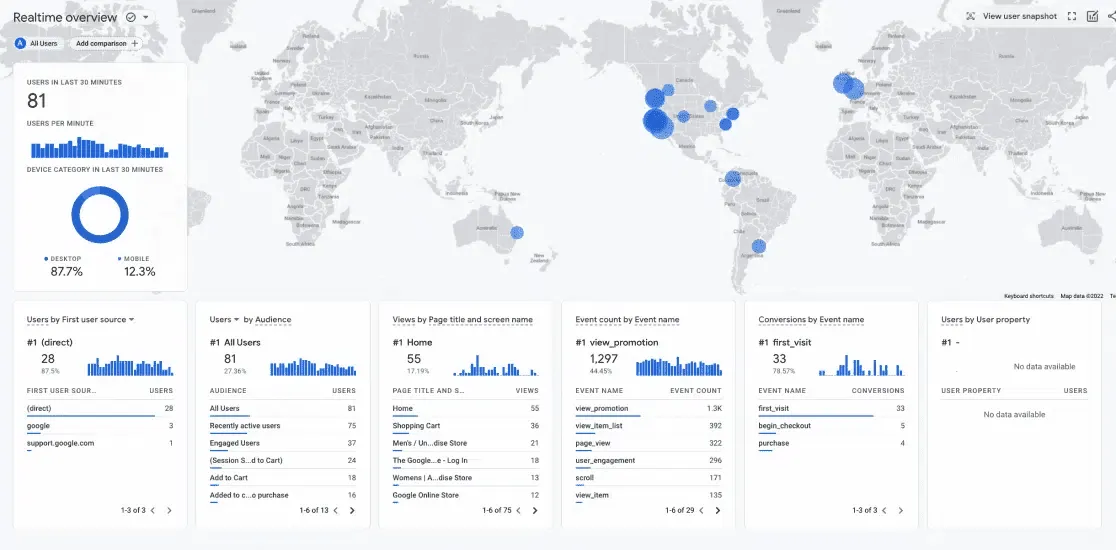
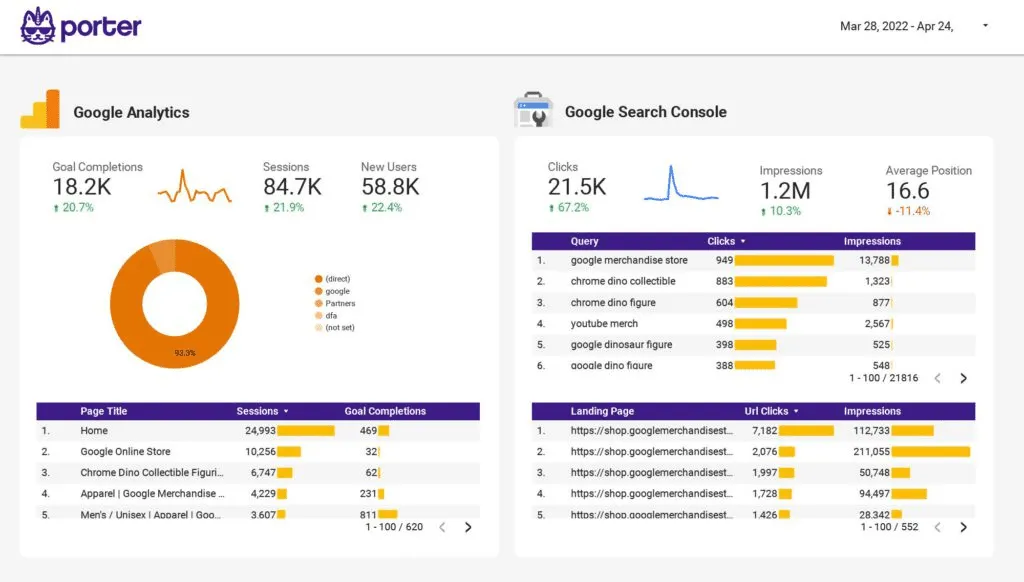
Instead of waiting until the end of a campaign, brands now track performance while the campaign is still running. Real-time dashboards show important data like clicks, conversions, engagement, and drop-off points.
This changes everything.
Marketers can quickly see what is working and what is not. If a campaign is underperforming, they can adjust it immediately. This reduces wasted budget and improves results.
Real-time analytics also shortens the feedback loop. Decisions are no longer delayed. They happen instantly based on live data.
In simple terms, brands move from guessing to knowing.
2. Behavioral Segmentation and Dynamic Targeting Marketing
Traditional campaigns often target people based on basic details like age, gender, or location. But this is no longer enough.
Modern marketing uses behavior to guide decisions.
This means brands look at:
- What pages users visit
- What content they engage with
- What products they view
- How they move through the buying journey
Based on this data, audiences are grouped and targeted in a smarter way.
For example, a user who visits a product page may see different ads than someone who only reads a blog post. The message changes based on intent.
Dynamic targeting makes campaigns more relevant and timely. It replaces assumptions with real actions.
3. Adaptive Content and Personalization
Today, people expect content that feels personal.
Static campaigns send the same message to everyone. But modern marketing adapts content based on user behavior, preferences, and context.
This is where adaptive content comes in.
Dynamic marketing allows:
- Personalized emails
- Custom website experiences
- Tailored ads based on user actions
- Product recommendations based on past behavior
This approach creates better engagement because the content feels more useful and relevant.
Dynamic marketing uses real-time data and automation to deliver the right message at the right moment.
Instead of one message for all, brands now create many variations for different users.
4. Continuous Testing and Optimization
Static campaigns follow a fixed path. Once launched, they rarely change.
Dynamic marketing works differently.
It focuses on continuous improvement.
Brands now:
- Test different ad creatives
- Experiment with headlines and visuals
- Adjust targeting during campaigns
- Shift budgets toward high-performing channels
This process is often called A/B testing or multivariate testing.
The goal is simple: keep improving while the campaign is live.
Instead of waiting for final reports, marketers learn and optimize every day. This leads to better performance over time.
In modern marketing, success is not about launching the perfect campaign. It is about improving it constantly.
4 Ways Brands Can Move From Static to Dynamic Marketing
Moving away from static marketing is not just about tools. It requires a shift in mindset, strategy, and systems.
Here are four practical ways brands can make this transition.
1. Audit Your Campaign Structure
The first step is to review how current campaigns are built.
Many brands still follow outdated models:
- Fixed timelines
- Pre-set budgets
- No mid-campaign changes
- Limited performance tracking
An audit helps identify these gaps.
Ask simple questions:
- Can this campaign be adjusted while running?
- Are we using real-time data?
- Do we review performance only at the end?
This step helps brands understand where they stand and what needs to change.
2. Improve Data Integration
Dynamic marketing depends on data.
But many businesses have data spread across different tools. This creates silos.
For example:
- Website data in one platform
- Email data in another
- Ad data somewhere else
To move forward, brands must connect these systems.
When data is integrated:
- Teams get a complete view of the customer
- Campaign decisions become more accurate
- Personalization becomes easier
Real-time data integration allows faster and smarter marketing decisions.
3. Shift KPIs Toward Continuous Performance
Static campaigns often focus on final results.
Metrics like:
- Total conversions
- Campaign ROI
- End-of-period performance
While these are important, they are not enough.
Dynamic marketing focuses on ongoing performance.
This includes:
- Daily engagement trends
- Conversion rate changes
- Cost per acquisition in real time
- Drop-off points during campaigns
This shift helps teams act faster.
Instead of asking “Did this campaign work?”, brands start asking “How can we improve it right now?”
4. Invest in Automation and Adaptive Systems
Manual marketing processes slow everything down.
Dynamic marketing relies on automation to move fast.
Automation tools help with:
- Trigger-based emails
- Real-time ad adjustments
- Personalized content delivery
- Data tracking and reporting
These systems allow campaigns to respond automatically to user behavior.
For example:
- A user abandons a cart → gets a reminder email
- A user clicks an ad → sees a related offer
- A campaign performs well → budget increases automatically
Automation makes marketing scalable, faster, and more efficient.
It also reduces human delay in decision-making.
Frequently Asked Questions (FAQs) On Static Campaigns
WHAT IS STATIC MARKETING?
Static marketing is a traditional approach where campaigns are planned, launched, and executed with little or no changes during their run.
It includes fixed budgets, pre-approved content, and set timelines. Once the campaign goes live, it usually stays the same until it ends.
This method assumes that market conditions will remain stable, which is no longer true in today’s fast-moving environment.
WHAT IS DYNAMIC MARKETING?
Dynamic marketing is a flexible approach that uses real-time data, automation, and personalization.
It allows brands to:
- Adjust campaigns while they are running
- Personalize content for different users
- Respond to customer behavior instantly
Instead of using one message for all, dynamic marketing delivers tailored experiences based on user actions and preferences.
WHAT IS THE DIFFERENCE BETWEEN STATIC MARKETING AND AGILE MARKETING CAMPAIGNS?
The main difference is flexibility.
Static marketing:
- Follows a fixed plan
- Uses the same message for everyone
- Reviews performance after completion
Agile (dynamic) marketing:
- Adapts in real time
- Uses data to guide decisions
- Continuously improves performance
Static campaigns rely on assumptions. Agile campaigns rely on live data and quick adjustments.
WHY ARE STATIC MARKETING CAMPAIGNS LOSING EFFECTIVENESS?
Static campaigns are losing effectiveness because the marketing environment has changed.
Key reasons include:
- Customer behavior changes quickly
- Platforms update algorithms often
- Real-time data is not used properly
- Personalization is now expected
Static campaigns are built on stability, but today’s market is fast and unpredictable.
As a result, these campaigns often become outdated before they finish.
HOW CAN BRANDS TRANSITION TO A DYNAMIC MARKETING STRATEGY?
Brands can move to dynamic marketing by taking a step-by-step approach:
- Review current campaign structure
- Connect and integrate data sources
- Focus on real-time performance metrics
- Use automation tools for faster execution
The goal is to build a system that can adapt, learn, and improve continuously.
Dynamic marketing is not about constant change without direction. It is about making smart adjustments based on real data.
Read More: 7 Customer Acquisition Strategies That Drive Sustainable Revenue Growth in 2026


