


The digital world is vast and continuously expanding. There are numerous ways to interact with potential customers – social media platforms, websites, email, paid advertising, SEO, and more. Each of these channels offers unique benefits but often works in silos, limiting their potential impact. An integrated digital strategy, however, takes a holistic approach to digital marketing. This strategy is designed to combine the best elements of various channels to create a seamless customer experience.
Integration doesn’t just refer to using multiple platforms. It’s about unifying the messages, content, and experiences customers have as they move between different touchpoints. Whether they’re reading a blog post, watching a video, receiving an email, or interacting with a brand on social media, the experience should feel connected, personal, and consistent. By creating a strategy that links all these pieces together, businesses can ensure they deliver a clear, cohesive, and unified message to their audience.
Why Integration Isn’t Optional
Today, a fragmented approach to digital marketing is simply inadequate. Consumers are interacting with brands across multiple touchpoints, and the experience they have on one platform can influence their perceptions of the brand across others. Here’s why integration is no longer optional but essential:
-
Improved Customer Experience: Integration ensures that customers have a consistent experience across different channels, reducing friction and confusion. A unified approach leads to clearer communication, smoother transitions between touchpoints, and more satisfaction. Customers appreciate when a brand feels cohesive, not disjointed.
-
More Effective Data Utilization: When digital marketing channels operate in isolation, the data they produce often remains disconnected. An integrated strategy brings together data from different platforms, offering a comprehensive view of customer behavior and preferences. This enables businesses to make data-driven decisions, optimize campaigns, and personalize content more effectively.
-
Better Resource Allocation: Fragmented strategies often lead to wasted efforts. When teams work independently on separate channels, it’s easy to overlap efforts or miss opportunities. Integration helps streamline resources, ensuring that each channel works together to achieve a common goal. This results in a more cost-effective marketing approach.
-
Greater Brand Trust and Credibility: When your messaging is consistent across various channels, customers develop a stronger sense of trust in your brand. They know what to expect, and they begin to rely on your brand for a consistent experience. Trust is critical in today’s competitive marketplace, and a unified approach fosters that trust.
Weaving Channels into a Unified Journey
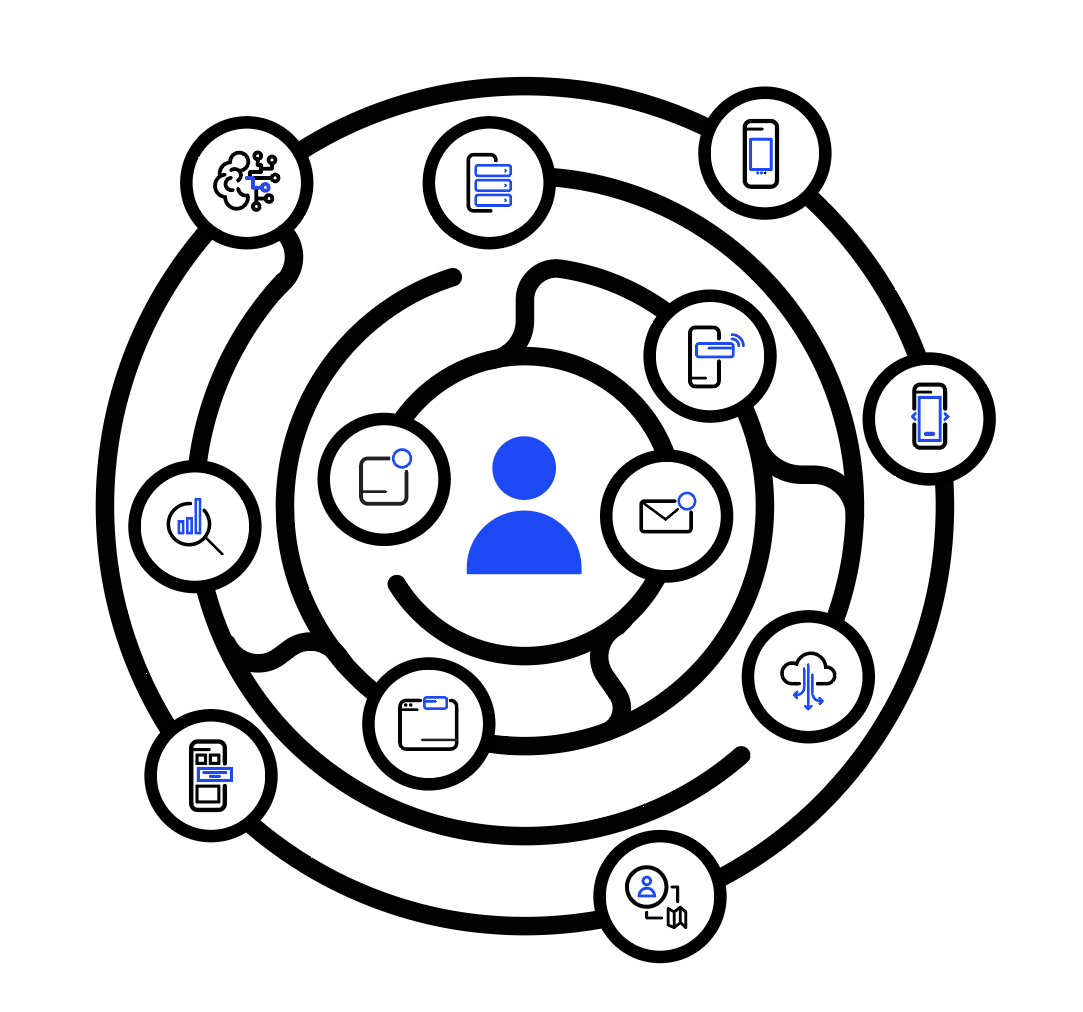
Digital marketing isn’t about simply using every channel available. It’s about understanding the customer journey and ensuring that every touchpoint is strategically placed along that path. A unified journey ensures that each interaction adds value and supports the overall objective. Here’s how to effectively weave your channels together:
-
Mapping the Customer Journey: The customer journey is the process a customer goes through when engaging with your brand, from initial awareness to final purchase (and beyond). Mapping this journey is crucial to understanding how each channel can play a role in guiding the customer along the way. Create a map of the stages your customers go through, such as Awareness, Consideration, Decision, and Retention. Then, define the key touchpoints where your brand interacts with them at each stage. This helps identify which channels need to be integrated at which points to maximize engagement.
-
Cross-Channel Consistency: When a customer interacts with your brand, whether through an Instagram post, a Google search, an email, or a website visit, they should encounter the same messaging, tone, and design. If a visitor experiences one message on social media but a completely different one on your website, they may get confused or lose trust in your brand. By aligning your messaging, visuals, and voice across all channels, you create a seamless experience that reinforces your brand’s identity.
-
Content Repurposing and Distribution: One of the best ways to maximize content effectiveness is by repurposing it across different channels. For example, a detailed blog post can be broken down into smaller pieces of content for email campaigns, social media posts, and even videos or infographics. Repurposing content not only saves time but ensures that your message is reaching as many potential customers as possible without having to create new content for each platform.
Anchoring Your Brand Across Touchpoints
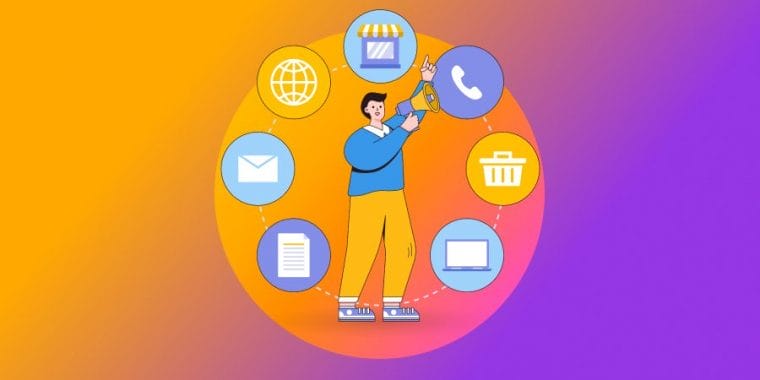
Brand consistency is essential when creating an integrated strategy. A unified approach helps anchor your brand at every touchpoint, ensuring that customers instantly recognize your business, regardless of the platform or device they’re using.
-
Visual Identity: A strong, recognizable visual identity forms the foundation of a cohesive brand. This includes your logo, color scheme, typography, and other visual elements. Ensure that your visual identity is consistent across every digital asset, from your website to your social media profiles. A strong visual presence reinforces brand recognition and sets you apart from competitors.
-
Brand Voice: Just as important as visual identity, the tone of your brand voice should be consistent across all channels. Whether you’re writing blog posts, social media captions, or email newsletters, your brand should speak with a unified voice. For example, if your brand has a friendly, conversational tone, this should be reflected in every piece of content, creating familiarity and building a connection with your audience.
-
Customer-Centric Messaging: Ultimately, your audience is the heart of your brand. Every touchpoint, from your website to your social media profiles, should focus on addressing customer pain points and providing solutions. Customers should always feel like your brand is designed with their needs in mind, whether they’re researching a product, comparing options, or making a purchase. By keeping your messaging customer-centric, you create a stronger emotional connection with your audience.
Measuring the Harmonized Effort

Once you’ve implemented your integrated digital strategy, measuring its success is crucial to optimizing and refining your efforts. Without proper measurement, it’s impossible to know whether your strategy is working or how to improve it. Here’s how to measure the harmonized effort of your strategy:
-
Set Clear KPIs: Key performance indicators (KPIs) are essential for evaluating the success of your integrated strategy. These metrics will vary depending on your business goals but might include metrics like website traffic, social media engagement, lead generation, conversion rates, and sales. Be sure to define clear KPIs for each channel and how they contribute to the overall strategy.
-
Use Multi-Channel Analytics: Utilize analytics tools like Google Analytics, HubSpot, or SEMrush to track performance across all channels. These tools provide insights into how your website, social media, email, and paid ads are performing. Look at how different channels are contributing to your KPIs and whether there are any correlations between them. This data can help you determine which channels are most effective and which need improvement.
-
Leverage Customer Feedback: While quantitative data is essential, qualitative data is equally valuable. Gather feedback from customers through surveys, reviews, and social media comments to understand their perceptions of your brand. This feedback can offer insights into how well your strategy is resonating with your audience and identify areas for improvement.
-
Attribution Models: Attribution models allow you to track which channels are contributing the most to conversions. By using tools like Google Analytics or attribution software, you can assign value to different touchpoints along the customer journey. This helps you understand which channels are working together most effectively to drive results.
Where AI Fits In: Smarter Analysis and Guided Content Creation
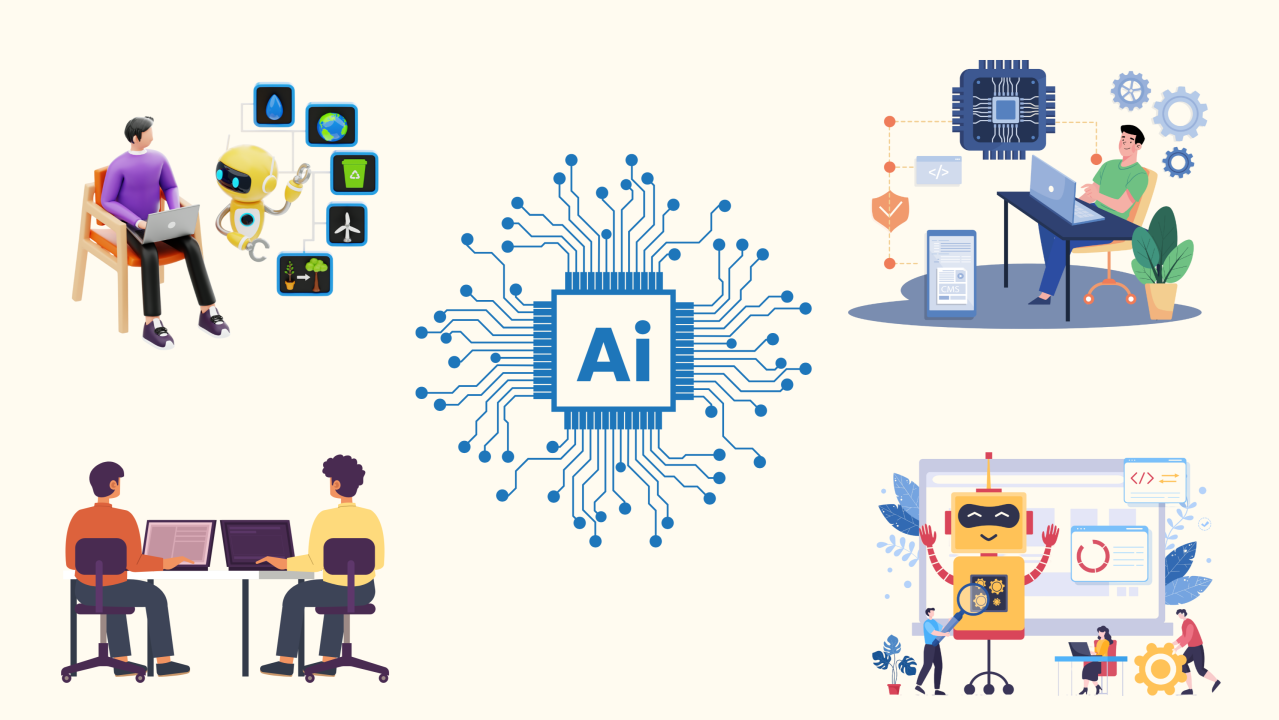
Artificial intelligence is transforming the way businesses approach digital marketing. AI-powered tools enable smarter analysis, guided content creation, and automation that can significantly enhance the effectiveness of your integrated strategy.
-
Smarter Analysis: AI can process vast amounts of data in real-time, offering insights that humans might miss. Whether it’s analyzing customer behavior, predicting trends, or identifying patterns, AI helps marketers make more informed decisions. Tools like Google Analytics and AI-driven platforms provide predictive analytics that can optimize campaigns before they even begin.
-
Personalization at Scale: Personalization is one of the key benefits of AI. With machine learning, you can analyze customer behavior and deliver hyper-personalized content and offers. AI allows you to automate the delivery of personalized emails, product recommendations, and dynamic website content based on individual customer preferences, improving engagement and conversion rates.
-
Content Creation: AI tools like Jasper and GPT-4 can help create content at scale. From blog posts to social media posts and even video scripts, AI can assist in generating copy that’s both relevant and high-quality. Although human oversight is still necessary, AI tools can significantly reduce the time spent on content creation and help maintain a consistent voice across all channels.
-
Task Automation: Many of the repetitive tasks involved in running an integrated strategy can be automated with AI. From scheduling posts to sending emails to tracking campaign performance, AI tools can take over routine tasks, freeing up your team to focus on more strategic efforts.
Scaling Your Integrated Strategy
As your business grows, your digital strategy must scale as well. A well-implemented integrated strategy should be flexible enough to expand with your business needs. Here are ways to scale your digital strategy:
-
Expanding to New Channels: As new platforms emerge, it’s important to stay ahead of the curve. For example, if your business hasn’t yet embraced TikTok, now may be the time to explore how it fits into your digital strategy. Integrating new platforms early can give you a competitive advantage and help you reach new audiences.
-
Repurposing Content for Larger Audiences: Repurposing content into different formats for different platforms ensures that your message reaches a broader audience. A single blog post can be turned into a podcast, video, infographic, or social media post, all of which can be used to engage different segments of your audience.
-
Increasing Automation: As you scale your campaigns, automation tools become more essential. Marketing automation platforms like HubSpot, Mailchimp, and Buffer can help you schedule posts, track customer behavior, and send targeted messages at the right time without needing constant manual oversight.
-
Test, Analyze, and Optimize: Scaling requires constant testing. Use A/B testing to evaluate which strategies work best and continually optimize your campaigns. Monitor performance and refine your approach to maintain success as your business grows.
5 Practical Steps to Get Started Today
To begin implementing your integrated digital strategy, follow these five actionable steps:
1. Audit Your Channels in One Sitting
Perform a thorough audit of your current digital channels, including social media, email marketing, SEO, paid advertising, and your website. Review how each channel is performing and identify any inconsistencies in messaging, design, or branding. This audit will provide the foundation for your integrated strategy.
2. Create a One-Page Journey Map
Map out the customer journey in a simple, easy-to-follow format. Outline the steps customers take, from becoming aware of your brand to making a purchase or conversion. Include the key touchpoints, such as your website, social media, and emails, and align them with relevant content at each stage of the journey.
3. Set Up a Shared Dashboard
Create a central, shared dashboard where all team members can access real-time performance data. This could be done through tools like Google Data Studio or HubSpot. A shared dashboard allows everyone to track the success of each channel and collaborate more effectively on future campaigns.
4. Run a Mini Integrated Campaign
To test your strategy, run a small-scale integrated campaign that utilizes multiple channels. Use one core message or piece of content and distribute it across your social media platforms, email list, and website. Monitor how each channel contributes to conversions and use this data to refine your strategy.
5. Document and Refine
After your mini campaign, document the results. What worked? What didn’t? Use this information to refine your strategy, making necessary adjustments. Keep track of your learnings to improve future campaigns and ensure long-term success.
The Final Note
Creating an integrated digital strategy requires careful planning, execution, and ongoing optimization. By aligning all of your digital efforts – from content to channels to customer journey – you can create a seamless experience that resonates with your audience and drives results. Start with a solid foundation, continually refine your approach, and scale your efforts to stay ahead in the fast-evolving digital landscape.
Read More: How Is AI Transforming Local SEO?


