

In today’s fast-paced digital world, video marketing isn’t just an option—it’s a necessity. With attention spans shrinking and competition soaring, brands need a powerful way to capture interest, build trust, and drive engagement. Enter video content: the ultimate tool for storytelling, connection, and conversion.
From bite-sized social media clips to polished brand documentaries, video has the unique ability to humanize your brand, simplify complex messages, and evoke emotions—something text and static images often struggle to achieve. Whether you’re a startup or an established business, leveraging video can boost visibility, strengthen customer relationships, and ultimately, grow your revenue.
But where do you start? What types of videos work best? And how can you create high-impact content without a Hollywood budget? This guide will break down why video works, debunk common myths, and provide actionable strategies to help you harness the power of video marketing—starting today.
Ready to roll? Let’s dive in. 🎬
Why Video Works (a.k.a. Why Everyone’s Obsessed)
Video has taken over the digital landscape, and for good reason. It’s not just a trend—it’s a fundamental shift in how people consume content. Here’s why video marketing is so effective:
1. Our Brains Are Wired for Visual Stories
Humans process visuals 60,000 times faster than text. Video combines movement, sound, and emotion, making it the most engaging way to deliver a message. It taps into our natural preference for storytelling, helping brands create deeper connections.
2. Higher Engagement & Retention
Social media algorithms favor video, especially short-form content. Platforms like Instagram, TikTok, and YouTube prioritize videos, leading to higher reach and engagement rates. Plus, viewers retain 95% of a message when they watch it in a video, compared to just 10% when reading it.
3. Builds Trust Faster
Seeing a real person—whether it’s a CEO, employee, or satisfied customer—makes a brand feel more authentic. Behind-the-scenes clips, testimonials, and live Q&As humanize businesses, breaking down the corporate barrier and fostering trust.
4. Boosts Conversions & Sales
Product videos can increase purchases by 144%. Whether it’s a demo, tutorial, or customer testimonial, video helps shoppers make confident decisions, reducing hesitation and cart abandonment.
5. Works Across All Platforms
From YouTube to LinkedIn, video fits everywhere. Whether it’s a 60-second TikTok, a long-form webinar, or a Facebook Live session, video adapts to every platform and audience preference.
Myths About Video (and Why They’re Wrong)
Many brands hesitate to dive into video because of misconceptions. Let’s debunk the biggest myths:
Myth 1: “You Need a Big Budget”
Reality: Smartphone cameras today shoot in 4K, and free editing tools (like CapCut or iMovie) make professional-quality videos possible without expensive gear. Authenticity often beats high production value.
Myth 2: “Long Videos Perform Better”
Reality: Attention spans are short. 60% of viewers stop watching after 2 minutes. Short, snappy videos (under 60 seconds) often outperform long ones on social media.
Myth 3: “Videos Are Only for B2C Brands”
Reality: B2B buyers also prefer video. Explainer videos, case studies, and webinars help simplify complex services. 70% of B2B buyers watch videos during their research process.
Myth 4: “You Need to Go Viral to Succeed”
Reality: Consistency beats virality. Regular, valuable content builds a loyal audience over time. Even a small but engaged viewership drives better ROI than one viral hit.
Myth 5: “Live Video Is Too Risky”
Reality: Imperfections make live videos relatable. Audiences appreciate real-time interaction, and platforms prioritize live content, giving it extra reach.
How to Create Effective Videos (Filming with a Phone)
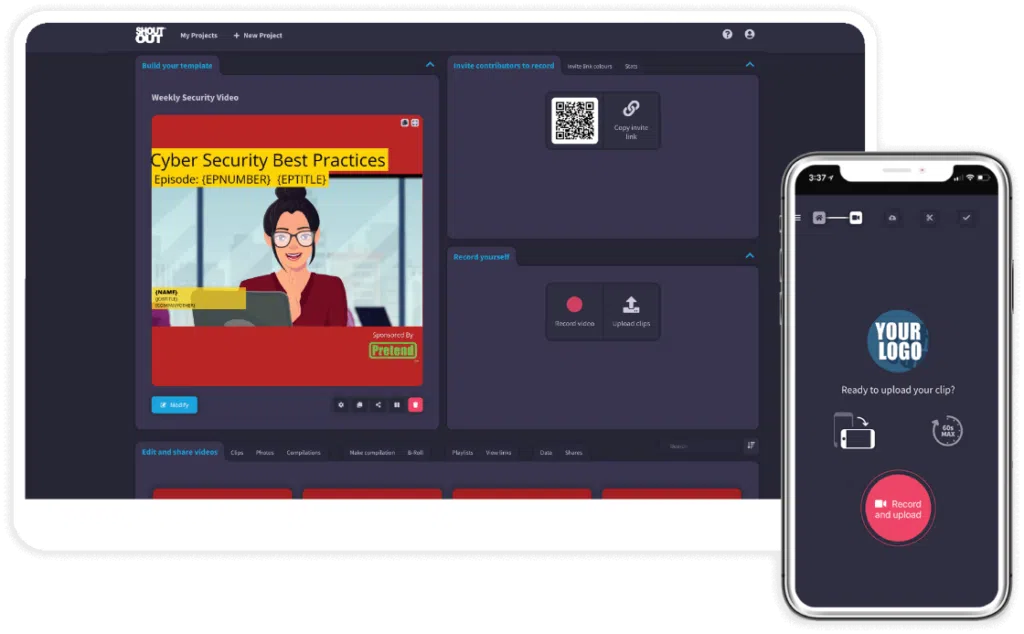
Creating professional-quality videos doesn’t require expensive equipment. With just your smartphone and these techniques, you can produce engaging content that resonates with your audience.
1. Optimize Your Phone Settings
-
Resolution: Shoot in at least 1080p (or 4K if your phone supports it)
-
Frame rate: Use 30fps for standard videos or 60fps for smoother motion
-
Storage: Clear space and use cloud backup to avoid interruptions
-
Grid lines: Enable the camera grid for better composition (rule of thirds)
2. Master Lighting Techniques
-
Natural light is your best friend – face windows or shoot outdoors during golden hour
-
Avoid harsh overhead lighting that creates unflattering shadows
-
Use a simple reflector (white foam board works) to bounce light onto your subject
3. Stabilize Your Shots
-
Use both hands to hold your phone horizontally (landscape mode)
-
Lean against walls or furniture for steadier shots
-
Invest in an affordable smartphone tripod or gimbal for smooth movement
4. Capture High-Quality Audio
-
Film in quiet environments and minimize background noise
-
Get close to your subject (within 3 feet for best results)
-
Consider a lavalier microphone that plugs into your phone’s headphone jack
5. Follow Basic Composition Rules
-
Keep the camera at eye level for most shots
-
Leave “headroom” above your subject
-
Maintain consistent spacing in your frame
6. Edit Like a Pro (Using Free Apps)
-
Trim unnecessary footage to keep videos concise
-
Add subtle transitions between clips
-
Include text overlays for key points
-
Use royalty-free background music to enhance mood
“Day in the Life” and “On-the-Go” Style
Authentic, behind-the-scenes content performs exceptionally well across platforms. Here’s how to master these engaging formats:
Why These Styles Work
-
Builds personal connections with your audience
-
Shows the human side of your brand
-
Requires minimal scripting or production
-
Performs well on Instagram Stories, TikTok, and Reels
Creating Effective “Day in the Life” Content
-
Plan Your Story Arc
-
Morning routine/start of day
-
Key work activities
-
Challenges or problem-solving moments
-
Wrap-up/evening reflection
-
-
Capture Authentic Moments
-
Film quick clips throughout your day (5-10 seconds each)
-
Include both work and personal moments when appropriate
-
Show your workspace, tools, and creative process
-
-
Add Engaging Narration
-
Record voiceovers explaining what you’re doing
-
Use text overlays for key points
-
Keep commentary casual and conversational
-
Mastering “On-the-Go” Videos
-
Preparation Tips
-
Charge your phone fully before leaving
-
Carry a portable charger or backup battery
-
Use a small clip-on lens for variety
-
-
Shooting Techniques
-
Hold your phone steady while walking (use both hands)
-
Capture wide, medium, and close-up shots for variety
-
Film quick 3-5 second clips you can edit together later
-
-
Popular On-the-Go Video Ideas
-
Event or conference coverage
-
Client meetings (with permission)
-
Location tours (office, store, city)
-
Quick product demonstrations
-
Travel vlogs for business trips
-
Editing Tips for Authentic Content
-
Keep jump cuts to maintain energy
-
Use subtle zoom effects to highlight important moments
-
Add captions for viewers watching without sound
-
Include a clear call-to-action at the end
These approaches let you create compelling content quickly while maintaining professional quality – perfect for busy entrepreneurs and marketers.
Types of Videos You Could Produce

Video content comes in many forms, each serving different purposes in your marketing strategy. Here are the most effective types to consider:
1. Brand Story Videos
-
Introduce your company’s mission and values
-
Share your origin story in an emotional, relatable way
-
Typically 1-3 minutes long
2. Product Demos/Explainer Videos
-
Show how your product works in real-life scenarios
-
Highlight key features and benefits
-
Use simple animations or live-action footage
3. Customer Testimonials
-
Feature satisfied clients sharing their experiences
-
Focus on specific problems your product solved
-
Keep authentic with minimal scripting
4. Behind-the-Scenes Content
-
Show your team at work or your production process
-
Build transparency and trust with your audience
-
Great for social media snippets
5. Tutorials/How-To Guides
-
Teach skills related to your industry
-
Position your brand as an authority
-
Break complex processes into simple steps
6. Live Videos
-
Host Q&A sessions or product launches
-
Engage with viewers in real-time
-
Save recordings for repurposing
7. User-Generated Content
-
Feature videos created by your customers
-
Run contests encouraging submissions
-
Provides authentic social proof
8. Animated Videos
-
Explain abstract concepts visually
-
Work well for SaaS and tech companies
-
Can be cost-effective compared to live-action
9. Event Coverage
-
Document conferences, workshops or parties
-
Create highlight reels for social media
-
Interview attendees for added value
10. Thought Leadership Content
-
Share industry insights and predictions
-
Feature executives discussing trends
-
Establish credibility in your niche
Platforms for Video Distribution

Choosing the right platforms maximizes your video’s reach and impact. Consider these key channels:
1. YouTube
-
Ideal for: Long-form content, tutorials, vlogs
-
Best practices:
-
Optimize titles and descriptions with keywords
-
Create eye-catching thumbnails
-
Include CTAs in videos and descriptions
-
2. Instagram
-
Ideal for: Short clips, Stories, Reels
-
Best practices:
-
Keep most content under 60 seconds
-
Use trending audio and hashtags
-
Post Stories daily for consistent engagement
-
3. TikTok
-
Ideal for: Viral challenges, trends, quick tips
-
Best practices:
-
Jump on trending sounds and formats
-
Post frequently (1-3 times daily)
-
Engage with comments to boost visibility
-
4. Facebook
-
Ideal for: Live videos, longer-form content
-
Best practices:
-
Upload natively rather than sharing links
-
Target specific audience segments
-
Use captions for silent autoplay
-
5. LinkedIn
-
Ideal for: B2B content, thought leadership
-
Best practices:
-
Keep videos professional yet approachable
-
Include text overlays for silent viewing
-
Post during business hours
-
6. Twitter/X
-
Ideal for: Timely updates, news reactions
-
Best practices:
-
Keep videos very short (under 2 minutes)
-
Add captions for accessibility
-
Use relevant hashtags
-
7. Your Website/Blog
-
Ideal for: Evergreen content, product videos
-
Best practices:
-
Embed videos on relevant pages
-
Optimize for SEO with transcripts
-
Include clear CTAs
-
8. Email Marketing
-
Ideal for: Personalized messages, announcements
-
Best practices:
-
Use thumbnail images with play buttons
-
Keep videos under 90 seconds
-
Mention “video” in subject lines
-
9. Pinterest
-
Ideal for: Tutorials, inspirational content
-
Best practices:
-
Create vertical videos (2:3 aspect ratio)
-
Add detailed descriptions with keywords
-
Link back to your website
-
10. OTT Platforms
-
Ideal for: Premium content, documentaries
-
Best practices:
-
Invest in higher production quality
-
Consider paid distribution options
-
Repurpose content for other platforms
-
Each platform requires slightly different approaches to maximize engagement. Consider your target audience’s preferences and behaviors when deciding where to focus your efforts. A multi-platform strategy often works best, with content tailored to each channel’s strengths.
Measuring Performance (You’re Not Flying Blind)
Creating video content is only half the battle – understanding how your videos perform is equally important. Here’s how to effectively track and analyze your video marketing efforts:
Key Metrics to Monitor
-
View Count
-
Basic indicator of reach
-
Compare across platforms and content types
-
Look for patterns in high-performing videos
-
-
Watch Time/Retention Rate
-
Percentage of video actually watched
-
Identifies engaging vs. losing-interest moments
-
Aim for >50% retention on long-form content
-
-
Engagement Rate
-
Likes, comments, shares relative to views
-
Measures audience interaction quality
-
Higher engagement boosts algorithmic visibility
-
-
Click-Through Rate (CTR)
-
Taps on links or CTAs in your video
-
Critical for conversion-focused content
-
Benchmark: 2-5% is generally good
-
-
Conversion Metrics
-
Sign-ups, purchases, or other desired actions
-
Track through UTM parameters or pixel tracking
-
Calculate ROI from video efforts
-
Platform-Specific Analytics
-
YouTube Analytics
-
Traffic sources (search, suggested, external)
-
Audience demographics and watch times
-
Cards and end screen performance
-
-
Social Media Insights
-
Instagram/Facebook: Story completion rates
-
TikTok: Average watch time and shares
-
LinkedIn: Viewer job titles and industries
-
-
Website Video Analytics
-
Heatmaps of viewer engagement
-
Drop-off points in embedded videos
-
Impact on time-on-page and bounce rates
-
Tools for Measurement
-
Native Platform Analytics
-
YouTube Studio
-
Facebook Creator Studio
-
TikTok Analytics
-
-
Third-Party Tools
-
Google Analytics for website videos
-
Wistia or Vimeo for detailed hosting analytics
-
Social media management platforms
-
-
A/B Testing
-
Try different thumbnails, titles, or intros
-
Compare performance across variables
-
Implement winning variations
-
Final Words & Action Steps
Video marketing presents an unparalleled opportunity to connect with your audience, build brand authority, and drive meaningful business results. As we’ve explored, the barriers to entry are lower than ever – you don’t need expensive equipment or professional crews to get started.
Your 30-Day Video Action Plan
-
Week 1: Audit & Planning
-
Identify 3-5 video types that align with your goals
-
Create a simple content calendar
-
Gather basic equipment (smartphone, tripod, microphone)
-
-
Week 2: Production Start
-
Film your first 3 videos (keep them under 2 minutes)
-
Experiment with different styles and formats
-
Establish a simple editing workflow
-
-
Week 3: Distribution
-
Publish videos across 2-3 key platforms
-
Promote through email and social channels
-
Engage with viewer comments
-
-
Week 4: Analysis & Optimization
-
Review performance metrics
-
Identify what worked best
-
Plan next month’s content based on insights
-
Ongoing Best Practices
-
Consistency Over Perfection
-
Aim for regular posting rather than flawless videos
-
Build momentum with your audience
-
-
Repurpose Content
-
Turn long videos into multiple short clips
-
Extract audio for podcasts
-
Use transcripts for blog posts
-
-
Stay Updated
-
Monitor platform algorithm changes
-
Experiment with new formats
-
Learn from competitor successes
-
In a Nutshell
Video marketing has evolved from nice-to-have to essential in today’s digital landscape. The key takeaways from this guide include:
-
Accessibility
-
Smartphones and free tools make professional-quality video achievable for all budgets
-
-
Versatility
-
Multiple video formats serve different purposes across the customer journey
-
-
Measurability
-
Robust analytics help refine strategy and prove ROI
-
-
Platform Diversity
-
Tailor content to each channel’s strengths and audience expectations
-
-
Authenticity Wins
-
Viewers connect more with real, imperfect content than over-produced material
-
The most successful video marketers share one trait: they started. Your first videos won’t be perfect, and that’s okay. What matters is beginning the journey, learning as you go, and continually improving based on data and feedback.
Now that you’re equipped with the knowledge and actionable steps, it’s time to press record. Your audience is waiting – show them what your brand is all about.
Looking for Expert Video Support? Pro Real Tech Has You Covered
If you’re thinking, “This all sounds great, but I could really use some professional help,” you’re in the right place. Pro Real Tech specializes in turning your video ideas into high-impact content that connects with your audience. Their team handles everything—from creative concepting and filming to polished editing and strategic distribution—so you don’t have to figure it out alone.
Whether you’re a:
-
Local business ready to showcase your unique process
-
B2B company needing compelling product demonstrations
-
E-commerce brand looking to create irresistible unboxing videos
…Pro Real Tech can transform your raw ideas into engaging videos that drive real results. They’ll take you from “I just have my phone” to “Our video engagement just skyrocketed!”
Want to tell your brand’s story—without the awkward trial and error? Get in touch with Pro Real Tech today. Let them handle the production while you focus on growing your business.


