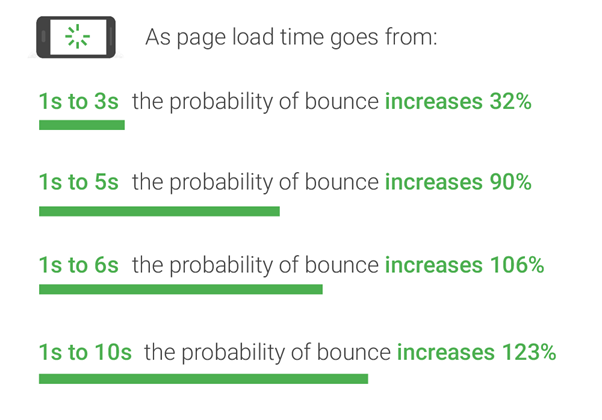
In today’s digital world, having a fast website is crucial. For e-commerce businesses, speed can make or break success. Customers expect web pages to load quickly. If a site is slow, users may leave before making a purchase. This can result in lost sales and decreased revenue.
Website load time also affects search engine rankings. Search engines like Google favor fast-loading sites. A slow site may rank lower in search results, making it harder for potential customers to find your store. A fast site improves user experience, increasing sales and higher customer satisfaction.
In e-commerce, every second counts. Studies show that even a one-second delay in page load time can lead to fewer conversions. Customers want a seamless shopping experience. A slow site can frustrate them and send them to a competitor. Therefore, optimizing your website’s load time is essential for maintaining a competitive edge.
In this blog, we will explore why website speed matters so much. We will also look at how to test your site’s speed and ways to improve it. By the end, you’ll understand how vital load time is for your e-commerce success and what steps you can take to speed up your site.
What are page load times in E-commerce?
Page load time is the amount of time it takes for a web page to fully appear on a user’s screen. In e-commerce, this means the time from when a user clicks a link or types in a URL until the entire web page, including images, text, and other elements, is visible and usable.
When a user visits an online store, they want to see the products quickly. If it takes too long, they might get impatient and leave. This can lead to higher bounce rates, where visitors leave the site without making a purchase. For e-commerce businesses, this is a big problem because it means potential sales are lost.
A fast page load time can enhance the user experience. When pages load quickly, users are more likely to stay on the site, browse through products, and complete their purchases. This can lead to higher conversion rates, meaning more visitors become paying customers.
Page load times are affected by various factors. Large images, heavy scripts, and too many plugins can slow down a site. For example, high-resolution images are great for showing product details, but if they are not optimized, they can increase load times. Similarly, complex JavaScript and CSS files can take longer to load.
Mobile users are particularly sensitive to load times. Many people shop on their phones, and mobile connections can be slower than desktop ones. If an e-commerce site is not optimized for mobile, it can take even longer to load, leading to frustrated users and lost sales.
Page load times in e-commerce refer to how quickly web pages appear and are ready to use. Faster load times improve user experience, increase conversions, and reduce bounce rates. Optimizing your website for speed is essential for keeping customers happy and ensuring the success of your online store.

Why Website Speed Matters for eCommerce
Website speed is vital for eCommerce success. It affects search engine rankings, user experience, online sales, and conversion rates. By improving your website’s load time, you can enhance customer satisfaction, increase sales, and ensure the success of your online store.
Website Load Time is an Important Ranking Signal for Search Engines
The time it takes for a webpage to load has always been a concern for SEOs. In 2021, Google made this official with their Core Web Vitals update.
Core Web Vitals are a set of measurements Google uses to judge a webpage’s user experience on all devices.
Websites that pass these assessments won’t be penalized in search results. However, sites with slow pages might need help to rank well, even if their other SEO efforts are vital.
Load Times Can Make a Big Difference to User Experience
A survey by Unbounce shows that nearly 70% of consumers are less likely to buy online if the page is slow. Half of the online shoppers would give up video content and animations to load pages faster.
People love video content, but if faster loading speeds are more important to customers, this should be noted in your SEO and UX strategies. Other research shows that 79% of customers will only return to a well-performing website.
Load Times Can Have a Big Effect on Online Sales
Research indicates that ecommerce websites with fast load times have better sales. The highest conversion rates occur on pages that load in 0-2 seconds.
Conversion rates drop by an average of 4.42% for each additional second (between 0 and 5 seconds). Every second counts when it comes to boosting online sales.
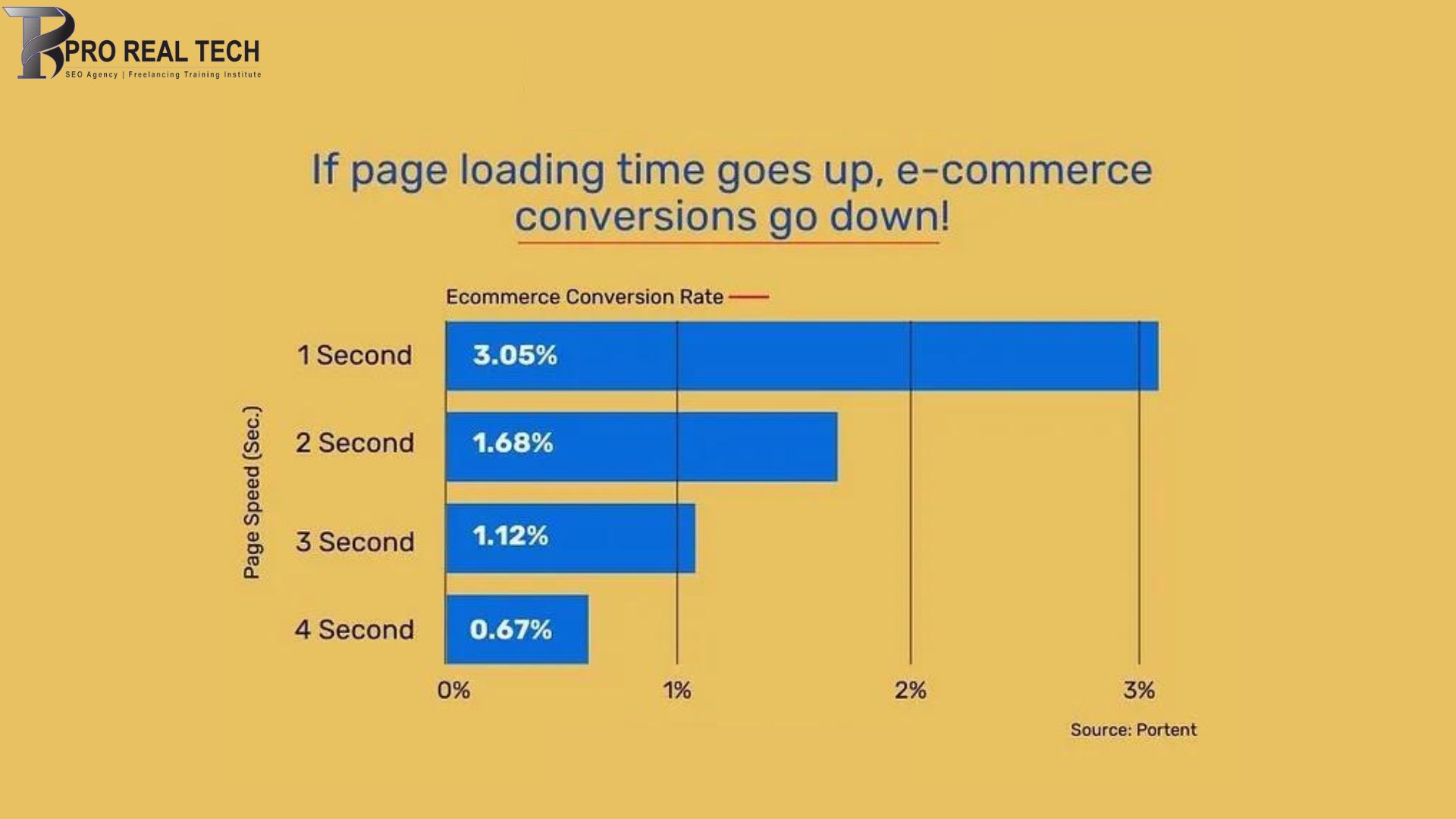
Load Times Can Have an Important Impact on Conversion Rates
Conversion rates measure how many visitors turn into customers. Faster websites tend to have higher conversion rates. Users can quickly find and buy what they need without delays. A slow website can cause users to abandon shopping carts and look for alternatives. This means lost sales for your business.
Improving load times can boost your conversion rates. When pages load quickly, users are more likely to complete their purchases. This can lead to higher revenue and better customer satisfaction. Every conversion counts in a competitive eCommerce market, and fast load times can give you an edge.