

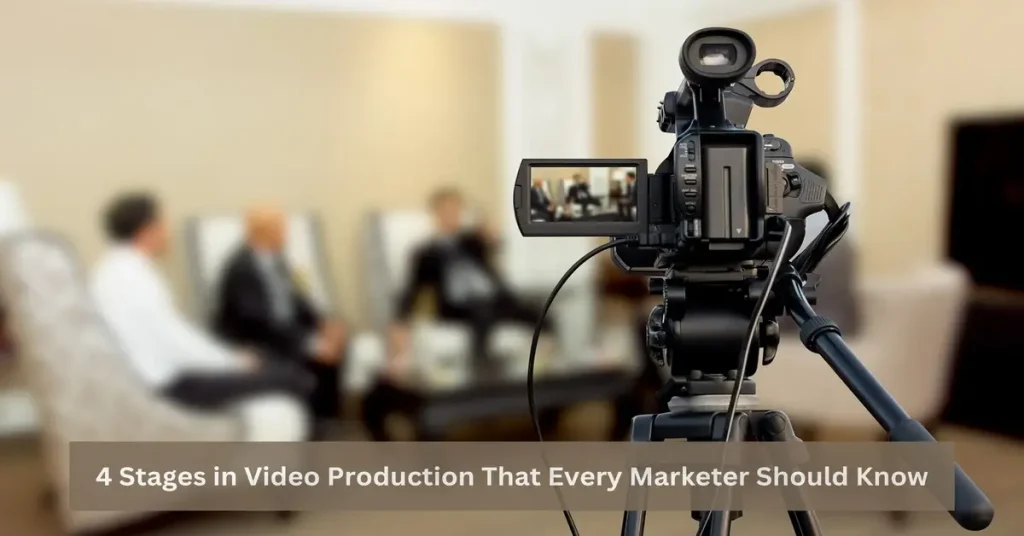
In the dynamic marketing world, video content has emerged as a powerful tool for engaging audiences and conveying messages effectively. However, producing high-quality videos is a complex process that involves several critical stages. Understanding these stages can help marketers create compelling video content that captures attention and drives results.
The four essential stages of video production—pre-production, production, post-production, and distribution—uniquely bring a video project to life. From brainstorming and planning to shooting, editing, and finally sharing the finished product, each stage requires careful attention and strategic execution. By mastering these stages, marketers can enhance their video strategies, ensuring their content stands out in a crowded digital landscape.
1. Pre-Production
Pre-production is the foundation of any successful video project. This stage involves all necessary planning and preparation to ensure a smooth production process. Here’s what typically happens during pre-production:
Concept Development
Before diving into the technical aspects, defining the video’s purpose, target audience, and key message is crucial. This involves brainstorming ideas, creating a script, and outlining the overall vision of the video.
Storyboarding
Storyboarding involves sketching out the key scenes and sequences of the video. This visual representation helps organize the narrative flow and ensures everyone understands the storyline and key visual elements.
Scheduling
Creating a detailed production schedule is essential for keeping the project on track. This includes setting deadlines for each phase, arranging shoot dates, and coordinating with all participants, such as actors, crew, and locations.
Budgeting
Establishing a budget is critical for managing costs throughout the production. This involves estimating equipment, location, talent, and post-production expenses and covering all financial aspects.
Casting and Location Scouting
Selecting the right talent and locations is a crucial part of pre-production. Casting involves choosing actors or presenters who align with the video’s objectives, while location scouting ensures that the chosen settings match the visual and thematic requirements.
Technical Preparation
Pre-production also includes:
- Planning the technical aspects, such as selecting the appropriate equipment.
- Determining the shooting format.
- Arranging any necessary permits or permissions.
2. Production
Production is the stage where ideas take shape and come to life. This phase involves creating video content and requires coordination and attention to detail to ensure everything aligns with the pre-production plan. Here’s what typically happens during production:
Filming
The core of the production phase is the filming process. This involves capturing all the scenes and footage as planned during pre-production. It’s crucial to adhere to the script and storyboard while allowing for creative adjustments on set. The quality of the footage relies on proper camera techniques, lighting, and sound recording.
Directing
During filming, the director plays a crucial role in guiding the actors and crew to achieve the desired performance and visual style. Effective direction ensures that the video’s tone, pacing, and narrative flow are consistent with the intended message.
Sound Recording
High-quality audio is essential for a professional video. This includes recording dialogue, sound effects, and background music. Proper sound recording on set minimizes the need for extensive audio adjustments during post-production.
Lighting
Lighting is critical for setting the mood and enhancing the video’s visual appeal. Proper lighting techniques help achieve the desired look and feel, highlight key elements, and maintain consistency across shots.
Camera Work
Skilled camera work involves framing shots, adjusting angles, and using movement to create visual interest. The camera operator ensures each shot aligns with the storyboard and captures the intended visual elements.
Set Management
Managing the set involves organizing props, costumes, and other elements to ensure they are ready and in place for each scene. Efficient set management helps in maintaining continuity and avoiding disruptions during filming.
3. Post-Production
Post-production is the stage where the raw footage from the production phase is transformed into a polished and final product. This phase involves a series of crucial tasks that refine and enhance the video, ensuring it meets the desired quality and effectiveness. Here’s what typically happens during post-production:
Editing
Editing is assembling the footage into a coherent and engaging story. This involves cutting and splicing scenes, arranging them in the correct sequence, and ensuring smooth transitions between shots. The goal is to create a cohesive narrative that aligns with the script and storyboard.
Sound Design
Sound design includes adding and adjusting audio elements to enhance the viewing experience. This involves synchronizing dialogue, adding sound effects, adjusting background music, and ensuring all audio elements are clear and balanced.
Color Correction
Color correction is essential for achieving a consistent and visually appealing look throughout the video. This process adjusts the color balance, brightness, and contrast to ensure the video’s visuals are vibrant and accurate to the intended style.
Visual Effects (VFX)
If the video requires visual effects, this is the stage where they are added. VFX can include anything from simple graphics and animations to complex digital effects. These elements enhance the video’s visual appeal and can help convey information more effectively.
Graphics and Titles
Adding graphics, titles, and lower thirds helps to provide context, highlight critical information, and enhance the overall presentation. This can include opening titles, credits, and any on-screen text or annotations needed to support the video’s message.
Review and Feedback
Before finalizing the video, it’s essential to review the edited version and gather feedback from stakeholders. This step ensures necessary revisions or adjustments are made to meet the project’s objectives and standards.
Exporting and Formatting
Once all edits and adjustments are complete, the final video is exported in the appropriate format for distribution. This includes selecting the correct file format, resolution, and quality settings based on where the video will be published or shared.
4. Distribution
Distribution is the final stage of video production, where the finished video is shared with the target audience. This phase involves strategically selecting the right platforms and methods to ensure the footage reaches and engages the intended viewers. Here’s what typically happens during distribution:
Platform Selection
Choosing the appropriate platforms for distributing the video is crucial. This can include social media sites like YouTube, Facebook, Instagram, LinkedIn, and Twitter, as well as company websites, email newsletters, and video hosting services. The choice of platforms depends on the target audience and the video’s goals.
Optimization
Optimizing the video for each platform helps in maximizing its reach and impact. This includes using the proper video formats, resolutions, and aspect ratios and adding relevant metadata, such as titles, descriptions, tags, and thumbnails. Optimization also involves ensuring the video is mobile-friendly and loads quickly.
Publishing Schedule
Planning a strategic publishing schedule ensures that the video is released most effectively to reach the target audience. To create a cohesive promotional strategy, this may involve coordinating with other marketing activities, such as blog posts, social media campaigns, and email blasts.
Promotion
Promoting the video involves leveraging various marketing tactics to boost visibility and engagement. This can include social media posts, paid advertising, influencer partnerships, email marketing, and press releases. Effective promotion helps in driving traffic and increasing the video’s reach.
Engagement and Interaction
Engaging with the audience is a crucial aspect of distribution. This involves responding to comments, questions, and feedback on social media and other platforms where the video is shared. Active engagement helps build a community around the video and encourages further sharing and interaction.
Analytics and Performance Tracking
Monitoring the video’s performance through analytics is essential for understanding its impact and effectiveness. Key metrics to track include views, watch time, engagement rates, shares, and conversions. Analyzing these metrics helps assess the video’s success and identify areas for improvement in future video projects.
Feedback and Iteration
Gathering feedback from viewers and stakeholders provides valuable insights for future video production efforts. This feedback can highlight what worked well and what could be improved, informing the planning and execution of subsequent videos.
Final Thoughts
Understanding the four stages of video production—pre-production, production, post-production, and distribution—is essential for any marketer to leverage video content effectively. Each stage is critical in ensuring the final product is high-quality, engaging, and aligned with marketing objectives. By meticulously planning and executing each phase, marketers can create videos that resonate with their audience and drive meaningful results. Every step requires attention to detail and strategic thinking, from conceptualizing and filming to editing and sharing. Embracing this structured approach not only enhances the production process but also maximizes the impact of the video, ensuring it stands out in a competitive digital landscape.


