


Photography has evolved far beyond a hobby or pastime in today’s digital age. With the proliferation of high-quality cameras and social media platforms, photography offers numerous career opportunities that can be both fulfilling and financially rewarding. Whether you’re an aspiring shutterbug or a seasoned photographer looking to pivot, understanding the different career paths available can help you make an informed choice about your professional future.
Photography careers span a wide range of specialties, from capturing the magic of a couple’s special day to documenting wildlife in their natural habitat. Each type of photography offers unique challenges and rewards, and the key to success lies in finding the niche that aligns with your passions and skills.
In this guide, we will explore ten diverse photography careers that allow you to pursue your passion and offer the potential to build a sustainable income. By delving into each career path, you’ll gain insights into what it takes to excel, the skills required, and how to turn your love for photography into a viable and profitable career.
1. Wedding Photographer

A wedding photographer captures one of the most significant days in a couple’s life. This role requires technical skill with a camera, a keen eye for detail, and an ability to handle high-pressure situations. Wedding photographers must be adept at managing various aspects of the day, from the ceremony to the reception, ensuring that every moment is beautifully documented.
Key Responsibilities:
- Pre-Wedding Planning: Meet with the couple to discuss their vision, preferences, and any specific shots they want.
- Event Coverage: Photographing various elements of the wedding day, including the ceremony, portraits, and candid moments.
- Editing and Delivery: Promptly selecting, editing, and delivering the final images.
Skills Needed:
- Technical Proficiency: Mastery of camera settings, lighting, and composition.
- People Skills: Ability to direct and interact with people, often in high-stress situations.
- Creativity: Crafting unique and memorable images that tell the day’s story.
Income Potential:
Wedding photographers often charge a package fee that includes coverage, editing, and prints or digital files. Successful wedding photographers can earn a substantial income if they build a strong reputation and network within the industry.
2. Commercial Photographer

Commercial photographers work to create images for advertising, marketing, and branding purposes. Their work appears in magazines, brochures, websites, and other media to promote products or services. This career path requires a blend of technical skills and an understanding of commercial aesthetics and branding.
Key Responsibilities:
- Client Collaboration: Working with clients to understand their needs and the message they want to convey.
- Photography and Production: Capturing high-quality images that align with the client’s brand and marketing objectives.
- Post-Production: Editing photos to meet the client’s specifications and deadlines.
Skills Needed:
- Technical Expertise: Advanced knowledge of camera equipment, lighting setups, and editing software.
- Creative Vision: Ability to create visually appealing images that effectively communicate the client’s message.
- Professionalism: Strong communication and project management skills to handle client expectations and deliver high-quality results.
Income Potential:
Commercial photographers often work on a project basis or may be employed full-time by companies. Rates can vary widely based on the project’s scope and the photographer’s experience. Successful commercial photographers who build a solid portfolio and client base can command higher fees and enjoy a stable income.
3. Portrait Photographer
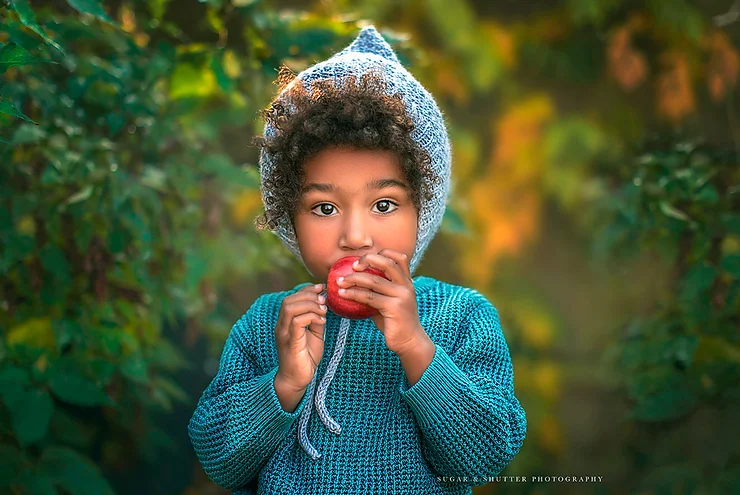
Portrait photographers specialize in capturing the essence and personality of individuals or groups through their lens. This career involves working closely with clients to create compelling and flattering images for personal use, professional headshots, or family portraits. The role requires technical skills, artistic vision, and interpersonal abilities.
Key Responsibilities:
- Client Consultation: Meet with clients to discuss their needs, preferences, and the style of portrait they desire.
- Photo Sessions: Setting up and conducting photo sessions may include posing clients and directing their expressions.
- Editing and Retouching: Enhancing the images through post-processing to achieve the desired look while maintaining a natural appearance.
Skills Needed:
- Technical Skills: Camera operation, lighting techniques, and photo editing software proficiency.
- Interpersonal Skills: Ability to communicate effectively and make clients feel comfortable during sessions.
- Artistic Vision: Understanding composition, lighting, and styling to create engaging and high-quality portraits.
Income Potential:
Portrait photographers typically charge per session or offer packages with a set number of images and prints. Income can vary based on location, experience, and client types. Established portrait photographers with a strong portfolio and client base can achieve a steady income and potentially high earnings.
4. Travel Photographer
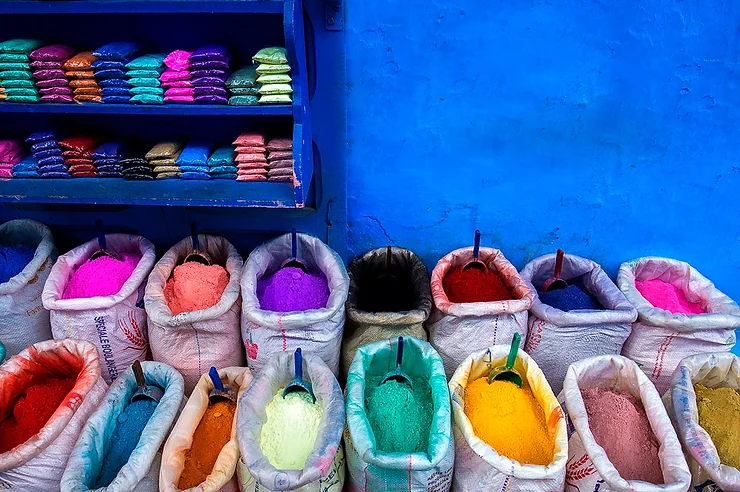
Travel photographers combine their love for exploration with their passion for photography, capturing stunning images of destinations worldwide. This career offers the opportunity to document diverse cultures, landscapes, and experiences, making it ideal for those who thrive on adventure and storytelling.
Key Responsibilities:
- Travel and Exploration: Visiting various locations to capture unique and compelling images of landscapes, people, and cultural events.
- Content Creation: Producing high-quality photographs that convey the essence of the places visited and tell a story.
- Editing and Publishing: Editing photos for publication in travel magazines, blogs, and social media, and potentially working with tourism boards or brands.
Skills Needed:
- Technical Proficiency: Mastery of camera equipment, lighting, and editing techniques suitable for various environments.
- Adaptability: Ability to work in diverse conditions and handle unexpected challenges during travel.
- Storytelling: Crafting images that capture beauty and convey a destination’s cultural and emotional aspects.
Income Potential:
Travel photographers often work freelance or as contributors to travel publications and websites. Income sources may include licensing fees, sponsored travel, and photo sales. While travel photography can be lucrative, it often requires a significant investment in equipment and travel expenses. Successful travel photographers who build solid portfolios and networks can achieve a sustainable and rewarding career.
5. Stock Photographer

Stock photographers create images sold to businesses, publishers, and designers for various uses, such as advertisements, websites, and printed materials. This career provides a flexible income source by licensing photos that may be used in multiple contexts. Stock photography can be an excellent option for those who enjoy shooting various subjects and want to generate passive income from their work.
Key Responsibilities:
- Image Creation: Producing high-quality, versatile images that can be used for different purposes. This often involves shooting various subjects, including people, objects, and scenes.
- Keywording and Uploading: Tagging and categorizing photos with relevant keywords to make them easily searchable on stock photography platforms.
- Managing Licenses: Understanding and navigating licensing agreements to ensure proper usage and compensation for your images.
Skills Needed:
- Technical Expertise: Proficiency with camera equipment, lighting, and post-processing to produce high-quality images.
- Market Understanding: Knowledge of current trends and what types of images are in demand.
- Detail Orientation: Ability to accurately keyword and categorize images for effective searchability.
Income Potential:
Stock photographers earn income through royalties from image sales or licensing fees. While individual image sales might generate a small income, a well-curated portfolio of high-quality images can provide a steady stream of passive income over time. Success in stock photography often depends on building a diverse and appealing portfolio and maintaining a presence on popular stock photography platforms.
6. Photojournalist
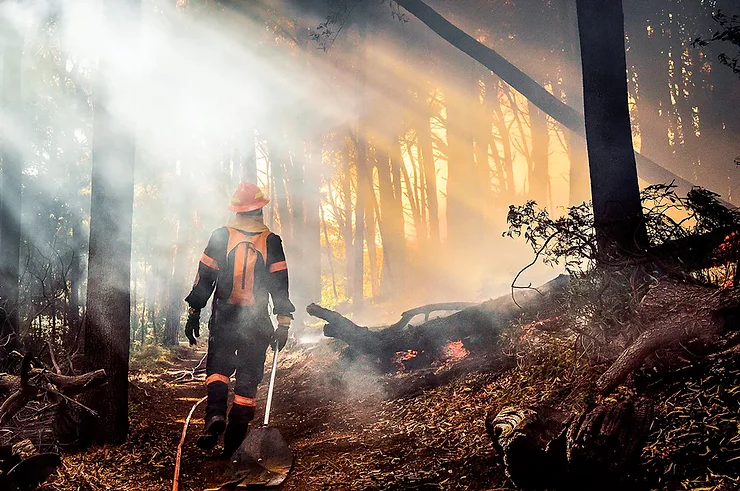
Photojournalists capture compelling images that tell stories, often in the context of news events, social issues, or human interest stories. Their work is crucial in conveying important information and perspectives to the public through media outlets such as newspapers, magazines, and online publications. This career requires technical skills, ethical sensitivity, and the ability to work under pressure.
Key Responsibilities:
- Coverage of Events: Attending and photographing news events, protests, and other significant occurrences to provide visual documentation.
- Storytelling: Capturing images that convey the essence of a story or issue, often focusing on accuracy and impact.
- Submission and Deadlines: Submitting photos to media organizations or publications within tight deadlines, often working in dynamic and fast-paced environments.
Skills Needed:
- Technical Proficiency: Expertise in camera operation, lighting, and editing, with the ability to quickly adapt to changing conditions.
- Journalistic Integrity: Strong understanding of ethical considerations and the ability to capture images without bias.
- Crisis Management: Ability to handle high-stress situations and make quick decisions to capture important moments.
Income Potential:
Photojournalists can work as freelancers or be employed by media organizations. Freelancers may earn income through individual assignments, licensing images, or selling photos to news agencies. Staff photojournalists typically receive a regular salary, but both paths can offer competitive earnings depending on experience, reputation, and the scope of assignments. A successful career in photojournalism often involves:
- Building a solid portfolio.
- Networking within the industry.
- Staying current with new trends and media outlets.
7. Sports Photographer
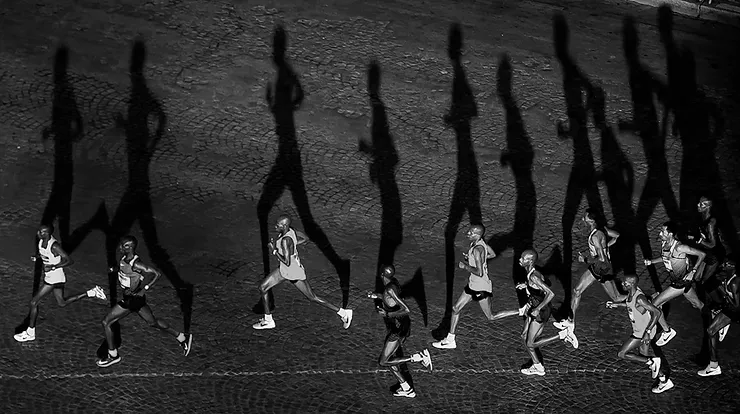
Sports photographers specialize in capturing dynamic and high-energy moments during athletic events. This career requires a keen eye for action and the ability to anticipate and capture split-second movements. Sports photographers work in various settings, from local games to major international sporting events, and their images often appear in newspapers, magazines, and digital media.
Key Responsibilities:
- Event Coverage: Photographing sporting events, capturing key moments, and documenting the action from various angles.
- Equipment Management: Using specialized gear such as high-speed cameras and long lenses to freeze fast-moving action and ensure sharp, clear images.
- Editing and Distribution: Selecting and editing photos to highlight the most exciting or significant moments and distributing them to media outlets or clients.
Skills Needed:
- Technical Expertise: Mastery of camera settings, fast shutter speeds, and focusing techniques to capture sharp images in motion.
- Quick Reflexes: Ability to anticipate the action and react swiftly to capture crucial moments.
- Knowledge of Sports: Understanding different sports’ nuances to anticipate better and capture critical moments.
Income Potential:
Sports photographers can earn income through freelance assignments, contracts with media outlets, or full-time positions with sports teams or organizations. Rates can vary based on the level of competition, the photographer’s experience, and the prominence of the events covered. Established sports photographers with a strong portfolio and reputation can command higher fees and enjoy a lucrative career.
8. Wildlife Photographer
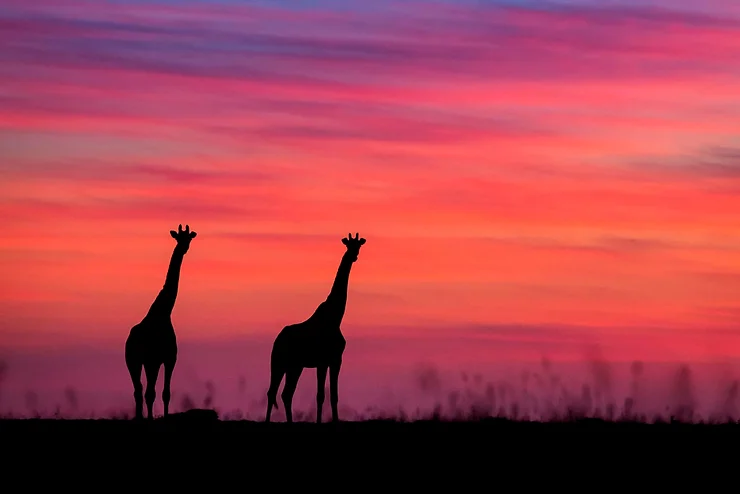
Wildlife photographers capture images of animals in their natural habitats, documenting the beauty and behavior of wildlife. This career is ideal for those passionate about nature and conservation, as it combines photography with exploring natural environments. Wildlife photography often involves spending long periods in remote locations and requires patience and perseverance.
Key Responsibilities:
- Fieldwork: Travel to diverse environments, such as forests, savannas, and oceans, to photograph wildlife in their natural settings.
- Behavioral Observation: Observing animal behavior to capture candid and compelling images.
- Conservation Awareness: Using photography to raise awareness about conservation issues and protecting wildlife habitats.
Skills Needed:
- Technical Proficiency: Expertise in camera settings, wildlife photography techniques, and equipment suited for outdoor conditions.
- Patience and Persistence: Ability to wait for the perfect moment and adapt to challenging environmental conditions.
- Ethical Considerations: Understanding wildlife behavior and minimizing the impact on animals and their habitats.
Income Potential:
Wildlife photographers often earn income through photo sales, licensing, and assignments from publications or conservation organizations. While this field can be competitive and challenging, successful wildlife photographers who build a strong portfolio and establish a niche can achieve a rewarding and sustainable career. Grants, sponsorships, and speaking engagements can also supplement income, especially for those who contribute to conservation efforts and raise awareness through their work.
9. Fashion Photographer
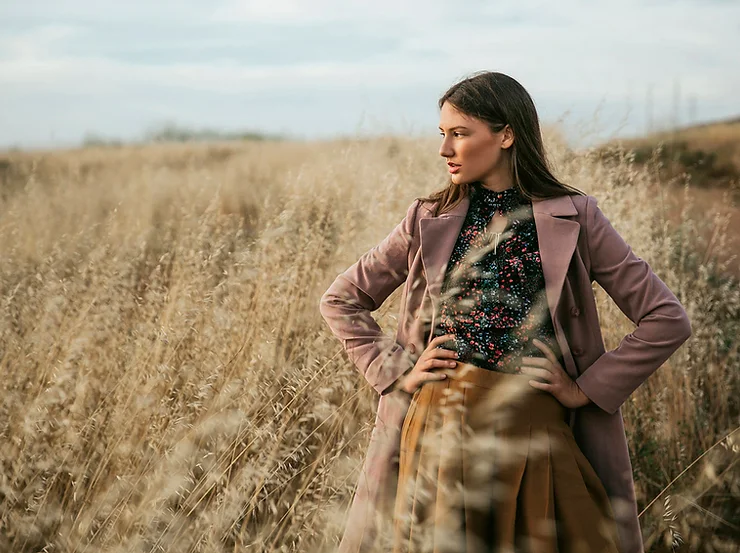
Fashion photographers capture clothing, accessories, and models for advertisements, magazines, and online platforms. This career is centered around showcasing fashion in a way that highlights trends, styles, and design. Fashion photography combines artistic vision with technical skills to produce visually striking images influencing fashion trends and consumer perceptions.
Key Responsibilities:
- Photo Shoots: Conducting photo shoots with models, designers, and stylists to capture the latest fashion trends and collections.
- Collaboration: Working closely with fashion designers, stylists, and makeup artists to create cohesive and appealing visuals.
- Editing and Retouching: Enhancing images through post-processing to ensure they meet the high standards of fashion publications and brands.
Skills Needed:
- Artistic Vision: Strong sense of style, composition, and color to create compelling and fashionable images.
- Technical Skills: Proficiency with camera equipment, lighting techniques, and editing software to produce high-quality photographs.
- Networking: Building relationships within the fashion industry to secure assignments and collaborate with key industry players.
Income Potential:
Fashion photographers often work freelance or are employed by fashion magazines, brands, or agencies. Income can vary widely depending on experience, reputation, and the scope of assignments. Established fashion photographers who build a strong portfolio and network within the industry can command high fees for their work and enjoy a successful career.
10. Scientific Photographer
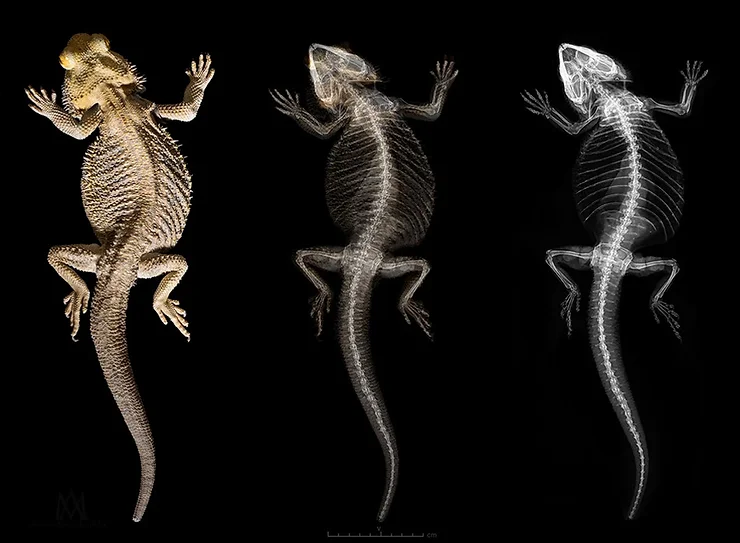
Scientific photographers capture images for research, education, and documentation purposes. This niche field involves photographing biological specimens, laboratory experiments, and technological innovations. Scientific photography requires a combination of technical proficiency and an understanding of scientific concepts to produce accurate and detailed images.
Key Responsibilities:
- Documenting Research: Capturing images of scientific experiments, research findings, and equipment to support academic and scientific publications.
- Technical Imaging: Using specialized equipment and techniques, such as microscopy or high-speed photography, to document intricate details and phenomena.
- Collaboration: Working with scientists, researchers, and educators to understand the subject matter and ensure the images meet the required standards.
Skills Needed:
- Technical Expertise: Mastery of camera equipment, lighting, and specialized imaging techniques relevant to scientific subjects.
- Attention to Detail: Ability to capture precise and clear images that accurately represent scientific concepts and findings.
- Scientific Knowledge: Understanding scientific principles and terminology to communicate with researchers and contribute to their work effectively.
Income Potential:
Scientific photographers may work for research institutions, universities, government agencies, or as freelance specialists. Income can vary depending on the type of project, the photographer’s level of expertise, and the specific industry or institution. Established scientific photographers who build a reputation for producing high-quality and accurate images can achieve a stable and rewarding career, often contributing to significant scientific and educational advancements.
Final Thoughts
Exploring photography careers reveals diverse opportunities where passion meets the profession. Whether capturing the elegance of fashion, the raw energy of sports, or the intricate details of scientific phenomena, each niche offers unique challenges and rewards. Success in photography requires technical skills, creativity, dedication, and a strong network. Choosing a path that aligns with your interests and strengths can turn your love for photography into a sustainable and fulfilling career. Embrace the journey, continuously hone your craft, and stay adaptable to industry trends to make the most of your photography career.


