

In 2026, the online review landscape is shaped by heightened regulatory scrutiny and clear standards for transparency. American businesses that rely on ratings, testimonials, star scores, and customer feedback must now operate within a defined legal framework designed to protect consumers and ensure fair competition. Historically, online reviews served as organic social proof — unfiltered reflections of customer experiences. But the explosion of fake reviews, incentivized testimonials, AI‑generated content, and covert reputation management practices prompted federal action to codify what constitutes lawful and unlawful use of reviews.
The Federal Trade Commission (FTC) has issued a Consumer Review Rule, codified at 16 C.F.R. Part 465, that went into effect beginning late 2024 and now applies fully across U.S. commercial contexts in 2026. Under this rule and long‑standing FTC advertising standards (Section 5 of the FTC Act), businesses must understand exactly what they can and cannot do with consumer feedback — whether on their own websites, third‑party platforms, or in marketing materials. The consequence of noncompliance can be substantial civil penalties or legal enforcement actions.
This regulatory shift doesn’t target honest customer experiences but aims to make sure that reviews remain a reliable resource for potential buyers. The rule clarifies prohibited conduct — such as creating or distributing fake reviews, manipulating sentiment with incentives, or concealing reviewer relationships — and reinforces the importance of honest engagement in reputation management.
Key Prohibitions Under the FTC’s Final Rule on Reviews and Testimonials

The FTC’s final rule identifies several specific review‑related behaviors that are deceptive and unlawful for businesses. These prohibitions are now central to compliance in 2026:
1. Fake or False Consumer Reviews
Businesses are prohibited from creating, buying, selling, or disseminating reviews that misrepresent key facts about the reviewer. This includes:
- Reviews by individuals who do not exist or who never used the product or service, including AI‑generated content presented as authentic.
- Testimonials that misleadingly imply a positive or negative experience that never occurred.
The rule treats fabricated online reviews and synthetic testimonials the same as traditional deceptive advertising because both mislead consumers about real experiences.
2. Buying Positive or Negative Reviews
Payments or incentives tied to the outcome of a review are expressly banned. A business cannot offer compensation contingent on an expressly positive review — such as “$20 for a five‑star review” — whether stated directly or implied. Incentives for leaving feedback are allowed in some contexts, but they must never be conditioned on the sentiment of the review.
3. Insider Reviews Without Disclosure
Reviews written by employees, executives, owners, immediate family members, agents, or others with a material connection to a business must contain clear and conspicuous disclosures about those relationships. A simple statement making the connection obvious at first glance counts as compliant disclosure; vague or hidden disclosures do not.
4. Misrepresentation of Independent Review Sites
Businesses cannot mislead consumers into thinking a site or platform provides unbiased, third‑party reviews if it is in fact controlled by the business or its affiliates. That means owned or partner review platforms must disclose that relationship or avoid portraying independence.
5. Review Suppression and Intimidation
Using threats, legal pressure, harassment, or false claims to force removal, suppression, or censorship of negative reviews is prohibited. Also unlawful is claiming that a set of reviews represents “most” or “all” feedback when negative feedback has been purposely withheld or hidden from consumers.
6. Misuse of Fake Social Media Indicators
Selling or buying fake influence metrics — such as followers, likes, or engagement numbers designed to mislead about a company’s reputation — is prohibited when done with knowledge that these metrics are fraudulent.
Together, these prohibitions aim not just to curb fake content but also to prevent deceptive use of genuine content — ensuring that business practices surrounding reviews are transparent and not misleading.
What ‘Regulated Reputation Management’ Means in 2026

In 2026, regulated reputation management refers to the deliberate processes businesses must follow to solicit, manage, respond to, and publish customer reviews in ways that comply with legal requirements and avoid deceptive practices. It goes beyond traditional reputation management to include legal adherence around transparency and consumer protection.
At its core, regulated reputation management means:
Emphasizing Transparency Over Manipulation
Companies can no longer treat reviews as merely marketing assets to be shaped into a uniformly positive narrative. Instead, they must disclose material relationships, clearly note when incentives are used, and ensure review solicitation is fair and unbiased. This supports consumer trust and minimizes regulatory risk.
Ensuring Review Sourcing Is Lawful
Businesses must identify the origin of reviews and confirm they reflect genuine customer experiences. Reviews organically coming from verified purchasers are distinct from paid or incentivized feedback that may unduly influence a rating profile. Regulated systems usually involve internal verification processes or third‑party tools that authenticate reviewer identity and purchase history.
Adopting Clear Disclosure Policies
Whether reviewers are incentivized or have affiliations with the business, their contributions must be labeled clearly and in a way that is unavoidable to readers — not hidden behind hyperlinks or buried at the end of content. In regulated environments, disclosures are not optional add‑ons; they are mandatory compliance elements.
Managing Responses with Care
Response authorship — whether the business itself, a vendor, or an automated system — must be transparent, especially when the response affects public perception. Companies may need to identify if responses are AI‑generated or company‑authored when responding on behalf of their brand. This aspect of regulation helps protect review integrity by ensuring consumers understand who is speaking.
Maintaining Documentation and Audit Trails
Regulated reputation management includes maintaining records of solicitation methods, reviewer disclosures, and internal policies demonstrating compliance. These audit trails help businesses defend against complaints or enforcement actions and show good‑faith efforts to follow the rule.
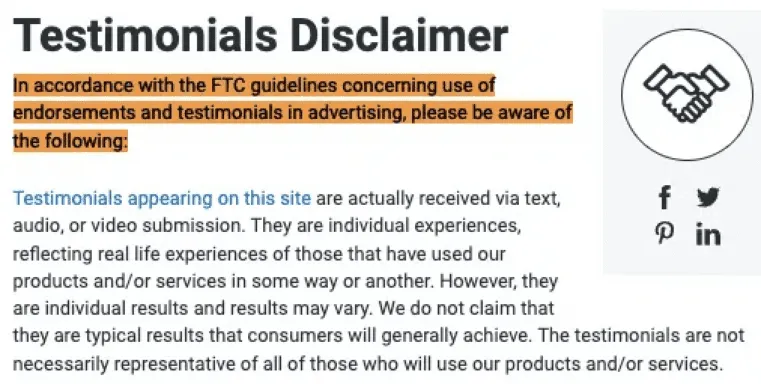
Regulated reputation management blends marketing, compliance, legal transparency, and ethical practices — elevating reviews from simple customer feedback into a governed part of a company’s public profile and legal responsibilities.
What Businesses Are Expected to Disclose Going Forward
In 2026, U.S. businesses must now understand that managing customer reviews isn’t just good marketing — it’s regulated conduct with clear disclosure requirements under the Federal Trade Commission’s (FTC) Consumer Review Rule. This rule, fully effective since late 2024, defines not only prohibited practices but also what companies must reveal when engaging with reviews, testimonials, incentives, or internal contributors. Transparency isn’t optional — it’s legally required.
Here are the three major areas where businesses must consistently disclose relevant information — and why each matters.
Review Sourcing
At the core of compliance is review sourcing — where reviews come from and how they are presented to potential customers. Under the FTC’s rule, businesses must avoid misrepresenting the origin of reviews or creating false impressions about their authenticity.
Why This Disclosure Matters
Consumers rely on reviews to make purchasing decisions. When a business fails to disclose how it obtains reviews, or worse, creates the impression that all reviews come from unbiased customers, it may be engaging in deception under U.S. law. This includes:
- Artificially generated reviews: Text created by AI or software that mimics real user experience but has no genuine user behind it.
- Purchased or solicited reviews that mislead: Especially those obtained from so‑called “review farms” or content mills.
- Third‑party vs. company‑generated collections: If a review appears to come from an independent external platform when it doesn’t, that representation itself can be deceptive.
Disclosure Standards
A business must be transparent about the review’s origin — whether collected through an open public system, a closed group of verified buyers, or via a third‑party platform. This includes:
- Labeling review hosting systems clearly.
- Not implying a review is independent if it was solicited, moderated, or generated by the business or its marketing partners.
Disclosures should be visible and obvious, not hidden beneath toggles, truncated on mobile, or buried in small text. This ensures consumers see and understand the source at the moment of influence.
Incentive Transparency
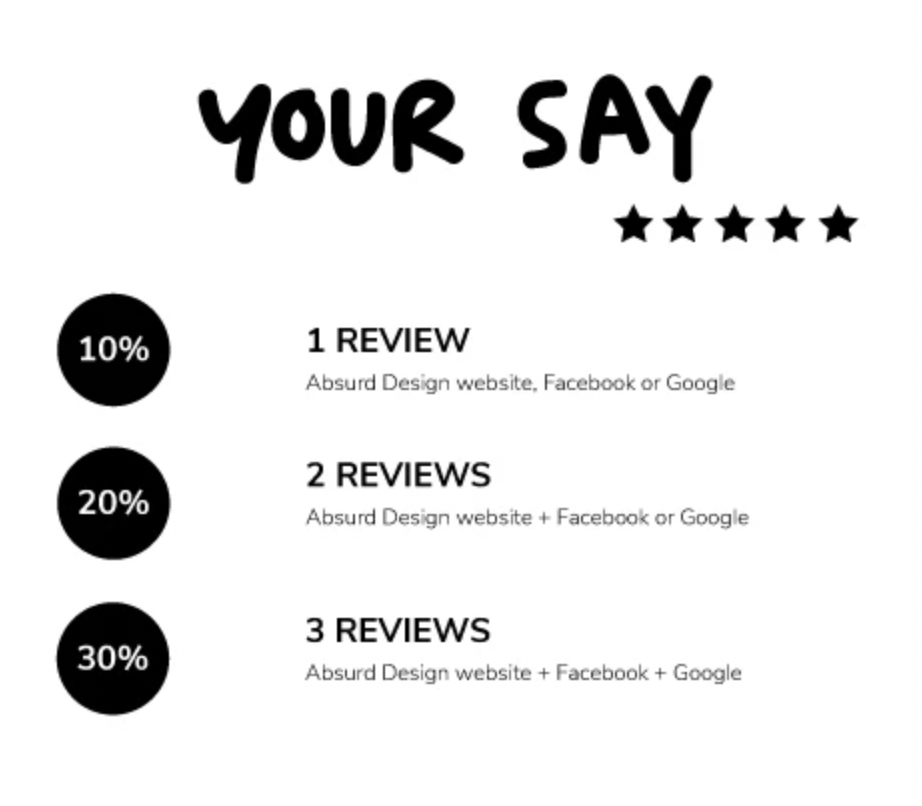
Incentivizing reviews can be a legitimate way to encourage feedback — but only if incentives aren’t tied to specific sentiments and are clearly disclosed. The FTC’s rules draw a sharp line here: compensation or rewards are allowed only if they aren’t contingent on positive (or negative) sentiment.
Common Incentive Structures That Require Disclosure
Businesses often use incentives like:
- Discounts on future purchases
- Gift cards or vouchers
- Free products or premium content access
If these incentives are offered, the review must clearly disclose that a reviewer received a reward. And if an incentive is structured (even implicitly) to encourage only positive reviews — such as a reward only after a 5‑star review — that practice is unlawful.
How Incentive Disclosures Must Appear
The FTC expects that disclosure of incentives be:
- Clear: Simple language like “Received gift card for review” or “Incentive provided” is better than vague phrases.
- Conspicuous: The disclosure should appear where someone naturally reads the review, not buried in additional text or under a “more” expansion.
- Unavoidable: Consumers shouldn’t have to click or scroll significantly to discover the disclosure.
Importantly, disclosures are required regardless of whether the review is positive, negative, or neutral. Even a one‑star review needs disclosure if something was offered.
Response Authorship
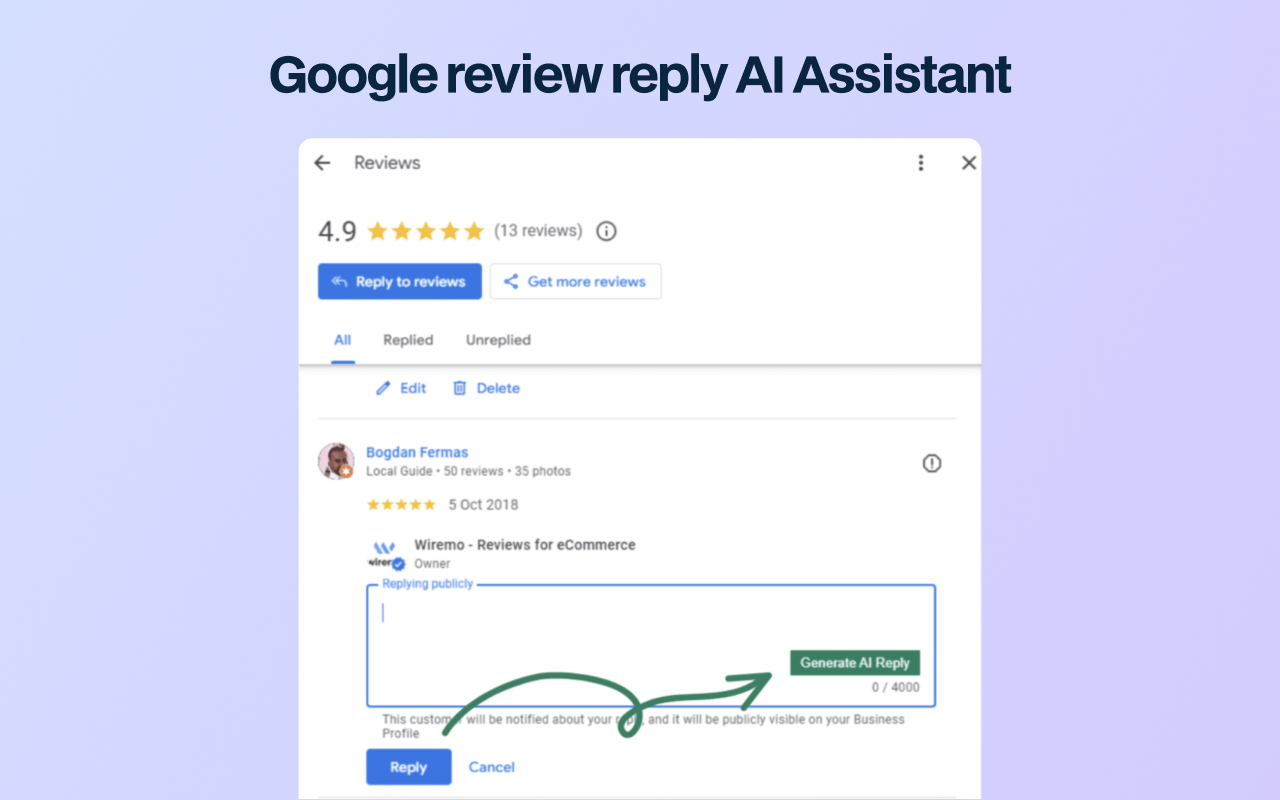
Beyond sourcing and incentives, businesses must disclose who is responding to reviews when that authorship could influence consumer perception. In 2026, transparency about response authorship helps ensure that consumers understand whether feedback responses come from actual users, paid agents, automated tools, or company representatives.
Why Authorship Matters
Responses from business representatives — including customer service staff, brand ambassadors, or marketing vendors — can shape public perception of how issues are handled. But when these responses are presented as if from unbiased individuals or customer peers, they can mislead buyers.
Even automated systems (like AI chatbots or automated reputation tools) must be identified when such responses are posted publicly in a way that could be construed as coming from real people. This avoids a false impression that a “community member” is providing insight. While the FTC doesn’t yet specify exact language required in every context, the general principle is that material connections or influences behind responses must be disclosed clearly and prominently.
Best Practices for Disclosure
To satisfy regulatory expectations, businesses should:
- Use clear tags like “Official company response” or “Response by [Company Name/Team].”
- Avoid ambiguous language that could make automated responses appear human.
- Ensure that responses do not suggest neutrality when authored by paid agents.
Authentic engagement builds trust — and telling consumers who actually wrote a reply protects both transparency and compliance.
4 Ways To Stay Compliant With Review Management Regulations in 2026
To operate within legal bounds and preserve reputation integrity, businesses must adopt intentional compliance strategies aligned with the FTC’s rules. These strategies reduce legal risk while improving authenticity in online customer engagement.
1. Audit Current Review Generation and Response Practices
Start with a full evaluation of how your business engages with reviews. This includes:
- Examining current review collection channels (website, marketplace, social platforms).
- Identifying instances where incentives are used.
- Cataloguing who writes responses and how often.
- Checking if any review hosting or display practices give a misleading impression.
An audit helps uncover potential areas of noncompliance: incentivized practices that may be perceived as contingent on positive outcomes, review suppression processes that hide negative feedback, or unclear disclosures about insider reviewers. Designing a compliance baseline ultimately protects you before the FTC or competitors raise concerns.
Actionable Steps
- Document how and where reviews are displayed.
- Look for instances where words like “best,” “top,” or superlatives are used without clear sources.
- Flag any review collection method that segments satisfied customers only (so‑called review gating), which can be a deceptive practice under Section 5 of the FTC Act even if not directly banned by the review rule.
2. Update Internal ORM Guidelines
Online Reputation Management (ORM) policies need revision to reflect legal expectations, not just marketing goals. Clear internal standards should:
- Define prohibited review practices (e.g., fake, purchased, sentiment‑conditioned incentives).
- Explain when and how disclosures must be made.
- Outline proper sourcing and verification processes.
Updated ORM guidelines help ensure that everyone — from customer service agents to social media managers — operates with the same compliance framework.
Key Elements to Include
- Definitions of what constitutes a material connection requiring disclosure.
- Rules around acceptable incentives and how to label them.
- Steps for handling reviews that may be false or fake (including how to investigate and remove them under equal standards).
3. Train Teams on Compliant Review Engagement
Policies mean little without proper training. Staff across marketing, customer support, and social engagement should understand:
- How the FTC’s disclosure standards apply in practice.
- What constitutes an unfair review solicitation.
- How to craft clear and conspicuous disclosures that meet legal expectations.
- How to respond to negative feedback without misleading customers.
Training also reinforces the importance of transparency when using automation tools or third‑party review platforms.
Training Tips
- Use real examples of compliant vs. noncompliant disclosures.
- Conduct periodic refreshers when rules update or enforcement actions change.
- Include training on how to identify suspicious reviews and how to document investigations.
4. Choose the Right ORM Tools and Partners
Selecting reputation management tools that support compliance can streamline efforts and reduce risk. Modern ORM solutions often include features like:
- Automatic detection of suspicious reviews.
- Incentive tagging and disclosure management.
- Audit trails showing how reviews are collected and displayed.
- Unified dashboards that simplify regulatory reporting.
Vendor and Partner Due Diligence
- Confirm that third‑party review platforms adhere to FTC rules and don’t automatically suppress or condition reviews.
- Ensure that contracts with agencies or software vendors include compliance obligations.
- Clarify roles in review responses: who writes them, how they’re disclosed, and how audit records are stored.
Using the right tools and partners helps ensure that compliance isn’t an afterthought but a built‑in feature of your review ecosystem.
Take Control of Your Review Compliance Strategy
Consumer expectations for transparency are higher than ever, and businesses face increasing scrutiny over how reviews are collected, displayed, and responded to. Organizations that approach review management as a compliance-focused discipline gain a competitive advantage by protecting credibility, visibility, and long-term customer trust.
Implementing a structured, disclosure-first framework minimizes risk while reinforcing transparency throughout the customer feedback lifecycle. Clearly defined standards for review sourcing, incentive use, and response authorship help prevent reputational setbacks that can take years to repair.
Pro Real Tech empowers businesses with comprehensive online reputation management solutions that align review practices with evolving compliance standards. Through Pro Real Tech’s expert review generation, monitoring, and response systems, organizations can ensure that feedback is authentic, properly disclosed, and fully compliant with regulatory requirements.
Prioritizing transparency in reviews strengthens trust, enhances brand integrity, and ensures that your review strategy can withstand regulatory scrutiny. Partnering with Pro Real Tech provides the expertise, tools, and processes needed to protect your reputation and position your business for long-term success in a highly regulated digital landscape.
Frequently Asked Questions About Review Compliance
What Changed Under the FTC Review Rules 2026?
The 2026 update formalizes disclosure requirements for reviews and testimonials. Businesses must now clearly indicate when reviews are incentivized, sourced internally, or influenced by any material connection. Misrepresentation, review gating, and fake or manipulated content are explicitly prohibited, creating a uniform framework for lawful reputation management.
How Does Fake Reviews Regulation 2026 Affect Legitimate Customer Feedback Programs?
Legitimate feedback programs remain lawful if they collect genuine customer opinions and follow disclosure rules. The key is transparency: any incentives offered must not be contingent on positive sentiment, and insider participation must be disclosed. Compliance ensures that real customer experiences continue to inform potential buyers without legal risk.
What Is Meant by Online Review Compliance in a Regulated Environment?
Online review compliance refers to processes, policies, and practices that ensure all customer feedback and associated responses meet legal requirements. It involves proper disclosure of incentives, material connections, authorship, and review sourcing, while actively avoiding deceptive or manipulative practices.
How Do Review Suppression Laws Apply to Businesses Managing Customer Feedback?
Suppression laws prevent companies from hiding, removing, or intimidating negative reviews to create a false impression of product quality. Businesses must allow genuine feedback to appear publicly and cannot selectively publish only favorable experiences.
What Qualifies as Insider Review Disclosure?
Insider review disclosure applies to any review written by employees, owners, affiliates, or anyone with a material connection to the business. Such reviews must clearly indicate the relationship to prevent misleading consumers about the independence of feedback.
Why Is Review Moderation and Compliance Receiving Increased Attention?
With the rise of online shopping and digital decision-making, consumer trust is paramount. Regulators are prioritizing enforcement to prevent deceptive practices, making review moderation a compliance issue rather than purely a marketing concern. Proper management protects both reputation and legal standing.
When Is Incentivized Review Disclosure Required?
Disclosure is required whenever a review is associated with any form of incentive, regardless of whether the feedback is positive, negative, or neutral. Even minor benefits, like discounts or free products, must be clearly communicated.
What Are Regulated Review Disclosures Expected to Include?
Disclosures should clearly communicate:
- Any material relationship between reviewer and business.
- The nature of incentives provided.
- Authorship of responses, including company representatives or automated systems.
- Transparency in review sourcing and verification.
How Do Review Suppression Laws Differ from Policies Addressing Fake Feedback?
Review suppression laws address the removal or concealment of genuine reviews, while fake feedback policies target fabricated or misleading reviews. Both aim to ensure review authenticity, but one focuses on visibility of real opinions, and the other on preventing deception.
Why Is Insider Review Disclosure Important for Reputation Integrity?
Transparent insider disclosures prevent misleading consumers about the independence of reviews, maintaining credibility and public trust. Failing to disclose connections can erode confidence and lead to regulatory penalties.
Read More: How To Build Brand Authority for AI Search Engines (5 Proven Strategies)


