

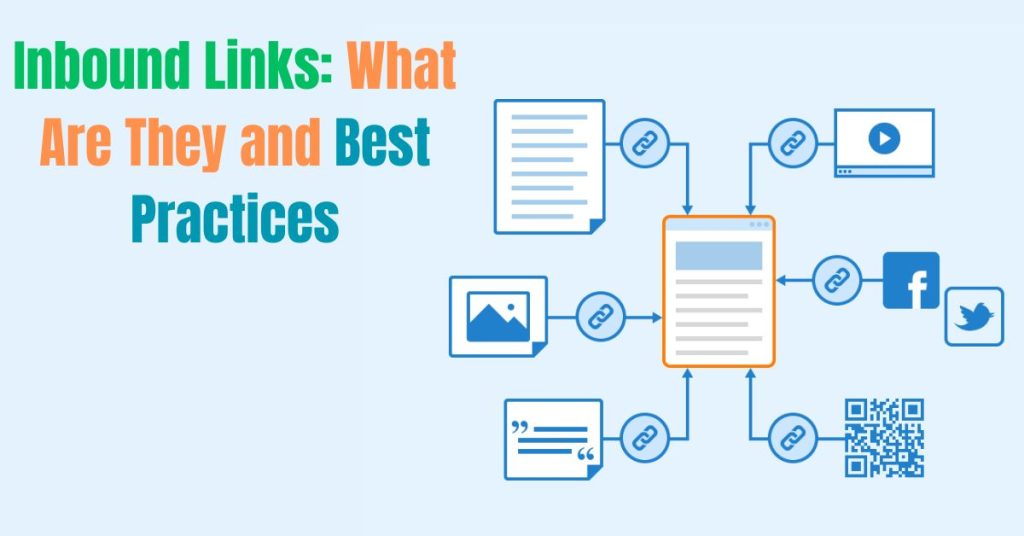
Inbound links, also known as backlinks, are hyperlinks on external websites that direct users to your website. They play a crucial role in SEO (Search Engine Optimization) by signaling to search engines like Google that other sites consider your content valuable and relevant. When high-quality, authoritative sites link back to your pages, it boosts your website’s credibility and can significantly improve your search engine rankings. Inbound links also bring targeted traffic from other websites, helping to increase brand visibility and attract a larger audience.
The right inbound link strategy is essential for any business or individual aiming to build a strong online presence. With careful planning and adherence to best practices, inbound links can be one of the most powerful tools in your SEO arsenal, enhancing your site’s authority and visibility. However, not all links are created equal, and building an effective link profile requires understanding what makes a link beneficial, knowing when a link could harm your SEO, and applying ethical, white-hat techniques to gain them.
What Are Inbound Links?
Inbound links are hyperlinks from one website to another, leading back to a particular page on your site. They’re called “inbound” because they drive visitors from an external source into your website. For example, if an authoritative blog in your industry references an article you published and includes a link to it, that is an inbound link to your site.
Search engines view these links as a sign of trust and authority, especially when they come from reputable, relevant sources. An effective inbound link profile doesn’t just increase traffic; it also signals to search engines that your site is a valuable resource, which can positively impact your search ranking.
Inbound links are foundational in SEO because they help search engines validate the quality and credibility of your content, making them a vital aspect of digital marketing strategies.
Why Building Link Profiles Matter to Your SEO
A strong link profile is one of the cornerstones of effective SEO, as it represents the quality and quantity of inbound links pointing to your website. Link profiles serve as a direct signal to search engines about the credibility, relevance, and popularity of your content. Building a healthy link profile involves obtaining inbound links from diverse, authoritative sources across relevant industries, showing that your site is a trusted source of information within your niche.
When search engines like Google analyze websites, they assess link profiles to determine rankings. A well-built link profile not only helps you gain visibility on search engine results pages (SERPs) but also attracts organic traffic from other reputable websites. Additionally, strong link profiles have been shown to increase brand authority, as users trust sites that are frequently referenced by other reputable sources. However, achieving an effective link profile is more than just accumulating backlinks; it’s about securing high-quality, relevant links that genuinely add value to your site and appeal to both users and search engines.
Understanding the Role of PageRank in Inbound Linking
PageRank, developed by Google, is an algorithm that measures the importance of web pages based on the quantity and quality of links to a page. In simple terms, each inbound link acts as a “vote of confidence” for your page, signaling to search engines that it’s valuable and trustworthy. However, not all votes are equal; links from high-authority pages carry more weight than those from less reputable or unrelated sources.
In PageRank’s calculation, both the number and the quality of inbound links contribute to how a page is evaluated. High-quality links from reputable sites can pass on “link juice,” which boosts your page’s authority and helps it rank higher on search engine results pages. However, links from low-quality sites, spammy pages, or black-hat sources can harm your PageRank, potentially resulting in penalties and a drop in rankings. This makes it essential to focus on quality over quantity, ensuring that the inbound links pointing to your site are from credible sources that align with your content and industry.
What Does a Good Inbound Link Look Like?
A good inbound link is one that not only points traffic to your website but also contributes positively to your SEO strategy by signaling quality and relevance to search engines. High-quality inbound links can improve your site’s credibility, visibility, and rankings, but knowing what constitutes a “good” link is essential for building an effective link profile. Here are the main characteristics of a good inbound link, each playing a vital role in maximizing SEO benefits.
1. Relevance
Relevance is one of the most important factors in determining the quality of an inbound link. When a link comes from a site within the same industry or niche, it signals to search engines that your content is likely relevant to the linked topic. For example, if you run a fitness blog, an inbound link from a reputable health or sports site will carry much more weight than one from an unrelated website. Search engines prioritize relevance because it aligns with their goal of delivering the most useful and accurate results to users. By focusing on links from sources closely related to your content, you enhance your site’s authority within your field and create a more cohesive user experience for your audience.
2. Authority
Authority refers to the level of trustworthiness and credibility associated with the linking site. Links from well-established, high-authority websites (such as major news outlets, government websites, or respected industry leaders) are more valuable than those from low-authority or newer sites. Search engines interpret links from authoritative sites as a strong endorsement, indicating that your content is credible and worth ranking. To evaluate a site’s authority, consider metrics like domain authority, page authority, and trust flow. While securing links from high-authority sources can be challenging, they are highly beneficial in terms of SEO, as they pass on substantial link equity, often referred to as “link juice,” to your site.
3. Anchor Text
Anchor text is the clickable text in a hyperlink that leads users to your website. A well-chosen anchor text provides context about the linked content, helping search engines understand what the page is about. Ideally, anchor text should be descriptive and relevant, often including keywords that are closely related to the linked content. For example, instead of using vague terms like “click here,” a good anchor text might be “top fitness tips” if linking to a fitness-related article. It’s important to avoid over-optimization, as search engines can penalize sites for using repetitive or keyword-stuffed anchor text. Instead, aim for natural and varied anchor text that accurately reflects the linked content.
4. No “Nofollow” Attribute
The “nofollow” attribute, when added to a link, tells search engines not to pass authority from the linking page to the linked page. While “nofollow” links can still drive traffic, they don’t contribute directly to improving your search engine ranking. A good inbound link should ideally be “dofollow,” meaning it lacks the “nofollow” attribute and thus passes link equity to your page. However, it’s important to note that “nofollow” links aren’t without value. Links from social media sites, forums, and certain directories may carry the “nofollow” attribute but can still drive valuable referral traffic and improve brand visibility. For SEO purposes, though, focus on acquiring “dofollow” links from reputable sources that will positively impact your rankings.
5. Natural Placement
For an inbound link to be effective, it should appear naturally within the context of the content. Search engines favor links that are embedded within relevant, high-quality content rather than placed in irrelevant locations like footers, sidebars, or comments sections. A link that fits seamlessly into the content, providing additional value or context, is more likely to be trusted by both search engines and users. Natural placement enhances the user experience, as readers can follow the link to find related information that is genuinely helpful. For instance, an inbound link embedded in a well-researched blog post that cites your article as a source is more valuable than a link forced into unrelated or spammy content.
6. Diversity
A diverse link profile is an indicator of a naturally growing website and contributes to a stronger, more robust SEO strategy. This diversity can include links from various types of websites—such as blogs, news sites, social media, forums, and directories—and different domains within your industry. By securing links from a wide range of authoritative sources, you avoid the appearance of manipulative linking practices, which search engines are quick to penalize. Diversity in link types and sources also broadens your reach, allowing you to tap into different audiences and potentially attract more traffic. A well-rounded link profile with diverse link origins and types demonstrates that your content is valuable across multiple channels and contexts.
When Do Inbound Links Become Harmful?
While inbound links are generally beneficial to your SEO efforts, not all links are helpful—some can actually harm your site’s search engine ranking. Harmful inbound links typically come from low-quality or spammy sources and can lead to penalties from search engines. These penalties, often referred to as “manual actions” by Google, can lower your rankings or, in severe cases, result in your site being removed from search engine results altogether. Here are some scenarios where inbound links can be harmful and what to look out for when managing your link profile.
Links from Low-Quality or Spammy Sites
Links from sites that lack authority, are poorly constructed, or host spammy content can harm your link profile. Search engines prioritize links from high-quality, reputable sources, so links from low-quality websites may indicate that your site is associated with unreliable information. This can lower your credibility and trustworthiness in the eyes of search engines, which may result in decreased rankings. Sites that participate in link farms, contain excessive advertisements, or have thin, irrelevant content are particularly risky.
Links with Over-Optimized Anchor Text
Anchor text that appears unnaturally repetitive or overly optimized with keywords can trigger search engine algorithms to view it as manipulative. Inbound links should have varied and natural anchor text that aligns with the context of the linked content. When too many links use the exact same keyword-rich anchor text, search engines may suspect link manipulation. This can lead to penalties, as search engines prioritize a natural linking profile over one that seems artificial or forced.
Links from Irrelevant Sources
Inbound links should ideally come from sites that are relevant to your niche or industry. Links from unrelated sources, especially if they’re excessive, can negatively impact your SEO. For instance, if you run a technology blog, an inbound link from a completely unrelated source, like a fashion or cooking website, may appear suspicious to search engines. This is because such links often suggest a lack of genuine relevance and could be seen as attempts to manipulate rankings. Focus on building links from relevant, contextually aligned sources to ensure they positively contribute to your site’s authority.
Paid or Manipulative Link Schemes
Engaging in paid link schemes or other black-hat tactics to acquire inbound links can be highly detrimental to your SEO. Google’s guidelines strictly prohibit buying or selling links that pass PageRank, as it goes against the principle of natural, earned links. If detected, such practices can result in penalties or a significant drop in search rankings. Instead of resorting to paid schemes, focus on earning links organically through high-quality content, building relationships, and engaging in ethical link-building practices.
Links from Link Farms and PBNs (Private Blog Networks)
Link farms and PBNs are groups of websites created specifically to generate inbound links by linking to each other. While they might boost link quantity temporarily, they violate search engine guidelines and can harm your rankings in the long term. Google and other search engines actively track and penalize sites that participate in such schemes, as they consider it an attempt to game the algorithm. Links from these sources are often seen as manipulative, so it’s best to avoid link farms and PBNs in favor of natural, organic link-building strategies.
Excessive “Nofollow” or “Sponsored” Links
While “nofollow” and “sponsored” links can be part of a healthy link profile, an excess of them may indicate a lack of organic link growth. These links signal to search engines that they shouldn’t pass authority to your site. Too many of them can suggest that your content isn’t receiving genuine endorsements from authoritative sources, which can dilute your link profile. A balance of “dofollow” and “nofollow” links, combined with authentic endorsements, is essential for an effective link strategy.
Links from Penalized or Untrusted Sites
Inbound links from sites that have been penalized or marked as untrustworthy can pass on their negative association to your site. Search engines tend to avoid ranking pages linked with penalized sites to prevent users from accessing low-quality or harmful content. Regularly monitor your backlink profile and disavow links from any sites that have a history of spam, penalties, or dubious content, as maintaining a healthy link profile will support your site’s long-term ranking stability.
9 Tips on How to Get Inbound Links
Building high-quality inbound links is one of the most effective strategies for improving your website’s visibility and SEO. Here are nine actionable tips to help you acquire strong inbound links that will elevate your site’s credibility and search engine rankings.
1. Create High-Quality Content That People Want to Link To
The foundation of a successful link-building strategy is creating valuable, engaging, and shareable content. When you produce high-quality content that answers questions, provides unique insights, or offers useful information, it naturally attracts inbound links. Content like research reports, infographics, in-depth guides, and interactive tools often perform well because they deliver exceptional value to readers. By focusing on content quality and relevance, you make it easy for other websites to see the value in linking back to your work.
2. Build Relationships With Other Website Owners and Bloggers
Building relationships within your industry can lead to natural link-building opportunities. Start by connecting with other website owners, bloggers, and influencers in your niche. Engage with their content, comment on their blogs, and participate in their discussions on social media. Once you establish a rapport, they’re more likely to consider linking to your content when it’s relevant to their audience. This relationship-driven approach not only leads to valuable backlinks but also opens doors for other collaborative opportunities like guest blogging, interviews, or co-hosting webinars.
3. Get Listed on Online Directories and Industry Associations
Submitting your website to reputable online directories and industry associations can enhance your link profile. These directories are often trusted sources, and getting listed can boost your website’s credibility. Look for directories specific to your niche or industry, as they are more likely to drive relevant traffic to your site. Make sure to avoid low-quality, spammy directories, as they can harm your SEO rather than help it. Instead, focus on well-known industry directories that provide legitimate, quality links.
4. Collaborate With Influencers and Conduct Interviews
Collaborating with influencers and conducting interviews with industry experts can provide valuable content while generating inbound links. When you feature well-known figures in your content, they may share the content on their own platforms, creating inbound links to your site. Additionally, reaching out to influencers for guest appearances, mentions, or quotes can increase your site’s exposure and attract their followers’ attention. This strategy not only helps in acquiring links but also builds your authority by associating your brand with reputable figures in your industry.
5. Leverage Social Media Platforms
While social media links are generally “nofollow,” social platforms are essential for promoting your content and generating organic inbound links. By sharing your content on social media, you increase its visibility, making it more likely to be noticed and linked to by other sites. Platforms like LinkedIn, Twitter, and Pinterest are particularly effective for reaching audiences interested in your content. Engaging with communities, sharing valuable insights, and building a social media presence can drive traffic and encourage natural link-building as more people discover and share your content.
6. Avoid Black Hat Link Building at All Costs
While it may be tempting to take shortcuts, black hat link-building tactics such as buying links, participating in link farms, or using automated link-building tools can severely damage your site’s SEO. These practices violate search engine guidelines, and if your site is flagged, it could face penalties, reducing your rankings or removing you from search results altogether. Instead, focus on ethical, white-hat link-building strategies that prioritize quality and sustainability, ensuring your site’s link profile remains healthy and credible in the long run.
7. Check Your Competitor’s Link Profile
Analyzing your competitor’s link profile can reveal potential link-building opportunities. Tools like Ahrefs, SEMrush, and Moz allow you to see which sites are linking to your competitors. By identifying where their inbound links come from, you can target similar sources or look for content gaps your competitors haven’t covered. This competitive analysis helps you understand what works in your industry and lets you create content that attracts links from similar reputable sites.
8. Audit Your Backlink Profile Regularly
Regularly auditing your backlink profile helps you monitor the quality of your inbound links and identify any potentially harmful links. Tools like Google Search Console, Ahrefs, and Moz can assist in analyzing your links to ensure they align with best practices. Auditing helps you detect low-quality or spammy links that could negatively affect your SEO, allowing you to disavow these links and maintain a clean link profile. This proactive approach ensures that your inbound links continue to contribute positively to your SEO efforts.
9. Consider Hiring Link Building Consultants
If link building feels overwhelming or you lack the resources to handle it in-house, hiring a professional link-building consultant or agency can be a worthwhile investment. These experts have the knowledge and experience to create effective link-building strategies, identify quality link sources, and manage outreach efforts on your behalf. A reputable link-building consultant can help you acquire high-quality inbound links without resorting to risky tactics, ensuring your link profile remains strong and your SEO improves steadily.
How Many Inbound Links Do I Need to Rank?
Determining the exact number of inbound links needed to rank highly in search engine results is challenging because link quantity alone doesn’t guarantee better rankings. Search engines like Google consider a variety of factors, including link quality, relevance, and overall site authority, when ranking pages. While there is no magic number for inbound links, here are some factors that influence how many links you might need to improve your SEO performance:
Quality Over Quantity
Search engines prioritize quality links over the sheer number of links pointing to your site. A handful of high-quality inbound links from authoritative, relevant sites can often have a greater impact than hundreds of low-quality links. Quality links come from websites with high domain authority, strong reputations, and content that aligns with your industry. When assessing how many links to pursue, focus on obtaining links from reputable sites rather than accumulating as many links as possible.
Competitor Benchmarking
One useful approach to understanding how many links you might need is to analyze your competitors. Reviewing the backlink profiles of top-ranking sites in your niche can give you an idea of the quantity and quality of links they have. If competitors have hundreds of quality inbound links, you may need to work toward a similar number to compete. Tools like Ahrefs, SEMrush, and Moz can help you compare your backlink profile with those of top-ranking competitors, offering a realistic benchmark to aim for.
Domain and Page Authority
The authority of both your website and the individual page you’re trying to rank can influence how many inbound links you’ll need. Pages on sites with high domain authority generally need fewer links to rank because the site itself is already viewed as credible. Conversely, newer or smaller sites often need more links to build up authority. Building a balanced link profile that supports both individual pages and overall domain authority can improve your chances of ranking successfully.
Link Diversity
A diverse link profile—meaning links from various types of sites such as blogs, news sites, and industry publications—can enhance your site’s credibility and help search engines view it as a natural, authoritative source. Having inbound links from a range of sources also signals that your content appeals broadly, which can positively influence rankings. While aiming for a specific number of links, ensure you focus on diversity to create a healthy, well-rounded profile that appeals to search engines.
Content Quality and Engagement
High-quality, engaging content can attract more natural links over time. If your content provides unique value or insights, other websites will be more inclined to link to it. Additionally, content that encourages user engagement—like shares, comments, or time spent on the page—can indirectly support your link-building efforts. Engaging content is more likely to attract organic links, potentially reducing the need for extensive outreach.
Niche-Specific Factors
Different industries and niches have varying levels of competition and link-building norms. For instance, a highly competitive niche like technology or finance might require more links than a smaller, specialized niche like local businesses. To determine how many links you may need, take into account the competitiveness of your niche and analyze the linking patterns of other sites within it. This contextual insight will help you set realistic goals for your link-building efforts.
Consistent Link Growth
A steady, consistent growth in inbound links over time often looks more natural to search engines than a sudden influx of links. Rapid link accumulation can sometimes appear manipulative, especially if the links come from low-quality sources. Instead of focusing on reaching a certain number of links quickly, aim for gradual growth by consistently creating valuable content, engaging with your audience, and building relationships within your industry. This approach can lead to sustained link growth, which is more favorable in the long term.
There is no single answer to the question of how many inbound links are needed to rank. While quantity does play a role, the quality, relevance, and diversity of links—and the competitiveness of your niche—are all critical factors to consider. By focusing on building a strong, balanced link profile, you can improve your site’s SEO and increase your chances of ranking effectively without solely relying on a target link count.
Strengthen Your Backlink Profile with Pro Real Tech
White hat link building is a complex digital marketing approach that requires diverse strategies, often scattered across multiple resources. Partnering with a professional link-building service can lay a strong foundation for your website’s SEO.
Pro Real Tech is a comprehensive digital marketing agency focused on developing effective, scalable link-building campaigns for businesses of all sizes. Our SEO experts specialize in HARO link building, local citations, guest blogging, link reclamation, and more to manage and optimize your backlink profile.
Contact us today to see how Pro Real Tech can help drive sustainable growth with an ethical, inbound marketing strategy.


