


In today’s digital-first world, your business reputation isn’t just what people say—it’s what they see, search, and share online. Whether you’re a small business owner, a startup founder, or a marketing manager, your business reputation score is a reflection of your brand’s credibility, trustworthiness, and customer sentiment. A strong reputation can help attract new customers, secure partnerships, and grow your bottom line. On the other hand, a poor reputation can quickly erode customer trust and limit your growth potential. That’s why proactively managing and enhancing your business reputation score is not just beneficial—it’s essential.
What Is a Business Reputation Score?
A business reputation score is a numerical value or rating that reflects how your business is perceived online by customers, clients, and the general public. It’s often calculated based on multiple data sources, including customer reviews, online mentions, social media sentiment, local listings, and search engine visibility.
Think of it as a digital trust barometer—much like a credit score, but for your brand’s image. The higher the score, the more trustworthy and credible your business appears. Companies like Google, Yelp, and various online reputation management (ORM) tools track and present this data in ways that directly influence how people find and engage with your business.
What Is My Reputation Score?
Your reputation score is unique to your business and can vary depending on the platform or tool used to measure it. Some ORM services assign a score from 0 to 100, while others use a star rating system or sentiment analysis percentage.
To find your current score, you can use platforms like Reputation.com, Brand24, or Google Business Profile insights. These tools gather reviews, mentions, and online data to calculate a score that helps you understand your brand’s standing. If you’re not actively monitoring this score, you could be missing out on opportunities to improve customer relationships or prevent negative trends from damaging your reputation.
What Is a Good Business Reputation Score?
A good business reputation score typically indicates high trust, strong customer satisfaction, and a positive online presence. While the definition of a “good” score may vary depending on the platform, here are some general benchmarks:
-
Star Ratings (e.g., Google, Yelp): A rating of 4.0 stars or higher is generally considered strong. Businesses with 4.5–5.0 stars are often viewed as the most reputable.
-
Numerical Scores (0–100 scale): A score above 80 is usually considered excellent. Scores between 60–80 are acceptable but may indicate room for improvement.
-
Sentiment Analysis (% Positive Mentions): A sentiment score with 70% or more positive feedback is typically regarded as good.
Keep in mind that consistency across platforms matters. A high rating on Google but poor reviews on Facebook or Yelp can raise red flags for potential customers. Maintaining a well-balanced, high-scoring reputation across all major touchpoints reinforces trust and encourages engagement.
Why You Should Monitor Your Reputation Score
Monitoring your reputation score is essential for sustaining your brand image and identifying areas for improvement. In a world where one bad review or viral complaint can do serious damage, staying informed puts you in a proactive—not reactive—position.
Here’s why regular monitoring matters:
-
Early Detection of Issues: It allows you to catch negative feedback or inaccurate listings before they spiral out of control.
-
Improved Customer Retention: Responding promptly to concerns shows customers you care, which can turn dissatisfied users into loyal advocates.
-
Competitive Advantage: Knowing where you stand in comparison to competitors helps you stay ahead and make strategic improvements.
-
Increased Visibility: Search engines favor businesses with strong and consistent reputations, improving your chances of ranking higher in local and organic searches.
-
Trust and Credibility: A consistently high score reassures potential customers that your business is reliable and trustworthy.
Regularly tracking your score with the right tools ensures that your brand remains in good standing and continues to grow in the eyes of your audience.
Common Mistakes That Hurt Your Reputation Score (and How To Avoid Them)
Your business reputation score can take a hit even when you’re not paying attention. Many companies unknowingly make mistakes that slowly chip away at their credibility and trustworthiness online. Below are some of the most common missteps—and how you can avoid them:
1. Ignoring Customer Reviews
Mistake: Failing to respond to reviews—especially negative ones—sends the message that you don’t care about customer feedback.
How to Avoid It: Always acknowledge and respond to reviews in a timely and professional manner. Thank happy customers and address complaints with empathy and solutions.
2. Inconsistent or Outdated Business Listings
Mistake: Having inaccurate information (e.g., wrong hours, phone numbers, or location) confuses customers and damages trust.
How to Avoid It: Keep all your business listings up to date across platforms like Google, Yelp, and Facebook. Use tools like Moz Local or Yext for consistency.
3. Poor Social Media Engagement
Mistake: Being inactive or overly promotional on social media can make your brand seem unapproachable or robotic.
How to Avoid It: Engage regularly by posting useful content, responding to comments, and showcasing your brand personality.
4. Not Monitoring Online Mentions
Mistake: You can’t fix what you don’t know. Letting online criticism go unnoticed can lead to larger PR problems.
How to Avoid It: Set up alerts (like Google Alerts or use tools like Mention) to track when your business is being talked about online.
5. Fake or Solicited Reviews
Mistake: Buying fake reviews or manipulating feedback is unethical and can get your listings penalized or removed.
How to Avoid It: Encourage authentic reviews by asking satisfied customers to share their experience, but never incentivize or fabricate them.
6. Ignoring Employee Sentiment
Mistake: Unhappy employees can damage your reputation with negative Glassdoor reviews or word-of-mouth.
How to Avoid It: Foster a healthy internal culture and address concerns early. A satisfied team often leads to satisfied customers.
7. Lack of SEO and Online Visibility
Mistake: If people can’t find trustworthy, positive content about your business, your reputation score may suffer.
How to Avoid It: Invest in search engine optimization (SEO) and publish high-quality content that reflects your values and credibility.
12 Tips on How To Improve Your Business Reputation Score
Boosting your business reputation score doesn’t happen overnight, but with consistent effort and the right strategies, you can significantly improve how people perceive and engage with your brand. Below are 12 powerful, actionable tips to elevate your reputation score and establish long-term trust with your audience.
1. Ask for Reviews
Customer reviews are one of the most influential components of your online reputation. A steady flow of positive, authentic reviews builds social proof and credibility.
How to do it:
-
Ask satisfied customers to leave reviews via email, SMS, or in-person after a successful interaction.
-
Make it easy by linking to your Google, Yelp, or Facebook review pages.
-
Respond to every review, positive or negative, to show appreciation and professionalism.
2. Optimize Social Media Profiles
Your social media presence is often a customer’s first impression. A well-managed profile reinforces your brand image and boosts trust.
How to do it:
-
Ensure your profile info (bio, contact details, website links) is complete and accurate.
-
Use professional branding, including logos, banners, and high-quality imagery.
-
Post consistent, relevant content that reflects your expertise and values.
3. Improve Customer Experience
A great customer experience leads to better reviews, stronger loyalty, and more word-of-mouth referrals.
How to do it:
-
Train staff to prioritize customer service and handle issues with care.
-
Streamline your sales, support, and delivery processes.
-
Personalize customer interactions wherever possible.
4. Engage With Your Customers
Engagement creates emotional connections that turn one-time buyers into long-term advocates.
How to do it:
-
Respond to comments and messages on social media promptly.
-
Host Q&A sessions, polls, or contests to interact with your audience.
-
Show gratitude by publicly thanking loyal customers or highlighting user-generated content.
5. Manage Your Business Listings
Accurate listings help you maintain a consistent online presence, which directly impacts your reputation score.
How to do it:
-
Claim and verify your business on Google My Business, Yelp, TripAdvisor, and industry-specific directories.
-
Use tools like BrightLocal or Yext to manage listings across multiple platforms.
-
Update changes in hours, address, phone number, or website as they happen.
6. Monitor and Track Your Reputation
If you’re not keeping tabs on what’s being said about your business, you can’t manage it.
How to do it:
-
Set up Google Alerts for your business name and related keywords.
-
Use tools like Brand24, Mention, or Reputation.com to track online mentions, sentiment, and review trends.
-
Analyze insights to spot recurring issues and areas for improvement.
7. Improve Your SEO
SEO helps your most positive, high-quality content appear when people search for your business or related topics.
How to do it:
-
Publish blog posts, FAQs, and service pages optimized for relevant keywords.
-
Ensure your Google Business Profile is fully optimized and maintained.
-
Encourage backlinks from reputable sources to boost authority.
8. Engage in Community Activities
Community involvement reflects positively on your brand’s values and builds strong local connections.
How to do it:
-
Sponsor local events, charities, or fundraisers.
-
Partner with other local businesses on initiatives or promotions.
-
Share your involvement on social media to showcase your commitment to the community.
9. Collect Customer Feedback Through Surveys
Feedback surveys help you understand customer sentiment and show that you value their opinion.
How to do it:
-
Use tools like SurveyMonkey, Typeform, or Google Forms to gather insights.
-
Ask questions about customer satisfaction, pain points, and suggestions.
-
Act on the feedback to improve your products, services, or support processes.
10. Train Your Staff Well
Employees are your brand ambassadors. Their interactions with customers can make or break your reputation.
How to do it:
-
Provide regular training on customer service, communication, and product knowledge.
-
Empower employees to resolve issues confidently and respectfully.
-
Encourage a culture of empathy, accountability, and continuous improvement.
11. Pay Attention to Employee Satisfaction
Happy employees lead to better customer service and positive internal reviews, especially on platforms like Glassdoor.
How to do it:
-
Foster a supportive work environment and offer opportunities for growth.
-
Conduct internal surveys to gauge employee morale and engagement.
-
Recognize and reward employee contributions regularly.
12. Use ORM Services
Online Reputation Management (ORM) services help monitor, analyze, and improve your brand reputation at scale.
How to do it:
-
Consider tools like Reputation.com, Birdeye, or Podium for review management and sentiment tracking.
-
Hire a reputation management agency if you’re dealing with a crisis or need hands-on support.
-
Use analytics dashboards to identify trends and optimize your strategy over time.
Other Metrics To Track When Maintaining Your Reputation
Your business reputation score is a powerful indicator of public perception, but it doesn’t tell the whole story on its own. To fully understand how your brand is performing and what areas need improvement, it’s important to monitor additional metrics that contribute to and reflect your overall reputation. Here are some key ones to keep an eye on:
1. Customer Satisfaction (CSAT) Score
This metric measures how satisfied customers are with your products, services, or support. It’s usually captured via a simple post-interaction survey (e.g., “How satisfied were you with your experience?”).
Why it matters: A high CSAT score indicates that your business is delivering positive experiences, which directly supports a strong reputation.
2. Net Promoter Score (NPS)
NPS measures customer loyalty by asking how likely someone is to recommend your business to others on a scale from 0 to 10.
Why it matters: A strong NPS not only boosts your brand’s perceived trustworthiness but can also predict business growth through word-of-mouth.
3. Online Review Volume and Ratings
The number of reviews you receive and their average star rating can heavily influence your reputation.
Why it matters: A business with many authentic, positive reviews appears more trustworthy than one with few or mixed ratings.
4. Social Media Sentiment Analysis
This involves analyzing the tone and emotion behind mentions of your brand on platforms like Twitter, Facebook, or Instagram.
Why it matters: Monitoring sentiment helps you spot potential PR issues, customer dissatisfaction, or opportunities for engagement before they escalate.
5. Brand Mentions and Share of Voice
This refers to how often your brand is mentioned online compared to competitors.
Why it matters: A higher share of voice can indicate strong brand awareness, but it’s also essential to assess the context of those mentions—are they positive, neutral, or negative?
6. Website Traffic and Engagement Metrics
Look at metrics like bounce rate, average time on site, and pages per session.
Why it matters: If people are spending time on your site and exploring multiple pages, it shows that your brand content is resonating with them—a positive sign for your reputation.
7. Customer Retention Rate
This shows how many customers continue to do business with you over time.
Why it matters: High retention suggests strong customer satisfaction and loyalty, which enhances your reputation and reduces marketing costs.
8. Employee Reviews and Employer Branding Scores
Sites like Glassdoor and Indeed allow employees to rate and review your company.
Why it matters: A poor internal reputation can spill over externally, especially when potential clients or customers research your business.
9. Customer Support Metrics
Metrics like average response time, resolution time, and support ticket volume help you evaluate how well your business handles inquiries and complaints.
Why it matters: Fast, helpful support leaves a lasting impression and can quickly turn a frustrated customer into a brand advocate.
10. Backlink Quality and Domain Authority
These SEO metrics show how trustworthy and authoritative your website is according to search engines.
Why it matters: A strong domain authority and high-quality backlinks from reputable sites enhance not only your search rankings but also your online credibility.
7 Best Tools To Help Improve and Monitor Your Online Reputation
Managing your online reputation effectively requires more than just intuition—it needs the right tools that offer real-time monitoring, sentiment analysis, and reporting. These tools help you stay on top of what people are saying about your business so you can respond quickly, make informed decisions, and continuously improve your public image. Here are seven of the best online reputation management (ORM) tools available today:
1. Brand24
Overview:
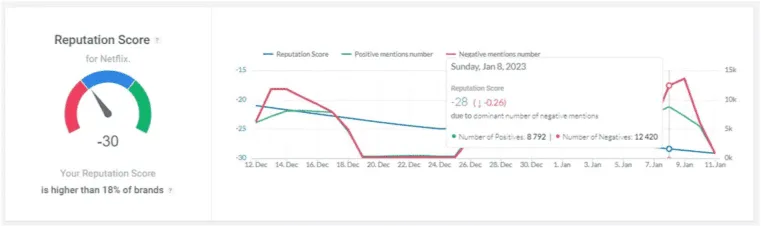
Brand24 is a real-time internet monitoring tool that tracks mentions of your brand across social media, blogs, news sites, forums, and other online platforms.
Key Features:
-
Real-time social media monitoring
-
Sentiment analysis
-
Hashtag and influencer tracking
-
PDF report generation
Best For:
Small to mid-sized businesses and agencies looking for affordable, comprehensive brand monitoring.
2. Brandwatch
Overview:
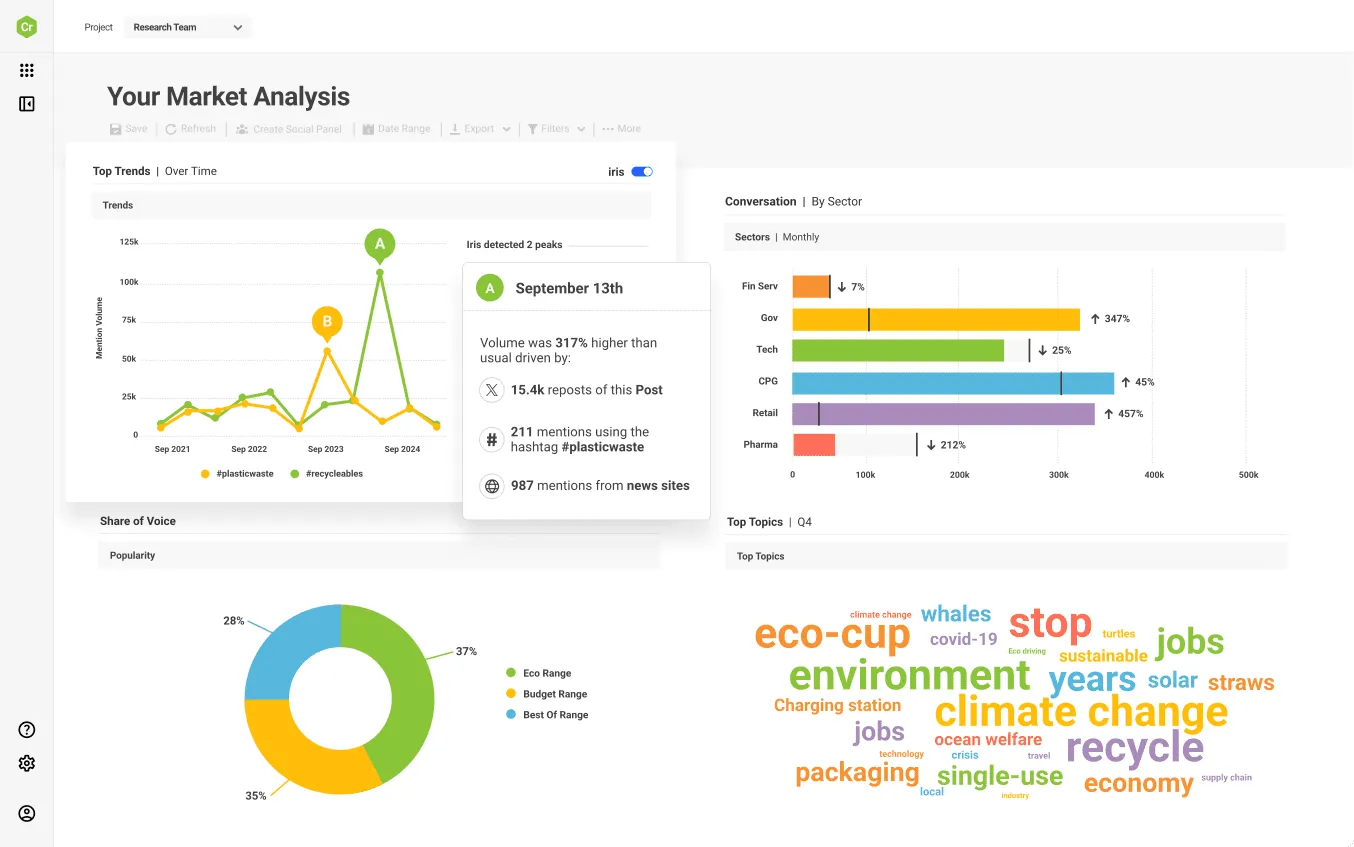
Brandwatch offers enterprise-grade social listening and analytics powered by AI. It helps you understand public perception, track trends, and make data-driven decisions.
Key Features:
-
AI-powered sentiment and trend analysis
-
Visual dashboards with customizable KPIs
-
Competitor benchmarking
-
Historical data access for long-term insights
Best For:
Large businesses or brands with a significant online presence needing deep analytics.
3. Mention
Overview:
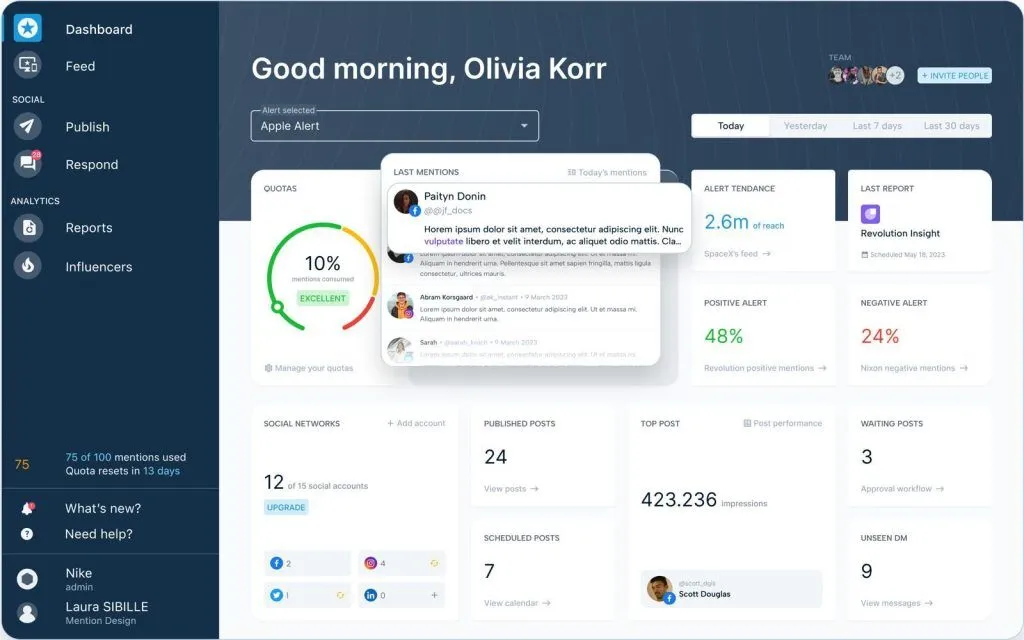
Mention monitors the web and social media for brand mentions, giving you the tools to respond instantly and manage your online reputation effectively.
Key Features:
-
Real-time alerts for brand mentions
-
Social media scheduling and publishing
-
Competitive analysis tools
-
Collaborative workflows for teams
Best For:
Startups and digital marketing teams who need real-time alerts and easy-to-use dashboards.
4. Reputation.com
Overview:
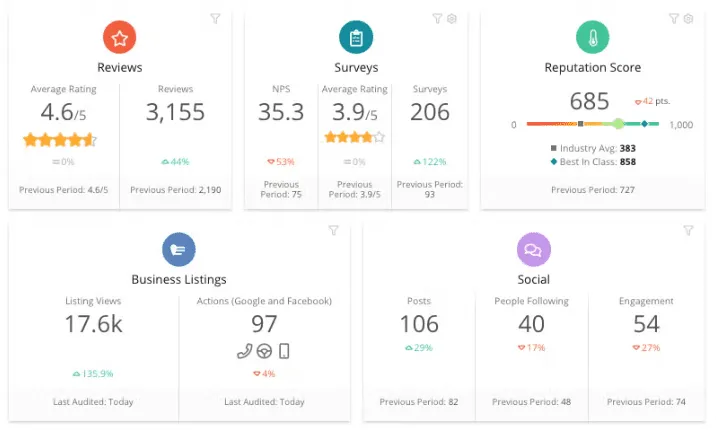
Reputation.com is a full-service platform that helps businesses manage online reviews, surveys, business listings, and customer experience across multiple locations.
Key Features:
-
Online review management
-
Location-specific reputation tracking
-
Customizable surveys for customer feedback
-
SEO and local search optimization tools
Best For:
Multi-location businesses, such as franchises and healthcare providers, who want centralized control of their reputation.
5. Hootsuite
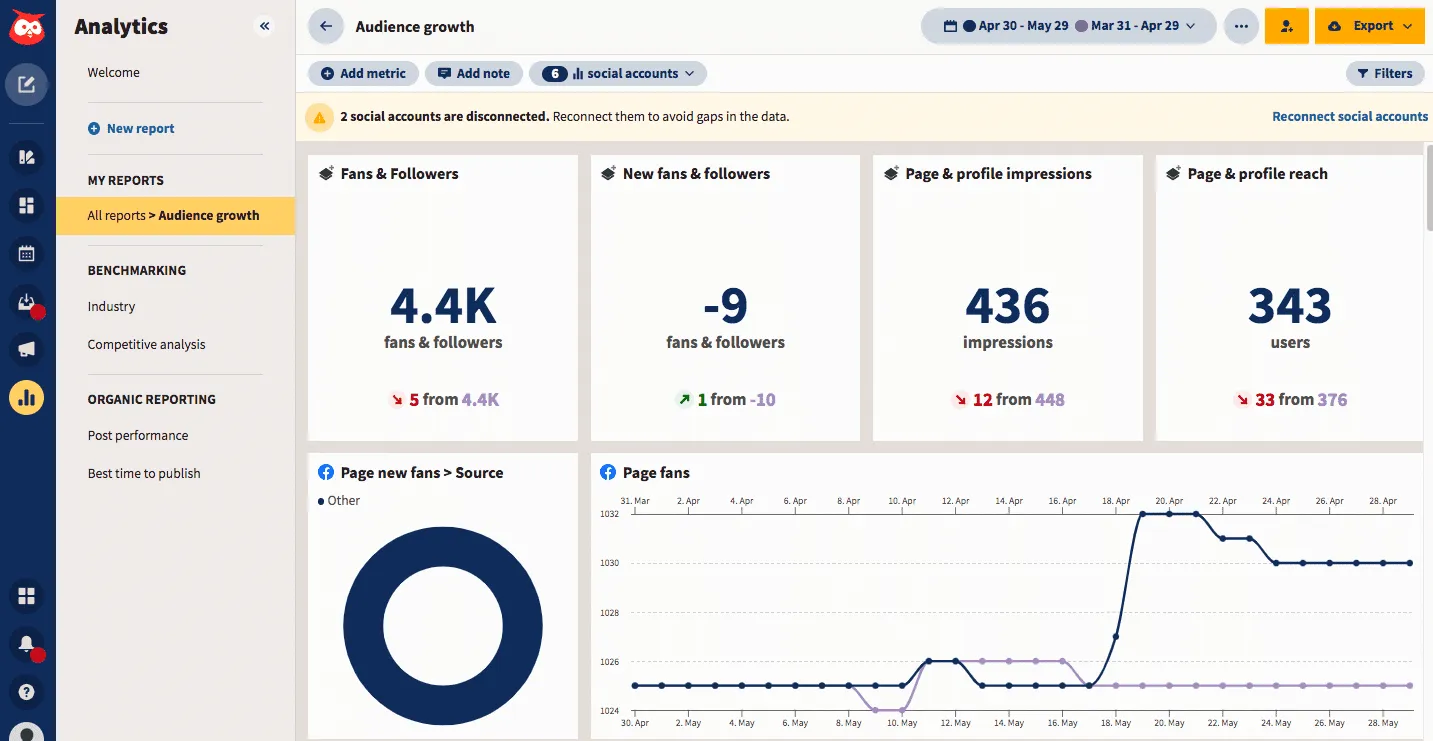
Overview:
While Hootsuite is primarily a social media management platform, it also offers strong reputation monitoring through integrations and keyword tracking.
Key Features:
-
Real-time monitoring of social conversations
-
Customizable streams for keywords and hashtags
-
Analytics reports for social sentiment
-
Team collaboration features
Best For:
Brands that are highly active on social media and need a single dashboard to manage and monitor all activity.
6. Sprout Social
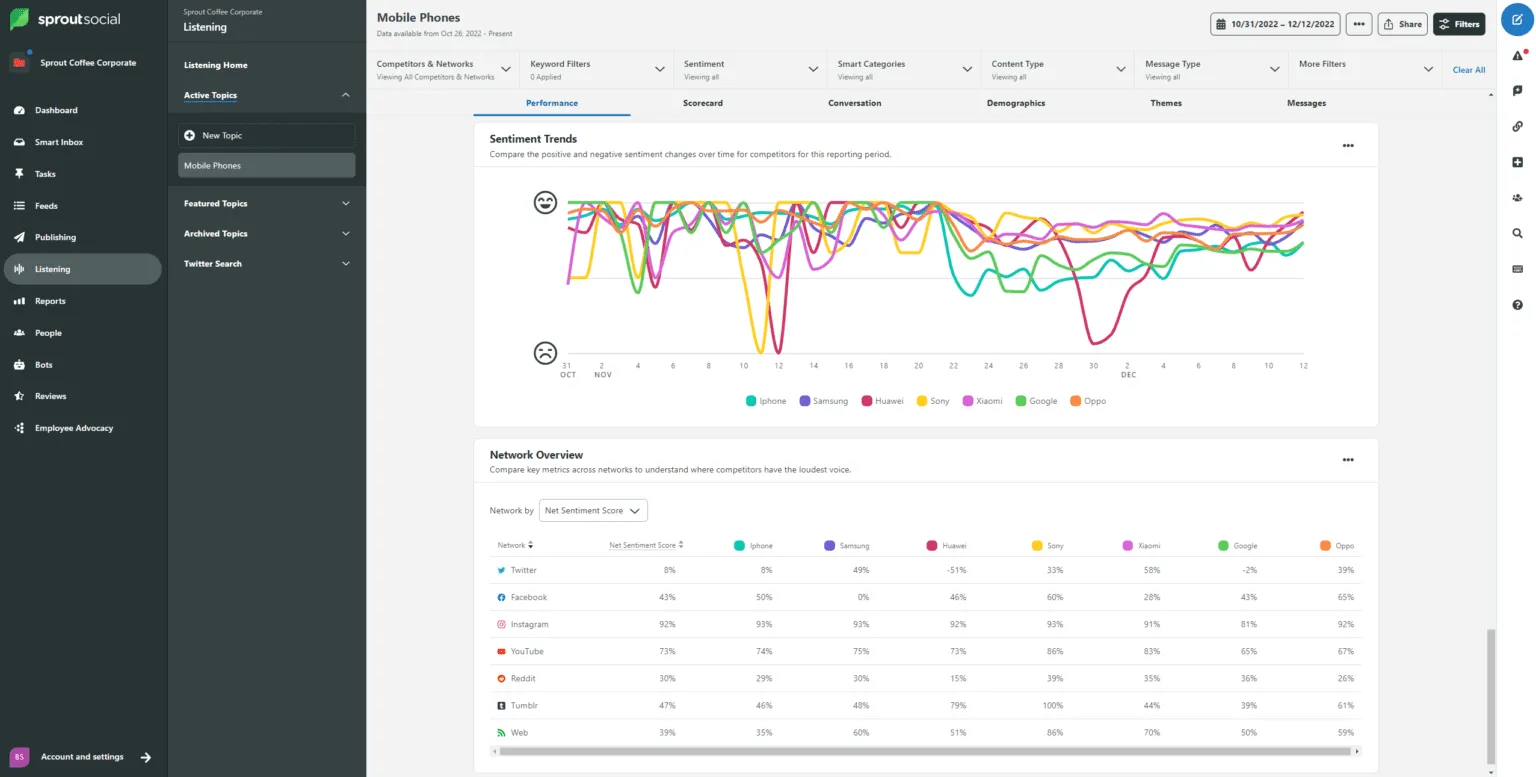
Overview:
Sprout Social combines social media management with reputation monitoring, giving you access to in-depth analytics and audience engagement tools.
Key Features:
-
Smart Inbox for brand mentions and messages
-
Social listening and competitor insights
-
Customer engagement and CRM features
-
Custom reports and performance metrics
Best For:
Businesses that prioritize both social media growth and customer engagement with a data-driven approach.
7. Google Alerts
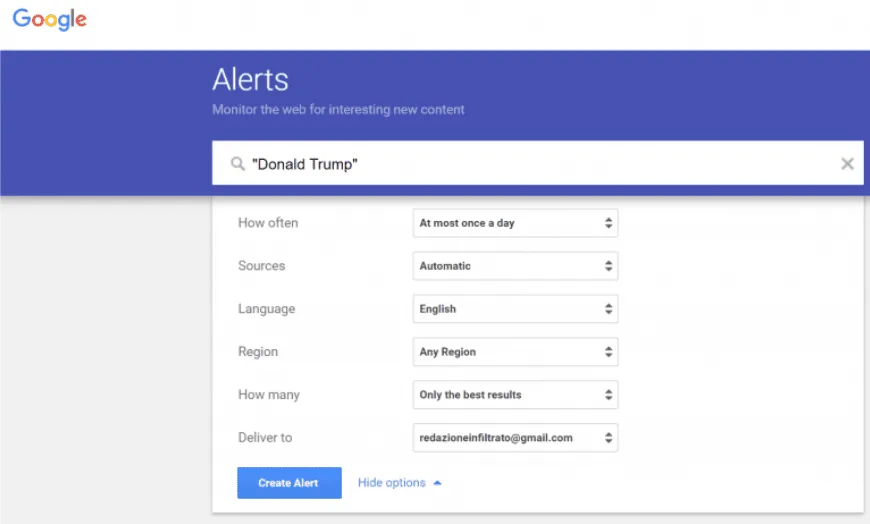
Overview:
Google Alerts is a free tool that notifies you whenever your chosen keywords (like your brand name) appear online in blogs, forums, or news sites.
Key Features:
-
Simple setup and email alerts
-
Coverage of blogs, news, and web pages
-
Flexible keyword tracking options
Best For:
Small businesses and individuals who want a basic, no-cost way to monitor mentions of their brand.
Boost Your Online Business Reputation Score with Pro Real Tech
Achieving a strong online reputation score takes time, strategy, and consistency—but it’s absolutely attainable.
At Pro Real Tech, we specialize in fully managed online reputation management services designed to elevate your brand’s credibility. From monitoring reviews and addressing negative feedback to managing local listings and responding to customer concerns—we handle it all. Plus, our advanced software technology gives your business a competitive edge. What sets us apart? We take care of every detail, from setup to ongoing support.
Have multiple locations? We also provide tailored franchise reputation management services to ensure brand consistency across the board.
Let’s build a reputation your customers can trust. Talk to our experts today and discover how Pro Real Tech helps brands grow and thrive.


