


Backlinks have been one of the most influential ranking factors in search engine optimization (SEO) for decades. Despite countless algorithm updates and the growing role of artificial intelligence in search, backlinks continue to play a critical role in determining how search engines evaluate and rank websites.
A backlink is created when one website links to another. These links act like votes of confidence, signaling to search engines that the linked content is valuable, trustworthy, and relevant. The more high-quality websites that link to your content, the stronger your website’s authority can become in the eyes of search engines.
However, backlinks are no longer just about quantity. Modern SEO focuses heavily on link quality, relevance, and trust. A single backlink from a respected industry website can often provide more SEO value than dozens of links from low-quality or unrelated sources. Search engines have become increasingly sophisticated at evaluating the context and credibility of backlinks, making strategic link building more important than ever.
Beyond rankings, backlinks can also drive referral traffic, increase brand visibility, strengthen online credibility, and help new content get discovered faster. Whether you run a business website, blog, eCommerce store, or SaaS platform, understanding how backlinks work is essential for long-term organic growth.
In this guide, you’ll learn what backlinks are, why they matter for SEO, how they influence search rankings, and the best practices for building a strong backlink profile in today’s search landscape.
What Exactly Are Backlinks?
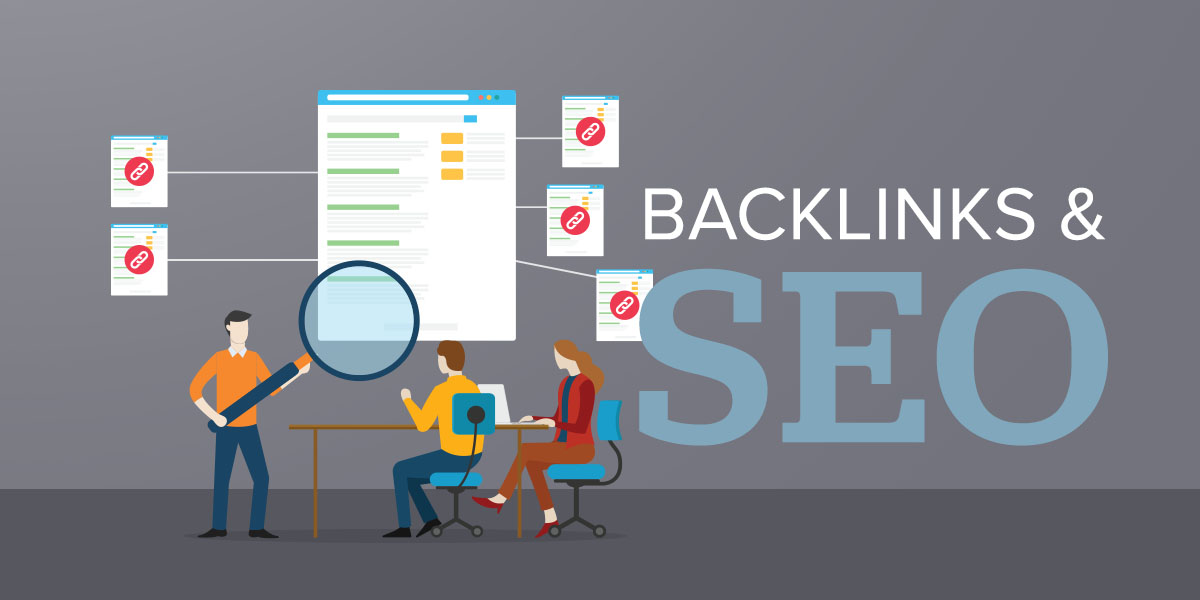
A backlink is a hyperlink from one website that points to a page on another website. In SEO, backlinks are often referred to as inbound links or incoming links because they direct users and search engines from an external website to your own.
For example, if a marketing blog publishes an article and includes a link to your website as a source or recommendation, that link becomes a backlink for your site.
Backlinks serve two important purposes:
- They help users discover relevant content across the web.
- They help search engines evaluate the authority and trustworthiness of websites.
Search engines view backlinks as endorsements. When reputable websites link to a page, it suggests that the content offers value and deserves attention. This is one reason why pages with strong backlink profiles often rank higher in search results.
How Backlinks Work
When search engine crawlers discover a backlink, they follow that link to understand the relationship between websites and pages. These links help search engines:
- Discover new pages faster
- Understand content relevance
- Evaluate website authority
- Determine topic expertise
- Assess trust signals across the web
The process is similar to academic citations. A research paper referenced by many respected scholars is generally considered more authoritative than one with few or no citations. Likewise, websites that earn links from credible sources often gain stronger authority in search results.
Types of Backlinks
Not all backlinks provide the same SEO value. Some of the most common types include:
Editorial Backlinks
Editorial backlinks are earned naturally when another website references your content because it provides useful information. These are considered some of the most valuable backlinks because they are given voluntarily based on merit.
Guest Post Backlinks
These backlinks are earned by contributing content to another website and including a link back to your own website where appropriate.
Business Profile Backlinks
Links from reputable business directories, industry listings, and professional profiles can help establish legitimacy and improve local SEO visibility.
Resource Page Backlinks
Many websites maintain resource pages that link to helpful tools, guides, and educational content. Earning links from these pages can strengthen your backlink profile.
Nofollow and Dofollow Backlinks
Dofollow backlinks generally pass SEO value from the linking website to the destination page. Nofollow backlinks contain attributes that indicate search engines should treat the link differently. While dofollow links are often more impactful for rankings, both types can contribute to a natural backlink profile and generate referral traffic.
What Makes a Backlink Valuable?
Several factors influence backlink quality:
- Relevance of the linking website
- Authority and trustworthiness of the source
- Placement within the content
- Natural anchor text usage
- Editorial context
- Traffic and engagement of the linking page
A backlink from a respected website within your industry is typically far more valuable than multiple links from unrelated or low-quality websites.
Why Are Backlinks Important For SEO?

Backlinks remain one of the strongest indicators that search engines use to assess a website’s credibility and authority. They help search engines determine whether a page deserves visibility for competitive search queries.
Without backlinks, even excellent content may struggle to achieve strong rankings because search engines have fewer external signals confirming its value.
Backlinks Build Website Authority
Authority is one of the primary reasons backlinks matter.
When authoritative websites link to your content, they effectively transfer trust signals that can strengthen your site’s reputation. Over time, earning backlinks from respected sources can help establish your website as a trusted resource within your niche.
Websites with stronger authority generally have a greater ability to rank for competitive keywords and attract consistent organic traffic.
Backlinks Improve Search Rankings
Search engines use backlinks as ranking signals because they help identify content that others find useful and trustworthy.
When multiple high-quality websites reference the same page, search engines may interpret that page as a valuable resource worthy of higher visibility in search results.
Although backlinks are only one part of SEO, they often play a significant role in helping pages move from lower positions to top-ranking results.
Backlinks Help Search Engines Discover Content
Search engine bots continuously crawl the web by following links from one page to another.
Backlinks can help new content get discovered and indexed faster. If an authoritative website links to a newly published page, search engines may find and crawl that page sooner than they otherwise would.
This can be especially beneficial for newer websites that are still building visibility.
Backlinks Drive Referral Traffic
Backlinks provide benefits beyond SEO rankings.
When users click a backlink on another website, they are directed to your content. This referral traffic can introduce your brand to new audiences, generate leads, increase engagement, and create additional business opportunities.
High-quality referral traffic often converts better because visitors arrive with an existing interest in your topic.
Backlinks Increase Trust and Credibility
Users naturally trust websites that are referenced by respected industry publications, organizations, and experts.
When potential customers see your website cited across authoritative sources, it can strengthen brand perception and increase confidence in your expertise.
This trust-building effect can positively influence both search performance and business outcomes.
Backlinks Create Competitive Advantages
In highly competitive industries, backlink profiles often become a key differentiator between ranking competitors.
Two pages may offer similar content quality, but the page supported by stronger, more relevant backlinks frequently has a better chance of ranking higher.
This is why backlink acquisition remains a central component of successful SEO strategies across industries.
Backlinks Support Long-Term Organic Growth
Unlike paid advertising, the benefits of quality backlinks can continue for months or even years.
A strong backlink profile helps create a foundation for sustainable organic visibility, allowing websites to attract traffic consistently without relying solely on paid marketing channels.
For this reason, backlinks remain one of the most valuable long-term investments in any SEO strategy.
Why Quality Backlinks Matter

Not all backlinks are created equal. In the early days of SEO, websites could improve rankings simply by acquiring large numbers of backlinks, regardless of where those links came from. Today, search engines are far more sophisticated and prioritize backlink quality over quantity.
A handful of high-quality backlinks from reputable, relevant websites can have a much greater impact on SEO performance than hundreds of low-quality links. This shift has made quality-focused link building one of the most important aspects of modern SEO.
Quality vs. Quantity: What Matters More?
Many website owners mistakenly believe that more backlinks automatically lead to higher rankings. While the number of backlinks can influence visibility, search engines place far greater emphasis on the quality and relevance of those links.
For example, a backlink from a well-established industry publication, government website, educational institution, or respected niche blog can provide significantly more SEO value than dozens of links from unrelated directories or low-authority websites.
Search engines analyze numerous factors when evaluating backlinks, including:
- Authority of the linking website
- Relevance of the linking content
- Trustworthiness of the source
- Context surrounding the link
- Placement within the page
- Anchor text usage
- Overall backlink profile quality
This means that earning one highly relevant backlink can sometimes outperform dozens of low-value links.
Relevance Is a Critical Ranking Factor
One of the most important characteristics of a quality backlink is relevance.
Search engines want to see connections between related topics and industries. If you operate a digital marketing website, backlinks from marketing, business, advertising, and SEO-related websites are generally more valuable than links from unrelated niches.
For instance, a backlink from an authoritative SEO blog carries stronger contextual value than a backlink from an unrelated entertainment website.
Relevant backlinks help search engines understand:
- Your website’s subject matter
- Industry expertise
- Topical authority
- Content relevance for specific search queries
The stronger the topical connection between websites, the more valuable the backlink often becomes.
Authority and Trust Influence Backlink Value
Search engines evaluate the authority and trustworthiness of websites linking to your content.
When respected websites consistently link to a page, it signals that the content provides useful, accurate, and reliable information. These trust signals can strengthen your website’s credibility and improve its ability to rank for competitive keywords.
Some indicators of a trustworthy linking website include:
- Strong editorial standards
- High-quality original content
- Consistent publishing history
- Positive reputation within its industry
- Natural backlink profile
- Genuine audience engagement
Links from trusted sources often contribute more ranking value than links from websites with questionable reputations.
Natural Editorial Links Carry More Weight
Editorial backlinks are among the most valuable links a website can earn.
These links are given naturally because another website finds your content useful enough to reference, cite, or recommend. Since they are earned rather than artificially created, search engines often view them as strong endorsements.
Examples include:
- Being cited as a source in an article
- Having original research referenced
- Earning mentions in industry publications
- Getting linked from educational resources
- Being included in expert roundups
Editorial links are difficult to obtain, but they often provide some of the strongest SEO benefits.
Low-Quality Backlinks Can Hurt SEO
Not every backlink is beneficial.
Links from spammy, irrelevant, or manipulative sources may provide little value and, in some cases, can negatively affect a website’s reputation. Search engines are increasingly effective at identifying unnatural link-building practices designed solely to manipulate rankings.
Examples of low-quality backlinks include:
- Link farms
- Spam directories
- Automated link schemes
- Irrelevant website networks
- Purchased links intended to manipulate rankings
- Excessive keyword-stuffed anchor text links
A healthy backlink strategy focuses on earning legitimate, relevant, and trustworthy links rather than accumulating backlinks at any cost.
Building a Strong Backlink Profile
A strong backlink profile contains a natural mix of high-quality links from diverse, relevant sources.
Instead of chasing volume, businesses should focus on creating valuable content that naturally attracts links. Comprehensive guides, original research, case studies, industry insights, tools, and data-driven content often generate the best backlink opportunities.
Ultimately, quality backlinks matter because they help search engines determine which websites deserve visibility, trust, and authority within their respective industries.
Are Backlinks Important For AI?

As AI-powered search experiences continue to evolve, many marketers wonder whether backlinks still matter. The short answer is yes—backlinks remain highly important, even in an AI-driven search landscape.
While artificial intelligence is transforming how search engines understand content, backlinks continue to serve as valuable signals of trust, authority, and credibility.
The Role of Backlinks in Modern AI Search
Traditional search engines primarily relied on backlinks to evaluate website authority. Today’s AI-powered systems go much further by analyzing content quality, user intent, context, expertise, and relevance.
However, backlinks still play an important role because they provide independent validation from other websites.
When multiple trusted sources reference the same content, AI systems gain additional confidence that the information is credible and useful.
In many ways, backlinks help AI determine:
- Which sources are trusted
- Which websites demonstrate expertise
- Which content is widely referenced
- Which pages deserve greater visibility
As a result, backlinks continue to influence how content is evaluated across modern search ecosystems.
AI Values Authority and Trust Signals
One of the biggest challenges for AI search systems is determining which information is reliable.
The internet contains enormous amounts of content, but not all of it is accurate or trustworthy. Backlinks help solve this problem by acting as external endorsements.
When authoritative websites consistently reference a particular source, it signals that the source may be worth trusting.
This is especially important for topics involving:
- Health
- Finance
- Legal information
- Technology
- Business strategy
- Education
AI systems often favor content that demonstrates expertise and has earned recognition from reputable sources.
Backlinks Support Brand Authority
AI search is increasingly shifting from simple keyword matching toward understanding entities, brands, and expertise.
When reputable websites repeatedly mention and link to your brand, those references help establish authority within your niche.
Over time, strong backlink acquisition can contribute to:
- Increased brand recognition
- Greater industry credibility
- Enhanced topical authority
- Stronger visibility in AI-generated search results
This means backlinks can indirectly support how AI systems perceive your website’s expertise and reputation.
Citations and Mentions Matter More Than Ever
While backlinks remain valuable, AI systems are also becoming better at understanding unlinked brand mentions and citations.
For example, if multiple trusted sources discuss your company, products, or research—even without directly linking to your website—those mentions can still contribute to your overall digital authority.
However, backlinks typically provide stronger and more measurable signals because they create a direct connection between websites.
The strongest strategy combines:
- High-quality backlinks
- Brand mentions
- Industry citations
- Thought leadership content
- Expert contributions
- Digital PR campaigns
Together, these signals help build trust in both traditional search engines and AI-powered search environments.
Backlinks Help AI Discover and Understand Content
AI-powered search systems still rely on web crawling and indexing processes.
Backlinks help these systems discover new content, understand relationships between websites, and identify important resources within specific topics.
A well-linked page is often easier for search engines and AI systems to find, evaluate, and reference.
This becomes particularly important when publishing:
- Original research
- Industry reports
- Data studies
- Comprehensive guides
- Expert insights
- Emerging trend analysis
The more authoritative references a piece of content receives, the more likely it is to gain visibility over time.
The Future of Backlinks in AI SEO
Backlinks are unlikely to disappear as a ranking and trust signal. Instead, their role is evolving.
As AI becomes better at understanding content quality, user behavior, and contextual relevance, low-quality links will continue to lose importance. High-quality, relevant, editorially earned backlinks, however, are expected to remain valuable indicators of authority.
The future of SEO is not about building the most backlinks—it is about earning the most trustworthy backlinks from sources that genuinely recognize the value of your content.
In an AI-powered search environment, quality backlinks remain one of the clearest signals that your website is credible, authoritative, and worthy of attention.
How to Track Your Backlinks

Building backlinks is only part of a successful SEO strategy. To understand the impact of your link-building efforts, you must regularly monitor and analyze your backlink profile.
Tracking backlinks helps you identify which websites are linking to you, evaluate link quality, discover new opportunities, and detect potentially harmful links that could affect your SEO performance.
Regular backlink monitoring allows you to:
- Measure the effectiveness of link-building campaigns
- Identify newly acquired backlinks
- Detect lost or broken backlinks
- Monitor competitor backlink strategies
- Evaluate backlink quality and relevance
- Protect your website from spammy or toxic links
Without proper tracking, it’s difficult to know whether your backlink strategy is helping or hurting your search visibility.
Why Backlink Monitoring Matters
Backlinks change constantly. Websites update content, remove links, change URLs, or shut down altogether. As a result, your backlink profile is never static.
A backlink that provides SEO value today may disappear tomorrow.
By tracking backlinks regularly, you can:
Recover Lost Backlinks
Sometimes valuable websites remove or update links unintentionally. Identifying these lost links allows you to contact site owners and potentially restore them.
Discover New Linking Opportunities
Analyzing newly acquired backlinks can reveal content formats and topics that naturally attract links, helping you refine your content strategy.
Identify Harmful Links
Although search engines have become better at ignoring low-quality links, excessive spammy backlinks can still create concerns. Regular monitoring helps you identify suspicious linking patterns.
Measure Authority Growth
Tracking backlinks over time provides insight into how your website’s authority and online reputation are developing.
Key Metrics to Monitor
When reviewing your backlink profile, focus on more than just the total number of links.
Important metrics include:
- Referring domains
- Link quality
- Domain authority or authority score
- Top linked pages
- Anchor text distribution
- Follow vs. nofollow links
- New backlinks
- Lost backlinks
- Industry relevance
- Referral traffic generated by backlinks
A website with 100 high-quality referring domains often performs better than a site with thousands of low-value links.
Tools for Tracking Backlinks
Several SEO tools can help monitor backlinks and analyze link performance.
Common backlink tracking tools include:
- Google Search Console
- Ahrefs
- Semrush
- Moz
- Majestic
- SE Ranking
These platforms can provide detailed insights into:
- New backlinks
- Lost backlinks
- Referring domains
- Anchor text usage
- Competitor backlinks
- Link growth trends
Using multiple data sources often provides the most complete picture of your backlink profile.
How Often Should You Check Backlinks?
The ideal frequency depends on your website size and SEO goals.
For most businesses:
- Monthly monitoring is sufficient for small websites.
- Weekly reviews are beneficial for active SEO campaigns.
- Daily monitoring may be appropriate for large brands or highly competitive industries.
Consistent monitoring helps you maintain a healthy backlink profile and identify opportunities before competitors do.
Backlink Building Best Practices
Successful link building is no longer about acquiring as many links as possible. Modern SEO focuses on earning high-quality backlinks that demonstrate authority, relevance, and trust.
The most effective backlink strategies prioritize long-term value rather than quick wins.
Create Link-Worthy Content
The foundation of successful link building is content that people genuinely want to reference.
High-performing content often includes:
- Comprehensive guides
- Original research
- Industry reports
- Case studies
- Data-driven articles
- Infographics
- Statistics pages
- Interactive tools
- Expert interviews
When content provides unique value, websites are more likely to link to it naturally.
Focus on Topical Authority
Publishing multiple high-quality articles around a specific topic helps establish expertise.
For example, instead of creating one article about SEO, build a complete content ecosystem covering:
- Technical SEO
- On-page SEO
- Link building
- Keyword research
- Local SEO
- AI search optimization
Topical authority makes your content more attractive to journalists, bloggers, and industry publishers looking for reliable sources.
Earn Editorial Links
Editorial backlinks remain among the most valuable backlinks in SEO.
You can earn them by:
- Publishing original research
- Sharing industry insights
- Creating expert-level resources
- Providing unique data
- Offering valuable commentary on industry trends
These links are naturally given because your content contributes meaningful information.
Use Digital PR Strategies
Digital PR has become one of the most effective modern link-building approaches.
Examples include:
- Publishing industry studies
- Launching surveys
- Sharing proprietary data
- Commenting on breaking news
- Contributing expert opinions
- Creating newsworthy content
Digital PR can help attract backlinks from authoritative publications and industry websites.
Guest Posting on Relevant Websites
Guest posting remains effective when done strategically.
Focus on:
- Relevant industry websites
- High-quality publications
- Genuine audience value
- Original content
Avoid publishing guest posts solely for backlinks. Instead, prioritize audience engagement and expertise building.
Reclaim Unlinked Brand Mentions
Many websites may mention your brand without linking to your website.
You can often earn additional backlinks by contacting website owners and requesting that a link be added where appropriate.
This strategy is frequently easier than acquiring completely new backlinks.
Strengthen Internal Linking
While internal links are not backlinks, they help distribute authority throughout your website.
A strong internal linking structure can:
- Improve user navigation
- Help search engines understand content relationships
- Increase page authority flow
- Support ranking improvements
Internal linking should complement your external link-building efforts.
Avoid Black-Hat Link Building
Some link-building tactics may produce short-term gains but create long-term risks.
Avoid:
- Link farms
- Automated link schemes
- Private blog networks (PBNs)
- Mass directory submissions
- Spam comments
- Purchased links intended solely to manipulate rankings
Search engines increasingly reward genuine authority and penalize manipulative practices.
Prioritize Quality Over Quantity
The most successful SEO campaigns focus on earning fewer but better backlinks.
One relevant backlink from a respected industry publication can often outperform dozens of low-quality links.
The goal should always be to build a backlink profile that appears natural, trustworthy, and relevant.
FAQs
How do I build backlinks?
The most effective way to build backlinks is by creating high-quality content that other websites naturally want to reference and share.
Common backlink-building methods include:
- Publishing comprehensive guides
- Creating original research and studies
- Guest posting on reputable websites
- Conducting digital PR campaigns
- Building industry relationships
- Reclaiming unlinked brand mentions
- Creating useful tools and resources
- Producing shareable visual content
Focus on earning backlinks from relevant, authoritative websites rather than simply increasing the number of links.
Remember that sustainable link building is a long-term process. The strongest backlink profiles are typically built through consistent content creation and genuine industry engagement.
How do I check my backlinks?
You can check your backlinks using SEO tools that monitor and analyze your backlink profile.
Popular options include:
- Google Search Console
- Ahrefs
- Semrush
- Moz
- Majestic
- SE Ranking
These tools allow you to view:
- Websites linking to your content
- Referring domains
- New backlinks
- Lost backlinks
- Anchor text usage
- Follow and nofollow links
- Link quality metrics
For most website owners, Google Search Console is the best starting point because it provides backlink data directly from Google.
Regular backlink analysis helps you understand your website’s authority, identify growth opportunities, and maintain a healthy backlink profile over time.
Read More: The Impact of Online Reviews on Small Business Success


