


In today’s crowded marketplace, simply promoting products or services isn’t enough to stand out. Buyers are increasingly savvy—they research credibility, compare reviews, and gravitate toward brands that feel trustworthy and authoritative. This shift has given rise to authority marketing, a strategic approach focused on positioning a brand or individual as a respected expert in their industry. Rather than pushing short‑term sales, authority marketing works by building trust, showcasing expertise, and becoming the go‑to resource people turn to when they have questions or problems.
When done right, this not only boosts visibility but also strengthens customer loyalty, expands reach, and makes your brand the natural choice over competing options. As consumer expectations evolve and digital platforms multiply, authority marketing is becoming essential for sustainable brand growth and long‑term success.
What Is Authority Marketing?

Authority marketing is a strategic form of marketing aimed at establishing a brand—or an individual within that brand—as a trusted expert and thought leader in a specific industry or niche. This approach emphasizes building credibility, trust, and influence with your audience by consistently providing valuable, accurate, and helpful information rather than simply promoting products or services.
At its core, authority marketing shifts the focus from transactional engagement to relationship‑driven value, where expertise and reliability become the primary drivers of customer decisions. By demonstrating insights, solutions, and deep knowledge, authority marketing fosters confidence among potential customers—making them more likely to choose your brand because they trust you over competitors.
Unlike traditional advertising that often highlights features or pricing, authority marketing builds a long‑term reputation through sustained visibility. It usually involves publishing educational content, contributing to industry conversations, engaging authentically with audiences, and showcasing social proof like testimonials or case studies.
Ultimately, the goal of authority marketing is to create a brand identity that stands for expertise and trustworthiness, so that when customers are ready to make decisions, your brand naturally comes to mind first. This positions your business not just as another option but as the leading voice in your field—a powerful advantage in today’s competitive digital landscape.
7 Benefits of Authority Marketing

Authority marketing delivers powerful advantages that go far beyond basic promotion — it reshapes how your brand is perceived, how audiences interact with you, and how effectively your business grows over time. By positioning yourself as a trusted expert and reliable resource in your field, authority marketing builds a strong foundation for long‑term success. Here are the 7 key benefits in detail:
1. Builds Authority and Credibility
At its core, authority marketing boosts your credibility by showcasing your expertise through high‑quality content, thought leadership, and industry insights. When your audience sees you providing valuable information that solves real problems, they begin to trust you as an expert rather than just another seller. This trust makes potential customers significantly more confident in your offerings.
2. Attracts Your Target Audience
Unlike broad advertising that aims for mass exposure, authority marketing draws in qualified prospects who are already interested in your niche. By aligning your content and messaging with the topics and challenges your ideal customers care about, you naturally attract targeted traffic that’s more likely to convert into engaged followers and buyers.
3. Boosts Customer Loyalty
Providing consistent value strengthens relationships with your audience. When customers feel a brand truly understands their needs and consistently offers useful guidance, they’re more likely to stay loyal over time. Loyalty leads to repeat purchases, brand advocacy, and long‑term engagement — all of which are essential for sustainable growth.
4. Strengthens Your Reputation
In today’s marketplace, reputation influences buying decisions more than ever. A strong authority position enhances how peers, customers, and industry players perceive your brand. This not only attracts customers but also opens doors to media features, partnerships, and collaborative opportunities that further reinforce your brand’s prominence.
5. Increases Sales and Conversions
Credibility reduces hesitation. When audiences trust your expertise, they are more comfortable taking action — whether it’s making a purchase, signing up for a service, or joining your community. The confidence that comes from authority improves conversion rates and leads to stronger sales performance across channels.
6. Positions You Ahead of Competitors
In a crowded market, authority sets you apart. Rather than competing on price or features alone, your brand becomes the go‑to voice that customers seek. This differentiation not only draws attention but also makes your brand more memorable and respected compared to competitors who lack a strong authoritative presence.
7. Maximizes Marketing ROI
Authority marketing builds long‑lasting assets — such as valuable content, thought leadership, and social proof — that continue to generate results over time. These assets make your overall marketing more efficient, reducing customer acquisition costs and improving return on investment. Strong authority amplifies the impact of every marketing dollar spent by increasing trust before prospects even enter your sales funnel.
4 Key Components of Authority Marketing

To successfully implement authority marketing, you must understand its foundational building blocks. These components work together to shape how your audience perceives your expertise, trustworthiness, and leadership within your niche. When executed effectively, they create a strong authority presence that influences customer behavior, strengthens brand perception, and supports long‑term growth.
1. Content
Content is the cornerstone of authority marketing. High‑quality, relevant, and educational content is what demonstrates your expertise and communicates value to your audience. This includes blog articles, videos, podcasts, webinars, whitepapers, and guides that address real problems, answer key questions, and offer actionable insights.
Rather than promotional messaging, the focus of content in authority marketing is help and clarity. Brands that consistently publish well‑researched, informative content build trust by showing they understand their audience’s needs. Over time, this positions them as a go‑to knowledge source — a trusted voice people reference when making decisions. Content also fuels SEO, improves discoverability, and keeps audiences engaged throughout the buyer journey.
2. Branding
Branding goes beyond logos and visual design; it is the emotional and psychological impression your business makes on your audience. In the context of authority marketing, branding includes your messaging style, tone of voice, values, and the overall personality your brand expresses.

A strong brand identity helps your target audience instantly recognize and resonate with your content and communication. Consistent and authentic branding reinforces your authority because people connect with brands that feel reliable, professional, and aligned with their values. Clear positioning and tailored messaging ensure your audience understands who you are, what you stand for, and why your expertise matters.
3. Thought Leadership
Thought leadership is about leading conversations and offering forward‑thinking insights that others in your industry find valuable. Thought leaders influence how others think, challenge conventional wisdom, and introduce new perspectives or innovative solutions.
This component of authority marketing requires deep industry insight and the confidence to share original viewpoints. It often involves participating in public speaking events, publishing expert commentary, engaging in interviews, and contributing to respected industry publications or forums. Thought leadership elevates your brand from being informative to being influential, shaping trends and earning respect from peers and prospects alike.
4. Social Proof
Social proof is evidence that others trust and endorse your brand, and it strongly influences purchasing decisions. It includes testimonials, case studies, reviews, certifications, endorsements, and user‑generated content that validate your expertise.
When potential customers see real examples of your impact — especially from people or organizations they respect — their confidence in your authority grows. Social proof answers the question every buyer has: “Can I trust this brand?” Positive social proof reduces perceived risk and accelerates trust, making audiences more likely to choose your solutions over competitors.
How To Build Authority For Your Brand: 5 Tips for Authoritative Brand Establishment

Building authority for your brand is a strategic process that positions your business as a trusted expert in your field. When done effectively, it not only improves visibility but also influences how your audience perceives your credibility, making them more likely to choose your brand over competitors. Below are five up‑to‑date, research‑backed tips to help you establish strong brand authority:
1. Develop Niche Expertise
Becoming an authority starts with defining and mastering a specific niche. Rather than trying to appeal to everyone, focus on a clear area where you can offer deep insights and real solutions. Study industry trends, stay updated with the latest developments, and continuously sharpen your expertise. When your audience sees that you genuinely understand a particular subject better than others, they are more likely to trust your recommendations and view your brand as a reliable authority. This deep specialization also helps distinguish you from competitors with broader but shallower knowledge.
2. Publish High‑Quality Content
High‑quality content is the backbone of authority marketing and allows your brand to showcase expertise and problem‑solving capabilities. Create content that educates, informs, and provides actionable value—such as detailed blog posts, whitepapers, how‑to videos, webinars, and expert guides. The key is consistency: regularly publishing well‑researched, relevant content increases trust and keeps your audience engaged. This type of content not only positions you as an expert but also improves your search engine visibility, making your brand easier to discover organically.
3. Engage With Your Audience
Authentic engagement builds strong relationships and reinforces authority. Interact with your audience by responding to comments, answering questions, and participating in discussions on social media, forums, and industry groups. Engagement shows you’re approachable and genuinely interested in your audience’s needs—not just promoting yourself. Hosting live Q&A sessions, webinars, and interactive events can further deepen connections and position you as a trusted voice in your community.
4. Use Multiple Platforms
Maximizing your presence across different channels ensures that your authority isn’t limited to a single place. Different audience segments prefer different platforms—LinkedIn for professional insights, YouTube for video tutorials, Twitter for real‑time engagement, and newsletters for direct communication. Adapting your content to each platform’s strengths expands your reach and reinforces your authority wherever your audience spends time. A diversified platform strategy also helps amplify your content and attract new followers who may not find you otherwise.
5. Work With Other Experts
Collaborating with other respected professionals and industry influencers lends additional credibility to your brand. Partner on joint webinars, guest blog posts, expert panels, or co‑authored reports. When audiences see you working alongside recognized experts, your authority is amplified by association. These collaborations also expose your brand to new audiences and help build a network of trust within your industry.
3 Tips for Integrating Authority Marketing Into Your ORM Strategy
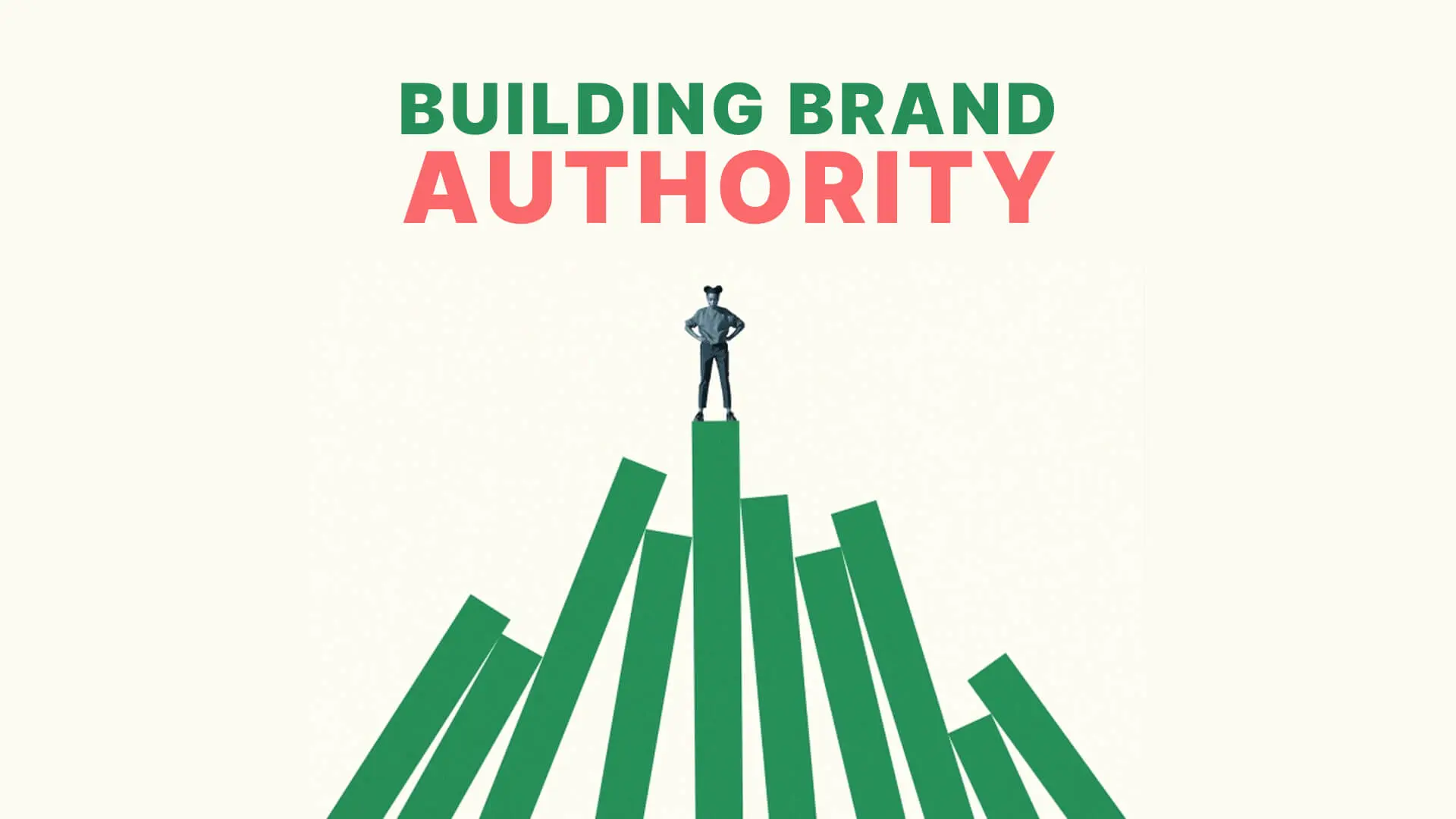
Integrating authority marketing into your online reputation management (ORM) strategy isn’t just beneficial — it’s essential for shaping how your audience perceives your brand across digital channels. Authority marketing and ORM share the common goal of building trust, credibility, and positive perception.
When these two strategies work together, they create a stronger, more resilient online presence that not only protects your reputation but actively enhances it. Below are three up‑to‑date, detailed tips for successfully merging authority marketing with ORM:
1. Align Messaging With Brand Values
Your brand’s messaging should be consistent, clear, and rooted in the values you stand for. When your authority‑building content reflects your core principles and speaks directly to what your brand represents, it reinforces credibility and trustworthiness — two essential elements in ORM. Whether you’re publishing blog posts, engaging on social media, or responding to public feedback, ensure your tone, language, and ideas clearly align with your brand’s value system.
Consistency across all content and responses strengthens authority while preventing confusion or mixed signals that can harm your reputation. This alignment ensures that every piece of content supports both authority marketing and your reputation management goals.
2. Monitor and Respond Proactively
Authority marketing gives audiences reasons to trust and engage with your brand — but how you respond to feedback and online mentions plays a pivotal role in reputation management. Actively monitoring your brand mentions, reviews, and social conversations allows you to respond promptly and professionally to both praise and criticism. Tools like Google Alerts, social listening platforms, and review monitoring dashboards help track relevant discussions so you can intervene before issues escalate.
Proactive responses show accountability, humanize your brand, and reinforce your authority by demonstrating that you aren’t just a voice in publishing — you’re actively listening, learning, and engaging with your audience in real time.
3. Optimize for Search Engines
Combining authority marketing with ORM means controlling what people find when they search for your brand online. While ORM focuses on managing your overall reputation in search results, authority marketing contributes by producing high‑quality, informative content that ranks well and showcases your expertise. By optimizing your content and web presence for search engines, you not only improve visibility but also prioritize positive and authoritative content in search engine results pages (SERPs).
Delivering optimized content that reflects expertise and relevance pushes less helpful or outdated pages lower in search rankings, which helps manage perception and ensures your best content is seen first. Techniques such as keyword optimization, backlink building, technical SEO, and structured data all support both authority signals and reputation objectives when executed strategically.
Drive Your Influence With Pro Real Tech
Pro Real Tech is a full‑service digital agency designed to help brands elevate their visibility, influence, and reputation in the modern digital landscape. With a comprehensive suite of services — including digital marketing, web design and development, graphic design, SEO, influencer marketing, video production, and online reputation management — Pro Real Tech equips businesses with the tools they need to build authority and connect meaningfully with their audience. Their expert team focuses on creating customized strategies tailored to each brand’s unique goals, ensuring that every aspect of a campaign — from creative design to technical optimization — works in harmony to strengthen brand influence online.
What sets Pro Real Tech apart is its strategic blend of creative expertise and technological innovation. For example, their digital marketing services incorporate advanced SEO practices that boost organic visibility and drive relevant traffic, ensuring that authoritative content reaches the right audience. They also handle influencer marketing by carefully selecting partners whose audiences align with your brand values, enabling authentic collaborations that amplify credibility and resonance.
In addition to core marketing services, Pro Real Tech offers engaging video production and graphic design solutions that help brands tell compelling stories visually — a key component in building authority in today’s content‑driven world. Whether through brand documentaries, promotional videos, or social media visuals, these creative assets help establish trust and emotional connection with audiences.
Beyond strategy and execution, Pro Real Tech emphasizes collaboration, transparency, and measurable impact. They provide clear performance metrics, regular reporting, and ongoing support to ensure your campaigns evolve and deliver results. This means your authority marketing efforts are continually refined and optimized to strengthen your reputation and grow influence.
If you’re ready to transform your brand’s digital presence and expand your influence, partnering with Pro Real Tech can help you craft a powerful authority strategy that resonates deeply with your audience — start your journey to digital excellence now!
Frequently Asked Questions (FAQs) About Authority Marketing
1. Where Did Authority Marketing Originate?
Authority marketing has its roots in the broader concept of thought leadership and expert positioning, which has been used in professional services and B2B industries for decades. The idea gained prominence with the rise of digital marketing, where content, social proof, and online engagement allowed brands to showcase expertise to a global audience. It evolved as businesses realized that credibility and trust often drive decisions more than direct advertising.
2. Is Authority Marketing Only Relevant for Digital Businesses?
No. While digital platforms amplify authority marketing, the strategy applies to any business or professional seeking to establish credibility. Offline businesses, local service providers, consultants, and even traditional B2B firms can benefit by demonstrating expertise, sharing insights, and cultivating trust with their audience through seminars, print publications, speaking engagements, and partnerships.
3. How Is Authority Different from Popularity?
Popularity is measured by attention and reach, whereas authority is based on trust, credibility, and perceived expertise. A brand can be popular without being trusted, but authority reflects the confidence your audience places in your knowledge and recommendations. Authority drives loyalty, influence, and long-term engagement rather than temporary buzz.
4. Can a Company Build Authority Without a Visible Spokesperson?
Yes. Authority can be established through consistent, high-quality content, testimonials, case studies, and brand messaging. While a recognizable spokesperson can humanize a brand, organizations can demonstrate expertise collectively through thought leadership articles, webinars, whitepapers, and other authoritative assets.
5. What Risks Come With Positioning Yourself as an Authority?
Claiming authority comes with responsibility. Providing inaccurate information, overpromising, or failing to back claims with evidence can damage credibility. Authority also raises expectations; your audience assumes a high level of expertise and consistency, making transparency and accountability essential.
6. Does Authority Marketing Require Original Research?
While original research is not mandatory, it significantly strengthens authority. Unique studies, proprietary insights, and expert analysis provide evidence of expertise, differentiate your brand, and increase trustworthiness. However, well-curated and expertly interpreted information from credible sources can also support authority marketing effectively.
7. How Does Authority Influence Pricing Power?
Brands perceived as authoritative can often command premium pricing. Customers are willing to pay more for expertise, trustworthiness, and quality assurance because authority reduces perceived risk and increases confidence in the purchase decision.
8. Can Authority Fade Over Time?
Yes. Authority is earned continuously and requires ongoing effort to maintain. Market changes, outdated knowledge, inconsistent content, or poor customer experiences can erode trust and credibility. Continuous engagement, updated insights, and consistent value delivery are essential to preserve authority.
9. How Does Authority Affect Partnerships and Media Opportunities?
Authority opens doors to strategic partnerships, media coverage, and speaking opportunities. Brands viewed as experts are more likely to be approached for collaborations, interviews, or joint ventures, which further enhances visibility and credibility. Strong authority establishes a brand as a preferred partner in its industry.
10. Is Authority Marketing Measurable Beyond Sales?
Absolutely. Authority can be tracked through metrics such as website traffic, content engagement, social media reach, media mentions, backlinks, influencer collaborations, and audience feedback. While sales may reflect some impact, authority marketing success is also reflected in trust, recognition, and the brand’s long-term influence in its niche.
Read More: The Visibility Illusion: Why Posting More Won’t Make You Findable


