


In today’s competitive market, customers don’t just buy products—they buy into brands they love. Traditional marketing focuses on one-time transactions, but relationship marketing goes deeper. It’s about building long-term connections that turn casual buyers into passionate fans.
Think about brands like Apple, Nike, or Starbucks. Their success isn’t just about selling products; it’s about fostering loyalty, emotional engagement, and a sense of belonging. When customers feel valued and connected, they don’t just purchase—they advocate, defend, and stay loyal even when competitors try to lure them away.
In this guide, we’ll explore:
-
What relationship marketing really means
-
Why it’s a game-changer for modern brands
-
7 powerful strategies to turn buyers into devoted fans
-
Real-world examples of brands doing it right
Let’s dive in and learn how to build a brand that people don’t just buy from—but truly love.
What Is Relationship Marketing?
Relationship marketing is a customer-centric approach that prioritizes long-term engagement over short-term sales. Instead of focusing solely on transactions, it emphasizes trust, loyalty, and emotional connection between a brand and its audience.
Key Principles of Relationship Marketing:
-
Personalization – Treating customers as individuals, not just data points.
-
Two-Way Communication – Listening and responding, not just broadcasting messages.
-
Consistent Engagement – Staying top-of-mind through valuable interactions.
-
Emotional Connection – Making customers feel like part of a community, not just a target market.
Unlike traditional marketing (which often stops after a sale), relationship marketing nurtures customers at every stage—before, during, and after purchase. The goal? Turning one-time buyers into lifelong fans.
Why Should Brands Invest in Relationship Marketing?
In a world where consumers are bombarded with ads and endless choices, standing out requires more than just great products or aggressive sales tactics. Relationship marketing helps brands build trust, foster loyalty, and create emotional bonds that keep customers coming back—and even advocating for the brand.
Here’s why investing in relationship marketing is a must for modern businesses:
Higher Customer Retention & Lifetime Value
-
Acquiring a new customer costs 5x more than retaining an existing one. (Source: Bain & Company)
-
Loyal customers spend 67% more than new ones. (Source: Adobe)
-
Relationship marketing nurtures repeat purchases, reducing churn and increasing long-term revenue.
Stronger Brand Advocacy
-
Customers who feel connected to a brand are more likely to recommend it to friends and family.
-
Word-of-mouth marketing is 5x more influential than paid ads. (Source: Nielsen)
-
Fans defend brands during controversies and amplify positive messaging.
Better Customer Insights & Personalization
-
Ongoing engagement provides valuable data on preferences, pain points, and behaviors.
-
Brands can tailor experiences, offers, and content to individual needs, boosting satisfaction.
Competitive Advantage in a Crowded Market
-
Price and quality alone aren’t differentiators anymore.
-
Emotional connections make customers choose you over competitors, even at a premium.
-
Example: Apple users pay more for iPhones because they love the brand, not just the specs.
Crisis Resilience
-
Brands with strong customer relationships recover faster from PR setbacks.
-
Loyal fans stick around during tough times, while transactional buyers quickly jump ship.
Cost-Effective Marketing
-
Repeat customers require less ad spend to convert.
-
Engaged audiences organically share content, reducing reliance on paid promotions.
Increased Customer Satisfaction & Trust
-
When brands actively listen and engage, customers feel valued, not just sold to.
-
Trust leads to higher conversion rates and lower skepticism toward marketing messages.
Read More: The Rise of AI-Driven Personalization in Marketing
7 Relationship Marketing Strategies to Attract Loyal Fans
Turning casual buyers into devoted fans requires more than just great products—it demands strategic relationship-building. Here are seven powerful ways to foster deeper connections with your audience:
1. Personalize Your Promotions
Generic marketing is forgettable; personalization makes customers feel seen and valued.
How to Do It Right:
-
Use customer data (purchase history, browsing behavior) to tailor recommendations.
-
Segment email lists and send targeted offers (e.g., “We noticed you loved X—here’s something similar!”).
-
Dynamic website content that changes based on user preferences.
Example:
Amazon’s “Recommended for You” section boosts engagement by leveraging past behavior to suggest relevant products.
2. Show Your Brand’s Personality
People connect with humanized brands, not faceless corporations.
How to Do It Right:
-
Develop a consistent brand voice (fun, professional, quirky, etc.).
-
Share behind-the-scenes content (team stories, office culture).
-
Use humor, memes, or relatable storytelling in marketing.
Example:
Wendy’s roasts competitors on Twitter, making fans love their bold, playful persona.
3. Connect with Customers on Social Media
Social platforms are where relationships thrive—not just ads.
How to Do It Right:
-
Reply to comments/DMs (even just a “Thanks!”).
-
Run polls, Q&As, or live streams to encourage interaction.
-
Feature user-generated content (UGC) to make fans feel like co-creators.
Example:
Glossier built a cult following by reposting customer selfies and engaging in conversations.
4. Ask for and Implement Customer Feedback
Customers stick around when they feel heard.
How to Do It Right:
-
Send post-purchase surveys (“How’d we do?”).
-
Publicly announce changes based on feedback (“You asked, we delivered!”).
-
Create a feedback loop (e.g., beta-testing groups for new products).
Example:
Slack’s rapid product updates are directly shaped by user suggestions, keeping customers loyal.
5. Create a Dedicated Space for Your Community
Fans want a place to belong, not just a store to visit.
How to Do It Right:
-
Launch a branded Facebook Group, Discord, or forum.
-
Host exclusive events (webinars, meetups, AMAs).
-
Reward active members with early access or perks.
Example:
Sephora’s Beauty Insider Community lets members discuss tips, creating a loyal beauty tribe.
6. Establish a Customer Advisory Group for Top Fans
Turn superfans into brand ambassadors.
How to Do It Right:
-
Invite VIP customers to beta-test products.
-
Offer insider perks (free merch, 1-on-1 calls with founders).
-
Seek their input on big decisions (“What should we launch next?”).
Example:
Lululemon’s Ambassador Program leverages fitness influencers and loyal customers to spread authentic love for the brand.
7. Build a Membership Program That Isn’t Just Transactional
Rewards should deepen engagement, not just discount prices.
How to Do It Right:
-
Offer exclusive content (workshops, tutorials).
-
Tiered benefits (early access, VIP support).
-
Focus on experiences (invite-only events, networking opportunities).
Example:
Nike’s SNKRS app gives members early sneaker drops, creating hype and loyalty beyond discounts.
Relationship marketing transactions into connections. By personalizing interactions, fostering community, and making customers feel like part of your brand’s story, you don’t just gain buyers—you gain fans who champion you.
Real-World Examples of Relationship Marketing Done Right
Now that we’ve covered key strategies, let’s see how leading brands master relationship marketing in action. These examples showcase how to turn customers into devoted fans through personalization, emotional connection, and community-building.
1. Instacart’s Hyper-Personalized Emails
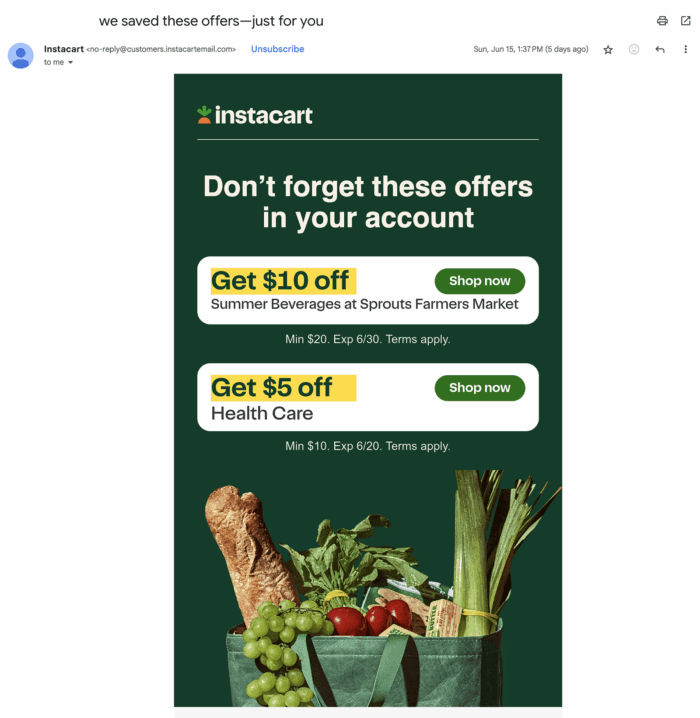
Instacart doesn’t blast generic discounts—it leverages purchase data to send tailored, time-sensitive offers.
-
Example: A $10 discount on summer beverages at Sprouts for a customer who frequently buys organic juices.
-
Why it works: Shoppers feel understood, increasing redemption rates and loyalty.
2. Spotify’s “Wrapped” & Custom Playlists

Spotify’s annual Wrapped campaign delivers personalized listening recaps (top artists, songs, minutes streamed)—designed to be shared socially.
-
Beyond Wrapped, Spotify generates daily playlists (like “Friday Afternoon Vibes”) based on user habits.
-
Why it works: Users feel Spotify “gets” them, deepening emotional ties to the platform.
3. Chewy’s Heartfelt Social Media Engagement
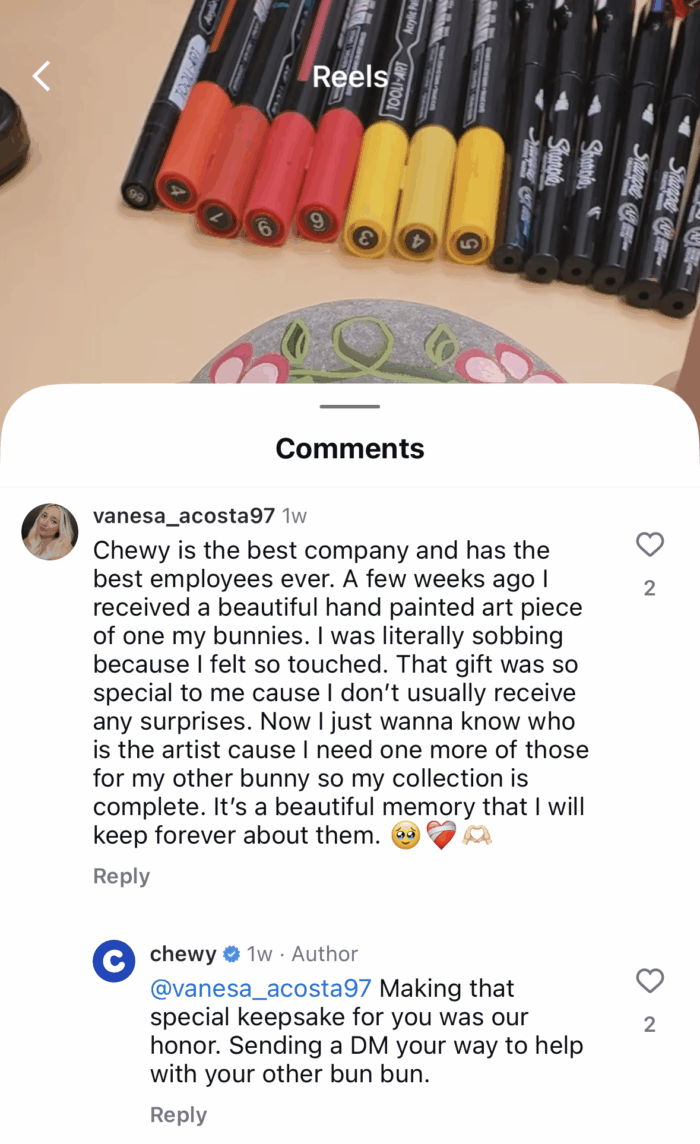
Chewy builds emotional bonds by going beyond transactional replies on social media.
-
Example: When a pet owner mourned their dog’s passing, Chewy sent a hand-painted portrait of the pet.
-
Why it works: Acts of kindness create unforgettable brand loyalty.
4. Olipop’s Fan-Driven Product Launches
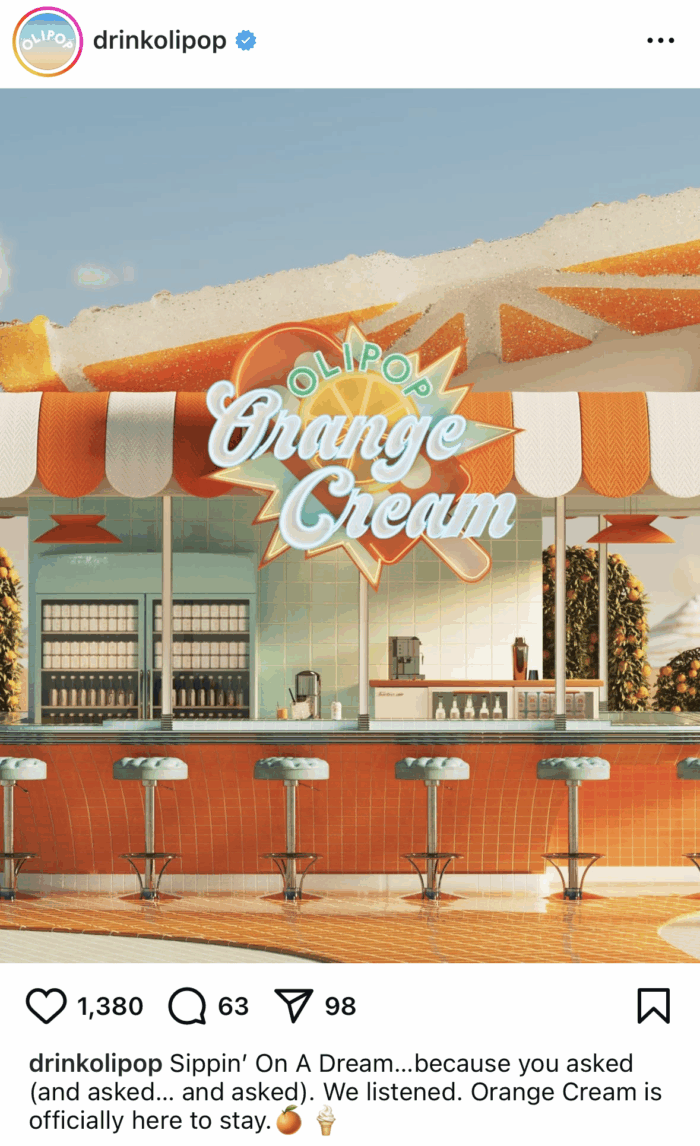
Olipop listens to customer flavor requests—and delivers.
-
After fans begged for its limited-edition Orange Cream flavor, Olipop made it permanent.
-
Why it works: Customers feel heard, fostering a sense of co-creation.
5. Spindrift’s Exclusive Facebook Community
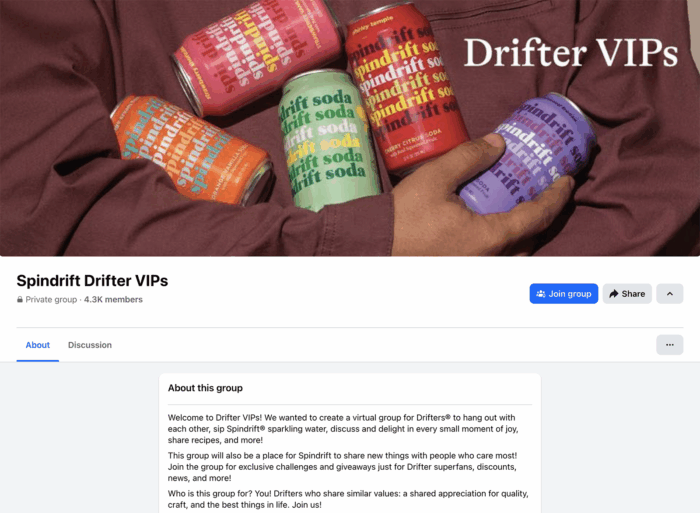
Spindrift’s 4,000+ member Facebook group is a hub for superfans to:
-
Share recipes
-
Vote on new flavors
-
Get early access to products
-
Why it works: The group transforms customers into a tight-knit community.
6. ActiveCampaign’s Customer Advisory Board
ActiveCampaign invites top users to shape product development via its invite-only advisory board.
-
Members provide feedback on features, ensuring the tool evolves with user needs.
-
Why it works: Customers become invested partners, reducing churn.
7. Sendoso’s SuperSender Loyalty Program
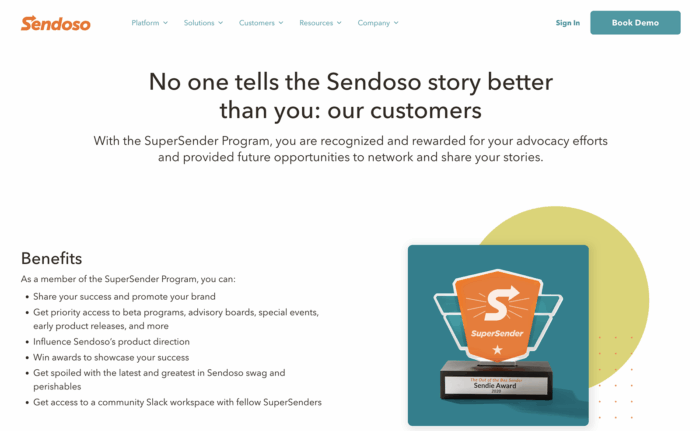
Sendoso rewards top users with:
-
Beta program access
-
VIP event invites
-
Public recognition at their “Sendie Awards”
-
Why it works: Exclusive perks make customers feel valued beyond transactions.
8. HubSpot Academy’s Free Certifications

HubSpot offers free, high-value courses (e.g., inbound marketing, sales).
-
Benefit to users: Career-advancing skills.
-
Benefit to HubSpot: Builds trust and nurtures future customers.
-
Why it works: Education establishes authority and long-term relationships.
9. Mandarin Oriental’s “Fans of M.O.” Program
This luxury hotel’s membership focuses on personalized experiences, not points.
-
Guests enjoy tailored perks: private chefs, wellness sessions, or local guided tours.
-
Why it works: Treats high-value guests like royalty, ensuring repeat bookings.
These brands prove that relationship marketing isn’t about selling harder—it’s about connecting deeper. By prioritizing personalization, emotional engagement, and community, they’ve turned customers into lifelong advocates.
Building a Brand That Inspires Fandom
Relationship marketing isn’t just a tactic—it’s a fundamental shift in how brands connect with customers. In today’s crowded marketplace, people don’t just want products; they want meaningful experiences and authentic relationships with the companies they support.
Why This Matters
-
Loyal customers spend more, stay longer, and advocate freely—driving sustainable growth.
-
Emotional connections beat transactional relationships every time. Think about the brands you love—chances are, they make you feel something.
-
Community is the new competitive advantage. Brands that foster belonging create armies of passionate fans.
How to Get Started
-
Pick 1-2 strategies from this guide to test first (e.g., personalized emails or a Facebook group).
-
Listen more than you sell. Use surveys, social media, and customer interviews to understand needs.
-
Celebrate your fans. Spotlight user-generated content, reward loyalty, and make customers feel like VIPs.
Great brands aren’t built on clicks or conversions—they’re built on human connections. By focusing on relationships over transactions, you’ll attract customers who don’t just buy from you…
They’ll believe in you.
Read More: B2B Referral Marketing: How To Turn Clients and Partners Into Your Best Salespeople


