

Imagine spending thousands of dollars on paid ads, only to discover that a scammer is secretly siphoning off your traffic, stealing your customers, and damaging your brand’s reputation—all while you foot the bill. This isn’t a hypothetical scenario; it’s called ad hijacking, a growing cyber threat affecting businesses running Google Ads, Meta Ads, and other PPC campaigns.
Ad hijacking occurs when fraudsters exploit vulnerabilities in digital advertising to redirect your ad clicks, impersonate your brand, or even steal your conversion data. Because these attacks often go unnoticed, many businesses continue losing ad spend without realizing they’ve been compromised.
The consequences? Wasted budgets, lower ROI, eroded customer trust, and even blacklisting by ad platforms. Worse, hijackers are becoming more sophisticated, using tactics like:
-
Fake landing pages that mimic your website
-
Brand keyword bidding to steal your traffic
-
Malware-infested ads that harm users
-
Click fraud bots to drain your budget
In this guide, we’ll break down how ad hijacking works, real-world examples, and—most importantly—how to detect, stop, and prevent these attacks before they hurt your campaigns.
What Is Ad Hijacking?
Ad hijacking is a form of digital advertising fraud where malicious actors intercept, manipulate, or exploit paid ad campaigns to divert traffic, steal conversions, or damage a brand’s reputation. Unlike typical ad fraud (such as click bots), ad hijacking specifically targets legitimate businesses by deceiving users, impersonating brands, or exploiting weaknesses in ad platforms.
Attackers may:
-
Clone legitimate ads and redirect clicks to fake websites
-
Bid on a brand’s keywords to steal potential customers
-
Inject malware into ad creatives or landing pages
-
Use click fraud to drain competitors’ ad budgets
Because hijackers often mimic real campaigns, victims may not realize their ads are being abused until they see sudden drops in conversion rates, unexplained spikes in CPC, or customer complaints about fake offers.
Who Is Behind Ad Hijacking?
Ad hijackers can range from individual scammers to organized cybercrime rings, including:
-
Competitors looking to sabotage campaigns or steal leads
-
Affiliate fraudsters misusing tracking links for profit
-
Phishing operators collecting sensitive user data
-
Malware distributors infecting devices through malicious ads
Some hijackers use automated tools to scale attacks, while others manually craft deceptive ads that bypass platform reviews.
How Does Ad Hijacking Work?
Hijackers exploit vulnerabilities in the ad ecosystem through tactics like:
-
Brand Impersonation
-
Bidding on a company’s trademarked keywords (e.g., “Nike Shoes Sale” leading to a counterfeit site).
-
Copying ad creatives and logos to appear legitimate.
-
-
Landing Page Scams
-
Creating fake versions of a brand’s checkout or lead-gen pages.
-
Using typosquatting domains (e.g., “Amaz0n.com”).
-
-
Click Fraud & Traffic Siphoning
-
Using bots to click competitors’ ads and drain budgets.
-
Hijacking affiliate links to claim commissions unlawfully.
-
-
Ad Malware
-
Embedding malicious code in display ads or pop-ups.
-
Redirecting users to phishing pages to steal credentials.
-
What Makes Ad Hijacking So Hard to Spot?
Ad hijacking often goes undetected because:
-
Ads and landing pages look authentic, fooling both users and algorithms.
-
Platforms struggle to police real-time bidding (RTB) and affiliate networks.
-
Fraudsters frequently change domains and ad copies to evade detection.
-
Victims blame poor performance on other factors (e.g., audience targeting or creative fatigue).
Without proactive monitoring, businesses may lose weeks (or budgets) before discovering the issue.
A Real Ad Hijacking Example
At first glance, our audit of AARP’s advertising presence appeared normal. However, a deeper investigation revealed alarming evidence of ad hijacking activity. When we examined Meta’s ad library, we discovered more than 100 unauthorized ads being run by affiliates promoting AARP-branded products. Here are some concerning examples we uncovered:



All these ads redirected users to third-party insurance providers including Surf Tags, Urban Market, and Consumer’s Buzz. While third-party promotions aren’t uncommon in the insurance sector, we needed to verify whether these were legitimate partnerships or potentially damaging to AARP’s brand performance.
Our investigation went deeper into the origins of these ads:
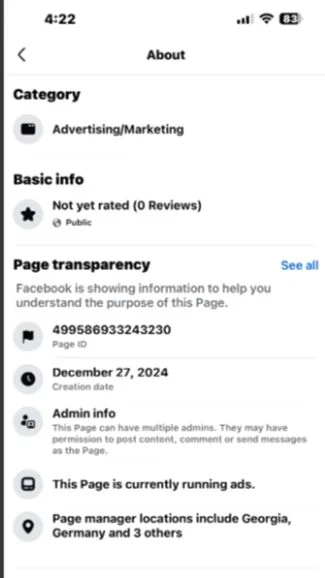
We identified several red flags in the advertisers’ profiles:
-
Newly created accounts with minimal history
-
Suspiciously low follower counts
-
Lack of verifiable business information
These characteristics typically indicate scammy marketing practices. When encountering such profiles, we recommend flagging them to Meta or the relevant advertising platform.
Our findings confirmed these were indeed cases of ad hijacking. After consulting with the client, we verified that AARP had no existing relationships with these affiliates. The search ads appeared to be using dynamic keyword insertion – likely competitors bidding on AARP’s branded terms while using variable headlines in their ad copy.
How Ad Hijacking Hurts Your Brand
Ad hijacking doesn’t just drain your budget—it causes long-term harm to your business in multiple ways:
1. Financial Losses
-
Wasted Ad Spend: Hijackers steal clicks, forcing you to pay for traffic that never converts.
-
Lost Sales: Customers tricked by fake ads buy from scammers instead of you.
-
Increased CPC: Fraudsters artificially inflate bid competition for your keywords.
2. Reputation Damage
-
Customer Distrust: Users who encounter fake ads may associate scams with your brand.
-
Negative Reviews: Victims of fraud often blame the impersonated company, leaving bad ratings.
-
Brand Devaluation: Repeated hijacking can make your brand appear less credible.
3. Legal & Compliance Risks
-
Trademark Violations: If hijackers use your brand name illegally, you may need legal action to stop them.
-
Data Privacy Issues: Fake landing pages collecting user data can lead to GDPR/CCPA violations.
-
Ad Account Suspensions: Platforms like Google may penalize your account if fraudulent activity is detected.
4. Operational Disruptions
-
Time-Consuming Investigations: Identifying and reporting hijacked ads requires constant monitoring.
-
Delayed Campaigns: You may need to pause legitimate ads while resolving fraud issues.
-
Resource Drain: Marketing teams waste effort fixing problems instead of optimizing campaigns.
5. Long-Term SEO & Marketing Impact
-
Lower Quality Scores: Fake ads can increase bounce rates, hurting your ad rank.
-
Algorithm Penalties: If users report your (impersonated) ads as spam, it may affect future campaigns.
-
Reduced Audience Trust: Even after resolving hijacking, some customers may remain wary of your ads.
How to Spot Ad Hijacking
Detecting ad hijacking requires vigilance and regular monitoring. Here are key indicators that your campaigns may be compromised:
1. Sudden Drops in Performance
-
Unexplained increase in CPC (cost-per-click) without changes to your strategy
-
Lower conversion rates despite steady or increased traffic
-
Higher bounce rates on landing pages
2. Unfamiliar Ads Using Your Brand
-
Search for your brand keywords on Google or Meta’s Ad Library to spot unauthorized ads
-
Look for copycat creatives (similar logos, messaging, or offers)
-
Check if competitors are bidding on your trademarked terms
3. Suspicious Traffic Sources
-
Unusual referral sources in Google Analytics
-
Click fraud patterns (e.g., repetitive clicks from the same IP)
-
Spikes in bot traffic (detectable via tools like ClickCease or PPC Shield)
4. Customer Complaints
-
Reports of fake offers, phishing attempts, or scams using your brand name
-
Negative reviews mentioning misleading ads
-
Chargebacks or fraud claims linked to ads you didn’t run
5. Domain & Landing Page Mimicry
-
Typosquatting URLs (e.g., “Amaz0n.com” instead of “Amazon.com”)
-
Fake checkout pages that resemble yours but steal payment info
-
Unauthorized use of your brand assets (logos, product images)
Tools to Help Detect Hijacking:
-
Google Ads Transparency Center (to check competitor ads)
-
Meta Ad Library (for Facebook/Instagram ad monitoring)
-
SEMrush/Trademark Alert Tools (to track unauthorized keyword bidding)
-
Click fraud detection software (e.g., ClickCease, FraudScore)
How to Stop (and Prevent) Ad Hijacking
Once you detect hijacking, take immediate action to shut it down and safeguard future campaigns.
1. Report & Remove Fraudulent Ads
-
File complaints with Google Ads, Meta, or other ad platforms
-
Submit trademark violation reports if your brand terms are misused
-
Request account suspensions for repeat offenders
2. Strengthen Brand Protection
-
Register trademarks with Google and Bing to block unauthorized use
-
Monitor branded keywords regularly using tools like SEMrush or BrandVerity
-
Set up Google Alerts for your brand name + “scam” or “fake”
3. Secure Your Campaigns
-
Use negative keywords to prevent bidding wars with hijackers
-
Exclude suspicious placements in display/GDN campaigns
-
Implement conversion tracking to detect unusual activity
4. Protect Landing Pages
-
Enable HTTPS & security certificates to prevent spoofing
-
Add trust badges (SSL seals, payment verification)
-
Use UTM parameters to track legitimate vs. fraudulent traffic
5. Work with Ad Fraud Specialists
-
Partner with anti-fraud agencies (like Pro Real Tech) for continuous monitoring
-
Use AI-driven fraud detection to identify emerging threats
-
Conduct regular ad audits to stay ahead of hijackers
6. Educate Your Team & Customers
-
Train staff to recognize phishing attempts and fake ads
-
Warn customers via email/social media about known scams
-
Publish an official partner list to clarify legitimate affiliates
How Agency Partners Can Help
Ad hijacking is a sophisticated threat that requires expert intervention. While in-house teams can implement basic protections, specialized agencies like Pro Real Tech provide advanced solutions to fully secure your paid campaigns. Here’s how they make a difference:
1. Advanced Fraud Detection
-
Real-time monitoring using AI-powered tools to detect hijacking attempts before they impact performance
-
Competitor ad tracking to identify unauthorized use of your brand assets
-
Click fraud analysis to filter out bot traffic and malicious clicks
2. Proactive Brand Protection
-
Trademark enforcement with Google, Meta, and other platforms to block infringing ads
-
Dark web monitoring to detect stolen customer data or counterfeit offers
-
Legal takedowns of fraudulent domains and social media impersonations
3. Campaign Optimization & Security
-
Exclusion list management to blacklist suspicious publishers and placements
-
Landing page audits to prevent spoofing and phishing replicas
-
Bid strategy adjustments to outmaneuver hijackers in auctions
4. Custom Reporting & Alerts
-
Monthly threat reports detailing hijacking attempts and preventive actions taken
-
Instant alerts for unauthorized brand keyword bidding
-
Competitor benchmarking to identify emerging risks
Why Choose Pro Real Tech?
With a proven track record in ad fraud prevention, Pro Real Tech offers:
✔ Dedicated ad security specialists
✔ Multi-platform coverage (Google, Meta, TikTok, etc.)
✔ Transparent pricing with ROI guarantees
✔ 24/7 threat response team
FAQs
1. How common is ad hijacking?
Over 30% of brands running paid ads experience some form of hijacking annually (Source: Juniper Research). High-value industries like finance, e-commerce, and insurance are prime targets.
2. Can’t ad platforms like Google stop this automatically?
Platforms rely on automated systems that often lag behind new fraud tactics. Proactive monitoring and reporting are essential.
3. What’s the cost of ignoring ad hijacking?
The average mid-sized business loses $15,000–$50,000 monthly to hijacking through wasted spend, lost sales, and reputation damage.
4. How quickly can hijacking be stopped?
Most cases can be mitigated within 48 hours with expert intervention, but full prevention requires ongoing measures.
5. Are small businesses at risk too?
Yes—hijackers often target smaller brands precisely because they lack robust defenses.
Conclusion
Ad hijacking is a silent revenue killer, draining budgets and eroding trust while flying under the radar. From brand impersonation to click fraud schemes, attackers constantly evolve their tactics—but you’re not powerless.
Key Takeaways:
✅ Monitor regularly for unauthorized ads and traffic anomalies
✅ Secure your trademarks and landing pages
✅ Partner with experts like Pro Real Tech for 24/7 protection
The stakes go beyond immediate losses: every hijacked ad risks customer relationships, legal exposure, and long-term brand equity. Don’t wait until fraudsters strike—audit your campaigns today and implement these defenses to safeguard your advertising investments.
Need help? Contact Pro Real Tech for a free ad security assessment.


