

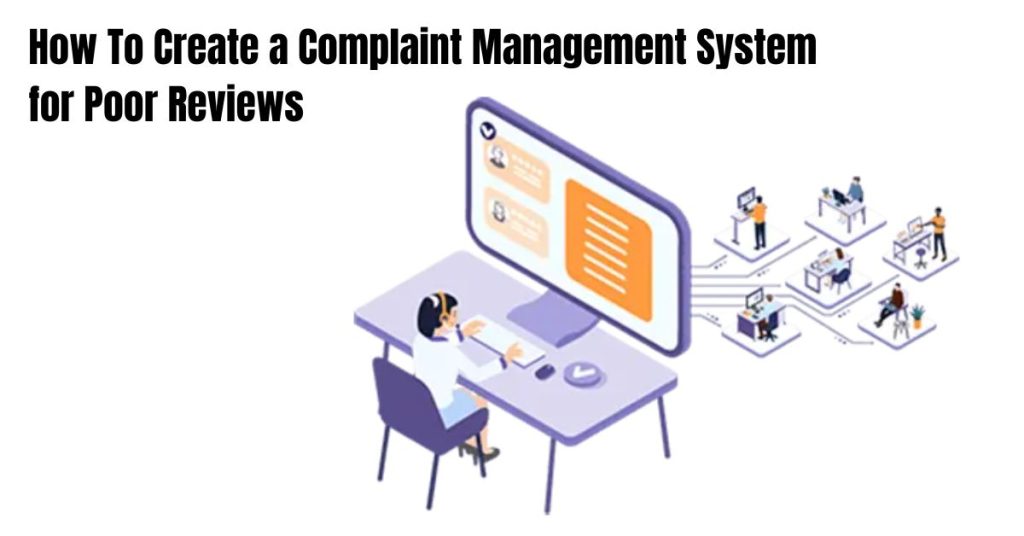
In today’s highly connected digital landscape, customer reviews hold immense power. Positive reviews can elevate a brand’s reputation, while negative reviews can quickly tarnish it, especially when they go unanswered or unaddressed. A well-structured complaint management system is essential for handling poor reviews effectively. It provides a clear, systematic approach to acknowledge, address, and resolve customer concerns. Beyond simply “putting out fires,” a proactive complaint management system helps businesses foster customer loyalty, demonstrate accountability, and uncover opportunities for growth.
Creating an effective complaint management system means more than just responding to issues. It involves setting up efficient processes, empowering teams with the right tools, and developing a strategy to ensure complaints are resolved in a way that enhances the overall customer experience. Whether it’s addressing issues with products, services, or interactions with your brand, a complaint management system enables you to transform potentially damaging reviews into opportunities for improvement.
What Is a Customer Complaint Management System?
A customer complaint management system is a structured approach for receiving, tracking, addressing, and resolving customer complaints. It enables organizations to handle negative feedback in a systematic and transparent way, ensuring that each issue is acknowledged, investigated, and resolved in a timely manner.
In essence, a complaint management system acts as a bridge between customers and businesses, helping to manage both minor concerns and major grievances. The system typically involves multiple channels for customers to submit complaints—such as email, phone, social media, or live chat. It then categorizes complaints based on type or urgency, prioritizes them, and assigns them to the appropriate team or representative.
Beyond resolving individual complaints, this system also allows businesses to analyze complaint trends, uncover recurring issues, and improve processes. Ultimately, a complaint management system not only boosts customer satisfaction but also reinforces brand credibility by showing that the business values feedback and is committed to continuous improvement.
Why You Need a Complaint Management Process
In an era where customers can instantly share their feedback online, a robust complaint management process has become essential for businesses of all sizes. The way a brand handles complaints speaks volumes about its commitment to customer satisfaction and can significantly impact its reputation, customer retention, and overall growth. Below, we delve into why a complaint management process is vital, covering the key benefits it provides to both businesses and customers.
Protect Your Brand Through Transparency
A strong complaint management process demonstrates transparency, showing customers that your business is open to receiving and addressing feedback, including negative reviews. When complaints are managed transparently, it builds trust among customers and assures them that you prioritize their concerns. Instead of ignoring or dismissing negative reviews, transparent complaint handling provides an opportunity to show that your brand values honesty and accountability.
Furthermore, when customers see that your brand actively addresses complaints, they are more likely to view your business as credible and responsible. Transparency fosters a positive public image, showing current and potential customers that you care about making improvements based on feedback. This approach can help prevent negative experiences from escalating into larger issues that could damage your brand’s reputation.
Improve Customer Experience
A well-executed complaint management process enhances the overall customer experience by ensuring that their issues are resolved promptly and fairly. When customers feel heard and valued, they’re more likely to remain loyal to your brand, even after experiencing a problem. A structured complaint resolution process allows your team to address issues systematically, reducing frustration on both ends.
Beyond addressing individual complaints, feedback from this process can reveal trends and common pain points within your offerings. By analyzing these insights, you can make proactive improvements that prevent future issues, thereby enhancing the customer experience for everyone. When you use complaints as a tool for refining your product or service, it not only satisfies existing customers but also strengthens your brand’s appeal to new ones.
Embrace Engagement Opportunities
Customer complaints often come from a place of frustration, but they can also be valuable engagement opportunities. When a customer takes the time to voice a complaint, they are providing you with an invitation to connect, listen, and make things right. By handling complaints empathetically and respectfully, you create a positive interaction out of a negative experience. This approach not only resolves the immediate issue but also gives you a chance to foster a stronger relationship with the customer.
Embracing these engagement opportunities can lead to better customer insights and foster positive word-of-mouth. Customers who see their issues addressed and resolved often become loyal advocates for your brand, sharing their experience with others. By viewing complaints as chances to engage, you turn potentially damaging situations into relationship-building moments.
Promote Customer Satisfaction and Brand Loyalty
One of the core goals of a complaint management process is to turn dissatisfied customers into satisfied ones. When customers feel that their concerns are handled swiftly and thoughtfully, their satisfaction levels increase, even if they initially had a negative experience. This helps build loyalty, as customers are more likely to return to a brand that treats them fairly and values their input.
By consistently addressing and resolving complaints, your business shows its commitment to providing a positive experience. This approach creates a reputation for reliability and care, which in turn nurtures customer loyalty. Loyal customers are not only more likely to continue doing business with you, but they are also more likely to recommend your brand to others, amplifying your positive reach and boosting your brand’s growth potential.
Identify Repeat Issues
One of the most valuable aspects of a complaint management process is its ability to highlight recurring issues within your products, services, or customer interactions. Tracking and analyzing complaints allows you to pinpoint areas that may need improvement. By identifying these repeat issues, your business can take corrective action to address the root causes and prevent future complaints.
This proactive approach helps you maintain high standards and minimize potential frustrations for future customers. Additionally, resolving repeat issues shows your commitment to quality and continuous improvement, making customers more confident in choosing your brand. Over time, this can lead to greater customer satisfaction and fewer complaints, creating a cycle of improvement that benefits both customers and your business.
Reduce Customer Support Team Burnout
Handling complaints can be emotionally and mentally taxing for customer support teams. A clear, structured complaint management process not only makes it easier to address issues efficiently but also reduces the pressure on your support team. When complaints are managed systematically, with clear guidelines for escalation, resolution, and follow-up, it helps your team stay organized and reduces the chances of burnout.
Moreover, when teams have access to complaint management tools and training, they’re better equipped to handle complaints calmly and effectively. This reduces stress, improves job satisfaction, and increases productivity, leading to a more positive work environment. A happier support team is ultimately better positioned to deliver a superior customer experience, as they are less fatigued and more motivated to resolve issues effectively.
Maintain Compliance
For many industries, compliance with regulatory requirements is essential. An organized complaint management process helps ensure that your business meets necessary compliance standards related to customer rights, privacy, and dispute resolution. Failure to manage complaints in line with regulatory requirements can lead to legal repercussions, financial penalties, and a tarnished brand image.
A compliant complaint management process ensures that all customer interactions are documented, tracked, and handled according to legal and industry standards. This not only protects your business but also provides customers with peace of mind, knowing that their concerns are handled professionally and in accordance with regulations. Ensuring compliance enhances your brand’s credibility and helps build a reputation as a trustworthy and responsible business.
How To Build an Effective Complaint Management Process
To fully harness the benefits of a complaint management process, it’s important to build a system that is both structured and flexible. Here’s a step-by-step guide to developing an effective complaint management process for your business.
Step 1: Establish Multiple Complaint Channels
First, set up multiple channels through which customers can submit complaints, such as email, phone, social media, and live chat. This makes it easy for customers to reach you in the way they prefer, minimizing frustration and ensuring accessibility. Multiple channels also allow you to manage complaints in real time, reducing response times and increasing customer satisfaction.
Step 2: Track and Categorize Complaints
Implement a system to track each complaint from the time it’s received until it’s resolved. Categorize complaints by type, such as product issues, billing problems, or customer service concerns. This categorization helps in prioritizing complaints and ensuring they’re directed to the appropriate team or representative. It also allows for easier analysis, enabling you to identify trends and address root causes of common issues.
Step 3: Investigate and Gather Information
When a complaint is received, take the time to investigate by gathering relevant information from both the customer and internal sources. Ask questions to clarify the issue and ensure you fully understand the customer’s perspective. This not only helps you determine the best course of action but also demonstrates to the customer that you’re taking their concerns seriously.
Step 4: Respond With Empathy and Professionalism
After gathering information, respond to the customer promptly and professionally. Acknowledge their complaint, apologize if necessary, and let them know what steps will be taken to address their issue. A compassionate, understanding response can go a long way in calming frustrated customers and setting a positive tone for resolution.
Step 5: Take Action to Resolve the Complaint
Work to resolve the issue efficiently, involving the necessary teams if needed. Whether it’s providing a replacement, refund, or solution to the problem, ensure the customer’s complaint is addressed satisfactorily. Taking swift, appropriate action shows customers that you value their business and are committed to resolving their issues.
Step 6: Follow Up With the Customer
Once the complaint is resolved, follow up with the customer to confirm that they’re satisfied with the resolution. This demonstrates your commitment to quality service and ensures that there are no lingering issues. A follow-up also provides an opportunity to gather feedback on the complaint resolution process, offering insights for continuous improvement.
Step 7: Document and Analyze Complaints
Document each complaint and analyze it for trends or recurring issues. By tracking complaint data, you can identify areas for improvement within your product or service. This proactive approach allows you to prevent similar complaints in the future, ultimately enhancing the customer experience and reducing support demands.
Step 8: Equip Your Team With Tools and Training
Provide your customer support team with the tools and training they need to handle complaints effectively. Complaint management software can streamline the process, making it easier to track, categorize, and resolve issues. Training ensures that your team is prepared to manage complaints calmly and professionally, improving their confidence and job satisfaction.
5 Common Customer Complaints
Handling customer complaints effectively begins with understanding the most common issues they face. Knowing these frequent complaints helps businesses prepare and create a complaint management system that anticipates these problems. Below are five of the most prevalent types of complaints businesses encounter and why addressing them is essential to improving the customer experience.
1. Product or Service Flaws
Product or service flaws are among the most common sources of customer complaints. These can range from functional issues—such as a product not working as expected or breaking easily—to issues related to product quality, durability, or appearance. Service flaws, on the other hand, may include errors in how the service is delivered, delays, or unsatisfactory results that don’t meet customer expectations.
When customers encounter flaws in products or services, they feel disappointed and frustrated, as the experience often falls short of what they expected. To address this, businesses should maintain a strong quality control process and provide an easy way for customers to report defects. A proactive approach includes offering clear information about warranties, refunds, or exchanges, and addressing the issue promptly when customers reach out. This not only resolves the immediate problem but also shows a commitment to quality, boosting customer trust in your brand.
2. Poor Customer Service
Customer service can make or break a customer’s experience with your business. Complaints about poor customer service generally involve issues like long wait times, lack of helpfulness, unprofessional behavior, or difficulty reaching a representative. For many customers, a negative interaction with customer service can be even more frustrating than a product issue, as it suggests a lack of care for the customer’s needs.
To address complaints related to poor customer service, businesses should ensure that their representatives are well-trained, empathetic, and equipped with the tools needed to resolve issues efficiently. Providing customers with multiple channels to reach support—such as phone, email, chat, and social media—also helps improve accessibility and reduces frustration. Additionally, regular training on customer service best practices and updates on the latest company policies can empower representatives to provide a better experience.
3. Billing and Pricing Issues
Billing and pricing issues often lead to complaints, especially if customers perceive unexpected charges or encounter discrepancies in billing. These issues may stem from unclear pricing policies, incorrect charges, hidden fees, or subscription billing errors. Customers are especially sensitive to these types of issues because they directly impact their finances, making it crucial for businesses to handle billing complaints with sensitivity and transparency.
To minimize billing and pricing complaints, businesses should provide clear information about costs, fees, and billing schedules. Any changes in pricing or policies should be communicated to customers in advance, and customer service representatives should be well-prepared to explain billing details and address concerns. An efficient complaint management system that prioritizes billing issues can help resolve these complaints promptly, ensuring customers feel secure and informed about their financial interactions with your business.
4. Website or App Outages
In a digital-first world, a company’s website or mobile app serves as a vital touchpoint for many customers. When these platforms experience downtime or technical issues, it can disrupt customers’ ability to make purchases, access their accounts, or receive support. Outages can be especially frustrating if they occur frequently or for extended periods, potentially leading customers to lose trust in your brand.
Addressing complaints about website or app outages involves proactive communication and fast response times. Providing regular updates during an outage can reassure customers that your team is actively working to resolve the issue. Additionally, implementing regular maintenance schedules, optimizing server capacity, and using reliable hosting solutions can help prevent such complaints in the first place. An effective complaint management system should include protocols for handling digital platform issues, ensuring customers have a seamless online experience with your brand.
5. Delivery and Shipping Errors
For businesses that rely on shipping to deliver products to customers, delivery issues are a common source of complaints. Problems like delayed shipments, incorrect items, damaged packages, or lost deliveries can all lead to customer dissatisfaction. In an age of fast and reliable shipping expectations, such issues can damage customer trust if they’re not handled swiftly.
To address complaints about delivery and shipping, businesses should work closely with reliable shipping partners, provide accurate tracking information, and keep customers updated on the status of their orders. A complaint management process that prioritizes delivery complaints allows your team to respond quickly to lost or damaged packages, offer refunds or replacements, and communicate transparently with customers. Ensuring that customers receive their orders on time and in good condition helps to reinforce their confidence in your business and encourages repeat purchases.
Customer Complaint Management Strategy: How To Handle Negative Feedback
Managing negative feedback effectively is crucial for maintaining a strong brand reputation and turning dissatisfied customers into loyal advocates. A structured approach to handling complaints can streamline processes, foster positive relationships, and ultimately enhance customer satisfaction. Here is a detailed strategy to help you handle customer complaints with empathy and efficiency.
1. Identify Your Complaint Channels
The first step to an effective complaint management strategy is identifying where complaints are likely to arise. Complaints can come through various channels: social media, email, phone support, live chat, review websites, and even in-person interactions. Understanding where customers typically raise issues helps you allocate resources and prioritize responses across these platforms.
To manage complaints efficiently, ensure that each channel is monitored regularly. Automated notifications for complaints on social media and review sites, for example, can alert your team to new issues as they arise. By staying on top of complaints across multiple platforms, you can respond quickly and prevent the escalation of negative feedback.
2. Track and Categorize Complaints
Once complaints are received, it’s essential to track and categorize them accurately. Effective categorization helps identify recurring issues, whether they’re related to product defects, service delays, billing errors, or any other frequent problem. Tracking also allows you to assess the scale and severity of issues, helping you prioritize which complaints to address first.
Consider implementing a complaint tracking system or software to centralize feedback. This enables you to store complaint data, analyze trends, and generate insights into how certain types of issues impact your business. Categorizing complaints can also guide product improvements, allowing you to tackle root causes rather than repeatedly addressing symptoms.
3. Ask Questions (First to Your Team, Then the Customer)
Before responding to the customer, consult internally to understand the issue fully. Check with relevant team members, like product specialists, support agents, or service managers, to gather any necessary background information. This step is vital to avoid making assumptions and to ensure your response is accurate and comprehensive.
Once you’ve clarified the details internally, approach the customer with follow-up questions if needed. Asking questions not only shows that you’re genuinely interested in understanding their concerns but also helps clarify specifics that may not have been initially provided. This process demonstrates empathy and sets a foundation for an open, respectful dialogue, allowing you to provide the most effective solution possible.
4. Be Thorough in Your Response
When it’s time to respond, be thorough, transparent, and empathetic. Acknowledge the customer’s experience, validate their feelings, and outline the steps you’ll take to resolve the issue. A well-thought-out response should address the problem directly, express regret for any inconvenience, and assure the customer that you’re committed to providing a solution.
If appropriate, provide detailed explanations of what went wrong, whether due to a technical error, a delay, or other factors. Avoid generic responses; personalized responses show that you’re genuinely invested in resolving the issue. Additionally, provide contact information or offer further assistance, leaving the door open for the customer to reach out if needed.
5. Act To Resolve the Issue
Taking prompt action is critical once you’ve identified a solution. Whether it’s issuing a refund, offering a replacement, or providing a discount on future purchases, resolve the issue in a way that aligns with the customer’s expectations. If the resolution requires approval from higher management, ensure this process is streamlined to prevent unnecessary delays.
In cases where the issue cannot be resolved immediately, communicate this clearly to the customer and outline what steps are being taken to work toward a solution. This proactive approach reassures customers that their concerns are a priority, enhancing their confidence in your brand.
6. Update the Customer on the Resolution Progress
Throughout the complaint resolution process, keep the customer informed of any updates. This is especially important for issues that may take longer to resolve, such as technical fixes or product replacements that require shipping. Regular updates not only reassure customers that their complaint is being addressed but also help reduce follow-up inquiries.
Providing updates also allows you to manage customer expectations. If a promised delivery date changes, for example, informing the customer immediately reduces frustration. In complex cases, setting up a dedicated point of contact can provide a personal touch, ensuring customers don’t feel ignored or sidelined during the resolution process.
7. Know and Follow Regulations
Complaint management is not only about customer satisfaction—it’s also about compliance with legal standards and industry regulations. Understanding and adhering to these regulations is essential, especially for industries like finance, healthcare, and telecommunications, where strict complaint handling policies often apply.
Ensure your team is well-versed in regulatory requirements, such as response timeframes, data privacy, and record-keeping. Compliance demonstrates a commitment to accountability and can help prevent potential legal repercussions. Moreover, a compliant complaint management system protects your brand’s integrity, reassuring customers that your company operates within regulatory boundaries.
8. Equip Your Team With Complaint Management Tools
A robust complaint management tool can streamline the entire process, enabling your team to manage feedback more efficiently. Tools like CRM software, ticketing systems, or dedicated complaint management software help track complaints, assign cases, and monitor resolution progress. With the right tool, your team can respond to complaints quickly, keep records organized, and analyze patterns to prevent recurring issues.
Investing in the right technology also enhances team productivity, as it reduces time spent manually tracking complaints and increases response efficiency. Additionally, automated reporting features can provide insights into complaint trends, helping you make data-driven improvements that ultimately lead to a better customer experience.
5 Customer Complaint Software Tools
A reliable complaint management software can be transformative for businesses, helping teams streamline customer feedback, address issues effectively, and improve overall satisfaction. Here’s a detailed look at five popular tools that can empower businesses to manage complaints efficiently.
1. Sprinklr Complaint Management System
Overview:
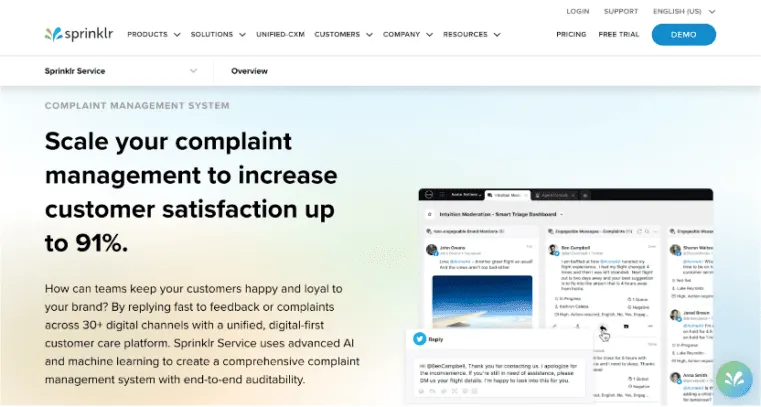
Sprinklr is a comprehensive platform designed to handle complaints and manage customer experience across multiple channels, including social media, email, and live chat. Known for its advanced social listening and monitoring capabilities, Sprinklr allows businesses to identify, categorize, and respond to complaints quickly, even on high-traffic platforms.
Features:
- Omnichannel Support: Centralizes complaints from various channels, making it easier to track and manage feedback.
- AI-Driven Insights: Uses artificial intelligence to categorize and prioritize complaints, helping teams respond faster and more accurately.
- Sentiment Analysis: Identifies customer sentiment in real-time, allowing teams to gauge urgency and tone their responses appropriately.
- Customizable Workflows: Supports flexible workflows to align with specific business needs, including escalation paths and approval layers.
Benefits:
Sprinklr offers a holistic view of customer complaints, enabling companies to tackle issues before they escalate. It’s especially effective for brands with a strong social media presence, helping them monitor and respond to feedback in real time.
Drawbacks:
Sprinklr can be resource-intensive and may require dedicated training, making it more suited to larger organizations with complex customer service operations.
2. Zoho Desk
Overview:
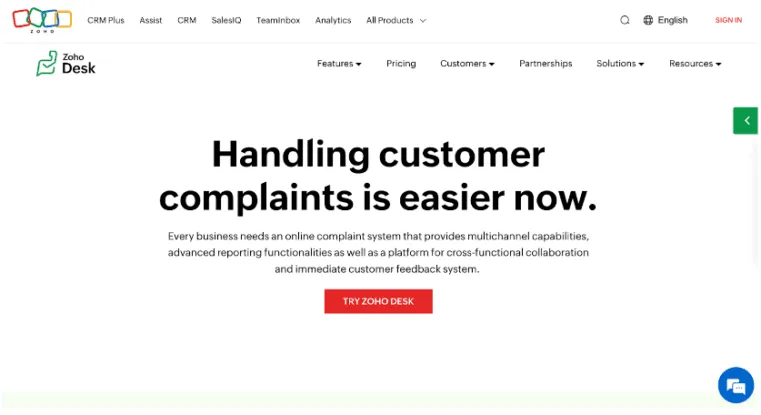
Zoho Desk is a cloud-based help desk solution that provides a unified platform to handle customer complaints, queries, and feedback. It’s widely used for its flexibility, affordability, and ease of integration with other Zoho applications, making it a popular choice for businesses of all sizes.
Features:
- Ticket Management: Converts complaints into tickets and categorizes them by priority, helping agents manage issues systematically.
- Automated Workflow and Escalation: Automates repetitive tasks and escalates unresolved complaints based on preset conditions, ensuring prompt responses.
- Self-Service Portal: Offers customers a knowledge base to solve common issues, reducing the volume of complaints that require agent intervention.
- Performance Metrics and Analytics: Provides insights into response times, resolution rates, and customer satisfaction, allowing teams to optimize complaint handling.
Benefits:
Zoho Desk is user-friendly, with a simple setup that suits smaller businesses or teams with limited technical expertise. Its affordability and seamless integration with other Zoho products also make it highly scalable for growing companies.
Drawbacks:
While Zoho Desk is versatile, it may lack some advanced AI capabilities that larger enterprises require for high-volume complaint management.
3. Freshworks
Overview:
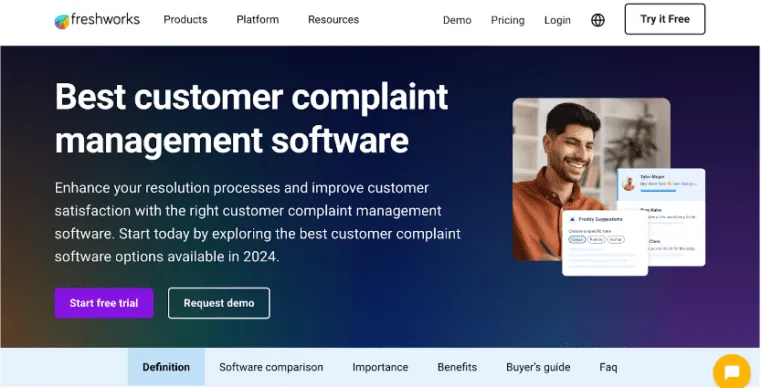
Freshworks (formerly Freshdesk) is an intuitive complaint management solution that offers robust ticketing, automation, and multi-channel support. Known for its ease of use, Freshworks provides a unified workspace for managing customer complaints and offers a range of features designed to improve agent productivity.
Features:
- Multichannel Support: Consolidates complaints from email, chat, social media, and phone into a single platform.
- AI-Powered Bots: Uses bots to handle initial customer inquiries and provide instant responses, reducing complaint volume.
- Automated Ticket Routing: Directs complaints to the most relevant agent based on predefined rules, enhancing response efficiency.
- Customer Feedback Tools: Allows businesses to gather customer feedback on resolutions, helping them gauge satisfaction and make improvements.
Benefits:
Freshworks provides excellent automation tools that streamline repetitive tasks and offers integrations with popular tools like Slack and Shopify. It’s ideal for businesses that prioritize quick deployment and low-maintenance solutions.
Drawbacks:
Although Freshworks offers robust tools, it can have limitations with customization for complex workflows, which might be restrictive for companies with unique or highly specific requirements.
4. Zendesk
Overview:
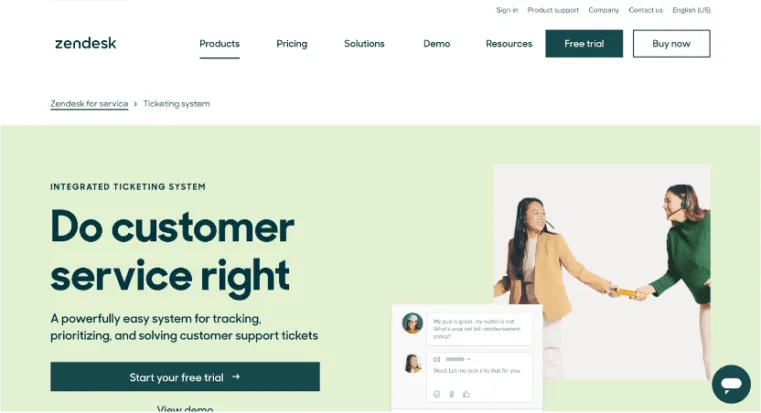
Zendesk is one of the most popular complaint management platforms, recognized for its scalability and customizability. This tool is designed to handle complaints from multiple channels and streamline the resolution process, making it suitable for teams of all sizes.
Features:
- Unified Agent Workspace: Provides agents with all necessary customer information in one place, helping them address complaints more effectively.
- AI-Powered Answer Bot: Offers automated responses to common inquiries, reducing the need for human intervention and lowering complaint volume.
- Advanced Analytics and Reporting: Tracks metrics like response times, customer satisfaction, and resolution rates, providing insights to improve complaint management.
- Customizable Workflows and Macros: Allows agents to set up shortcuts and automation for faster responses, streamlining the complaint resolution process.
Benefits:
Zendesk is highly customizable, allowing businesses to tailor it to their unique processes. It’s particularly effective for businesses seeking a scalable solution that can grow with their customer support needs.
Drawbacks:
Zendesk can be costly for small businesses, especially with added features, and its many options can present a learning curve for new users.
5. Salesforce Service Cloud
Overview:
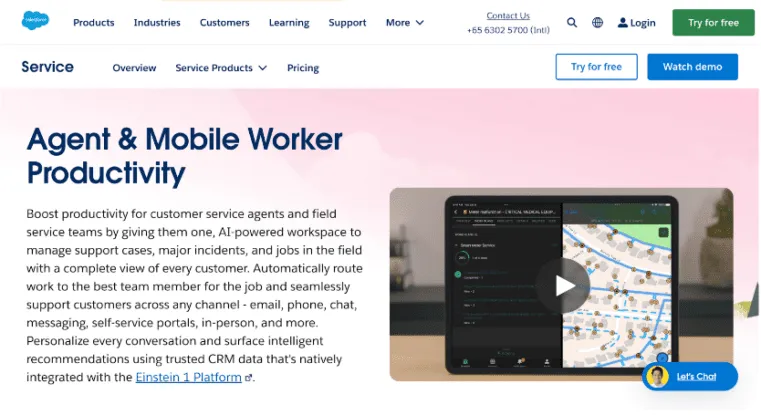
Salesforce Service Cloud is a powerful CRM platform that provides a comprehensive suite for customer service and complaint management. With its focus on customer relationships, Service Cloud allows teams to address complaints while enhancing overall customer experience.
Features:
- Case Management: Tracks complaints as cases, with categorization and prioritization to ensure efficient handling.
- Omnichannel Routing: Directs complaints to the best-suited agents based on customer profile, issue type, and agent availability.
- Einstein AI Integration: Uses AI to analyze complaints, predict outcomes, and suggest resolutions, improving response accuracy.
- 360-Degree Customer View: Offers agents a complete view of the customer’s history, helping them provide personalized service.
Benefits:
Salesforce Service Cloud is ideal for businesses that rely on a CRM-focused approach. Its powerful integrations and customization options make it suitable for teams looking to deliver high-touch, personalized complaint resolution.
Drawbacks:
As one of the more complex platforms, Salesforce Service Cloud may be overwhelming for smaller teams. Its pricing can also be prohibitive, particularly for startups and small businesses.
Struggling to Handle Customer Complaints and Negative Reviews?
At Pro Real Tech, we go beyond basic complaint management. Our team crafts tailored strategies to lighten your load, satisfy customers, and drive new business.
Our offerings include:
- Reputation Management Software
- Online Reputation Repair
- Franchise Reputation Management
- Social Media Reputation Management
Connect with us today, and let us help you manage customer complaints more effectively.


