


Designing your t-shirt can be a fun and rewarding project, whether creating a custom shirt for a special event, promoting your brand, or expressing your creativity. The process might seem daunting initially, but breaking it into manageable steps makes it much easier. This guide will walk you through seven simple steps to design a t-shirt from scratch. From choosing the proper printing technique to finding the best tools and printers, you’ll learn everything you need to create a great shirt that reflects your unique style. So, let’s dive in and start designing your perfect t-shirt!
Before We Start
Before diving into the design process, you must clearly understand your goals and the purpose behind your t-shirt design. Are you creating a t-shirt for a business, an event, or personal use? Knowing the purpose will guide your design choices, from the color palette to the typography and overall style.
It’s also crucial to consider your target audience. Consider who will wear the t-shirt and what design elements will resonate with them. Additionally, having a basic understanding of the different t-shirt printing techniques and their limitations will help you make informed decisions as you move forward. Preparation is key, so ensure a solid foundation before joining the creative process.
Let’s Design a T-shirt
#1. Understand The Types of Printing Techniques
When designing a t-shirt, the first crucial step is understanding the different printing techniques available. Each method has its strengths, and the choice of technique can significantly impact your design’s final look, feel, and durability. Here are the most common t-shirt printing techniques:
Screen Printing
Screen printing is one of the oldest and most popular t-shirt printing methods. It involves creating a stencil (or screen) and applying layers of ink on the fabric. This technique is ideal for designs with few colors and is perfect for bulk orders, as it offers vibrant colors and long-lasting prints. However, screen printing can be less cost-effective for complex designs or small quantities due to the setup costs of creating the screens.
Vinyl Cutting
Vinyl cutting involves cutting out designs from sheets of colored vinyl and then heat-pressing them onto the t-shirt. This method best suits simple, bold designs, such as text or logos, and allows for a durable, slightly textured finish. Vinyl cutting is often used for custom t-shirts, especially when only a few shirts are needed. It’s not ideal for intricate designs or large orders, as the process can be time-consuming.
Heat Press Printing
Heat press printing is a versatile method that uses heat to transfer a design onto fabric. It’s great for designs that involve multiple colors or photographic images. The process involves printing the design on a special transfer paper and then applying heat to transfer the ink from the paper to the fabric. Heat press printing is excellent for small batches and complex designs but may not be as durable as screen printing, especially with frequent washing.
Direct-to-Garment Technique (DTG)
Direct-to-garment (DTG) printing is a relatively newer method that uses inkjet technology to print designs directly onto the t-shirt. This technique is excellent for detailed and full-color designs, including images and gradients. DTG printing offers a soft finish as the ink is absorbed into the fabric rather than sitting on top. While it provides high-quality results for small runs, it’s typically more expensive and slower than other methods, making it less suitable for large orders.
Each printing technique has pros and cons, so consider your design, budget, and order size before deciding.
#2. Pick a Color Palette
Choosing the right color palette is vital in the t-shirt design process. Colors can convey emotions, attract attention, and make your design stand out. Here are some tips to help you select the perfect color palette:
Consider the Fabric Color
Start by considering the color of the t-shirt itself. Your design colors should complement the fabric color rather than clash with it. For example, bright colors work well on darker fabrics, while subtle shades look great on lighter t-shirts. If you’re working with a specific brand or event, ensure the colors align with the existing color scheme.
Understand Color Psychology
Colors evoke different emotions and reactions. For example, red is often associated with energy and passion, while blue can evoke a sense of calm and trust. Consider what message you want your design to convey and choose colors that support that message. If your t-shirt is for a business, consider the brand’s identity and select colors that reflect it.
Limit Your Color Choices
While using a wide array of colors can be tempting, limiting your palette to two or three key colors often results in a more cohesive and impactful design. Too many colors can make the design appear cluttered and overwhelming. If you need more variety, consider using different shades of the same color to add depth and interest.
Use Color Tools for Inspiration
If you need help figuring out where to start, many online tools can help you create a harmonious color palette. Tools like Adobe Color or Colors allow you to experiment with different color combinations and find the perfect match for your design.
#3. Browse Your Design Concept
Before you start creating your t-shirt design, it’s essential to browse and brainstorm your design concept. This step helps you gather ideas and ensures that your design aligns with the purpose of the t-shirt. Here are a few common design concepts to consider:
Company’s Logo
If you’re designing a t-shirt for a business, incorporating the company’s logo is often a primary focus. The logo represents the brand identity, and its placement on the t-shirt should be prominent yet tasteful. Consider the size and location of the logo—whether it will be the central element or a smaller accent on the chest or sleeve. Additionally, consider how the logo colors interact with the fabric color to maintain brand consistency.
Quotes
Quotes can add personality and meaning to your t-shirt design. Whether it’s a motivational phrase, a witty remark, or a brand tagline, text-based designs can be simple and powerful. When choosing a quote, ensure it resonates with your target audience and fits the context of the t-shirt. The length of the quote will also dictate its placement and font size, so choose something concise if you want it to be easily readable from a distance.
Event-Related
For event-related t-shirts, the design concept should capture the essence of the occasion. Whether it’s a music festival, charity run, or corporate event, your design should include elements that reflect the event’s theme. This might involve incorporating the event name, date, and relevant graphics or symbols. Event-related designs often have a limited lifespan, so focus on creating something memorable and specific to the occasion.
By browsing and refining your design concept, you ensure your t-shirt will be visually appealing and meaningful to those wearing it.
#4. Choose a Font
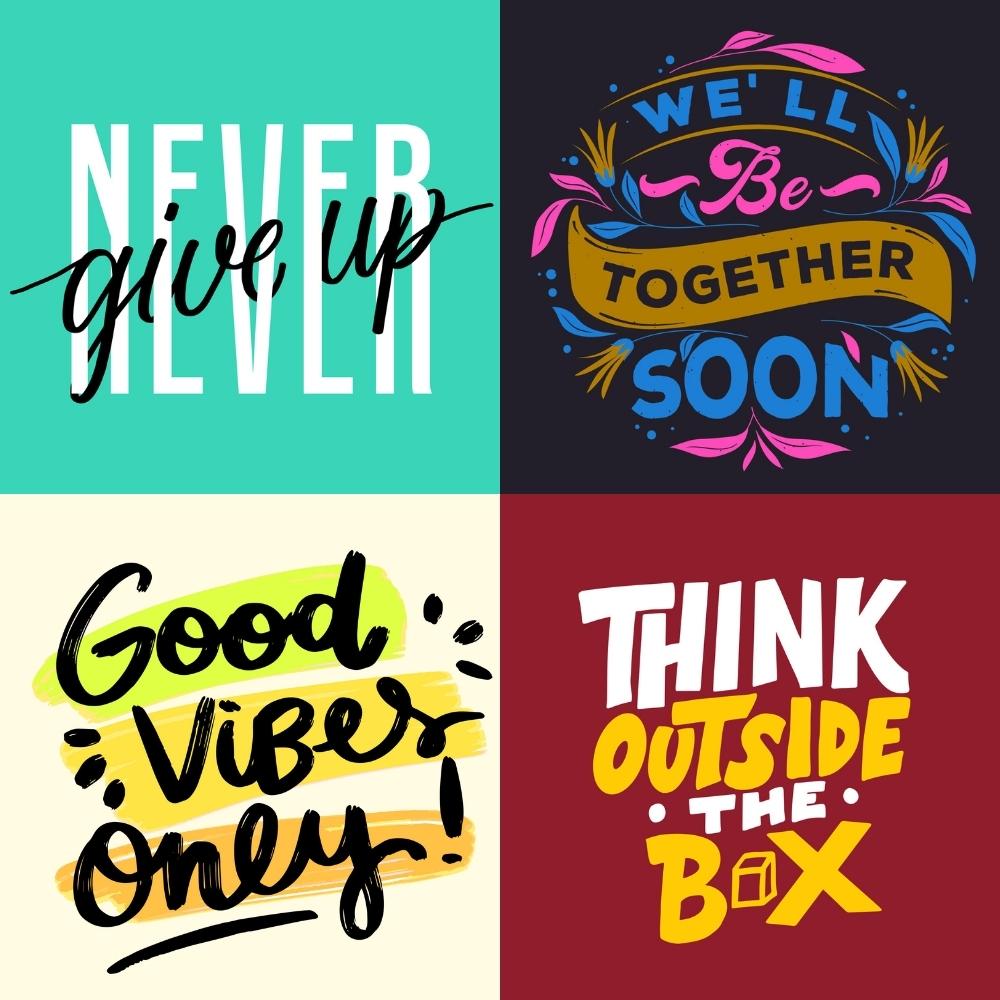
Selecting the right font is a crucial aspect of t-shirt design, mainly if your design includes text. The font you choose can significantly impact your design’s overall aesthetic and readability. Here’s how to choose the perfect font:
Match the Font to Your Design Concept
The font should complement the theme and tone of your design concept. For example, if you’re designing a t-shirt for a corporate event, a clean and professional sans-serif font might be appropriate. On the other hand, a casual or playful design might benefit from a fun, quirky typeface. Consider how the font style aligns with the message you want to convey.
Prioritize Readability
No matter how creative or stylish a font may be, the text must remain readable. Avoid overly intricate or decorative fonts for longer text, as they can be challenging to read, especially from a distance. Ensure that the font size is appropriate for the amount of text and that there is enough contrast between the text color and the t-shirt fabric to make the words stand out.
Use Font Pairing Wisely
If your design includes multiple lines of text, consider using font pairing to create visual interest. Combining two complementary fonts—such as a bold, attention-grabbing font for headings and a simpler font for smaller text—can add depth to your design. However, avoid using more than two different fonts in a single design, as this can make the layout cluttered and disjointed.
Test Different Fonts
Experiment with different fonts before making your final choice. Many online design tools and software allow you to preview how different fonts will look on your t-shirt. Take your time to test out various options and get feedback from others.
#5. Decide The Style of the T-shirt
Choosing the right t-shirt style is a key step in the design process, as it can influence the final product’s aesthetic appeal and functionality. Your selected style should align with your design concept, target audience, and intended use. Here are some factors to consider when deciding on the style of your t-shirt:
T-shirt Type
There are various types of t-shirts, each offering a different look and feel. The most common types include:
- Crew Neck: A classic choice with a round neckline, suitable for most designs and famous for its versatility.
- V-Neck: Offers a more stylish, slightly formal appearance, often preferred for more fashion-forward designs.
- Raglan Sleeve: Known for its contrasting sleeve color, raglan t-shirts are popular for sports teams and casual wear.
- Long-sleeve: For cooler weather or layering, long-sleeve t-shirts provide additional design space on the arms.
- Tank Tops: An excellent choice for summer wear, workout gear, or casual outdoor events.
Fit
The fit of the T-shirt is another critical consideration. You can opt for:
- Regular Fit: A standard fit that suits most body types, offering comfort without being too loose or tight.
- Slim Fit: Tailored closer to the body, slim-fit t-shirts are often chosen for a more modern, sleek look.
- Oversized: For a relaxed, trendy appearance, oversized t-shirts are popular in streetwear and casual fashion.
Fabric Material
The material of the t-shirt affects both comfort and the way the design appears on the fabric. Common materials include:
- Cotton: Soft, breathable, and durable, cotton is a popular choice for its comfort and print quality.
- Polyester: Known for its moisture-wicking properties, polyester is ideal for athletic wear and performance t-shirts.
- Cotton-Polyester Blend: Combines the softness of cotton with the durability of polyester, offering a balance of comfort and longevity.
- Tri-Blend: A mix of cotton, polyester, and rayon, tri-blend fabrics provide a soft, vintage feel that’s lightweight and breathable.
Color and Cut
Consider the t-shirt’s color and cut, as they directly impact how your design will be perceived. Darker colors are great for creating a bold statement, while lighter colors can give a more subtle, airy feel. Additionally, the cut of the t-shirt, such as women’s fitted styles or unisex cuts, should align with the intended audience to ensure the final product is well-received.
By carefully selecting the t-shirt style, you can enhance the overall impact of your design and ensure it’s suitable for the occasion and audience.
#6. Pick a Free T-shirt Design Tool
Once you’ve decided on the style of your t-shirt, the next step is to start designing. Fortunately, several free design tools are available that make it easy to create professional-quality t-shirt designs, even if you’re not a graphic design expert. Here are some of the most popular options:
Canva
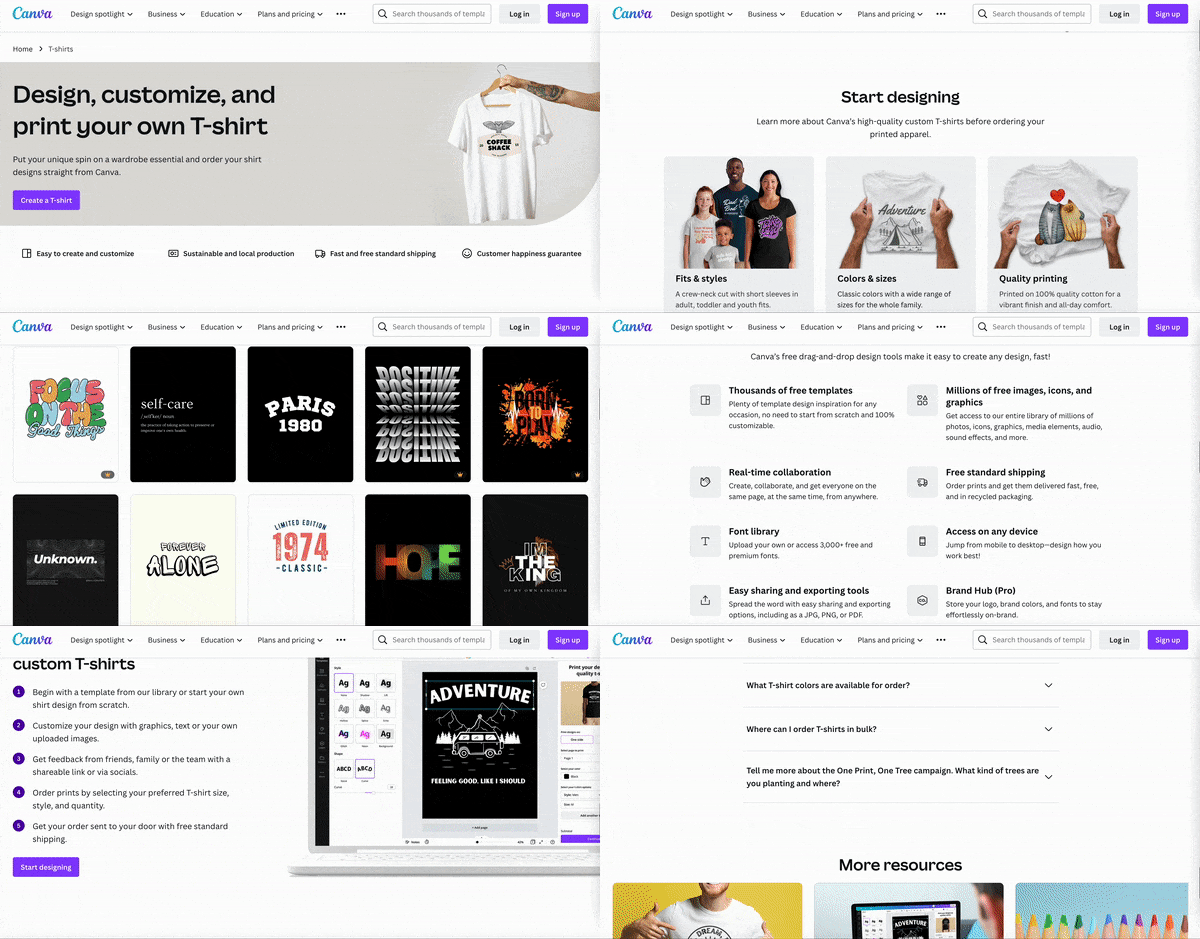
Canva is a user-friendly online design tool that offers a wide range of templates, fonts, and graphics. It’s perfect for beginners, as it requires no design experience and allows you to create custom t-shirt designs with drag-and-drop functionality. Canva also offers pre-sized t-shirt templates, making it easy to visualize your design on a shirt. You can upload your images or use Canva’s extensive library of free and premium elements to enhance your design.
Adobe Photoshop
Adobe Photoshop is a powerful design tool that offers more advanced capabilities to users. While it’s not specifically tailored for t-shirt design, its robust features allow for complete creative control. You can create intricate designs, manipulate images, and work with layers to achieve the desired effect. Although Photoshop has a steeper learning curve compared to other tools, it’s an excellent choice for those looking to produce high-quality, detailed designs.
Adobe Express
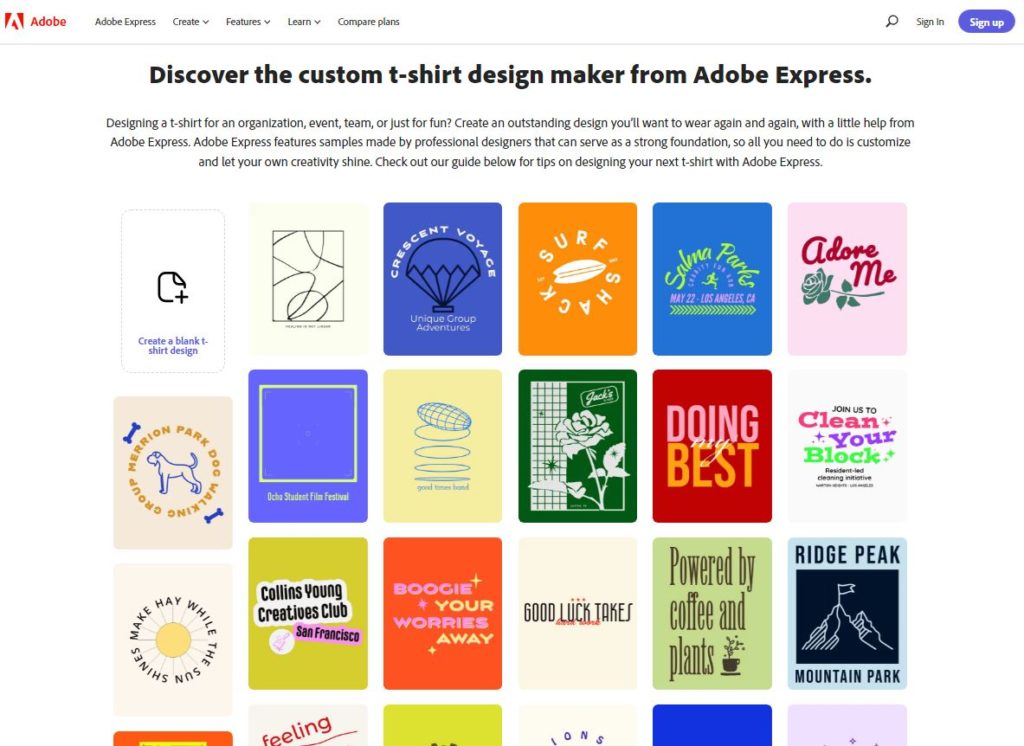
Adobe Express (formerly Adobe Spark) is a simpler, more accessible version of Adobe’s design software, perfect for users who want to create designs quickly without delving into complex tools. Adobe Express provides easy-to-use templates and design options, allowing you to create eye-catching t-shirt designs with minimal effort. It’s an excellent option for those who want to balance functionality and ease of use.
PlaceIt
PlaceIt is an online mockup and design tool that allows you to create t-shirt designs and see how they’ll look in real life. It offers a range of templates and design options, making it easy to create professional-looking t-shirt designs. One of the standout features of PlaceIt is its ability to generate realistic mockups of your design on various t-shirt styles, helping you visualize the final product before printing.
Each tool offers unique features that cater to different design needs and skill levels. Whether you’re a beginner looking for simplicity or an experienced designer seeking advanced options, these tools can help bring your t-shirt design ideas to life.
#7. Find a Printer
After finalizing your t-shirt design, the next crucial step is finding a printer to bring your creation to life. The print quality and the overall finish of the t-shirt largely depend on the printer you choose. Here are some tips for finding the right printer:
Research Printing Companies
Start by researching printing companies that specialize in t-shirt printing. Look for companies with positive reviews and a portfolio of past work demonstrating their expertise. Online platforms like Printful, Printify, and Custom Ink offer various printing options, allowing you to order directly through their websites. Local printing shops can also be a good choice, especially if you prefer to work closely with the printer to ensure quality.
Request Samples
Before placing a large order, requesting samples from your chosen printer is a good idea. This allows you to evaluate the print quality, fabric feel, and overall finish of the t-shirt. Samples will also enable you to test how your design looks on the product, ensuring no surprises when the final order arrives.
Compare Costs and Services
Different printers offer varying pricing structures based on the printing technique, order size, and t-shirt quality. Get quotes from multiple printers and compare their costs and services. Some printers may offer discounts for bulk orders, while others might include additional services like design assistance or rush delivery. Make sure to factor in all costs, including shipping and additional fees, when deciding.
Check Turnaround Times
If you have a specific deadline for your t-shirts, ensure the printer can meet it. Some printers offer faster turnaround times for an additional fee, while others might have longer lead times, especially for large orders. Communicate your timeline clearly with the printer to avoid any delays.
Review Customer Support
Good customer support is essential, especially if you encounter any issues during the printing process. Choose a printer that is responsive and willing to work with you to resolve any problems. A reliable printer will provide clear communication and support throughout the process, from placing the order to receiving the final product.
Summing Up: How to Design a T-shirt
That’s a wrap! We’ve covered everything you need to know about designing a T-shirt in this article. By following these tips and tricks, you can confidently create a standout T-shirt for your brand.
However, if you need more assistance, don’t hesitate to reach out. Our team of designers specializes in print media, including T-shirts. Share your ideas with us, and collaborate with our expert team for a fixed monthly fee.
Sign up for our unlimited graphic design services and receive your T-shirt design within 24 hours.


