

Graphic design is an ever-evolving field. Each year brings fresh trends that shape the way we communicate visually. In 2024, designers are pushing boundaries more than ever before. They are blending past inspirations with future innovations to create compelling and diverse visual experiences.
This year, we see a strong emphasis on diversity and inclusion, reflecting a broader cultural shift. 3D surrealism is making waves, adding depth and intrigue to digital artworks. Nostalgia for the 70s is influencing color palettes and design elements, while maximalism is encouraging bold and vibrant compositions. Experimental typography breaks the rules and offers unique and eye-catching text designs.
Illustration and animation are becoming more prominent, adding dynamic elements to static designs. Anti-design is challenging traditional aesthetics, while vintage minimalism brings a touch of the past with a modern twist. Abstract gradients and transitions create fluid and visually pleasing designs.
Texture and senses are being explored in new ways, making designs more tactile and engaging. Geometric shapes provide structure and balance, and earth-first design emphasizes sustainability. Finally, AI-powered design is revolutionizing the creative process, making it more efficient and innovative.
In this blog, we will dive deeper into each of these trends, exploring how they are shaping the graphic design landscape in 2024. Whether you are a seasoned designer or just starting, these insights will help you stay ahead of the curve and inspire your next project.
1. Diversity and Inclusion
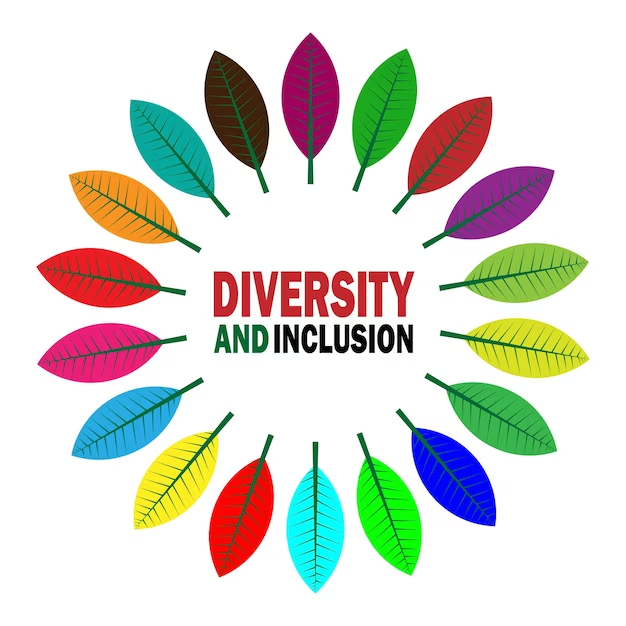
Diversity and inclusion have become central themes in graphic design for 2024. Designers are now more aware of the importance of representing different cultures, ethnicities, genders, and abilities. This trend reflects a broader societal shift towards inclusivity and equality.
Graphic designers are using diverse imagery and color palettes that reflect the global population. This includes showcasing people of different races, body types, and ages. They are also creating designs that are accessible to everyone. This means considering color contrast for the visually impaired and ensuring that text is readable for those with dyslexia.
Brands are increasingly seeking to connect with a broader audience. Inclusive design helps them achieve this by making everyone feel seen and valued. It’s not just about adding diverse faces to a campaign. It’s about creating a genuine connection through thoughtful and respectful representation.
2. 3D Surrealism
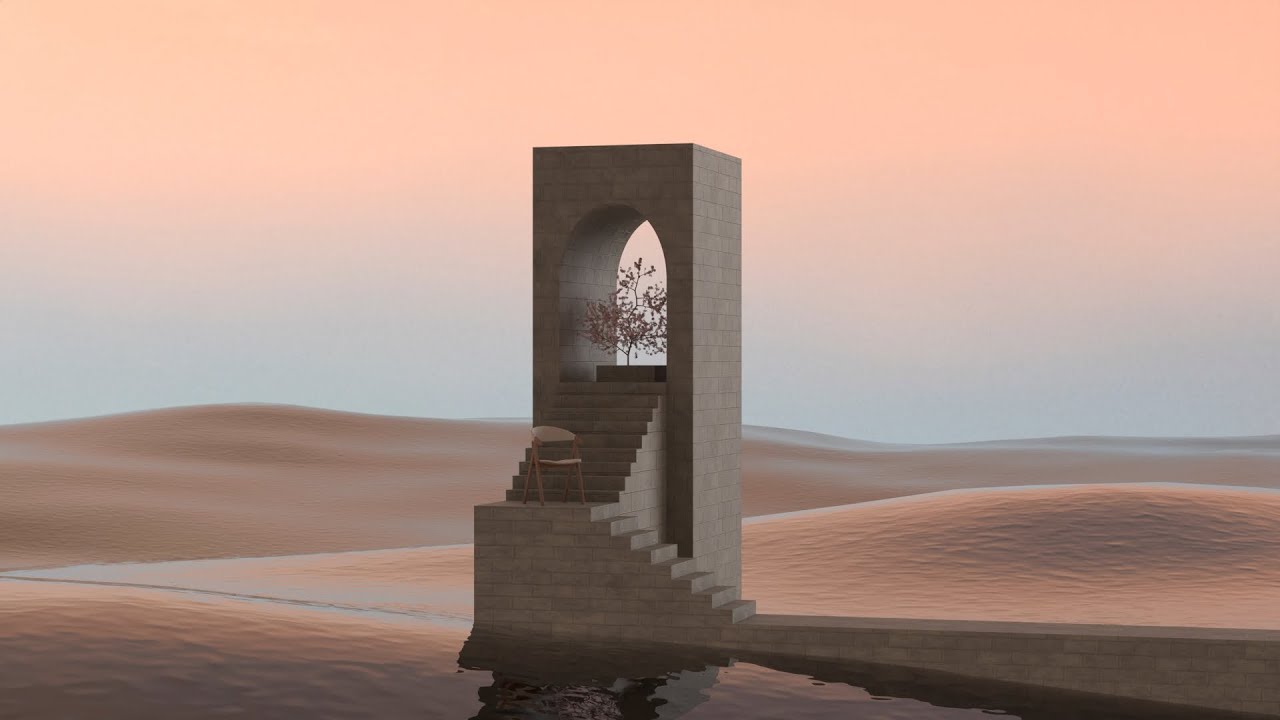
3D surrealism is taking the graphic design world by storm in 2024. This trend combines the realism of 3D design with the whimsical and dream-like qualities of surrealism. The result is captivating visuals that draw viewers in and hold their attention.
Designers are using advanced software to create hyper-realistic 3D models. These models are then placed in unexpected or fantastical settings. This could be anything from floating islands to underwater cities. The goal is to create a sense of wonder and curiosity.
This trend is particularly popular in digital media. Websites, social media, and virtual reality experiences are perfect platforms for 3D surrealism. The immersive nature of these mediums enhances the surreal experience. Additionally, brands are using this trend to create memorable and impactful advertising campaigns.
3. 70s Nostalgia
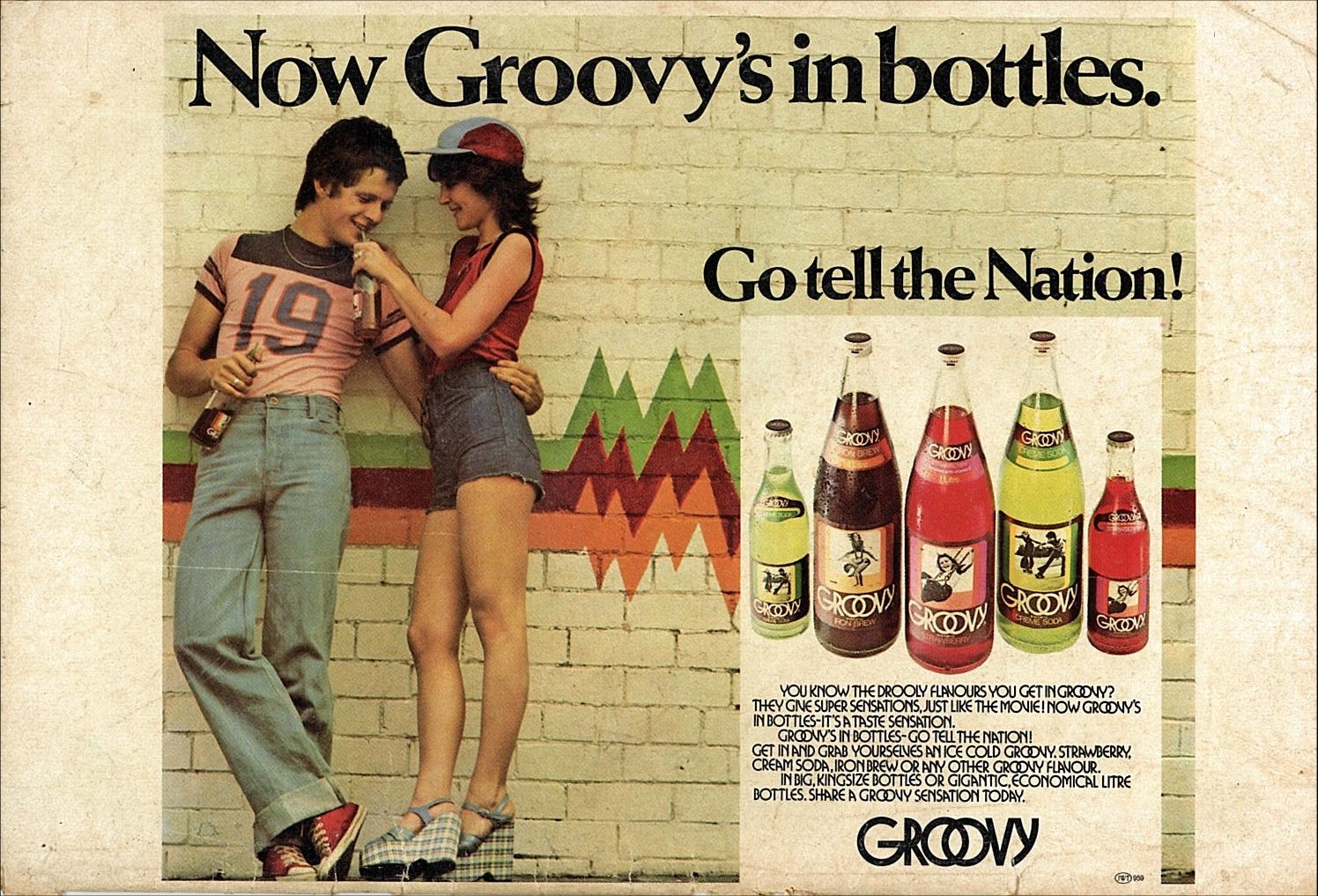
The 70s are back in style for 2024. This nostalgic trend brings the bold colors, funky patterns, and groovy vibes of the 1970s into modern graphic design. It’s all about blending the old with the new.
Designers are using earthy tones like mustard yellow, olive green, and burnt orange. These colors are often paired with bold, psychedelic patterns. Retro fonts, such as bubble and disco-inspired typefaces, are also making a comeback.
This trend isn’t just about copying the past. It’s about reinterpreting it for a contemporary audience. Designers are taking inspiration from vintage posters, album covers, and advertisements. They are then adding a modern twist. This could mean cleaner lines, updated typography, or a more polished overall look.
70s nostalgia is particularly effective in branding and packaging. It evokes a sense of familiarity and comfort. This can be appealing to both older generations who remember the 70s and younger generations who appreciate the retro aesthetic. Brands are using this trend to create a connection with their audience, leveraging the power of nostalgia to boost engagement and loyalty.
4. Maximalism in Composition
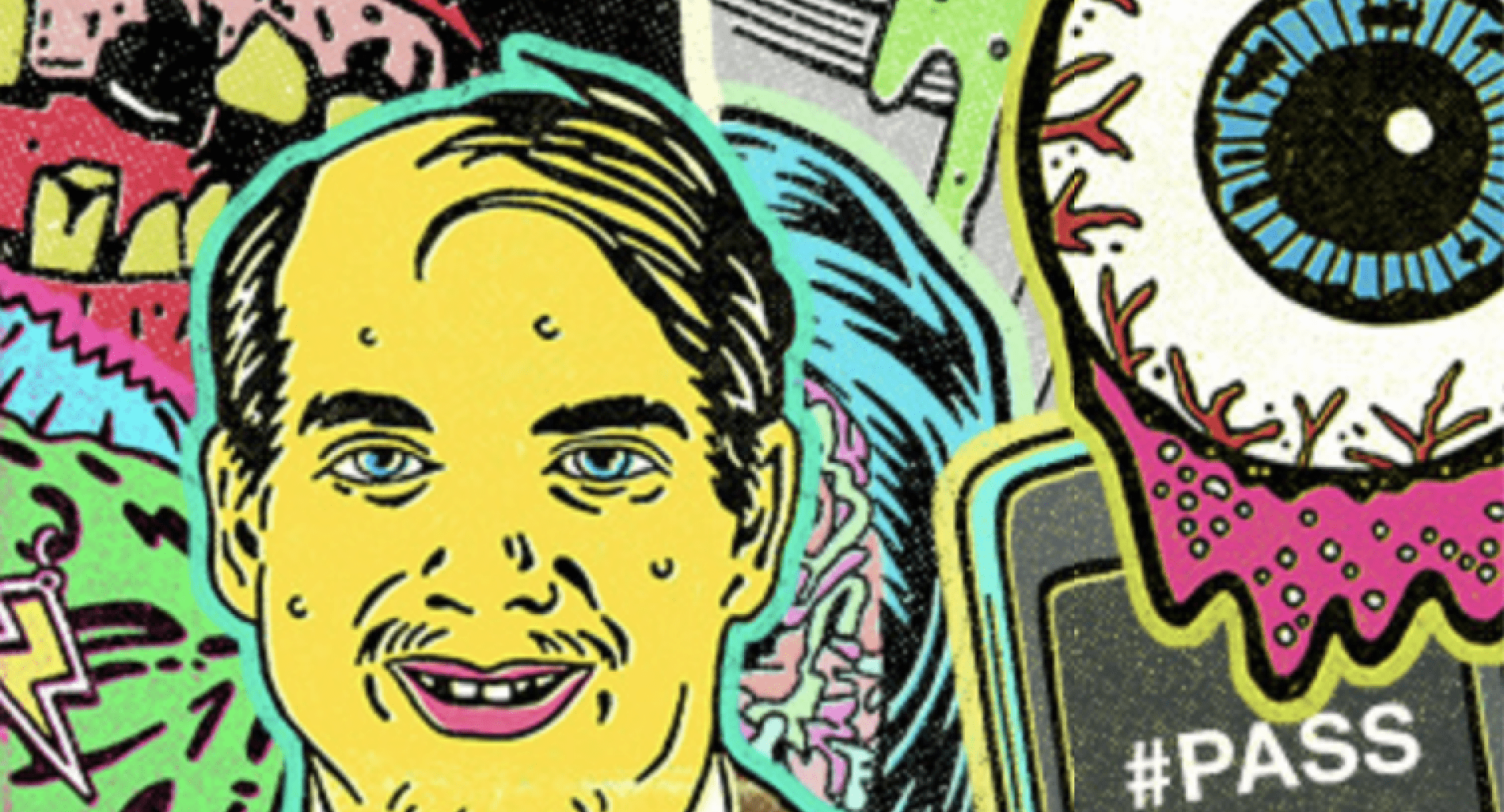
Maximalism is making a strong statement in 2024. This trend is all about embracing bold, vibrant, and cluttered designs. Unlike minimalism, which focuses on simplicity, maximalism encourages designers to go all out.
Rich colors, intricate patterns, and a mix of various elements characterize maximalist designs. This can include combining different textures, fonts, and images in a single composition. The key is to create a visually engaging and dynamic piece without overwhelming the viewer.
Designers are using maximalism to tell more complex stories. Each element in the design has a purpose and adds to the overall narrative. This trend is particularly effective in editorial design, packaging, and advertising, where the goal is to capture attention quickly.
To succeed with maximalism, balance is crucial. Even though the design is busy, it should still be cohesive and well-organized. Designers achieve this by using a strong focal point and ensuring that the various elements complement each other.
5. Experimental Typography
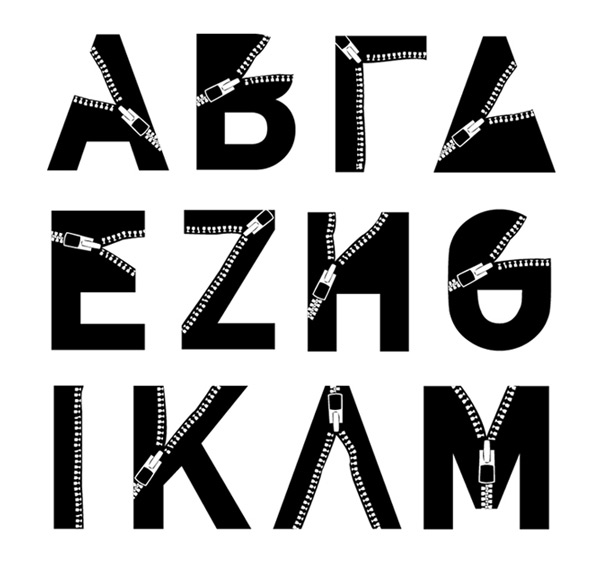
Typography is taking center stage in 2024. Experimental typography breaks the traditional rules of type design. It pushes the boundaries of legibility and aesthetics, creating unique and striking text elements.
This trend involves playing with letter shapes, sizes, and arrangements. Designers are stretching, distorting, and layering text to create visually intriguing compositions. This can make the typography itself a focal point of the design rather than just a medium for conveying information.
Designers are also integrating typography with other visual elements. For instance, text might intertwine with illustrations or photographs, creating a seamless blend of type and image. This approach adds depth and complexity to the design.
Experimental typography works well in branding, advertising, and digital media. It grabs attention and makes a strong statement. However, it’s essential to balance creativity with readability. The text should still be legible enough to convey the intended message.
6. Illustration and Animation
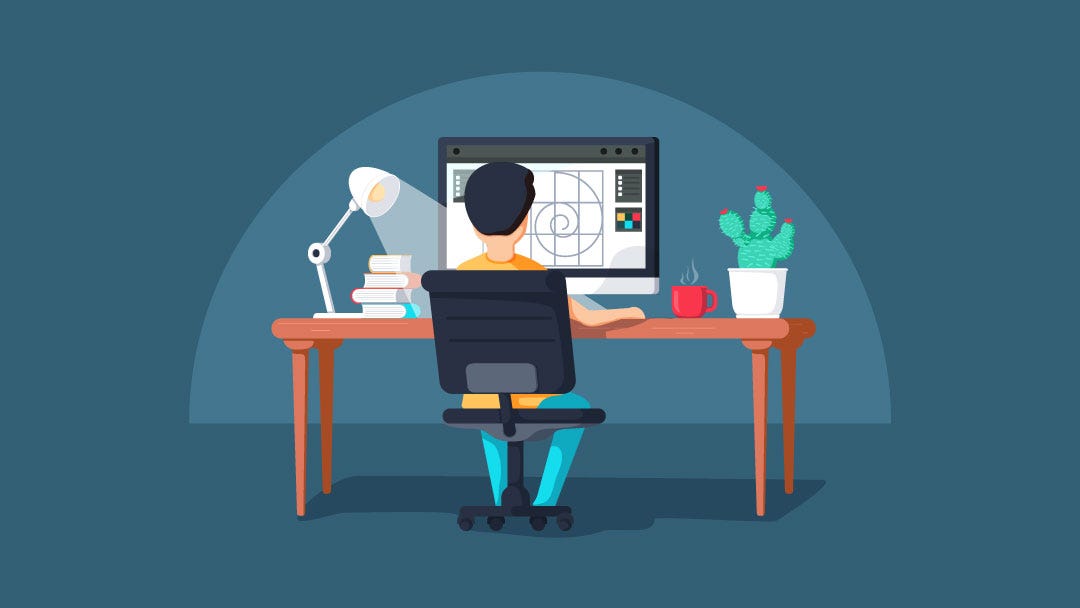
Illustration and animation are becoming increasingly prominent in graphic design. These elements add a dynamic and personal touch to designs, making them more engaging and memorable.
Illustrations can range from simple line drawings to detailed, colorful artworks. They allow designers to create unique visuals that stand out from generic stock images. Custom illustrations can convey a brand’s personality and values in a way that photographs cannot.
Animation takes this a step further by adding movement. Animated elements can include anything from subtle motion graphics to full-scale animated videos. This trend is particularly effective in digital media, where interactive and animated content can capture and hold viewers’ attention.
Brands are using illustration and animation to create more engaging websites, social media content, and advertisements. These elements can make a design more playful and approachable, enhancing the overall user experience.
Incorporating illustration and animation into designs requires a good understanding of storytelling. The visuals should support and enhance the narrative, creating a cohesive and compelling message. When done right, this trend can significantly boost a design’s impact and memorability.
7. Anti-Design
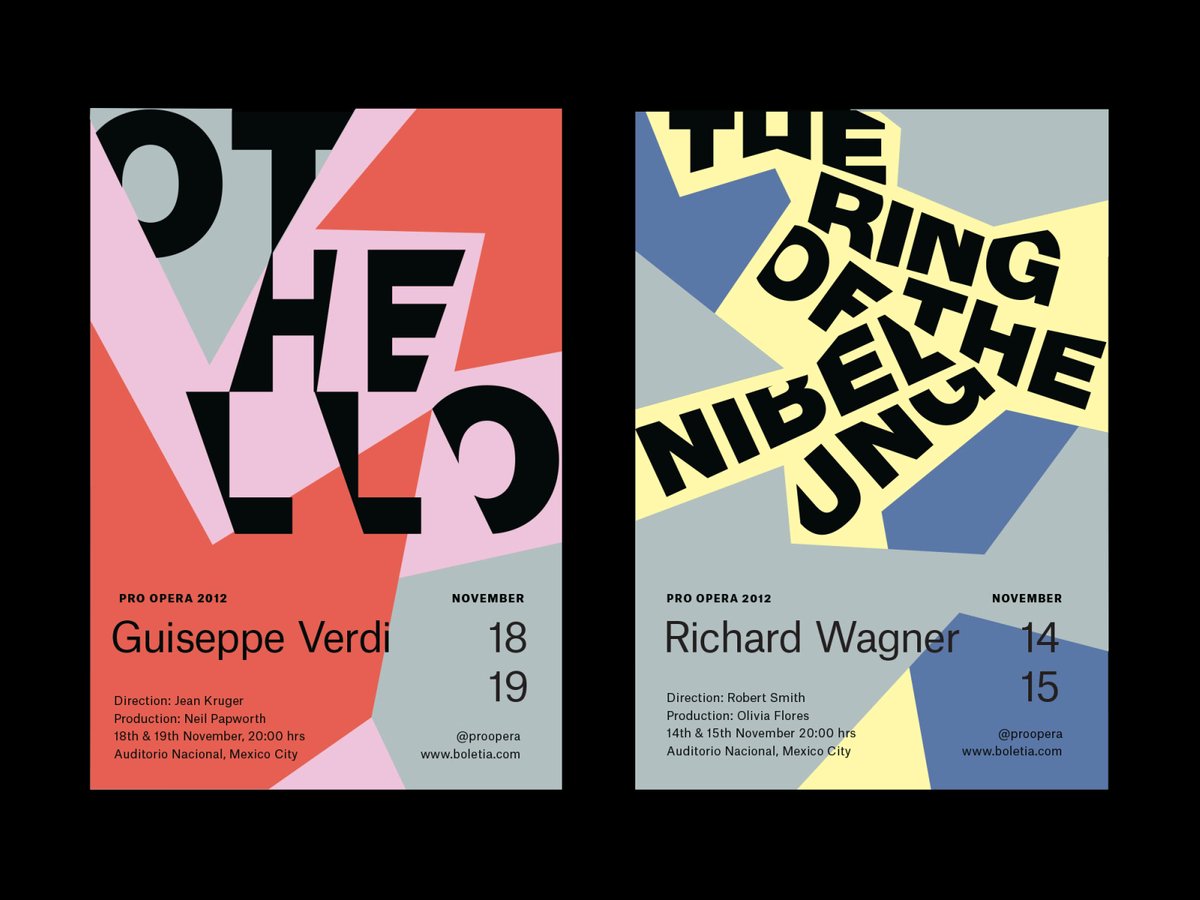
Anti-design is a bold trend that challenges traditional aesthetics. It’s all about breaking the rules and embracing imperfection. This trend encourages designers to experiment with unconventional layouts, clashing colors, and distorted images.
Anti-design rejects the polished and clean look of modern design. Instead, it celebrates chaos and randomness. This approach can result in designs that are visually jarring but also deeply engaging. The goal is to provoke thought and elicit an emotional response from the viewer.
This trend often uses elements like asymmetry, overlapping text, and rough textures. These create a raw and unfiltered look. It can be particularly effective in editorial design, album covers, and posters. Here, designers have more freedom to push boundaries and make a statement.
Despite its chaotic appearance, successful anti-design still requires careful planning. Designers must ensure that the overall composition is balanced. This keeps the viewer’s attention focused on the key message.
8. Vintage Minimalism
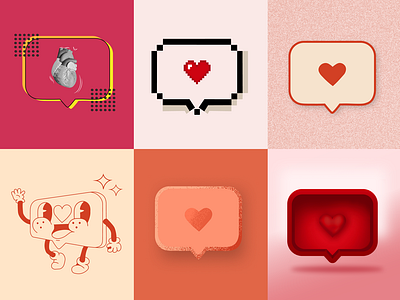
Vintage minimalism combines the simplicity of minimalism with nostalgic elements from the past. This trend draws inspiration from design styles of the mid-20th century. It uses clean lines, muted color palettes, and simple shapes.
Designers use vintage fonts and retro-inspired graphics to create a sense of nostalgia. This can evoke feelings of warmth and familiarity. It’s a way to connect with audiences on an emotional level.
Vintage minimalism works well in branding, packaging, and interior design. It can give products a timeless and classic appeal. Brands often use this trend to suggest quality and reliability, tapping into the aesthetic of bygone eras.
The key to vintage minimalism is restraint. Designers focus on essential elements and avoid unnecessary embellishments. This creates a clean and elegant look that still feels rich and evocative.
9. Abstract Gradients and Transitions

Abstract gradients and transitions are taking the spotlight in 2024. These elements add depth and dynamism to designs. They use smooth color shifts and fluid shapes to create visually striking compositions.
Gradients have evolved from simple color transitions to complex, abstract forms. Designers experiment with multiple hues and blending modes to achieve unique effects. These can range from soft and subtle to bold and vibrant.
Transitions play a crucial role in digital design. They enhance the user experience by guiding the eye smoothly from one element to another. This can make websites, apps, and digital presentations more engaging and intuitive.
Abstract gradients and transitions work well in backgrounds, overlays, and as standalone elements. They can add a modern and futuristic feel to designs. This trend is particularly popular in the tech and creative industries. It reflects innovation and forward-thinking.
To master this trend, designers need a good understanding of color theory and composition. The key is to create harmonious blends that enhance the overall design without overpowering it. When used effectively, abstract gradients and transitions can add a layer of sophistication and depth to any project.
10. Texture and Senses

In 2024, texture and senses are becoming key elements in graphic design. Designers are moving beyond just visual appeal. They are creating designs that evoke tactile sensations and emotional responses. This trend is about making digital experiences feel more tangible and immersive.
Textures can range from rough and gritty to soft and smooth. They add depth and dimension to flat designs. Designers use textures to create contrast and highlight specific elements. This makes the design more engaging and visually interesting.
Incorporating sensory elements goes beyond just texture. It includes using colors and shapes that evoke certain feelings or memories. For example, warm colors and soft, rounded shapes can create a sense of comfort and nostalgia. Cool colors and sharp, angular shapes can evoke feelings of modernity and precision.
Texture and sensory design are particularly effective in packaging, branding, and digital media. They help create a memorable experience for the audience. When viewers feel connected to the design, they are more likely to engage with the content and remember it.
11. Geometry
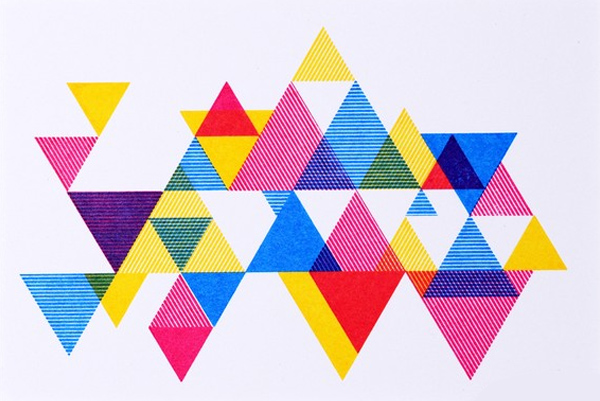
Geometry is a timeless trend that will continue to evolve in 2024. Geometric shapes and patterns provide structure and harmony in design. They create clean, organized compositions that are pleasing to the eye.
Designers use geometric elements to build layouts, create patterns, and highlight key areas. Simple shapes like circles, squares, and triangles can be combined in countless ways to create complex and intricate designs. This versatility makes geometry a powerful tool in graphic design.
Geometric designs often have a modern and minimalist feel. They are popular in branding, web design, and print media. Using geometry can help convey a sense of order, precision, and stability.
Moreover, geometric shapes can be used to guide the viewer’s eye through the design. They can create visual pathways and focal points, making the design more intuitive and easy to navigate.
To master geometric design, it’s important to understand the principles of balance and proportion. Well-designed geometric compositions feel harmonious and balanced, drawing the viewer in and guiding them through the visual story.
12. Earth-First Design
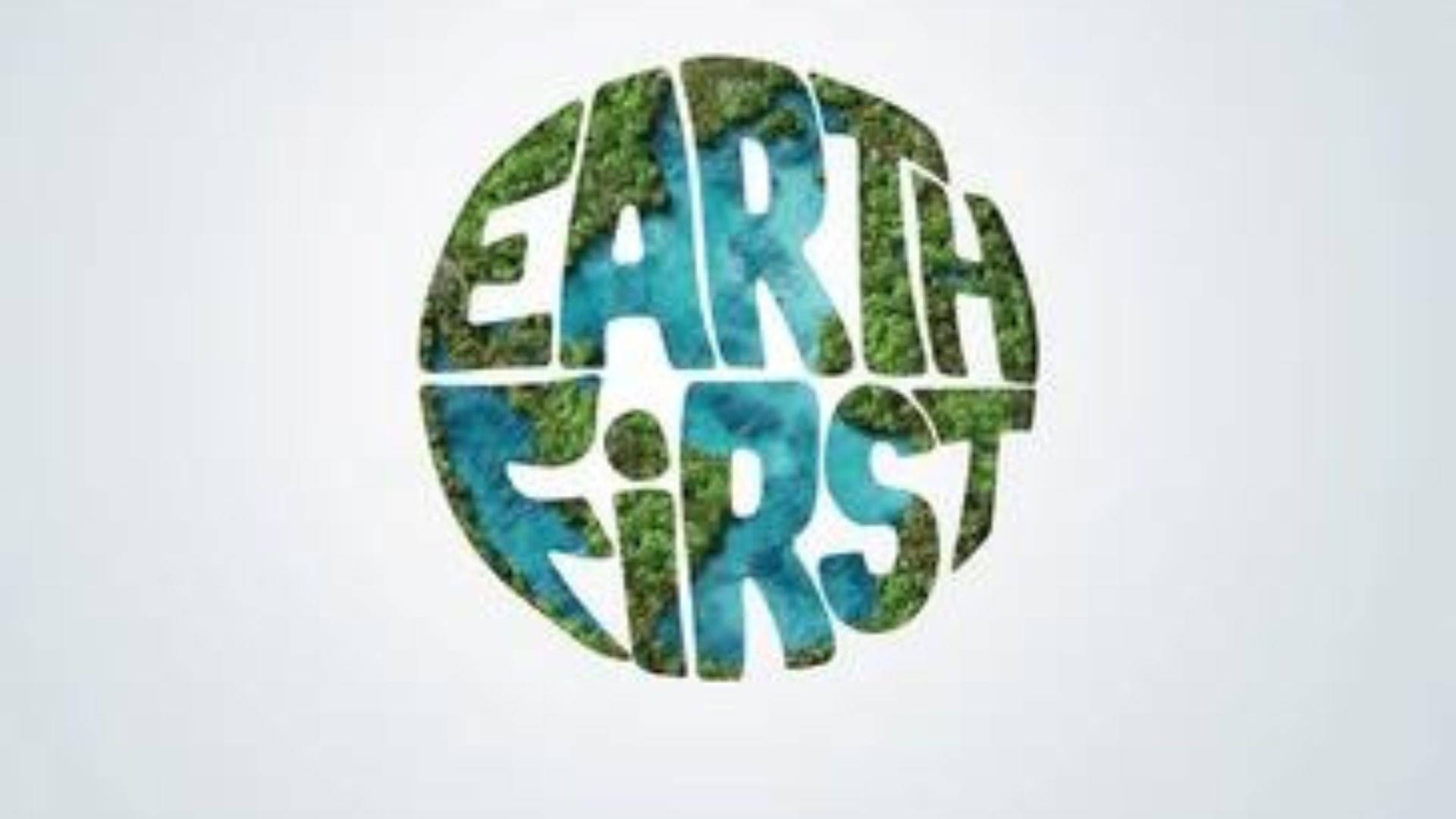
Earth-first design is a major trend in 2024. As environmental concerns grow, designers are focusing on sustainability. This trend emphasizes eco-friendly materials, processes, and messages.
Designers are using sustainable materials for print designs. This includes recycled paper and eco-friendly inks. Digital designs are also considering their carbon footprint. Optimizing images and reducing file sizes can lower energy consumption.
Earth-first design also involves creating visuals that promote environmental awareness. This can be done through nature-inspired color palettes and themes. Earth tones like greens, browns, and blues are common. These colors evoke a sense of connection to the natural world.
Brands adopting this trend often highlight their commitment to sustainability. This builds trust and loyalty with eco-conscious consumers. Overall, earth-first design is about more than aesthetics. It’s about making a positive impact on the planet.
13. AI-Powered Design
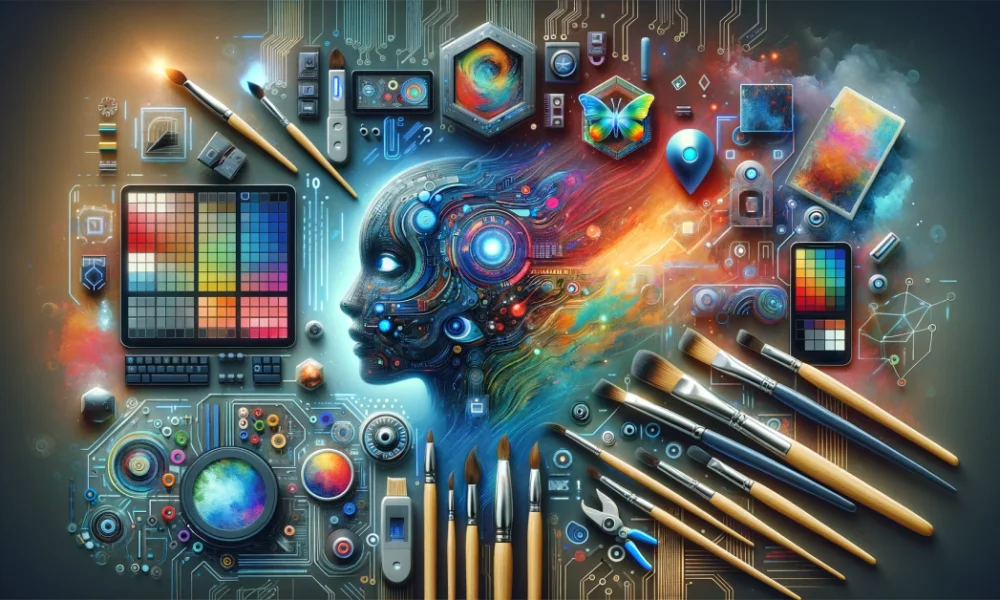
AI-powered design is transforming the graphic design industry in 2024. Artificial intelligence tools help designers create more efficiently. They can automate repetitive tasks and offer new creative possibilities.
AI can generate design suggestions based on input data. This includes layout options, color palettes, and font pairings. These tools can save time and inspire new ideas. Designers can focus on refining and personalizing their work.
Another advantage of AI is its ability to analyze user behavior. AI tools can track how users interact with a design. This data helps designers make informed decisions to improve user experience. For example, adjusting elements that users find confusing or unattractive.
The AI-powered design also includes generative design. This is where AI creates designs based on set parameters. Designers can input their goals, and the AI generates multiple versions to choose from. This approach can lead to innovative and unexpected solutions.
While AI tools are powerful, they still need to replace human designers. Instead, they are enhancing the creative process. Designers still need to apply their skills and intuition. AI provides more tools and insights on how to work.
Final Thoughts
Graphic design in 2024 is vibrant and innovative. The trends this year reflect a mix of creativity, technology, and social awareness. Diversity and inclusion are at the forefront, promoting representation and accessibility. From the playful chaos of maximalism to the clean precision of geometric shapes, there’s something for every aesthetic. Earth-first design emphasizes sustainability, while AI-powered tools are revolutionizing the creative process. Each trend offers unique ways to engage and inspire audiences. By embracing these trends, designers can create impactful and memorable works. Stay informed and experiment with these styles to keep your designs fresh and relevant. The future of graphic design is bright, and 2024 is set to be a year of exciting possibilities and breakthroughs.


