


Maintaining a positive online reputation is crucial for any business. Your online presence can make or break your success in today’s digital age. Reputation management tools help you monitor, manage, and improve your online reputation. These tools offer features like review monitoring, social media management, and sentiment analysis. By using these tools, businesses can ensure they maintain a positive image online.
In this post, we’ll explore the top 10 reputation management tools that can help your business thrive. Whether you’re a small business owner or a large corporation, these tools can help you keep your reputation in check. Let’s dive into the best tools available to keep your online image spotless.
What Is Reputation Management?
Reputation management involves influencing and controlling an individual’s or organization’s reputation. In today’s digital world, it focuses heavily on managing online perceptions. Businesses must ensure that their online presence accurately reflects their values and strengths. This can include monitoring social media channels, review sites and other online platforms where customers share their opinions.
The goal of reputation management is to shape public perception. Companies strive to maintain a positive image, respond to negative feedback, and address any issues that may arise. This involves a proactive approach to communication and customer service. By actively managing their reputation, businesses can build trust with their audience. They can also mitigate adverse events’ impact and enhance their brand image.
Effective reputation management can lead to increased customer loyalty and attract new customers. It can also improve employee morale and attract top talent, Which is crucial to a company’s success and longevity. As online interactions become more prevalent, the importance of maintaining a positive digital reputation cannot be overstated.
Benefits of Online Reputation Management
Online reputation management offers numerous benefits for businesses. First and foremost, it helps build trust with customers. Potential customers who see positive reviews and interactions are more likely to choose your business over competitors. This trust can lead to increased sales and customer loyalty.
Another significant benefit is improved search engine rankings. Positive online content, such as favorable reviews and mentions, can boost your website’s visibility on search engines. This increased visibility can drive more traffic to your site, resulting in higher conversion rates.
Reputation management also provides valuable insights into customer feedback. By monitoring reviews and social media mentions, businesses can better understand what their customers like and dislike. This information can improve products, services, and customer experiences.
Moreover, effective reputation management can help mitigate the impact of negative reviews. By promptly addressing and resolving issues, businesses can turn dissatisfied customers into loyal ones. This proactive approach can prevent negative feedback from spreading and causing long-term damage.
Lastly, a solid online reputation can attract better talent. Prospective employees are more likely to apply to companies with positive reputations. This can help businesses build a solid and motivated workforce.
What Is Reputation Management Software?
Reputation management software is designed to help businesses monitor and manage their online reputation. This software automates tracking online mentions reviews, and social media interactions. It collects data from various sources, providing businesses a comprehensive view of their online presence.
One of the critical functions of reputation management software is review monitoring. It aggregates reviews from multiple platforms, allowing businesses to respond quickly to customer feedback. This timely response can enhance customer satisfaction and demonstrate a commitment to customer service.
The software also offers sentiment analysis, which evaluates the tone of online mentions. This helps businesses understand how the public perceives their brand. Additionally, it can identify emerging trends and potential issues before they escalate.
Social media management is another critical feature. The software allows businesses to schedule posts, monitor engagement, and analyze performance across social media platforms. This ensures a consistent and positive online presence.
Overall, reputation management software simplifies maintaining a positive online image. It provides businesses with the tools and insights needed to protect and enhance their reputation in the digital landscape.
Key Features to Consider in Reputation Management Software
When choosing reputation management software, there are several key features to consider. First, look for comprehensive review monitoring capabilities. The software should be able to track and aggregate reviews from multiple platforms, providing a centralized view of customer feedback.
Sentiment analysis is another essential feature. This helps businesses understand the tone of online mentions and identify potential issues. It should offer insights into both positive and negative sentiments, allowing for a balanced view of public perception.
Social media management tools are also crucial. The software should enable businesses to schedule posts, monitor engagement, and track performance across various social media channels. This ensures a cohesive and positive online presence.
Reporting and analytics capabilities are essential as well. The software should provide detailed reports on key metrics, such as review ratings, social media engagement, and sentiment trends. This data can be used to make informed decisions and improve reputation management strategies.
Ease of use is another critical factor. The software should have an intuitive interface that allows users to navigate and utilize its features efficiently. Finally, consider the scalability of the software. It should grow with your business and handle increasing volumes of data and interactions.
By considering these key features, businesses can choose the right reputation management software to monitor and manage their online reputation effectively.
10 Best Reputation Management Tools
Managing your online reputation is crucial for business success. Various tools can help you monitor, manage, and enhance your online presence. Each tool offers unique features that cater to different aspects of reputation management. Here are the top 10 reputation management tools to help your business thrive.
1. Statusbrew
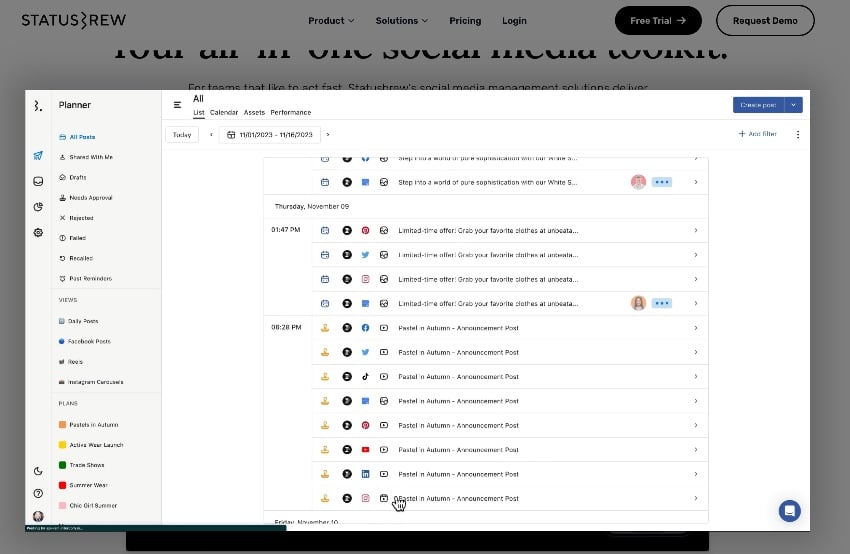
Statusbrew is a comprehensive social media management tool that excels in reputation management. It allows businesses to monitor social media channels, schedule posts, and engage with their audience. With its advanced analytics, you can track brand mentions and analyze sentiment to understand public perception.
Features:
- Social media scheduling and publishing
- Real-time brand monitoring
- Sentiment analysis
- Detailed analytics and reporting
- Team collaboration tools
2. Reputation.com
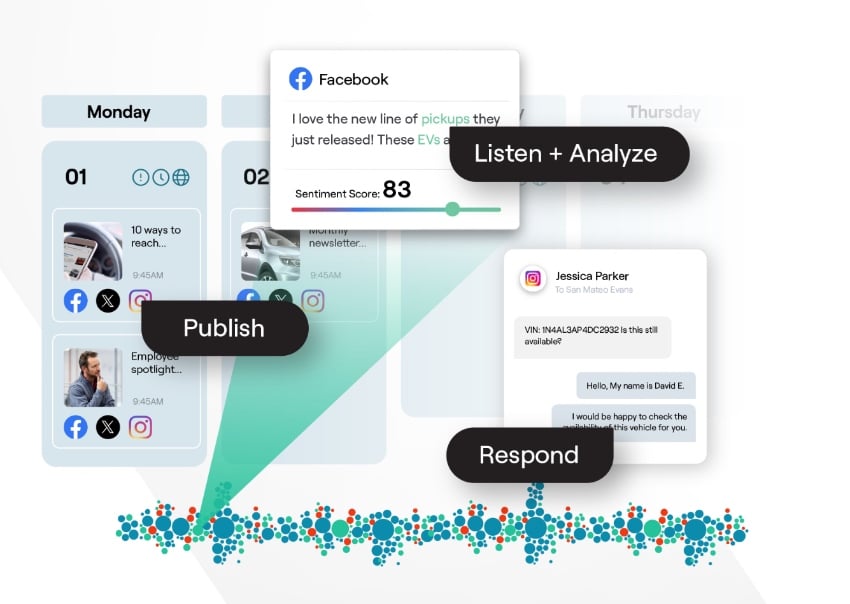
Reputation.com focuses on helping businesses improve their online reputation through review management and customer feedback. It gathers reviews from various platforms, allowing companies to respond promptly. The tool also provides insights into customer sentiment and trends.
Features:
- Review aggregation and monitoring
- Sentiment analysis
- Customer feedback management
- Customizable reporting
- Local SEO tools
3. Podium
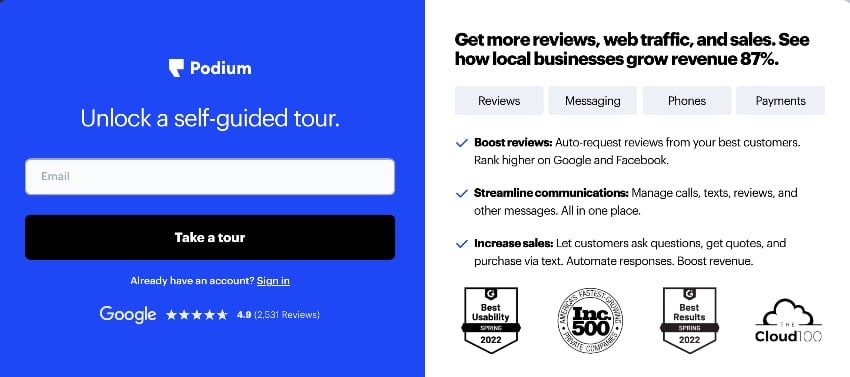
Podium is a powerful tool designed to enhance customer interactions and manage online reviews. It simplifies the process of collecting reviews by sending automated requests to customers. Podium also offers messaging features that allow businesses to communicate directly with customers.
Features:
- Automated review requests
- Centralized messaging platform
- Review monitoring and response
- Customer interaction analytics
- Integration with various business tools
4. Meltwater
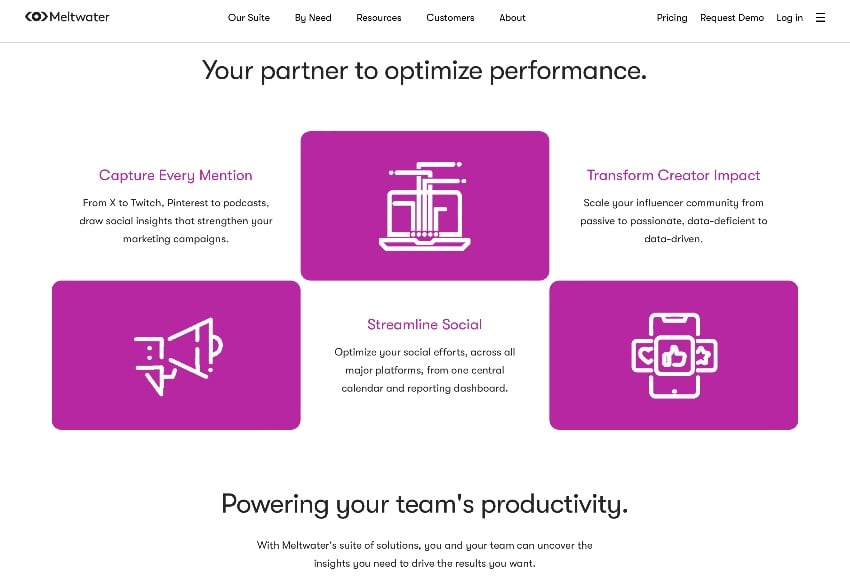
Meltwater provides comprehensive media monitoring and social listening capabilities. It helps businesses track brand mentions across social media, news sites, and blogs. Meltwater’s analytics tools offer insights into public sentiment and emerging trends.
Features:
- Media monitoring
- Social listening
- Sentiment analysis
- Competitive benchmarking
- Customizable reporting
5. Birdeye
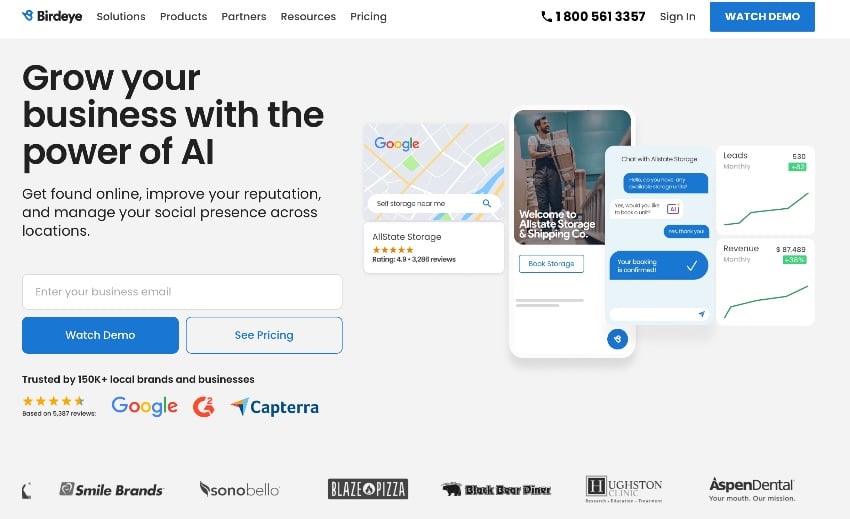
Birdeye is an all-in-one platform for managing reviews, listings, and customer feedback. It helps businesses collect and respond to reviews across multiple platforms. Birdeye also provides tools for managing online listings and enhancing local SEO.
Features:
- Review management
- Customer feedback collection
- Online listing management
- Sentiment analysis
- Local SEO tools
6. Yext
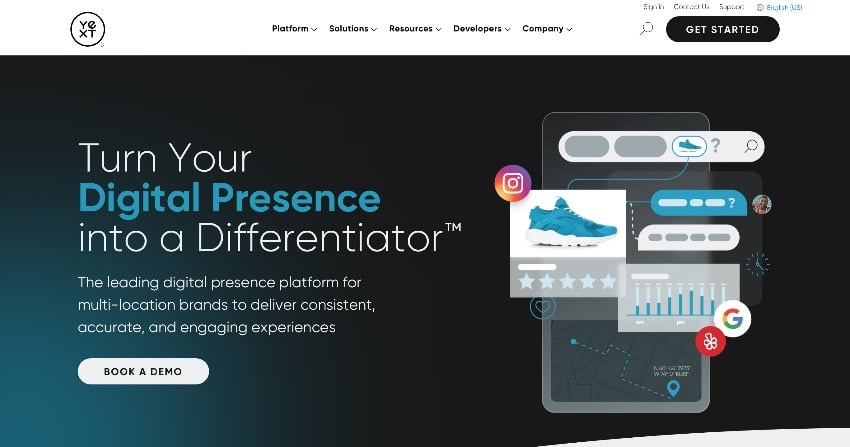
Yext specializes in managing online listings and improving local SEO. It ensures that business information is accurate across various directories and search engines. Yext also offers tools for monitoring reviews and responding to customer feedback.
Features:
- Online listing management
- Review monitoring and response
- Local SEO optimization
- Analytics and Reporting
- Data cleansing
7. Brand24
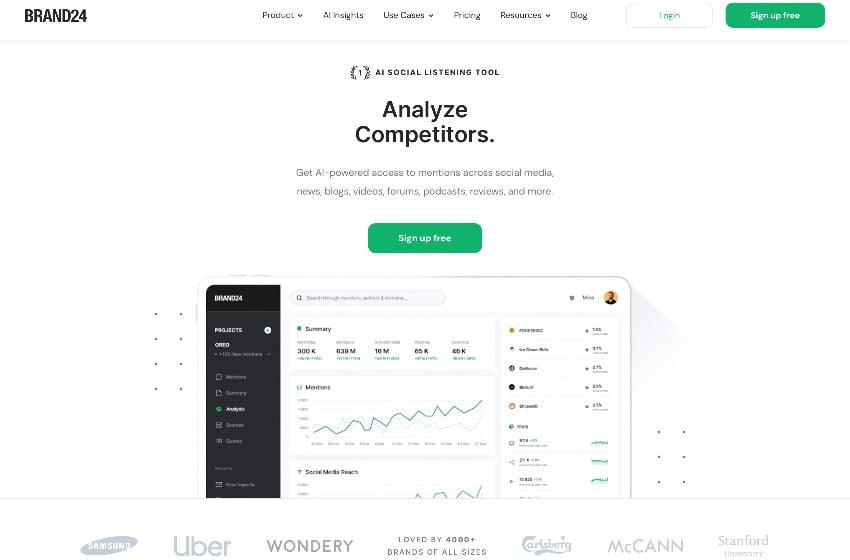
Brand24 offers real-time brand monitoring and social listening. It tracks mentions of your brand across social media, news sites, and blogs. Brand24’s sentiment analysis helps businesses understand public perception and identify potential issues early.
Features:
- Real-time brand monitoring
- Social listening
- Sentiment analysis
- Influencer identification
- Detailed analytics and reporting
8. Sprout Social
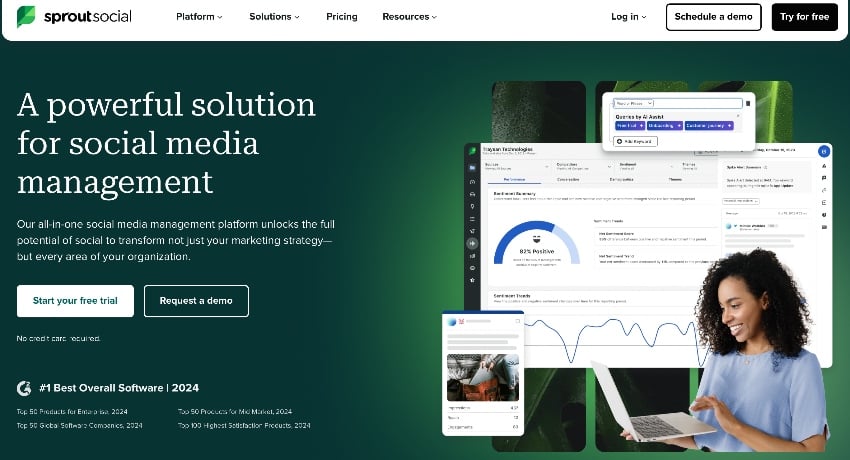
Sprout Social is a comprehensive social media management tool with reputation management features. It helps businesses monitor social media mentions, schedule posts, and engage with their audience. Sprout Social’s analytics tools provide insights into brand performance.
Features:
- Social media scheduling and publishing
- Brand monitoring
- Sentiment analysis
- Engagement tracking
- Analytics and Reporting
9. Trustpilot
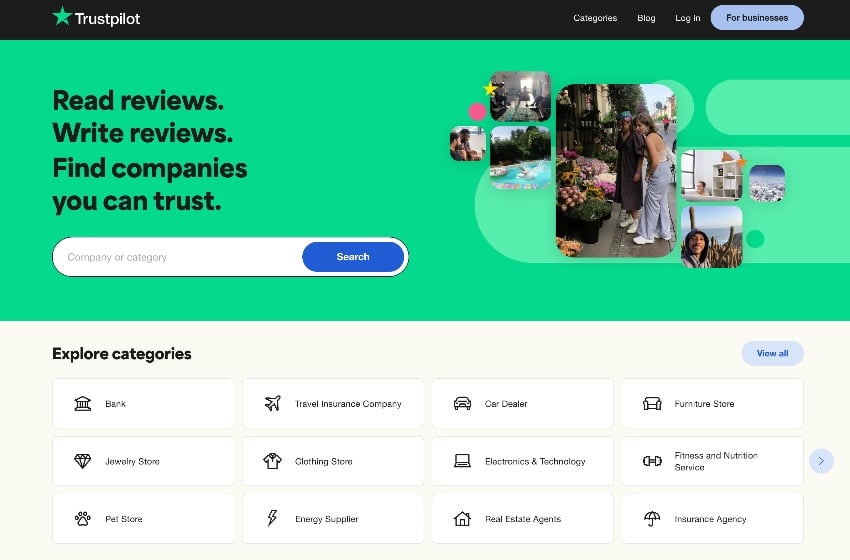
Trustpilot is a review platform that helps businesses collect and manage customer reviews. It provides tools for responding to reviews and analyzing customer feedback. Trustpilot also offers widgets for displaying reviews on your website to build trust with potential customers.
Features:
- Review collection and management
- Customer feedback analysis
- Review response tools
- Trust widgets for websites
- Detailed reporting
10. SentiOne

SentiOne offers advanced social listening and brand monitoring capabilities. It tracks mentions of your brand across social media, news sites, and blogs. SentiOne’s sentiment analysis helps businesses understand public perception and address issues proactively.
Features:
- Social listening
- Brand monitoring
- Sentiment analysis
- Real-time alerts
- Analytics and Reporting
Final Thoughts
Managing your online reputation is vital for business success. The right tools can help you monitor, manage, and improve your online presence. Each of the tools mentioned offers unique features that cater to different needs. Using these tools can ensure a positive image and build trust with your customers. Remember, maintaining a good reputation is an ongoing process. Regularly monitor feedback, respond to reviews, and stay engaged with your audience. This proactive approach will help you address issues quickly and maintain a positive reputation. Investing in reputation management tools will pay off by enhancing your brand’s image and driving business growth.


